Spain’s Alicante province is home to the famous Costa Blanca, a coastline stretching over 200 km of beaches, coves, and cliffs with more than 300 days of sunshine a year. While big resorts like Benidorm get the spotlight, the true magic lies in its smaller towns—places where whitewashed houses, turquoise water, and historic charm come together.
From lively beach hubs to quiet fishing villages, these destinations reveal the diverse beauty of Spain’s southeastern coast. Here are 10 Alicante towns that perfectly capture the region’s coastal appeal.
Altea
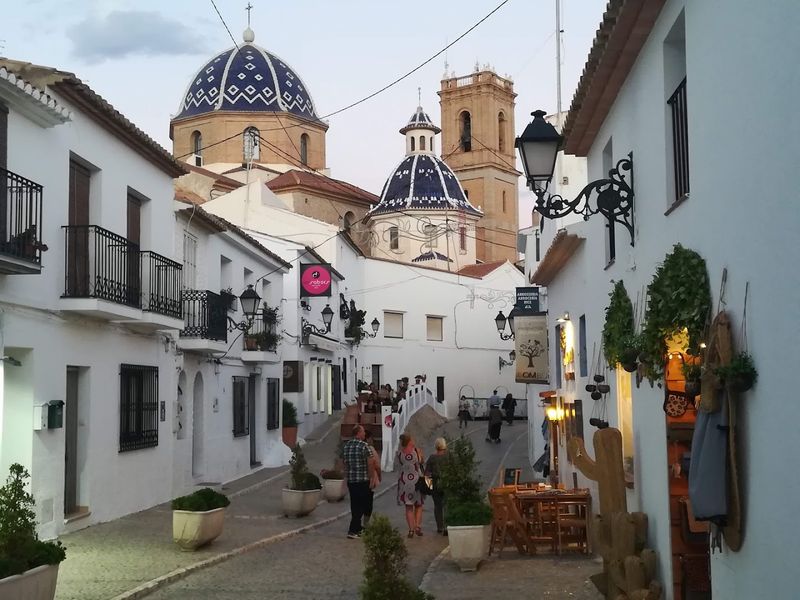
Perched on a hillside like something out of a dream, Altea is widely regarded as one of the most beautiful towns on Spain’s entire coastline. Its iconic blue-domed church sits at the very top, visible from the sea and almost impossible not to photograph.
The old town’s whitewashed walls glow in the afternoon sun, giving the whole place a warm, almost magical atmosphere.
Narrow cobbled streets wind past art galleries, ceramic shops, and cozy cafes with sweeping views of the Mediterranean. Artists have been drawn here for decades, and it shows—there’s a creative, relaxed energy that sets Altea apart from flashier resort towns nearby.
You don’t come to Altea to party; you come to breathe, wander, and appreciate something genuinely lovely.
The beach below the old town is pebbly rather than sandy, which actually keeps the crowds thinner than at neighboring spots. Seafood restaurants line the waterfront, and the sunsets here are absolutely spectacular.
If you visit just one town on the Costa Blanca, many travelers would argue Altea deserves that spot.
Jávea (Xàbia)
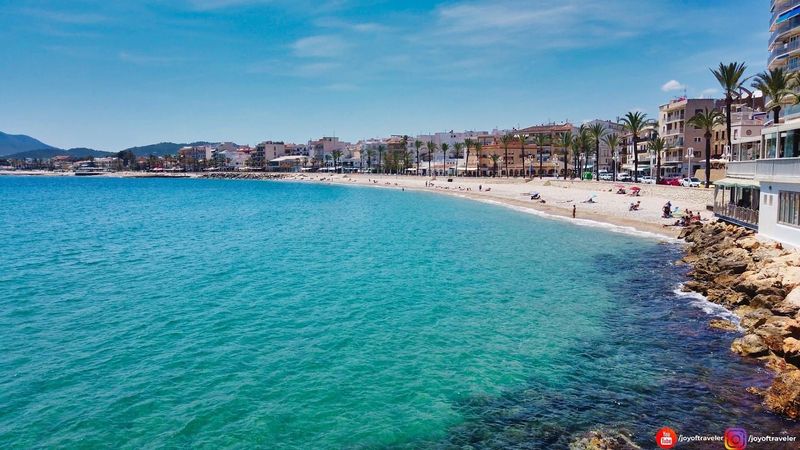
Tucked between two dramatic capes on the Costa Blanca, Jávea is the kind of place that makes people cancel their return flights. The water here is famously clear—some of the clearest along the entire Spanish coast—thanks to the natural protection of the surrounding cliffs and marine reserves.
Snorkelers and kayakers absolutely love it.
What makes Jávea especially interesting is that it’s really three towns in one. There’s the historic old town with its Gothic church and medieval market building, the fishing port buzzing with fresh seafood restaurants, and the beach area lined with golden sand and laid-back beach bars.
Each zone has its own personality, which means you can spend several days here without running out of things to explore.
The surrounding landscape is just as impressive as the coast itself. The Cap de la Nau and Cap de Sant Antoni headlands frame the town with dramatic rocky scenery, perfect for hiking with sea views.
Spring and autumn are the best times to visit if you want warm weather without the peak-summer crowds. Jávea rewards those who take their time with it.
Dénia
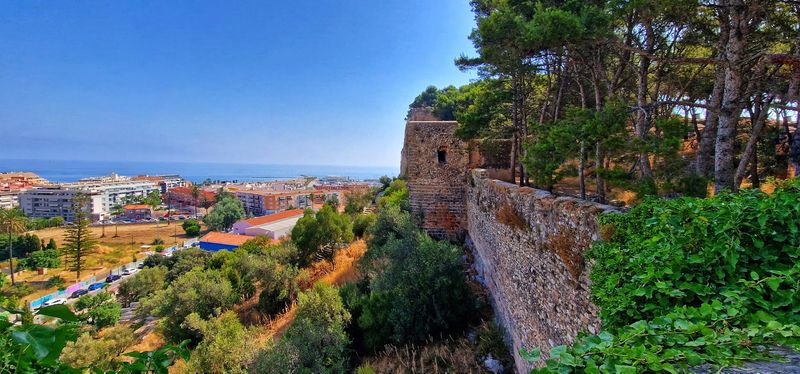
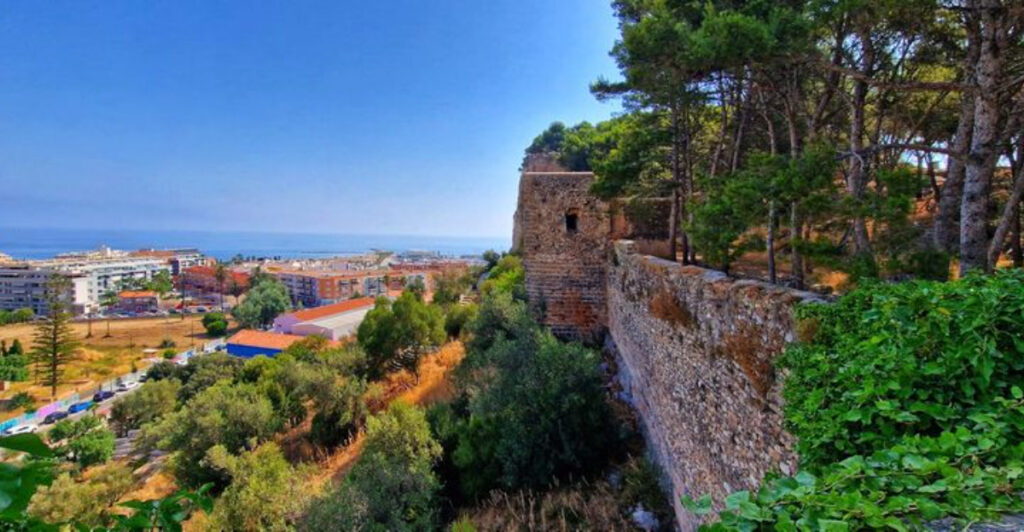
Standing tall above the town, Dénia’s hilltop castle has been watching over this stretch of coast since the Moors built it over a thousand years ago. That kind of history gives Dénia a depth that purely beach-focused towns often lack.
Climb the castle walls and you’ll get panoramic views stretching all the way to Ibiza on a clear day.
Down below, life moves at a wonderfully unhurried pace. The marina is lively with fishing boats and ferries heading to the Balearic Islands, while the town center is full of tapas bars, boutique shops, and shaded plazas.
Dénia’s gastronomy scene is genuinely impressive—it even holds a prestigious food designation for its local rice dishes and fresh seafood.
The beaches here split into two very different experiences. To the north, the Las Marinas coast offers long stretches of golden sand ideal for families.
To the south, Las Rotas is a rocky, wilder shoreline popular with snorkelers and those who prefer their swimming spots a little more rugged. Whether you’re a history buff, a foodie, or a beach lover, Dénia manages to tick every box without breaking a sweat.
Calpe
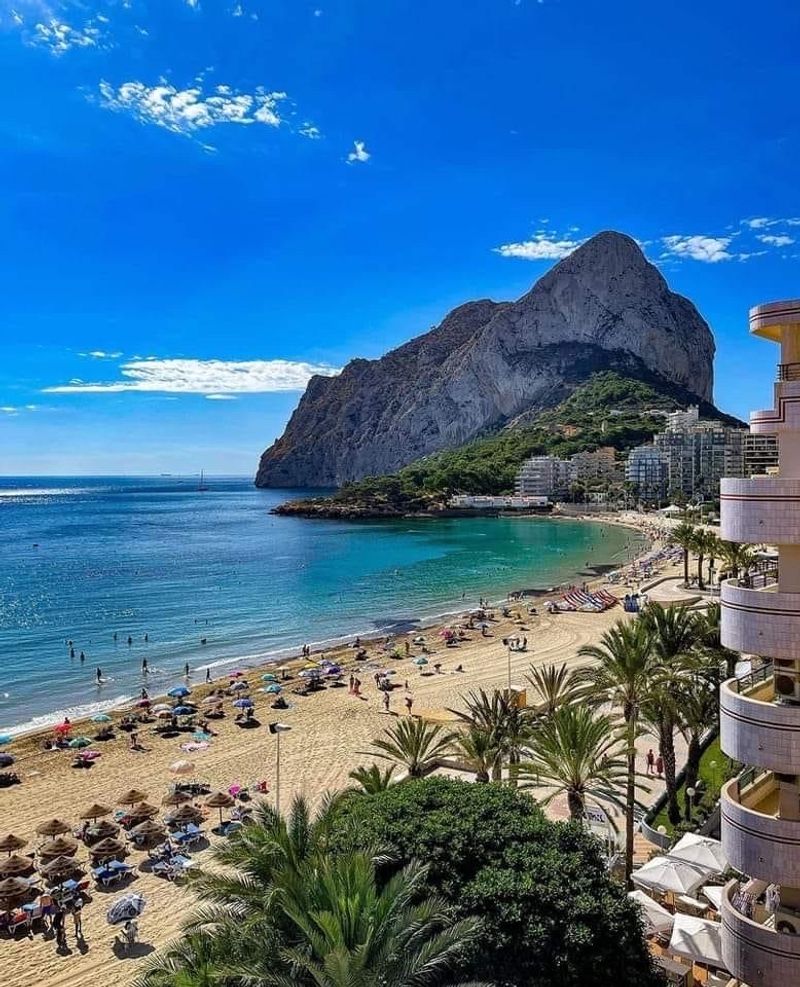
There’s no preparing yourself for the first time you see the Peñón de Ifach. This enormous limestone rock—nearly 332 meters tall—erupts straight out of the sea beside the town of Calpe, making it one of the most jaw-dropping natural landmarks on the entire Mediterranean coast.
It’s the kind of view that makes you stop mid-sentence.
The rock is now a protected natural park, and a hiking trail leads through a tunnel carved into the stone before climbing to the summit. The views from the top are absolutely worth the effort, taking in the coastline in both directions and, on clear days, stretching as far as Ibiza.
Even if hiking isn’t your thing, just watching the rock change color at sunset from the beach below is a perfectly good reason to visit.
Calpe itself has plenty to offer beyond its famous landmark. Two wide sandy beaches flank the rock on either side, both well-equipped with sunbeds, beach bars, and calm, shallow water.
The old town’s colorful streets and fresh fish market add local flavor to what could otherwise feel like a typical resort town. Calpe strikes a solid balance between natural spectacle and everyday coastal life.
Moraira
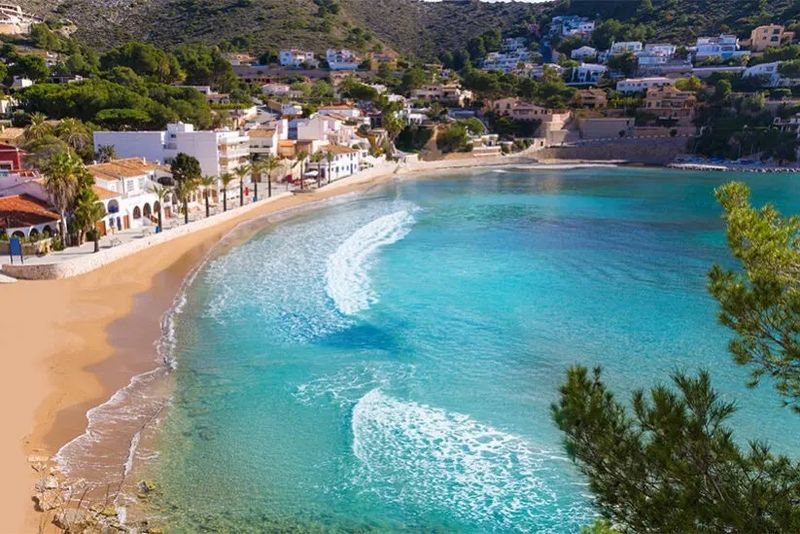
Moraira has a secret that the big resorts would rather you didn’t know: you can have a genuinely beautiful stretch of the Costa Blanca almost entirely to yourself if you come here. This small, refined town has deliberately kept its development low-key, which means no towering hotel blocks, no neon-lit strip bars—just clear water, clean beaches, and a relaxed pace that feels almost old-fashioned in the best way.
The harbor is the heart of the town, where fishing boats bob alongside sleek yachts and the seafood restaurants serve whatever came in that morning. There’s a 16th-century watchtower standing guard over the bay, a reminder that this coastline has been worth protecting for centuries.
The surrounding landscape of vineyards and mountains gives Moraira a strikingly different backdrop compared to most coastal towns.
El Portet cove is the local favorite—a sheltered, horseshoe-shaped bay with calm, crystal water that’s ideal for swimming and paddleboarding. Families, couples, and long-stay expats all seem equally at home here.
Moraira isn’t trying to compete with anyone, and that quiet confidence is exactly what makes it so appealing. Sometimes the best place is the one that isn’t shouting about itself.
Villajoyosa
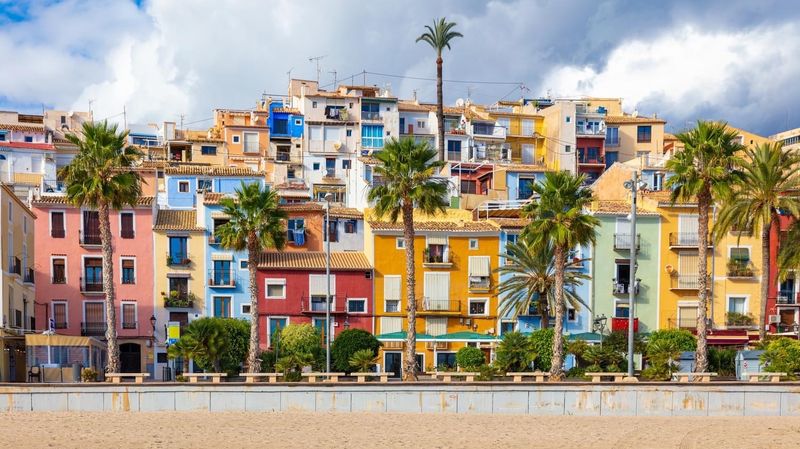
Villajoyosa might just be the most colorful town on the entire Costa Blanca—and that’s not a metaphor. The fishermen’s houses lining the seafront are painted in vivid shades of yellow, pink, orange, blue, and red, creating a facade so striking that it stops tourists dead in their tracks.
Legend has it the colors helped fishermen spot their homes from the sea. Whether that’s true or not, the result is absolutely unforgettable.
Behind the photogenic waterfront, the town has real local character that many coastal spots have lost. The central market, the old church, and the winding medieval streets all feel genuinely lived-in rather than dressed up for tourists.
The beaches here are some of the best in the area—wide, sandy, and backed by the colorful buildings that make every photo look like a postcard.
Villajoyosa is also famous for its chocolate. The Valor chocolate factory has been based here since 1881, and the factory museum offers tours and tastings that make for a surprisingly fun afternoon activity.
It’s a refreshing reminder that this town has an identity beyond its beaches. Come for the colors, stay for the chocolate, and leave wondering why more people don’t talk about this place.
Santa Pola
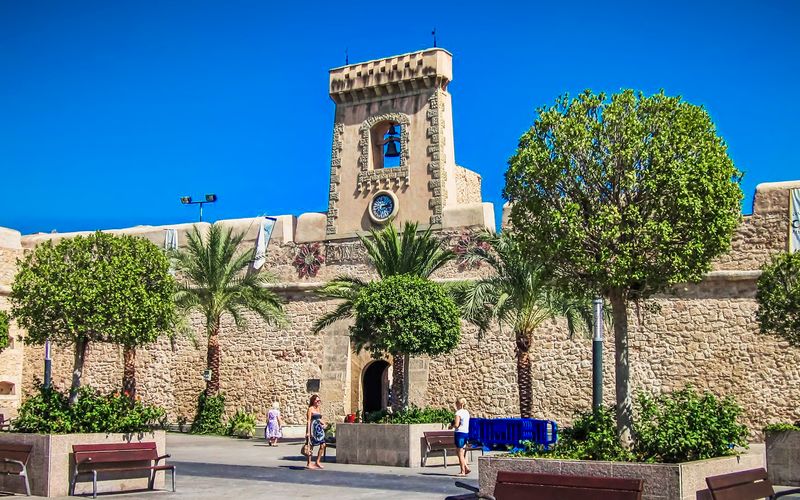
Santa Pola is the kind of town that locals love and tourists often overlook—which means those who do find it tend to feel quietly smug about their discovery. This traditional fishing port turned beach destination sits at the southern end of the Costa Blanca and offers a genuinely authentic slice of Spanish coastal life.
The morning fish auction at the port is a local institution worth setting an early alarm for.
The beaches here are excellent. Playa de Levante and Playa de Poniente stretch out on either side of the town, offering calm, shallow water that’s particularly well-suited for families with young children.
The salt flats just outside town form part of a protected natural park, home to pink flamingos and other migratory birds—an unexpected wildlife bonus that surprises most visitors.
Santa Pola is also the jumping-off point for ferries to Tabarca Island, Alicante’s only inhabited island and one of the region’s most treasured natural spots. Even without the island day trip, the town itself has enough going on—a medieval castle, a good seafood scene, and a lively summer atmosphere—to justify a stay of several days.
It punches well above its tourist-fame weight.
El Campello
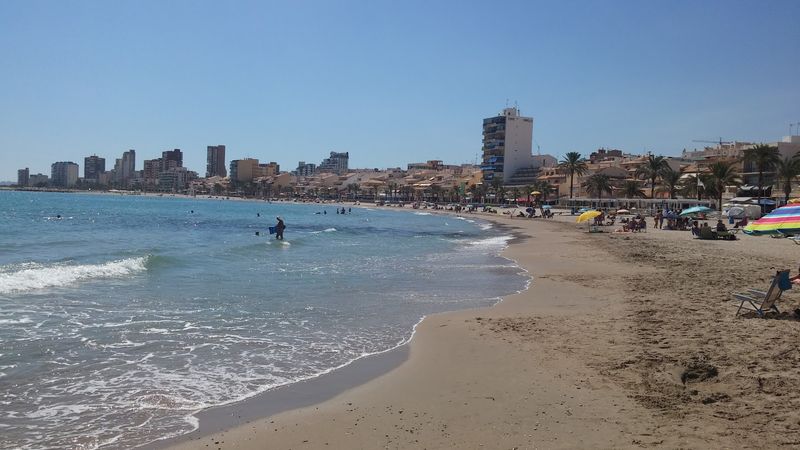
Just a short tram ride north of Alicante city, El Campello manages to feel like a proper seaside escape rather than just a suburb with a beach. The long, gently curving sandy shore here is one of the cleanest and most family-friendly on the Costa Blanca, with calm, shallow water that makes it ideal for kids and nervous swimmers alike.
The Blue Flag status it regularly earns is well deserved.
The town’s small fishing harbor adds a layer of authenticity that keeps El Campello feeling grounded despite its growing popularity. Fresh fish is taken seriously here—the local restaurants along the paseo maritimo serve some of the best grilled catch you’ll find anywhere in the province.
Eating outdoors with sea views and a cold local beer is basically the El Campello experience in a nutshell.
There’s also an interesting archaeological site nearby: the Illeta dels Banyets, a Bronze Age settlement built on a small peninsula jutting into the sea. It’s a fascinating detour that adds some historical weight to what might otherwise be a straightforward beach trip.
El Campello is easy to reach, easy to enjoy, and surprisingly easy to fall for—a solid choice for both day-trippers and longer visitors.
Guardamar del Segura
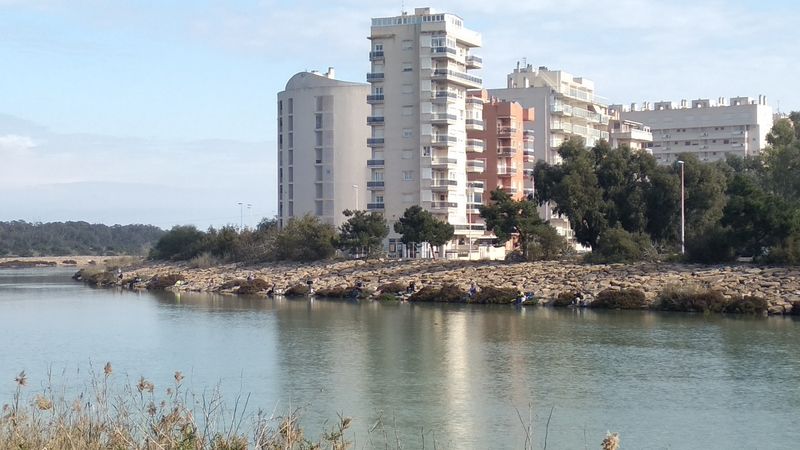
Guardamar del Segura does something quietly remarkable: it sits at the edge of the Costa Blanca’s most southerly stretch and delivers a coastal experience that feels almost untouched. The wide, golden beaches here back onto a vast system of protected sand dunes covered in pine trees—a landscape that feels more like a nature documentary than a typical Spanish resort town.
It’s genuinely beautiful in a way that doesn’t need any filters.
The dune forest was actually planted in the late 19th century to stop the town from being buried by shifting sands. That bit of history gives the whole place an extra layer of interest.
Today those same pine forests provide shaded walking and cycling paths that wind right down to the water’s edge, making Guardamar popular with outdoor enthusiasts as well as beach lovers.
The town itself is relaxed and unpretentious, with a good selection of bars, restaurants, and a lively market. The Segura River meets the sea here, creating a wetland area that attracts birdwatchers from across Europe.
Guardamar tends to attract visitors who want space, nature, and a slower pace—and it delivers all three without any fuss. If crowded beach resorts leave you cold, this is your answer.
Tabarca Island (Nueva Tabarca)
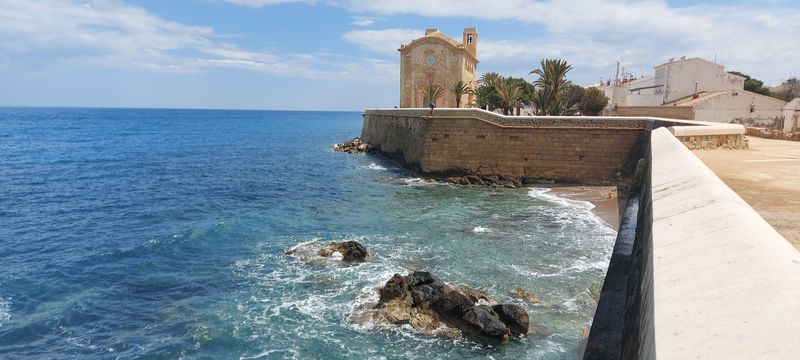
Tabarca is the only inhabited island in the entire Valencian Community, and stepping off the ferry feels like arriving somewhere time genuinely forgot. The island is tiny—barely a kilometer long—yet it packs in a walled village, a small church, a handful of restaurants, and some of the most jaw-dropping water you’ll find anywhere in the western Mediterranean.
The marine reserve surrounding it is among the richest in Spain.
Snorkeling here is extraordinary. The protected waters are so clear and so full of sea life—octopus, sea bream, starfish, and colorful reef fish—that even people who’ve snorkeled all over the world tend to come away impressed.
The lack of motorized water sports in the reserve keeps everything calm and undisturbed, which makes the whole experience feel wonderfully peaceful.
The island’s history is just as fascinating as its natural beauty. Carlos III founded Nueva Tabarca in 1769 to house freed Genoese slaves captured by Tunisian pirates—a story so dramatic it almost sounds made up.
The original fortified walls still stand, and the old village inside them is remarkably well-preserved. Tabarca is easily reached by ferry from Santa Pola, Alicante, or Guardamar, and a day trip here is one of the most memorable things you can do on the entire Costa Blanca.
Share this story