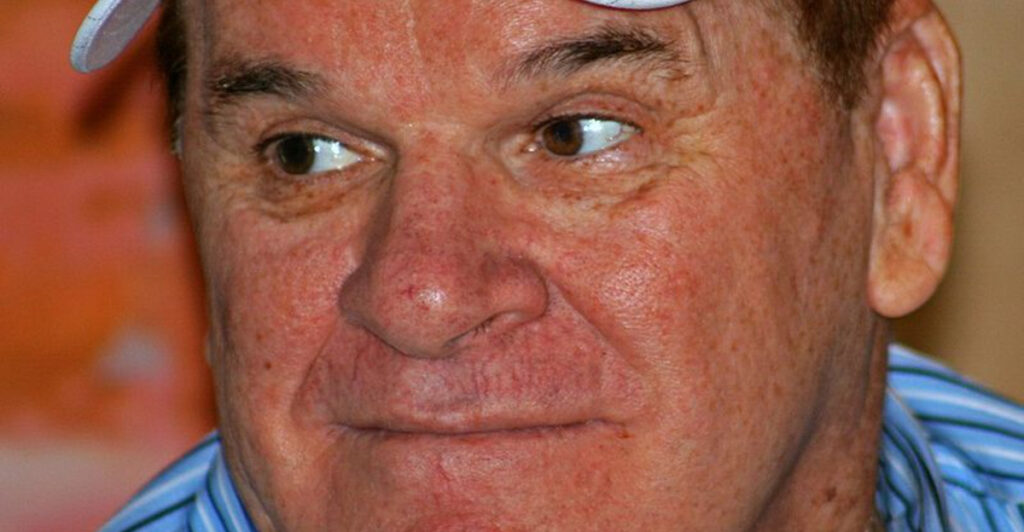
Every year, fans argue about who belongs in the Hall of Fame and who gets left out. Some of the greatest athletes in history are still waiting for that call, despite records and achievements that speak for themselves.
Whether it is controversy, politics, or just bad timing, certain legends have been kept on the outside looking in. Here are 10 athletes whose careers more than earned them a spot among the immortals.
1. Barry Bonds (MLB)
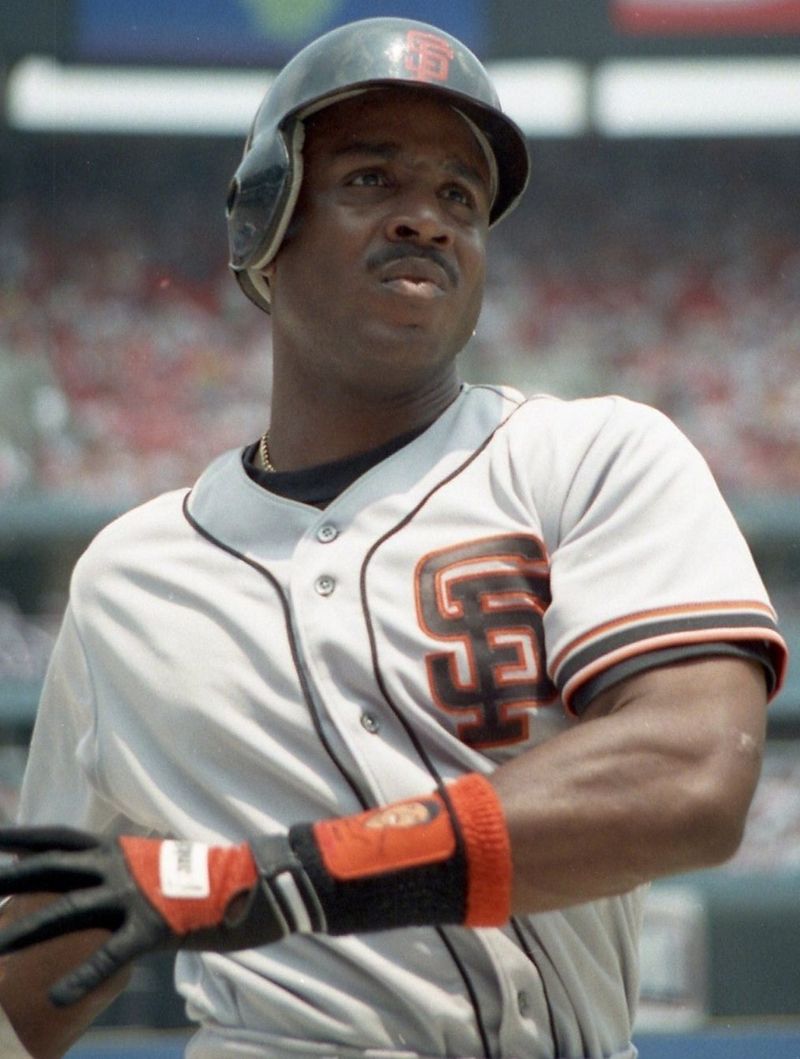
No player in baseball history hit more home runs than Barry Bonds. His 762 career home runs sit at the top of the all-time list, and his seven MVP awards are unmatched by any player in any era.
Statistically, he is the most dominant offensive player the game has ever seen.
Bonds was also a gifted outfielder who won eight Gold Glove Awards, showing he was far more than just a power hitter. His combination of speed, defense, and hitting ability made him a complete player in every sense.
The steroid era cloud has kept him out of Cooperstown, but many historians argue that his numbers before any alleged use were already Hall of Fame worthy. Keeping Bonds out remains one of the most debated decisions in baseball history.
2. Roger Clemens (MLB)
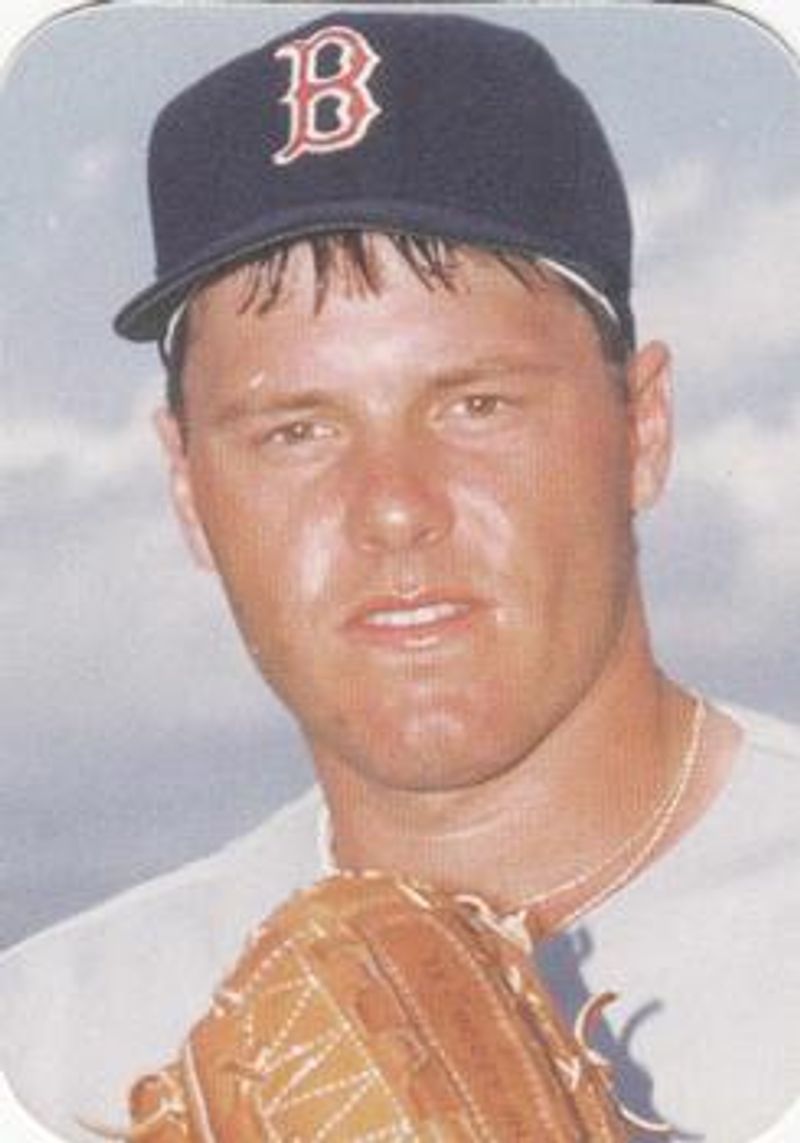
Seven Cy Young Awards. That number alone tells you almost everything you need to know about Roger Clemens.
No pitcher in Major League Baseball history has won more, and his career spanned over two decades of elite-level dominance across multiple teams and eras.
Clemens finished with 354 career wins and 4,672 strikeouts, both placing him among the all-time leaders. He was the kind of competitor who made batters uncomfortable just by stepping onto the mound, mixing a blazing fastball with a sharp breaking ball that kept hitters guessing.
Like Bonds, Clemens has been caught in the crossfire of the steroid era debate. His connection to performance-enhancing drug allegations has stalled his Hall of Fame case.
Many baseball analysts still believe his pre-controversy years alone should have been enough to earn his plaque in Cooperstown.
3. Pete Rose (MLB)
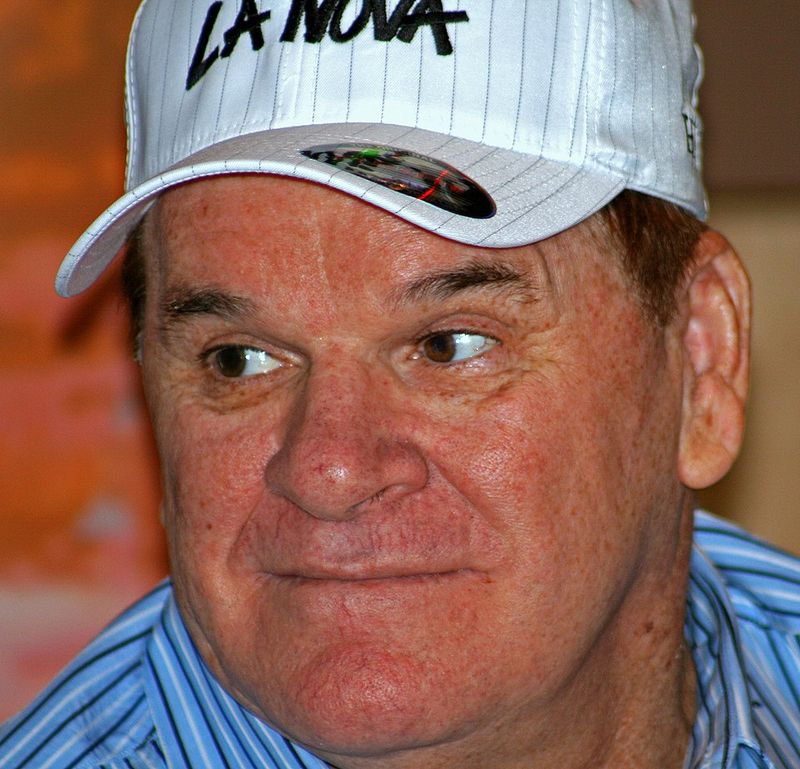
Nobody in the history of professional baseball collected more hits than Pete Rose. His 4,256 career hits is a record that has stood for decades and may never be broken.
Rose played with a relentless hustle that earned him the nickname Charlie Hustle, and fans absolutely loved him for it.
He won three World Series rings, three batting titles, and was a 17-time All-Star at five different positions. Rose was the engine that powered the famous Big Red Machine teams of the 1970s, and his impact on Cincinnati baseball is still felt today.
A lifetime ban from baseball due to gambling on games has kept him permanently off the Hall of Fame ballot. Many fans and historians believe that his on-field accomplishments deserve to be recognized separately from his off-field mistakes.
The debate around Rose is one of the most emotionally charged in all of sports.
4. Curt Schilling (MLB)
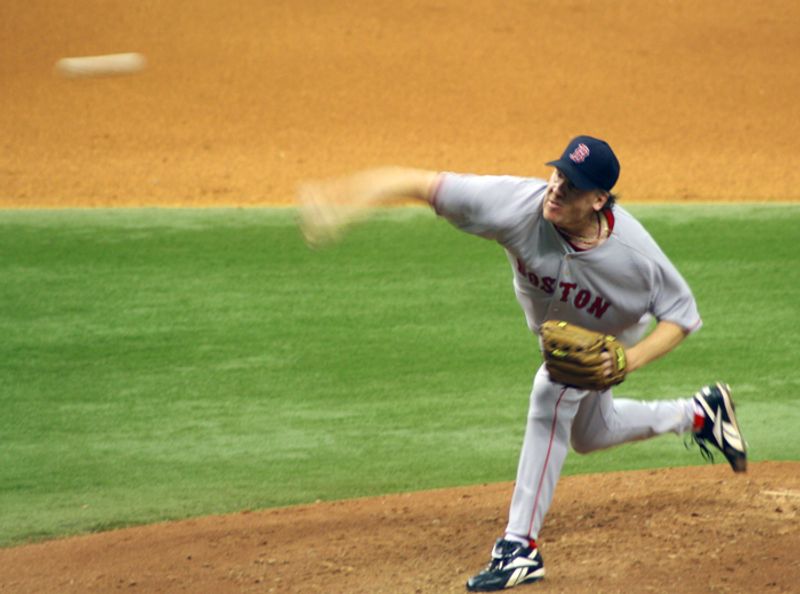
When the pressure was at its highest, Curt Schilling delivered. His 2.23 ERA in postseason play is one of the most remarkable numbers in October baseball history, and he backed it up with three World Series championships.
The bloody sock game in the 2004 ALCS is one of the most iconic moments in baseball lore.
Schilling finished his career with 216 wins and 3,116 strikeouts, both strong Hall of Fame numbers. He was a power pitcher who studied hitters obsessively, using preparation as much as raw talent to gain an edge on every opponent he faced.
His outspoken political views and social media controversies have complicated his Hall of Fame journey significantly. Voters have repeatedly passed on him despite his credentials.
Schilling eventually asked to be removed from the ballot, adding another strange chapter to an already complicated legacy that still stirs strong feelings among baseball fans.
5. Dale Murphy (MLB)
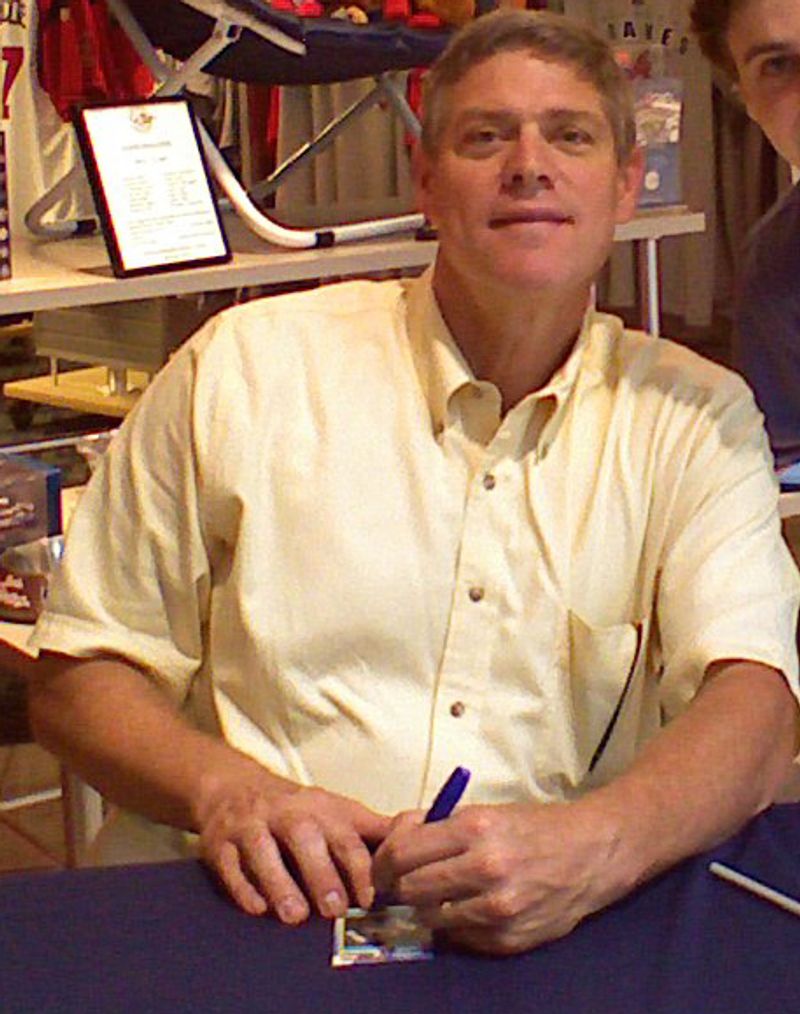
Back-to-back MVP awards are not handed out to ordinary players. Dale Murphy won the National League MVP in 1982 and 1983, cementing his status as the best player in baseball during that stretch.
Playing for the Atlanta Braves, he was a rare combination of power, speed, and defensive excellence in center field.
Murphy hit 398 career home runs and drove in 1,266 runs while also winning five consecutive Gold Glove Awards. He was the face of the Braves franchise during a tough era for the team, giving fans something to cheer about year after year with his consistent and exciting play.
Murphy was also known for being one of the most respected and clean-cut players of his generation, a true ambassador for the sport. Despite strong support from fans and some writers, he has repeatedly fallen short of the 75 percent threshold needed for Hall of Fame induction.
6. Don Mattingly (MLB)
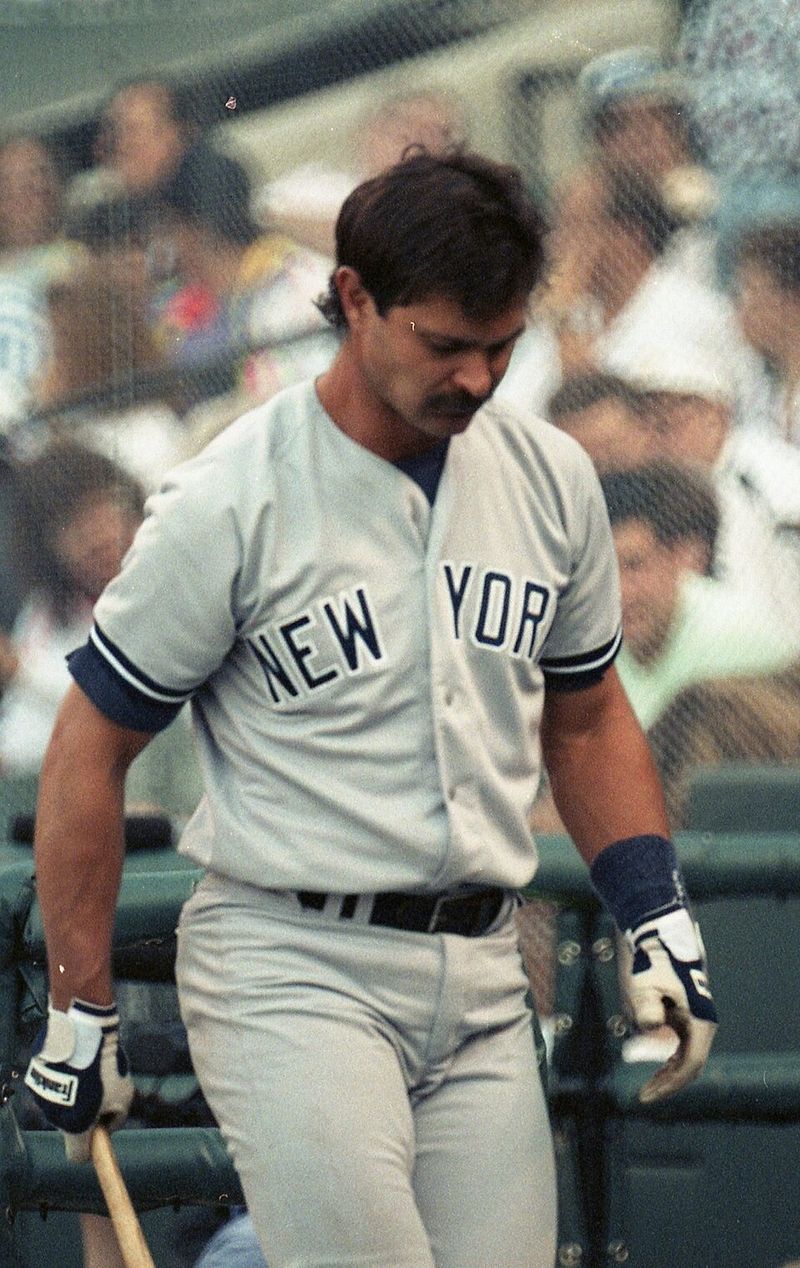
Ask any Yankees fan who grew up in the 1980s about Don Mattingly and watch their eyes light up. Donnie Baseball was one of the most beloved players in franchise history, combining a sweet left-handed swing with Gold Glove defense at first base that made him a complete player in every way.
Mattingly won the AL MVP in 1985 and led the league in RBIs twice, putting up numbers that rivaled anyone in baseball during his peak years. He won nine Gold Gloves at first base, a remarkable achievement that reflected his dedication to mastering every aspect of the game.
Chronic back problems cut short what could have been an even greater career. Mattingly never made it to the World Series as a player, which some voters have held against him.
His peak performance, though, was as good as almost anyone who has ever played the position.
7. Jim Tyrer (NFL)
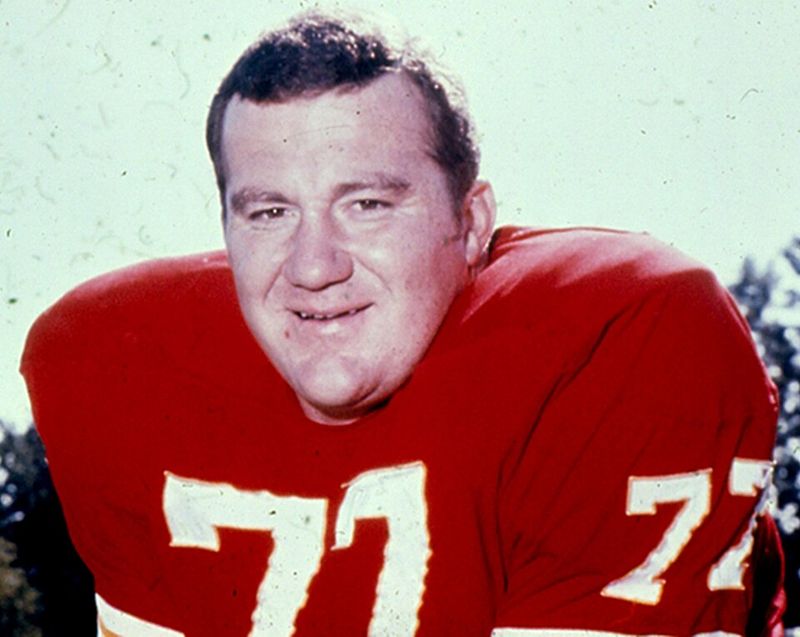
Offensive linemen rarely get the spotlight, but Jim Tyrer was so dominant that even casual fans noticed. He made nine Pro Bowls during his career with the Kansas City Chiefs, protecting quarterbacks and opening running lanes with a consistency that made him one of the most feared linemen of his era.
Tyrer was a cornerstone of the Chiefs teams that won Super Bowl IV in 1970, playing a key role in one of the great upsets in championship game history. His size, athleticism, and football intelligence made him a prototype for the modern offensive tackle position that teams still try to build around today.
Tragically, Tyrer died in 1980 under devastating circumstances that shocked the football world. His career achievements have since been recognized by historians and former teammates, yet Canton has not come calling.
Many who study that era of professional football consider his absence from the Hall a genuine oversight.
8. Alexander Mogilny (NHL)

Few players have ever scored goals the way Alexander Mogilny could. In the 1992-93 season, he scored 76 goals for the Buffalo Sabres, tying the record for most goals in a single season and establishing himself as one of the most dangerous offensive players the NHL had ever seen.
He made it look effortless.
Mogilny finished his career with 473 goals and 1,032 points, crossing the 1,000-point milestone that typically signals Hall of Fame consideration. He was also a pioneer, being one of the first Soviet players to defect to North America, paving the way for generations of Russian players who followed him.
Injuries and inconsistency across different teams may have clouded his legacy with some voters. But his peak seasons were as brilliant as anything produced by players who are already enshrined.
Mogilny remains one of the most overlooked offensive talents in hockey history, and his absence from the Hall is hard to explain.
9. Shawn Kemp (NBA)
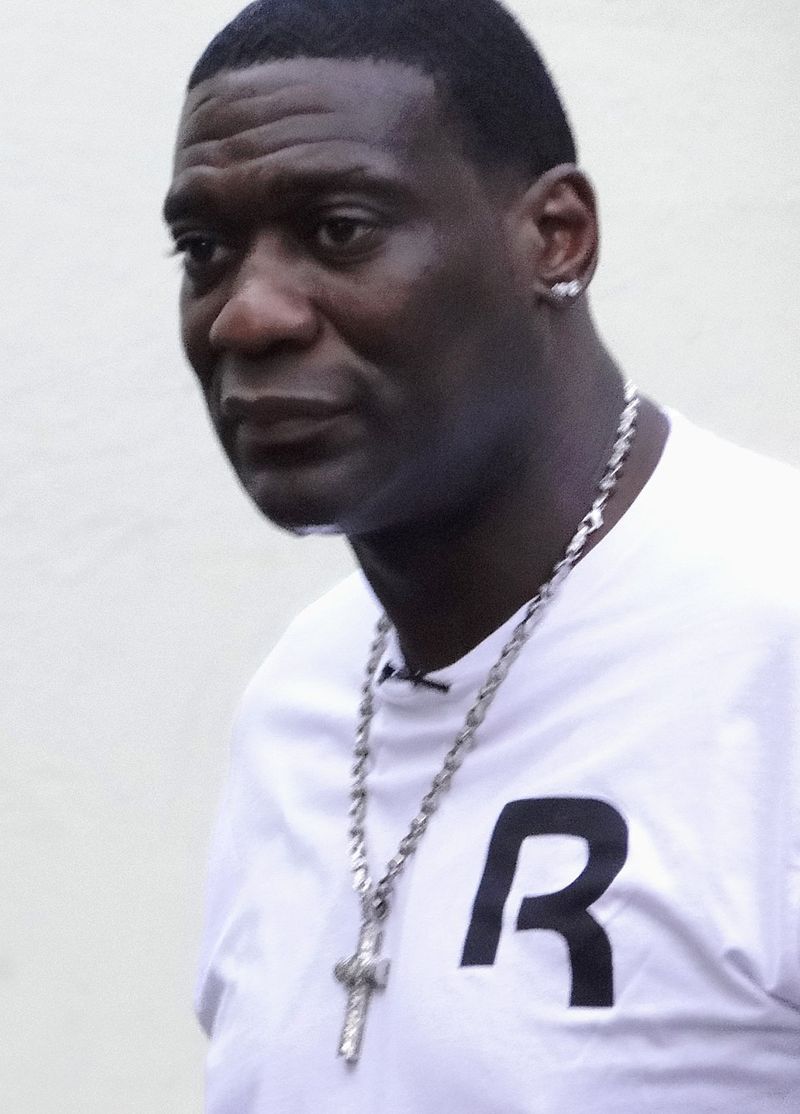
Nobody in the 1990s NBA dunked with more authority or flair than Shawn Kemp. The Reign Man turned every trip to the basket into a highlight reel moment, and his ability to explode above the rim made him one of the most electrifying players of his generation.
Seattle SuperSonics fans still talk about him with pure joy.
Kemp was a six-time All-Star and was a central figure in the 1996 NBA Finals run that pushed the Chicago Bulls to six games. He could score, rebound, and defend, giving the Sonics a physical presence that matched his undeniable athletic gifts on both ends of the floor.
Personal struggles off the court derailed what could have been an even longer career at the highest level. His peak, however, was genuinely special.
Kemp brought an energy to the game that few players before or since have been able to replicate, and that deserves lasting recognition.
10. Eric Cantona (Soccer)
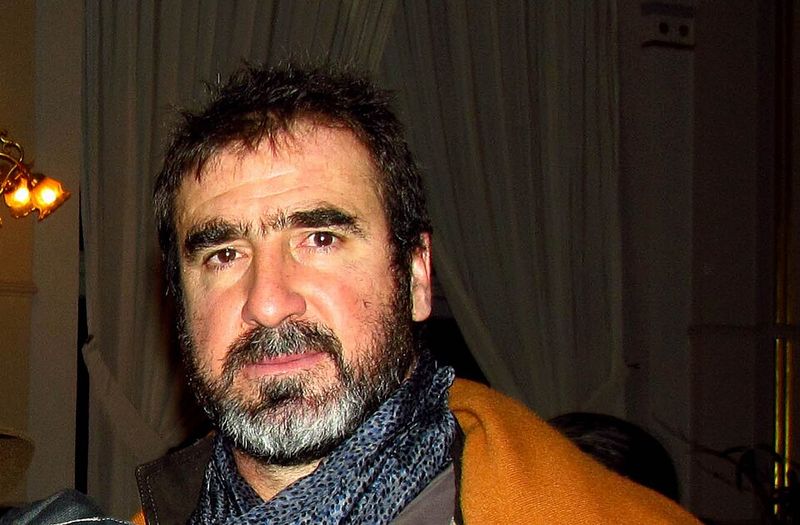
With his collar turned up and his chest out, Eric Cantona walked onto the pitch like he already knew the result. The French forward arrived at Manchester United in 1992 and immediately transformed the club into a Premier League dynasty, winning four league titles in five seasons with a swagger that was entirely his own.
Cantona was not just a scorer but a creator, a leader, and an inspiration who elevated every player around him. Sir Alex Ferguson credited him as the missing piece that turned United into champions, and former teammates have repeatedly described him as the most influential player they ever shared a dressing room with.
His infamous kung-fu kick at a fan in 1995 led to a lengthy ban and remains part of his complicated legacy. Cantona retired at just 30, cutting short a career that was already legendary.
Despite limited major international honors, his club impact places him among soccer’s most transformative figures of the modern era.
Share this story