 Unearth The Voyage
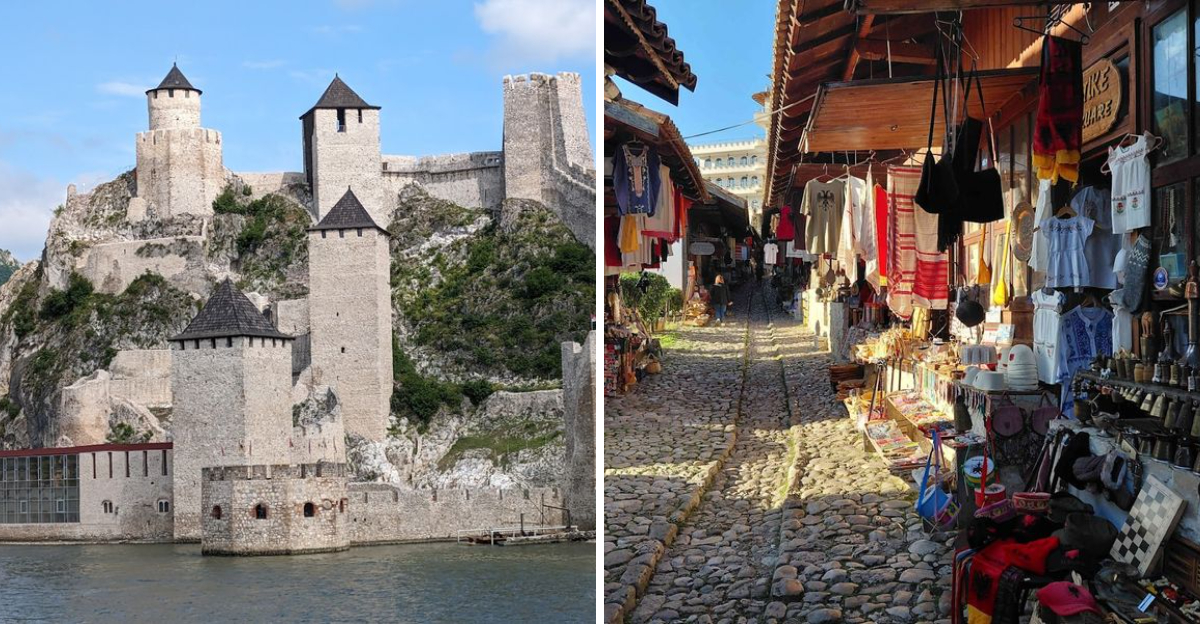
The Balkans hold some of Europe’s most captivating cities, yet many remain wonderfully uncrowded and authentically preserved. While tourists flock to Western Europe’s famous destinations, these southeastern gems offer rich history, stunning architecture, and genuine local culture without the overwhelming crowds.
From ancient fortresses perched above rivers to Ottoman-era neighborhoods with stone-paved streets, these ten cities promise unforgettable experiences that feel like your own secret discovery.
Berat — The “City of a Thousand Windows,” Albania
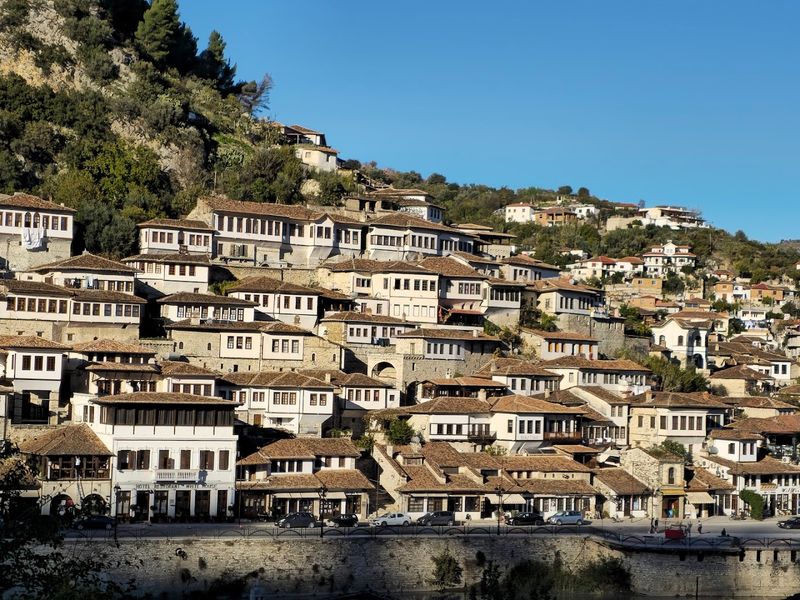
White Ottoman houses stack dramatically up the hillside like a giant’s staircase, their countless windows glinting in the sunlight and creating a view you won’t forget. Berat earned its nickname honestly—everywhere you look, windows punctuate the whitewashed facades in patterns that photographers dream about.
This UNESCO World Heritage site manages to stay refreshingly peaceful despite its stunning beauty.
Wandering through the castle district feels like time traveling back several centuries. Ancient stone pathways wind between historic churches and mosques, each telling stories of the cultures that shaped this remarkable place.
The fortress walls offer breathtaking panoramas of the Osum River valley below, where the modern city spreads along the water’s edge.
Local restaurants serve traditional Albanian dishes in settings that range from cozy family-run taverns to charming riverside terraces. You can spend hours exploring museums housed in centuries-old buildings, discovering Byzantine icons and Ottoman artifacts.
The stone streets invite endless wandering, revealing hidden courtyards and friendly locals who genuinely enjoy sharing their city’s heritage with curious visitors seeking something beyond Europe’s overcrowded tourist trails.
Prizren — Kosovo’s Ottoman Jewel
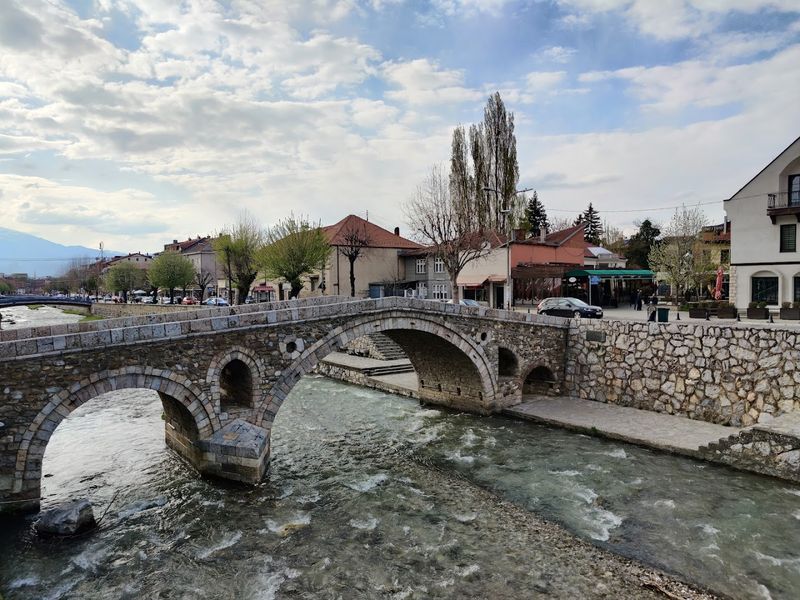
Mountains embrace this valley city like protective arms, creating a backdrop so beautiful it almost steals attention from Prizren’s architectural treasures. Almost.
The Bistrica River flows through the heart of town, spanned by an elegant stone bridge that’s been connecting neighborhoods since Ottoman times. Fortress ruins crown the hillside, watching over red-roofed houses and slender minarets that define the skyline.
The old bazaar buzzes with craftspeople working silver and selling handmade goods, maintaining traditions passed down through generations. Cobblestone lanes twist between historic mosques, Orthodox churches, and Catholic cathedrals—proof of Prizren’s rich multicultural heritage.
Summer brings the Dokufest film festival, transforming this historic setting into a vibrant cultural celebration that draws creative minds from across Europe.
Restaurant terraces line the riverbank, serving flavorful Kosovar cuisine while water rushes past below. You’ll find authentic experiences around every corner, from family bakeries making fresh byrek to coffee shops where locals gather for hours-long conversations.
Tourism remains light here compared to coastal Balkan hotspots, meaning you can actually hear the call to prayer echoing off ancient walls without competing with cruise ship crowds.
Plovdiv — Bulgaria’s Ancient Cultural Heart
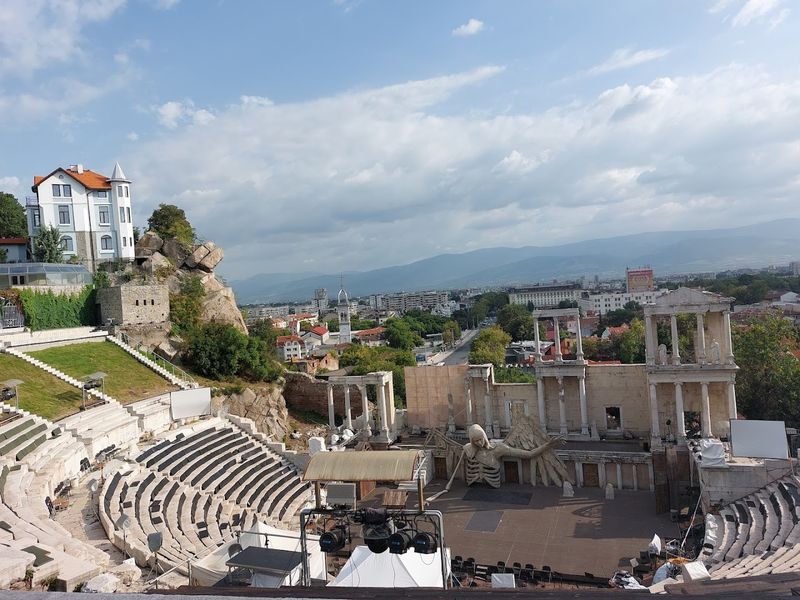
Few cities can claim continuous habitation for over 8,000 years, but Plovdiv wears its ancient credentials beautifully. A perfectly preserved Roman amphitheater still hosts concerts under the stars, letting modern audiences sit where citizens gathered two millennia ago.
The Old Town rises on three hills, where Bulgarian Revival houses painted in vibrant blues, oranges, and yellows create an Instagram-worthy neighborhood that predates social media by centuries.
Sofia might be Bulgaria’s capital, but Plovdiv holds the country’s creative soul. Art galleries occupy renovated Ottoman mansions, while contemporary murals brighten modern districts beyond the historic core.
The city earned European Capital of Culture status in 2019, though it remains surprisingly affordable and uncrowded compared to similar European heritage destinations.
Cobblestone streets lead past artisan workshops, cozy wine bars, and restaurants serving shopska salad and kavarma in atmospheric courtyard settings. Ancient city walls, medieval churches, and a Roman stadium (yes, another one) provide endless exploration opportunities.
The Kapana district pulses with young energy—cafes, craft beer spots, and boutiques fill renovated buildings, proving that Bulgaria’s second city balances history with contemporary culture better than most places twice its size.
Vranje — Serbia’s Cultural Crossroads
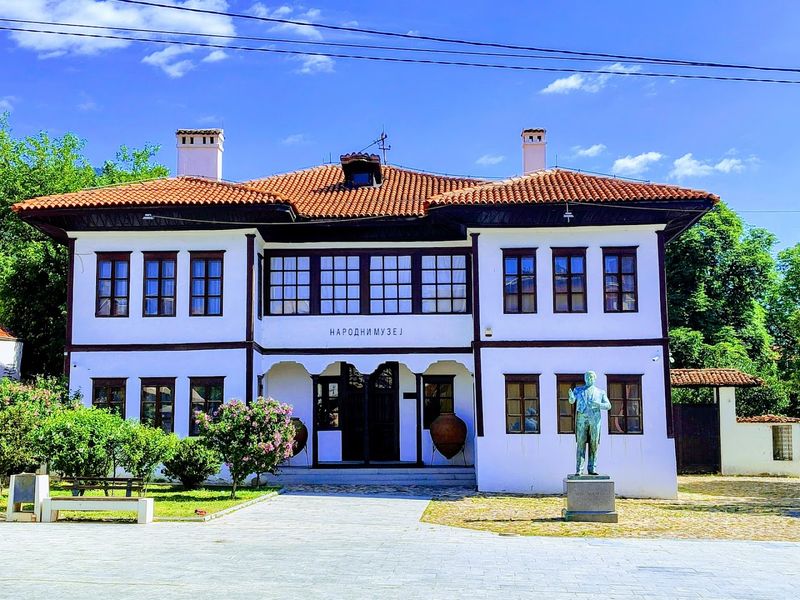
Southern Serbia hides this cultural melting pot where Ottoman influences blend seamlessly with Serbian traditions, creating something distinctly Vranje. The Pasha’s Residence stands as the finest example of Ottoman civilian architecture in all of Serbia—rooms decorated with intricate woodwork and colorful frescoes that transport visitors back to the 18th century.
Markovo Kale fortress perches on a nearby hill, its medieval walls offering views across valleys that have witnessed centuries of Balkan history.
Music runs through this city’s veins like nowhere else in Serbia. Vranje birthed a unique folk style that blends Turkish makam with Serbian melodies, and you’ll hear it pouring from cafes and during festivals celebrating local heritage.
The annual Music Festival draws enthusiasts who understand that authentic Balkan sound thrives here, away from Belgrade’s commercialized venues.
Mountains surround the city, providing hiking opportunities and scenic drives through landscapes that change dramatically with seasons. Local restaurants serve grilled meats and regional specialties influenced by centuries of cultural exchange, flavors you won’t find elsewhere.
International tourists remain rare, meaning your visit supports a community genuinely excited to share their crossroads heritage with curious travelers willing to venture beyond Serbia’s better-known destinations.
Shumen — Bulgaria’s Fortress City
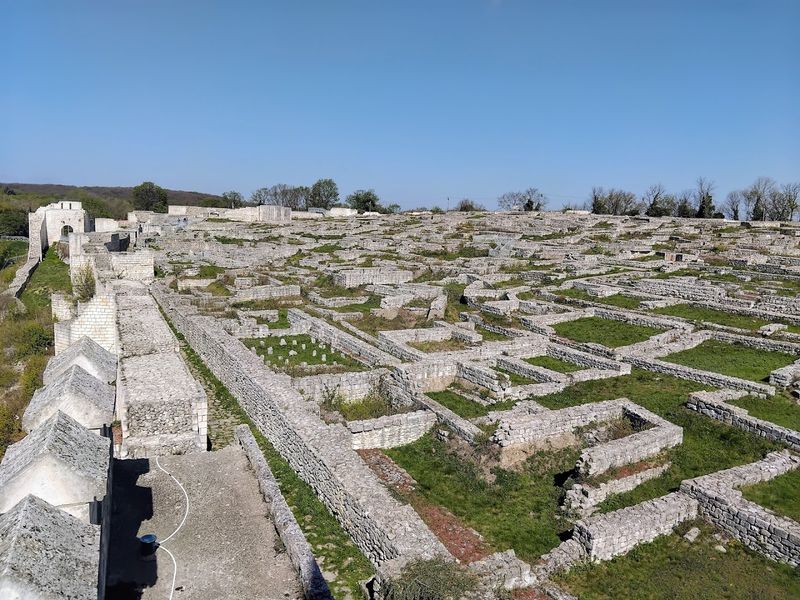
Massive stone walls snake across the hilltop above Shumen, remnants of a fortress that defended this strategic position for over 3,000 years. Thracians built here first, then Romans expanded it, Byzantines reinforced it, and Bulgarians made it a medieval stronghold—layer upon layer of history literally stacked in crumbling walls and excavated foundations.
The views from the fortress sweep across plains that stretch toward the Black Sea, making the steep climb absolutely worthwhile.
Just outside town, the Madara Horseman carves into a cliff face—a UNESCO World Heritage relief depicting a triumphant rider that’s puzzled historians for centuries. This unique rock sculpture represents early medieval Bulgaria and stands as one of Europe’s most important historical monuments that somehow escaped mass tourism’s attention.
Shumen’s Monument to 1300 Years of Bulgaria crowns another nearby hill, a brutalist concrete masterpiece that’s become iconic despite (or because of) its Soviet-era aesthetic.
The city itself offers pleasant parks, interesting museums, and authentic Bulgarian daily life without tourist crowds. Local restaurants serve traditional dishes at prices that remind you Bulgaria remains wonderfully affordable.
Shumen provides deep historical context for understanding the Balkans’ complex past while maintaining the relaxed pace of a place that doesn’t need to perform for visitors.
Golubac — Serbia’s Danube Fortress Town
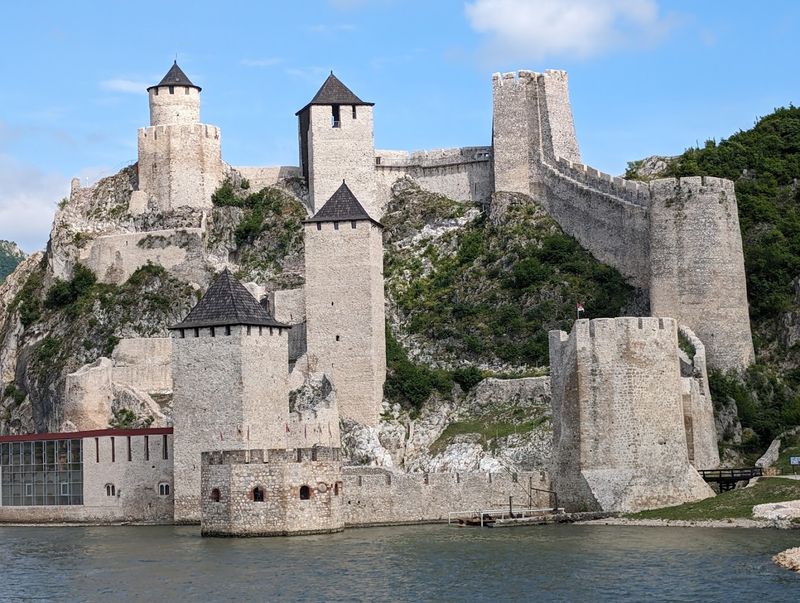
Nine towers rise from the rocky bank where the Danube narrows into the dramatic Iron Gates gorge, creating one of Europe’s most photogenic fortress settings. Golubac Fortress defended this strategic river passage for centuries, changing hands between Serbian, Hungarian, and Ottoman rulers who all recognized its military importance.
Recent restoration work opened the fortress to visitors who can now climb towers and walk ramparts while the mighty Danube flows past below.
The fortress practically defines the small town, which exists primarily to serve visitors exploring this riverside marvel. Walking through medieval gates and up stone staircases transports you into a world of knights and sieges, especially when fog rolls off the water and wraps the towers in mystery.
Information displays explain the fortress’s complex history, though honestly, the setting speaks for itself.
Beyond the fortress, Golubac offers river beaches, hiking trails, and boat excursions through the Iron Gates—one of Europe’s most spectacular river gorges. Local restaurants serve fresh fish from the Danube alongside Serbian classics, often with fortress views from outdoor terraces.
The town remains refreshingly uncommercialized despite growing recognition, making it ideal for travelers who want dramatic scenery and medieval atmosphere without fighting crowds at every photo spot.
Kumanovo — North Macedonia’s Historic Hub
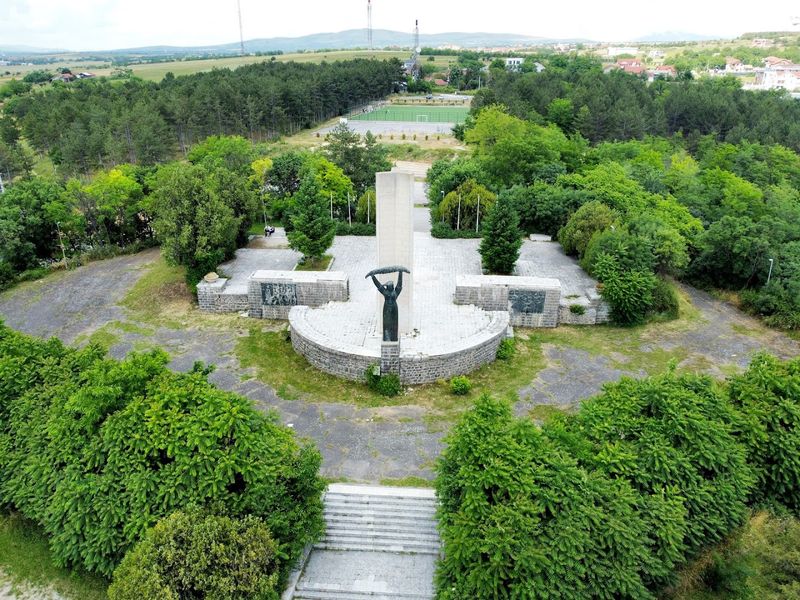
Most travelers rush between Skopje and Lake Ohrid without realizing they’re passing near one of the world’s oldest astronomical observatories. Kokino sits on a volcanic hill outside Kumanovo—a 4,000-year-old Bronze Age site where ancient peoples tracked the sun and stars using carefully positioned stone markers.
NASA even recognized it as one of the world’s most significant archaeoastronomical sites, yet you can often explore the rocky hilltop practically alone.
Kumanovo itself offers an authentic slice of North Macedonian urban life without tourist infrastructure getting in the way. The city’s museums showcase archaeological finds spanning millennia, from Neolithic settlements to Roman towns that thrived when this region connected major trade routes.
Ottoman-era architecture punctuates the modern city center, reminders of the empire that ruled here for five centuries.
Local markets burst with fresh produce and regional specialties, where vendors chat with regular customers and barely notice foreign visitors. Nearby mountains provide hiking and nature escapes, while traditional restaurants serve tavče gravče and other Macedonian comfort foods in family-run establishments that haven’t changed their recipes in generations.
Kumanovo represents the Balkans that most tourists miss—historically significant, culturally rich, and genuinely welcoming to the few travelers curious enough to explore beyond the guidebook highlights.
Korçë — Albania’s Cultural Crossroads
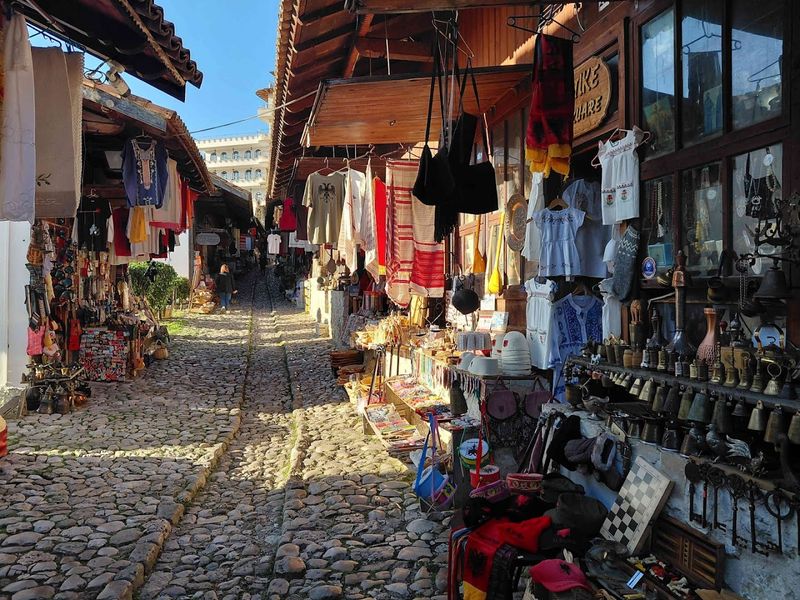
French teachers established Albania’s first Albanian-language school here in 1887, leaving an architectural legacy that makes Korçë feel distinctly different from other Albanian cities. Wide boulevards lined with elegant buildings could pass for provincial France, while the old bazaar maintains its Ottoman character with covered lanes and traditional craftsmen.
This unusual combination creates a city that embraces multiple identities comfortably.
Albania’s oldest brewery calls Korçë home, and locals take their beer seriously—you’ll find the hometown brew in every restaurant and cafe. The National Museum of Medieval Art houses an impressive collection of Byzantine and post-Byzantine icons, making it essential viewing for anyone interested in Orthodox religious art.
Korçë’s university gives the city youthful energy, with students filling cafes and keeping the cultural scene vibrant year-round.
The surrounding region produces much of Albania’s agricultural wealth, meaning restaurants serve exceptionally fresh ingredients in dishes that highlight local flavors. Traditional music performances happen regularly, showcasing the distinctive Korçë serenades that blend Albanian folk traditions with urban sophistication.
Winter brings serious snowfall thanks to the city’s elevation, transforming Korçë into a winter wonderland that sees even fewer tourists than summer. This cultural crossroads rewards curious travelers with authentic Albanian experiences and European elegance, minus the crowds discovering Albania’s coastal destinations.
Ohrid — North Macedonia’s Lake City (Shoulder Seasons)
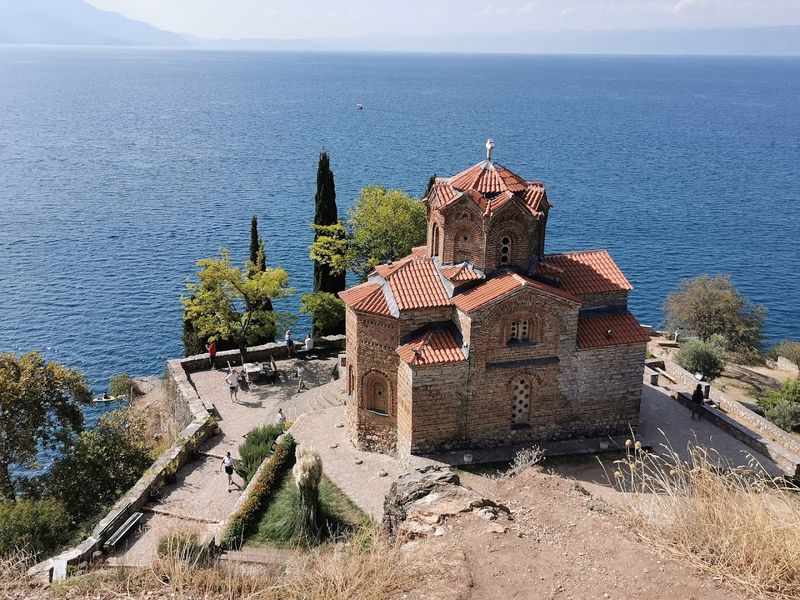
Ancient churches perch on cliffs above water so clear you can see meters down to the rocky bottom, creating scenes that belong on postcards. Ohrid’s old town cascades down the hillside to Lake Ohrid’s shore, where the Church of St. John at Kaneo has been photographed from every possible angle yet somehow remains stunning.
Summer brings crowds discovering what locals have always known, but visit during spring or autumn and you’ll find the peaceful lakeside town that earned UNESCO protection.
This lake ranks among the world’s oldest and deepest, harboring unique fish species found nowhere else on earth. The town itself dates back millennia—archaeological sites reveal settlements from prehistoric times through Roman, Byzantine, and Ottoman periods.
Medieval churches contain frescoes that art historians travel across continents to study, many open for visitors who appreciate religious art and history.
Shoulder season weather remains pleasant for swimming, hiking, and exploring without summer’s heat and crowds. Restaurants serve lake fish prepared traditionally, outdoor terraces offer sunset views across the water, and accommodation prices drop significantly.
The ancient theater hosts occasional performances, letting audiences enjoy concerts where Romans once gathered. Ohrid deserves its growing reputation, but timing your visit correctly means experiencing the magical lakeside atmosphere that makes this place special, not just checking another destination off your list.
Ptuj — Slovenia’s Medieval Treasure
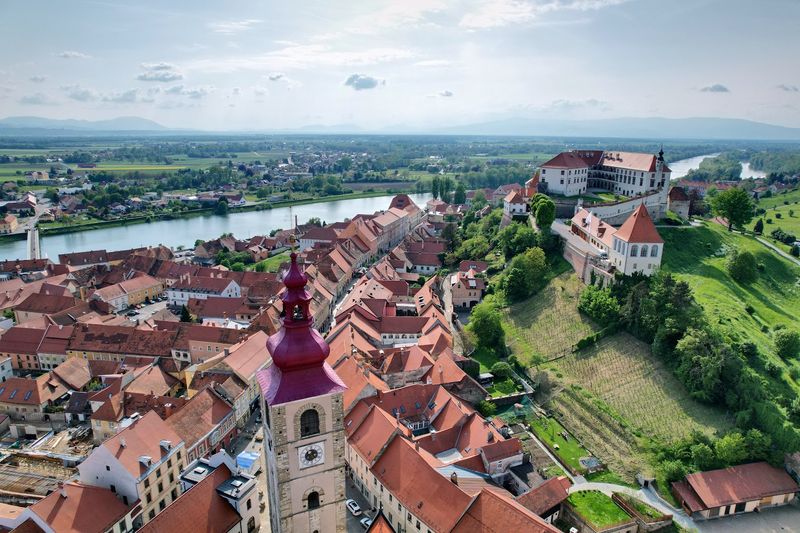
Slovenia’s oldest town hides in the northeastern corner where most Balkan travelers never venture, preserving medieval character that feels lifted from a fairy tale. Ptuj Castle dominates the hilltop, its towers and ramparts overlooking red-roofed houses that cluster along the Drava River.
Inside, the castle museum displays everything from weapons and armor to traditional Kurent carnival masks—furry creatures that feature in one of Europe’s most unique folk celebrations each February.
Cobblestone streets wind through the old town past Gothic churches, Renaissance townhouses, and remnants of Roman Poetovio—the military city that thrived here two thousand years ago. A Roman tombstone built into a street corner, thermal springs that attracted ancient visitors, and archaeological finds displayed in local museums remind you that Ptuj’s history runs incredibly deep.
Vineyards blanket the surrounding hills, producing excellent wines that remain criminally underrated internationally. Local wine cellars offer tastings in centuries-old buildings where winemaking traditions continue uninterrupted.
Traditional restaurants serve Slovenian specialties—hearty, flavorful dishes that reflect Central European and Balkan influences meeting on the plate. Ptuj delivers everything travelers love about European heritage destinations—medieval architecture, rich history, excellent food and wine, authentic culture—without the crowds, prices, or over-commercialization that plague more famous places.



