Canada is hiding some seriously stunning mountain towns that could easily fool you into thinking you’ve landed somewhere in the Swiss Alps or the French countryside. From the jagged Rockies of Alberta to the colorful pedestrian villages of Quebec, these places pack a whole lot of European charm into a very Canadian package.
Cozy cafes, chalet-style buildings, turquoise lakes, and snow-dusted peaks are all part of the deal. If a transatlantic flight isn’t in your plans, these 10 mountain towns might just be the next best thing.
Canmore, Alberta
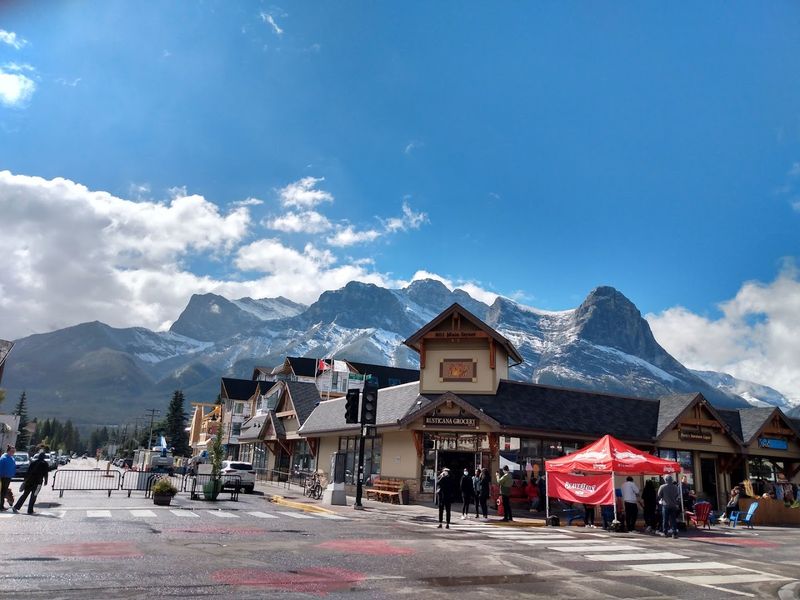
Canmore is what happens when a Rocky Mountain town decides to be both rugged and ridiculously stylish at the same time. Sitting just outside Banff National Park, it offers the same heart-stopping mountain scenery without the same tourist crowds, which is a very welcome trade-off.
The iconic Three Sisters peaks loom over the town like dramatic sentinels, visible from nearly every street corner.
The downtown area is lined with independent coffee shops, art galleries, and mountain lodges that give off serious alpine village energy. Outdoor cafes spill onto sidewalks in summer, and locals mix freely with visitors in a way that feels warm and genuinely welcoming.
It is the kind of place where you can chat with a trail runner in the morning and share a craft beer with a mountain guide by afternoon.
For outdoor lovers, Canmore is practically paradise. The Canmore Nordic Centre offers world-class trails for hiking and mountain biking, while the Bow River is perfect for fly fishing and kayaking.
The town also sits right on the Icefields Parkway route, one of the world’s most scenic drives. Canmore rewards those who take the time to slow down and explore properly.
Jasper, Alberta
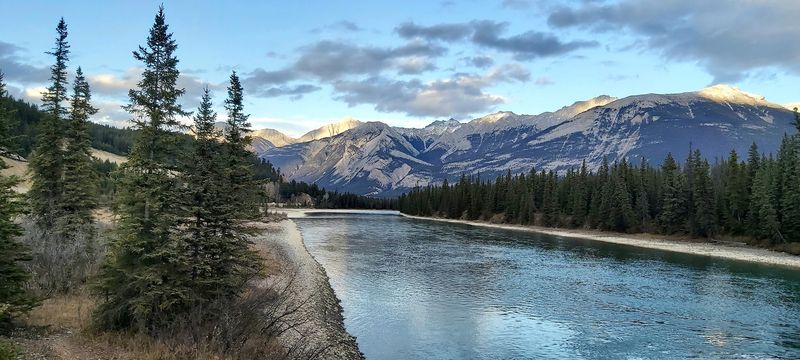
Jasper is the kind of town where the elk genuinely do not care that you are trying to take a photo. They will stroll right through the parking lot, past the coffee shop, and down the main street without a second glance.
This relaxed coexistence between wildlife and humans sums up Jasper’s whole personality perfectly.
Located deep inside Jasper National Park, this small town offers access to some of Canada’s most breathtaking wilderness. The Columbia Icefield, one of the largest non-polar icefields in the world, is just a scenic drive away.
Glacier-fed lakes like Maligne and Medicine shine in impossible shades of blue and green that no camera filter could ever replicate.
Jasper is also one of the world’s largest Dark Sky Preserves, which means stargazing here is on a completely different level. On a clear night, the Milky Way stretches across the sky in full, glorious detail.
The town itself is small and genuinely charming, with cozy restaurants, local shops, and a mountain lodge atmosphere that feels far removed from modern city life. Jasper rewards visitors who crave both adventure and quiet contemplation equally.
Nelson, British Columbia
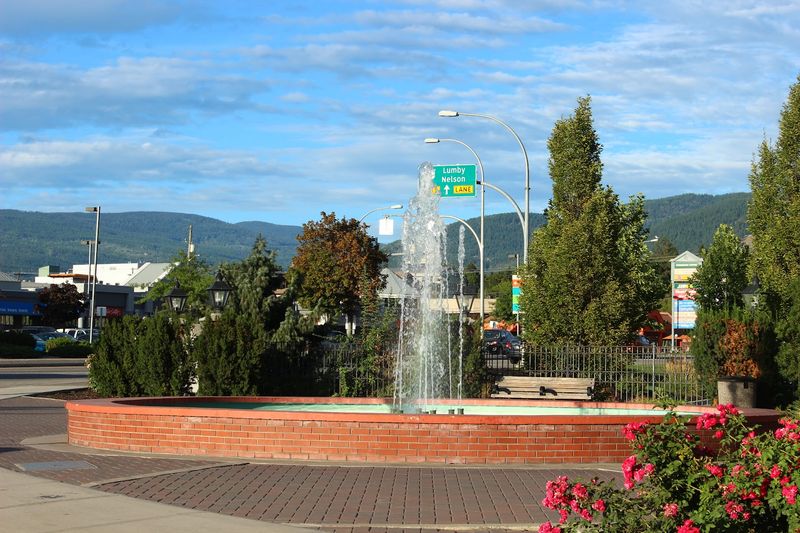
Nelson has a personality all its own, and it wears that personality proudly on its sleeve. Perched on the west arm of Kootenay Lake and cradled by the Selkirk Mountains, this town has a creative, free-spirited energy that sets it apart from every other mountain community in Canada.
Its heritage streetscape is so well preserved that it has been used as a film set multiple times.
The downtown core is a genuine joy to explore on foot. Victorian and heritage brick buildings house independent bookshops, art studios, farm-to-table restaurants, and specialty coffee roasters.
The arts scene here punches well above its weight for a town of roughly 10,000 people, drawing painters, musicians, and writers from across the country.
Outdoor adventures are plentiful too. Whitewater kayaking on the Kootenay River, hiking in the Selkirk Mountains, and skiing at Whitewater Ski Resort keep visitors active year-round.
The town’s laid-back pace encourages long lunches and slow afternoon walks along the lake. Nelson draws comparisons to small European towns not just for its architecture, but for its genuine sense of community and unhurried way of life that feels increasingly rare to find.
Banff, Alberta
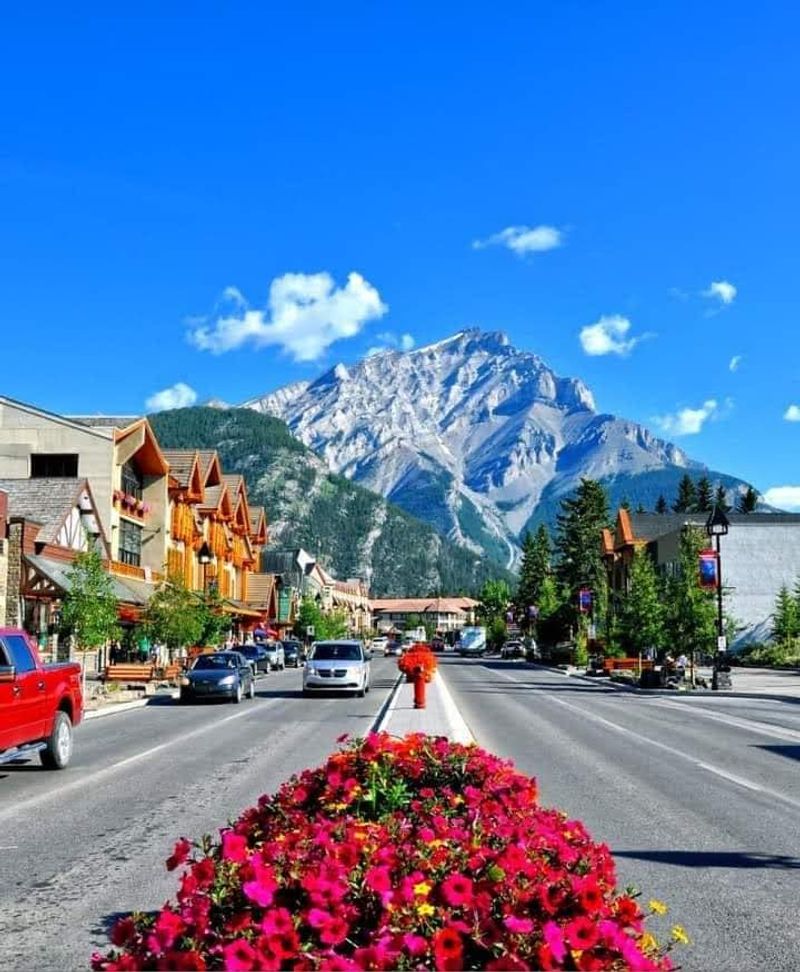
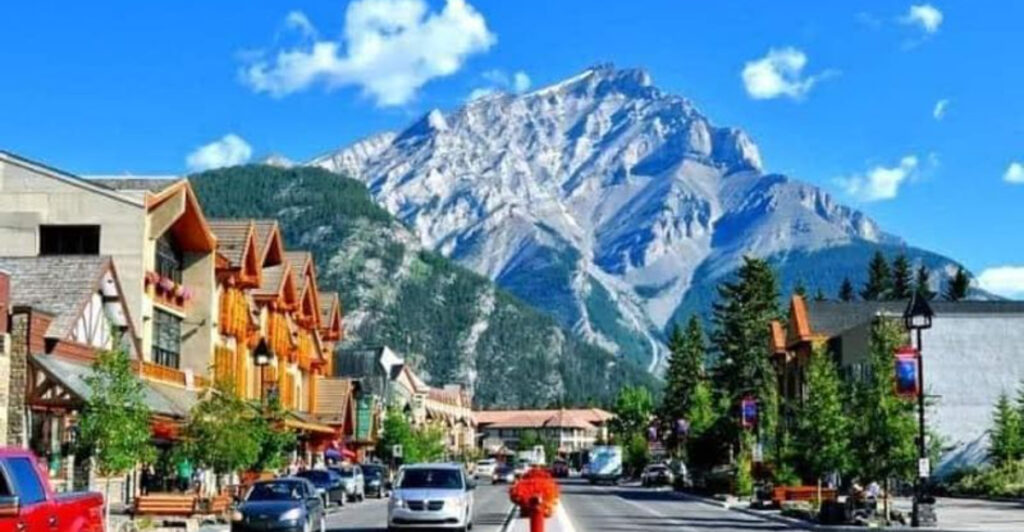
Walking down Banff Avenue feels like someone copy-pasted a Swiss village into the Canadian Rockies and forgot to tell anyone. The chalet-style hotels, the crisp mountain air, and the jaw-dropping backdrop of snow-capped peaks make this town almost unfairly beautiful.
It sits right inside Banff National Park, Canada’s oldest and most celebrated national park, established back in 1885.
Summer here is a full calendar of outdoor adventures. Hike to the Plain of Six Glaciers, ride the Banff Gondola for panoramic views, or paddle a canoe on the famously turquoise Lake Louise just a short drive away.
Wildlife sightings are practically guaranteed, with elk and bighorn sheep making regular appearances on the town’s streets.
Winter turns Banff into a cozy alpine dream, with nearby ski resorts and steaming hot springs to warm you up after a day on the slopes. The town’s walkable layout means everything is close, from world-class restaurants to quirky boutique shops.
Whether you visit in July or January, Banff delivers the kind of mountain magic that sticks with you long after you’ve headed home.
Revelstoke, British Columbia
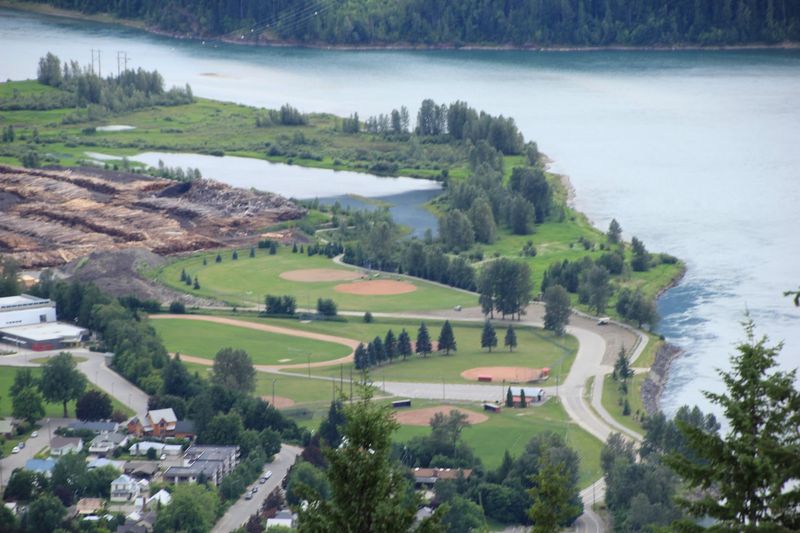
Sandwiched between the Selkirk and Monashee mountain ranges, Revelstoke has quietly become one of British Columbia’s most exciting outdoor destinations. For years it was a bit of an insider secret among serious skiers and mountain bikers, but word has gotten out, and the town is thriving because of it.
The snowfall totals here are legendary, often exceeding ten meters in a single season.
Summer in Revelstoke is just as spectacular as winter. Mount Revelstoke National Park offers alpine meadows blanketed in wildflowers, accessible via the Summit Road for those who prefer their panoramas with minimal hiking effort.
The Meadows in the Sky Parkway winds through old-growth forest to open alpine terrain that feels like another world entirely.
The historic downtown adds a grounded, small-town warmth to all that outdoor grandeur. Locally owned restaurants, craft breweries, and independent shops line Victoria Road, giving the town a lively but never overwhelming character.
The Revelstoke Railway Museum tells the fascinating story of the Canadian Pacific Railway’s role in connecting the nation through these very mountains. Whether you arrive chasing powder or wildflowers, Revelstoke consistently over-delivers on every expectation visitors bring through its mountain passes.
Golden, British Columbia
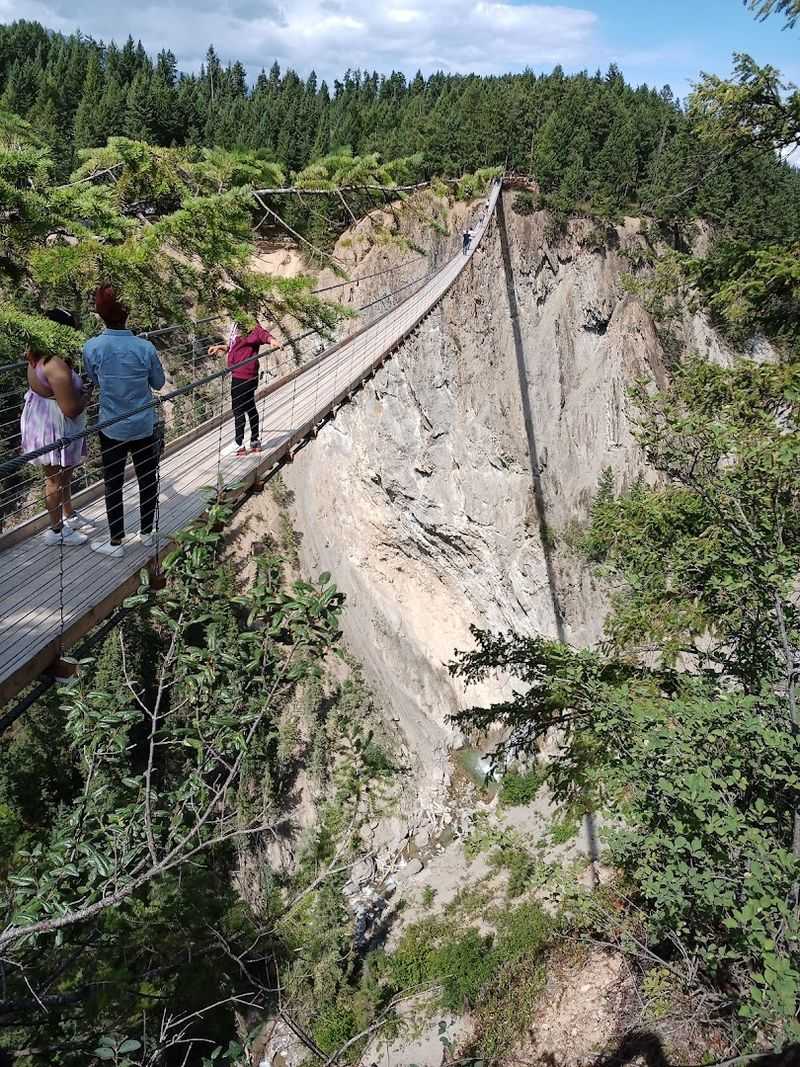
Golden sits at the intersection of six national parks, which is a geographical flex that no other Canadian town can claim. The Columbia River winds through the valley floor while the Purcell and Rocky mountains rise sharply on either side, creating a visual drama that stops first-time visitors cold.
Despite all of this, Golden remains refreshingly uncrowded and genuinely affordable compared to its famous neighbors.
The Kicking Horse Mountain Resort draws serious skiers and mountain bikers, with terrain that challenges even experienced riders. The Golden Skybridge, Canada’s highest suspension bridges, offers a stomach-dropping walk above a canyon with views that stretch endlessly in every direction.
Whitewater rafting on the Kicking Horse River is a summer staple that gets the adrenaline pumping within minutes of launching.
The town itself is compact and friendly, with a growing food scene that reflects the diverse outdoor community drawn here from around the world. Local cafes serve excellent coffee to hikers fueling up before a big day on the trails.
Golden is the kind of place that surprises people who arrive with low expectations and leaves them immediately planning a return trip. Hidden gem status is well and truly earned here.
Fernie, British Columbia
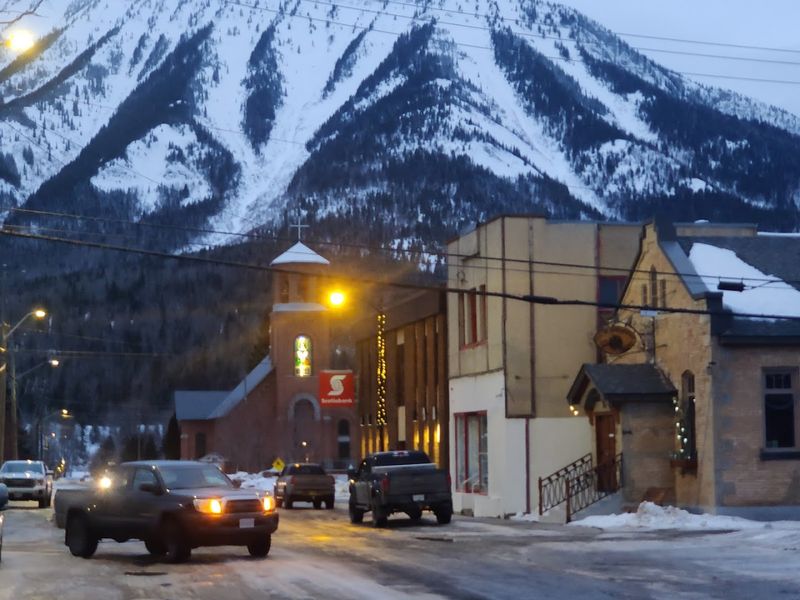
Fernie started life as a coal mining town in the late 1800s, and the historic brick buildings that line its main street are a beautiful reminder of that rugged past. Today, those same buildings house craft breweries, cozy restaurants, yoga studios, and ski shops, creating a mashup of heritage character and modern mountain culture that works surprisingly well.
The surrounding Lizard Range peaks frame every view with theatrical flair.
Fernie Alpine Resort is the obvious winter draw, offering deep powder, long runs, and a loyal following of skiers who return season after season. But summer Fernie is equally compelling, with mountain biking trails that have earned the town serious recognition in the cycling world.
The Fernie Trails Alliance maintains an impressive network winding through old forests and along ridge lines with sweeping views.
The town’s café culture is genuinely excellent for its size. Grab a flat white from a local roaster, wander the historic streets, and you will quickly understand why so many people who visit Fernie end up moving here permanently.
There is a warmth and authenticity to this community that bigger resort towns sometimes lose. Fernie keeps it real, keeps it welcoming, and keeps it absolutely worth the drive.
Whistler, British Columbia
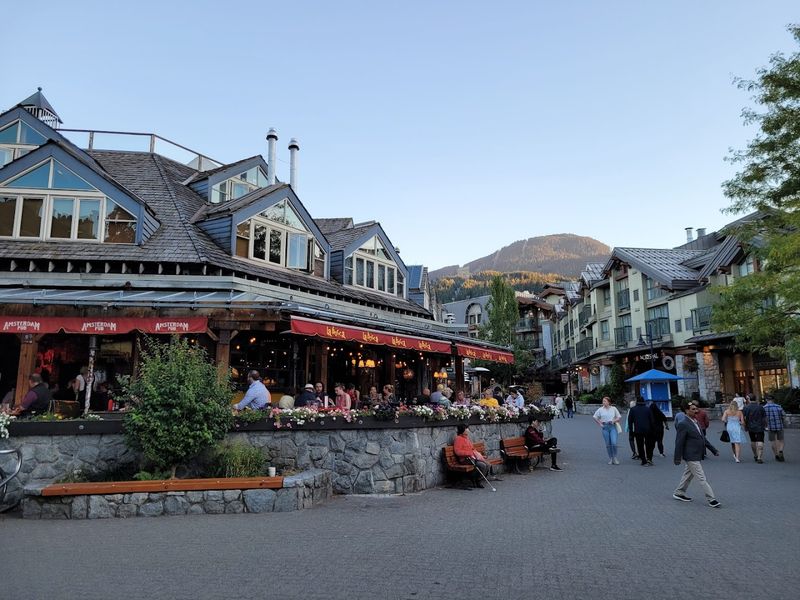
Few places on earth pack this much mountain ambition into a single pedestrian village. Whistler was purpose-built to evoke a European ski resort, and it pulls off that vision with remarkable consistency.
The car-free village core, lined with alpine-style architecture and seasonal flower displays, genuinely earns every comparison to Zermatt or Chamonix that gets thrown its way.
Winter brings world-class skiing across Whistler and Blackcomb mountains, two massive peaks connected by the Peak 2 Peak Gondola, which holds multiple world records for its length and height. The skiing here is simply extraordinary, with terrain ranging from gentle beginner slopes to challenging expert runs that test even seasoned alpine veterans.
The village buzzes with an international energy that reflects its status as one of North America’s premier ski resorts.
Come summer, the whole place transforms beautifully. Mountain bikers replace skiers on the trails, gondolas carry hikers to wildflower-covered alpine meadows, and the village terraces fill with visitors enjoying long sunny evenings.
Lost Lake is perfect for a swim, while the Valley Trail network offers scenic cycling through forests and past glacier-fed ponds. Whistler is genuinely one of those rare places that earns its reputation no matter what season you choose to visit.
Saint-Sauveur, Quebec
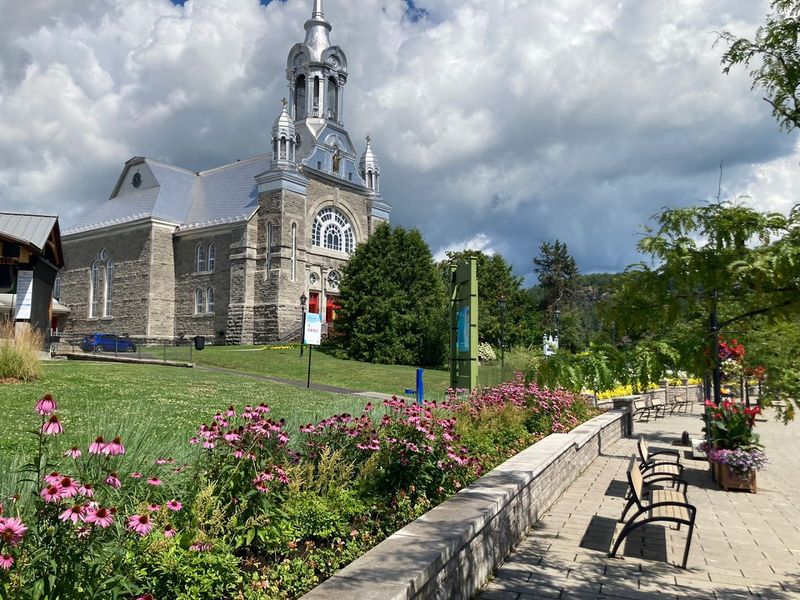
Saint-Sauveur is Quebec’s way of saying, why travel to the French Alps when you can have croissants and mountain views right here at home? Tucked into the Laurentian Mountains just an hour north of Montreal, this village delivers a distinctly French-Canadian atmosphere that genuinely surprises first-time visitors expecting a typical ski town.
The main street, Rue Principale, is a lively stretch of boutiques, patisseries, and terrace restaurants that buzzes from morning to midnight in summer.
The surrounding mountains are modest compared to the Rockies, but they are beautifully green in summer and reliably snow-covered in winter. Saint-Sauveur ski area is one of the most popular in Eastern Canada, attracting Montreal families looking for a quick mountain fix on weekends.
The night skiing here is particularly popular, with illuminated runs drawing crowds well into the evening hours.
Beyond skiing, the town hosts lively outdoor festivals throughout summer, filling the streets with music, food markets, and local artisans. The spa culture is strong here too, with Nordic-style thermal baths offering a deeply relaxing counterpoint to outdoor adventures.
Saint-Sauveur is compact enough to explore in an afternoon but charming enough to hold your attention for an entire long weekend without effort.
Mont-Tremblant, Quebec
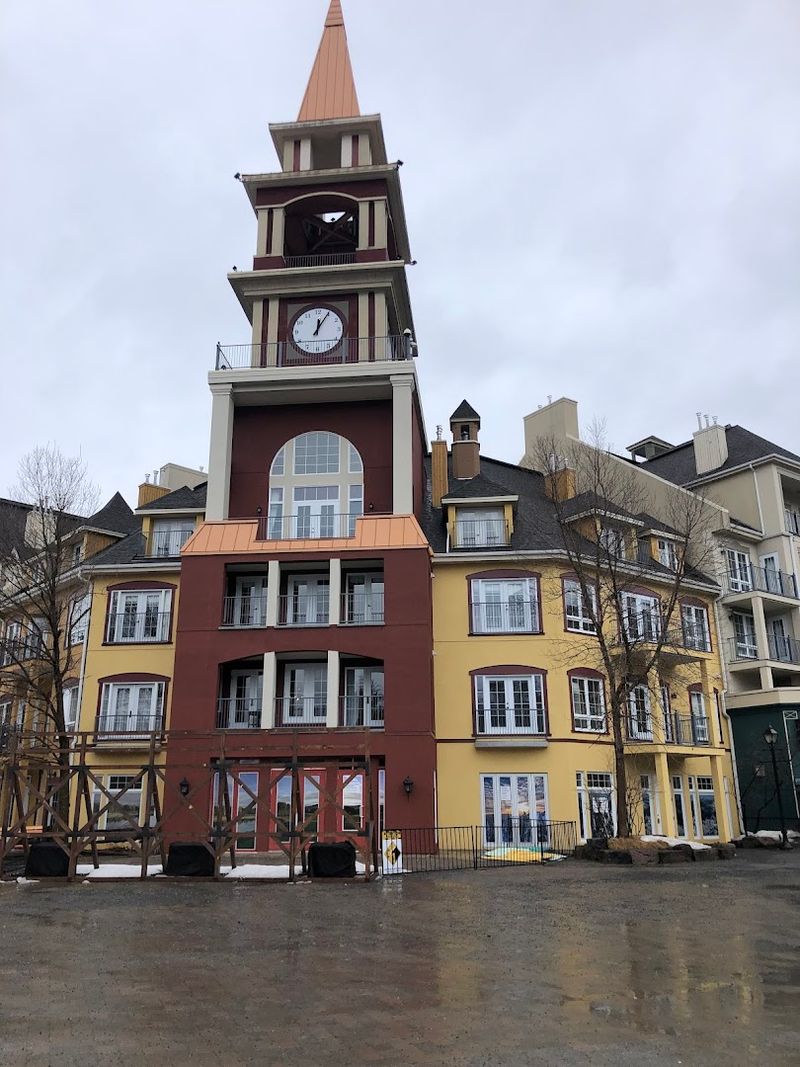
Mont-Tremblant was not accidentally charming. The entire pedestrian village was deliberately designed to mirror the look and feel of a classic European alpine resort, right down to the cobblestone-style paths, colorful building facades, and central clock tower.
The result is one of Canada’s most photogenic destinations, and the mountain backdrop of the Laurentians makes every angle worth capturing.
The resort sits within Parc national du Mont-Tremblant, Quebec’s oldest provincial park, which adds serious wilderness credibility to all that village polish. Hiking trails fan out through forests of maple, birch, and pine, exploding into brilliant color every autumn in a display that draws visitors from across North America.
The Diable and Rouge rivers offer exceptional kayaking and fishing for those who prefer their adventures on the water.
Summer on the outdoor terraces is a full sensory experience, with live music, local food vendors, and the kind of easy, unhurried socializing that the French-Canadian culture does exceptionally well. Winter brings excellent skiing, snowshoeing, and ice skating across the resort grounds.
Mont-Tremblant manages the impressive trick of feeling both lively and relaxed simultaneously. It is a mountain town that works hard to delight visitors, and it succeeds at that goal every single season.
Share this story