Puglia is one of those places that makes you wonder why it took the world so long to notice it. Stretching along the heel of Italy’s boot, this sun-drenched region is packed with ancient history, jaw-dropping coastline, and food so good it deserves its own passport stamp.
While Alberobello and Polignano a Mare grab most of the headlines, the real magic of Puglia hides just around the corner. These ten lesser-known spots prove that the best discoveries are the ones most travelers walk right past.
Ceglie Messapica
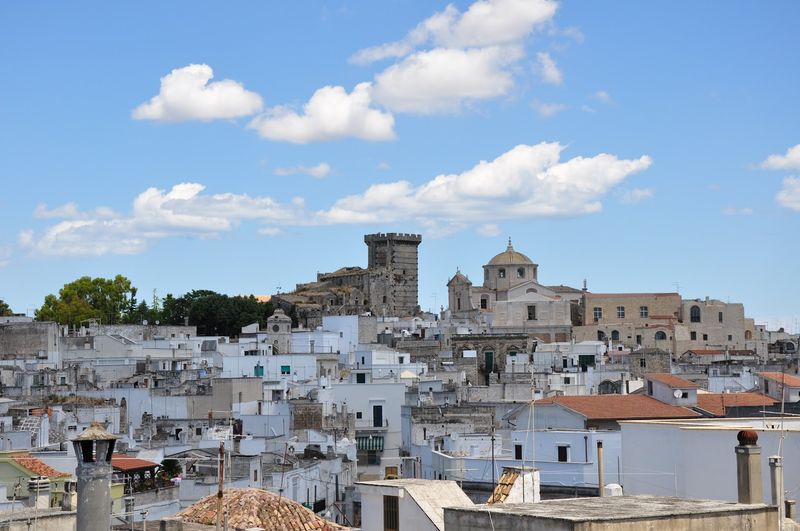
Food lovers, take note: Ceglie Messapica is quietly regarded as Puglia’s culinary capital, yet somehow the crowds never seem to find it. Tucked between Ostuni and Martina Franca in the Valle d’Itria, this hilltop town serves up some of the region’s most celebrated dishes without the tourist markup.
Local trattorias here have been perfecting recipes for generations, and the signature biscotto di Ceglie, a crumbly almond pastry, is reason enough to make the trip.
Beyond the food, the town rewards slow wandering. Whitewashed alleys twist past terracotta pots, hand-painted tiles, and the ruins of a Norman-era castle that looms over everything with quiet authority.
The medieval center feels genuinely lived-in rather than polished for Instagram.
Ceglie Messapica also hosts a respected culinary school that draws chefs from across Europe, cementing its reputation as a place where food is taken seriously. Visit on a weekday morning when locals fill the market stalls, and you will feel less like a tourist and more like a neighbor who just moved in.
Pair your visit with a short drive through the surrounding olive groves, which produce some of Puglia’s finest extra virgin olive oil.
Giovinazzo
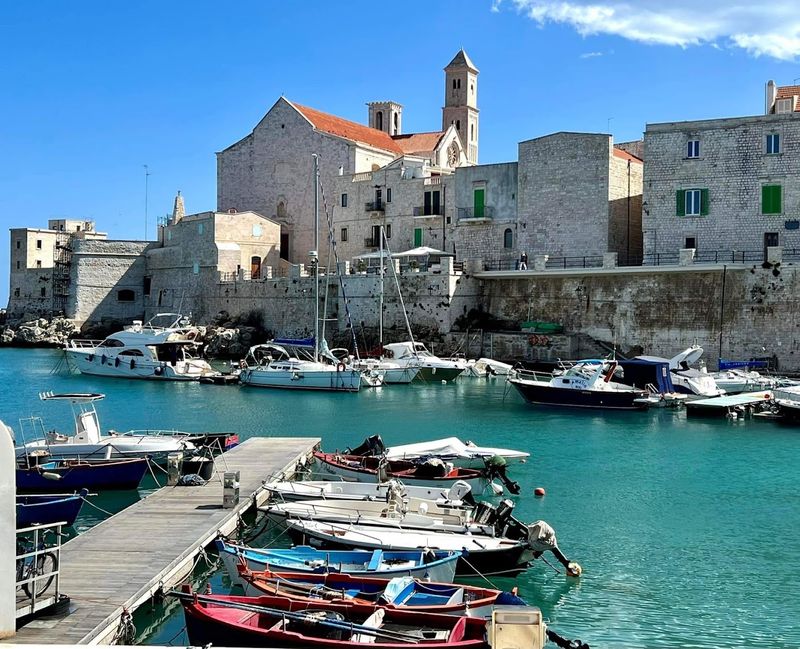
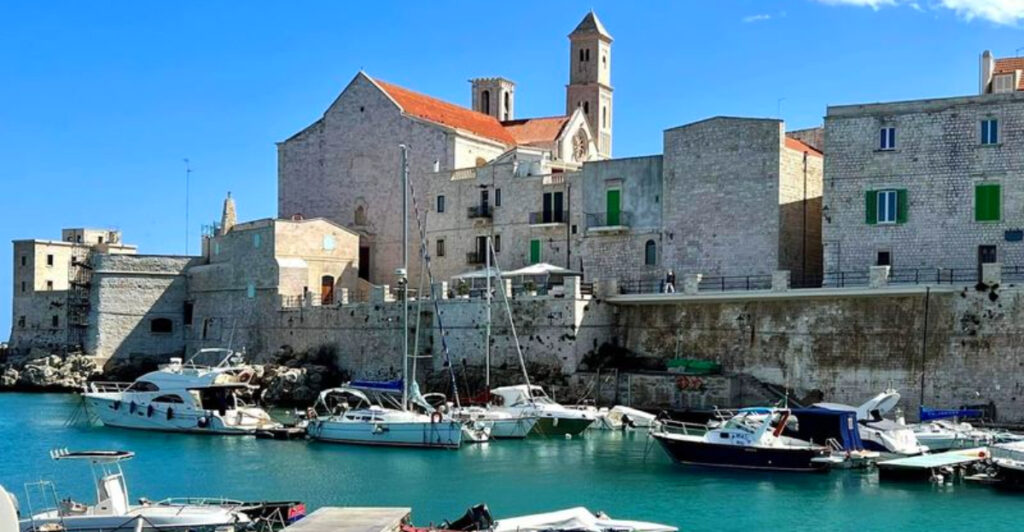
Sitting quietly just 20 kilometers north of busy Bari, Giovinazzo is the kind of coastal town that makes you feel like you have accidentally stumbled onto a film set. The harbor is small, photogenic, and wonderfully unhurried, with weathered fishing boats bobbing beside stone quays that have been here for centuries.
Locals gather along the waterfront each evening in a ritual that feels timeless and completely unperformed.
The old town is a pleasure to explore on foot. Narrow limestone alleyways connect hidden courtyards, and the 12th-century Romanesque cathedral sits at the heart of the historic center with an elegance that commands attention without demanding it.
The architecture here is genuinely impressive without feeling like a museum piece, because people actually live among it.
Giovinazzo also has a surprisingly lively food scene built around fresh seafood pulled straight from the Adriatic. Grab a table at a harborside restaurant, order the raw seafood platter locals call crudo, and watch the fishing boats drift in as the sun drops.
The town gets busy in August but remains manageable compared to Puglia’s headline destinations. Arriving in June or September gives you almost the same experience with far fewer people sharing it.
Gravina in Puglia
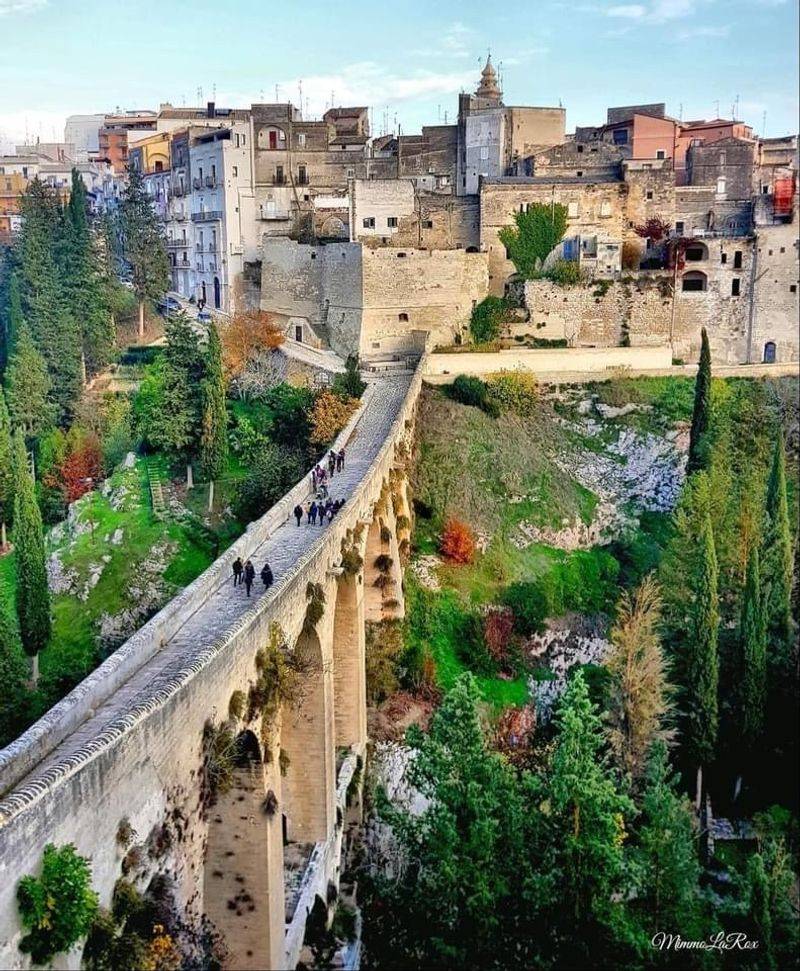
Carved into the edge of a dramatic limestone gorge, Gravina in Puglia looks like something a screenwriter invented rather than something geology actually produced. The town famously appeared in the James Bond film No Time to Die, and once you see the ancient aqueduct bridge spanning the canyon, you will completely understand why filmmakers chose it.
Standing on that bridge while ravens circle the ravine below is a moment that stays with you.
Beneath the modern town, a network of ancient cave dwellings and rock-hewn churches stretches deep into the canyon walls. Some of these spaces date back thousands of years and served as homes, places of worship, and even grain stores.
Guided tours take you through underground tunnels that connect different parts of the historic center in ways that feel genuinely surprising.
The town itself is refreshingly off the tourist radar, which means restaurants here cater to locals rather than passing visitors. Prices reflect that reality in the best possible way.
The Saturday morning market fills the main piazza with produce, cheese, and handmade goods that give you a real sense of how people live here. Gravina rewards visitors who are willing to put in the effort to find it, and that effort pays off handsomely.
Casamassima
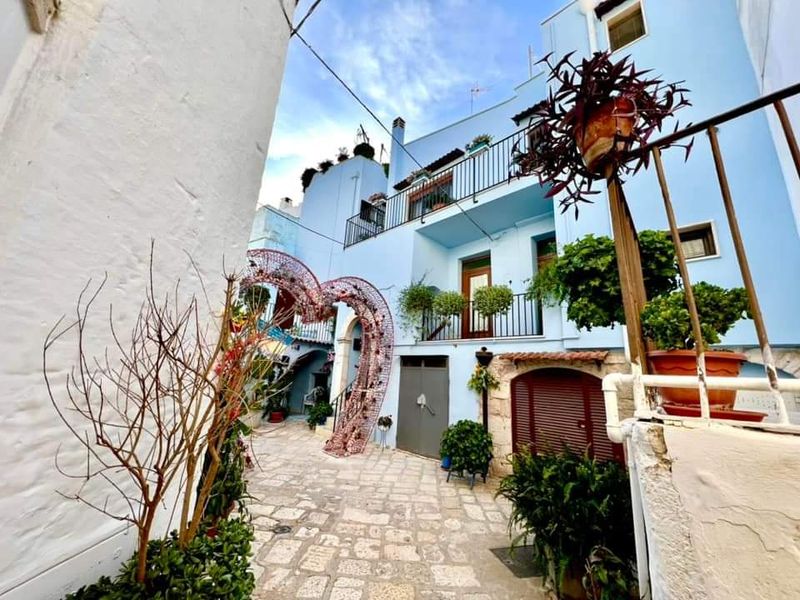
Whoever decided to paint this village blue deserves a standing ovation. Casamassima, just southeast of Bari, earned its nickname the Blue Village in the 1980s when residents began painting their homes, staircases, and doorways in vivid shades of cobalt, sky blue, and indigo.
The result is one of southern Italy’s most visually striking streetscapes, and it has lost none of its charm since.
Walking through the centro storico feels like stepping inside a color field painting. Every corner offers a new composition of blue walls against white trim, terracotta pots, and sun-bleached stone.
Photographers will burn through memory cards embarrassingly fast. The effect is playful and dreamlike without feeling artificially constructed, because the blue has been maintained by residents who genuinely take pride in it.
Beyond the aesthetics, Casamassima is a warm and welcoming community with excellent local bakeries and a handful of family-run restaurants serving traditional Pugliese cooking. The town is small enough to explore fully in a few hours, making it an ideal half-day stop combined with a visit to nearby Conversano or Polignano a Mare.
Come on a quiet weekday morning for the best light and the most peaceful experience. The village feels almost magical when the streets are still.
Locorotondo
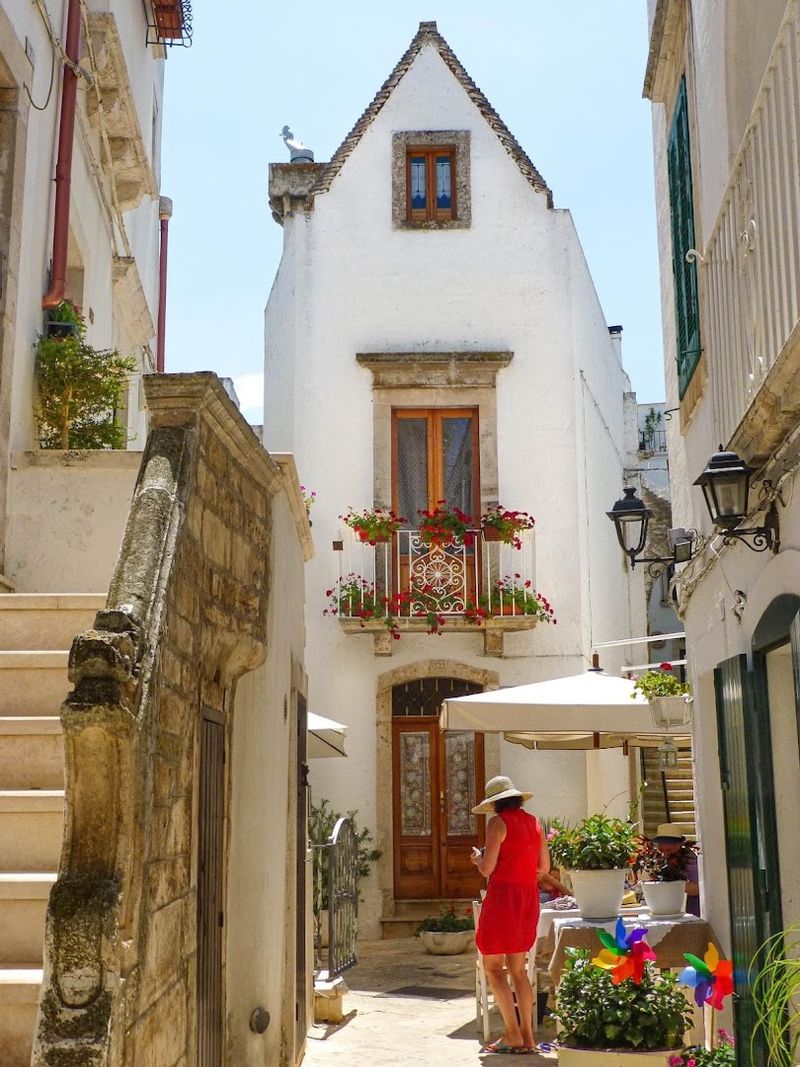
The name Locorotondo literally means round place, and from above, the town lives up to it perfectly. Perched on a hilltop in the heart of the Valle d’Itria, this circular village is ringed by whitewashed houses with steeply pitched rooftops unlike anywhere else in Puglia.
Flower-filled balconies tumble over narrow lanes that spiral gently toward the center, and the whole scene is almost unreasonably pretty.
The views from the town walls are spectacular. On a clear day, you can spot trulli farmhouses scattered across the valley below like a scene from a fairy tale, and the sweeping green landscape stretches toward Alberobello and Cisternino in every direction.
Sunset here is particularly memorable, when the white buildings catch the golden light and practically glow.
Locorotondo produces its own DOC white wine, a crisp and refreshing local specialty made from Verdeca and Bianco d’Alessano grapes. Several small cantinas in and around the town offer tastings, and pairing a glass with local cheese and cured meats while overlooking the valley is one of Puglia’s great simple pleasures.
The town has grown in popularity but still maintains a genuine village atmosphere. Visiting outside July and August keeps crowds manageable and prices reasonable.
Torre Guaceto Nature Reserve
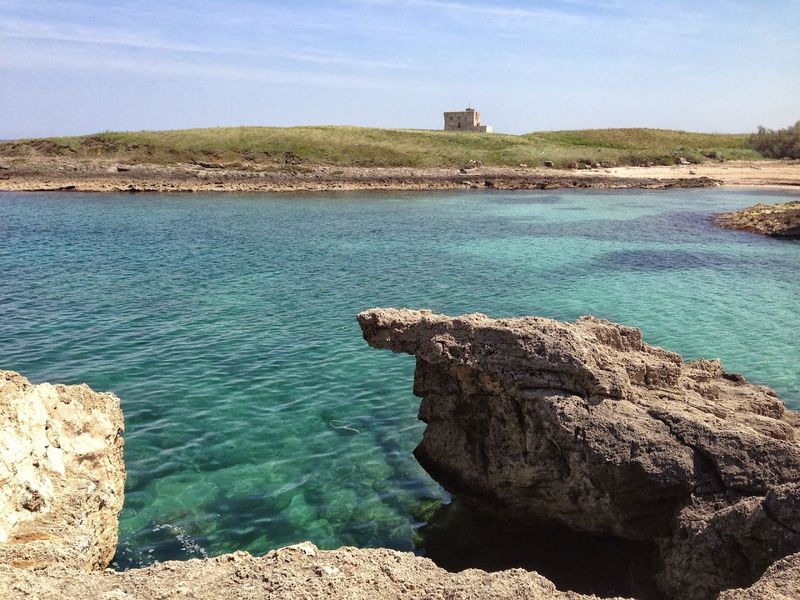
Most of Puglia’s coastline has been discovered, developed, and packed with sun loungers. Torre Guaceto is the glorious exception.
This protected marine and nature reserve stretches for about 1,000 hectares along the Adriatic coast between Brindisi and Ostuni, and strict conservation rules have kept it in remarkable condition. The water here is genuinely some of the clearest you will find anywhere in southern Italy.
Access to certain sections of the beach is controlled to protect nesting wildlife, which means visitor numbers stay low even in peak summer. Snorkelers and divers rate the reserve highly for its healthy seagrass beds and diverse marine life.
A medieval watchtower overlooks the main beach, adding a dramatic historical backdrop to what is already a stunning natural setting.
The reserve also protects an inland wetland area where migratory birds stop during spring and autumn. Birdwatchers have recorded more than 200 species here, making it a rewarding destination even when the beach season winds down.
Cycling trails connect the coastal sections with the inland lagoon, and rental bikes are available near the entrance. Arrive early in summer to secure parking, bring your own snacks since facilities are minimal, and leave with nothing but footprints.
The reserve works hard to stay beautiful.
Massafra
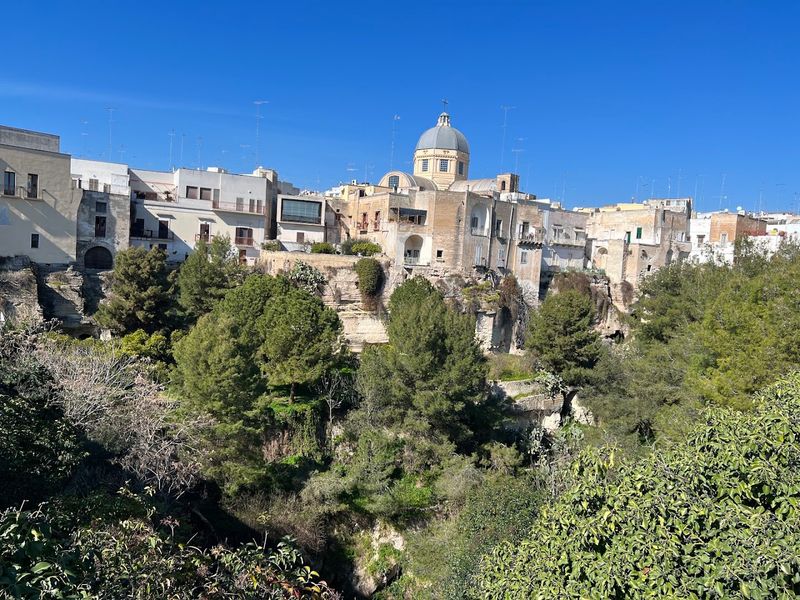
Called the Thebaid of Italy by those who know it, Massafra sits above a pair of deep ravines packed with some of the most remarkable cave churches you will find anywhere in the Mediterranean. Byzantine monks carved these sanctuaries directly into the limestone cliffs between the 8th and 13th centuries, and many still contain frescoes in surprisingly vivid condition.
The whole complex feels ancient in a way that is hard to fully process.
The town itself is pleasant and unhurried, with a handsome historic center built along the ridge above the ravines. A stone bridge connects the two sides of the old town, and from its midpoint you can look down into the gorge where the cave dwellings cluster along the canyon walls like something from another era entirely.
Local guides offer tours that take you into the most significant sanctuaries, including the Sanctuary of the Madonna della Scala, reached by a dramatic underground staircase.
Massafra sits only about 15 kilometers from Taranto, making it an easy addition to any itinerary covering the western part of Puglia. It receives a fraction of the visitors that nearby cave city Matera attracts across the regional border, which makes exploring here feel genuinely special.
The crowds simply have not arrived yet, and that is very much part of the appeal.
Otranto Bauxite Quarry
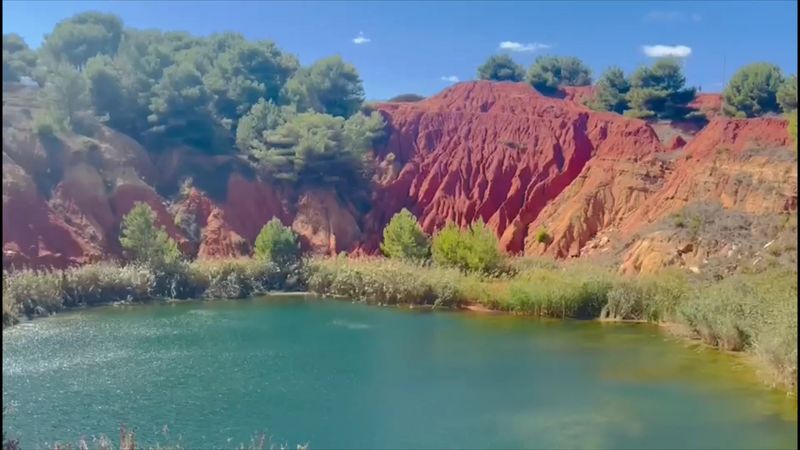
Red earth, green water, blue sky. The abandoned bauxite quarry outside Otranto does not look like it belongs in Italy at all.
Bauxite mining here ended decades ago, leaving behind a crater filled with groundwater that has turned a remarkable shade of emerald green due to the mineral-rich soil. The contrast between the rust-red walls and the vivid lake below is genuinely startling the first time you see it.
Photographers have made this spot quietly famous on social media, but it remains far less crowded than you might expect. A short walking trail circles the rim of the quarry, offering different angles on the color contrast below.
Morning visits work best when the light hits the red earth directly and the lake surface catches the sky. The whole loop takes less than 30 minutes, making it an easy add-on to a visit to Otranto’s magnificent cathedral.
Swimming in the quarry lake is not permitted, which helps preserve both the water quality and the striking visual effect that makes the place worth visiting. The site is free to enter and sits just a few kilometers from Otranto’s old town walls.
Combine the quarry with a walk along the nearby coastal cliffs and a seafood lunch in town for a full and rewarding day in the Salento peninsula’s most underrated corner.
Castro
Perched on white limestone cliffs above the Adriatic, Castro has been making visitors stop in their tracks for centuries. The medieval old town sits high above the sea with the kind of commanding view that ancient civilizations specifically sought out when deciding where to build.
Greek settlers were here first, followed by Romans, Byzantines, and Normans, each leaving their mark on a town that wears its layered history with casual confidence.
Below the cliffs, a handful of crystal-clear coves offer some of the finest swimming on the Salento coast. The water is cold, clean, and an almost unreal shade of blue-green.
Boat trips from the small harbor take visitors to the Grotta Zinzulusa, a spectacular sea cave where stalactites and stalagmites frame an inner pool teeming with rare crustaceans found nowhere else on earth.
Castro remains noticeably quieter than Otranto or Santa Maria di Leuca, the cape town just down the coast. Restaurants in the old town serve straightforward Salentine cooking at fair prices, and the atmosphere on summer evenings is relaxed rather than frantic.
Parking near the historic center is limited, so arriving early or late in the day helps. A night spent here, watching the lights of the harbor reflect off the water below, is one of Puglia’s quieter rewards.
Selva di Fasano
Most visitors to Puglia head straight for the coast, which means the cool, forested hills of Selva di Fasano remain a well-kept secret shared mainly between locals in the know. Sitting about 400 meters above sea level on the edge of the Murge plateau, this small resort town enjoys temperatures noticeably cooler than the scorching Adriatic coast below, making it a favorite summer retreat for Pugliese families escaping the heat.
Pine forests shade the winding roads that connect elegant early-20th-century villas, and the whole place has a slightly faded grandeur that feels more like the French Riviera of a century ago than modern southern Italy. Panoramic viewpoints along the ridge offer sweeping vistas across the Itria Valley and, on exceptionally clear days, all the way to the Adriatic shimmering in the distance.
The surrounding countryside is dense with centuries-old olive groves producing some of Puglia’s finest oil, and several agriturismo farms in the area welcome visitors for tastings and farm-to-table meals. Fascinatingly, the town is also home to the Fasanolandia amusement park and a safari zoo, which makes it surprisingly popular with Italian families traveling with young children.
That combination of natural beauty, cool air, and genuine local life gives Selva di Fasano a character entirely its own.
Share this story