 Unearth The Voyage
Chasing golden light on a budget is totally possible in 2026. The latest affordable cameras pack crisp sensors, smart autofocus, and rugged portability that make mountain sunrises and coastal sunsets look cinematic. This list trims the noise and highlights gear that delivers real value without draining savings.
Pick a favorite and let the scenery do the talking.
Canon EOS Rebel T7 (with dual-lens kit)
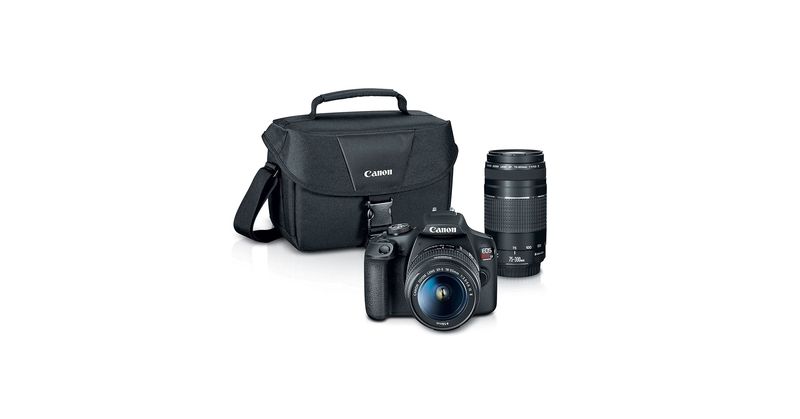
Canon EOS Rebel T7 brings dependable image quality for sweeping vistas at a wallet friendly price. The 24.1 MP APS C sensor preserves fine textures in rocks, forests, and distant ridgelines, while JPEG colors look natural without heavy editing. With the dual lens kit, compositions can shift from wide valley floors to compressed peaks in moments.
The 18-55mm lens handles classic landscapes from foreground flowers to rolling hills. The 75-300mm lens reaches distant layers, isolating light patterns and atmospheric haze for painterly depth. Built in Wi Fi simplifies quick transfers, and the lightweight body keeps a daypack manageable on long trails.
Controls are straightforward, so learning exposure and focus becomes less intimidating. Battery life supports full sunrise to mid day scouting with room for bracketing. Stabilize on a tripod, use base ISO, and the camera rewards careful technique with sharp, contrasty frames that print well.
Canon EOS R100 Mirrorless Camera

Canon EOS R100 is a compact gateway into the RF mount with excellent ergonomics and approachable controls. The APS C sensor produces crisp detail and pleasing color, ideal for sunrise gradients and alpine blues. With lightweight lenses, the kit carries easily during steep ascents and quick detours to a hidden overlook.
Autofocus locks promptly on high contrast mountain edges and shimmering water lines. The camera starts quickly, helping catch fleeting light breaks after storms. JPEG profiles are gentle, and RAW files grade cleanly for nuanced skies and shadow recovery without heavy noise.
Battery endurance is modest yet workable with a spare in the pocket. A small tripod and a polarizer transform midday scenes, minimizing glare while deepening clouds and foliage. For travelers who value portability and affordability, R100 balances modern mirrorless benefits with a budget friendly ticket to expansive landscapes.
Sony Alpha A6100A (with 16-50mm)
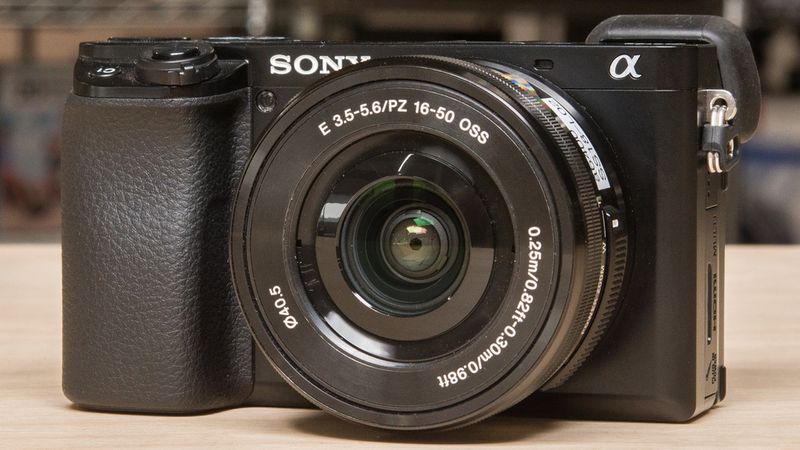
Sony Alpha A6100A pairs a 24.2 MP APS C sensor with brisk autofocus that helps nail sharp horizons. The 16-50mm kit lens covers useful focal lengths for classic sweeping frames, layered foregrounds, and tight mid range abstracts. Colors lean vibrant, and RAW flexibility supports subtle tonal mapping in high contrast scenes.
Real time tracking is handy for dynamic weather, shifting clouds, and wind combed grasses. Menus are deep but customizable, so favorite landscape settings sit one tap away. Low light performance holds together at sunrise blue hour, especially with careful exposure and tripod support.
The compact body disappears in a daypack, inviting longer hikes without fatigue. Battery life is decent and USB charging adds convenience during road trips. For travelers who want fast autofocus and solid dynamic range at a friendly price, A6100A makes a strong, reliable landscape companion.
Nikon Z50 II Mirrorless

Nikon Z50 II delivers balanced image quality, intuitive handling, and useful dynamic range for budget minded landscape work. The APS C sensor captures edge to edge sharpness with pleasing microcontrast that flatters textures in bark, grass, and stone. Z mount lenses feel compact yet solid, ideal for hiking and travel.
Autofocus is confident in backlit scenes, holding focus on silhouetted ridges and treelines. The tilting screen simplifies low angle compositions in streams and tide pools. JPEG color is natural, and RAW files grade predictably, letting highlights stay calm while shadows open smoothly.
Weather resistance is modest, so a simple rain cover helps during squalls. Paired with a lightweight ultrawide, Z50 II becomes a capable sunrise to sunset workhorse. Consistent metering, clean base ISO, and portable batteries create a camera that respects budgets while delivering gallery worthy landscapes.
Panasonic Lumix G85
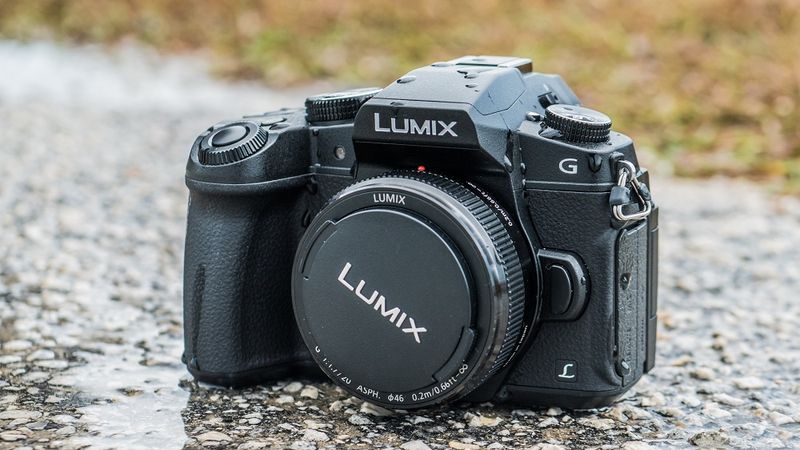
Panasonic Lumix G85 stands out with in body stabilization that steadies handheld frames among roots, streams, and cliff paths. Micro Four Thirds optics keep the kit small while offering sharp ultrawide options for dramatic foregrounds. The weather sealed body is a relief when drizzle or spray appears during long hikes.
Color profiles render greens and earth tones with pleasing richness. 4K photo modes are helpful for timing waves and shifting clouds. The EVF and articulated screen support low tripod work, letting compositions align precisely with rocks, flowers, and leading lines.
Noise control is best at lower ISOs, so a compact tripod remains smart for twilight. Batteries are affordable and easy to pack, extending shooting days without worry. For creators who value stabilization, durability, and portability at a fair price, G85 delivers dependable landscape results.
Sony ZV-1F Compact
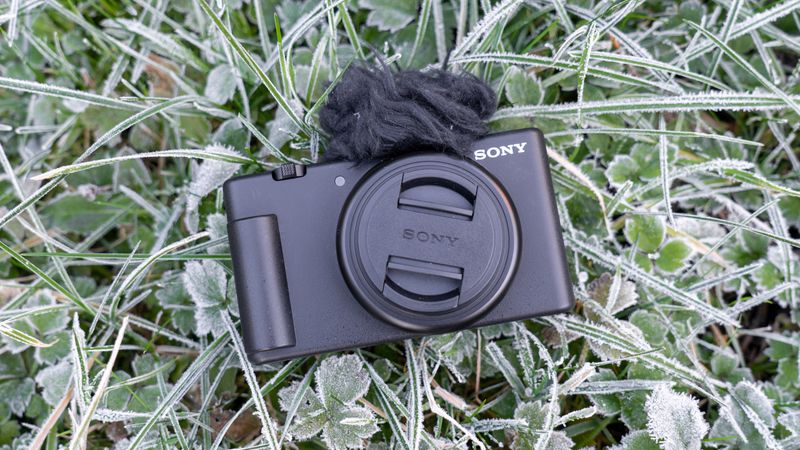
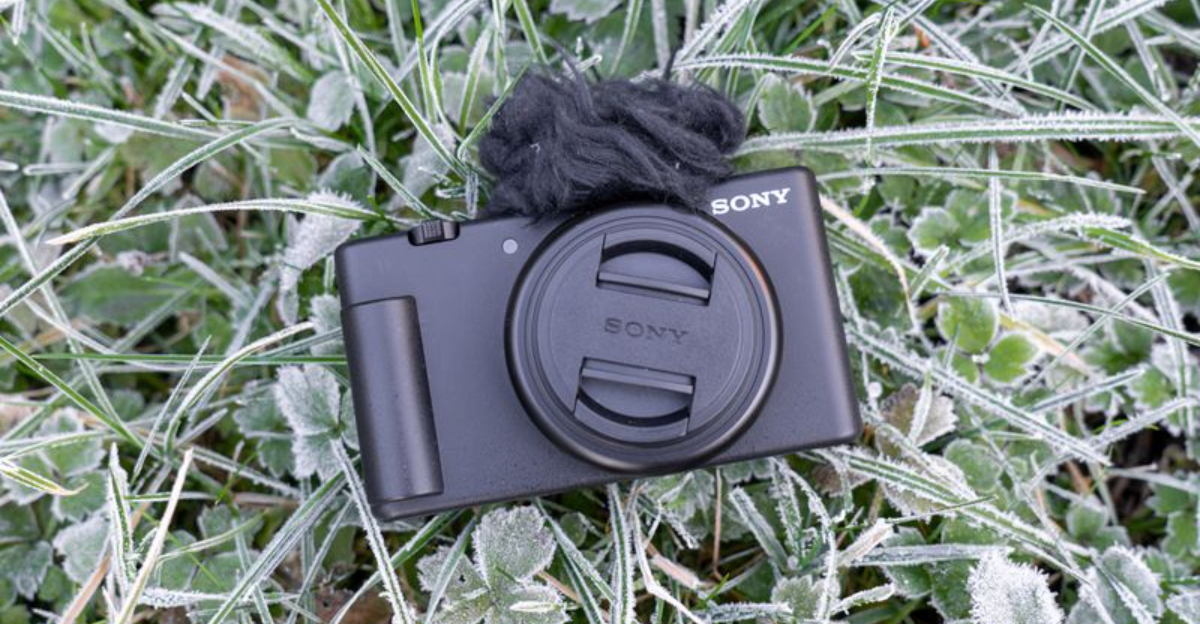
Sony ZV-1F is a pocket friendly compact that travels anywhere without fuss. The fast wide lens and responsive sensor give clean detail and strong color for daylight vistas. With minimal weight, it rides comfortably on a strap or in a jacket pocket during steep climbs.
Neutral profiles keep skies from oversaturating, and highlights retain structure when shooting into sunlit water. The camera powers on quickly, capturing fleeting light breaks between clouds. Built in stabilization helps steady handheld frames at modest shutter speeds.
Low light needs care, but a mini tripod or rock rest makes twilight frames workable. USB charging suits road trips and hut nights. For hikers prioritizing simplicity and portability over interchangeable systems, ZV-1F brings surprisingly polished landscape images at a friendly cost.
Nikon Coolpix P1100 Bridge Camera
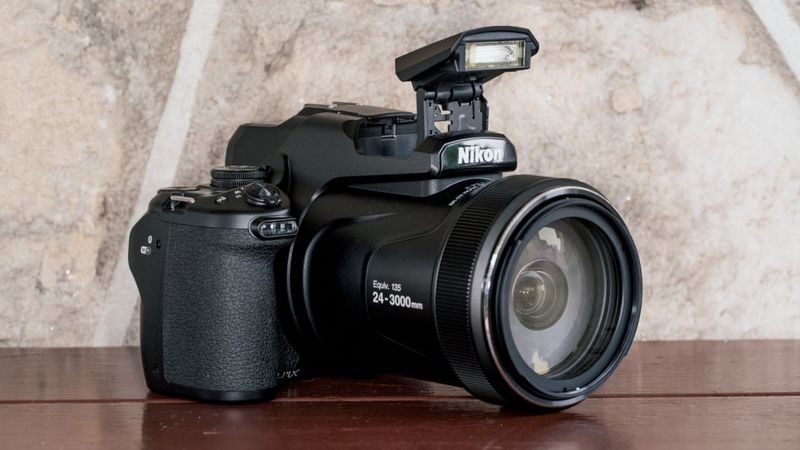
Nikon Coolpix P1100 delivers an all in one solution with a sweeping zoom that reaches distant ridgelines and isolated light pockets. The bridge design simplifies travel by eliminating lens swaps while still offering flexible framing. Image stabilization keeps long zoom shots usable when wind rattles a viewpoint.
At wider settings, landscapes stay sharp enough for mid size prints and social sharing. The sensor prefers good light, so bright mornings and golden hour produce the cleanest files. Menus are straightforward, and the grip feels secure during quick repositioning on uneven terrain.
RAW support and a mild touch in post help preserve subtle gradients in skies. A small travel tripod helps steady telephoto compositions and low ISO exposures. For explorers who want huge reach and manageable pricing in one camera, P1100 covers a surprising amount of landscape ground.
Canon PowerShot G7 X Mark III
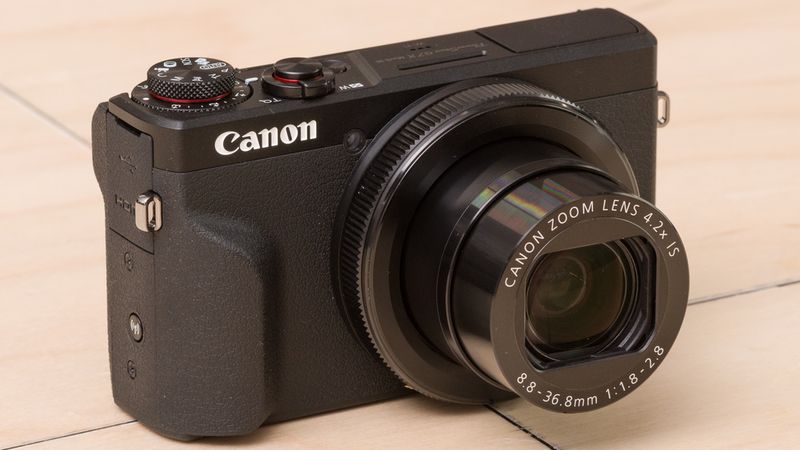
Canon PowerShot G7 X Mark III pairs a 1 inch sensor with a bright zoom, producing crisp landscapes in a pocketable body. Colors lean natural, rendering coastal blues and earthy browns without heavy oversaturation. The lens is sharp across most of the frame, encouraging confident wide compositions.
Touchscreen controls make exposure tweaks fast when light changes rapidly. RAW files push gracefully, letting highlights breathe while protecting midtone textures. Video features are strong for timelapse style sequences of clouds and tides.
Battery life is modest, so spares are wise for long outings. A small ND filter enables slower shutter effects on waterfalls and streams. For travelers who want premium compact quality at a reasonable price, G7 X Mark III remains a landscape friendly stalwart.
Mirrorless APS-C Kit Option (Entry DSLRs or Mirrorless)
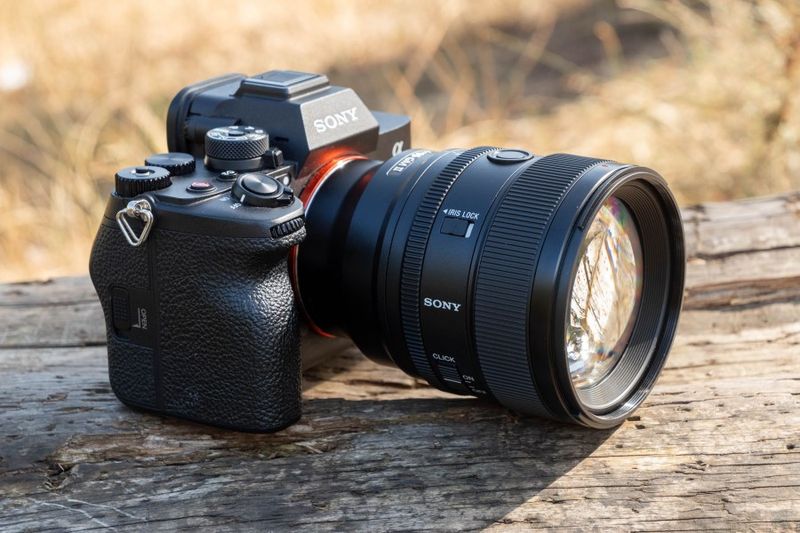
Entry level APS C kits from major brands offer strong value with 24 to 26 MP sensors, decent dynamic range, and reliable autofocus. A bundled zoom simplifies getting started while leaving room to grow later with a dedicated ultrawide. RAW files typically tolerate thoughtful edits to rescue shadows in forests and canyons.
Bodies are light enough for long hikes, and menus are approachable for learning exposure, bracketing, and focus modes. Tripod work at base ISO yields sharp, printable images with controlled noise. Weather protection varies, so a simple cover keeps gear safe during drizzle.
As skills advance, adding a compact prime or ultrawide lets compositions evolve without replacing the body. Affordable accessories like ND filters and remote releases deepen creative control. For budget conscious landscape shooters, these kits strike a compelling balance between price, performance, and portability.
Compact Travel Cameras (Budget Point-and-Shoot)
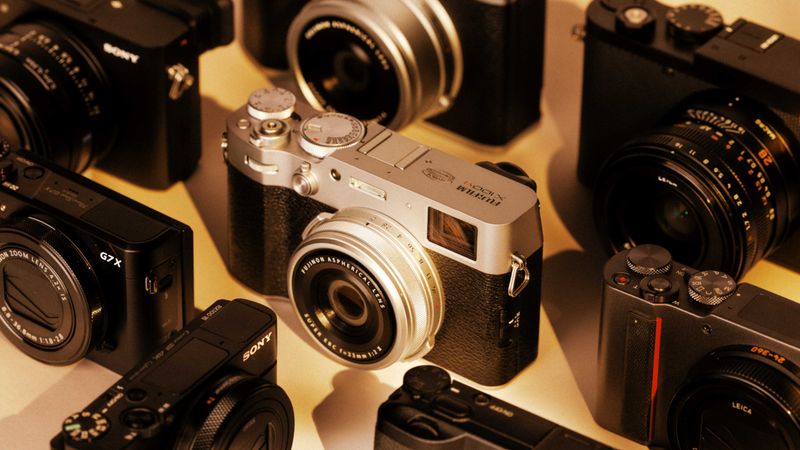
Budget compact travel cameras keep things light, discreet, and simple while delivering respectable landscape results. Modern sensors and modest zooms capture clean daylight scenes with vivid yet believable color. Pocketable design encourages more spontaneous stops at overlooks and trail turnouts.
Menus are straightforward, and auto modes usually expose landscapes consistently. A basic tripod or rock ledge helps stabilize dusk frames and long exposures of streams. JPEG output looks pleasing, while basic RAW options on some models allow gentle refinement.
Battery life ranges widely, so an extra cell is helpful on longer days. Weather can challenge small bodies, making a pouch or wrap wise in rain or dust. For travelers who value ease, affordability, and portability above all, budget compacts open the door to memorable landscapes without stress.



