 Unearth The Voyage
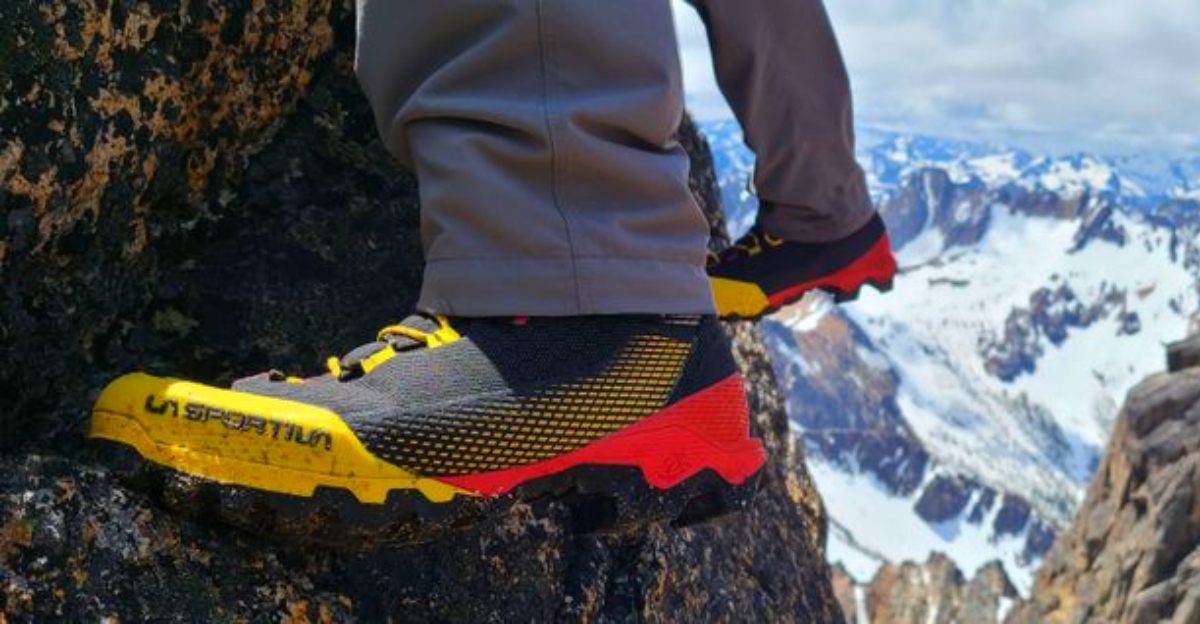
Winter mountains reward the prepared, and the right boots can be the difference between a confident summit and a cold retreat. You want warmth, grip, and reliability when snow gets deep and the wind starts to bite. This guide highlights proven performers across technical climbs, mixed routes, and big-mile cold hikes. Read on to find the pair that matches your terrain, temperatures, and pace.
La Sportiva Nepal Cube GTX
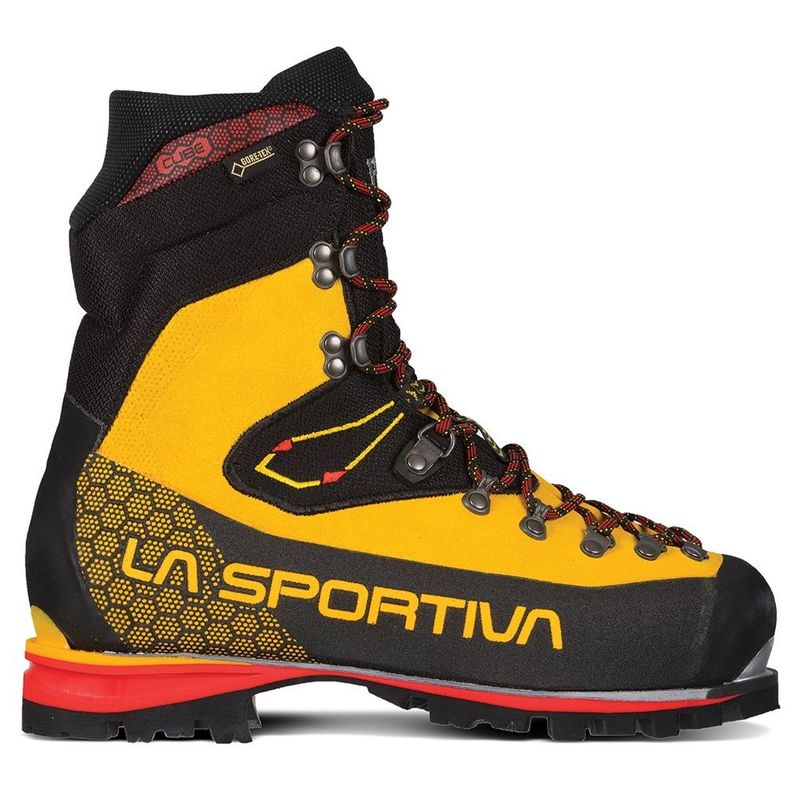
You reach frozen couloirs and mixed ridges with confidence when laced into the Nepal Cube GTX. The boot blends classic full-grain leather with a modern Gore-Tex membrane, sealing out wet snow and dripping ice. A carbon honeycomb midsole trims weight without losing edging support, so front points bite cleanly and feet stay fresher on long, cold days.
Automatic crampon compatibility means quick transitions, from neve steps to blue ice pillars. The precise heel lock and secure forefoot give dependable control on delicate placements and rock smears. Even when spindrift funnels down gullies, the gusseted tongue and protective rand keep things tidy and warm.
What you notice most is versatility. It handles steep snow, alpine ice, and rocky scrambles in a single push, ideal when conditions shift hour by hour. Bring a warm sock, fine tune the lacing, and the fit feels dialed for long belays and brisk upward movement.
Durability impresses too, with a resolable sole and stout rubber toe. When winter objectives span technical routes and demanding approaches, this boot balances warmth, stiffness, and precision. It is a trustworthy platform for ambitious cold season missions.
La Sportiva Olympus Mons Cube
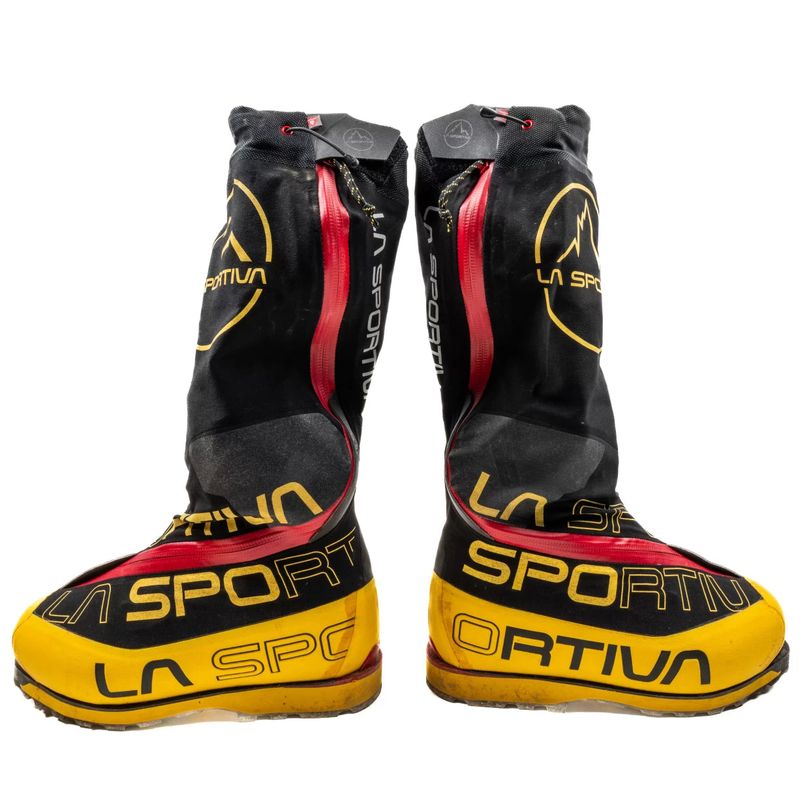
If you are eyeing high altitude or brutal cold, the Olympus Mons Cube feels like armor for your feet. Its double-boot construction traps heat efficiently, while the zippered integrated gaiter blocks spindrift and spiky ice. The stiff carbon insoles give powerful edging on front points without collapsing under heavy loads.
Warmth is the headline. Insulation wraps the inner boot for long belays and bitter wind on exposed faces. Step-in crampon compatibility makes transitions smooth, reducing faff when weather windows are tight and daylight is short.
Snowfield travel becomes steady and predictable with its broad platform and aggressive outsole. The outer boot resists abrasions from crampon bails and rock. Even when trail breaking through crust and sugar snow, the gaiter seals high and clean.
This is not your everyday winter hiker. It is a purpose-built tool for extreme environments, where frostbite risk hovers and mistakes compound quickly. If your plans include Himalayan-style cold or multi-day alpine sieges, prioritize the Olympus Mons Cube.
Scarpa Phantom Tech HD
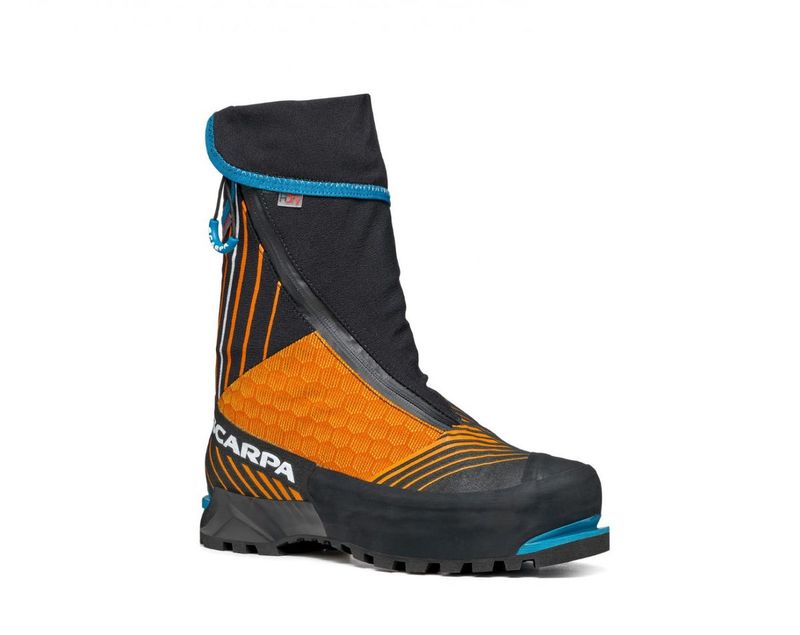
When pitches turn vertical and placements get thin, the Phantom Tech HD shines. Its integrated gaiter streamlines the silhouette, shedding snow and blocking icy spray. The waterproof HDry membrane helps keep socks dry while the boot maintains a snug, sensitive feel for precise tool and foot coordination.
Automatic crampon compatibility pairs with a rigid yet responsive sole, encouraging accurate front pointing on chandeliered ice. The ankle flex pattern supports high steps and inside edging on mixed sequences. You get warmth appropriate for fast technical objectives, without the bulk that saps precision.
Rubber rands and a protective toe cap shrug off rock contact during dry tooling or thin, scratchy traverses. On approaches, the rocker eases miles, then locks in when it is time to swing tools. The zipper is robust and operates cleanly with gloves.
If your winter plans revolve around waterfalls, alpine gullies, and mixed lines, this boot nails the balance. It feels nimble, secure, and weatherproof enough for sustained cold. Consider pairing with quality socks and a vapor barrier in deep freeze to extend comfort.
La Sportiva Aequilibrium ST GTX
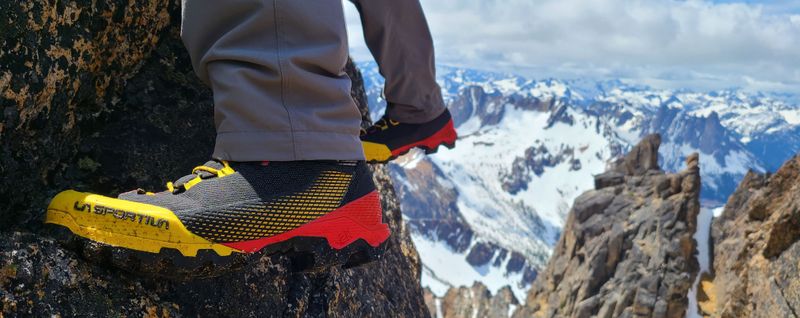
Light on the foot yet supportive, the Aequilibrium ST GTX bridges hiking and mountaineering in cold seasons. The synthetic upper with Gore-Tex fencing keeps meltwater out while drying quickly after slush. A heel crampon shelf and stiffened platform accept semi-automatic crampons for firm snow or short ice steps.
On rolling ridgelines, the double-heel geometry adds braking grip on descents. You can move quickly through variable terrain without feeling over-booted. The toe profile edges well on mixed rock, and the rocker encourages an efficient stride on long approaches.
Warmth is moderate, so match socks to the day. For day missions or hut-to-hut routes with intermittent ice, the balance works. Foot hold is confident, allowing precision on narrow ledges and traverses.
When winter routes blend trail, neve, and the occasional short pitch, this boot keeps momentum high. It is a great choice for climbers who want one pair to hike fast, then clip on crampons at the snowline. Think shoulder season couloirs, early starts, and quick tags on cold summits.
Oboz Bridger Insulated Winter Hiking Boots
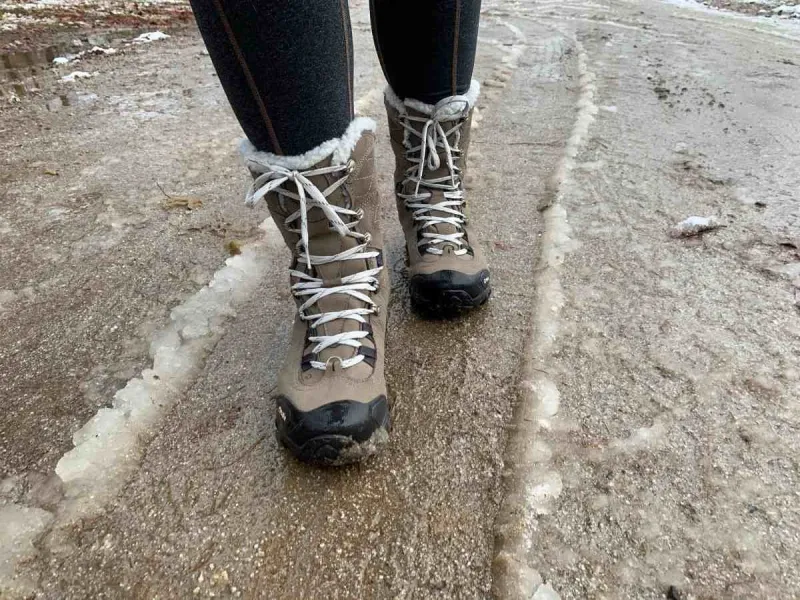
For deep snow days on less technical terrain, the Oboz Bridger Insulated shines. Tall shafts seal out powder while the waterproof membrane keeps slush outside. Insulation is generous without turning your stride clunky, so you can crunch miles and still feel spry.
Outsoles bite into packed tracks and untracked fluff, with lugs that grip snowshoe decks and trail crampons. The fit runs supportive around the heel, giving steady footing on sidehills and icy crossings. Toe caps and robust leather fend off rock brushes and crusty snow chunks.
Comfort stands out on long winter hikes or basecamp chores. The footbed supports arches well, reducing fatigue when hauling sleds or heavy packs. Moisture management pairs nicely with midweight socks and occasional venting breaks.
If your mountain explorations lean toward snowy ridges, frozen lakes, and forest approaches, these boots make cold days feel easy. They are not for vertical ice, but they thrive where warmth, traction, and reliability matter most. Match them with microspikes, gaiters, and a breathable sock system for a dependable winter kit.
The North Face Chilkat V 400
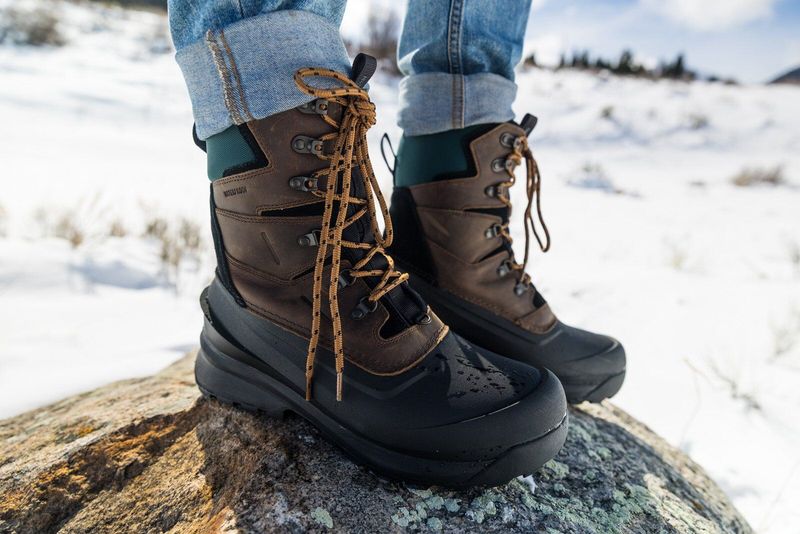
The Chilkat V 400 brings serious warmth to winter hikes without an expedition vibe. With 400 gram insulation, feet stay cozy on long, cold ridge traverses and frozen trail loops. The waterproof build keeps slush at bay, and the suede plus nylon upper balances durability and flexibility.
Traction feels confident on packed snow and early morning ice. Lugs shed powder and grip microspikes cleanly when conditions glaze over. The fit is friendly for thicker socks, so you can fine tune warmth as temperatures plunge.
On mixed days with rest stops and photo breaks, heat retention remains steady. The heel hold reduces slip on off camber sidehills, improving control with poles. Break in is short, letting you head straight to trailheads after a few around-town miles.
For less technical mountains, snowy outlooks, and basecamp comfort, this boot delivers reliable performance. It is a great partner for winter car camping, hut runs, and casual summit pushes. Add gaiters for deeper drifts and pair with microspikes when forecasts call for refreeze.
Columbia Bugaboot Celsius Plus
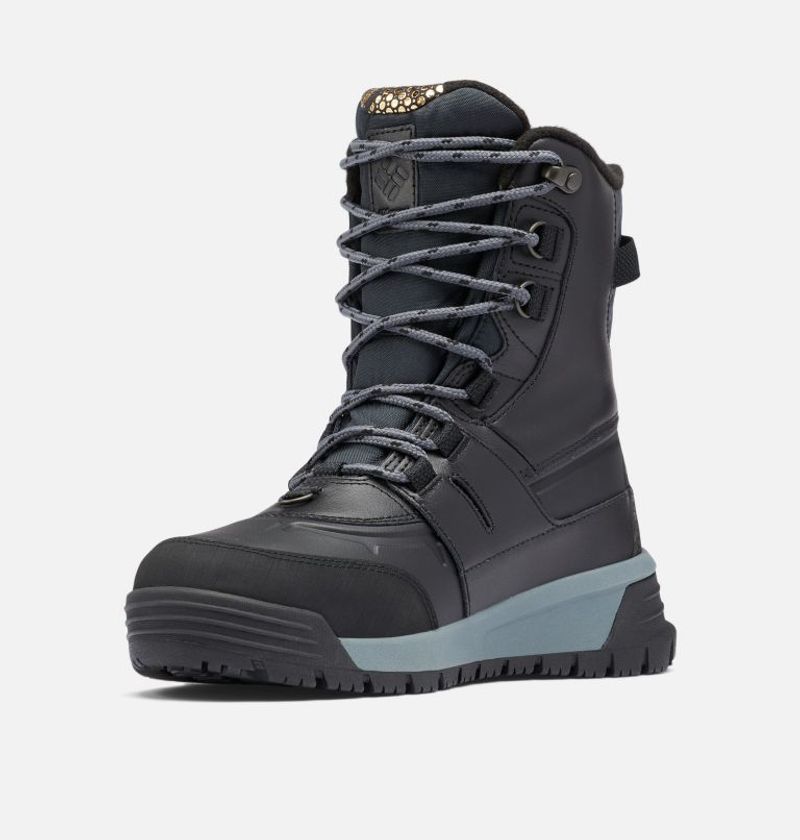
When trails are snow packed and temps dive, the Bugaboot Celsius Plus supplies dependable warmth and weather protection. Waterproof construction and a heat reflective liner team up to keep toes happy through hours of crunching along. The cuff seals well with gaiters, limiting spindrift and slush intrusions.
Underfoot, the traction pattern grips icy sidewalks and crusty paths predictably. It pairs nicely with microspikes for steeper forest climbs or wind-scoured ridges. The fit is accommodating, making it easy to layer socks for cold snaps without pressure points.
Durability is solid for frequent winter use. Toe bumpers guard against hidden rocks and snow crust. The boot feels supportive enough for moderate loads, like hot drink thermoses, camera gear, and extra layers.
For mountain days that do not require crampons or technical moves, this is a warm, straightforward choice. It excels on snowshoe loops, scenic overlooks, and frosty sunrise hikes. Keep pace steady, manage moisture with breathable socks, and you will enjoy reliable comfort until the last mile.
Merrell Moab Speed 2 Thermo Mid
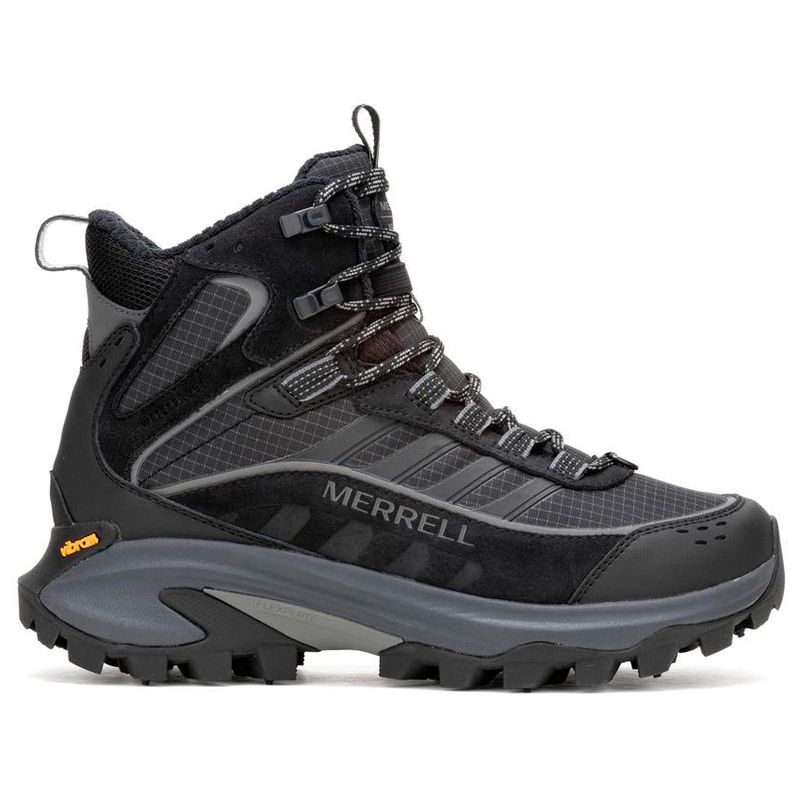
Fast and nimble, the Moab Speed 2 Thermo Mid brings a trail runner feel to winter hiking. PrimaLoft insulation keeps warmth steady without excess bulk. The waterproof membrane manages slush, while the athletic upper flexes naturally on switchbacks and rocky steps.
The Vibram Icetrek outsole is the star, gripping cold rock and glazed paths with confidence. You can move quickly across icy benches and compacted snow without tiptoeing. Cushioning is balanced, protecting feet on long descents and frozen rooty sections.
For mountain routes that do not require crampons, this boot hits the sweet spot. It plays well with microspikes when conditions harden overnight. The fit is true and comfortable, ready for back-to-back cold days.
If you value light weight and speed, this keeps momentum high while temperatures drop. Pair with breathable socks and consider a thin gaiter for drifted sections. You will appreciate the agility on rolling ridges, winter singletrack, and crisp sunrise summit jogs.
Keen Revel IV Polar
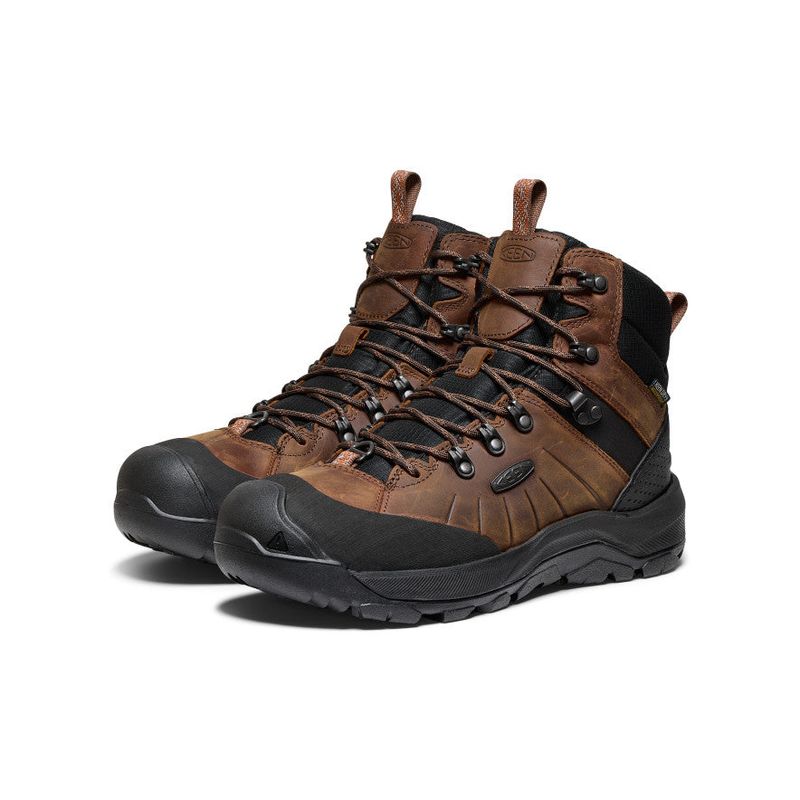
Comfort meets winter reliability in the Revel IV Polar. The wide forefoot feels great on long days, especially with thicker socks. KEEN.WARM insulation and a waterproof membrane keep feet protected when snow piles high and temperatures dip.
Traction is dependable on packed trails and icy approaches, with lugs that bite cleanly and clear snow. The boot interfaces well with microspikes or light traction, giving extra grip on shaded switchbacks. Underfoot support keeps arches happy during big mileage days.
Fit adjustability is easy with glove friendly laces and a forgiving upper. Toe protection handles hidden rocks and firm ice balls. The boot strikes a nice balance between warmth and flexibility for active hiking pace.
When the goal is exploratory mountain trekking rather than technical climbing, this is a strong pick. Expect stable strides, warm toes, and a relaxed fit that invites extra miles. Add gaiters for deeper powder, and enjoy steady progress across frozen landscapes.
Vasque Coldspark Winter Boots
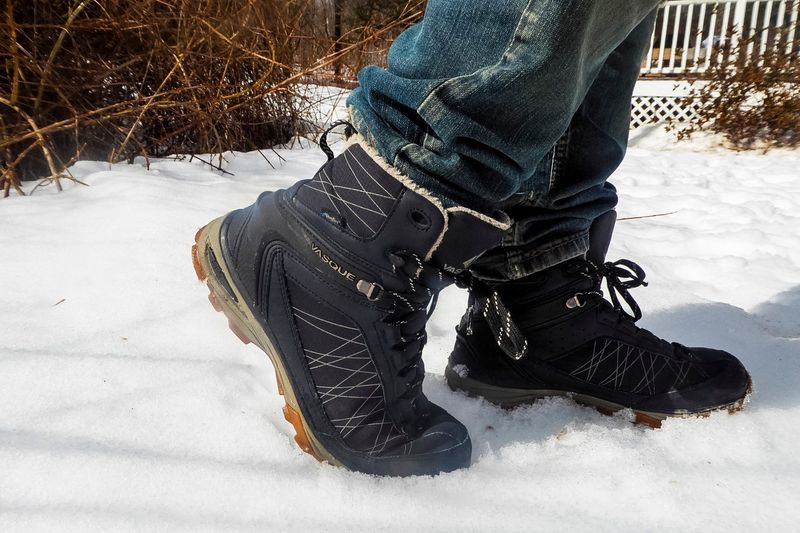
The Vasque Coldspark delivers a rugged, no-nonsense platform for varied winter terrain. Waterproof uppers shield against meltwater and slush, keeping socks drier on long approaches. Balanced insulation offers steady warmth without the bulk that slows your stride.
Traction patterns grip icy forest paths and wind-packed drifts, while a supportive midsole keeps feet stable under a pack. The fit feels secure around the heel and forgiving at the forefoot, accommodating midweight socks. Break in is minimal, so you can hit the trail quickly.
For basecamp days, scouting lines, or snowy day hikes, the Coldspark keeps things comfortable and predictable. It pairs well with microspikes when refreeze turns the route slick. Toe protection stands up to hidden rocks and crusty snow ridges.
If your winter plans mix approaches, ridge rambles, and around-camp chores, this boot makes a versatile companion. It is not a technical ice tool, but it excels where warmth, waterproofing, and dependable traction matter most. Add a gaiter for deeper powder and keep moving when the forecast dips.



