 Unearth The Voyage

Volcano scenes push your camera harder than almost any landscape, with glowing lava against inky skies and ash swirling in the wind. You need high resolution, big dynamic range, and rugged reliability to walk away with keepers. This curated list focuses on bodies that balance detail, durability, and portability for real field conditions. Read on to find the right tool that lets you chase heat and light without missing the moment.
Sony a7R V

You come to volcanoes for detail and drama, and the a7R V gives you both in spades. Its high-resolution full-frame sensor captures the crisp ridges of cooled pahoehoe and the shimmering gradients near molten flows without breaking a sweat. Dynamic range lets you hold fiery highlights while keeping shadowed slopes clean and gradated.
Autofocus tracks headlamps, hikers, and drifting sparks, while stabilization helps when wind shakes your tripod. When you need large prints or aggressive crops, those pixels give you editing freedom, especially if you cannot step closer. The weather-sealed body handles grit and heat shimmer, though a rain cover and common sense are still essential.
For night lava glow, use base ISO for clean files, then bracket exposures to blend sky and magma. Pair a sharp wide prime for sweeping caldera vistas and a telephoto for distant fountaining vents. You will appreciate robust battery life and customizable controls when ash and adrenaline make fine-tuning tough.
Fujifilm GFX100S II
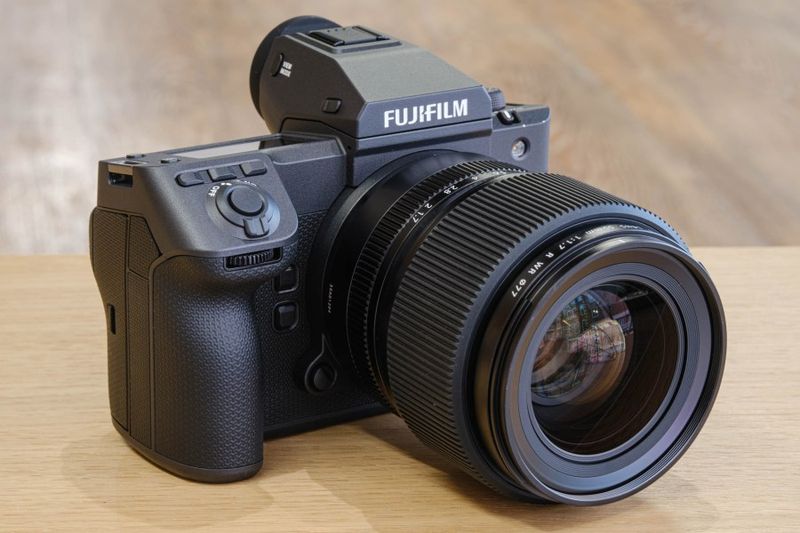
If maximum detail is your aim, the GFX100S II is a showstopper. Medium-format files reveal microtextures in pumice and sintered ash that smaller sensors smear. You can print wall-sized panoramas where every cooled ripple and spatter bomb remains bite-sharp.
Tonal gradation is the secret weapon, rolling smoothly from ember orange to twilight blue without banding or coarse transitions. Weather sealing and a confident grip help when wind gusts whip cinders across the ridge. The body remains relatively compact for its class, so you can actually hike it to the viewpoint.
Use base ISO and a sturdy tripod, and expose carefully to preserve highlight glow around vents. Focus stacking and pixel-peeping become addictive once you see what these files hold. Yes, lenses are larger, but a wide prime and a short tele will cover most volcano work.
Nikon Z7 II
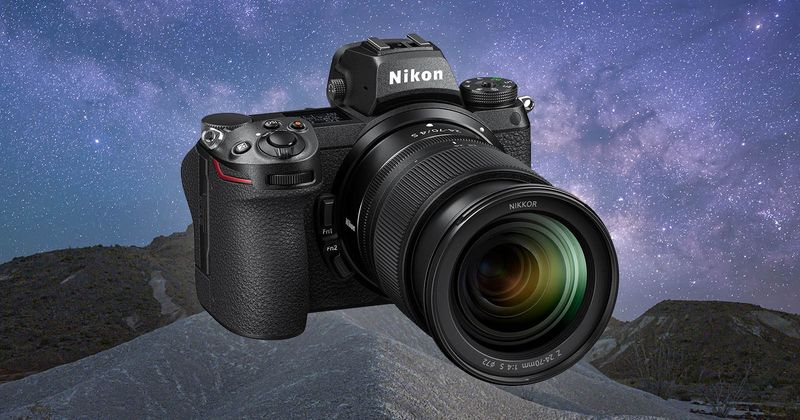
The Nikon Z7 II balances resolution, dynamic range, and weight for big volcanic landscapes. Files stay clean, with strong highlight headroom to keep lava shape and texture intact. Corner-to-corner sharpness with Z wide primes makes sprawling lava fields look contiguous and immersive.
IBIS steadies twilight frames when wind gusts try to ruin a long exposure. The weather sealing inspires confidence if light rain or sulfuric mist rolls in, though you should carry protective filters. AF is dependable for hikers on ridgelines and quick compositional shifts as clouds move.
For field practicality, two card slots safeguard a once-in-a-lifetime eruption sequence. Pair the 14-30 or 20 prime for sweeping calderas, then switch to a 70-200 for distant vents. Bracket, use a soft-edge grad, and keep a microfiber handy for ash.
Canon EOS R5 II
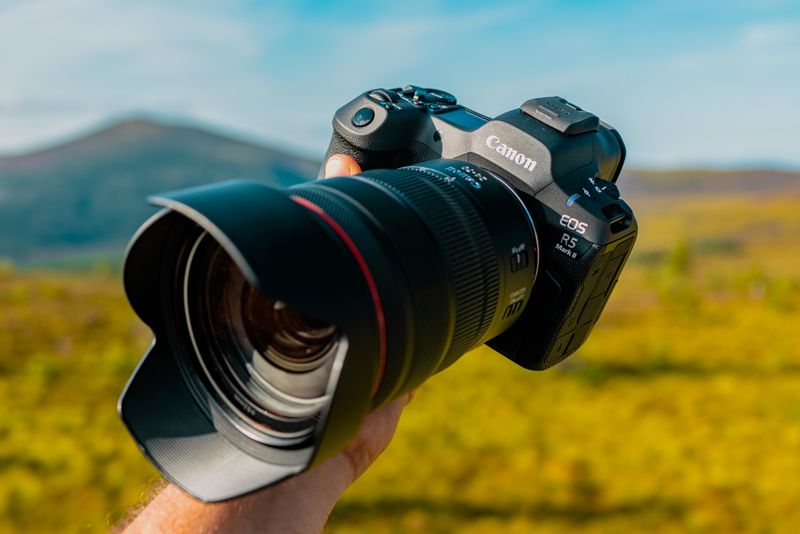
The R5 II is a hybrid powerhouse for stills and documentary work near volcanoes. The sensor delivers crisp detail and color, while improved heat management supports longer video sessions during unpredictable activity. Dual Pixel AF locks onto silhouettes against glowing lava with reassuring precision.
Dynamic range helps you hold incandescent highlights without choking the shadows. The body is robust and sealed, useful when wind-blown grit threatens your gear. Stabilization and reliable IBIS make handheld reactive shots workable when you cannot deploy a tripod fast.
For mixed shooting, assign custom modes for night glow, long exposure, and 4K capture. Bring fast wides and a mid-tele to cover both sweeping context and intimate vent textures. Keep spare batteries warm, shoot RAW, and bracket for safety.
Panasonic Lumix S5 II
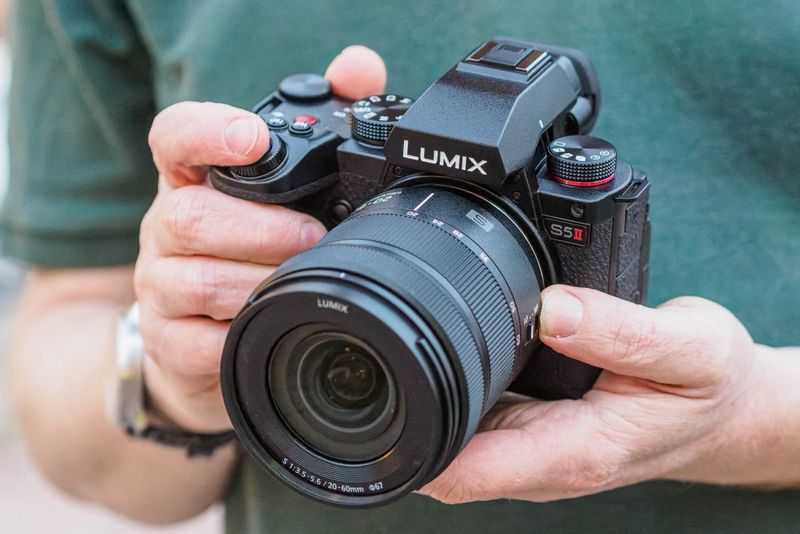
The S5 II pairs full-frame quality with a compact, travel-friendly body that feels built for long approaches. You get strong image quality, dependable stabilization, and robust weather resistance that shrugs off grit and spray. It is a thoughtful choice when you need to move fast and pack light.
Phase detect AF improves reliability for night scenes where contrast-based systems struggle. Footage looks great, so you can capture timelapses and moody video interludes between stills. The control layout is intuitive with gloves, reducing fumbles on exposed ridgelines.
Carry a lightweight wide zoom and a tiny prime to keep mass down for steep climbs. Use long exposures to paint silky sulfur clouds and emphasize lava glow gradients. Keep the sensor clean with a rocket blower, and protect front elements with clear filters.
Fujifilm X-T5
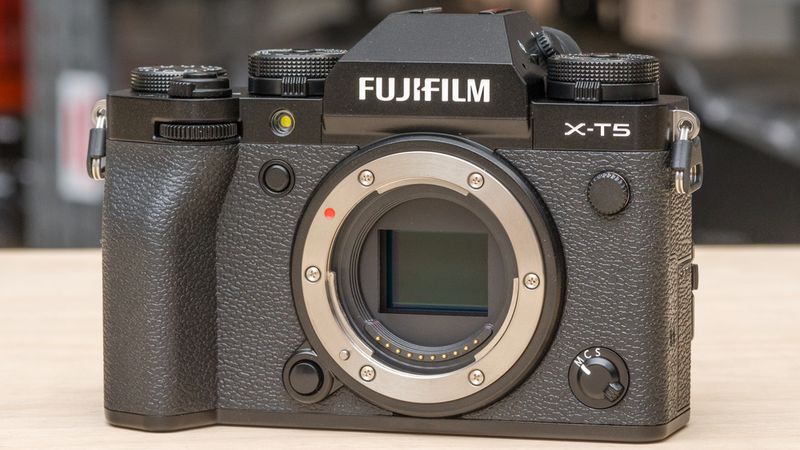
The X-T5 brings excellent APS-C image quality in a light, nimble package for steep volcanic treks. Dynamic range is strong for the class, keeping lava glow controlled while preserving shadow relief in basalt. Classic dials make exposure tweaks quick when light changes minute to minute.
Stabilization helps handheld frames on windy ridges, and the lens lineup has sharp lightweight primes. Film simulations lend a cohesive look to moody ash-filled atmospheres if you want ready-to-share files. The body is weather-resistant enough for mist and dust with sensible care.
Use a 16 or 23 prime for wide scenes, then a 56 or 90 for compressed vent details. Bracket and merge for extreme contrast, and shoot RAW when stakes are high. You will appreciate how little it weighs when the trail gets spicy.
OM SYSTEM OM-5
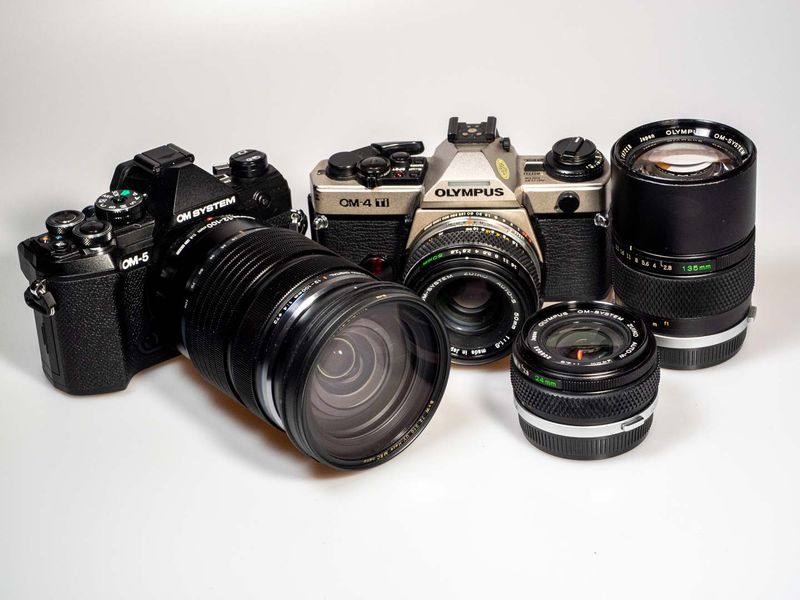
The OM-5 is a light-pack specialist for volcano trips where every gram matters. Micro Four Thirds sensors have matured, delivering clean files and pleasing color when exposure is nailed. Weather sealing and clever computational tricks make it a dependable travel partner.
Handheld high-res and Live ND expand creative options without heavy filters. Stabilization is class-leading, helpful for low-light glow and gusty ridgelines. The small lens ecosystem keeps your kit tiny while covering ultra wide to tele.
Use Live ND to smooth sulfur plumes and capture ethereal lava reflections. Pack a 12-45 and a compact ultra wide for sweeping craters. Keep ISO conservative, and expose to protect highlights so molten detail stays crisp.
Sony RX100 VII

The RX100 VII is a pocket backup that still delivers in the heat of action. Slip it into a jacket while your main body rides the tripod, and you will never miss a sudden lava spatter. The zoom range is versatile for context frames and quick tele grabs.
AF is fast, and stabilization helps at twilight when shutter speeds dip. JPEG color is pleasing, and RAW gives you latitude for highlight control. It is not weather-sealed, so keep it sheltered between shots and wipe off any settled ash.
Use burst mode for transient sparks and gas pulses. Lean on auto ISO with a minimum shutter to keep hand shake at bay. For safety and agility, this little camera earns its slot in your volcano kit.
Nikon Z5 II
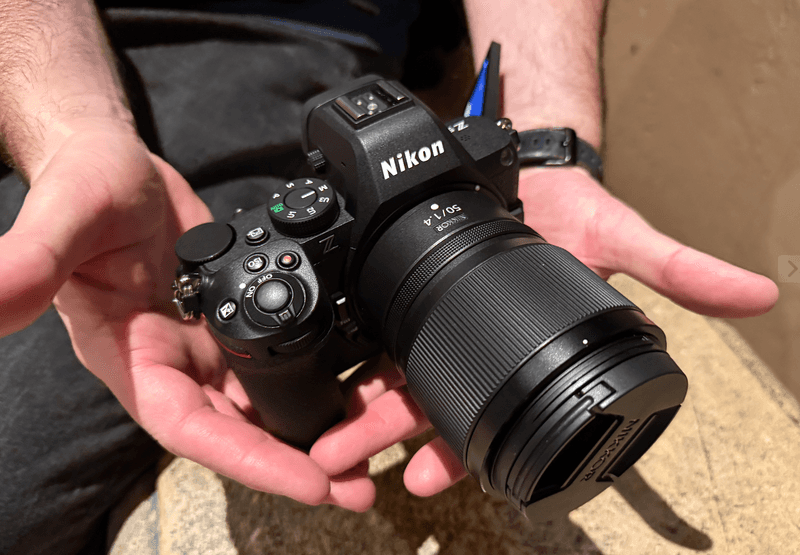
The Z5 II brings full-frame benefits to a budget-conscious volcano setup. You get respectable dynamic range for managing lava highlights and night shadows, plus that big-sensor look. Build quality is solid, and the Z mount lens library gives you room to grow.
AF and burst are modest but capable for landscape and slower action. Dual card slots are reassuring when you trek far for a clear vantage. Weather resistance helps you keep shooting through light drizzle and ash dust.
Pair an affordable wide zoom and a nifty fifty for lightweight versatility. Use manual exposure at night to anchor lava glow without clipping. Focus magnification and peaking make critical focus easier when your hands are cold.
Leica Q3
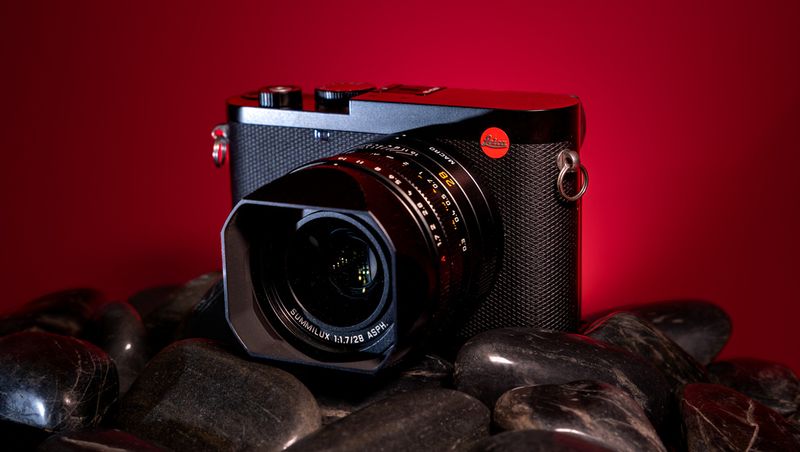
The Q3 is for traveling light without sacrificing image quality. Its fixed 28mm lens is razor sharp, perfect for expansive caldera scenes and foreground rock textures. Files have rich color and microcontrast that make lava gradients and ash tones sing.
Weather sealing and a tough body invite confident field use, while the minimalist kit keeps you nimble. Crop modes extend reach if you cannot step closer to a vent. Stabilization and clean high ISO help during blue hour glow sessions.
Compose low to highlight cracked crust leading into the crater, and bracket for insurance. The leaf shutter enables quiet shooting and high sync for creative lighting if conditions allow. It is a premium, fast-moving solution for volcano travel.



