 Unearth The Voyage
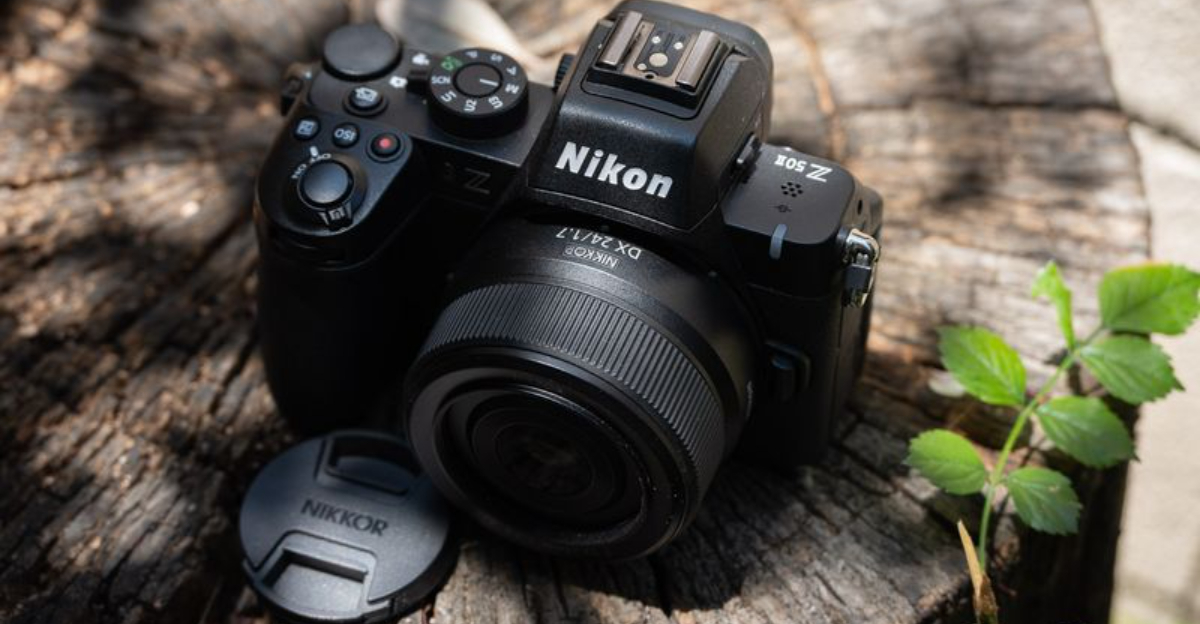
Moonlit landscapes are magical, but they punish gear that struggles in low light. If you want crisp stars, gentle highlight rolloff around the moon, and rich shadow detail, the right compact camera makes all the difference. This list brings together pocketable compacts and small mirrorless options that punch above their size in dynamic range, stabilization, and lens speed. Read on to find the tool that fits your travel style without weighing you down.
Fujifilm X100VI
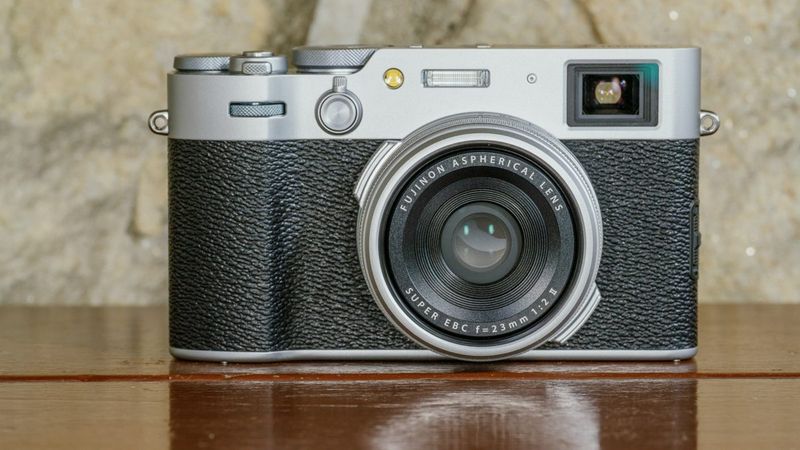
The X100VI nails moonlit scenes thanks to a 40.2MP APS-C sensor and a bright 23mm f/2 lens that gathers plenty of night light. IBIS helps keep handheld exposures steadier when you are traveling without a tripod. Colors lean cinematic, so moon glow and cool shadows feel natural without heavy editing.
Manual dials make it easy to ride shutter speed and ISO while watching the histogram. The hybrid viewfinder lets you choose optical for an organic feel or electronic for precise exposure preview. High resolution gives you room to crop a horizon or reframe a foreground silhouette.
Autofocus is confident in dim alleys and open fields, especially with face detection off to avoid focus jumps. For landscapes, stop down to f/2.8 to sharpen corners while keeping noise in check at ISO 800 to 1600. It stays compact enough for nightly walks, yet feels like a true creative tool.
Sony RX100 VII
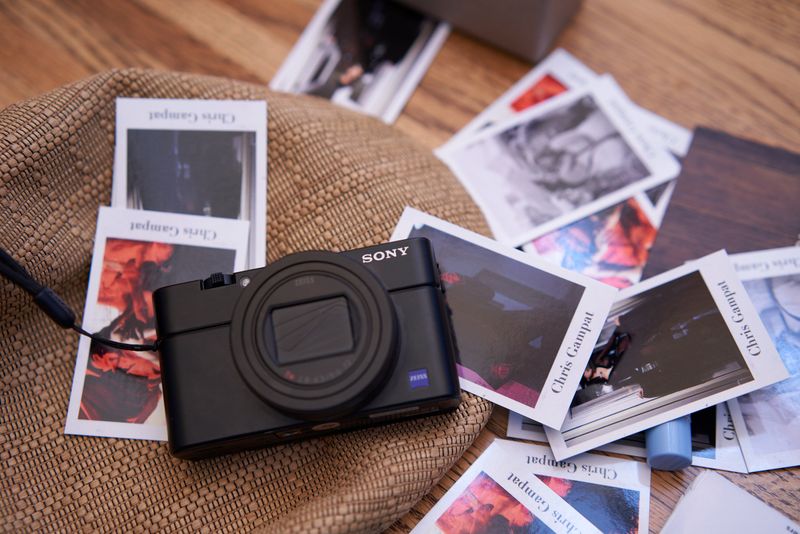
The RX100 VII is tiny yet surprisingly capable for moonlit shooting thanks to a 1-inch sensor and a sharp 24-200mm equivalent zoom. Use the wider end near 24mm to keep apertures relatively bright and shutter speeds manageable. The tilting screen is perfect for low angles when framing reflective water or wet rock.
Fast autofocus helps with night city-edge scenes, but for pure landscapes try manual focus with focus peaking. Keep ISO around 800 to 1600 and expose to protect highlights around the moon. Stabilization assists with slower shutter speeds when you want to keep ISO lower.
This camera excels when traveling light and you want a pocketable body that still handles dynamic lighting. Burst and bracketing options help blend exposures later for brighter foregrounds. It is an ideal take-anywhere tool for moonlit walks through new cities or along quiet trails.
Panasonic Lumix LX100 II
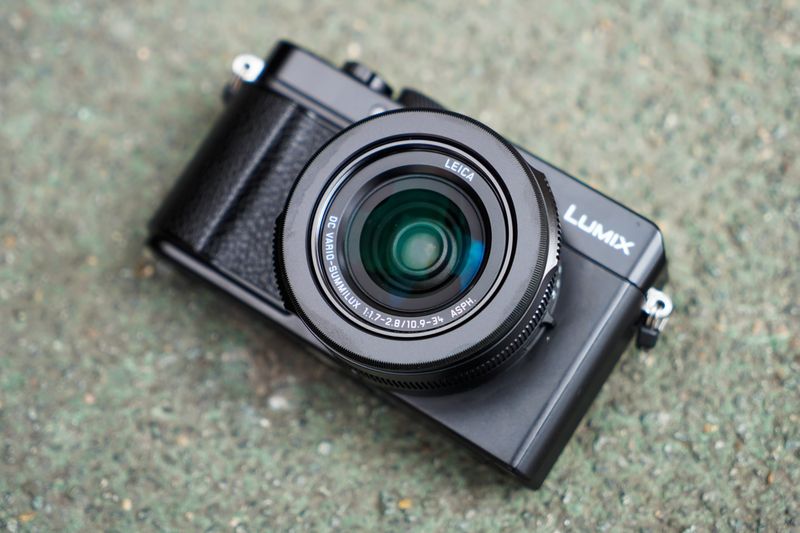
The LX100 II pairs a large Micro Four Thirds sensor with a fast 24-75mm equivalent f/1.7-2.8 lens, making it a moonlight-friendly compact. Aperture and shutter dials let you adjust exposure by feel when your fingers are cold in the dark. The lens stays sharp wide open, so you can keep ISO moderate while preserving detail.
Its multi-aspect sensor lets you compose in 4:3, 3:2, or 16:9 without heavy cropping. For moonlit landscapes, enable highlight warnings and use manual focus with peaking to lock infinity precisely. The EVF is bright and reliable for horizon alignment at night.
Stabilization helps in the 1/10 to 1/30 second range if your hands are steady. For best results, shoot RAW, slightly underexpose to keep lunar highlights, and lift shadows gently. This camera feels made for travelers who want tactile control with real low light chops.
Fujifilm X100V
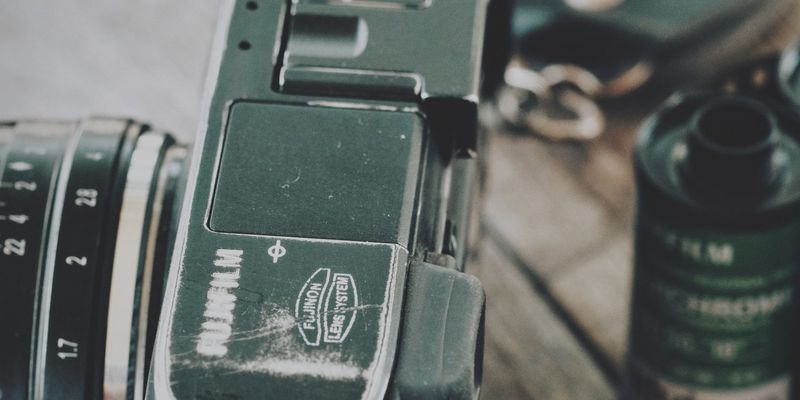
The X100V remains a night favorite with its 26MP APS-C sensor and crisp 23mm f/2 lens. Although it lacks IBIS, its leaf shutter allows quiet shooting and flash sync if you want creative fill. The lens is sharp across the frame by f/2.8, helping render distant ridgelines cleanly under moonlight.
Use the electronic viewfinder to judge exposure and keep the moon from clipping. Classic Chrome or a neutral profile keeps tones natural for later edits. Manual dials and the hybrid finder make it engaging to shoot without diving into menus.
With careful technique, ISO 1600 to 3200 still looks pleasing, especially in RAW. The weather-resistant design with the adapter helps when mist and sea spray roll in at night. It is a compact that feels like a companion for quiet moonlit walks.
Ricoh GR IIIx
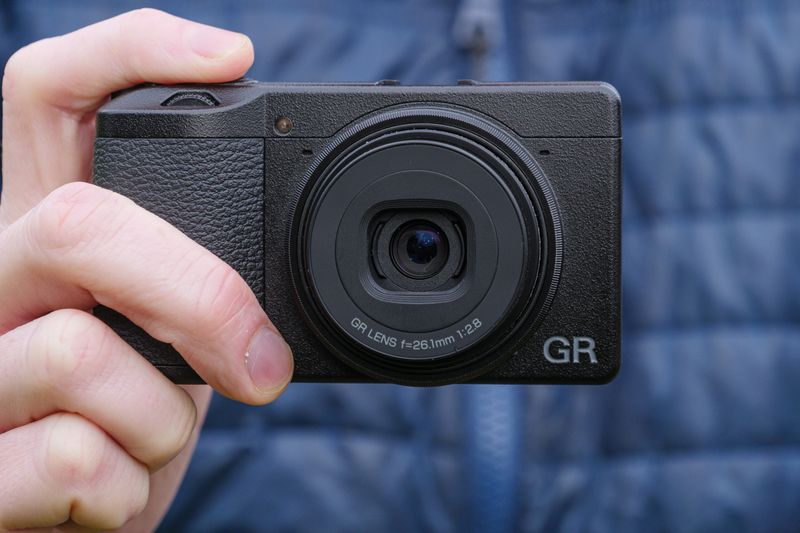
The GR IIIx is ultra-pocketable yet delivers APS-C quality with a 40mm equivalent lens. It shines when you want discreet moonlit scenes and clean detail without carrying a bag. IBIS gives a helpful cushion for slower shutter speeds during quiet handheld shots.
Use snap focus or manual to avoid hunting in near darkness. At 40mm, stitch a simple 2 to 3 frame panorama for wider landscapes without losing resolution. Keep ISO between 800 and 3200 depending on how bright the moon is and how reflective the terrain appears.
The neutral color and sharp rendering make editing straightforward for subtle glows and deep shadows. The compact form factor encourages spontaneous night explorations where a larger kit would stay at home. It is a stealthy choice for travelers who value simplicity and image integrity.
Canon PowerShot G7 X Mark III
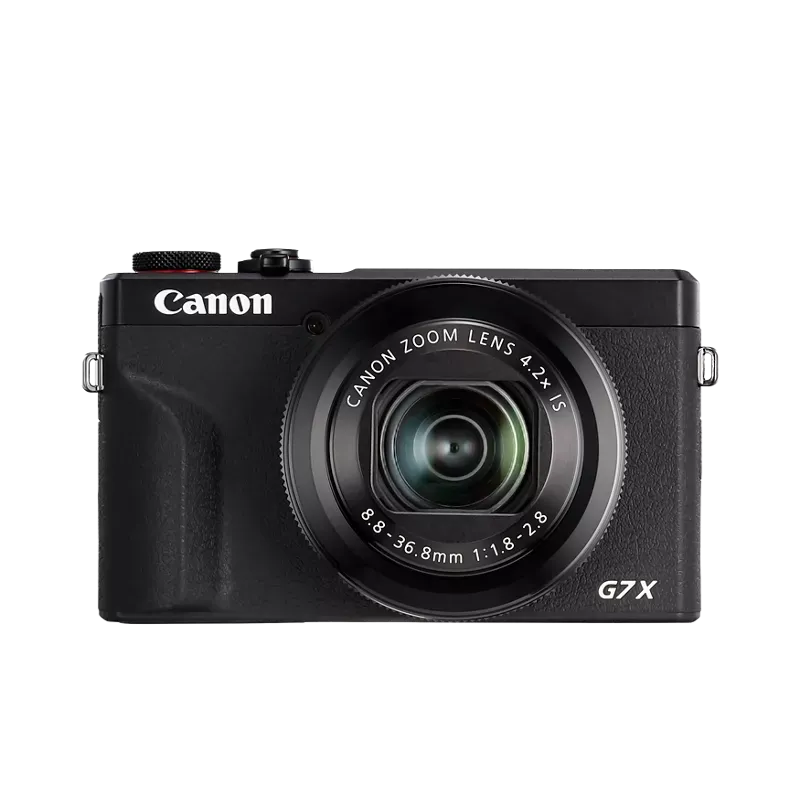
The G7 X Mark III balances portability with a fast lens, making it friendly for casual moonlit landscapes. Its 1-inch sensor performs well when kept to moderate ISO values. The bright zoom helps isolate reflective water or frame a clean skyline with the moon placed strategically.
Use the touchscreen to quickly set focus and exposure point on a bright highlight. Enable exposure bracketing for high-contrast scenes and blend later for foreground detail. The compact body slips into a jacket pocket for spontaneous night walks or travel detours.
While stabilization helps, aim for a small travel tripod if you want lower ISO and cleaner shadows. RAW files respond nicely to gentle noise reduction and localized clarity. For a lightweight setup, this camera punches above its class in night convenience and control.
Leica D-Lux 8
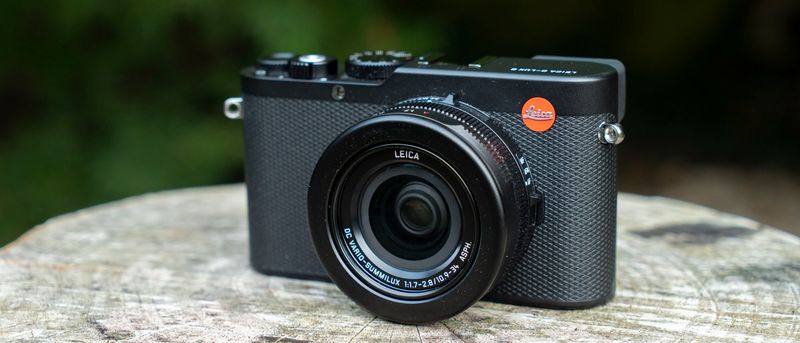
The D-Lux 8 brings a 17MP Four Thirds multi-aspect sensor and a fast 24-75mm equivalent lens that suits low light. Traditional dials make exposure changes intuitive when the scene shifts from bright moon to deep shadow. The rendering feels refined, preserving subtle tonal transitions around the lunar halo.
Its compactness encourages taking it everywhere, which matters because the best moonlight often appears unexpectedly. Shoot at the wide end near f/1.7 to keep ISO down, then stop to f/2.8 if you need corner sharpness. The EVF is crisp, helping with horizon leveling and highlight control.
Color profiles remain natural, which simplifies editing for soft blues and silvery highlights. Add a mini tripod for long exposures and keep stabilization on for shorter handheld shots. It is a classy travel companion that rewards careful composition under night skies.
Nikon Zfc
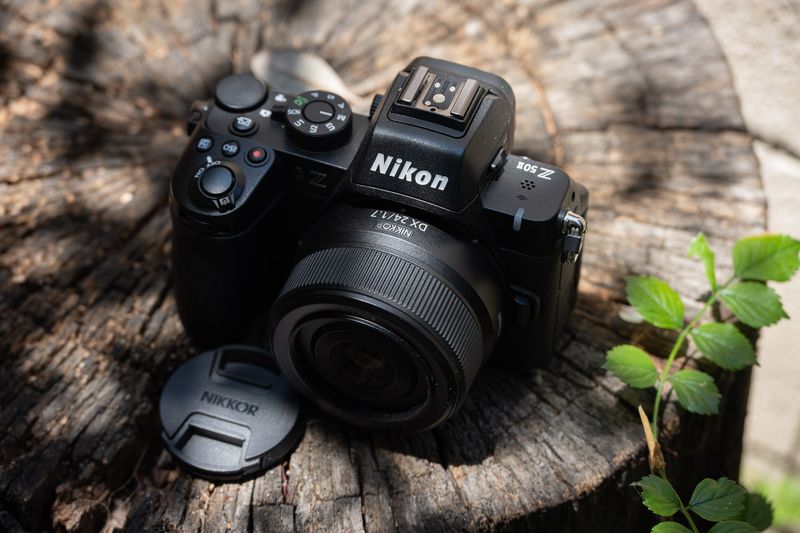
The Nikon Zfc offers APS-C image quality in a compact retro-styled body, and interchangeable lenses expand night options. Pair it with a fast wide prime like a 24mm f/1.7 or 20mm f/2 to keep ISO lower under moonlight. The sensor delivers pleasing dynamic range for lifting shadows without muddying skies.
Manual controls and the bright EVF make it simple to protect highlights while setting a long exposure. For distant focus, use magnification to confirm infinity and reduce coma with modern primes. The lightweight body travels well, balancing portability with real creative flexibility.
Enable exposure delay or electronic front curtain to reduce vibration on a lightweight tripod. With careful technique, ISO 800 to 1600 is clean and detailed. This setup is ideal if you want compact handling with the freedom to pick the perfect night lens.
Panasonic Lumix S5 II
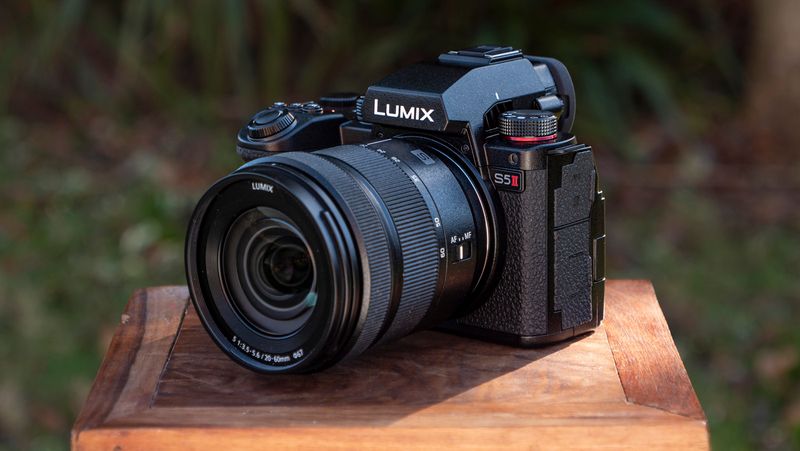
The S5 II is a compactish full frame body that excels in low light, making moonlit landscapes look clean and nuanced. Dual native ISO and strong dynamic range protect bright lunar edges while preserving foreground texture. IBIS is excellent, giving you a safety net for slower shutters when wind is calm.
Use a compact fast prime like a 20mm f/1.8 or 24mm f/1.8 to keep weight down. The EVF and live view exposure simulation help dial in a balanced histogram even in dim scenes. Color science tends toward neutral, a good base for subtle cool tones and gentle highlight rolloff.
For razor detail, shoot base ISO with a tripod and bracket one stop around the base exposure. The body remains travel friendly compared to other full frame options. It is a brilliant choice when you want strong moonlit performance without committing to a heavy kit.
Canon EOS RP
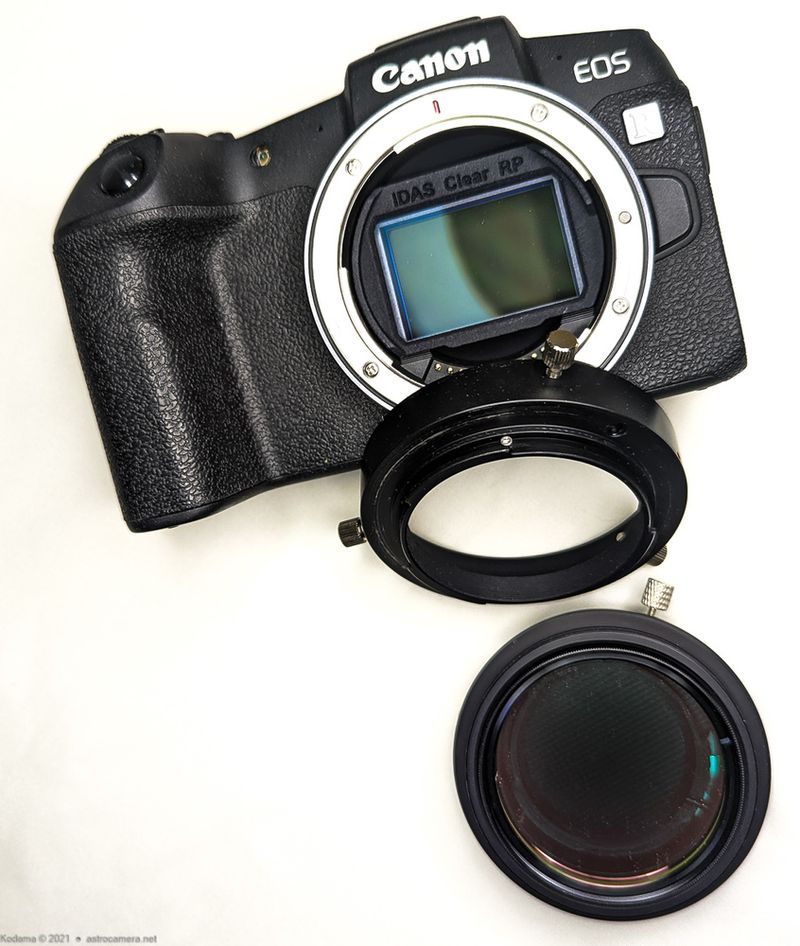
The EOS RP is one of the lightest ways into full frame for night landscapes. Pair it with a compact RF 16mm or RF 24mm prime to keep your travel kit lean. The sensor delivers pleasing color and enough dynamic range to manage bright moons with thoughtful exposure.
Use manual focus with magnification to set infinity precisely, then rely on a tripod for base ISO sharpness. Highlight tone priority can help in scenes with intense lunar glow. The fully articulating screen is great for low angles over reflective water or dew-soaked grass.
Keep ISO modest and use long exposures for the cleanest files, blending frames if needed for foreground lift. The RP offers approachable controls that make night work feel simple and direct. It is a budget-friendly doorway into dramatic moonlit vistas with full frame depth.



