Some places on Earth look so extraordinary they seem pulled straight from a fantasy novel. Archipelagos, which are clusters of islands scattered across the ocean, rank among the most jaw-dropping landscapes our planet has to offer.
From turquoise atolls in the Indian Ocean to fog-wrapped cliffs in the North Atlantic, these island groups pack scenery that makes you question whether you are looking at a photo or a painting. Get ready to discover ten of the most breathtaking archipelagos in the world that truly feel unreal.
The Maldives, Indian Ocean
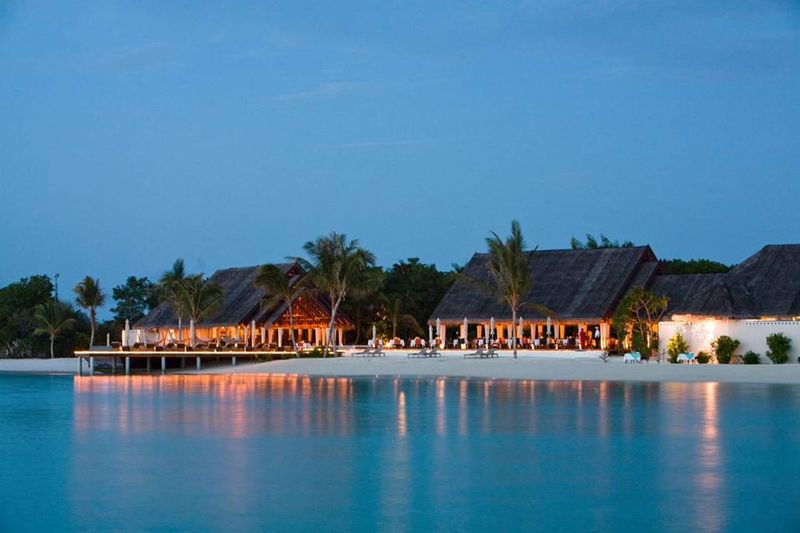
Picture nearly 1,200 coral islands scattered like confetti across the Indian Ocean, each one ringed by water so blue it looks artificially colored. The Maldives sits just above sea level, making it one of the flattest countries on Earth, and every island feels like a secret the ocean is barely keeping.
Overwater villas hover above glowing lagoons, and coral reefs below the surface burst with sea turtles, manta rays, and colorful fish.
The famous shifting shades of blue, from pale aquamarine near the shore to deep navy in the open ocean, happen because of the shallow coral atolls reflecting sunlight in different ways. Snorkeling here feels less like a hobby and more like swimming through a living painting.
Sunset views from a sandbank with no land in sight create a silence that feels almost sacred.
Peak season runs from November to April when skies stay clear and calm. Resorts range from ultra-luxurious private islands to affordable guesthouses on local islands where you can experience Maldivian culture up close.
The Maldives is also one of the most climate-vulnerable places on Earth, making every visit feel both magical and deeply meaningful.
Raja Ampat, Indonesia
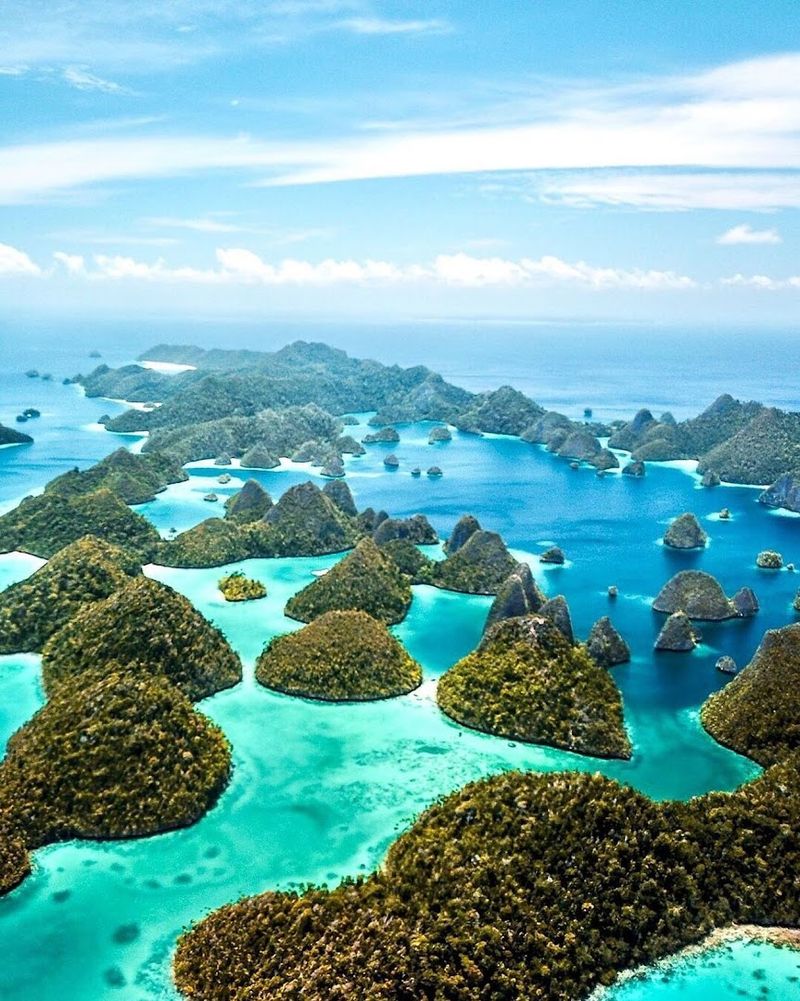
Scientists once counted more fish species in a single coral reef in Raja Ampat than in the entire Caribbean Sea combined. That fact alone tells you everything about why this remote corner of eastern Indonesia belongs on any serious travel list.
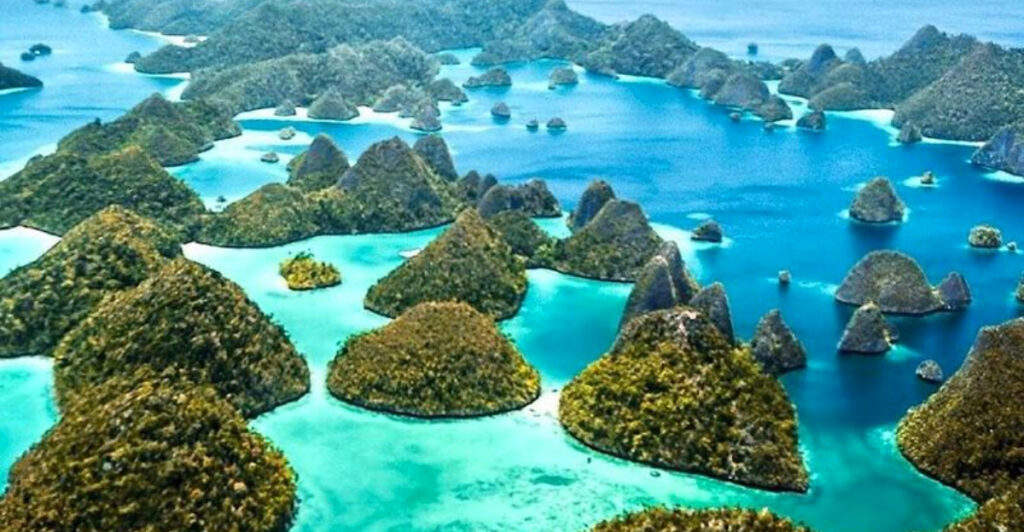
Over 1,500 jungle-draped islands jut out of electric-blue water, and the whole region looks like someone turned the color saturation dial all the way up.
Limestone karst formations rise sharply from the sea, creating hidden lagoons and secret passages only reachable by kayak or small boat. Birdwatchers flock here too, because Raja Ampat is home to the iconic red bird-of-paradise, a creature so flashy it seems like a costume party gone wonderfully wrong.
The marine biodiversity below the surface is even more staggering, with over 600 coral species recorded in the region.
Getting here requires multiple flights and a boat ride, but that remoteness is exactly the point. Staying in an eco-lodge on stilts above the water, waking up to mist rolling off jungle peaks, and snorkeling before breakfast is a daily routine that quickly ruins ordinary life back home.
Raja Ampat rewards effort in ways few places can match.
Seychelles, Indian Ocean
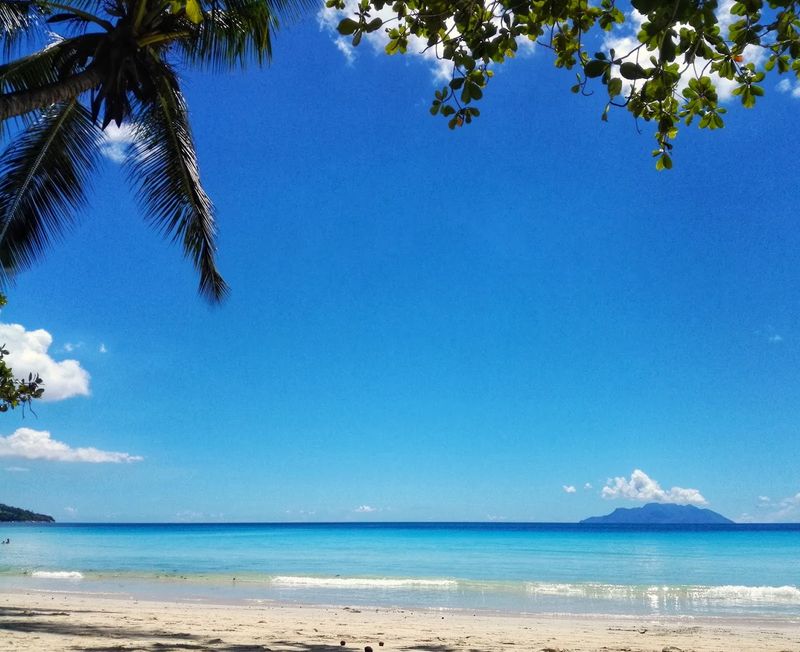
Nowhere else on Earth will you find granite boulders the size of houses casually lounging on white sand beaches beside palm trees and impossibly clear water. The Seychelles, an archipelago of 115 islands north of Madagascar, looks like a geology experiment and a tropical paradise had a very photogenic baby.
Anse Source d’Argent on La Digue Island is routinely voted one of the most beautiful beaches in the world, and standing there makes it very easy to understand why.
These ancient granite rocks are over 750 million years old, making them some of the oldest exposed rock formations on the planet. Praslin Island shelters the Vallee de Mai, a primeval palm forest that inspired stories of the biblical Garden of Eden and is now a UNESCO World Heritage Site.
The endemic coco de mer palm, which produces the world’s largest seed, grows only here.
Snorkeling around the granite formations reveals coral gardens, hawksbill turtles, and reef sharks patrolling lazily in warm, clear water. The islands are small enough to explore by bicycle, which adds a wonderfully unhurried pace to the whole experience.
Visiting the Seychelles feels less like a vacation and more like stumbling into a geography teacher’s dream slideshow.
Lofoten Islands, Norway
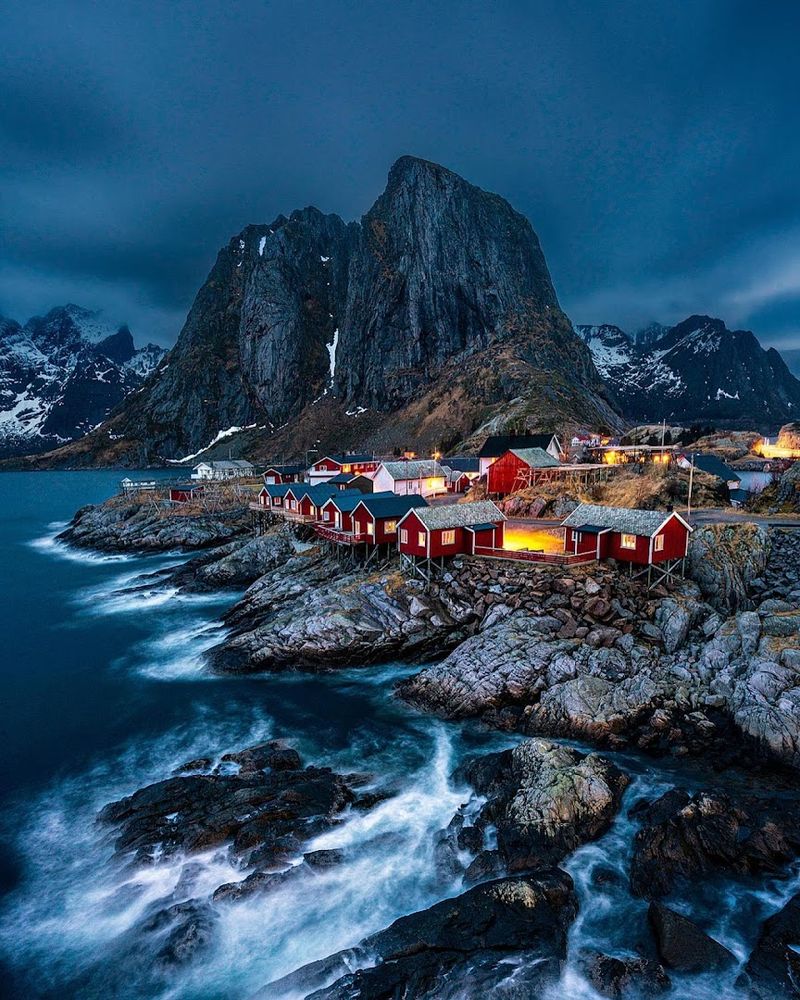
Jagged mountain peaks shooting straight out of the Arctic Ocean, tiny red fishing cabins clinging to rocky shores, and the Northern Lights dancing overhead on winter nights: the Lofoten Islands seem designed by someone who wanted Norway to have its own fantasy kingdom. Located well above the Arctic Circle, these islands somehow feel warmer in spirit than their latitude suggests, thanks to the Gulf Stream keeping temperatures surprisingly mild year-round.
Summer brings the midnight sun, a phenomenon where daylight never fully disappears, letting hikers climb mountain ridges at 2 a.m. under a golden sky that refuses to go dark. Winter flips the script completely, painting the islands in deep blue twilight and giving the Northern Lights a perfect stage.
Photographers travel from every continent to capture both extremes, and almost every shot looks professionally edited straight out of the camera.
The fishing villages of Reine, Henningsvaer, and Nusfjord have been active for centuries, and traditional dried cod, called stockfish, still hangs in open-air racks along the shoreline every spring. Kayaking through narrow fjords between cathedral walls of rock is one of the most physically thrilling experiences Norway offers.
The Lofoten Islands consistently surprise visitors who expected scenery but found something closer to a spiritual experience.
Galapagos Islands, Ecuador
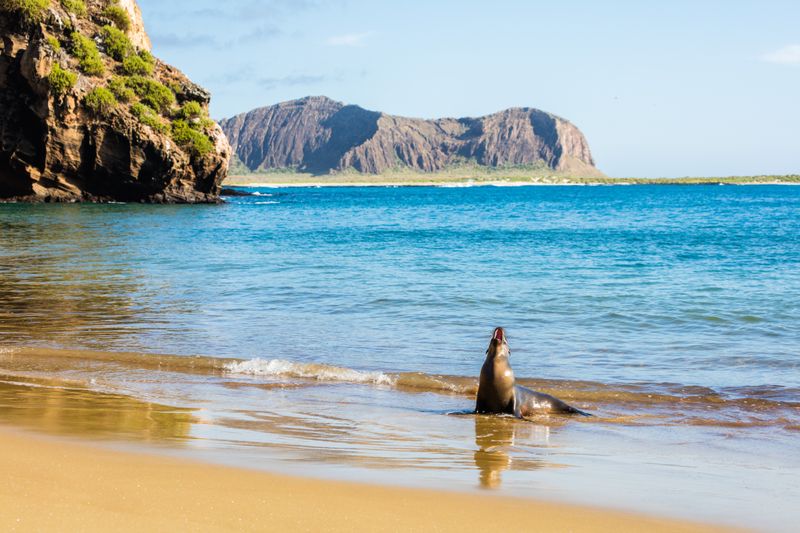
A place where giant tortoises roam freely, marine iguanas sneeze salt water, and sea lions nap directly on park benches sounds like a children’s book, but the Galapagos Islands are entirely real. Located about 600 miles off the coast of Ecuador in the Pacific Ocean, this volcanic archipelago is where Charles Darwin developed his theory of evolution after observing wildlife that had adapted to island life in extraordinary ways.
The animals here have almost no fear of humans, which makes wildlife encounters feel surreal and intimate.
Black lava fields stretch across landscapes that look freshly cooled, because many of the islands are geologically young and some volcanoes remain active today. Watching lava meet ocean water, or hiking across a moonscape of hardened basalt with blue-footed boobies nesting at your feet, creates a sensory experience unlike any other destination on Earth.
The marine reserve surrounding the islands is one of the largest in the world.
Visitor numbers are strictly controlled to protect the ecosystem, meaning the Galapagos never feels overcrowded. Guided tours keep interactions responsible and educational, and many visitors describe the experience as genuinely life-changing.
Few places on Earth remind you so powerfully that humans are just one small species sharing a very large, very wild planet.
Socotra Archipelago, Yemen
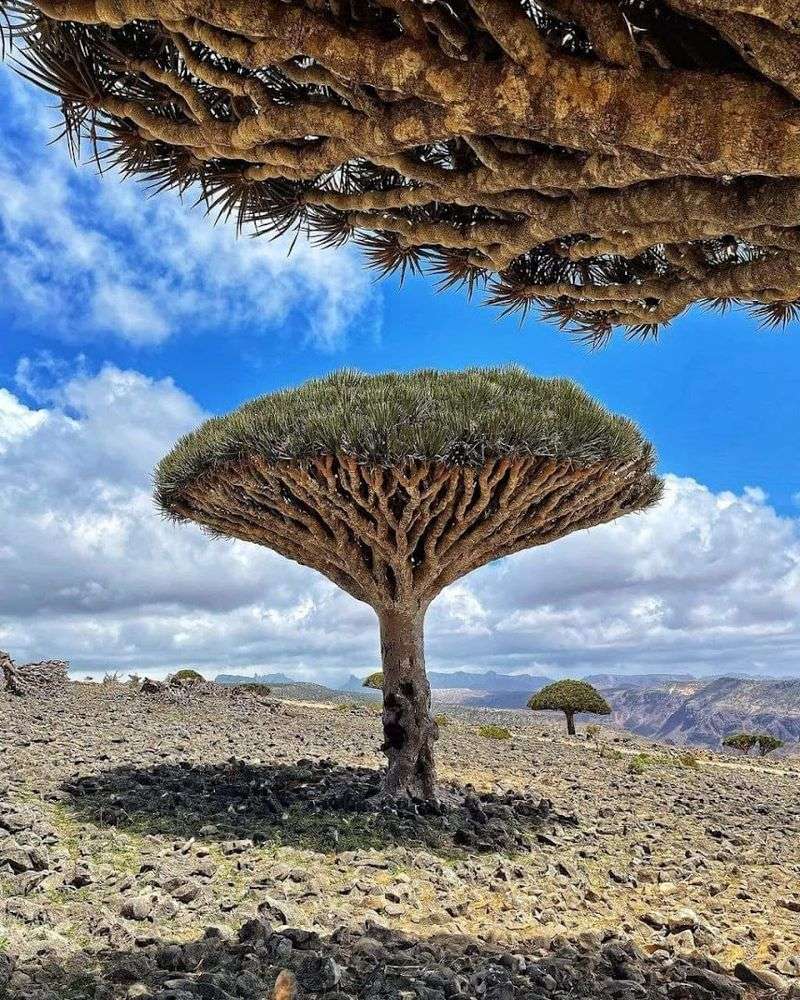
Dragon blood trees look exactly as wild as their name suggests: thick silver trunks branching into dense, flat-topped canopies that resemble giant mushrooms or inside-out umbrellas, and when cut, they ooze bright red sap. Socotra, a remote archipelago in the Arabian Sea between Yemen and Somalia, is home to these extraordinary trees along with hundreds of other plant species found absolutely nowhere else on Earth.
About 37 percent of Socotra’s plant life is completely unique to the islands, earning it the nickname the Galapagos of the Indian Ocean.
The extreme isolation of Socotra, separated from the African continent for millions of years, allowed evolution to take a very different path here. Bottle trees store water in swollen trunks to survive the harsh dry season, and desert roses, which are actually succulent plants not flowers, erupt from rocky hillsides in bizarre sculptural shapes.
Walking through a valley of dragon blood trees feels genuinely otherworldly, like stepping onto a movie set designed by a very creative alien.
Reaching Socotra is challenging due to limited flights and ongoing regional instability, but travelers who make it describe the experience as completely unlike anywhere else they have visited. The island’s beaches, carved canyons, and ancient cave inscriptions add layers of beauty and history to an already remarkable destination.
Phi Phi Islands, Thailand
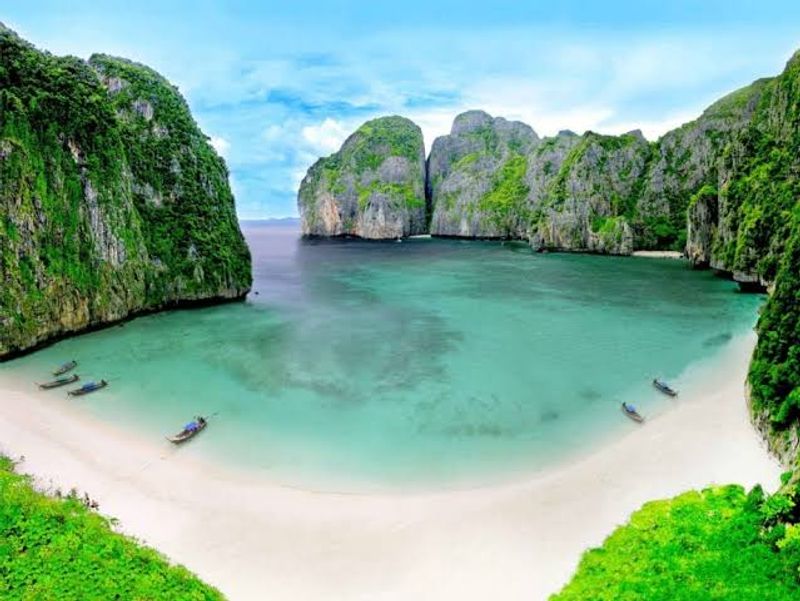
When the film The Beach was shot on Ko Phi Phi Le in 2000 starring Leonardo DiCaprio, the world suddenly wanted to know where this impossibly beautiful place was hiding. Thailand’s Phi Phi Islands had been a local secret for years, but the film turned them into one of Southeast Asia’s most recognizable destinations almost overnight.
The towering limestone cliffs, hidden coves, and electric-green water look exactly as dramatic in person as they do on screen.
Maya Bay, the famous beach from the film, was actually closed for several years starting in 2018 to allow coral and marine life to recover from the pressure of mass tourism. The recovery worked remarkably well, and the bay reopened with strict visitor limits that have helped keep the ecosystem healthier.
Snorkeling around the limestone formations reveals blacktip reef sharks, sea turtles, and dense schools of tropical fish moving through clear, warm water.
Ko Phi Phi Don, the larger inhabited island, has no roads, only footpaths connecting the beaches and villages. Climbing the famous viewpoint at sunrise rewards early risers with a panoramic view of both bays stretching out below like a travel magazine cover that somehow came to life.
The Phi Phi Islands balance natural drama with accessibility in a way that keeps visitors coming back repeatedly.
Faroe Islands, Denmark
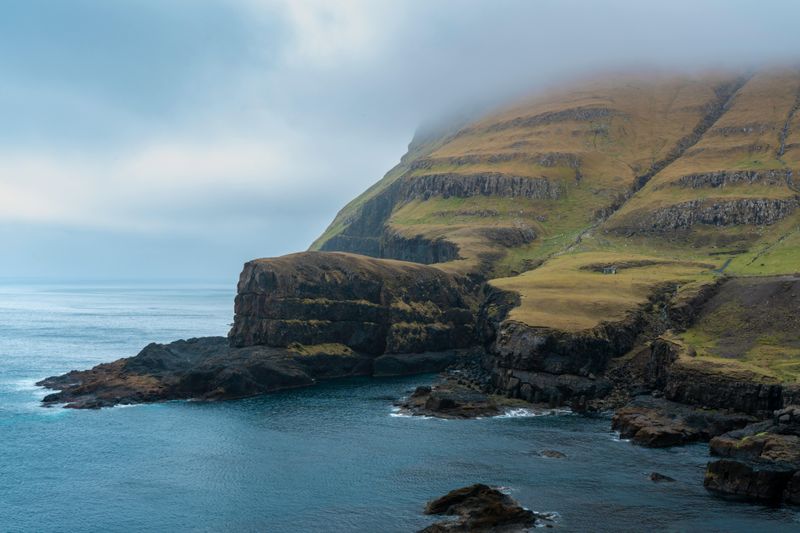
Waterfalls that tumble directly off cliff edges into the open ocean, villages so small they have more sheep than people, and skies that change from sunshine to fog to rainbow in the span of twenty minutes: the Faroe Islands operate on their own dramatic schedule. Sitting halfway between Norway and Iceland in the North Atlantic, this self-governing archipelago of 18 islands belongs to Denmark but feels like a world entirely its own.
The landscape looks ancient and untouched, shaped by volcanic activity and carved by glaciers long before any human arrived.
The grass-covered rooftops of traditional Faroese houses blend so seamlessly into the hillsides that buildings appear to grow directly from the ground. Hiking trails wind along cliff edges with sheer drops to churning sea below, and the views from spots like Sornfelli or Trælanipan feel more like illustrations from a Norse myth than real geography.
Puffins nest in the cliffs by the thousands during summer, bobbing comically in the wind.
The Faroese capital, Torshavn, is one of the smallest capitals in the world and manages to feel both cozy and culturally vibrant at the same time. Food here is taken seriously, with fermented lamb, fresh seafood, and inventive Nordic cuisine earning the islands a growing culinary reputation.
The Faroe Islands reward slow, curious travelers who appreciate atmosphere over sunshine.
Palawan Archipelago, Philippines
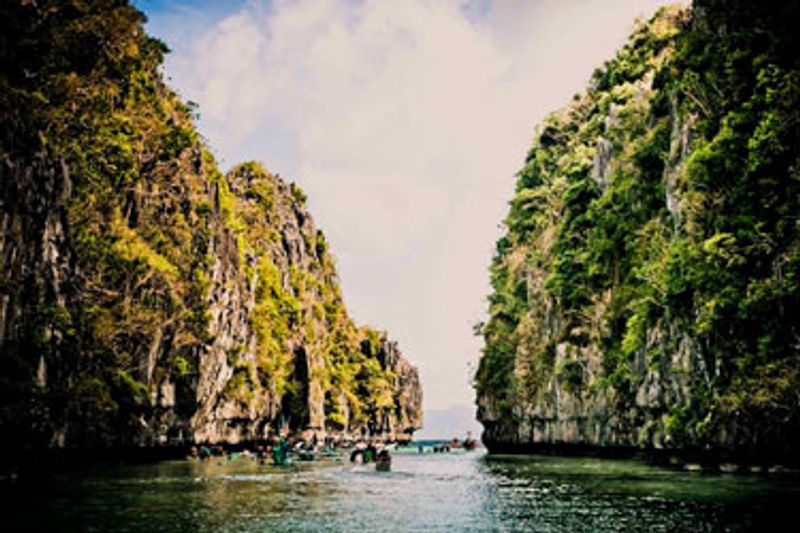
Travel writers have called Palawan the last frontier of the Philippines, and once you see the hidden lagoons of El Nido or the sunken shipwreck reefs of Coron, that description makes complete sense. Palawan is a long, narrow island province in the western Philippines flanked by hundreds of smaller islands, limestone formations, and marine sanctuaries that collectively create one of the most visually intense seascapes in all of Asia.
The water here shifts from pale jade to deep sapphire depending on depth, and the color transitions are genuinely startling.
El Nido’s island-hopping tours navigate through narrow passages between towering limestone cliffs into secret lagoons completely hidden from the outside world. Emerging through a small cave opening into a private lagoon surrounded by jungle-covered walls feels like discovering something that was never meant to be found.
Coron offers world-class wreck diving through Japanese warships sunk during World War II, now covered in coral and inhabited by enormous fish.
Puerto Princesa’s Underground River, a UNESCO World Heritage Site, flows through a cave system stretching over five miles and features cathedral-sized chambers filled with dramatic rock formations. Palawan also consistently ranks among the least polluted island destinations in Southeast Asia.
For travelers who want natural beauty without heavy crowds, this archipelago remains one of the most rewarding places on Earth to explore.
Tierra del Fuego, Chile and Argentina
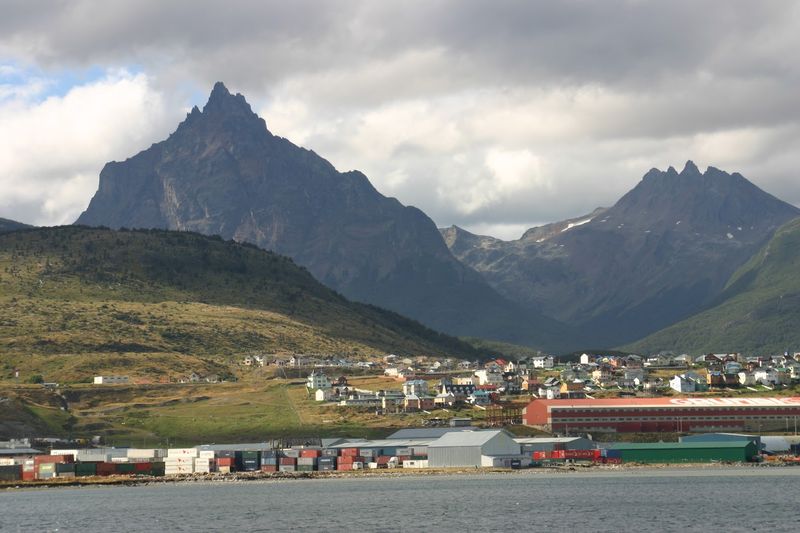
At the very bottom of South America, where the continent finally runs out of land and surrenders to the Southern Ocean, lies one of the most dramatically remote archipelagos on Earth. Tierra del Fuego, whose name translates to Land of Fire, was named by Ferdinand Magellan in 1520 after he spotted fires lit by the indigenous Selknam and Yamana people along the dark shorelines.
The name feels both poetic and ironic for a place better known today for glaciers, howling winds, and landscapes that look genuinely prehistoric.
The Beagle Channel, the narrow waterway separating Argentina and Chile through the archipelago, was famously navigated by Charles Darwin during his voyage on HMS Beagle in the 1830s. Snow-capped peaks plunge into fjords filled with chunks of glacial ice, and lenga beech forests turn brilliant red and gold each autumn, creating color combinations that look almost too vivid to be real.
Condors circle overhead while Magellanic penguins waddle along rocky beaches with complete indifference to human observers.
Ushuaia, the southernmost city in the world, serves as the main gateway and launching point for Antarctic expeditions. The town sits at the edge of Tierra del Fuego National Park, where hiking trails lead through untouched wilderness to lookout points over the channel.
Few places on Earth make you feel simultaneously so small and so alive as standing at the end of the world.
Share this story