 Unearth The Voyage
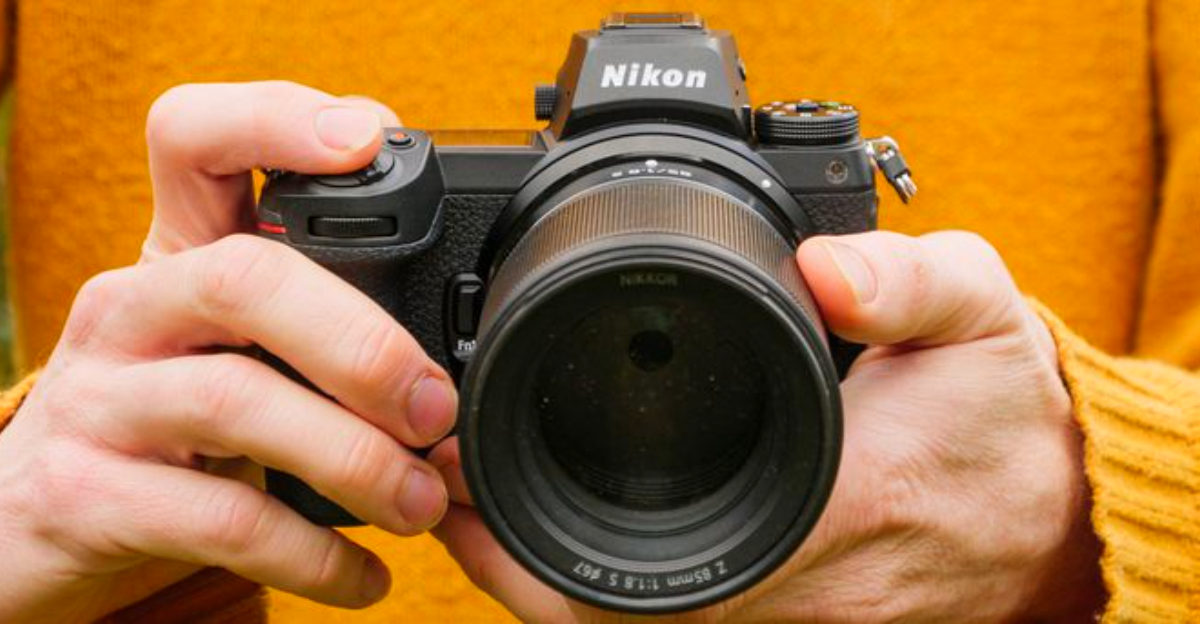
Tiny worlds hide in plain sight, waiting for the right camera to reveal them. From thread patterns to insect wings, you can capture textures and micro moments that your phone simply glosses over. This guide spotlights detail‑hungry cameras that make small subjects feel big and breathtaking. Ready to zoom into the magic you usually miss and transform the way you see everyday scenes?
1. Fujifilm GFX100S II

You want breathtaking texture, and the Fujifilm GFX100S II delivers it with medium format grace. Its 102 MP sensor pulls micro contrast from fibers, leaf veins, and stone pores, especially when you pair it with close focus or true macro lenses. Colors stay nuanced, letting subtle tonal shifts in textiles or weathered wood read clearly.
Stabilization helps you shoot slower without sacrificing crispness, and the body’s compact design makes field work practical. When framing architecture details or bark patterns, focus peaking and the EVF give you confidence. High dynamic range keeps highlight shimmer controlled, so reflective threads and wet surfaces hold shape.
Use pixel shift for even finer files when subjects are still. You will appreciate the malleable RAWs for pushing sharpness without halos. If you crave immersive prints that invite nose‑to‑paper inspection, this camera turns tiny subjects into museum‑worthy studies of texture.
2. Sony A7R IV (or newer A7R series)
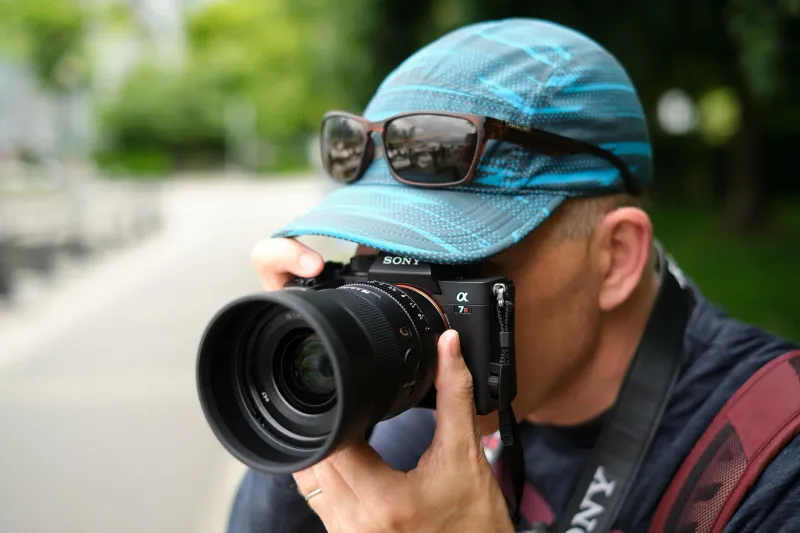
The Sony A7R IV, and newer A7R bodies, pack 61 MP of crispness that reveals textures you usually skip. Pair it with the Sony 90mm Macro and watch fine hairs, paper fibers, and fabric weave resolve with clarity. Autofocus is responsive, and manual focus with peaking is precise for razor‑thin planes.
Pixel shift multiplies detail for static subjects, delivering files that welcome large prints. Dynamic range preserves tonal nuance in highlights on shells or reflective jewelry. The compact body keeps your kit nimble for field macro adventures without sacrificing resolution.
Colors are clean and easily tuned, giving you control when emphasizing subtle micro contrast. You can crop heavily and still keep strong detail, which helps when skittish subjects require distance. If ultimate clarity is your goal, this series unlocks texture and fine subject detail others cannot resolve.
3. Nikon Z7 II

The Nikon Z7 II is a detail seeker’s friend, especially when paired with the Z MC 105mm. Its 45.7 MP sensor renders fine edges cleanly, so pollen grains, coin ridges, and subtle feather barbs pop without looking harsh. Autofocus feels confident near 1:1, helping you nail tiny focal planes.
In‑body stabilization steadies handheld close‑ups, useful when a tripod is not practical. Focus shift shooting lets you stack frames for added depth, turning shallow slices into full‑form subjects. The EVF is crisp for judging micro contrast and focus peaking makes manual refinement simple.
Color science leans natural, which preserves believable texture in skin, fabric, and plants. You can push RAWs to recover highlight sparkle on metallics. If you want a high resolution full frame that plays beautifully with macro glass, the Z7 II gives you lifelike tiny subject capture without fuss.
4. Nikon Z8
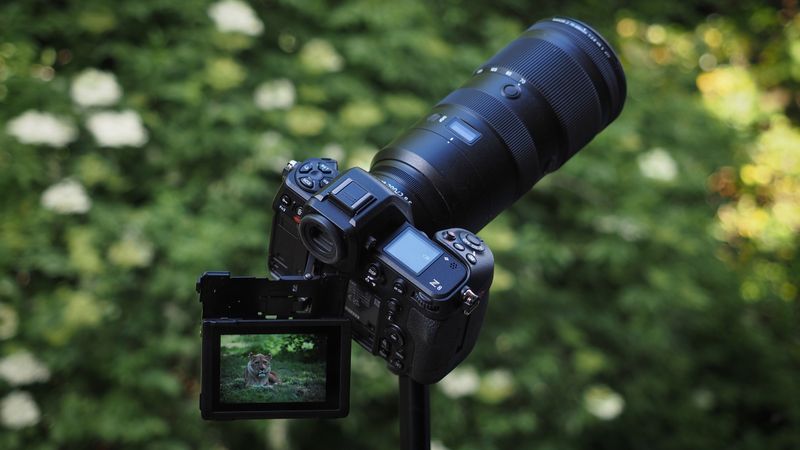
The Nikon Z8 blends high resolution with speed, making tiny subjects easier to capture sharply. Its sensor produces refined micro contrast that flatters metals, insect exoskeletons, and plant textures. With a macro lens, autofocus locks quickly, and the EVF presents fine detail for confident manual touchups.
In‑body stabilization steadies handheld shots, while focus shift shooting enables smooth stacks for deeper subjects. The camera’s processing keeps edges clean without crunchy oversharpening, useful for delicate textures. Dynamic range restrains highlight flare on polished surfaces.
Build quality and tactile controls let you fine tune without breaking flow. When you need to grab fleeting details, fast burst rates help catch micro movements like antenna twitches or ripples. If you want a do‑it‑all detail machine in Nikon’s Z lineup, the Z8 brings superb resolution and reliable autofocus to close‑up work.
5. Sony RX100 VII
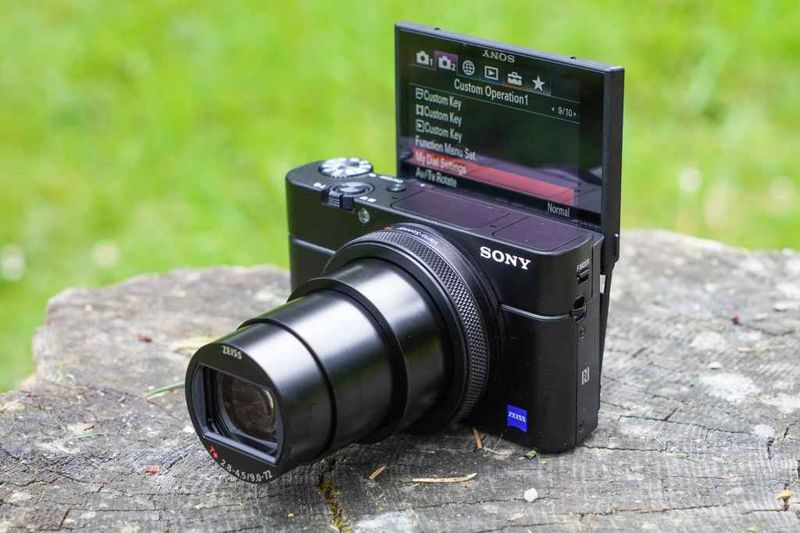
The Sony RX100 VII hides serious close‑focus ability in a pocketable body. Its versatile zoom lets you compose tiny textures without swapping lenses, great for travel or daily carry. You can capture sugar crystals, fabric stitching, and notebook paper fibers with surprisingly crisp detail.
Fast autofocus and eye‑pleasing color make quick macro studies feel effortless. Stabilization helps you shoot at slower speeds, and the tilting screen encourages low‑angle exploration. JPEGs look punchy, while RAWs give headroom to refine micro contrast.
It is not a dedicated macro rig, but you will love how easily it reveals little worlds on the go. Minimal setup, minimal weight, maximum curiosity. When you want detail without carrying lots of lenses, the RX100 VII becomes the compact that lets you keep discovering tiny scenes everywhere.
6. Olympus Tough TG‑6
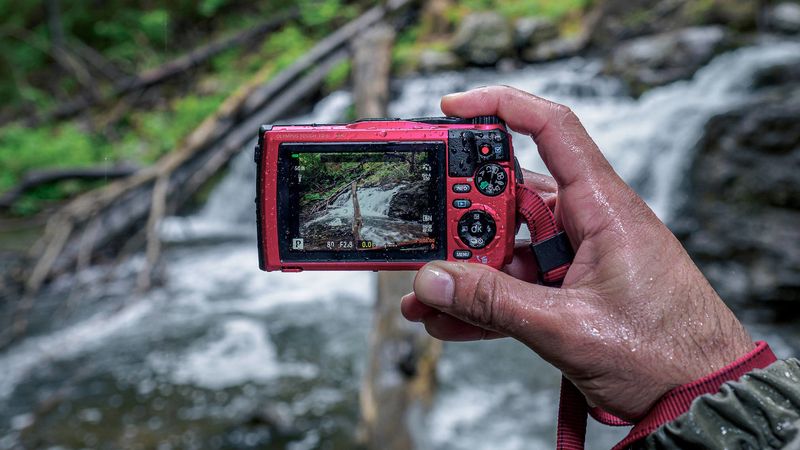
The Olympus Tough TG‑6 turns rough environments into detail playgrounds. Its microscope mode gets astonishingly close, revealing sand grains, moss structures, and tiny aquatic critters you usually overlook. Waterproof, shockproof, and freezeproof, it invites exploration without babying the gear.
Underwater white balance and focus assist make clear, colorful close‑ups in streams and tide pools. The lens stays sharp at near‑macro distances, and built‑in stacking modes enhance depth for small subjects. You can add the ring light accessory to smooth reflections and highlight textures.
Colors are vivid, and JPEGs are fun straight out of camera, though RAWs remain available for deeper edits. If you love adventurous detail hunting, this compact reveals tiny subjects where other cameras fear to go. Perfect for hikers, snorkelers, and curious kids who want to see the micro world up close.
7. Fujifilm X‑T5
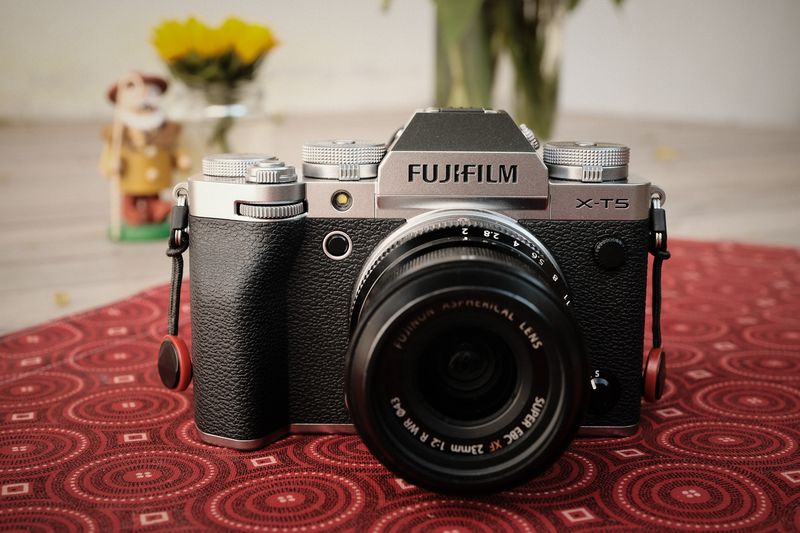
The Fujifilm X‑T5 packs high resolution into an agile APS‑C body that loves texture. With the XF 80mm Macro or close‑focus lenses, it renders leaf hairs, insect facets, and paper textures with crisp edges. Film simulations give you expressive color while preserving fine detail for subtle subjects.
In‑body stabilization steadies handheld shots, and pixel shift adds extra resolution for static scenes. The EVF and focus peaking make manual refinement straightforward, which helps when depth is razor thin. RAW files grade beautifully, letting you dial micro contrast without halos.
Its retro controls encourage deliberate shooting, so you notice details you usually miss. Lightweight design means you will bring it more often, and that alone multiplies tiny discoveries. For plants, insects, and textures, the X‑T5 hits a sweet spot of portability, color, and detail‑rich rendering.
8. Panasonic Lumix G9 II
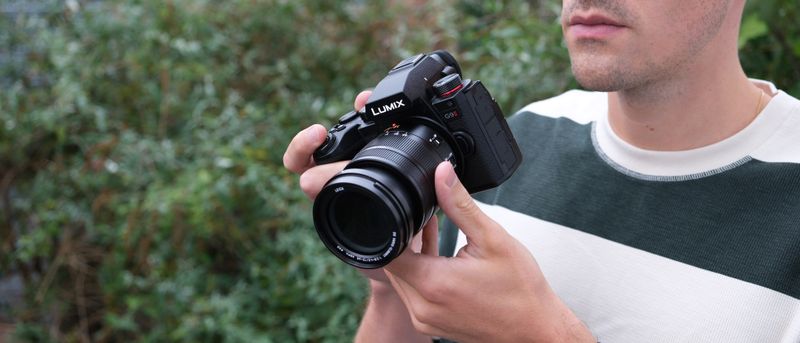
The Panasonic Lumix G9 II is a Micro Four Thirds champ for macro detail. Paired with dedicated macro lenses, it resolves fine textures with surprising crispness, helped by excellent stabilization. High resolution modes build extra detail from still subjects, perfect for coins, stamps, and botanical studies.
Autofocus is quick and sticky, while focus bracketing and stacking deepen your field without fuss. Colors lean clean and editable, so you can steer subtle tonal transitions. The ergonomics make long sessions comfortable, and the shutter feels composed for precise work.
Because the sensor is smaller, you gain extra reach and depth of field at equivalent framing. That makes tiny moving subjects easier to keep sharp. If you want reliable image stabilization and macro‑friendly features in a lightweight package, the G9 II offers a detail‑focused toolset that inspires exploration.
9. Ricoh GR III Macro Edition
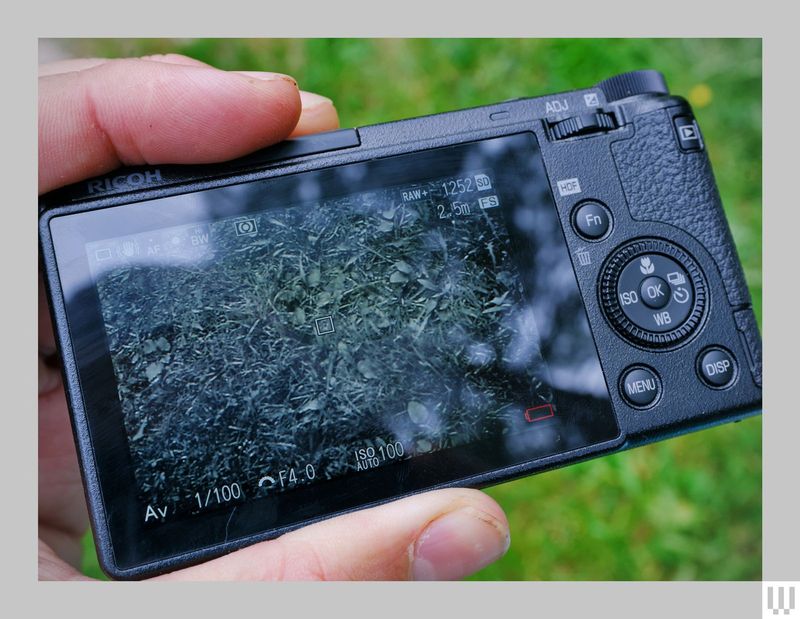
The Ricoh GR III Macro Edition puts detail in your pocket. With its close‑up attachment, you can frame textures inches from the lens and still get crisp, contrasty results. Think paper fibers, circuit traces, wristwatch dials, and food textures when wandering the city or your desk.
Its APS‑C sensor delivers clean files that withstand sharpening without falling apart. Snap Focus and quick controls make spontaneous close‑ups practical, even in fleeting light. The compact design invites daily carry, which means more chances to spot tiny scenes.
Colors feel natural, and black‑and‑white looks especially punchy on micro textures. You will appreciate the discreet profile when shooting in public or tight spaces. If you want extremely sharp detail without a larger system, this Macro Edition delivers a pocketable path to constant discovery.
10. Canon EOS R5
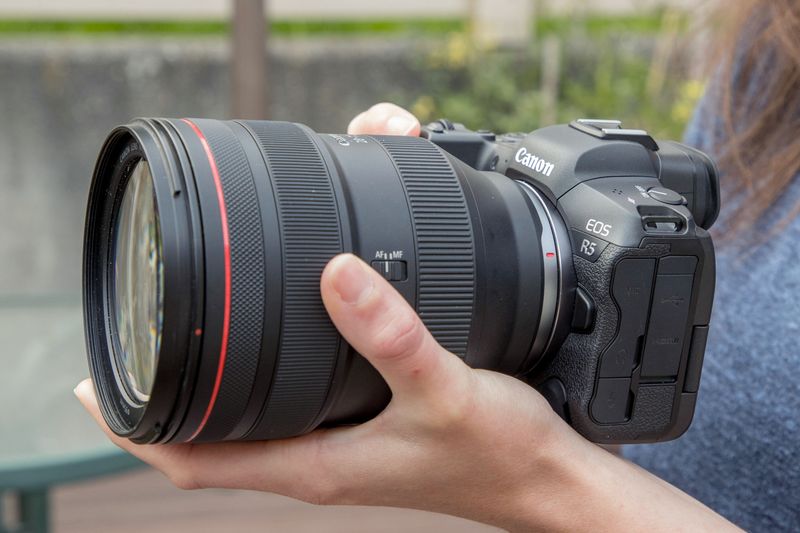
The Canon EOS R5 brings high resolution and fast performance to macro and close‑up work. With RF macro lenses, it renders pollen, fabric weave, and insect textures with clean, controlled sharpness. Eye‑catching color science keeps tones believable while enhancing micro contrast.
In‑body stabilization helps you shoot handheld, and focus bracketing streamlines stacking for deeper subjects. The EVF is crisp for judging tiny focus shifts, and AF remains confident on small targets. Dynamic range preserves highlight shimmer on reflective objects like shells and jewelry.
Files grade smoothly, allowing push and pull without artifacts. You can crop heavily yet maintain detail for prints and sharing. If you want a full frame hybrid that produces crisp, richly detailed macro shots, the EOS R5 gives you a dependable, polished tool that rewards patient observation.



