The U.S. West Coast stretches for thousands of miles, and most travelers rush straight to the big cities without ever slowing down.
But tucked between rugged cliffs, towering redwoods, and sun-soaked coastlines are small towns that feel like they were built just for you. From Victorian seaports to lavender-covered hillsides, these places offer something the big cities simply cannot match.
Pack your bags and get ready to discover ten West Coast towns that are absolutely worth the detour.
Mendocino, California
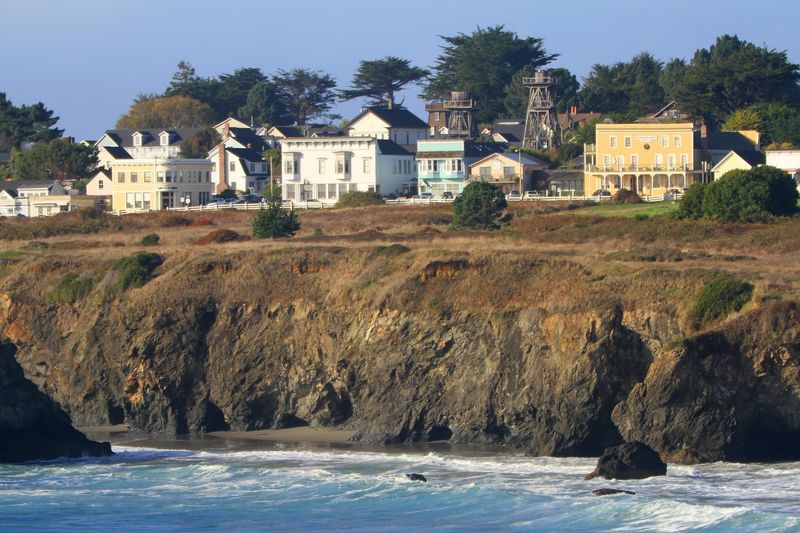
Standing at the edge of Mendocino’s cliffs and staring out at the Pacific feels like the world just hit the pause button. This small Northern California town sits dramatically above the ocean, wrapped in Victorian architecture that looks straight out of a period drama.
Artists have been flocking here for decades, and it shows in the dozens of galleries lining the main street.
Mendocino Headlands State Park is the crown jewel of any visit. Trails wind along the bluffs, offering jaw-dropping ocean views and prime whale-watching spots during migration season.
The sound of waves crashing against sea stacks below is genuinely unforgettable.
The town itself is wonderfully walkable. Cozy bed-and-breakfasts, farm-to-table restaurants, and independent bookshops fill the streets with a warm, unhurried energy.
Mendocino also hosts lively seasonal festivals, including a beloved mushroom and wine celebration each November. If you want coastal California without the crowds of bigger destinations, Mendocino delivers every single time.
Cambria, California
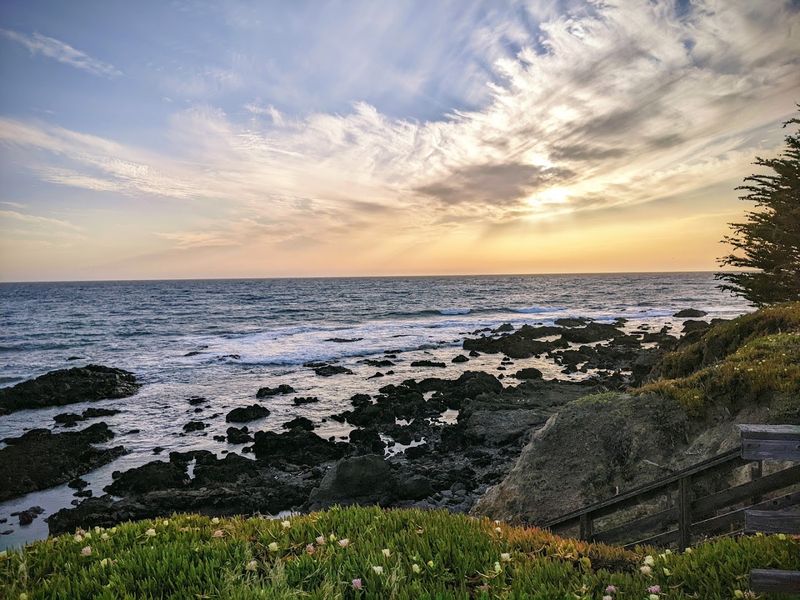
Moonstone Beach got its name from the smooth, milky stones that wash ashore here, and collecting them feels like a genuinely free treasure hunt. Cambria sits quietly along California’s Central Coast, tucked between San Luis Obispo and Big Sur, which means it gets overlooked by travelers rushing between the two.
That oversight is your gain.
Pine forests run right up to the coastline here, creating a moody, almost magical landscape that feels different from typical Southern California beach towns. Boutique shops, art studios, and locally owned restaurants fill the two distinct village areas known as East Village and West Village.
The pace is refreshingly slow.
Hearst Castle looms just a few miles up the road, making it an easy and absolutely worthwhile day trip. Elephant seals haul themselves onto nearby Piedras Blancas Beach in huge numbers every winter, which is one of the most bizarre and entertaining wildlife spectacles on the entire coast.
Cambria is the kind of place where a weekend trip somehow turns into three days without anyone complaining.
Trinidad, California
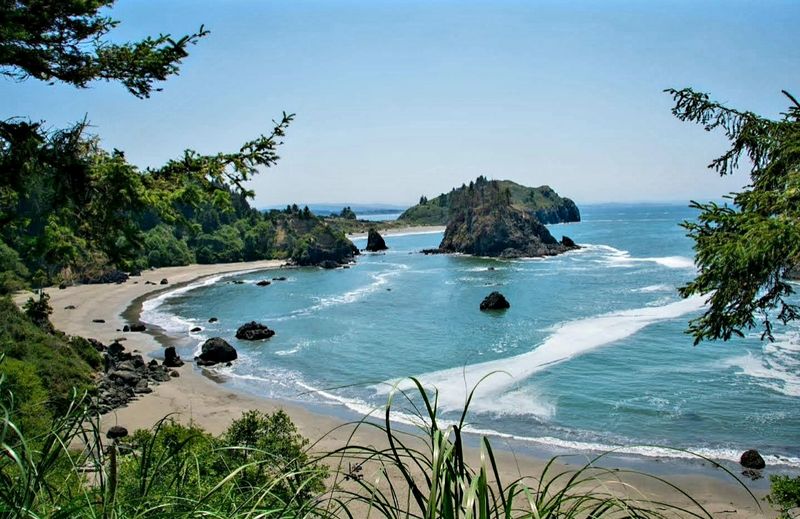
Fewer than 400 people call Trinidad home, making it one of the smallest incorporated cities in all of California. Yet this tiny town punches well above its weight when it comes to scenery.
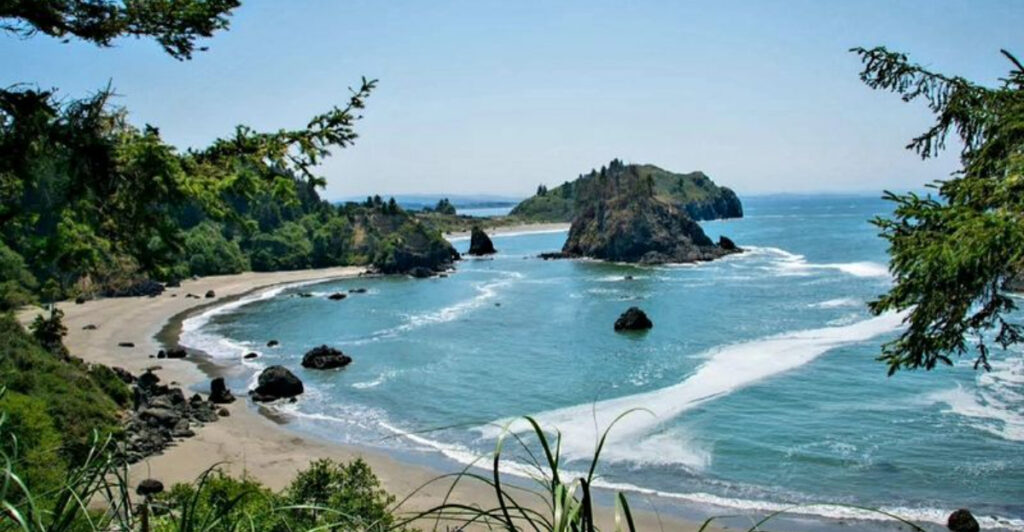
Massive sea stacks jut out of the ocean like ancient monuments, and the surrounding redwood forests make the whole place feel prehistoric in the best possible way.
The Trinidad Head Trail is a short but spectacular hike that loops around a rocky headland above the harbor. From the top, you can spot gray whales during their annual migration and watch pelicans glide effortlessly over the waves below.
The views from up there are genuinely hard to describe without sounding dramatic.
Trinidad’s natural harbor is one of the oldest on the California coast, used by Native Yurok people long before European explorers arrived. Today, a small fishing pier still operates in the shadow of those same sea stacks.
Nearby Humboldt Lagoons State Park adds even more wild beauty to the mix. If solitude and stunning scenery are your priorities, Trinidad delivers both in spectacular fashion.
Carmel-by-the-Sea, California
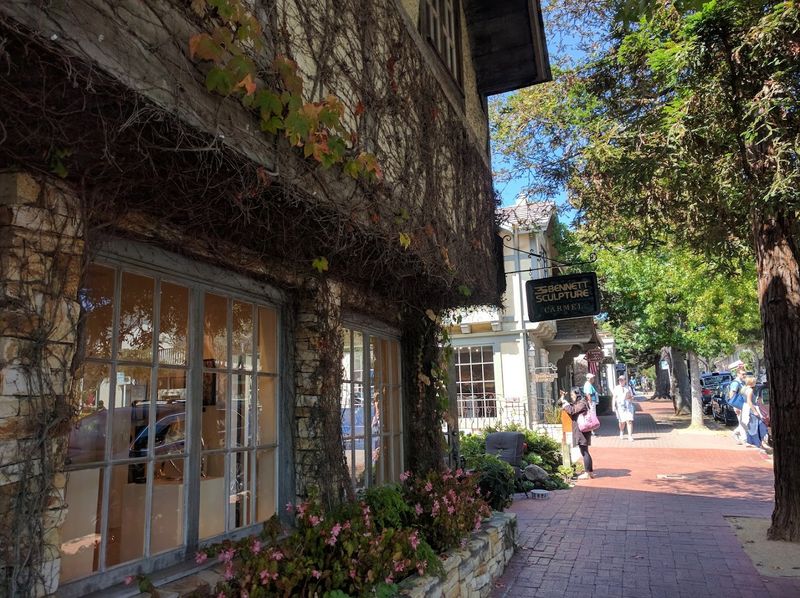
Carmel-by-the-Sea has a rule against high heels on its uneven sidewalks, and that quirky detail tells you almost everything you need to know about this town. It is charming, slightly eccentric, and fiercely committed to preserving its storybook character.
Strict zoning laws have kept chain stores, neon signs, and tall buildings completely out, leaving behind a village that looks almost too picturesque to be real.
The main street is lined with art galleries, independent wine tasting rooms, and boutique inns tucked inside actual fairytale cottages with thatched roofs and gnome-sized doors. Carmel Beach stretches below the town as a wide crescent of white sand framed by twisted cypress trees.
Dogs are welcome off-leash here, which makes it wildly popular with four-legged visitors.
Clint Eastwood served as Carmel’s mayor in the late 1980s, which remains one of the more entertaining footnotes in California political history. The nearby 17-Mile Drive and Point Lobos State Natural Reserve offer some of the most photographed coastline in America.
Carmel manages to feel both luxurious and laid-back, a combination that is harder to pull off than it looks.
Port Townsend, Washington
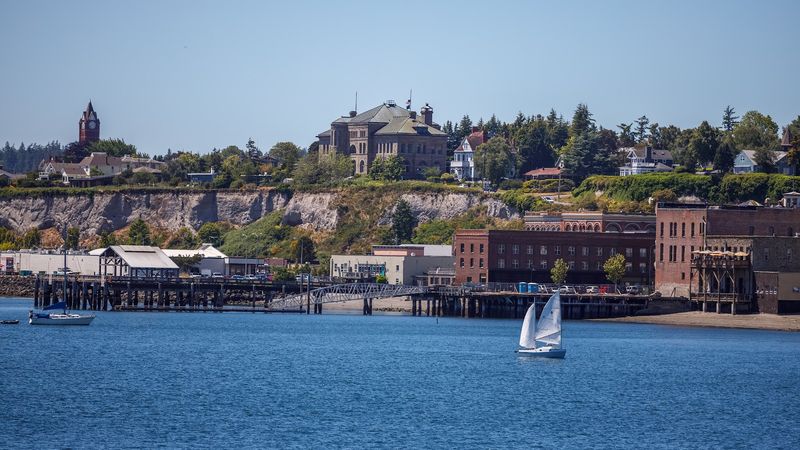
Port Townsend was supposed to become the next great city of the Pacific Northwest in the 1880s, but a railroad that never arrived left it frozen beautifully in time. Today, that missed opportunity is the town’s greatest asset.
The historic downtown is packed with one of the largest collections of Victorian architecture in the entire western United States.
Water Street runs along the waterfront and is lined with independent bookshops, galleries, coffee houses, and restaurants that all feel genuinely local. Fort Worden State Park sits on the edge of town, offering camping, beaches, and the old military fortifications used as filming locations for the 1982 movie An Officer and a Gentleman.
The park alone is worth the trip.
Port Townsend also serves as a gateway to Olympic National Park, which means wilderness adventures are just a short drive away. The town hosts a celebrated jazz festival and a wooden boat festival each year that draw visitors from across the region.
There is a creative, slightly bohemian energy here that makes it feel like a place where artists, sailors, and outdoor enthusiasts all somehow found their perfect home.
Winthrop, Washington
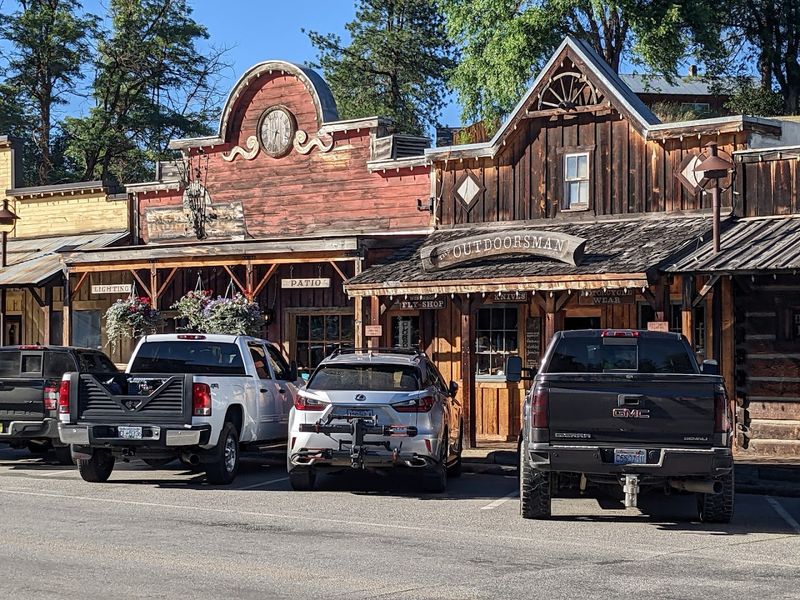
Walking down Winthrop’s main street feels like stepping onto a Western movie set, except everything here is completely real. The wooden boardwalks, swinging saloon doors, and frontier-style storefronts were not built for tourists in the 1970s as a gimmick.
Well, actually they were, but the surrounding mountains and rivers are absolutely not, and that natural scenery makes the whole thing work brilliantly.
Winthrop sits in the Methow Valley, surrounded by the dramatic peaks of the North Cascades. In summer, the valley fills with hikers, mountain bikers, and river rafters.
Come winter, it transforms into a cross-country skiing paradise, boasting one of the largest groomed trail systems in the entire country. The Methow Valley Sport Trails Association maintains over 200 kilometers of trails.
The Methow River runs right through town, offering excellent fly fishing during warmer months. Winthrop also sits on the eastern, sunnier side of the Cascades, which means it gets significantly more sunshine than Seattle or the coast.
Stargazing here on clear nights is extraordinary thanks to minimal light pollution. Winthrop is the kind of place that surprises you with how much it quietly offers.
Sequim, Washington
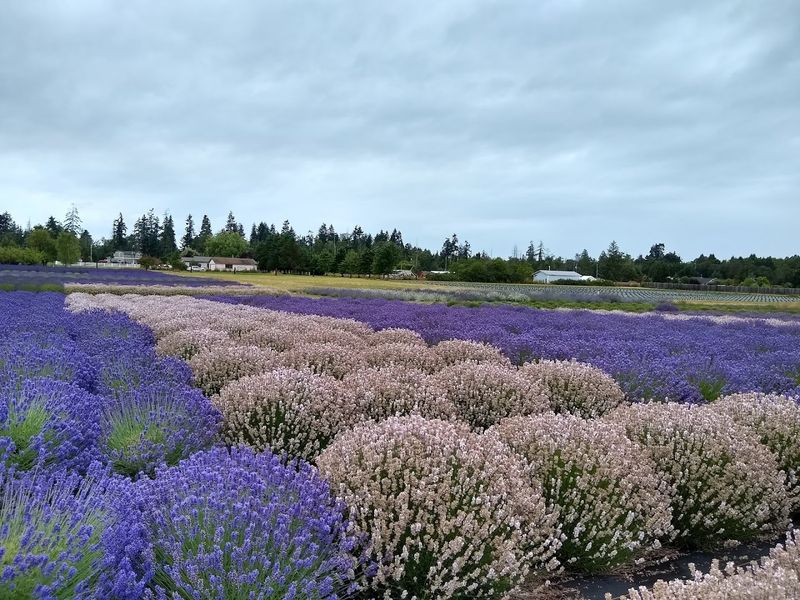
Sequim sits inside a meteorological miracle. The Olympic Mountains block rainfall so effectively here that Sequim receives only about 16 inches of rain per year, compared to Seattle’s 37.
That makes it one of the sunniest spots in the entire Pacific Northwest, which explains why lavender grows here in spectacular abundance.
Every July, the Sequim Lavender Weekend draws thousands of visitors to farms where row after row of purple blooms stretch toward the mountains. The scent alone is worth the drive.
Beyond lavender, Sequim offers easy access to Dungeness Spit, a narrow strip of land that curls seven miles into the Strait of Juan de Fuca and is one of the longest natural sand spits in the United States.
Olympic National Park is just minutes away, opening up rainforest hikes, hot springs, and alpine meadows to anyone staying in town. The local farmers market runs through summer and showcases the impressive variety of produce that grows in this uniquely sunny microclimate.
Sequim is popular with retirees, which means the town is well-equipped with excellent restaurants, shops, and services. It genuinely earns the nickname the Banana Belt of the Pacific Northwest.
Astoria, Oregon
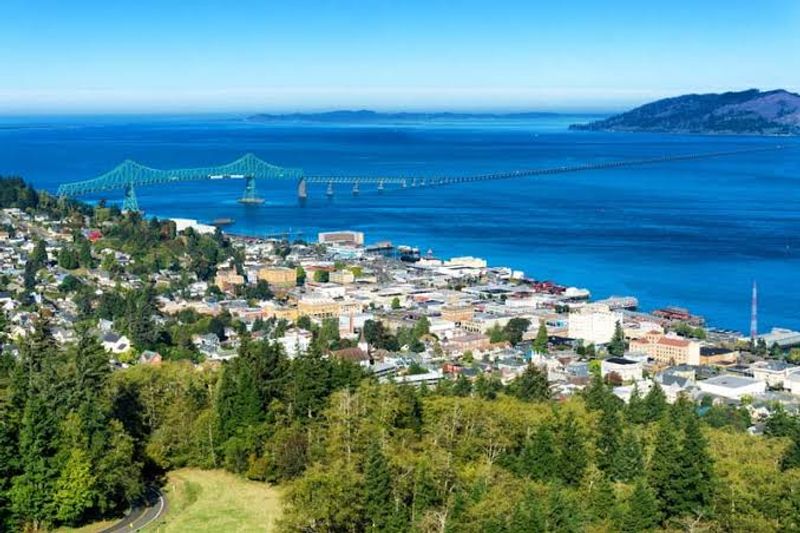
Astoria holds a record that most Americans do not know about: it is the oldest permanent American settlement west of the Rocky Mountains, founded in 1811. That deep history seeps into every Victorian house on the hillside and every plank of the waterfront.
Standing at the confluence of the Columbia River and the Pacific Ocean, Astoria feels like a place where America genuinely began.
Movie fans will immediately recognize certain streets and buildings from The Goonies, which was filmed here in 1985. The house used in the film still stands and draws a steady stream of nostalgic visitors.
Beyond the movie trivia, Astoria offers a thriving craft brewery scene, a fascinating maritime museum, and a vintage trolley that runs along the waterfront.
The Astoria Column sits at the top of Coxcomb Hill and offers a panoramic view of the river, the ocean, and the surrounding forests that is genuinely breathtaking. Nearby Fort Clatsop marks where Lewis and Clark spent the winter of 1805 to 1806, adding another layer of historical weight to the area.
Astoria rewards curious travelers who enjoy their ocean views with a side of genuine American history.
Hood River, Oregon
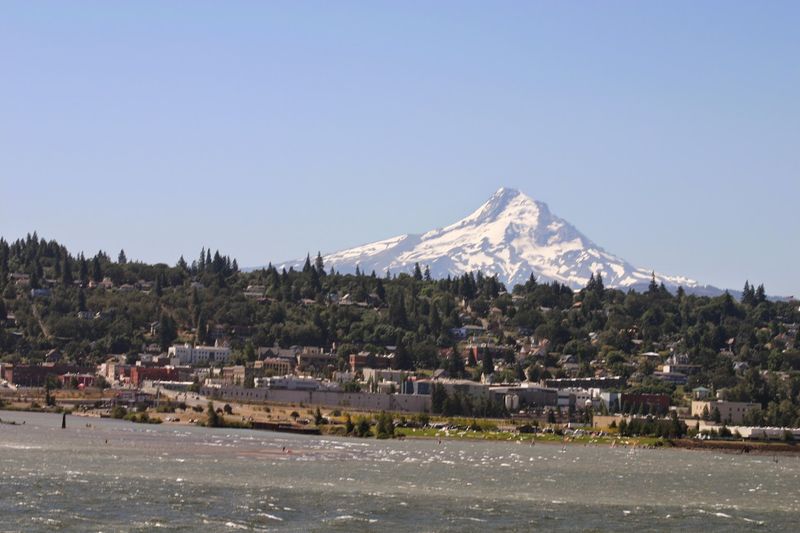
Hood River is the kind of town that makes you feel slightly lazy just by existing. Everyone here seems to be training for something, whether it is windsurfing on the Columbia River, cycling through fruit orchards, or hiking to a waterfall before breakfast.
The energy is infectious, even if you mostly plan to sit on a patio and admire the view of Mount Hood.
The Columbia River Gorge turns Hood River into one of the top windsurfing and kiteboarding destinations in the entire world. Consistent strong winds funnel through the gorge and create ideal conditions that attract athletes from across the globe.
In spring, the surrounding hillsides explode with apple and pear blossoms, and by fall the same orchards are heavy with fruit available at roadside stands.
The historic downtown is loaded with craft breweries, farm-to-table restaurants, and independent shops that reflect the town’s outdoorsy, locally minded character. Multnomah Falls, one of the tallest waterfalls in the United States, is just a short drive west along the Historic Columbia River Highway.
Hood River also offers ski access to Mount Hood year-round, making it one of the most genuinely versatile outdoor towns on the entire West Coast.
Florence, Oregon
Florence keeps a remarkable secret hiding just outside of town: the Oregon Dunes National Recreation Area, the largest expanse of coastal sand dunes in North America. These towering dunes stretch for 40 miles along the coast and reach heights of up to 500 feet.
Sandboarding down them is every bit as thrilling as it sounds.
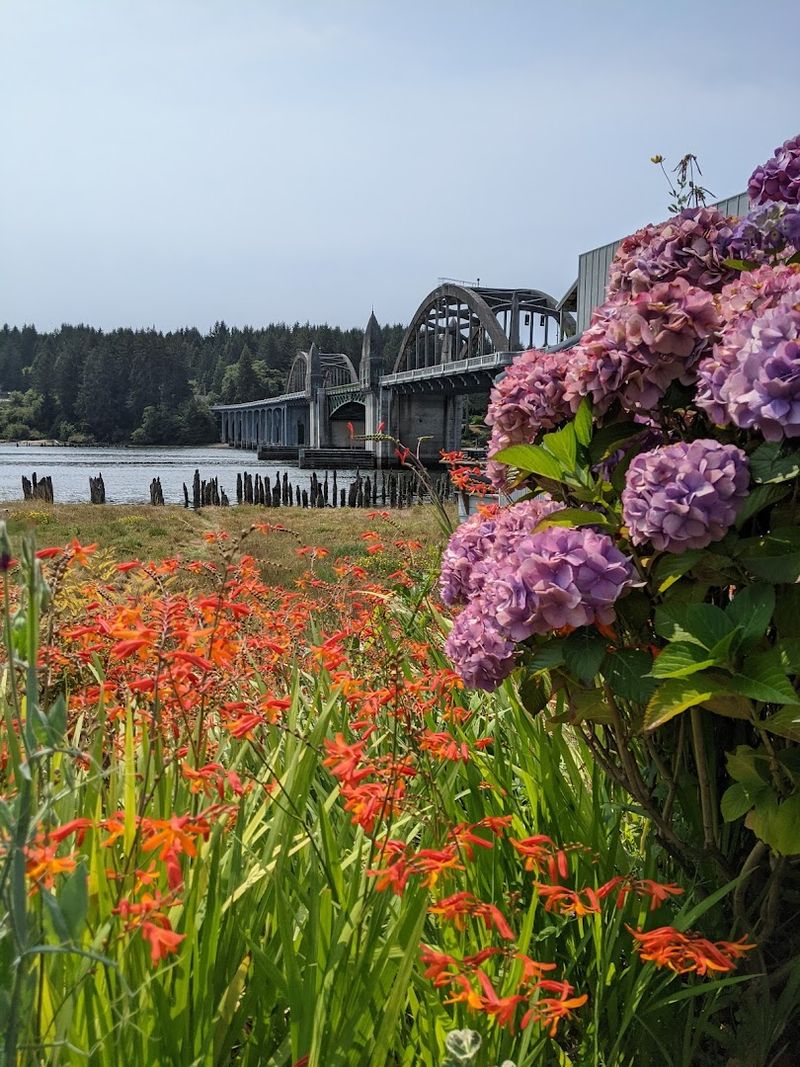
Old Town Florence sits along the Siuslaw River and is one of the most genuinely charming historic districts on the Oregon coast. Brightly painted buildings house seafood restaurants, art galleries, and shops that feel local and unhurried rather than touristy.
The Siuslaw River Bridge, built in 1936, is a stunning example of Art Deco design and frames the waterfront beautifully.
Sea Lion Caves, located just north of Florence, is a natural sea cave where wild Steller sea lions gather by the hundreds during fall and winter. Honeyman Memorial State Park nearby offers camping among freshwater lakes and forested dunes that feel otherworldly.
Florence sits far enough from Portland and Eugene to avoid heavy tourist traffic, which keeps the atmosphere relaxed and genuinely welcoming. For travelers chasing that perfect mix of nature, history, and coastal beauty, Florence checks every single box.
Share this story