
Canada is often celebrated as one of the safest countries on the planet, but safety is not spread equally across every city. Statistics Canada uses the Crime Severity Index, or CSI, to measure not just how much crime happens, but how serious that crime is.
Cities with more violent offences score higher, even if the total number of incidents is similar to somewhere else. The cities on this list have earned some of the highest CSI scores in the country, and understanding why can help communities work toward real change.
Winnipeg, Manitoba

Winnipeg holds a reputation most of its residents would rather shake off. As Manitoba’s largest city, it consistently ranks near the top of Canada’s Crime Severity Index among major urban centres, a distinction driven by violent crime, auto theft, and property offences.
Auto theft in particular has been a stubborn problem. At certain points, Winnipeg recorded some of the highest vehicle theft rates in the entire country, prompting police to launch dedicated task forces just to tackle the issue.
Violent crime hotspots tend to concentrate in specific neighbourhoods, which means the experience of crime is far from uniform across the city. Residents in quieter suburbs may feel very safe, while those in higher-risk areas face real daily challenges.
Community organizations, Indigenous-led programs, and city-funded outreach efforts have been working hard to chip away at these numbers. Progress has been slow but visible in some areas.
Winnipeg’s CSI score fluctuates year to year, suggesting that targeted interventions can make a measurable difference when resources are committed consistently.
Red Deer, Alberta
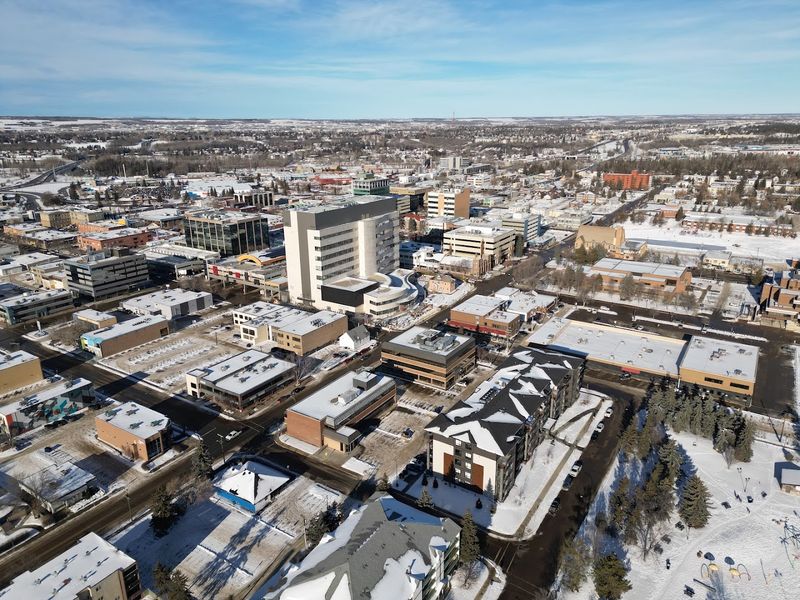
Sandwiched between Calgary and Edmonton on Highway 2, Red Deer punches well above its weight when it comes to crime statistics. For a city of roughly 100,000 people, its Crime Severity Index score has consistently outpaced the national average by a significant margin.
Property crime and drug-related offences have historically fuelled Red Deer’s high ranking. The city has dealt openly with a visible addiction crisis, and local officials have acknowledged that housing instability and mental health challenges are deeply connected to its crime numbers.
Here is something that often surprises people: Red Deer’s CSI actually improved notably in recent years, showing that focused policing strategies and social supports can move the needle. Still, the city remains well above average, meaning there is plenty of ground left to cover.
Local groups and the city council have pushed for wraparound services that address root causes rather than just enforcement. It is a long game, and Red Deer knows it.
The community’s willingness to have honest public conversations about crime is, at the very least, a solid starting point for meaningful reform.
Kamloops, British Columbia
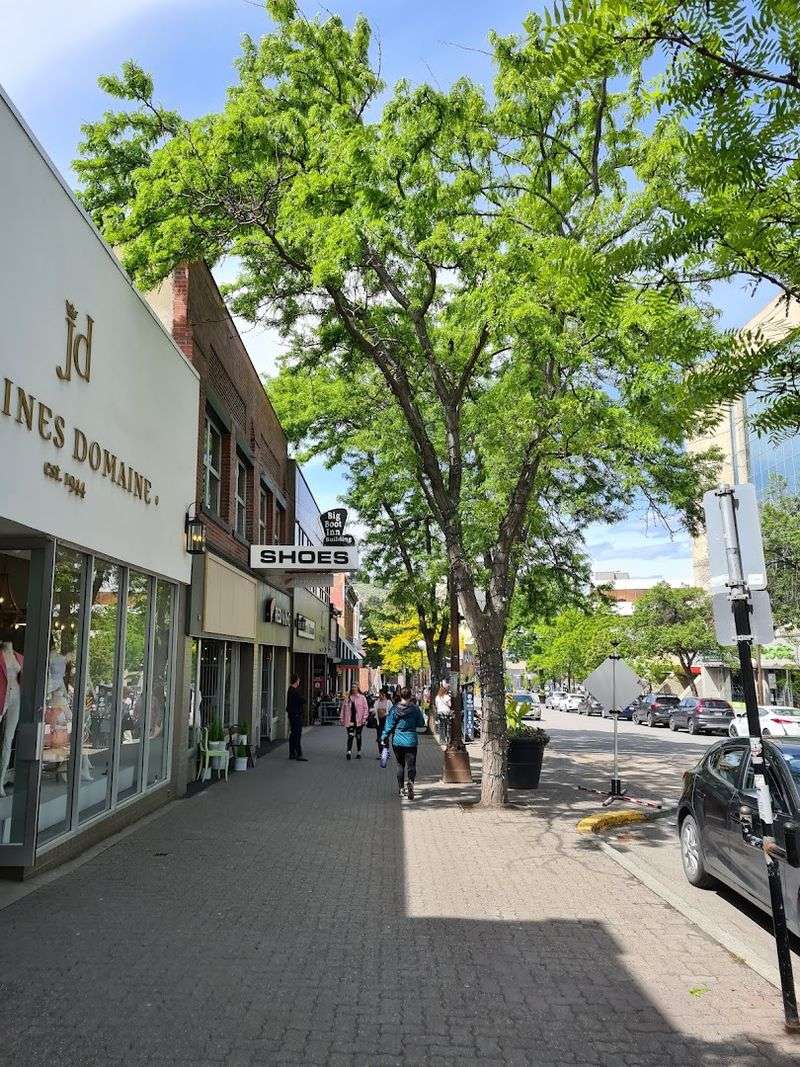
Kamloops sits at the confluence of two rivers in British Columbia’s interior, and while the scenery is genuinely stunning, the city’s Crime Severity Index score tells a less picturesque story. It has repeatedly appeared near the top of provincial and national CSI rankings.
Police in Kamloops have credited targeted enforcement programs with reducing certain types of crime, and the numbers do show some improvement over recent years. But the city’s overall severity score remains comparatively high, particularly for property offences and crimes linked to substance use.
One factor that researchers point to is the city’s role as a regional hub. People travel from surrounding smaller communities to access services, which concentrates both need and, unfortunately, criminal activity in the downtown core.
Kamloops has been proactive about launching crime-reduction strategies, including partnerships between the RCMP and social service agencies. Downtown business associations have also pushed for solutions that balance public safety with compassion for vulnerable residents.
The city is clearly aware of its ranking and is not sitting quietly with it, which counts for something when measuring real community commitment to change.
Chilliwack, British Columbia

Tucked into the lush Fraser Valley with mountain views in every direction, Chilliwack looks like the kind of place where nothing bad ever happens. The Crime Severity Index disagrees fairly loudly.
Chilliwack has posted some of the highest CSI scores in British Columbia and among smaller Canadian cities overall.
Both violent and non-violent offences contribute to the city’s ranking. Property crime, including break-ins and vehicle-related offences, has been a persistent issue.
Violent crime rates have also remained elevated compared to similar-sized communities elsewhere in Canada.
Chilliwack’s position as a service centre for the surrounding rural Fraser Valley region plays a role in its numbers. People from outlying areas come to the city for shopping, healthcare, and social services, which increases foot traffic and, with it, the concentration of criminal activity.
The Chilliwack RCMP has introduced various community policing programs aimed at reducing repeat offenders and addressing the social conditions that feed crime. Local residents have shown up at town halls and city council meetings to demand action, which speaks to how seriously the community takes its safety challenges.
Progress exists, but the city still has significant work ahead.
Lethbridge, Alberta

Lethbridge is home to one of the most spectacular railway bridges in North America, the towering High Level Bridge, but the city’s Crime Severity Index score has attracted a very different kind of attention over the years. Lethbridge has ranked among Canada’s highest-CSI cities repeatedly, often near the very top of national lists.
Drug-related offences have been central to Lethbridge’s crime story. The city made international headlines when its supervised consumption site, which opened in 2018, became the busiest such facility in Canada.
When that site was closed by the provincial government in 2020, critics warned that crime and overdose rates would worsen, and data suggested they did.
Property crime, social disorder, and repeat offending are recurring themes in local crime reports. Community organizations have pushed hard for harm-reduction approaches, arguing that enforcement alone cannot fix a problem rooted in poverty and addiction.
City leaders have faced real pressure to find solutions that work without simply pushing vulnerable people from one neighbourhood to another. Lethbridge’s experience has become something of a national case study in how public health decisions and crime statistics are deeply, unavoidably linked.
The debate there is ongoing and often heated.
Saskatoon, Saskatchewan

Saskatoon calls itself the Paris of the Prairies, a nickname earned by its beautiful river valley and vibrant arts scene. Crime statistics, however, have given the city a less flattering subtitle.
Saskatoon routinely records one of the highest Crime Severity Index scores among major Canadian cities.
Violent crime and property crime both drive the city’s elevated ranking. Certain neighbourhoods in Saskatoon experience significantly higher rates of assault, robbery, and break-and-enter incidents than the national average.
Indigenous residents, who make up a significant portion of the city’s population, are disproportionately represented among both crime victims and people who come into contact with the justice system.
Saskatoon police have launched community safety initiatives that focus on high-risk individuals and repeat offenders. Social agencies have pushed for upstream interventions targeting poverty, housing instability, and historical trauma as root causes of crime.
The city’s challenges are not unique to Saskatchewan, but they are particularly visible in Saskatoon given its size and demographics. Civic conversations about systemic inequality and public safety have become increasingly frank over recent years.
Residents and city officials alike acknowledge that policing alone will not shift Saskatoon’s Crime Severity Index to where they want it to be.
Regina, Saskatchewan

Regina is the capital of Saskatchewan and home to the RCMP training academy, which makes its persistently high Crime Severity Index score feel like a bit of an ironic twist. The city has recorded CSI scores well above the national average for years, covering both violent and property-related offences.
Gang activity has been identified as a contributing factor in Regina’s crime picture. Authorities have pointed to organized groups involved in drug trafficking and violent crime as key drivers of the city’s elevated severity score.
Like Saskatoon, Regina also grapples with deep socioeconomic disparities that feed into criminal activity.
Regina police have partnered with community organizations to run outreach programs targeting at-risk youth, recognizing that preventing someone from entering the justice system is far more effective than managing the consequences after the fact.
The city has seen some year-to-year fluctuations in its CSI score, suggesting that specific enforcement operations and social programs can produce measurable short-term results. Sustaining those gains over the long term is the harder challenge.
Regina’s story is one that many Prairie cities share, but the presence of a national policing institution right in the city gives its crime statistics an extra layer of public scrutiny every single year.
Edmonton, Alberta

Edmonton is Alberta’s capital city and its second-largest urban centre, and with a large population comes a large volume of police-reported crime. Its Crime Severity Index score consistently sits above the Canadian average, with violent offences being a particular area of concern among law enforcement and city officials.
The city has experienced notable increases in certain violent crime categories in recent years. Homicide rates, aggravated assaults, and weapons-related offences have all drawn media and public attention.
Edmonton police leadership has been vocal about the challenges the force faces in managing crime across such a sprawling metropolitan area.
Poverty, housing affordability, and addiction are recurring themes in Edmonton’s crime narrative. The city’s downtown core has faced visible challenges related to encampments and social disorder, which has sparked contentious debates about how to balance enforcement with compassion for vulnerable populations.
Edmonton has invested in specialized units targeting gang activity and repeat violent offenders, alongside social programs aimed at prevention. The city’s sheer size means that even modest reductions in crime rates represent thousands of fewer incidents for residents.
Edmonton’s civic leaders frame the issue as a long-term public health and safety challenge rather than a simple law enforcement problem, which at least reflects a realistic understanding of its complexity.
Kelowna, British Columbia

Kelowna enjoys a reputation as one of Canada’s most desirable places to live, famous for its warm summers, Okanagan wine country, and lakeside lifestyle. Behind the postcard-perfect image, though, the city’s Crime Severity Index score tells a more complicated story that locals have been wrestling with for years.
Property crime has historically been the dominant driver of Kelowna’s elevated CSI. Break-and-enters, vehicle thefts, and theft from vehicles have all been persistently high.
The city’s tourist economy and seasonal population swings create conditions that property criminals tend to exploit.
Violent crime has also been a growing concern. Gang-related incidents connected to drug trafficking have contributed to Kelowna’s severity score, and police have acknowledged that organized crime has a foothold in the region that simple patrol increases cannot easily dislodge.
Kelowna RCMP has launched several targeted operations aimed at repeat offenders, and the city has explored social programs to address the addiction and housing issues that underpin much of the criminal activity. Residents often express frustration that a city with so much natural wealth and tourism revenue still struggles with crime numbers that would look more at home in a much larger urban centre.
The gap between Kelowna’s image and its statistics remains a live conversation.
Greater Sudbury, Ontario

Greater Sudbury is a sprawling Northern Ontario city built on a history of nickel mining, and it holds the distinction of being one of the highest-CSI municipalities in the province. Its crime severity score consistently sits above the Ontario average and above the national benchmark as well.
The city’s geography is part of the challenge. Greater Sudbury covers an enormous land area, encompassing several smaller communities that were amalgamated in 2001.
Policing such a vast and varied region stretches resources and creates coverage gaps that can affect response times and crime prevention capacity.
Violent crime and property offences both contribute to Sudbury’s elevated ranking. Incidents related to substance use and social disorder are visible concerns in the downtown core, and local social agencies have flagged housing instability as a critical underlying factor.
Greater Sudbury has invested in community safety and well-being planning, a framework that brings together police, health, and social services to address crime from multiple angles simultaneously. It is an approach that recognizes no single agency can solve the problem alone.
The city’s willingness to think beyond traditional policing is encouraging, even as residents continue to push for faster, more visible results in neighbourhoods where they feel the impact of crime most directly.
Share this story