What makes a city truly happy? It turns out it comes down to more than just sunny weather or pretty parks.
Researchers and resident surveys from studies like the Happy City Index point to things like strong healthcare, safe streets, tight-knit communities, and a solid work-life balance. These ten cities have cracked the code, and their residents are living proof that the right environment can make a real difference.
Copenhagen, Denmark
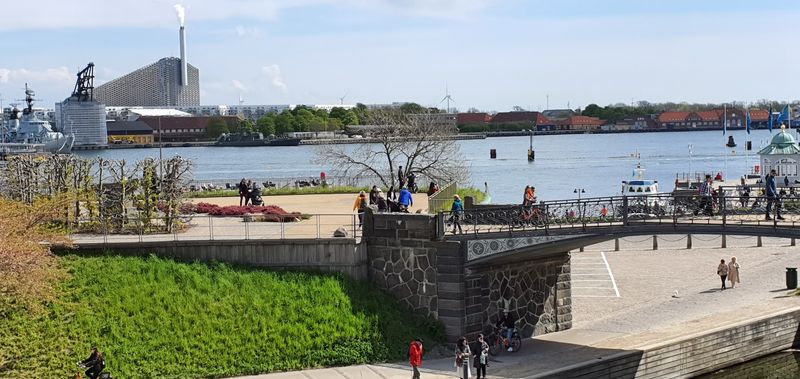
Cyclists outnumber cars in Copenhagen, and that single fact tells you a lot about what life is like here. The city has invested heavily in bike lanes, green spaces, and public infrastructure, making everyday life feel surprisingly easy.
People here do not just get by; they genuinely thrive.
Denmark’s capital consistently tops global happiness rankings, and locals will tell you it is not by accident. The government provides universal healthcare, free university education, and generous parental leave.
Financial stress, one of the biggest happiness killers worldwide, is significantly reduced for most residents.
Work culture in Copenhagen values efficiency over long hours. Most employees leave the office by 4 or 5 p.m., leaving plenty of time for family dinners, hobbies, and socializing.
The Danish concept of hygge, which loosely means coziness and togetherness, is not just a trend here. It is a lived experience that brings warmth and connection to everyday moments throughout the year.
Zurich, Switzerland
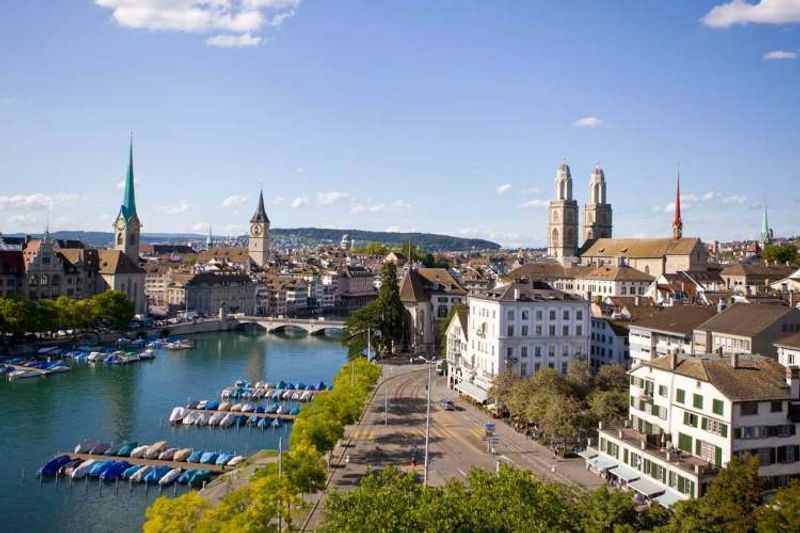
Zurich is the kind of city that makes you feel like someone thought of everything. The trains run on time, the streets are spotless, and the lake in the city center is clean enough to swim in during summer.
For residents, that level of order translates directly into peace of mind.
Switzerland’s largest city consistently ranks among the top five most livable cities on Earth. High salaries, low unemployment, and a robust social safety net mean that most residents feel financially secure.
That security gives people the freedom to focus on what actually matters: health, relationships, and personal growth.
Access to nature is another major factor. Within an hour, residents can be hiking in the Alps or skiing on world-class slopes.
The city also has a thriving arts scene, excellent restaurants, and some of Europe’s best public transportation. Zurich proves that a city can be both highly efficient and deeply enjoyable to live in, without sacrificing one for the other.
Singapore
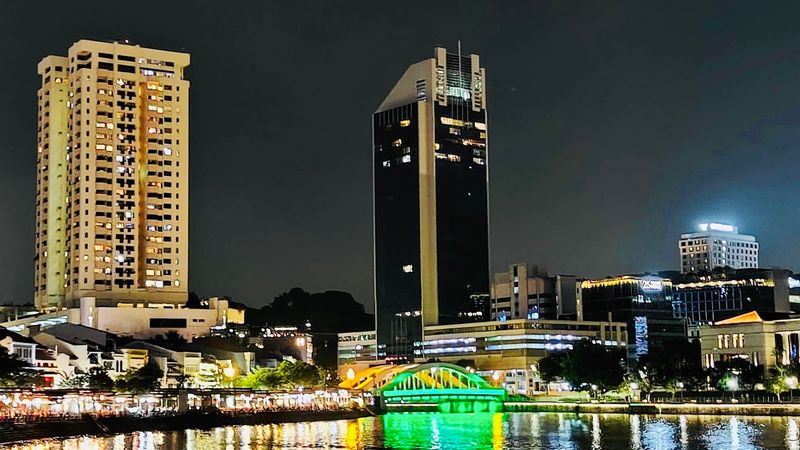
Singapore is a city that seems almost engineered for success, and in many ways, it literally was. Built from scratch into a global powerhouse in just a few decades, it now ranks among the world’s top cities for safety, cleanliness, and economic opportunity.
Residents enjoy a level of infrastructure efficiency that most cities can only dream about.
Public transportation here is fast, affordable, and remarkably reliable. Healthcare is world-class, and the government invests heavily in housing programs that help most Singaporeans own their homes.
Low crime rates mean residents feel safe walking the streets at any hour, which is a quality-of-life factor that is hard to overstate.
Yes, Singapore moves fast, and work culture can be intense. But residents also enjoy stunning green spaces woven throughout the urban environment, a world-famous food scene, and a multicultural community that celebrates diversity through festivals, cuisine, and shared public life.
The city blends ambition with livability in a way that keeps satisfaction scores consistently high. For many, Singapore is not just a place to work; it is a place to genuinely belong.
Aarhus, Denmark
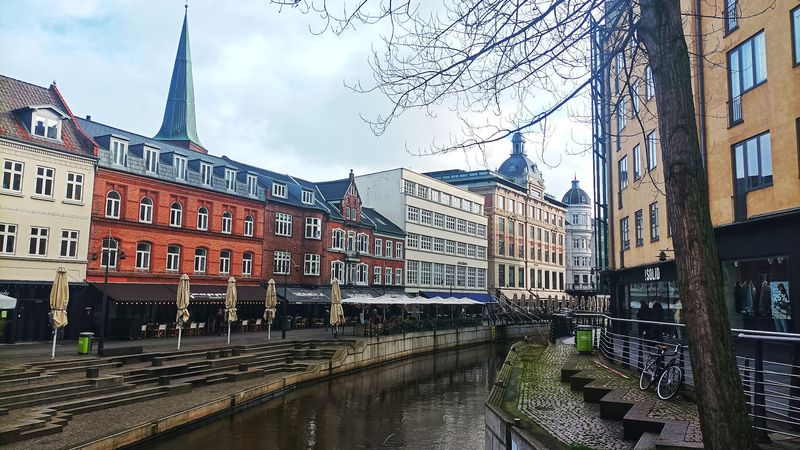
Forget the idea that only capital cities get to be great places to live. Aarhus, Denmark’s second-largest city, has quietly built a reputation as one of Europe’s most satisfying urban environments.
It is compact, connected, and surprisingly full of life for a city of its size.
Community spirit runs deep here. Aarhus consistently scores high in surveys measuring social trust, meaning residents feel comfortable relying on neighbors, institutions, and local government.
That kind of trust is not something you can manufacture overnight; it is built through years of transparent governance and genuine investment in public well-being.
The city is also home to Aarhus University, one of Scandinavia’s leading academic institutions, which keeps the population young, energetic, and intellectually engaged. Healthcare coverage is comprehensive, and the work-life balance mirrors what you would find in Copenhagen.
The Latin Quarter offers charming cafes, independent shops, and cultural events year-round. Aarhus is proof that happiness does not require a massive metropolis; sometimes a mid-sized city with the right values and the right priorities is exactly what residents need to feel genuinely content.
Antwerp, Belgium
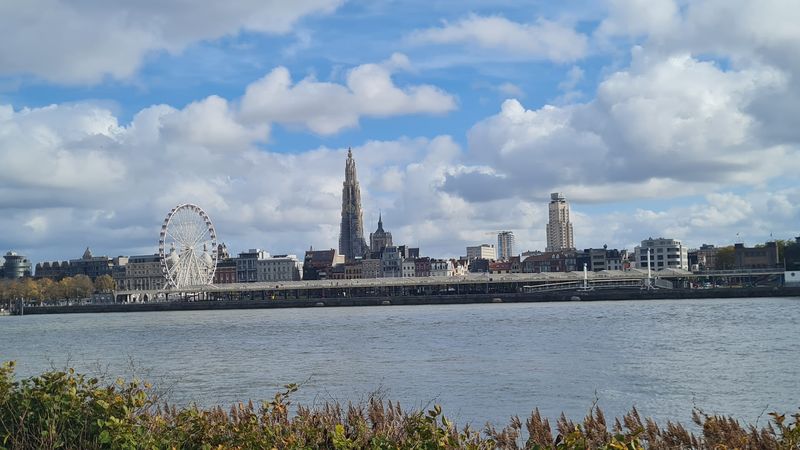
Antwerp has a personality that bigger cities often lose: it is grand enough to offer world-class culture, yet small enough that residents actually know their neighborhoods. That sweet spot between big-city energy and small-town familiarity is a rare thing, and Antwerp has mastered it beautifully.
Healthcare access in Antwerp is excellent, and the city’s education system is well-regarded across Belgium. Cultural opportunities abound, from the famous Royal Museum of Fine Arts to a fashion scene that rivals Paris.
Residents enjoy a rich urban life without the overwhelming pace that exhausts people in larger European capitals.
The city’s manageable scale means commutes are shorter, green spaces are accessible, and a sense of community is easier to maintain. Antwerp’s port economy keeps unemployment low, and the city has invested in cycling infrastructure and sustainable urban planning in recent years.
The food scene, influenced by Belgian, French, and international traditions, is outstanding. Residents here tend to describe their city with genuine affection, which is telling.
When people feel proud of where they live, that pride feeds directly into everyday happiness and long-term satisfaction in ways that are hard to replicate elsewhere.
Helsinki, Finland
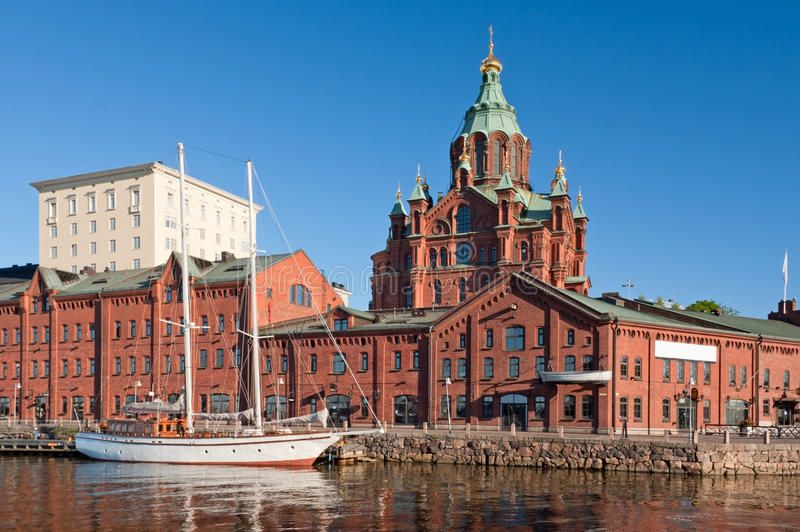
Finland has been named the world’s happiest country multiple years in a row, so it should come as no surprise that its capital city is a serious contender for the happiest urban experience on the planet. Helsinki earns that reputation honestly, through strong institutions, clean environments, and a culture that values honesty and simplicity.
Public services here are genuinely excellent. Education is free and high-quality from kindergarten through university.
Healthcare is accessible to everyone, and social safety nets catch people before they fall too far. Corruption is extremely rare, and residents report high levels of trust in government and law enforcement, which creates a foundation of security that shapes daily life.
Safety is one of Helsinki’s most celebrated qualities. Walking alone at night feels unremarkable here, because it genuinely is.
The city also has a deep relationship with nature; forests, islands, and waterways are integrated into urban life, giving residents regular access to restorative outdoor spaces. Saunas, a beloved Finnish tradition, serve as social hubs where stress melts away.
Helsinki is not flashy or loud, but it delivers something more valuable: a life that feels consistently calm, fair, and deeply livable for everyone.
Stockholm, Sweden
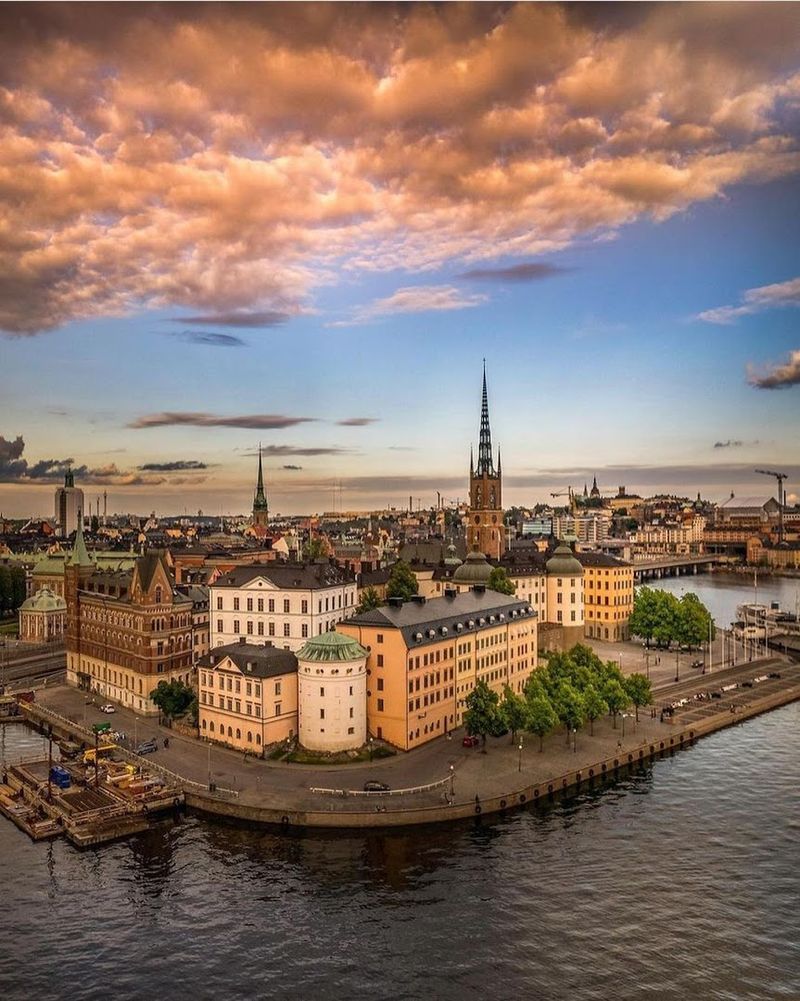
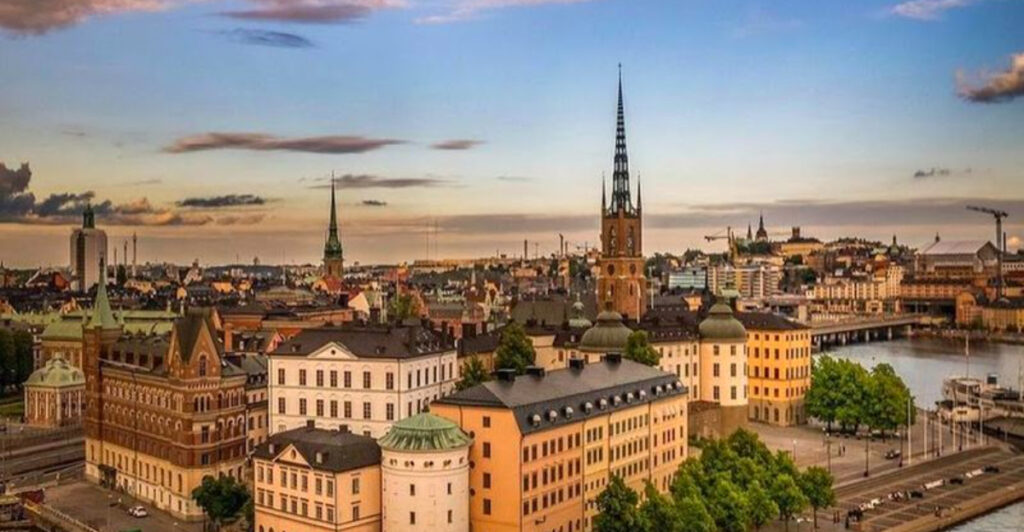
Stockholm sits across fourteen islands, connected by bridges, and that geography alone gives the city a visual beauty that makes daily commutes feel almost cinematic. But looks are just the beginning of what makes Sweden’s capital one of the most satisfying places to live in the world.
Sweden’s social welfare system is among the most comprehensive anywhere, offering paid parental leave, subsidized childcare, free healthcare, and strong unemployment protections. These are not small perks; they are life-changing supports that reduce anxiety and allow residents to focus on building meaningful lives rather than surviving financial emergencies.
Environmental sustainability is embedded into Stockholm’s identity. The city runs largely on renewable energy, has extensive green spaces, and takes air quality seriously.
Residents cycle, walk, and use public transit without giving it a second thought. The tech and creative industries thrive here, attracting young professionals from across Europe.
Stockholm’s blend of economic prosperity, social equality, and natural beauty creates a quality of life that consistently earns top marks in global surveys. Residents describe a feeling of being genuinely supported by their city, and that sense of support, quiet but powerful, is the backbone of lasting happiness.
Seoul, South Korea
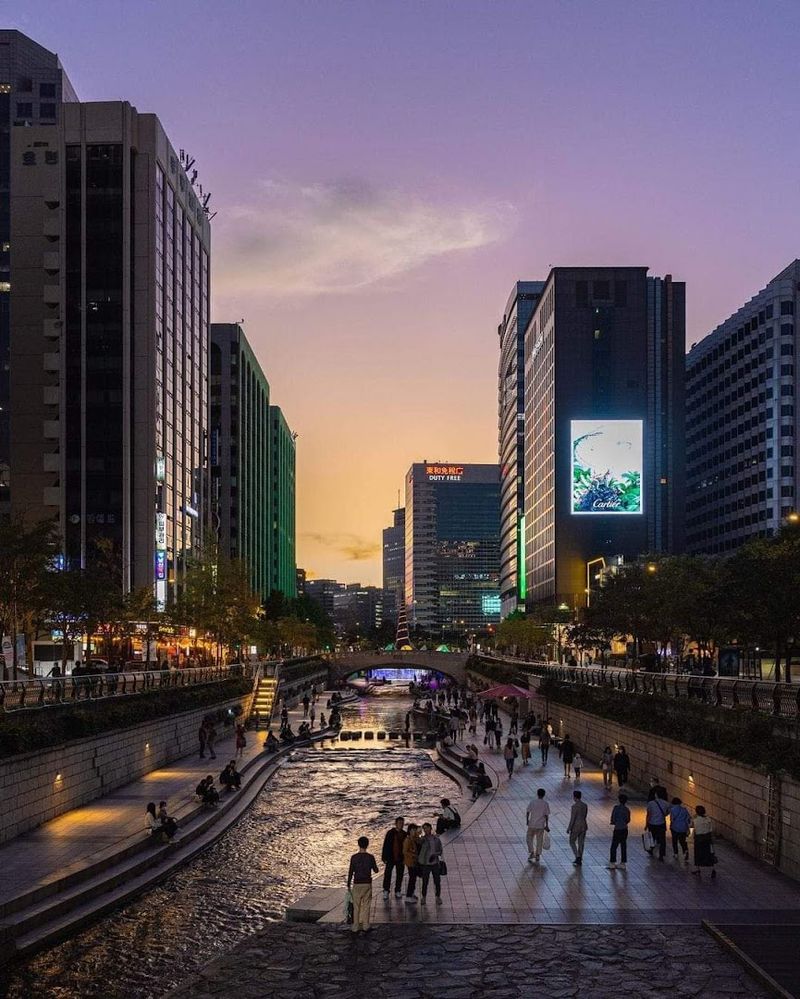
Seoul moves at a speed that would leave most cities breathless, yet somehow its residents manage to report strong quality-of-life satisfaction. The secret lies in the city’s extraordinary infrastructure, which handles the demands of over ten million people with remarkable grace and efficiency.
Healthcare in Seoul is world-class and relatively affordable, even by global standards. The subway system is clean, fast, and covers virtually every corner of the city.
High-speed internet is essentially a public utility, and technological innovation touches almost every aspect of daily life. Entrepreneurship is celebrated, and the city actively supports startups and creative industries.
Education is taken seriously here, perhaps more seriously than almost anywhere else. Families invest heavily in learning, and academic achievement is a point of real cultural pride.
Beyond work and study, Seoul offers an extraordinary food culture, from street tteokbokki stalls to Michelin-starred restaurants, along with a K-pop and entertainment scene that draws global attention. Han River parks give residents breathing room from the urban intensity.
Seoul proves that a megacity can deliver genuine happiness when it invests relentlessly in the systems, spaces, and services that make everyday life functional, exciting, and worth living.
Munich, Germany
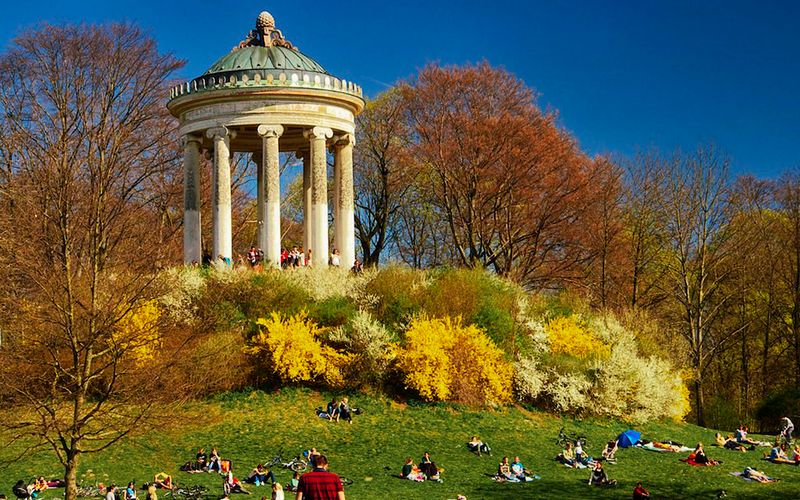
Munich has a saying: Mia san mia, which roughly means we are who we are. That quiet confidence captures the city’s personality perfectly.
Munich does not need to prove anything; it simply delivers an exceptional standard of living, year after year, without much fuss about it.
Safety is one of Munich’s defining characteristics. Residents consistently rank it among Germany’s safest major cities, and that security shapes everything from how people commute to how freely children play outdoors.
The public transportation network is extensive and reliable, and the city’s economic strength keeps unemployment well below national averages.
Healthcare facilities in Munich are outstanding, and the city’s parks, including the massive English Garden, larger than New York’s Central Park, give residents generous green space in the middle of urban life. The Alps are less than an hour away, offering skiing, hiking, and weekend escapes that many Munichers treat as a normal part of their routine.
Oktoberfest gets all the international attention, but locals know the real joy of Munich lies in its beer gardens, farmers markets, and the relaxed Bavarian rhythm of life that values good food, good company, and taking genuine pleasure in the present moment.
Rotterdam, Netherlands
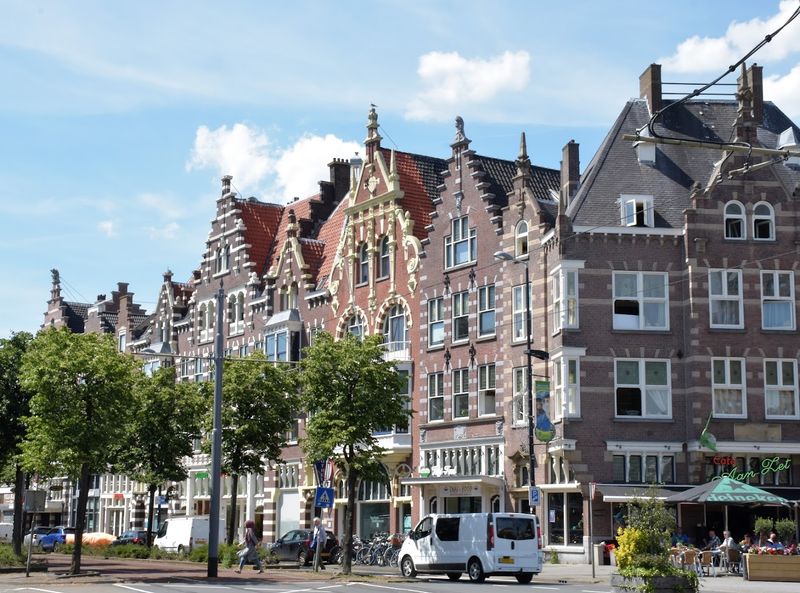
Rotterdam is the city that refused to be ordinary. Bombed nearly flat during World War II, it rebuilt itself not as a replica of its past but as a bold architectural experiment, and the result is one of Europe’s most visually striking and forward-thinking urban environments.
Residents live inside that ambition every single day.
The city’s bike-friendly infrastructure rivals Copenhagen’s, with dedicated cycling lanes woven throughout the urban grid. Rotterdam’s port is the largest in Europe, which drives a strong local economy and keeps employment opportunities plentiful.
Environmental initiatives are serious here, including green rooftops, water plazas designed to manage flooding, and a city-wide commitment to carbon reduction.
What surprises many visitors is Rotterdam’s cultural depth. World-class museums, a thriving music scene, and a food culture that reflects its diverse, multicultural population make daily life genuinely interesting.
The city has a youthful, entrepreneurial energy that attracts creatives and innovators from across the continent. Residents describe a sense of pride in living somewhere that is constantly evolving and improving.
Rotterdam does not coast on tradition; it earns its happiness rankings through continuous investment in the kind of city its residents actually want to live in.
Share this story