Some cocktails had their moment in the spotlight, ruled the bar scene for decades, and then quietly faded into the background. These drinks were once the life of the party, ordered by the thousands every weekend night.
Now, you are more likely to find them collecting dust in an old recipe book than sitting on a shiny cocktail menu. Here is a look at ten classic cocktails that are slowly becoming a rare sight at bars and restaurants everywhere.
1. Harvey Wallbanger
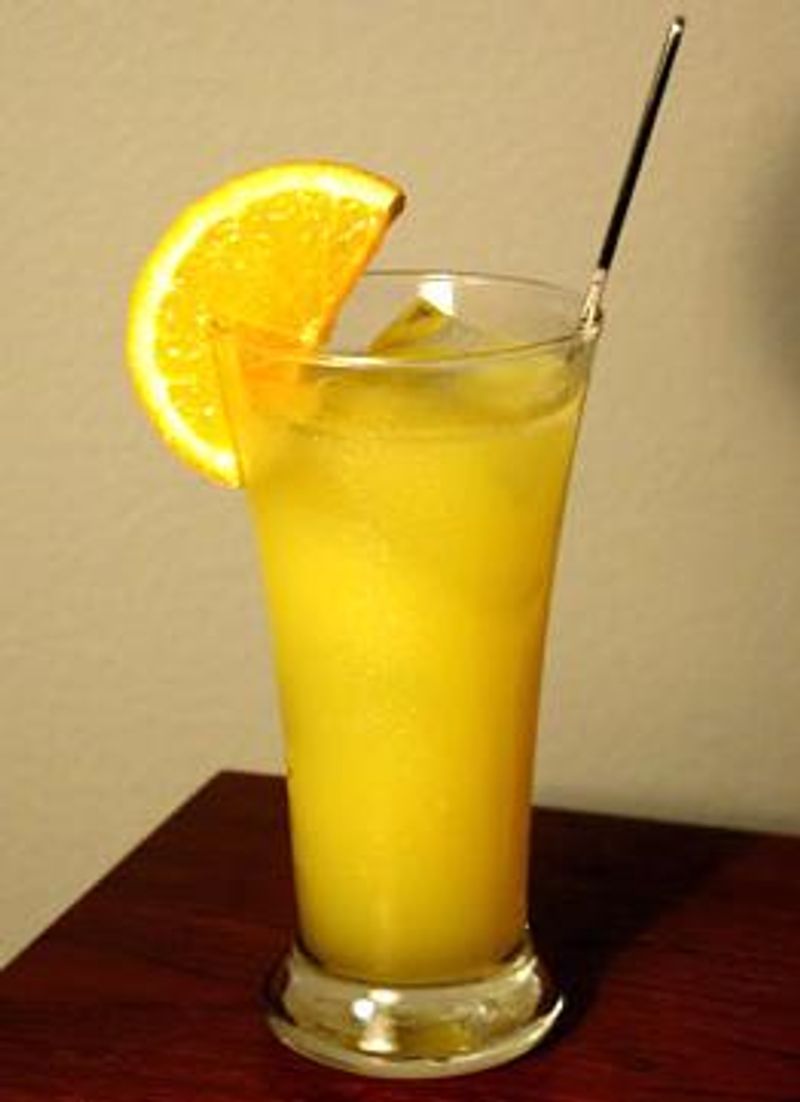
Back in the 1970s, the Harvey Wallbanger was basically the coolest drink you could order. This tall, golden cocktail mixed vodka, orange juice, and a float of Galliano herbal liqueur on top.
It looked impressive, tasted smooth, and had a name nobody could forget.
The drink even had its own cartoon mascot, a surfboard-carrying guy named Harvey. That kind of marketing was unheard of for a cocktail back then.
It helped push the drink into pop culture faster than a shaken martini.
But somewhere along the way, the Harvey Wallbanger lost its cool. Bartenders moved on to craft spirits, and Galliano became harder to find behind most bars.
Today, ordering one might earn you a blank stare from your server. Still, for those who remember it, this drink brings back serious nostalgia.
It deserves a comeback tour.
2. Grasshopper
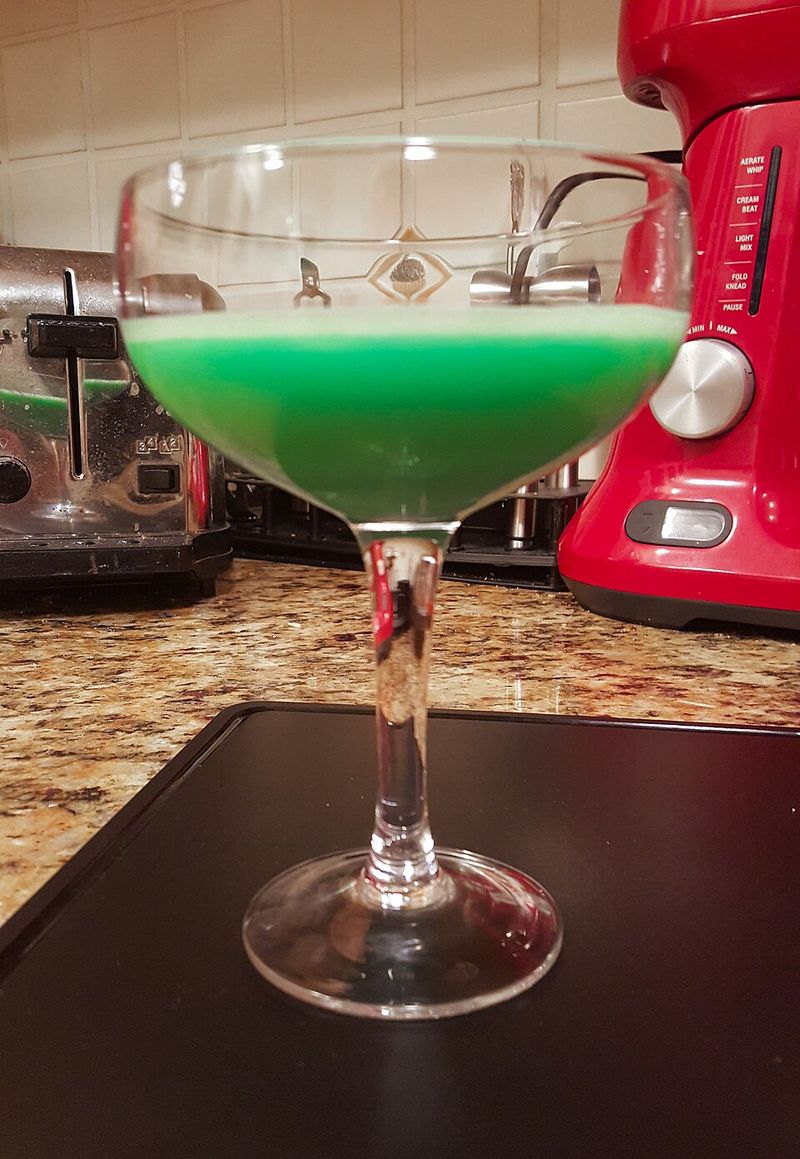
Bright green, creamy, and tasting like a melted mint chocolate chip ice cream cone, the Grasshopper was once a dessert cocktail superstar. It showed up on menus across America from the 1950s through the 1980s, especially in supper clubs and steakhouses.
People loved ending their meals with something sweet and a little boozy.
The recipe is simple: creme de menthe, white creme de cacao, and heavy cream, all shaken and served in a coupe glass. That minty green color made it pop on any table.
It practically glowed.
As cocktail culture shifted toward bitter, spirit-forward drinks, the sweet and creamy Grasshopper got left behind. Modern drinkers often skip anything that feels too sugary or dessert-like.
But honestly, a well-made Grasshopper is a joy. Some craft bars are quietly bringing it back, and it is absolutely worth trying.
3. Brandy Alexander
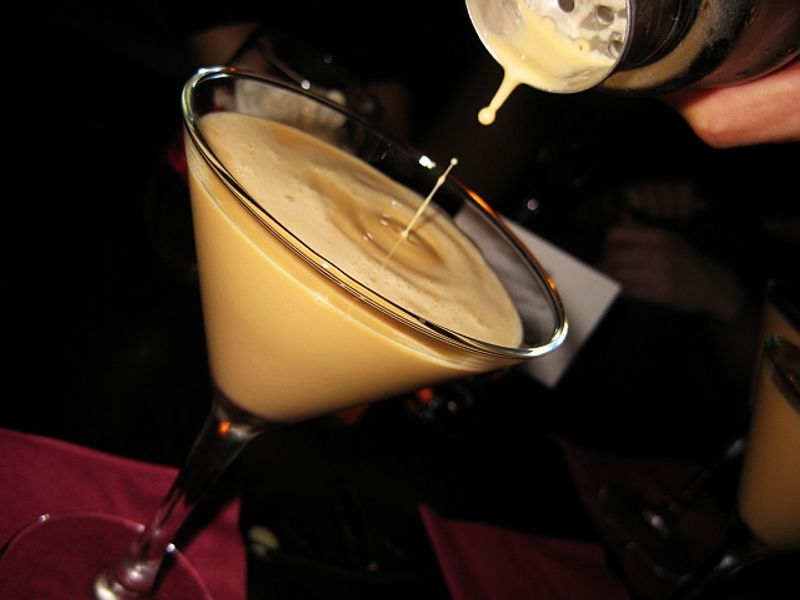
Nutmeg dusted on top, rich and velvety in the glass, the Brandy Alexander looked as fancy as it tasted. This cocktail blends brandy, dark creme de cacao, and heavy cream into something that feels more like a luxurious dessert than a standard bar drink.
It was wildly popular in the mid-20th century.
Legend has it the drink was a favorite of John Lennon, which gave it serious celebrity street cred for a while. Fancy restaurants and cocktail lounges kept it on their menus well into the 1980s.
Couples ordered it after dinner like it was a tradition.
Somewhere between the craft cocktail revolution and the low-calorie drink trend, the Brandy Alexander quietly disappeared. Its creamy richness felt old-fashioned to a new generation of drinkers.
But if you ever find it on a menu, order it. That first sip will make total sense.
4. Singapore Sling (classic version)
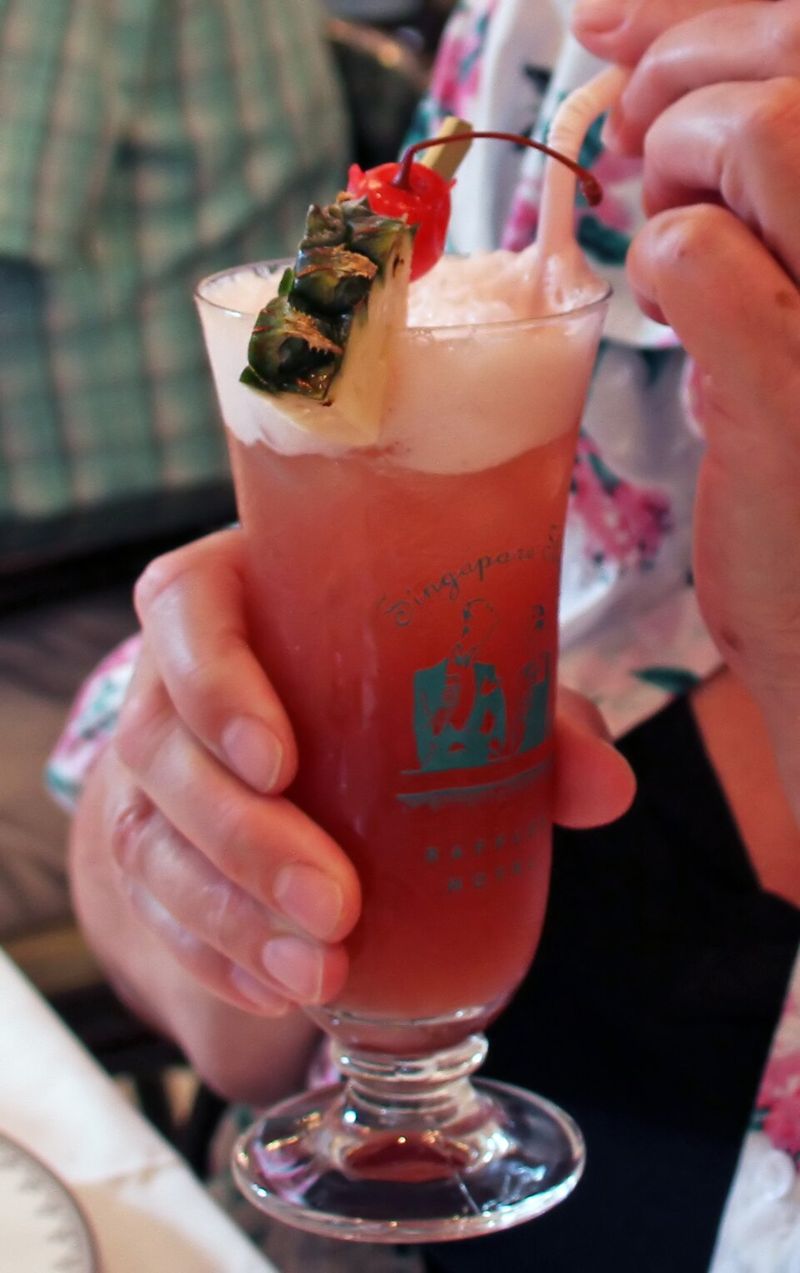
Few cocktails have a backstory as dramatic as the Singapore Sling. Created around 1915 at the Raffles Hotel in Singapore, this drink was designed to let women sip alcohol in public without looking like they were drinking alcohol.
It was disguised as fruit punch. Genius, honestly.
The classic recipe includes gin, cherry liqueur, Cointreau, Benedictine, pineapple juice, lime, grenadine, and bitters. That is a long ingredient list, and many bars quietly replaced it with a simpler, sweeter version that barely resembles the original.
Most people have no idea they are drinking a knockoff.
The authentic Singapore Sling has become rare because making it correctly takes time and effort. Many bartenders have never even tasted the real thing.
If you want the genuine article, track down a bar that stocks Benedictine and knows its cocktail history. The reward is absolutely worth the hunt.
5. Rusty Nail
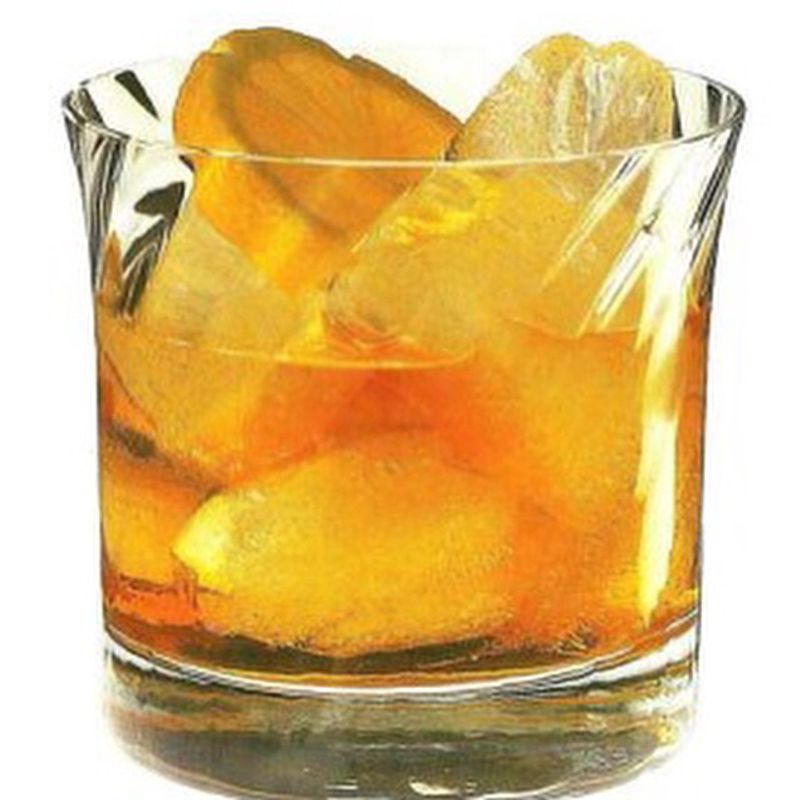
There is something undeniably old-school cool about a Rusty Nail. This two-ingredient drink, Scotch whisky and Drambuie, is simple, strong, and smoky with a hint of honey sweetness.
It was the cocktail of choice for the Rat Pack crowd in the 1960s. Frank Sinatra reportedly loved one.
Drambuie is a Scottish liqueur made with whisky, honey, herbs, and spices. When combined with a good blended Scotch, the result is warming and complex without being fussy.
You could argue it is one of the most effortlessly sophisticated cocktails ever created.
The problem? Drambuie fell off the radar, and younger drinkers gravitated toward bourbon and rye-based cocktails instead.
Scotch never became the trendy spirit of the craft cocktail era. Today, finding a Rusty Nail on a menu is rarer than spotting a vinyl jukebox.
But any bartender worth their salt can still make one on request.
6. Stinger
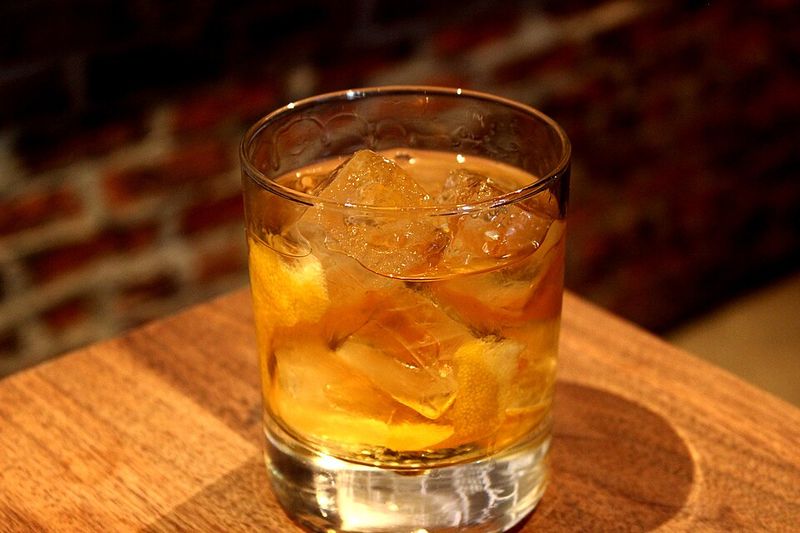
Ordering a Stinger once meant you had taste, sophistication, and probably a really good tailor. This elegant cocktail, just brandy and white creme de menthe, was the after-dinner drink of choice for well-dressed people throughout the 1940s and 1950s.
It showed up in old Hollywood movies more times than you can count.
The mint cuts through the warmth of the brandy in a surprisingly refreshing way. It is clean, sharp, and strong without being flashy.
No garnish needed. No fruit skewers.
Just a chilled glass and two good ingredients doing their job beautifully.
As cocktail menus expanded and brandy fell out of fashion with younger crowds, the Stinger quietly retired to the back of the recipe books. Most bartenders today have never been asked to make one.
That is a genuine shame, because this drink proves that simplicity, done right, never goes out of style.
7. Pink Squirrel
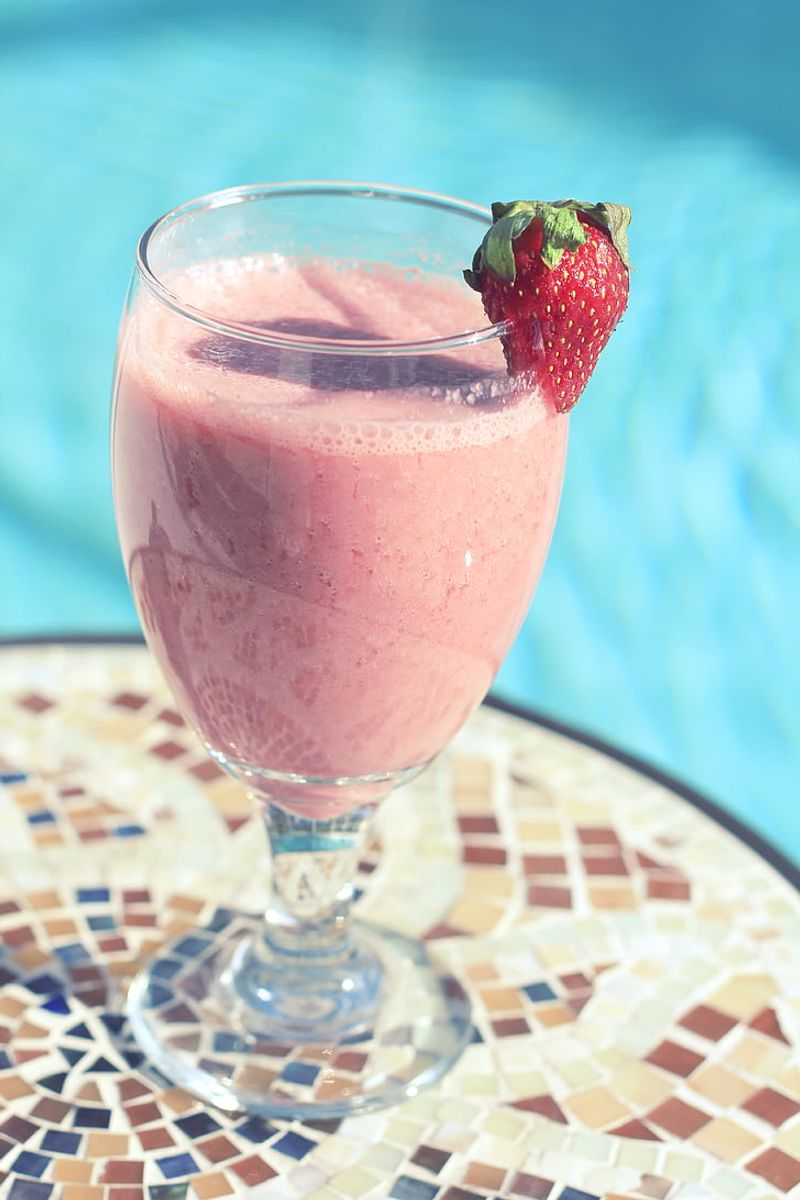
Do not let the adorable name fool you. The Pink Squirrel packs a surprisingly rich punch for something that looks like it belongs at a baby shower.
This creamy cocktail blends creme de noyaux, white creme de cacao, and heavy cream into a blush-pink dream that was wildly popular in the Midwest throughout the 1950s and 1960s.
Creme de noyaux is an almond-flavored liqueur made from fruit pits. It gives the Pink Squirrel its distinctive rosy color and nutty sweetness.
Supper clubs in Wisconsin practically built their reputations on serving this drink to dessert-loving regulars.
Finding creme de noyaux today is the real challenge. Most liquor stores stopped stocking it years ago, which effectively killed the Pink Squirrel at most bars.
A few specialty cocktail spots have started making their own substitutes, bringing this forgotten charmer back to life. It is quirky, sweet, and genuinely fun.
8. 12 Mile Limit
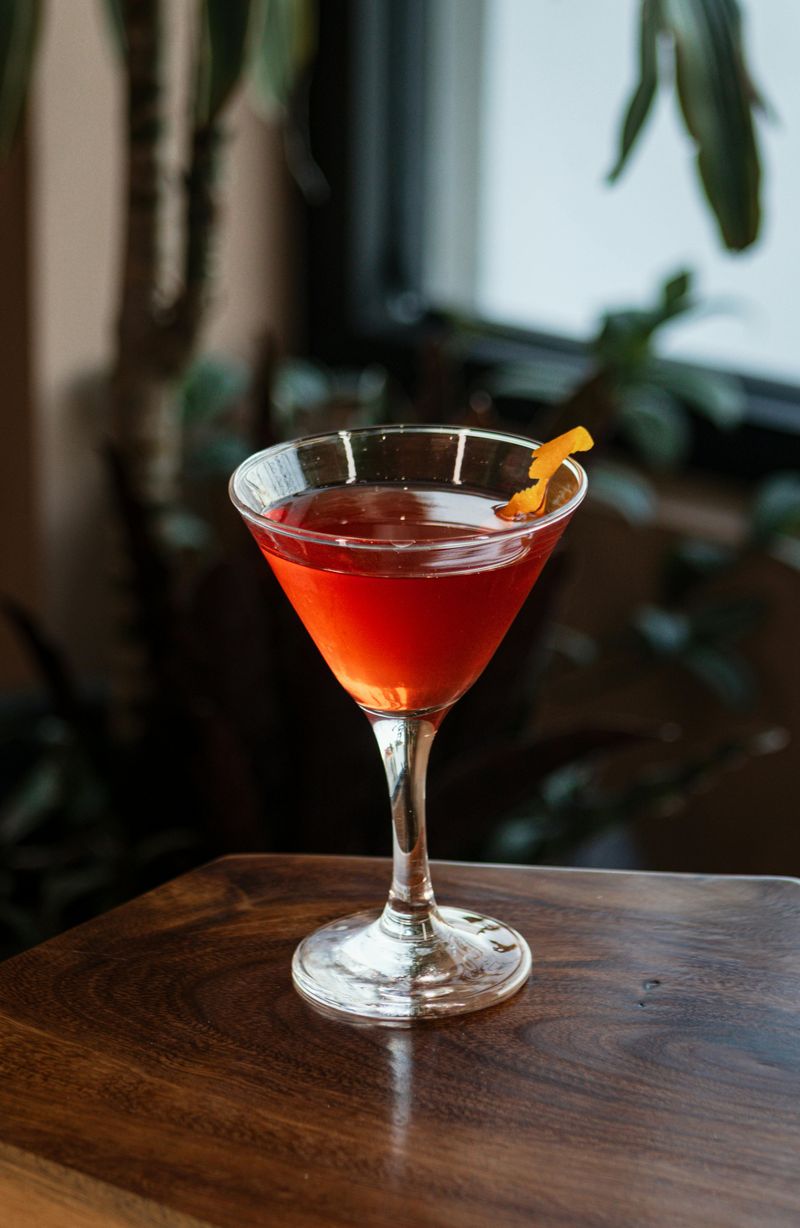
During Prohibition, Americans who wanted a drink had to sail 12 miles offshore to reach international waters where alcohol was legal. That rebellious spirit inspired this cocktail, and just knowing that backstory makes every sip taste a little more daring.
The 12 Mile Limit is a bold blend of rye whiskey, rum, brandy, grenadine, and lemon juice.
Five ingredients, all working together to create something tart, boozy, and layered with flavor. It is not a shy drink.
Every component brings something to the glass, and the result is genuinely complex without being confusing on the palate.
Despite its fascinating history and great flavor, the 12 Mile Limit never found a permanent home on mainstream bar menus. It occasionally pops up at craft cocktail bars focused on Prohibition-era recipes.
If you ever see it listed, order it immediately. This drink has a great story and even better taste.
It deserves way more attention than it gets.
9. Golden Dream
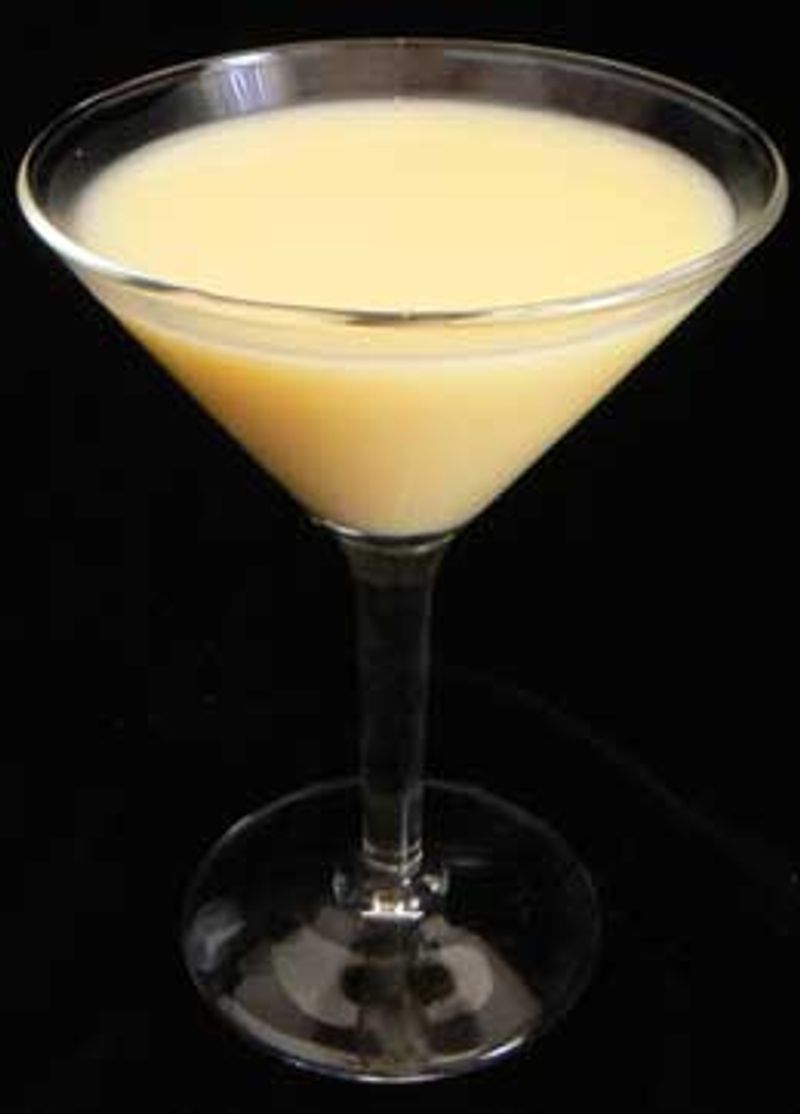
Sunshine in a glass is the best way to describe a Golden Dream. This cheerful cocktail mixes Galliano, Cointreau, fresh orange juice, and cream into something that looks like a golden sunset and tastes like a citrus dessert.
It was a popular choice at upscale restaurants and hotel bars throughout the 1960s and 1970s.
Galliano, the tall yellow herbal liqueur, is the star of the show here. Its vanilla and anise notes blend beautifully with the bright orange juice and the richness of cream.
It is complex without trying too hard, which is a rare quality in any drink.
Like the Harvey Wallbanger, the Golden Dream faded as Galliano became less common behind bars. Cream-based cocktails also fell out of favor with health-conscious drinkers.
But for anyone who loves a cocktail that is equal parts elegant and fun, the Golden Dream is a genuine hidden treasure worth rediscovering.
10. Kamikaze
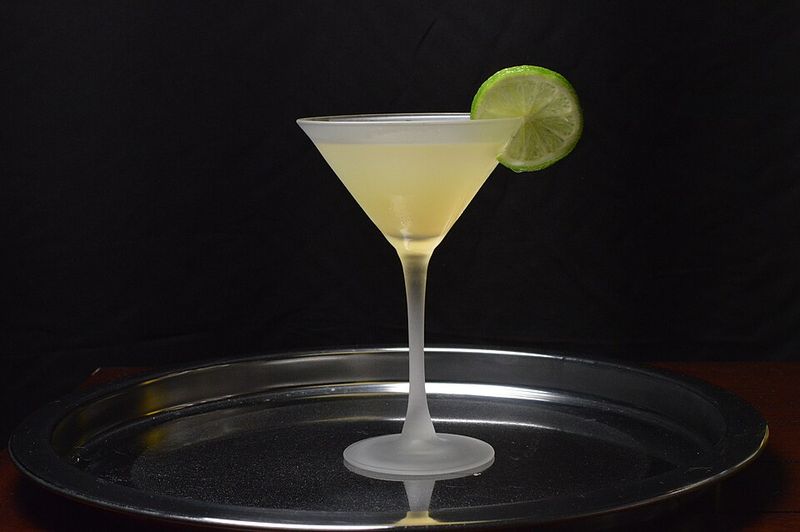
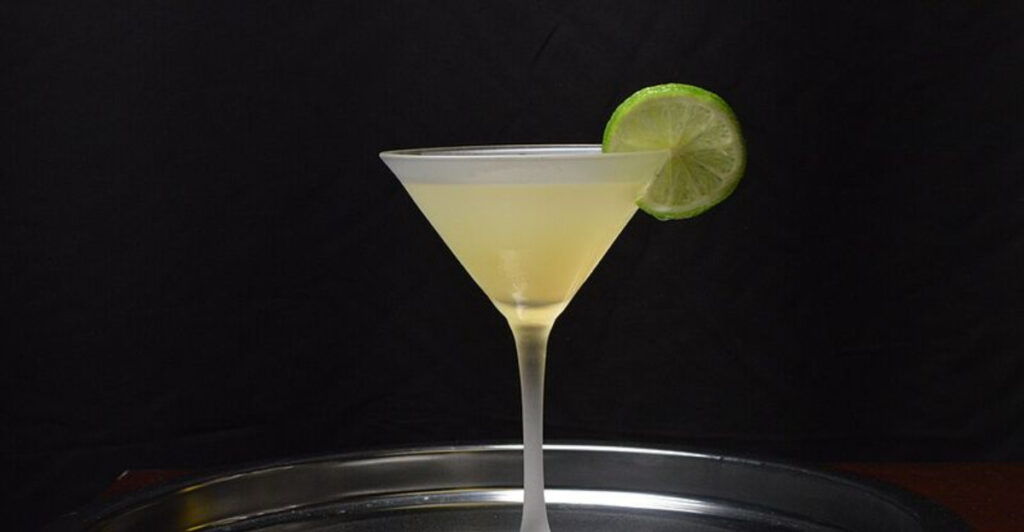
If the 1990s had an official cocktail, the Kamikaze would be a strong contender for the title. This three-ingredient shot, vodka, triple sec, and fresh lime juice, was everywhere at bars and clubs from coast to coast.
It was simple, sharp, and got the party started fast. Everyone knew what it was.
The Kamikaze is basically a deconstructed Margarita served as a shot. Tart, citrusy, and clean, it had an honesty about it that felt refreshing.
No fancy garnish, no lengthy ingredient list. Just three things that worked perfectly together in a small glass.
As cocktail culture matured into the craft era, the Kamikaze got lumped in with the sugary, low-quality shots of the frat party scene. That reputation stuck, and menus quietly dropped it.
But made with quality vodka and real lime juice, this little drink is genuinely good. It just needs a serious image makeover.
Share this story