Some college acceptance letters are more than just good news — they are proof of years of hard work, late-night studying, and pushing limits most students never even approach. A handful of schools in the United States are so selective that even students with perfect grades and sky-high test scores get rejected.
Acceptance rates at some of these schools have dropped below 4%, meaning fewer than 4 out of every 100 applicants receive a yes. If you ever open a letter from one of these colleges and see the word “Congratulations,” know that you have done something truly remarkable.
California Institute of Technology (Caltech) – Pasadena, California

Only about 3 out of every 100 applicants to Caltech will ever see an acceptance letter, making it statistically the hardest school to get into in the entire country. That number is not a typo.
Caltech enrolls fewer than 1,000 undergraduates total, which means every single spot in the freshman class is fiercely fought over by some of the sharpest math and science minds on the planet.
The school is famous for producing Nobel Prize winners, NASA scientists, and breakthrough researchers. Students here are expected to love problem-solving not just as a skill but as a lifestyle.
Coursework is notoriously demanding from day one, and professors do not ease you in gently.
What makes Caltech truly unique is its honor code, which allows students to take exams at home without supervision. That level of trust reflects the culture of integrity and intellectual seriousness baked into everything on campus.
Applicants who get in typically have near-perfect grades, exceptional math ability, and a genuine passion for science that shows up in research, competitions, or independent projects. Getting into Caltech is not just impressive — it is the kind of achievement that follows you for life.
Harvard University – Cambridge, Massachusetts
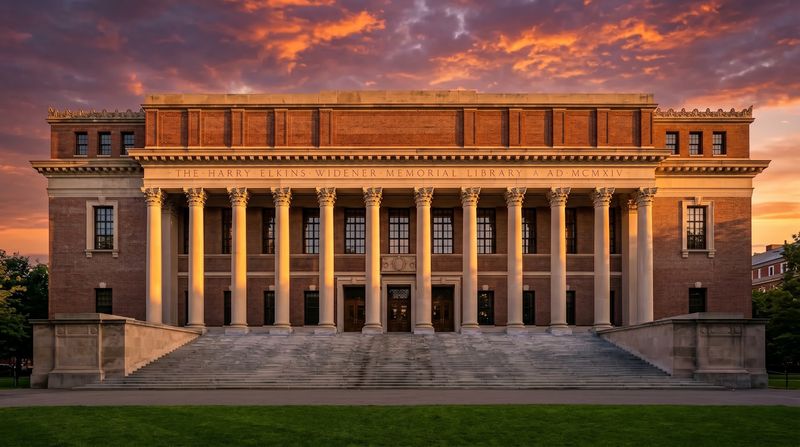
Harvard is arguably the most recognizable university name in the world, and that reputation comes with an acceptance rate hovering around 4%. Founded in 1636, it is the oldest university in the United States, and it has spent nearly four centuries becoming a symbol of academic excellence that almost everyone recognizes.
Applicants to Harvard are not just competing with the best students in their school or city — they are competing with the best students from every country on Earth. Many rejected applicants had perfect SAT scores and were valedictorians of their graduating classes.
Harvard looks beyond numbers, searching for students who have made a real impact in their communities or fields.
The financial aid program at Harvard is genuinely generous. Families earning under a certain threshold pay nothing, which means the school is more accessible than its reputation might suggest.
Still, getting in is a different story entirely. Alumni include eight U.S. presidents, dozens of Nobel laureates, and some of the most influential people in business, law, and medicine.
Receiving a Harvard acceptance is not just a personal win — it is the kind of moment families talk about for generations.
Stanford University – Stanford, California
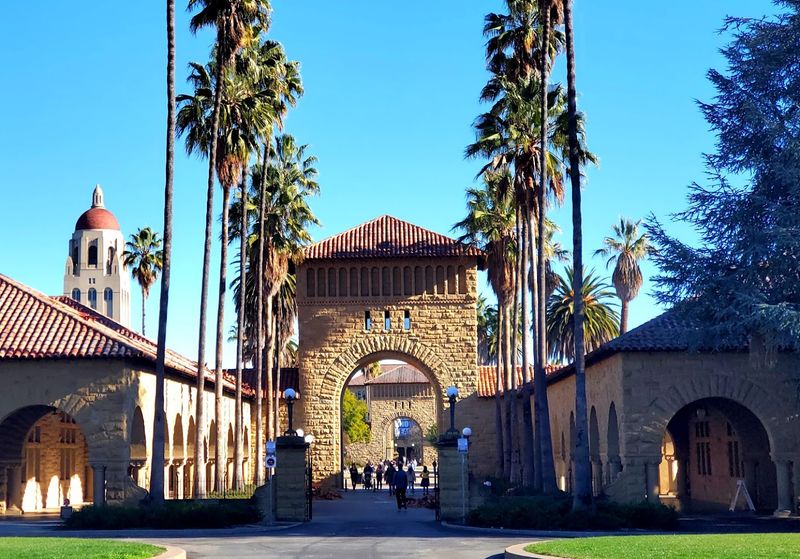
Picture a place where the next great tech startup, Pulitzer Prize-winning novel, and Olympic gold medal might all be born in the same semester — that is Stanford. Nestled on a stunning 8,000-acre campus in the heart of Silicon Valley, Stanford has an acceptance rate of roughly 4%, and the competition to get in is absolutely relentless.
Stanford attracts students who do not just excel academically but who have already started doing things in the real world. Founders, published researchers, national champions, and award-winning artists all apply — and many of them still get rejected.
The school is looking for people who will genuinely change the world, not just people who have checked every box on a resume.
The location matters enormously. Being surrounded by companies like Google, Apple, and countless startups gives students access to internship and networking opportunities that most universities simply cannot match.
Stanford also invests heavily in undergraduate research, meaning students can work on cutting-edge projects alongside world-class professors from their very first year. An acceptance letter from Stanford signals that you are not just talented but that you have something genuinely extraordinary to offer the world.
Princeton University – Princeton, New Jersey
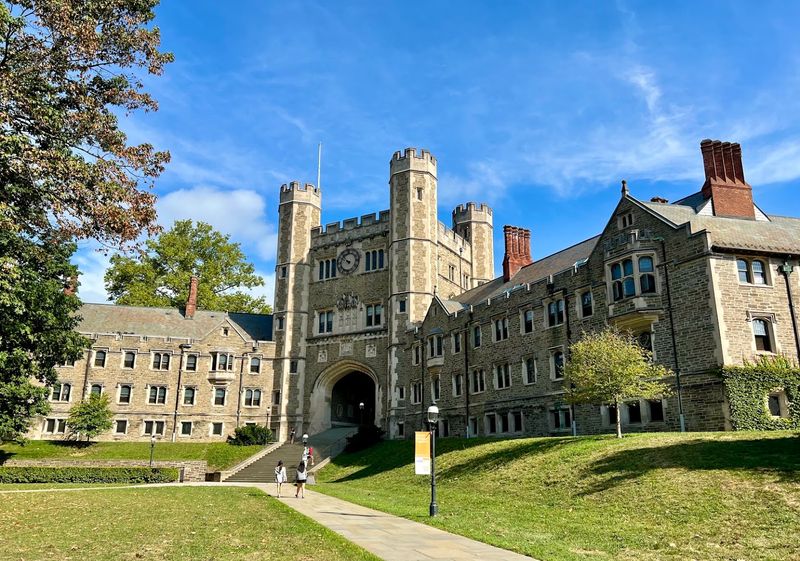
Princeton has a reputation for being the Ivy League school that cares most deeply about the undergraduate experience, and that focus makes it one of the most desirable — and competitive — universities in the country. With an acceptance rate below 5%, earning a spot here means outperforming tens of thousands of brilliant applicants from around the globe.
One thing that genuinely sets Princeton apart is its financial aid program. The university eliminated student loans from its aid packages entirely, replacing them with grants that students never have to pay back.
That commitment to making education affordable without debt is rare among elite universities and reflects a broader culture of investing in students.
Princeton’s campus is breathtaking, filled with Gothic-style stone buildings, sweeping green lawns, and a small-town charm that makes it feel like a world of its own. The school is known for its senior thesis requirement, where every undergraduate completes a major independent research project before graduating.
That tradition produces graduates who know how to think deeply and work independently. Admission here is not just about grades — it is about showing Princeton that you are ready to contribute something meaningful to its tight-knit academic community.
Yale University – New Haven, Connecticut
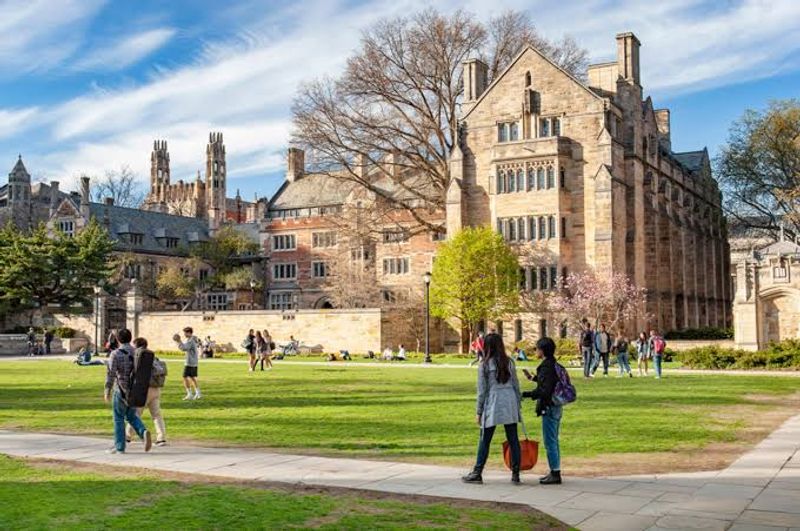
Yale has produced five U.S. presidents, a staggering number of Supreme Court justices, and some of the most celebrated artists, writers, and scientists of the modern era. With an acceptance rate hovering around 4 to 5%, the school is not just selective — it is legendary.
And yet, Yale’s culture is warmer and more collaborative than many people expect from an Ivy League powerhouse.
The residential college system is one of Yale’s most beloved features. Every student is assigned to one of fourteen residential colleges, each with its own dining hall, courtyard, and traditions.
This structure creates a close community within a large university, giving students the best of both worlds.
Yale is especially well known for its programs in law, drama, music, and the arts, making it a top destination for creatively gifted students alongside future scientists and policymakers. The Yale School of Drama, for instance, is considered one of the finest theater training programs in the world.
Applicants who get in have typically shown both exceptional academic performance and a deep commitment to something they genuinely love. At Yale, passion paired with excellence is the combination that opens the door.
Massachusetts Institute of Technology (MIT) – Cambridge, Massachusetts
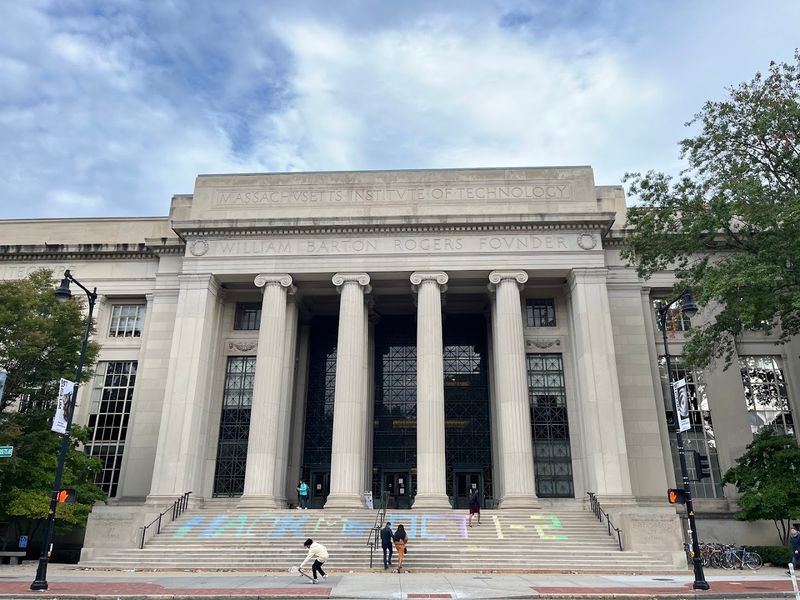
Ask any engineer or computer scientist about their dream school and MIT will almost certainly come up within the first few seconds. The Massachusetts Institute of Technology is where some of the world’s most important inventions and discoveries have been born, and its acceptance rate of under 5% reflects just how extraordinary its student body truly is.
MIT students are famous for their creativity and their sense of humor. The school has a long tradition of elaborate pranks called hacks, where students pull off wildly impressive and clever stunts around campus.
A piano once appeared on top of the Great Dome overnight. That spirit of playful ingenuity is actually part of what MIT looks for in applicants.
Beyond the fun, the academic expectations are intense. Students tackle real-world engineering and science challenges from their first semester, often collaborating with industry leaders and government agencies on projects that matter.
MIT graduates have founded companies worth trillions of dollars combined, and the school’s research output shapes everything from artificial intelligence to medical devices. Getting accepted here means you have demonstrated not just intelligence but the kind of creative, hands-on problem-solving ability that MIT was literally built to celebrate.
Columbia University – New York, New York

There is no other Ivy League campus quite like Columbia’s. Sitting in the heart of Manhattan, the university offers something none of its peer institutions can replicate: an entire world-class city as your extended classroom.
With an acceptance rate around 5%, Columbia attracts students who want rigorous academics and the electric energy of New York City at the same time.
Columbia’s Core Curriculum is one of its most distinctive features. Every undergraduate, regardless of major, takes a set of foundational courses covering literature, philosophy, art, and music.
It is intense, sometimes controversial, and deeply respected. Students regularly debate big ideas from ancient texts with classmates who come from wildly different backgrounds.
The location opens doors in ways that are hard to overstate. Finance internships on Wall Street, journalism opportunities at major media outlets, and arts experiences at world-famous museums are all accessible by subway.
Columbia alumni include a remarkable range of public figures, from Barack Obama to Jack Kerouac to Ruth Bader Ginsburg. Getting into Columbia signals that you are ready for an education that pushes you intellectually while immersing you in one of the most stimulating environments on Earth.
Duke University – Durham, North Carolina
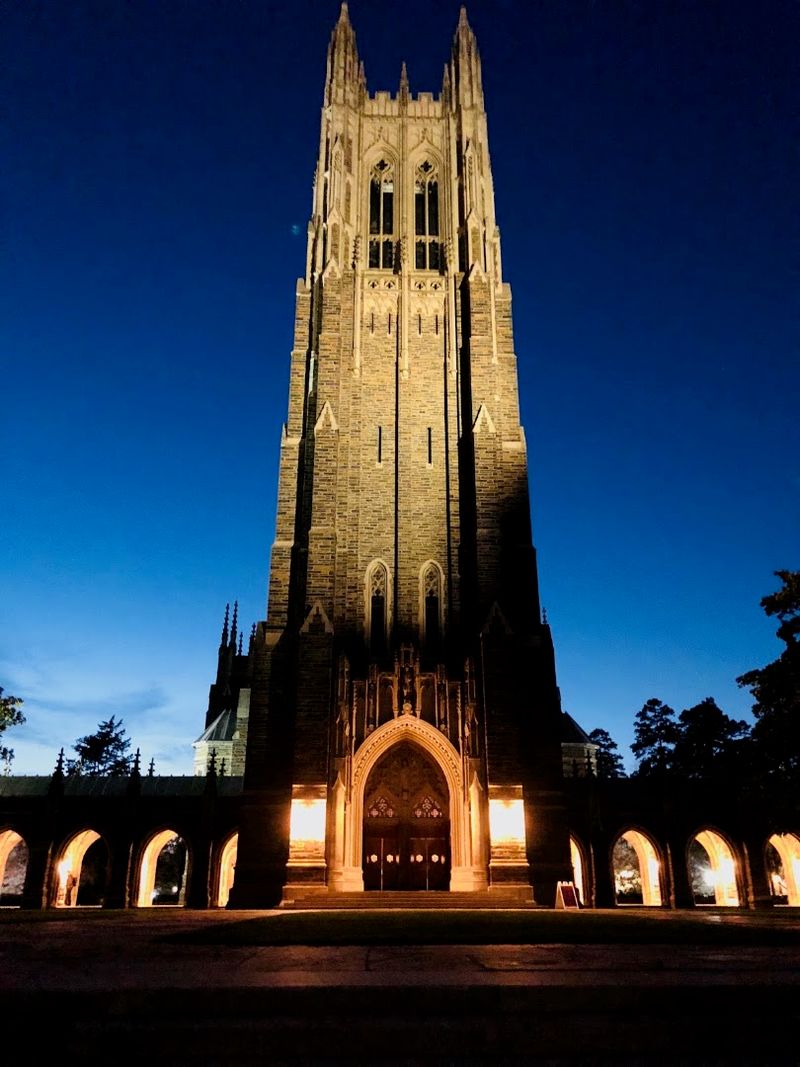
Duke Chapel rises 210 feet above the campus, and on a clear day it feels like a symbol of just how high the bar is set at this university. Duke consistently admits fewer than 5% of applicants, placing it firmly among the most selective schools in the nation, and the students who get in tend to be exceptional across multiple dimensions at once.
Duke is unusual among elite universities because it combines world-class academics with a powerhouse athletic culture. The Cameron Crazies, Duke’s legendary student fan section for basketball games, are famous nationwide.
School spirit here is not just encouraged — it is practically a tradition passed down like a family heirloom.
Academically, Duke shines in medicine, public policy, engineering, and environmental science. The school’s research hospitals and the Nicholas School of the Environment attract students with serious ambitions in health and sustainability.
Duke also has a strong focus on global engagement, with programs that send students to work and study in countries around the world. Admission here means you have impressed a committee that reviews applications from thousands of high-achieving students who also happened to be student council presidents, published researchers, or varsity athletes.
University of Chicago – Chicago, Illinois
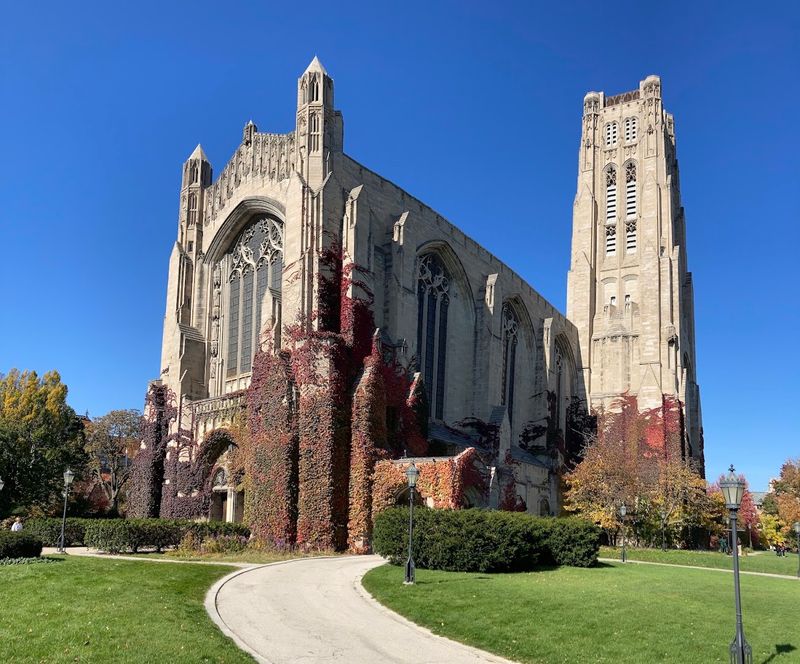
The University of Chicago has a motto that students wear like a badge of honor: “Where fun goes to die.” They say it with a grin, because the joke captures something real about a school that takes ideas more seriously than almost anywhere else on the planet. With an acceptance rate around 5%, UChicago is not just selective — it is genuinely unlike any other university in the country.
The school’s application is famous for its quirky essay prompts, which have asked applicants to write about things like the sound of silence or what can be divided by zero. These prompts are not accidents.
UChicago is actively searching for students who find joy in thinking deeply about strange and difficult questions.
The quarter system means students cover material at a faster pace than most universities, which keeps things intellectually intense year-round. The economics department alone has produced more Nobel Prize winners than most countries.
Students here debate ideas at dinner, argue philosophy between classes, and genuinely enjoy the hard stuff. If you receive an acceptance from UChicago, it means the admissions committee saw in your application a mind that would actually thrive in that gloriously demanding environment.
University of Pennsylvania – Philadelphia, Pennsylvania
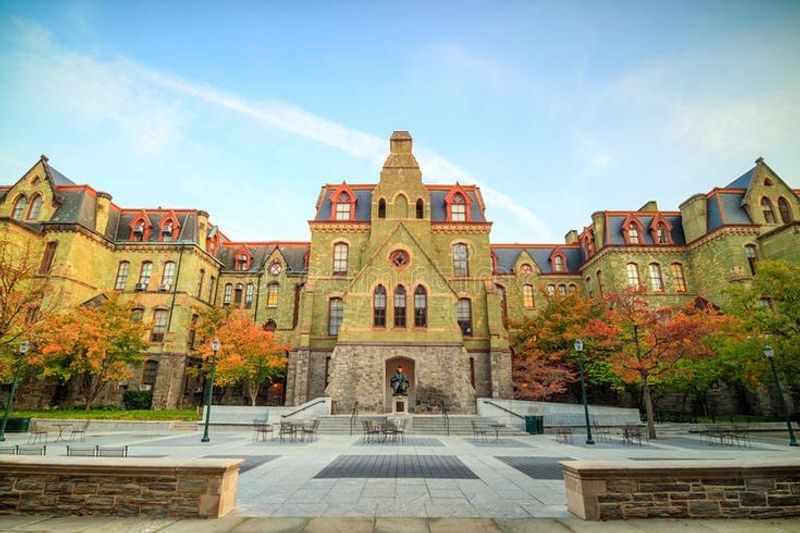
Penn is the Ivy League school with a business school that practically invented modern MBA culture. The Wharton School of Business is so well regarded that some applicants choose Penn specifically to study there, and the competition for those seats alone is ferocious.
Overall, Penn admits fewer than 6% of applicants, making it one of the most selective universities in the country across every program it offers.
What makes Penn stand out is its emphasis on combining disciplines. Students regularly dual-enroll across Penn’s four undergraduate schools, mixing business with engineering, nursing with arts, or law with computer science.
The university calls this approach coordinated dual degrees, and it produces graduates with genuinely versatile skill sets.
Philadelphia adds a layer of real-world richness to campus life. Students can access one of America’s oldest and most historically significant cities, complete with top hospitals for pre-med students, major corporations for business students, and a thriving arts scene for creatively minded scholars.
Penn alumni include Elon Musk and a long list of CEOs, politicians, and innovators. An acceptance letter from Penn is not just a golden ticket — it is confirmation that you are ready to operate at the highest levels of whatever field you choose to pursue.
Share this story