 Unearth The Voyage

Weather can be beautiful, terrifying, and unforgettable all at once. If you crave skies that crackle with energy and landscapes reshaped by wind, rain, and ice, these countries deliver front row drama. From roaring typhoons to dancing auroras, each place showcases a different face of Earth’s wild mood swings. Ready to plan smarter trips, chase storms safely, or simply marvel at nature’s power.
United States – Tornadoes, Hurricanes and Diverse Storms

Few places stack so many weather extremes in one nation as the United States. Spring brings roaring supercells across Tornado Alley, where rotating mesocyclones spin out photogenic yet dangerous tornadoes. Along the Atlantic and Gulf coasts, hurricane season loads the dice for surges, deluges, and wind damage you can feel in your bones.
Move west and you trade cyclones for desert heat, dust storms, and monsoon bursts, while the Rockies whip up blizzards that shut passes overnight. Far north, arctic outbreaks carve temperatures into the negatives, then lake effect snow buries cities in epic bands. You can drive a day and go from palm trees to flurries, shorts to snow chains.
If you love reading radar or watching anvils swell at sunset, this place is a masterclass in atmospheric variety. Travel smart and you can safely witness shelf clouds, hail shafts, and lightning spiders etching the night. Respect warnings, carry layers, and keep plans flexible because the forecast will test you.
Norway – The Northern Lights and Arctic Extremes
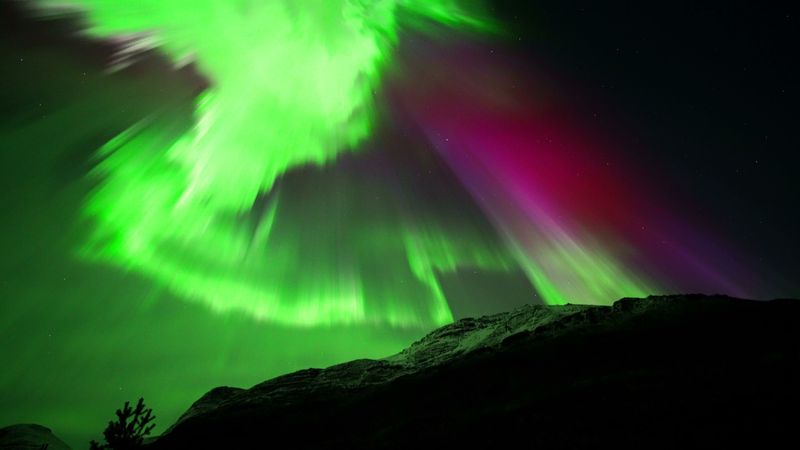
Norway rewards patience with skies that ripple green and violet when the aurora wakes. In the north around Tromso and Lofoten, long winter nights set the stage for light curtains that feel almost alive. Along the coast, storms march in with muscular winds, turning fjords into churning mirrors.
Summer flips the script with the midnight sun and relentless golden hours that never quite end. Winter then returns with a hush of blue twilight, icy roads, and sea spray freezing on jackets. You will learn to check wind warnings, ferry schedules, and avalanche bulletins like second nature.
Pack microspikes, a thermos, and a tripod, then chase clear breaks between snow squalls. When clouds rip open, the aurora can surge so fast you barely manage a focus lock. The drama here is honest and elemental, a steady rhythm of light, dark, and weather that keeps you humble.
Argentina – Tornadoes and Convective Storms in the Pampas
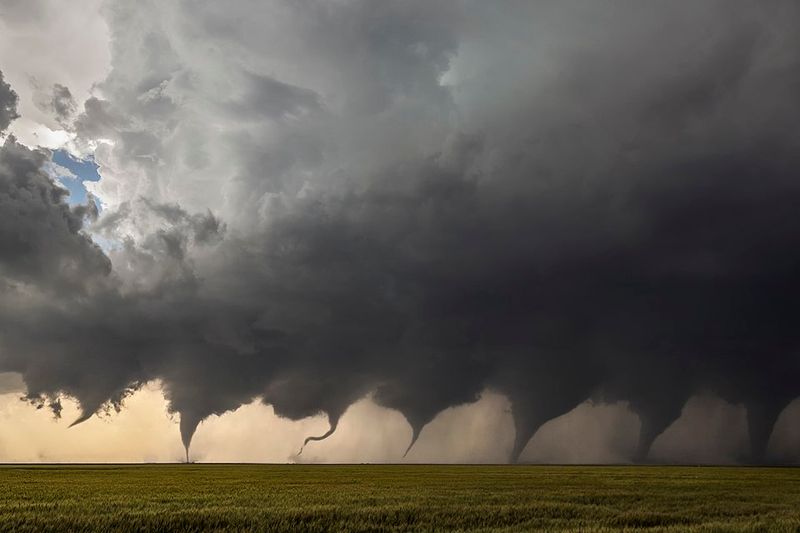
Central Argentina sits on a collision course between Andes chilled air and humid tropical feed. The Pampas ignite with towering anvils that blossom by afternoon, sculpting rotation and hail you can hear roaring. Between November and April, supercells spin up tornadoes that rival classic Great Plains setups.
Storm chasers track beaver tails and inflow tails whipping into wall clouds over open grasslands. Hail drifts pile against fence lines while lightning spiders across a bruised sky. You will watch radar hooks deepen, then feel the wind shift before the gust front hammers through.
Outside the storms, Buenos Aires can swelter under heat domes, then cool quickly after violent squall lines. If you come to witness the atmosphere flex, work with local experts, respect rural roads, and carry hail protection. The Pampas deliver pure, cinematic convection that keeps cameras clicking and hearts thumping.
Bangladesh – Tropical Cyclones and Deadly Storms
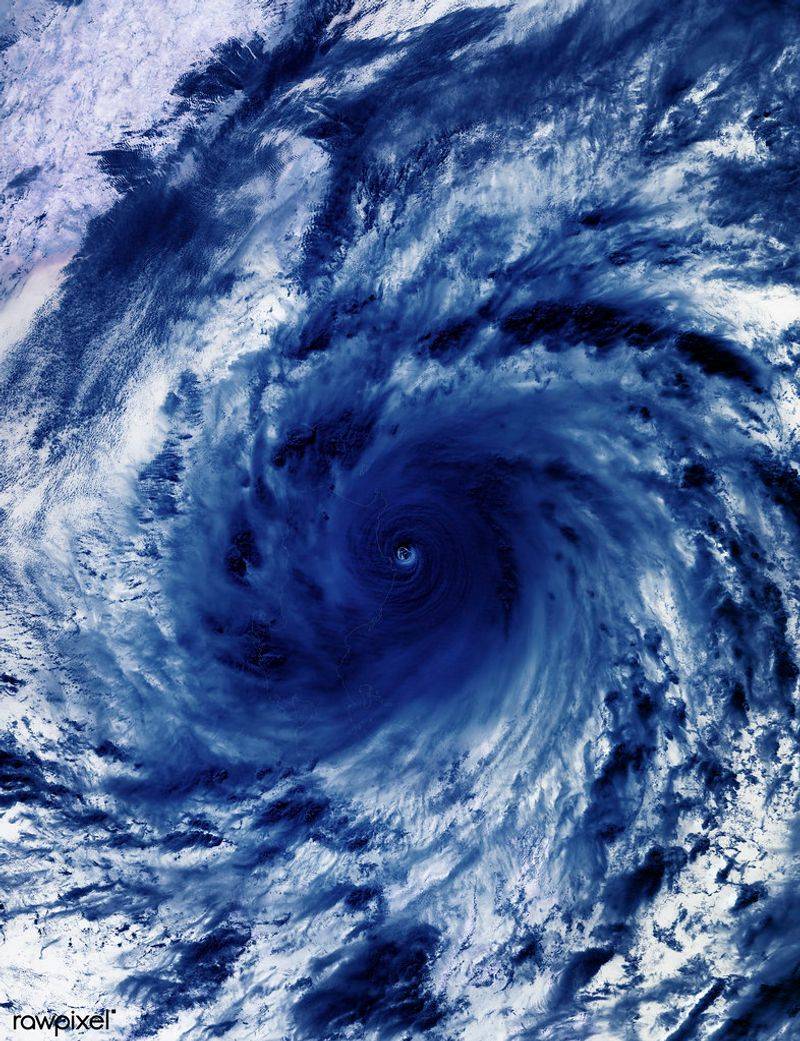
Bangladesh meets the Bay of Bengal with low lying deltas that funnel water and wind. When cyclones spin north, storm surge rides channels into villages faster than forecasts feel. Monsoon seasons add relentless rain that swells rivers, triggers landslides, and turns roads into brown torrents.
The drama here is not a thrill but a survival test, where warnings, shelters, and raised homes save lives. You feel humidity like a blanket before the pressure drops and gusts rip tin roofs. After landfall, floodwater lingers, reshaping livelihoods long after headlines fade.
Travelers should prioritize ethical timing, support local resilience groups, and respect emergency operations. If studying climate risk, this is a frontline classroom where preparation matters more than spectacle. Cyclones, surges, and monsoon floods make Bangladesh tragically famous, and a powerful reminder to value early warnings and community networks.
Canada – Northern Lights, Arctic Weather, and Vast Storm Zones
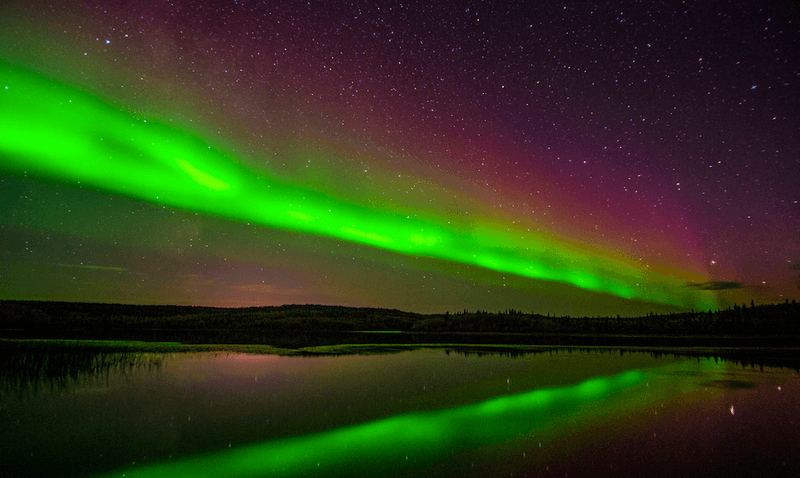
Canada stretches so far that weather behaves like a patchwork quilt. Up north, arctic air hardens breath into crystals, while skies often flash with auroras dancing above tundra. On the coasts, Pacific and Atlantic storms slam ashore with surf, rain, and wet snow that tests your layers.
Prairie provinces spark violent summer thunderstorms that roll for hundreds of kilometers, dropping hail and sheet lightning. In winter, chinooks can flip temperatures in hours, then polar highs lock everything back down. City sidewalks glaze over, forest trails groan in cold, and rivers turn to highways of ice.
If you chase spectacle, time trips for clear, cold nights away from town glow. Check space weather alerts, then watch curtains ripple like a living river. Canada’s scale means you can pivot quickly, skirting blizzards or intercepting storm fronts, always with respect for distance and cold.
Philippines – Typhoons, Monsoon Rains and Coastal Storms
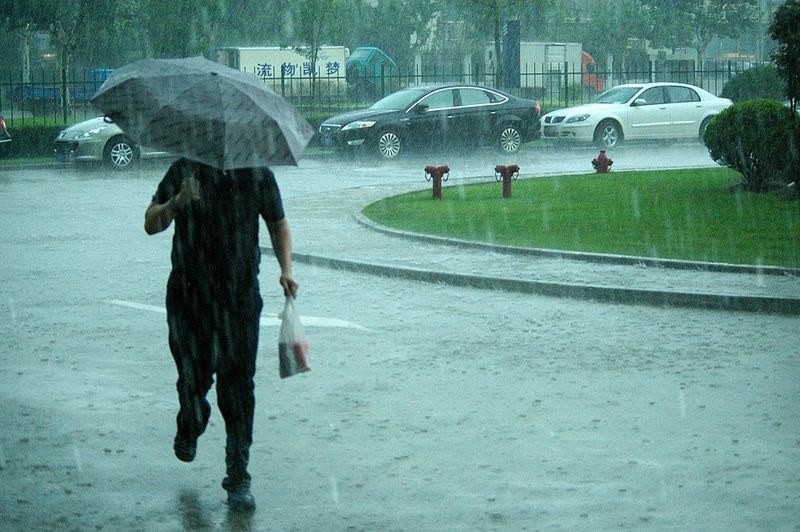
The Philippines sits squarely on a bustling typhoon corridor where warm Pacific waters fuel rapid intensification. June through November, you watch satellite swirls grow teeth, then march toward islands stitched with fishing towns. Rainbands drench hillsides, soil loosens, and rivers roar through lowland neighborhoods.
Because communities hug the coast, storm surge becomes the name you fear most. Winds shred leaves to confetti, then silence arrives with the eerie calm of an eye. Afterward, heat returns fast and humidity climbs, complicating recovery while the next system brews offshore.
If you visit, plan seasons carefully, follow PAGASA advisories, and avoid disaster tourism. Support local guides, mangrove restoration, and elevated housing that turns knowledge into safety. The country’s weather writes powerful stories, and with respect and preparation, you can witness nature’s force without adding risk.
Brazil – Tornadoes, Severe Convective Storms and Rainforest Rains
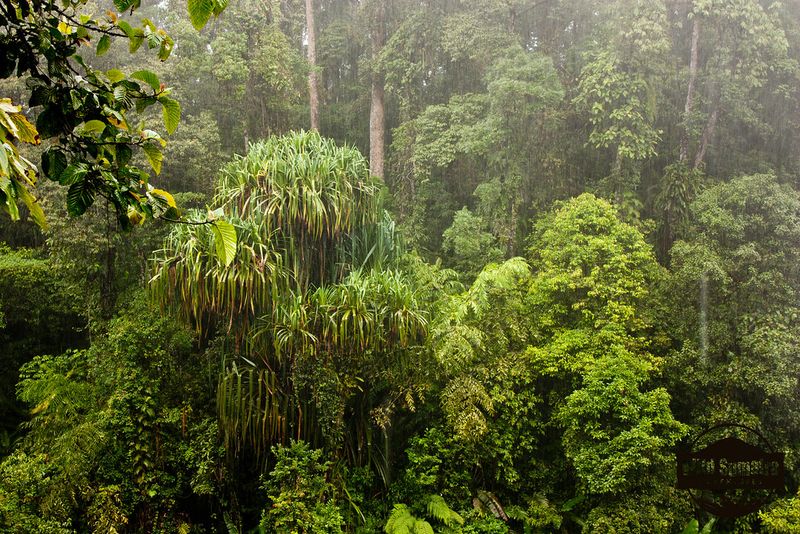
Southern Brazil surprises visitors with rotating supercells that toss hail across soybean fields. Records show hundreds of tornadoes over recent decades, proving convection is not only a Plains story. Meanwhile, the Amazon writes its own script with afternoon downpours that flip from sunlight to deluge.
On transitional days, cold fronts roll north and spark sprawling squall lines with shelf clouds like steel anvils. You feel warm inflow tug your shirt before the gust front cracks through with dust and rain curtains. City traffic stalls under flooded viaducts as lightning flickers like strobes.
Travelers can balance rainforest rhythm with storm chasing caution in the south. Mind hail risk, avoid urban underpasses in cloudbursts, and study regional radar mosaics. Brazil’s palette blends tropical humidity, frontal dynamics, and surprise rotation, crafting a weather theater that is loud, wet, and unforgettable.
Japan – Typhoons, Monsoons and Seasonal Storms
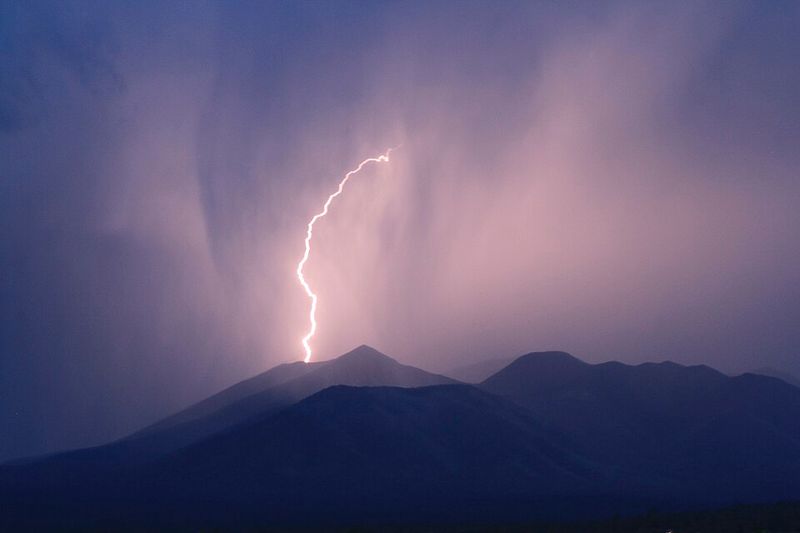
Japan’s island arc faces the open Pacific, so typhoons arrive like clockwork during warm months. Mountains squeeze rain from humid air, turning creeks into brown rockets and slopes into landslides. Coastal towns brace with shutters while bullet trains watch wind thresholds like hawks.
After landfall, humid heat lingers, then seasonal fronts sweep in and carve crisp autumn skies. Winter layers on the Sea of Japan side as cold winds harvest moisture and dump ocean-effect snow. In spring, pollen rides breezes while squalls crack awake and cherry blossoms tremble.
If you travel here, track JMA bulletins, carry a compact rain shell, and respect mountain trail closures. City drainage can be swift, but backcountry gullies are unforgiving when rates spike. Japan’s beauty pairs with volatility, inviting careful planning so you can enjoy festivals, onsens, and storm-washed clarity safely.
Iceland – Northern Lights, Arctic Storms and Volatile Weather
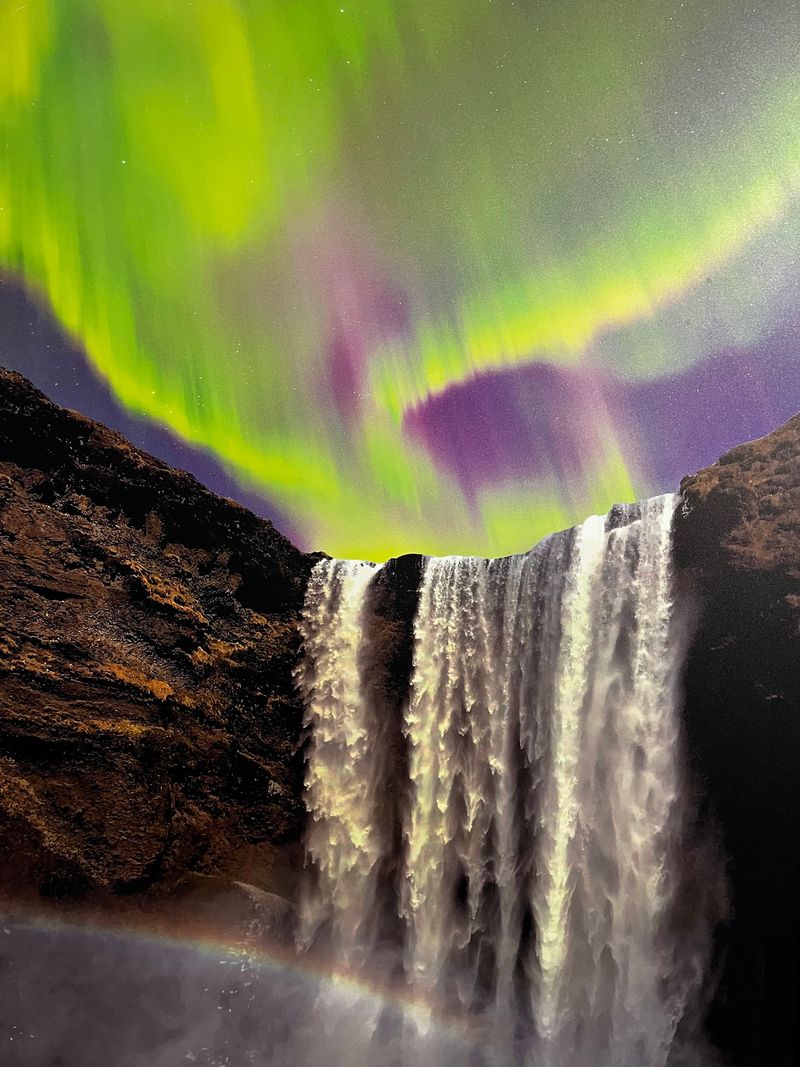
Iceland feels like the atmosphere’s workshop, where cold seas and shifting pressure fields tinker constantly. One hour brings horizontal sleet, the next a sudden sunbreak lighting black lava and fresh snow. In winter darkness, auroras glide like silk over glaciers and quiet fishing towns.
Winds can slap car doors shut, so you learn to park nose to gusts and watch road closures. Storms rope in ocean swells that thunder against basalt stacks, while inland whiteouts erase horizons. You will refresh forecasts obsessively, then pivot plans from a volcano hike to a hot spring soak.
Pack waterproof layers, microspikes, and respect for rapidly changing skies. When clouds part, the night can erupt in color so vivid it feels staged. Iceland’s drama is raw yet inviting, rewarding patience and safety with unforgettable light and sound.
Norway’s Arctic Twin: Svalbard – Polar Night, Blizzards and Aurora
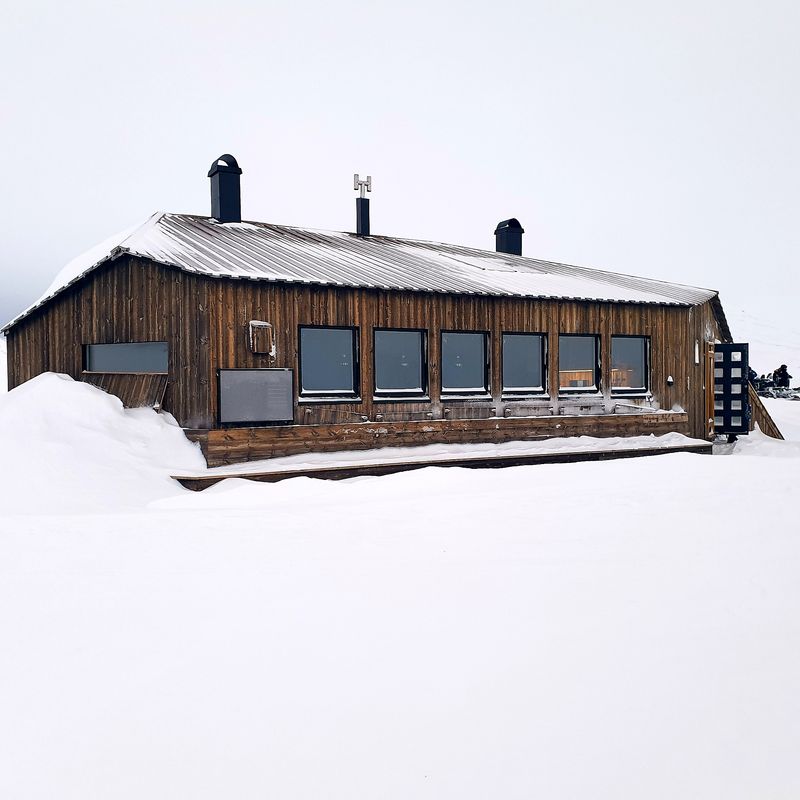
Svalbard takes Norway’s polar mood and turns the dial further right. Polar night wraps months in deep twilight while stars burn sharp enough to feel. Blizzards carve sastrugi across valleys, and katabatic winds barrel down glaciers with a low growl.
When skies clear, auroras flare over pastel houses as snow squeaks under boots in brittle cold. Wildlife protocols and polar bear safety shape even casual strolls beyond town limits. You learn to layer methodically, tape zippers, and manage battery life like a precious resource.
Travel feels expedition style, with weather windows dictating boats, planes, and snowmobiles. Respect the remoteness, follow guides, and savor the hush when wind finally drops. Svalbard distills Arctic drama into a compact stage where every sound, light, and gust feels heightened.
Caribbean and Pacific Island Nations – Frequent Hurricanes and Tropical Storms
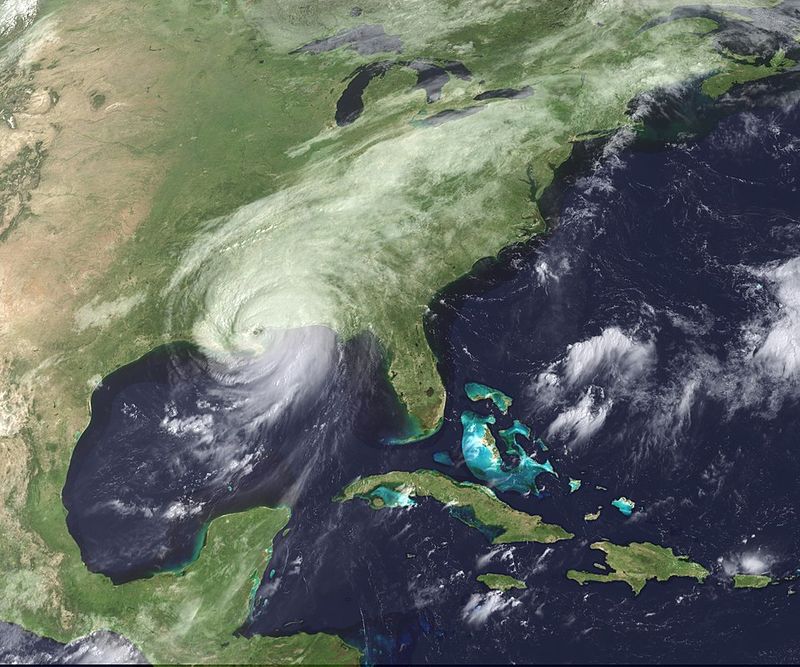
Across the Caribbean and parts of the Pacific, island nations face a conveyor belt of tropical systems. Warm seas supercharge cyclones that spin up overnight and aim tight eyewalls at low coasts. Surge slips over reefs, saltwater floods fields, and trade winds turn streets into rivers.
Because land is limited and elevations are low, exposure multiplies fast when tracks wobble. You hear shutters clatter, generators thrum, and radios tick through advisories as bands sweep ashore. After the eye, debris litters roads while humidity steeps recovery crews.
If you visit, favor off season windows with historically calmer seas, and never ignore local guidance. Support resilient building codes, mangrove buffers, and early warning systems that save lives. These islands live with the drumbeat of storms, and their preparation culture offers lessons for everyone.



