For decades, travelers flocked to France, Italy, and Spain while much of the Balkans stayed quietly off the radar. That is changing fast, and the shift is impossible to ignore.
Stunning coastlines, ancient cities, mountain wilderness, and jaw-dropping affordability are pulling visitors toward Southeast Europe in record numbers. Whether you are planning your first trip or your tenth, the Balkans are full of surprises that most travelers never expected to find.
Albania
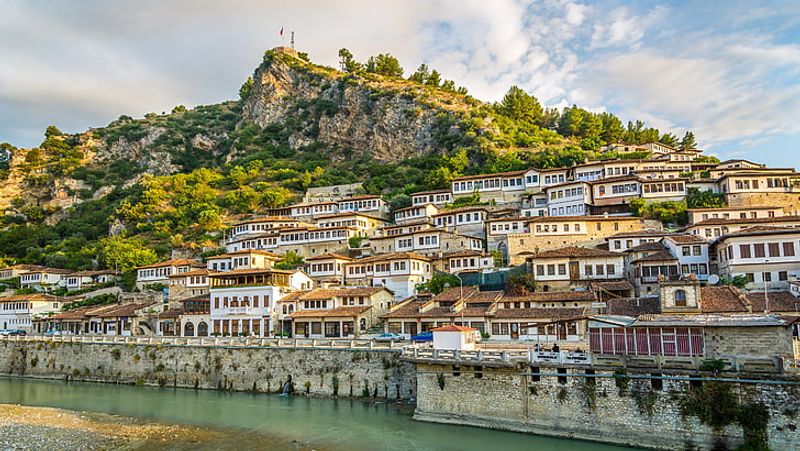
Albania might just be Europe’s best-kept secret that everyone is finally talking about. The Albanian Riviera stretches along the Ionian Sea with beaches so clear and blue they look almost too good to be real.
Locals joke that their country skipped the tourist boom for decades, and honestly, that delay worked in everyone’s favor.
Historic towns like Berat and Gjirokastër are UNESCO World Heritage Sites packed with Ottoman architecture, cobblestone streets, and hilltop castles that reward every curious visitor. Berat is nicknamed the City of a Thousand Windows, and once you see its whitewashed houses stacked up the hillside, you will understand why immediately.
Exploring these towns feels like walking through a living museum.
Budget travelers love Albania because their money goes remarkably far here. A filling meal at a local restaurant often costs just a few euros, and accommodation options range from charming guesthouses to boutique hotels at very reasonable prices.
Albania rewards the adventurous traveler who is willing to explore beyond the obvious tourist trail.
Croatia
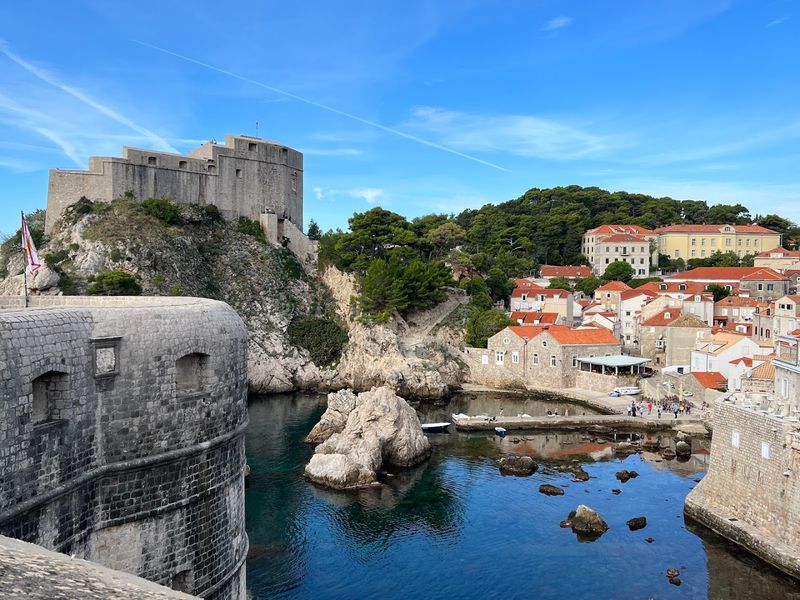
Croatia has a way of making first-time visitors feel like they have stumbled onto a movie set. Dubrovnik’s massive medieval walls wrap around a perfectly preserved old town that glows amber at sunset, drawing visitors from every corner of the globe.
The city earned international fame as a filming location, but its real magic needs no Hollywood script.
Beyond Dubrovnik, Croatia’s Dalmatian islands offer some of the Mediterranean’s most enjoyable island-hopping experiences. Hvar buzzes with energy and lavender fields, while Korcula moves at a slower, more relaxed pace that feels like a genuine escape from modern life.
Ferries connect the islands easily, making multi-island trips completely manageable even for first-time visitors.
Croatia recorded more than 20 million visitors in 2024, a number that reflects both its growing global profile and the sheer variety it offers travelers. Plitvice Lakes National Park adds another dimension entirely, with its cascading turquoise waterfalls and wooden boardwalk trails.
Croatia keeps rewarding visitors no matter how many times they return, always revealing something new around the next corner.
Montenegro
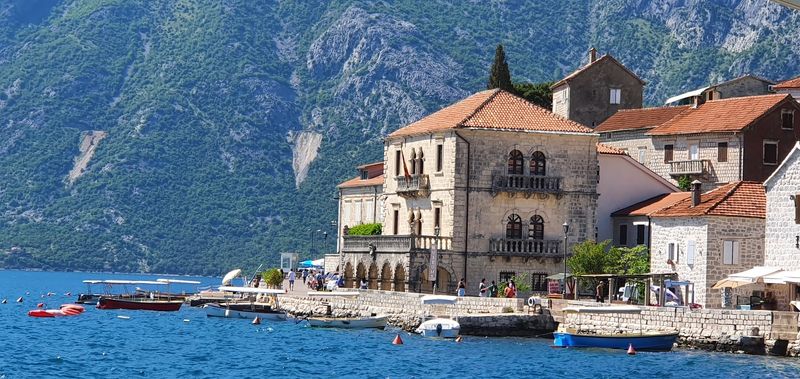
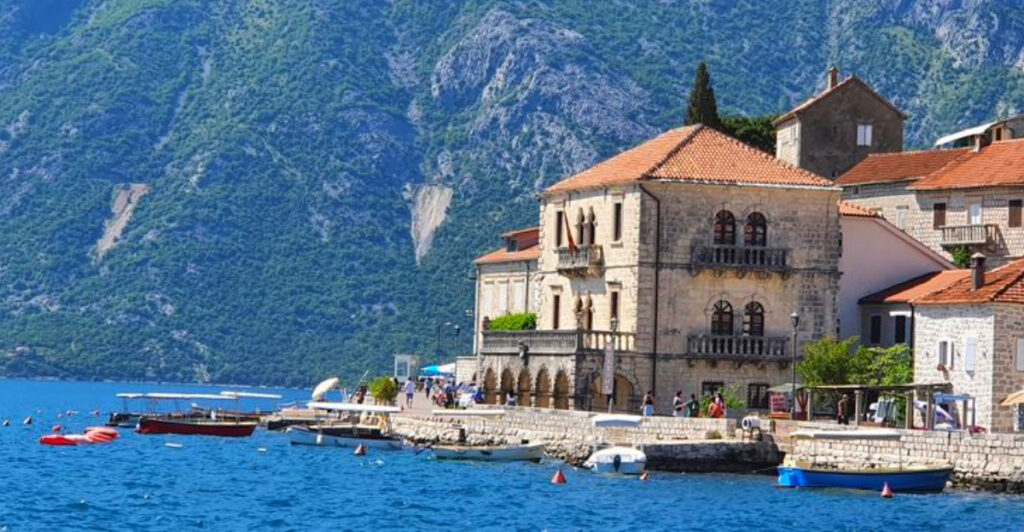
Tiny Montenegro somehow manages to fit an entire continent worth of scenery into a country roughly the size of Connecticut. The Bay of Kotor is one of Europe’s most dramatic natural harbors, ringed by steep limestone mountains that drop almost straight into the water.
Standing in Kotor’s old town and looking up at those peaks feels genuinely humbling.
Travelers who want beaches will find Adriatic coastline that competes comfortably with more famous Mediterranean rivals. Budva’s sandy shores attract sun-seekers all summer, while quieter spots like Sveti Stefan offer picture-perfect scenery without overwhelming crowds.
The variety packed into such a compact country is what makes Montenegro so satisfying to explore.
Mountain lovers should not overlook Durmitor National Park, a UNESCO-listed wilderness where glacial lakes shimmer between ancient peaks and the Tara River carves Europe’s deepest canyon. Rafting the Tara is one of the most thrilling outdoor experiences anywhere in Southeast Europe.
Montenegro’s combination of coast, mountains, and medieval history at genuinely affordable prices makes it one of the Balkans’ most compelling destinations for any type of traveler.
Bosnia and Herzegovina
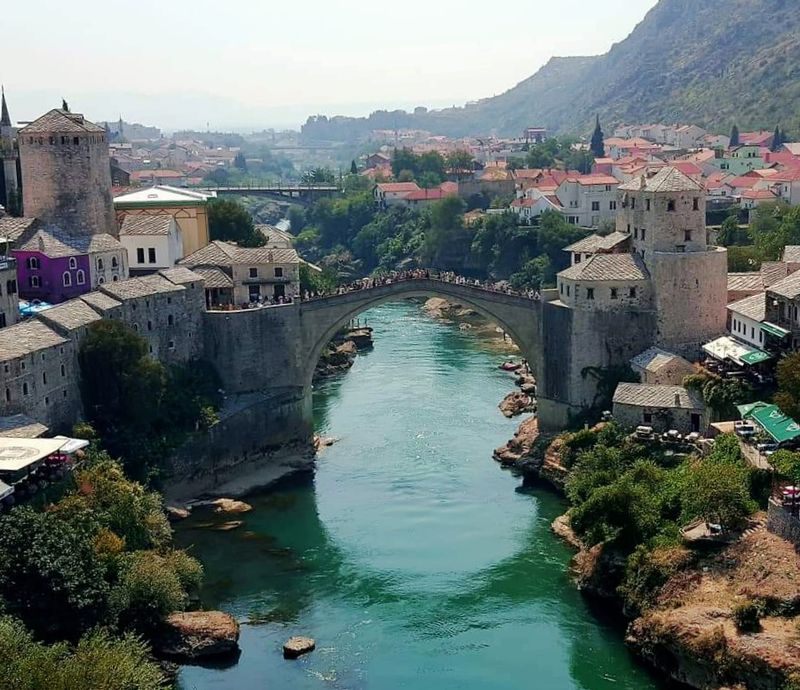
Mostar’s Old Bridge arching over the emerald Neretva River is the kind of image that stops people mid-scroll and makes them immediately start searching for flights. Built by Ottoman architects in the 16th century and painstakingly reconstructed after the 1990s war, Stari Most carries both breathtaking beauty and profound historical weight.
Watching local divers leap from its stone railing into the river below is a genuinely unforgettable moment.
Sarajevo tells an even more layered story. The city sits at the crossroads of Eastern and Western civilization, where Catholic churches, Orthodox cathedrals, mosques, and synagogues stand within walking distance of each other.
Few cities in Europe pack that kind of cultural density into such a compact and walkable area.
Outside the cities, Bosnia and Herzegovina reveals spectacular mountain scenery that remains largely unknown to international visitors. Sutjeska National Park protects one of Europe’s last primeval forests, and the Kravice waterfalls offer a lush natural paradise that feels worlds away from any tourist crowd.
Prices throughout the country remain among the lowest in Europe, making every experience here feel like exceptional value for curious, open-minded travelers.
North Macedonia
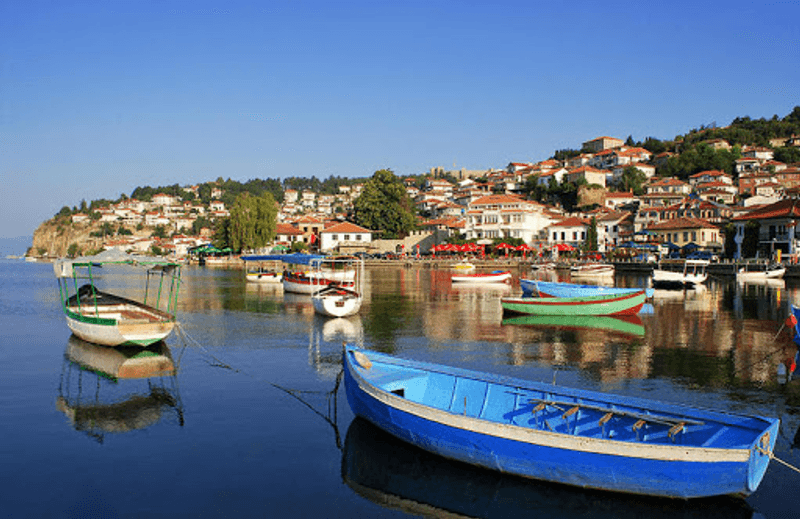
Lake Ohrid has been around for approximately three million years, making it one of the oldest lakes on the planet, and it looks every bit as ancient and magnificent as that suggests. The lake’s water is so clear in places that you can see the bottom from a boat, and the surrounding landscape shifts between rolling hills, vineyards, and medieval churches perched dramatically on clifftops.
UNESCO recognized both the lake and the city of Ohrid as a combined natural and cultural World Heritage Site.
The city of Ohrid itself is a charming open-air museum where Byzantine churches, Roman amphitheaters, and Ottoman bazaars coexist in cheerful proximity. Wandering through its old town on a warm evening, stopping for grilled trout and local wine, is one of the Balkans’ most pleasurable experiences.
The hospitality here feels warm and genuine rather than polished or rehearsed.
North Macedonia also offers excellent value compared to almost any Western European alternative. Skopje, the capital, has a quirky and ambitious character shaped by its eclectic mix of Ottoman bazaars, brutalist architecture, and exuberant neoclassical monuments.
Travelers who appreciate history, scenery, and a destination that feels genuinely off the beaten path will find North Macedonia deeply rewarding.
Serbia
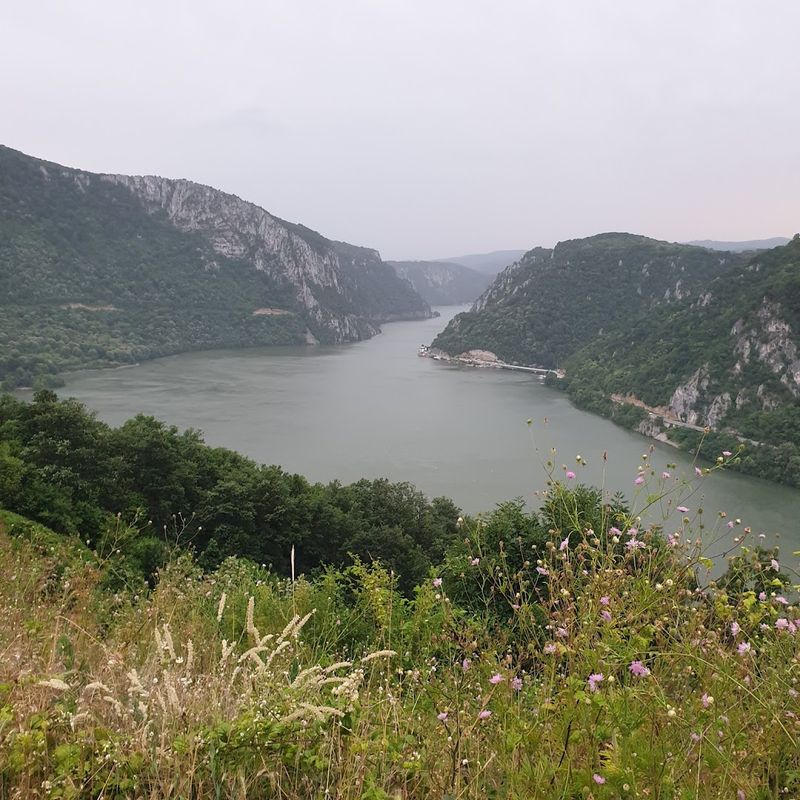
Belgrade does not whisper. Europe’s most underrated capital announces itself with relentless energy, a nightlife scene that regularly tops global rankings, and a cafe culture so deeply ingrained that locals treat sitting and talking as a serious sport.
The city’s famous floating clubs, called splavovi, line the Sava and Danube rivers, pumping music until well past sunrise on weekends.
Away from the urban buzz, Serbia’s countryside reveals a completely different personality. Tara National Park in western Serbia is a landscape of dense forests, canyon viewpoints, and crisp mountain air that feels restorative after any amount of city time.
The Uvac River canyon, with its dramatic horseshoe bends visible from above, is one of the most photogenic natural sites in the entire Balkans region.
Serbia also functions as an excellent hub for multi-country Balkan road trips, positioned centrally enough to connect easily with neighboring countries. History runs deep here too, from ancient Roman sites at Felix Romuliana to the medieval monasteries of Studenica and Sopocani, both UNESCO World Heritage Sites.
Travelers who skip Serbia are missing one of the region’s most genuinely complex and rewarding destinations.
Slovenia
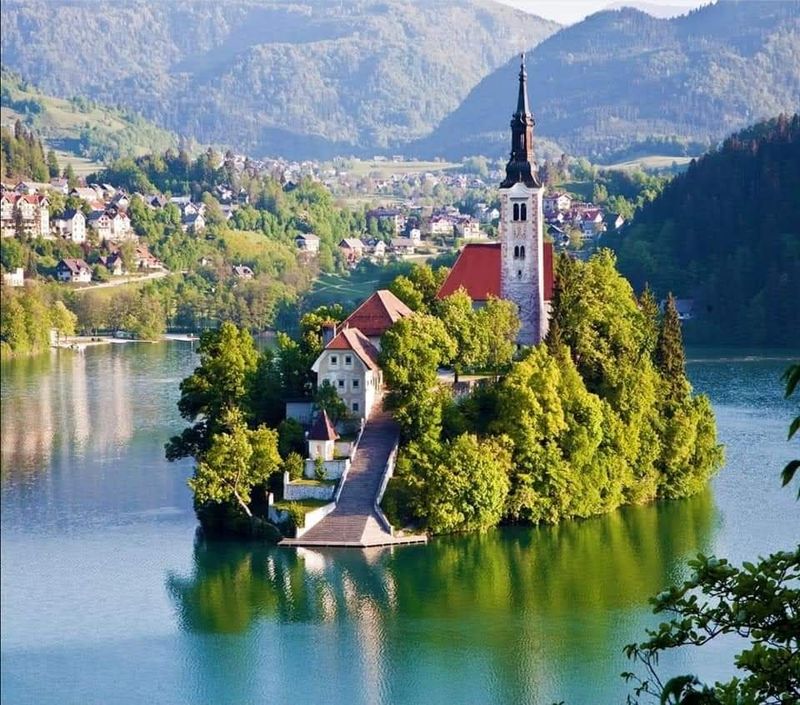
Lake Bled looks so impossibly perfect that first-time visitors often assume the photos must be edited. The reality is even better.
A medieval castle perches on a sheer cliff above the lake while a tiny island with a baroque church sits at the center of water so still it mirrors the surrounding Alps perfectly on calm mornings. Slovenia’s star attraction delivers on every expectation.
Ljubljana, Slovenia’s compact and walkable capital, charms visitors with its pastel-colored buildings, dragon bridges, and an old town that feels genuinely lived-in rather than purely preserved for tourism. The city has a strong sustainability ethos, earning recognition as a European Green Capital, which adds a modern layer of appeal to its historical beauty.
Cycling along the riverfront on a sunny afternoon is one of the most pleasant urban experiences in Europe.
Slovenia punches well above its size when it comes to outdoor adventure options. Triglav National Park offers world-class hiking, the Soča River runs an extraordinary shade of turquoise that photographers chase from around the world, and Postojna Cave ranks among Europe’s most spectacular underground landscapes.
For travelers who want natural beauty, cultural richness, and thoughtful tourism, Slovenia consistently delivers the full package.
Bulgaria
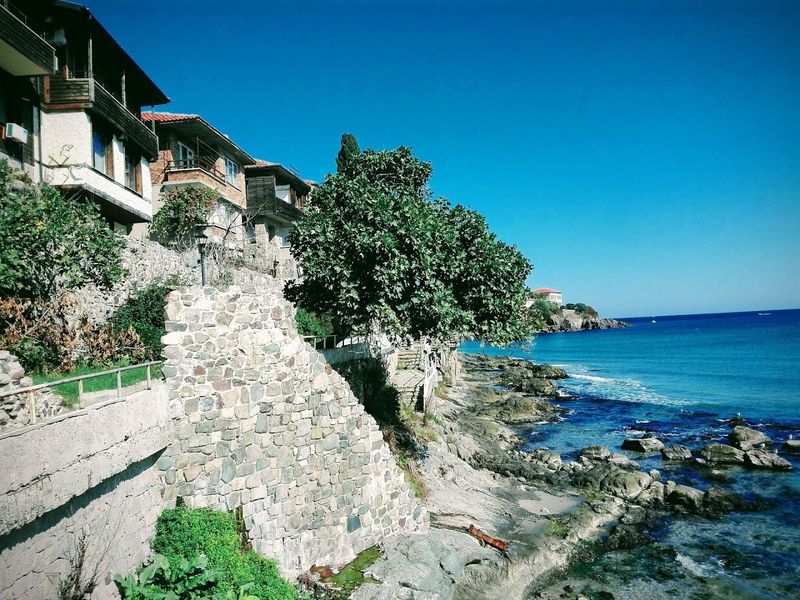
Bulgaria rewards travelers who do their homework with an almost embarrassing amount of variety for the price. The Black Sea coast offers long sandy beaches and lively resort towns for summer sun-seekers, while the interior reveals a completely different country of ancient monasteries, rose valleys, and rugged mountain ranges.
Few European destinations manage such genuine geographic range.
Rila Monastery is Bulgaria’s most iconic landmark, a UNESCO World Heritage Site tucked into a forested mountain valley and decorated with vivid frescoes that have survived for centuries. The drive up through pine forests to reach it builds anticipation beautifully, and the monastery’s painted archways deliver an arrival moment that genuinely takes your breath away.
Visiting on a weekday morning, before tour groups arrive, is strongly recommended.
Sofia surprises most visitors who expect a gloomy post-communist capital and instead find a lively, affordable city with excellent coffee shops, Roman ruins visible beneath glass floors in the metro, and a thriving arts scene. The Vitosha mountain rises directly behind the city, making it possible to hike through pine forests and be back in a city center restaurant for dinner.
Bulgaria consistently ranks among Europe’s best value travel destinations.
Kosovo
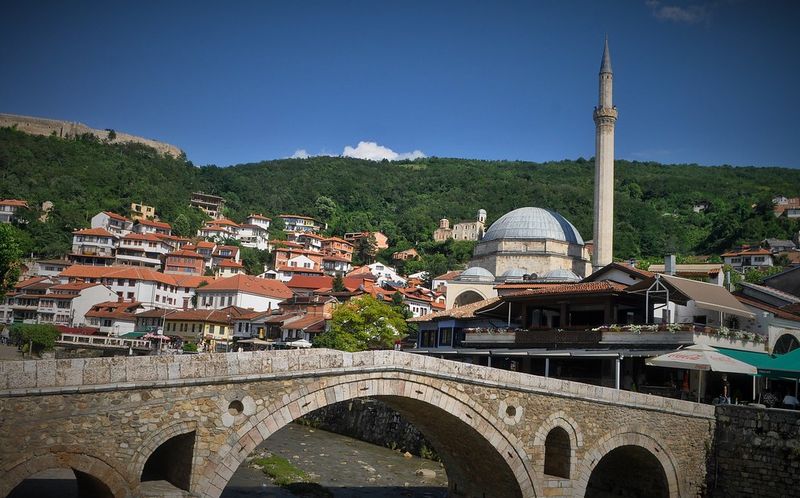
Kosovo carries the distinction of being Europe’s youngest country, having declared independence in 2008, and it wears that youthful energy visibly on its streets. Pristina, the capital, buzzes with cafes, street art, and a population that skews remarkably young, giving the city a forward-looking atmosphere that feels genuinely different from anywhere else in the region.
The Bill Clinton statue standing on a central boulevard remains one of the Balkans’ most unexpected photo opportunities.
Prizren steals the show for most visitors, however. The city’s Ottoman-era stone bridge, its hilltop fortress, and its mix of mosques and historic churches create a skyline that looks like it was designed specifically to be painted.
Wandering through the old bazaar on a warm evening, with the smell of grilled meats drifting through the air, is one of the most atmospheric experiences available anywhere in Southeast Europe.
Kosovo’s mountains offer serious hiking territory that remains almost entirely undiscovered by international tourism. The Rugova Canyon near Peja is spectacular, and the Accursed Mountains along the Albanian border draw trekkers seeking genuine wilderness.
Tourist infrastructure is improving steadily, making now an ideal time to experience Kosovo before it becomes widely discovered.
Greece
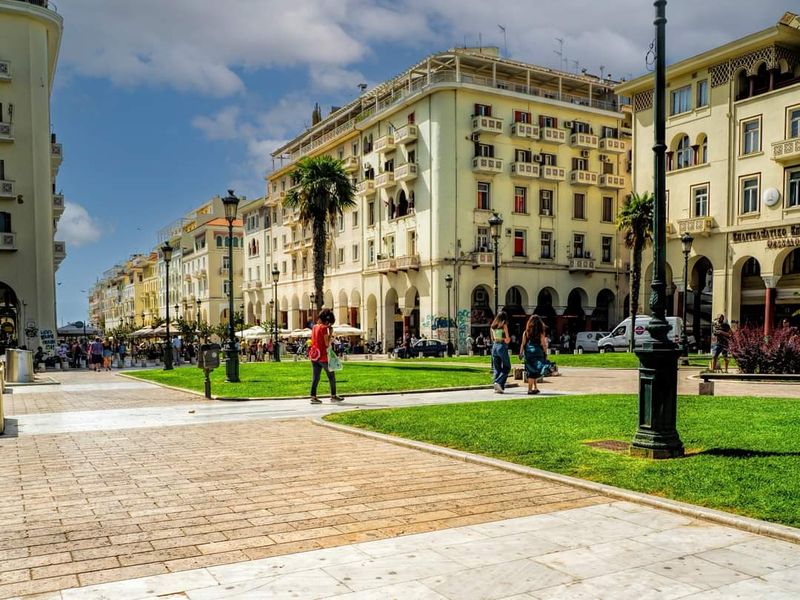
Most people think of Greece and immediately picture white-washed Cycladic villages and turquoise Aegean water, which is completely fair because those images are accurate and spectacular. What often gets overlooked is northern Greece, a region that connects deeply with the broader Balkan world through its landscapes, monasteries, and mountain culture.
Epirus and Greek Macedonia offer a completely different side of a country most travelers think they already know.
The Zagori region in Epirus is genuinely one of Europe’s most beautiful and least-visited mountain areas. Stone villages connected by ancient arched bridges sit above the Vikos Gorge, which holds the Guinness record for deepest gorge relative to its width.
Hiking through this landscape feels like stepping into a world that the modern era somehow missed entirely.
The Meteora monasteries, perched on towering rock pillars in Thessaly, represent one of the most extraordinary religious and architectural sites anywhere on Earth. Watching the sun rise over those gravity-defying structures is an experience that stays with travelers for years.
Northern Greece rounds out any Balkan itinerary with depth, drama, and cultural richness that makes the entire region feel like a complete and deeply satisfying story.
Share this story