Across much of the world, adults are quietly putting down their glasses and choosing healthier habits instead. Public health campaigns, higher taxes on alcohol, and a wave of wellness-focused younger generations are reshaping how countries drink.
The result? Some nations have seen dramatic drops in how much alcohol adults consume per year.
From Eastern Europe to Scandinavia, these shifts are making a real difference in public health.
Belgium
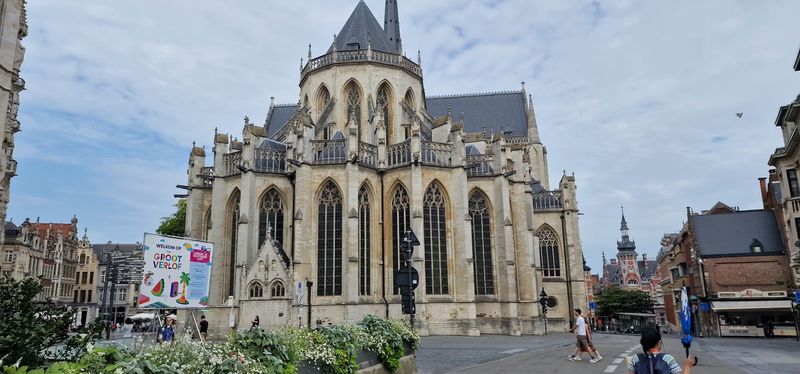
Belgium is famous for its beer culture, so a significant drop in alcohol consumption here is genuinely surprising news. Between 2013 and 2023, adult alcohol consumption fell by more than 2.5 litres of pure alcohol per person.
That is one of the steepest declines recorded among all OECD member countries.
Health awareness campaigns played a big role in nudging Belgians toward moderation. Government-backed messaging encouraged people to think about how much they were drinking and why.
Alcohol-free beer options also boomed in popularity, giving people a way to enjoy the social ritual of drinking without the alcohol.
Younger Belgians have been especially willing to change. Studies show that adults under 35 are drinking far less than previous generations did at the same age.
Craft sodas, mocktails, and wellness trends have made sobriety feel cool rather than awkward. Belgium proves that even the most beer-proud nations can shift their habits when the right conditions come together.
The country still loves its Trappist ales, but balance is clearly becoming the new national attitude.
Lithuania
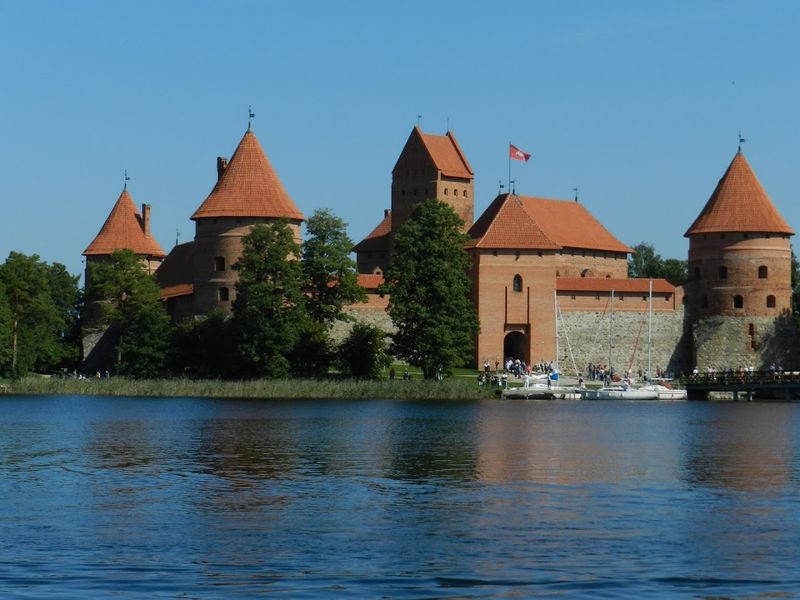
Lithuania once had one of the highest alcohol consumption rates in the entire world, so what happened next is remarkable. Over the past decade, the country pulled off one of the most dramatic turnarounds in drinking habits ever recorded.
Consumption dropped by more than 2.5 litres of pure alcohol per adult between 2013 and 2023.
The government did not leave this to chance. Strict policy changes came fast and hard: higher alcohol taxes, tighter restrictions on where and when alcohol could be sold, and a near-total ban on alcohol advertising.
These moves were controversial at first but proved highly effective over time.
Public health organizations worked alongside the government to shift cultural attitudes. Drinking heavily had long been normalized in Lithuanian social life, especially among men.
Campaigns targeted that norm directly, framing sobriety and moderation as signs of strength rather than weakness. The results speak for themselves.
Lithuania is now held up internationally as a model for how bold policy changes can reverse even deeply ingrained drinking cultures. Other countries have quietly started borrowing from Lithuania’s playbook, hoping to achieve similar results.
China

China is not an OECD member, but it is included as a key partner country, and its alcohol data tells a fascinating story. Since 2013, adult alcohol consumption has fallen noticeably across the country, driven by a younger generation that simply does not drink the way their parents did.
Demographic shifts have played a huge role here. China’s population is aging, and older adults tend to drink less over time.
Meanwhile, health-conscious young urban professionals are choosing green tea, bubble tea, and sparkling water over baijiu, the traditional strong spirit that once dominated social gatherings.
Anti-corruption campaigns launched by the Chinese government also had an unexpected side effect. Business banquets, which used to involve heavy drinking as a sign of respect and deal-making, became far less common.
Alcohol consumption that was once tied to professional culture quietly disappeared from many workplaces. Add in a booming wellness industry and a flood of non-alcoholic drink options flooding the Chinese market, and the direction of travel becomes clear.
China’s relationship with alcohol is genuinely shifting, and the numbers confirm it.
Ireland
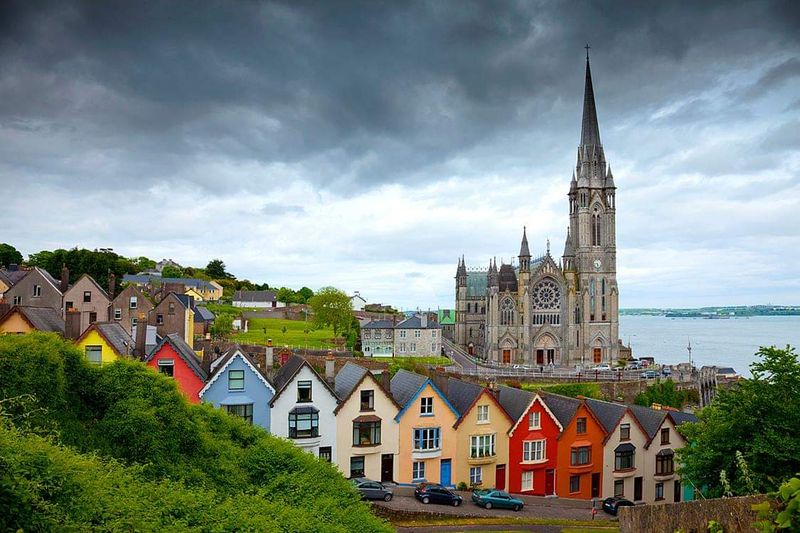
Ireland and drinking have shared a long, complicated history, which makes the country’s recent trend all the more striking. Over the past two decades, Irish adults have been steadily consuming less alcohol, and the decline has continued right through the 2010s and into the 2020s.
Younger Irish generations are leading the charge. Adults in their twenties and thirties are far more likely to take extended breaks from alcohol, try sober months like Dry January, or simply opt for alcohol-free alternatives at the pub.
The social pressure to drink that once defined Irish nightlife has loosened considerably.
Alcohol-free beers and spirits have exploded onto the Irish market, giving people more options than ever before. Brands like Heineken 0.0 and a wave of craft non-alcoholic options now line pub shelves that once only held full-strength drinks.
The Irish government has also pushed through the Public Health Alcohol Act, which introduced minimum unit pricing and tighter advertising rules. Pubs are adapting too, investing in quality mocktail menus to keep customers coming in without the alcohol.
Ireland is rewriting its relationship with drinking, one sober pint at a time.
Finland
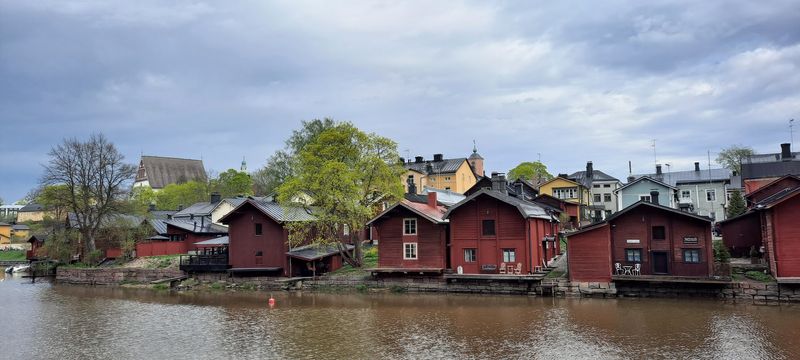
Finland’s sauna culture is legendary, but here is something less talked about: the country’s alcohol consumption has dropped to its lowest point in decades. Fewer Finnish adults are drinking regularly, and those who do drink are consuming smaller amounts than before.
Public health campaigns have been running steadily for years, slowly shifting attitudes toward alcohol. Finnish health authorities have been especially effective at reaching younger adults, who now see heavy drinking as an outdated habit rather than a social norm.
University students, once famous for hard-partying traditions, are increasingly choosing alcohol-free events.
Government policy has backed up the messaging. Alcohol taxes remain relatively high in Finland, making heavy drinking an expensive choice.
The state-run alcohol retail system, known as Alko, limits where and how alcohol can be purchased, reducing impulse buying. Interestingly, Finland has also seen a cultural rise in coffee culture and non-alcoholic socializing, with stylish alcohol-free bars opening in Helsinki and other cities.
The Finnish wellness movement, with its emphasis on nature, mental health, and physical fitness, has made moderation feel like a natural lifestyle choice. Fewer hangovers, more lakeside mornings.
Finns seem to have figured something out.
Estonia
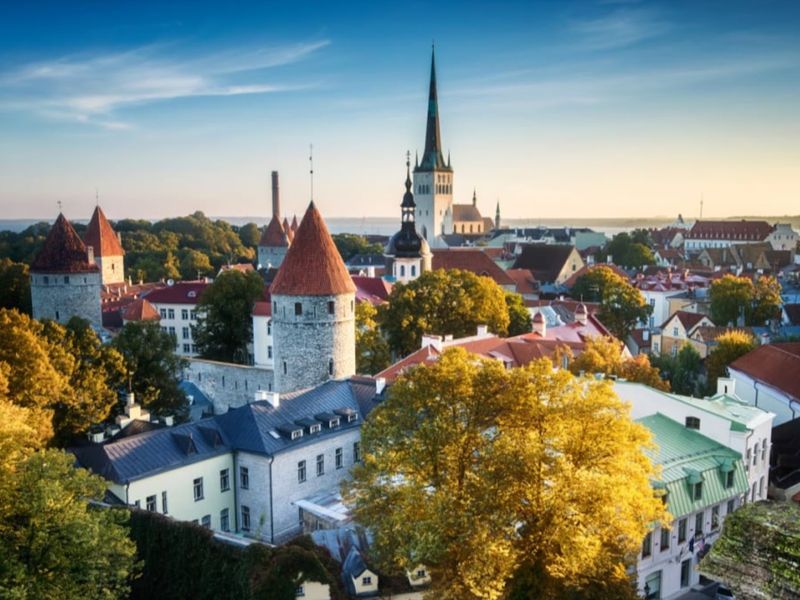
Estonia’s success in cutting alcohol consumption is the kind of story that public health experts genuinely get excited about. The OECD has recognized the country as one of Europe’s standout examples of how smart policy can change a nation’s drinking habits at scale.
Higher excise taxes on alcohol were the first major tool Estonia used. When prices go up significantly, people buy less.
That simple economic truth played out exactly as predicted. Alcohol sales dropped, and so did consumption figures.
The government kept raising taxes consistently over several years rather than making one dramatic jump and stopping there.
Tighter regulations followed. Restrictions on where alcohol could be advertised, limits on sales near schools and playgrounds, and reduced hours for alcohol retail all added up.
Public health campaigns ran alongside these measures, giving people context and motivation to change their behavior. Estonia also benefited from a broader cultural shift happening across the Baltic states, where sobriety and healthy living gained social cachet among younger adults.
The country still has work to do, but the progress made over the past decade is substantial and measurable. Estonia shows that persistence and layered policy really do work.
Russia
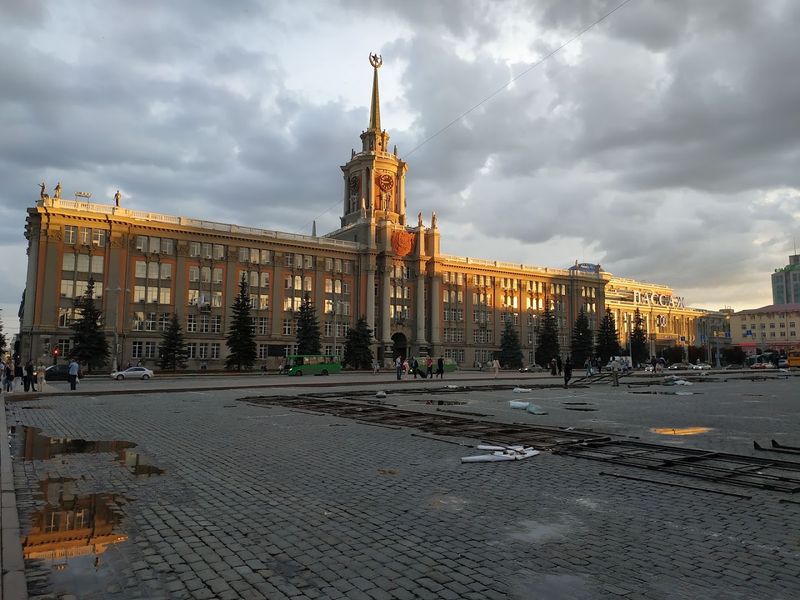
Russia’s history with alcohol is well documented and not always flattering, but the past decade has brought a genuine and significant reversal. The country has recorded one of the largest long-term declines in alcohol consumption of any nation in the world.
That is not a small achievement.
Government action was central to the change. Starting in the early 2010s, Russian authorities introduced a wave of restrictions targeting harmful drinking.
Alcohol sales at night were banned in most regions. Prices went up sharply through higher taxes.
Advertising for alcohol was heavily restricted, and beer was reclassified legally as an alcoholic drink, ending a loophole that had kept it widely available.
The results were measurable and meaningful. Life expectancy in Russia, which had long been dragged down by alcohol-related deaths, began to rise.
Alcohol-related crime and accidents declined. Public health officials pointed to these numbers as proof that the policies were working.
Cultural attitudes also began to shift, especially among younger Russians who grew up in a more health-aware environment. Drinking heavily is no longer seen as the default social activity it once was.
Russia still has challenges ahead, but the downward trend in consumption represents real progress.
Romania
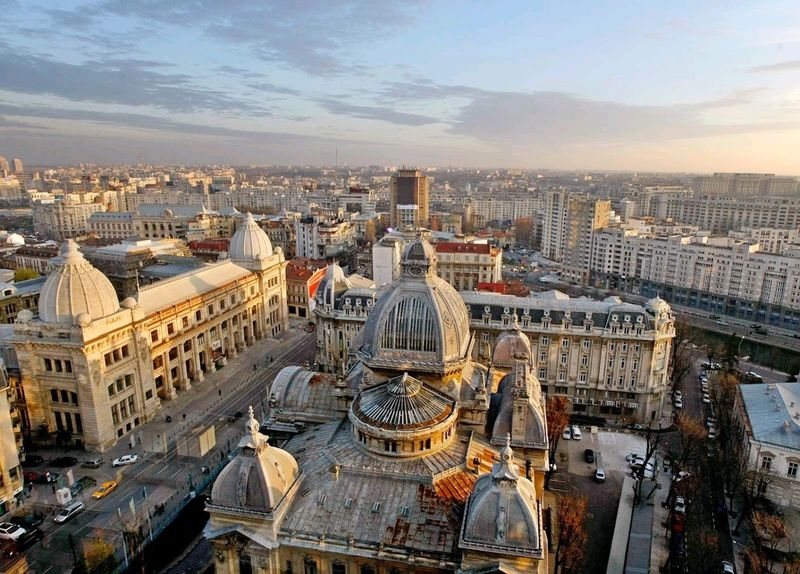
Romania might not be the first country that comes to mind when discussing alcohol policy success stories, but the data shows a real and notable decline in adult consumption over recent years. Changing consumer behavior and stronger public health policies have both contributed to the shift.
Romanian adults, particularly in urban areas, have been gravitating toward healthier lifestyle choices. Gyms, wellness centers, and health food stores have multiplied in cities like Bucharest and Cluj-Napoca.
This broader cultural movement toward physical fitness and mindful living has naturally reduced alcohol’s role in daily social life.
The government has strengthened regulations around alcohol advertising and sales, particularly measures aimed at reducing access for young people. Enforcement of existing laws has also improved, making it harder for underage individuals to purchase alcohol.
Rural areas, where traditional home-brewed spirits called tuica have long been part of the culture, remain a tougher nut to crack. But even there, younger generations are showing less interest in heavy drinking than their grandparents did.
Romania’s decline may be quieter than Lithuania’s or Estonia’s, but it is consistent and points in a promising direction for public health outcomes across the country.
Sweden
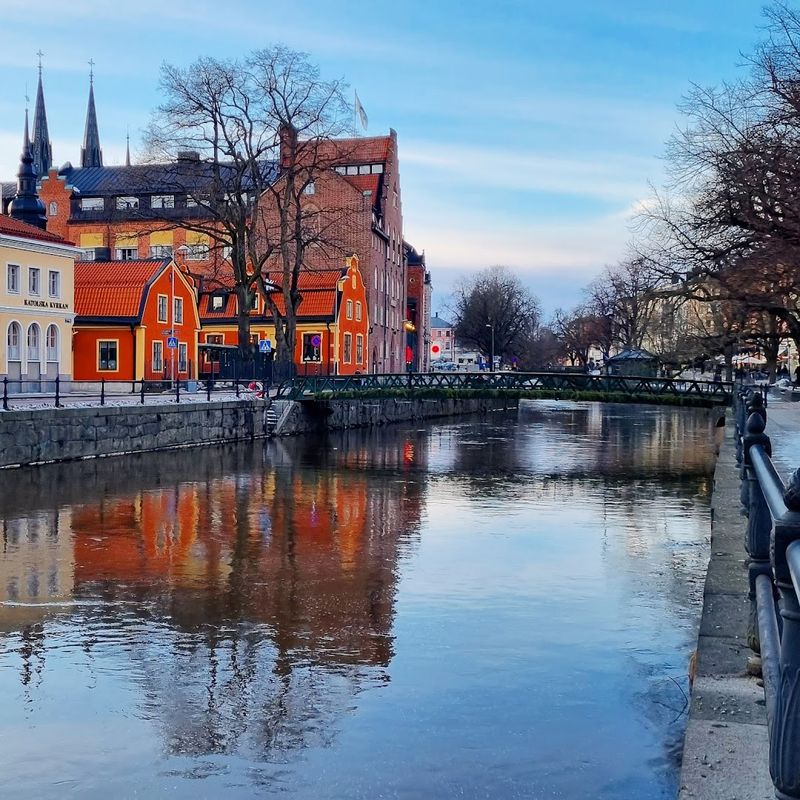
Sweden has long kept alcohol at arm’s length through policy, and the results show up clearly in the data. Consumption has been on a gradual but steady decline, shaped by decades of consistent government control and a population increasingly drawn to sober lifestyles.
The Swedish alcohol retail monopoly, Systembolaget, controls almost all off-premise alcohol sales in the country. Stores have limited hours, no self-service browsing for strong spirits, and staff trained to encourage responsible purchasing.
This model has kept impulsive alcohol buying to a minimum for generations. It is unusual by global standards, but it clearly works.
Younger Swedes are also driving the cultural side of the shift. The sober curious movement has taken hold strongly in Swedish cities, with alcohol-free bars, sober raves, and dry social clubs becoming genuinely popular.
Health apps, fitness culture, and mental wellness trends have all reinforced the idea that drinking less is a smart personal choice. Swedish workplaces have also moved away from alcohol-centered corporate events, replacing them with activities that everyone can enjoy.
The combination of structural policy and organic cultural change has made Sweden a consistent leader in low alcohol consumption among European nations.
Norway
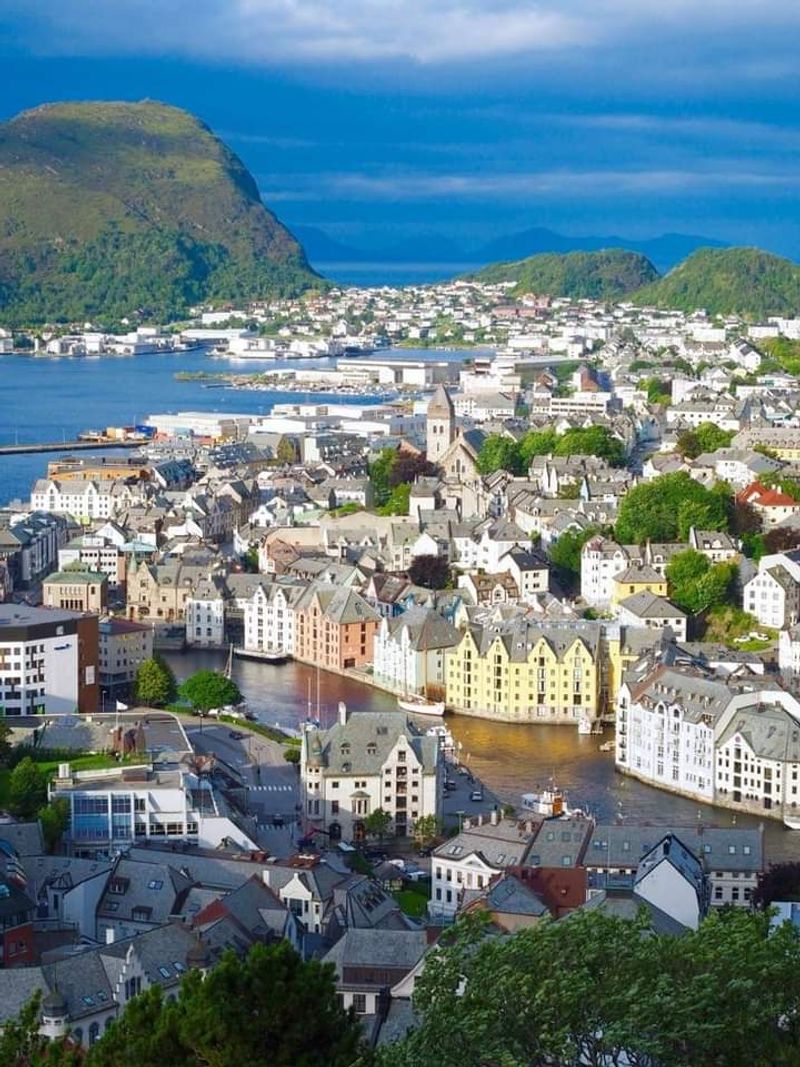
Norway quietly holds one of the lowest alcohol consumption rates in all of Europe, and recent data show that number keeps edging even lower. High prices, strict retail controls, and a population that genuinely values outdoor, active living all push in the same direction.
Alcohol in Norway is expensive. Very expensive.
A beer at a bar in Oslo can cost the equivalent of several US dollars, and off-premise alcohol is only available through the state-run Vinmonopolet stores, which have restricted hours and no Sunday sales. These barriers are intentional and effective.
When alcohol is less convenient and more costly, people simply buy and drink less of it.
Norwegian social culture has also evolved. Hiking, skiing, cycling, and other outdoor pursuits are central to national identity, and they pair naturally with healthy habits rather than heavy drinking.
Younger Norwegians are particularly enthusiastic about fitness and wellness, often treating their bodies as something worth protecting. Schools emphasize alcohol education early, and public health campaigns reinforce the message throughout adulthood.
Norway is not a country that moralizes loudly about drinking, but its combination of smart policy and active culture makes moderation feel completely natural. The fjords, it turns out, are their own kind of therapy.
Share this story