Most countries around the world depend on other nations to help fill their plates, but a rare few can grow, raise, and catch almost everything their people need. These countries have the right mix of fertile land, good weather, smart farming, and enough space to feed themselves without relying too much on others.
From South America’s vast grasslands to Southeast Asia’s rice paddies, food independence looks different depending on where you are. Here are ten countries that come remarkably close to feeding themselves entirely on their own.
Guyana
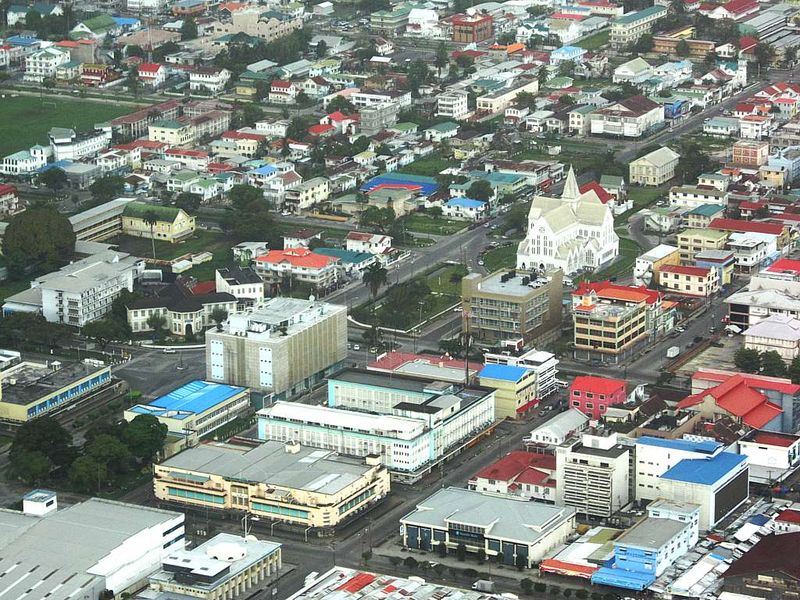
Scientists who study global food systems say Guyana might be the single most food self-sufficient country on the planet. That is a bold claim, but the data backs it up.
Researchers analyzing seven major food groups found Guyana capable of meeting domestic demand in every single one through local production alone.
The secret lies in its geography. Guyana’s coastal lowlands are incredibly fertile, and the country has more freshwater resources per person than almost anywhere else on Earth.
Rice, sugar, fish, and livestock thrive here with relatively little effort.
With a small population of fewer than 800,000 people spread across a large and resource-rich land, the numbers work strongly in Guyana’s favor. Farmers do not need to produce at industrial scale to satisfy national demand.
The country also exports rice and sugar, meaning it grows more than enough to go around.
Guyana rarely makes headlines in food news, but perhaps it should. Its combination of natural abundance and low population pressure creates a food security situation that wealthier and larger nations genuinely envy.
For a country this self-reliant, the future of its dinner table looks remarkably secure.
Vietnam
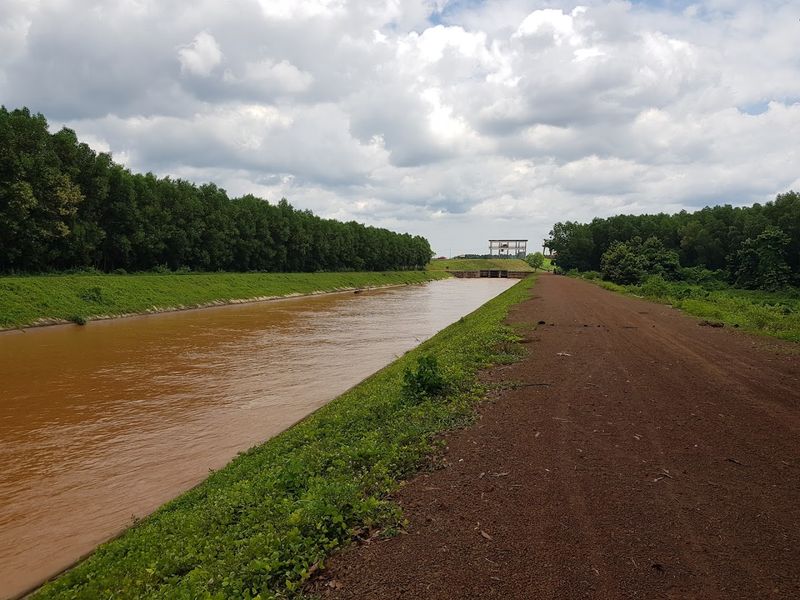
Vietnam smells like food. Walk through any market from Hanoi to Ho Chi Minh City and you will find piles of fresh vegetables, live fish, tropical fruit, and cuts of meat that were all grown or raised within the country.
This is not a coincidence. Vietnam has spent decades building one of Asia’s most productive agricultural systems.
Rice is the backbone of it all. Vietnam is consistently one of the world’s top rice exporters, which means it grows far more than its 97 million people can eat.
But rice is just the beginning. Aquaculture farms produce shrimp, catfish, and tilapia in enormous quantities.
Fruit orchards cover the Mekong Delta. Chicken, pork, and beef production keeps pace with domestic demand across most regions.
The country’s long coastline also gives it access to rich fishing grounds, adding seafood to a diet that is already impressively varied and locally sourced. Vietnam covers nearly every major food category through its own production.
What makes this especially impressive is that Vietnam achieved this while simultaneously becoming a major food exporter. Feeding yourself and the world at the same time takes serious agricultural muscle, and Vietnam has clearly built plenty of it.
China

Feeding 1.4 billion people from your own soil sounds nearly impossible, yet China comes remarkably close to pulling it off. The sheer scale of Chinese agriculture is hard to wrap your head around.
China grows more wheat, rice, pork, vegetables, and fruit than any other country on Earth, and most of it stays right at home.
The government has made food self-sufficiency a national priority for decades. Policies protecting farmland, subsidizing farmers, and investing in agricultural technology have kept domestic production high even as the population grew and urbanized rapidly.
China officially aims to produce at least 95 percent of its own grain supply, and it largely succeeds.
Pork is China’s most consumed meat, and Chinese farms raise more pigs than every other country combined. Vegetables, rice, wheat, and cooking oils are all produced domestically at massive scale.
Dairy is the one category where China still leans noticeably on imports, particularly for powdered milk and cheese.
Given how many mouths there are to feed, China’s food independence is genuinely remarkable. A few gaps remain, but no country of its size has come closer to feeding its entire population from its own fields, farms, and fisheries.
Australia
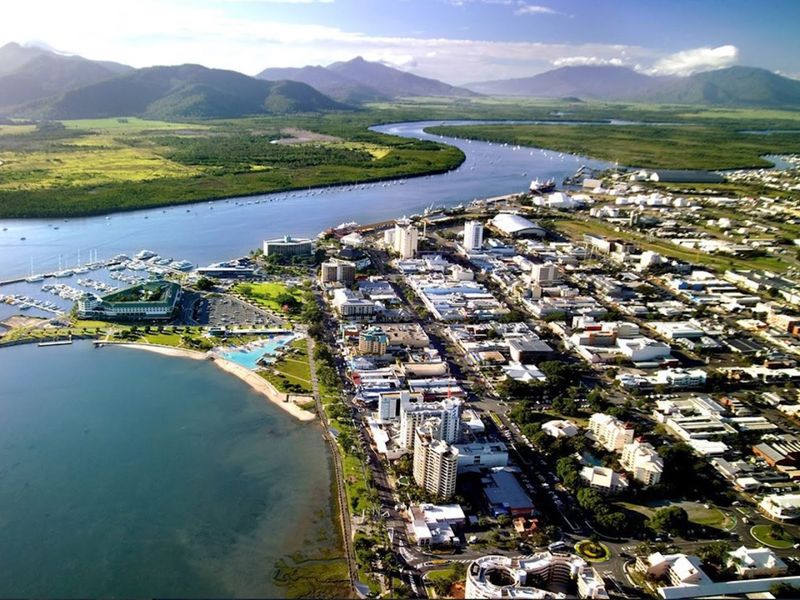
Australia is basically a giant farm with a few cities attached. That might sound like an oversimplification, but the numbers tell a similar story.
The country produces roughly 93 percent of its own food supply and exports enormous quantities of beef, wheat, wool, dairy, wine, and seafood to the rest of the world.
The land area is extraordinary. Australia covers nearly 7.7 million square kilometers, yet only about 26 million people live there.
That ratio of land to population gives Australian farmers room to operate at a scale that most countries can only dream about. Cattle stations in Queensland are larger than some European countries.
Grain production in Western Australia and South Australia feeds both domestic consumers and overseas markets. The dairy industry in Victoria is a major export engine.
Lamb and beef from across the country are shipped to Asia, the Middle East, and beyond. Even seafood production from Australian waters adds meaningfully to the national food supply.
Droughts and extreme weather events do occasionally stress the system, and climate change poses real long-term challenges to some agricultural regions. Still, Australia’s combination of productive land and small population keeps it firmly among the world’s most food-independent nations year after year.
New Zealand
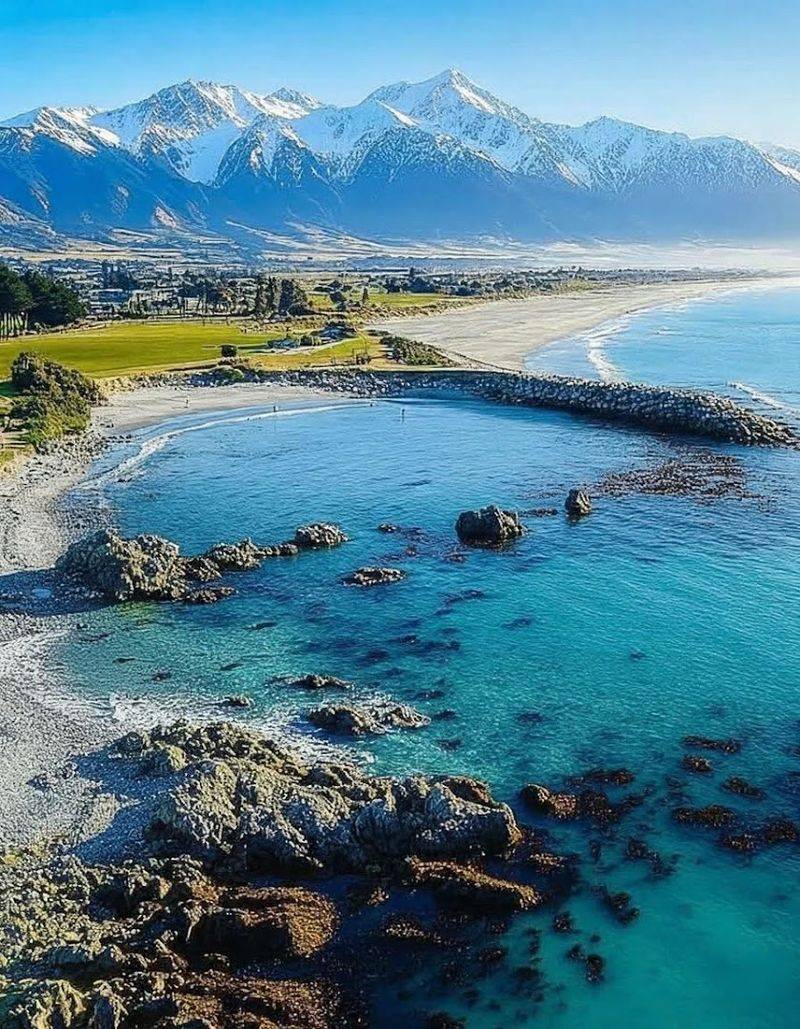
New Zealand produces enough food to feed approximately 40 million people, yet only 5 million people actually live there. That gap between production and population is what makes this small island nation one of the most food-self-sufficient places on the planet.
The leftovers, so to speak, go to the world.
Dairy is where New Zealand truly shines. The country’s green, rain-fed pastures allow cows to graze outdoors for most of the year, keeping production costs low and quality high.
Fonterra, New Zealand’s massive dairy cooperative, is one of the largest dairy exporters on Earth. Cheese, butter, and milk powder from New Zealand show up in supermarkets from China to the United Kingdom.
Sheep farming has deep roots in the country’s identity. Lamb and mutton exports have been a cornerstone of the economy for well over a century.
Kiwifruit, apples, and wine round out an agricultural portfolio that covers nearly every major food category a population could need.
New Zealand also benefits from clean water, a mild climate, and biosecurity measures that protect its agricultural sector from pests and diseases that plague other farming nations. All of that adds up to a food system that is efficient, productive, and impressively self-reliant.
Argentina
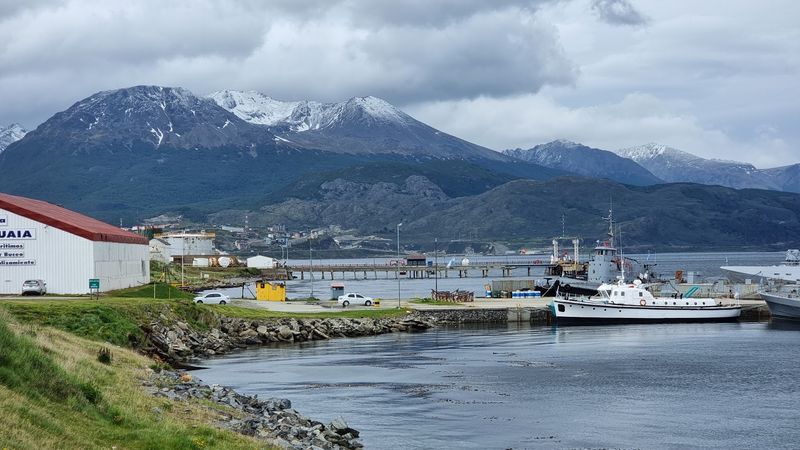
Argentina’s Pampas region is one of the most naturally gifted agricultural zones on Earth. Stretching across hundreds of thousands of square kilometers, this flat, fertile grassland produces beef, wheat, corn, and soybeans in quantities that dwarf what Argentina’s 46 million people could ever eat on their own.
Argentinians are famously passionate about their beef. Per capita beef consumption there ranks among the highest in the world, and the country still has plenty left over to export.
Argentine steak has a global reputation built on the quality of grass-fed cattle raised on those open Pampas plains.
Beyond beef, Argentina is one of the world’s top soybean producers, a major wheat exporter, and a significant supplier of sunflower oil, corn, and wine. The agricultural sector is so productive that food exports make up a huge share of the national economy.
In good years, Argentina feeds far more than just itself.
Economic instability has sometimes made it harder to invest in and maintain agricultural infrastructure, but the land itself remains extraordinarily productive. Argentina’s natural advantages are so strong that even in difficult times, the country continues to grow more food than it consumes.
That kind of built-in buffer is something few nations can claim.
Brazil
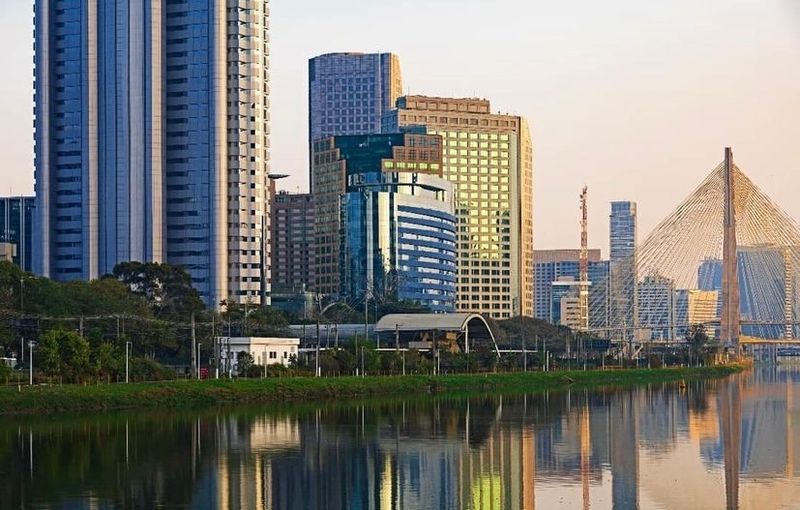
Brazil is an agricultural giant hiding in plain sight. Most people think of it as a country of rainforests and carnivals, but it is also one of the most productive farming nations on Earth.
Brazil is the world’s largest exporter of soybeans, beef, chicken, sugar, and coffee. Feeding its own population of over 215 million is almost a side project by comparison.
The country’s enormous size gives it an incredible variety of climates and growing conditions. The tropical north supports fruit production and sugarcane.
The vast Cerrado savanna in the interior has been transformed into one of the world’s most productive agricultural zones over the past few decades. The south grows soybeans, corn, and raises livestock at scale.
Brazil’s chicken industry is worth paying attention to. The country exports more chicken meat than any other nation, yet domestic consumption is also enormous.
Pork, rice, beans, and tropical fruits are all produced locally in quantities that satisfy Brazilian demand without needing significant imports.
Food insecurity does exist within Brazil, largely due to economic inequality rather than a lack of production. The country grows more than enough food to feed everyone within its borders.
Distributing that abundance fairly remains the bigger challenge, but in raw production terms, Brazil is in an extraordinary position.
Canada

Stand in the middle of Saskatchewan in late summer and you will see wheat stretching to every horizon. Canada’s Prairie provinces produce so much grain that the country is consistently one of the world’s top exporters of wheat, canola, barley, and pulses.
Feeding 40 million Canadians from that output barely makes a dent.
Canada’s ratio of farmland to population is one of the most favorable anywhere. Approximately 64 million hectares of agricultural land serve a relatively modest national population, leaving enormous room for surplus production.
The dairy industry, protected by supply management policies, ensures that Canadians have reliable access to domestic milk, cheese, and butter.
Beef production in Alberta and Saskatchewan is significant both in scale and quality. Canadian beef is exported to the United States, Japan, and beyond.
Pork production in Manitoba and Quebec adds to a meat supply that comfortably meets national demand. Fresh and processed fruits and vegetables come from British Columbia and Ontario, rounding out the domestic food picture.
Canada does import tropical fruits and some specialty products it cannot grow in its northern climate, but for staple foods, the country is in excellent shape. Few nations have as much agricultural capacity per person, and that cushion gives Canada a level of food security that is the envy of many.
France

France takes its food seriously. Anyone who has visited a French market knows the pride locals take in where their cheese, bread, wine, and vegetables come from.
That pride is backed by serious agricultural muscle. France is the European Union’s largest agricultural producer and one of the most food-self-sufficient nations on the continent.
Grain production in regions like Beauce and Champagne keeps France well supplied with wheat for its legendary bread and pastries. The dairy sector, anchored in Normandy and Brittany, produces milk, butter, cream, and hundreds of varieties of cheese that supply both domestic tables and export markets.
Livestock farming covers beef, pork, and poultry across multiple regions.
Wine, of course, is in a category of its own. French vineyards cover more than 750,000 hectares, producing wine for domestic enjoyment and global export in quantities that have defined the industry for centuries.
Fruits, vegetables, and sugar beets round out a remarkably complete agricultural picture.
France does import some food products, particularly tropical goods and certain specialty items, but for the core of its diet, the country relies almost entirely on domestic production. Its combination of fertile land, diverse growing regions, and strong farming culture keeps France at the top of Europe’s food independence rankings without much competition.
Thailand

Thailand feeds itself and then keeps going. The country is one of the world’s top exporters of rice, rubber, sugar, cassava, and seafood, yet it manages to keep its own population of 72 million well-fed across nearly every major food category.
That kind of dual achievement takes a seriously well-organized agricultural system.
Rice has been central to Thai life for thousands of years. Jasmine rice from the northeast is considered among the finest varieties in the world, and Thai farmers produce it in quantities that supply both domestic kitchens and export markets across Asia, Europe, and the Americas.
Food and rice are practically synonymous in Thai culture.
The country’s long coastlines and extensive river systems support a thriving fishing and aquaculture industry. Shrimp, tilapia, and various seafood species are farmed and caught in large volumes.
Tropical fruits including mangoes, durians, and pineapples grow abundantly across the country’s warm southern regions, adding variety and nutrition to the national diet.
Pork, chicken, and duck farming fill out the protein supply, while vegetables and herbs are grown in smallholder plots throughout the country. Thailand’s agricultural diversity is its greatest strength.
No single crop dominates to the point where a bad season could threaten food security across the board. That balance is exactly what food independence looks like in practice.
Share this story