Most people dream of visiting Paris, Bali, or New York, but some of the world’s most incredible destinations barely show up on anyone’s radar. Tucked away behind more famous neighbors or simply missing from mainstream travel guides, these countries offer stunning landscapes, fascinating cultures, and experiences you won’t find in crowded tourist hotspots.
Skipping the tourist traps and heading somewhere unexpected might just be the best travel decision you ever make.
Albania
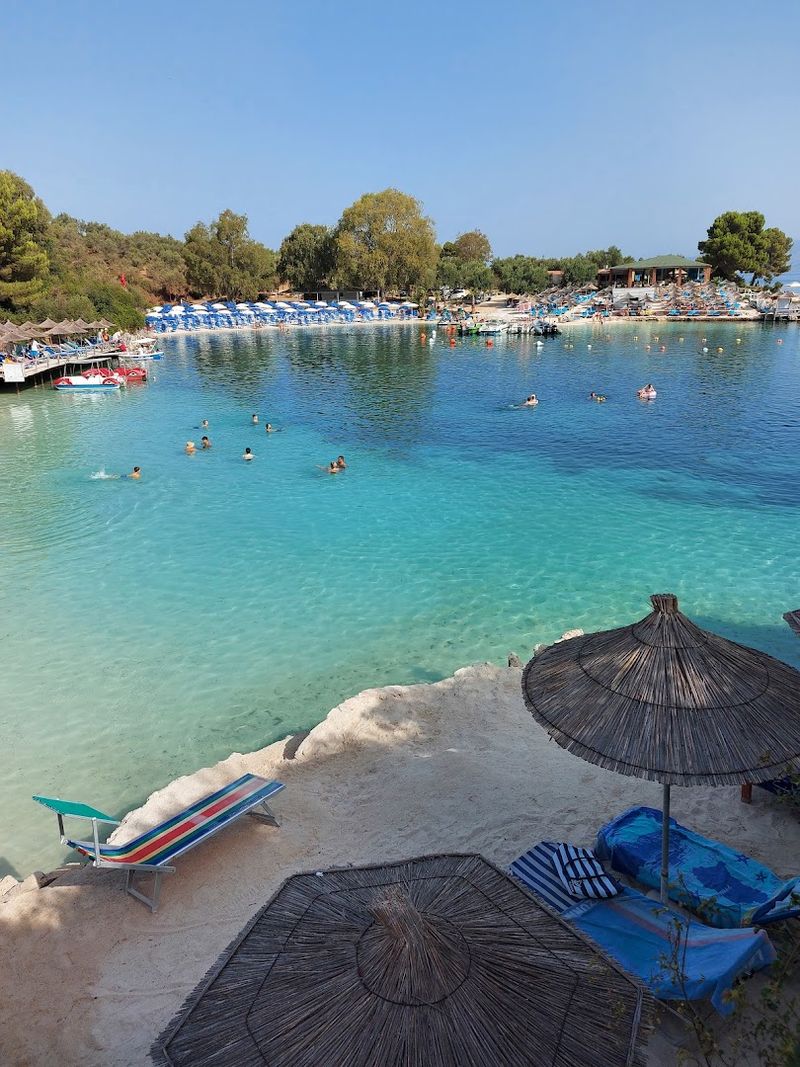
Picture a coastline so blue it looks photoshopped, yet almost nobody from your hometown has ever visited it. That’s Albania’s Riviera in a nutshell.
The water rivals anything you’d find in Greece, but without the shoulder-to-shoulder crowds or sky-high prices.
Albania spent decades closed off from the rest of the world under a strict communist government, which ironically helped preserve its landscapes and culture. Towns like Berat and Gjirokastër are UNESCO-listed gems packed with Ottoman architecture and fascinating history.
Wandering their cobblestone streets feels like stepping into a living museum.
Budget travelers will love that Albania is one of Europe’s most affordable destinations. A hearty meal at a local restaurant can cost just a couple of dollars.
The people are famously warm and genuinely happy to see foreign visitors, making every interaction feel like a welcome rather than a transaction. Outdoor lovers also thrive here, with the Albanian Alps offering world-class hiking trails that see a fraction of the traffic of the Alps in Switzerland or Austria.
Oman
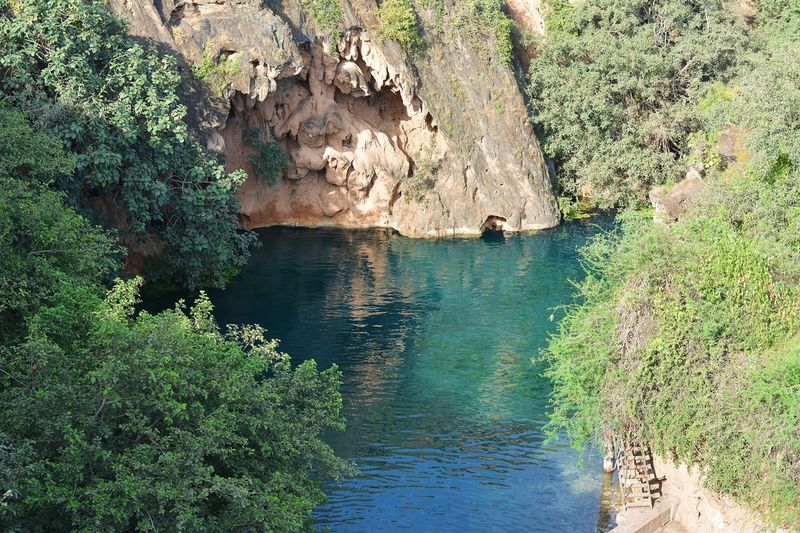
Forget everything you think you know about the Arabian Peninsula, because Oman rewrites the script entirely. While its neighbors compete for skyscraper records and flashy malls, Oman quietly offers some of the most dramatic landscapes on Earth.
Think towering dunes, hidden waterfalls, and ancient forts that have stood for centuries.
The Wahiba Sands desert is a jaw-dropping sea of golden dunes where you can camp under a blanket of stars far from any city lights. Wadis, which are lush green valleys carved by seasonal rivers, provide cool swimming spots surrounded by rocky canyon walls.
Muscat, the capital, blends modern comfort with traditional Omani architecture beautifully.
What really sets Oman apart is the culture. Omanis are known for being genuinely hospitable, often inviting strangers for coffee and dates without expecting anything in return.
The country also has a strong commitment to preserving its natural environment and heritage. Visitor numbers remain modest compared to Dubai, meaning you can explore world-class attractions without fighting through selfie sticks and tour groups.
Oman is the Arabian Peninsula experience many travelers didn’t know they were looking for.
Georgia
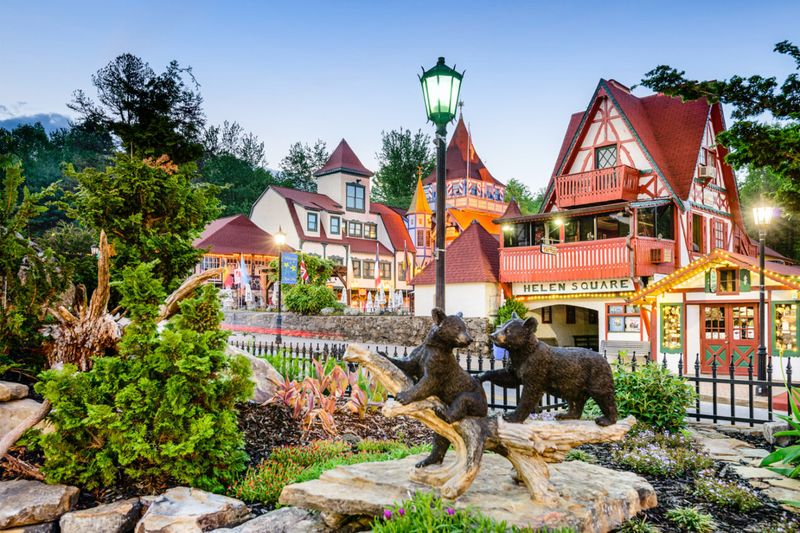
Georgia is the country that somehow managed to invent wine, build breathtaking mountain monasteries, and perfect the art of hospitality, all while staying almost completely off most travelers’ bucket lists. Nestled between Europe and Asia, it doesn’t fully belong to either, which makes it wonderfully unique.
The Caucasus mountains here are genuinely spectacular. Villages like Kazbegi sit beneath peaks that would make any mountain lover’s jaw drop.
Ancient monasteries cling to cliffsides as if daring gravity to do its worst. The scenery changes dramatically depending on the season, from wildflower meadows in summer to snow-dusted landscapes in winter.
Georgian food deserves its own travel brochure. Khinkali dumplings, khachapuri cheese bread, and slow-cooked stews are the kind of comfort food that makes you want to cancel your return flight.
The wine tradition dates back over 8,000 years, making Georgia one of the oldest wine-producing regions on the planet. Tbilisi, the capital, mixes Soviet-era architecture with trendy cafes and a buzzing nightlife scene.
Prices across the country remain refreshingly low, making Georgia an outstanding value for travelers who want big experiences without a big budget.
Kyrgyzstan
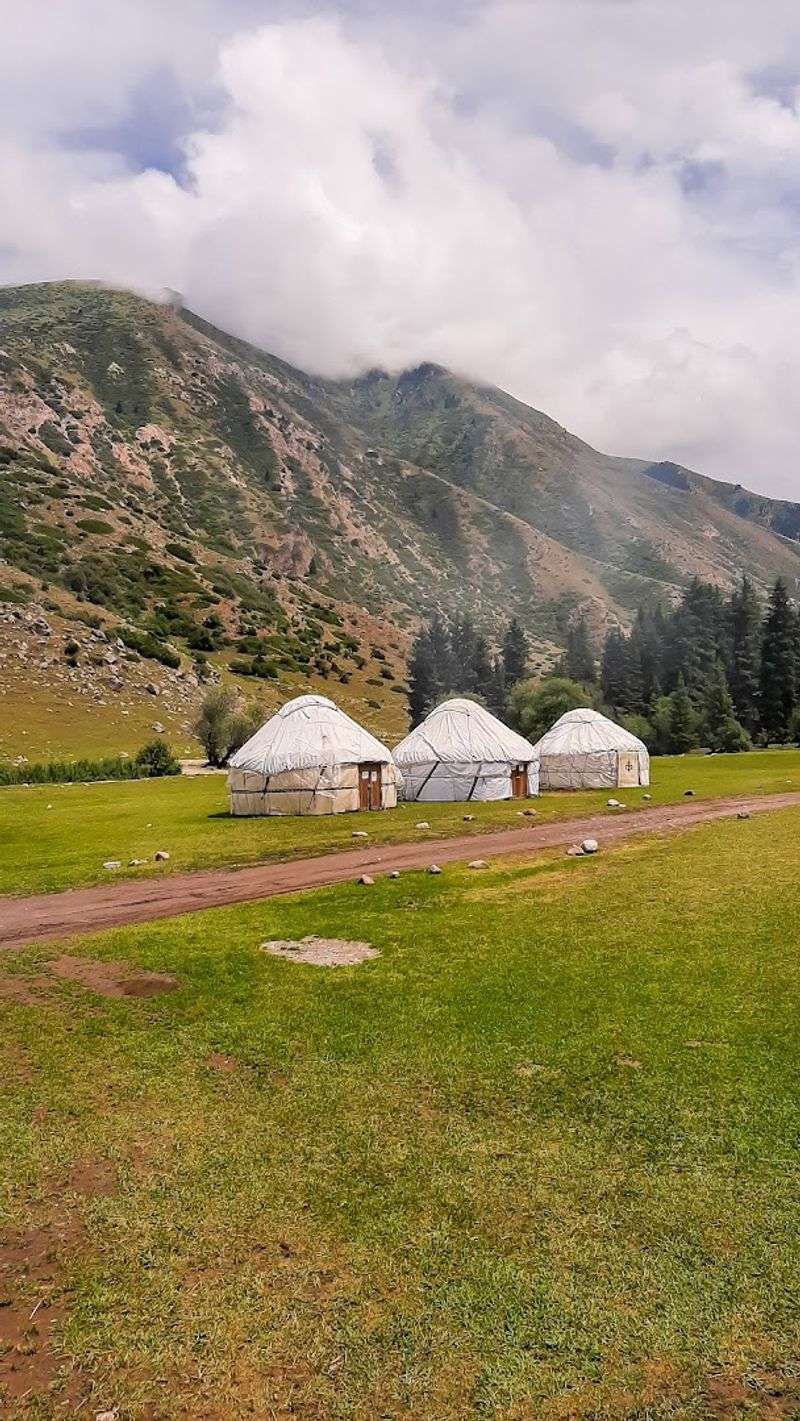
Somewhere in the heart of Central Asia sits a country where nomadic families still live in felt tents, eagle hunters practice ancient traditions, and mountain scenery stretches endlessly in every direction. Kyrgyzstan is gloriously, stubbornly wild.
Song-Kol Lake is one of those places that makes experienced travelers go quiet. Sitting at over 3,000 meters above sea level, surrounded by rolling grasslands and sky that seems impossibly large, it’s the kind of landscape that resets your perspective on the world.
Staying overnight in a traditional yurt beside the lake is an experience most tourists will never have.
Horseback riding is practically a national language here. Guides lead multi-day treks through mountain passes that would challenge even seasoned hikers, and the scenery rewards every steep climb.
The famous Silk Road once passed through Kyrgyzstan, leaving behind a rich cultural heritage that blends Turkic, Persian, and Russian influences. Bishkek, the capital, is a laid-back city with excellent food markets and a youthful energy.
Visa-free access for many nationalities makes getting here easier than expected. Kyrgyzstan rewards curious, adventurous travelers with memories that feel genuinely earned.
Moldova
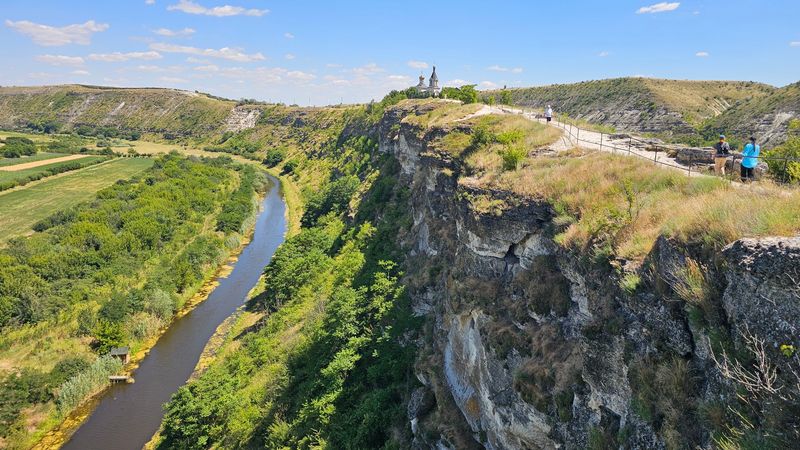
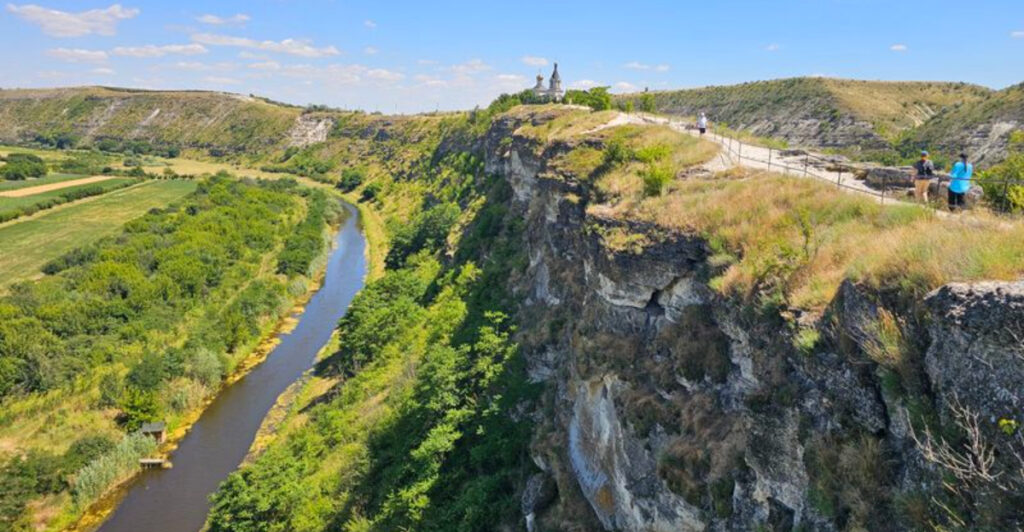
Moldova holds a record most countries would envy and almost nobody talks about it. The Cricova winery near the capital Chisinau features underground tunnels stretching over 120 kilometers, making it one of the largest wine cellars on the planet.
Former visitors include astronaut Yuri Gagarin, who reportedly got so comfortable he had to be reminded to leave.
Sandwiched between Romania and Ukraine, Moldova is frequently overlooked by travelers rushing to more famous European destinations. That oversight is their loss and your gain.
The countryside is gentle and beautiful, dotted with vineyards, Orthodox monasteries, and villages where time seems to move at its own pace.
Chisinau itself is an underrated city with a lively café culture, excellent local restaurants, and a fascinating mix of Romanian and Soviet-era architecture. Markets overflow with fresh produce, local cheeses, and wines that cost a fraction of what similar bottles fetch in Western Europe.
The breakaway region of Transnistria, a self-declared republic operating as if the Soviet Union never ended, offers one of the world’s most unusual day-trip experiences. Moldova doesn’t try to impress anyone, which makes discovering its quiet charms feel like a genuinely personal reward.
Namibia
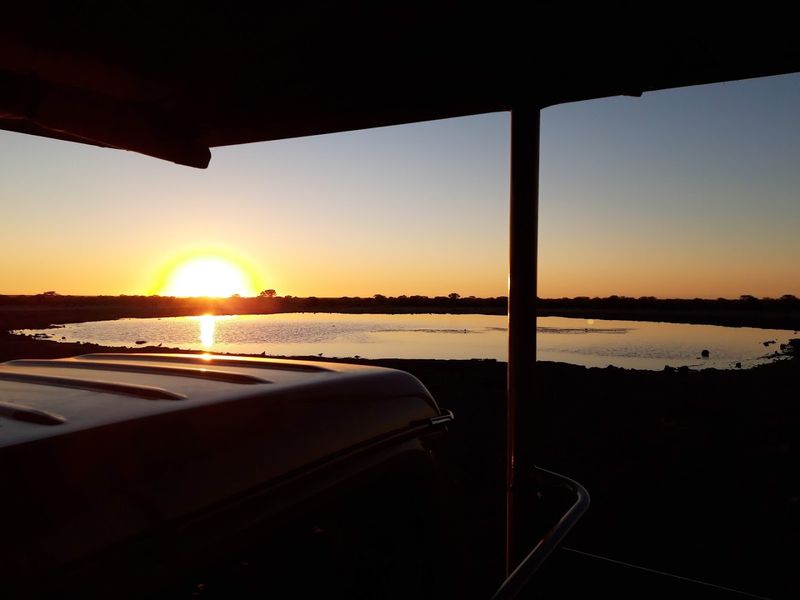
Standing at the top of Dune 45 in Namibia as the sun rises over the Namib Desert is the kind of moment that makes you feel very small and very grateful at the same time. The red sand glows like embers, shadows stretch for miles, and the silence is absolute.
Namibia is Africa’s second least densely populated country, which translates to extraordinary wildlife encounters without the minibus traffic jams that plague more popular safari destinations. Etosha National Park delivers lions, elephants, rhinos, and giraffes gathering around floodlit waterholes after dark, a safari experience unlike anything else on the continent.
The Skeleton Coast is hauntingly beautiful, a stretch of Atlantic shoreline where shipwrecks, seal colonies, and desert meet the ocean in dramatic fashion. The coastal town of Swakopmund blends German colonial architecture with adventure sports like sandboarding and quad biking, creating a wonderfully bizarre combination.
Namibia’s infrastructure is surprisingly excellent for an African destination, making self-drive road trips very manageable. The Himba people of the north maintain ancient traditions and welcome respectful visitors with genuine openness.
For travelers who want genuine wilderness without sacrificing comfort or safety, Namibia consistently over-delivers.
Armenia
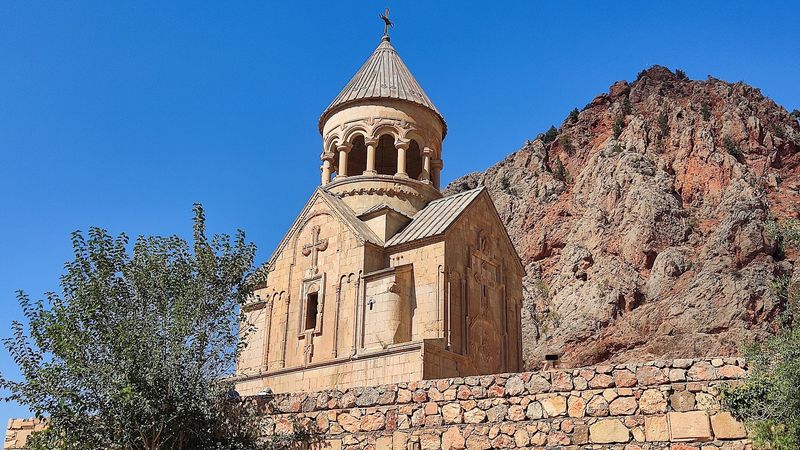
Armenia is the kind of destination that quietly stuns you. Nobody warned you the monasteries would be this ancient, this dramatic, or this beautifully positioned inside volcanic gorges and pine-covered mountains.
The country has been home to one of the world’s oldest civilizations, and the landscape carries that weight in the most spectacular way.
Geghard Monastery, partially carved directly into a cliff face, dates back to the fourth century and still hosts religious services. Noravank sits in a narrow red-rock canyon so photogenic it barely looks real.
Khor Virap Monastery offers jaw-dropping views of Mount Ararat, the iconic peak that sits just across the border in Turkey but remains deeply tied to Armenian identity.
Yerevan, the capital, surprises most visitors. The city is modern, café-filled, and buzzing with creative energy, particularly around the Republic Square area after sunset.
Armenian cuisine is hearty and delicious, with dishes like dolma, khorovats barbecue, and lavash flatbread earning devoted fans among travelers. The country is compact enough to explore thoroughly in just a week.
Prices remain very traveler-friendly, and locals are quick to share their culture with anyone showing genuine interest. Armenia rewards curiosity generously.
São Tomé and Príncipe
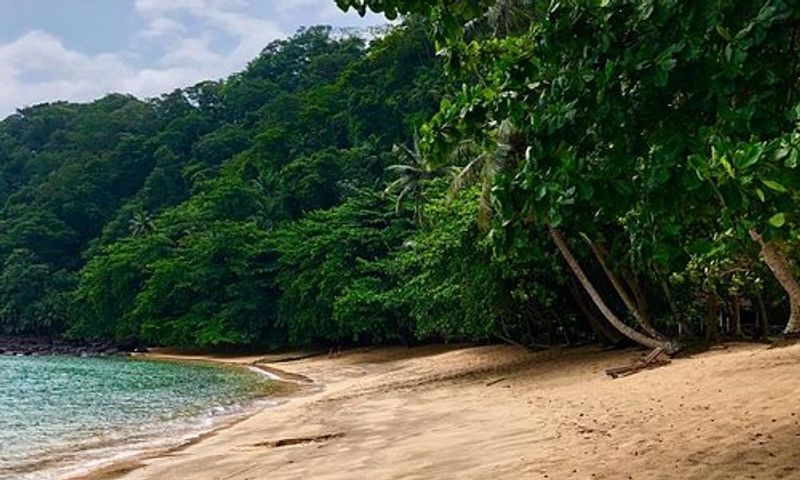
Very few people can find São Tomé and Príncipe on a map without help, and that’s precisely what makes visiting feel like a genuine discovery. This tiny two-island nation sits in the Gulf of Guinea off the coast of Central Africa, wrapped in volcanic peaks, rainforest, and beaches so untouched they feel like they belong to another era.
The islands were uninhabited when Portuguese explorers arrived in the 15th century, making São Tomé one of the few places on Earth with no indigenous population. That unusual history shaped a fascinating Creole culture, cuisine, and architecture that blends African, Portuguese, and island influences in completely unique ways.
Crumbling colonial plantation houses called Roças dot the countryside, each one a haunting reminder of the islands’ complex cocoa-farming past.
Birdwatchers go absolutely wild here. The islands host numerous endemic species found nowhere else on Earth, making every forest walk feel like a scientific expedition.
The chocolate produced from local cacao is considered among the finest in the world. Visitor numbers remain extremely low, meaning beaches, hiking trails, and fishing villages feel genuinely private.
Getting here requires some effort, but travelers who make the journey consistently describe São Tomé as one of Africa’s most unforgettable surprises.
Laos
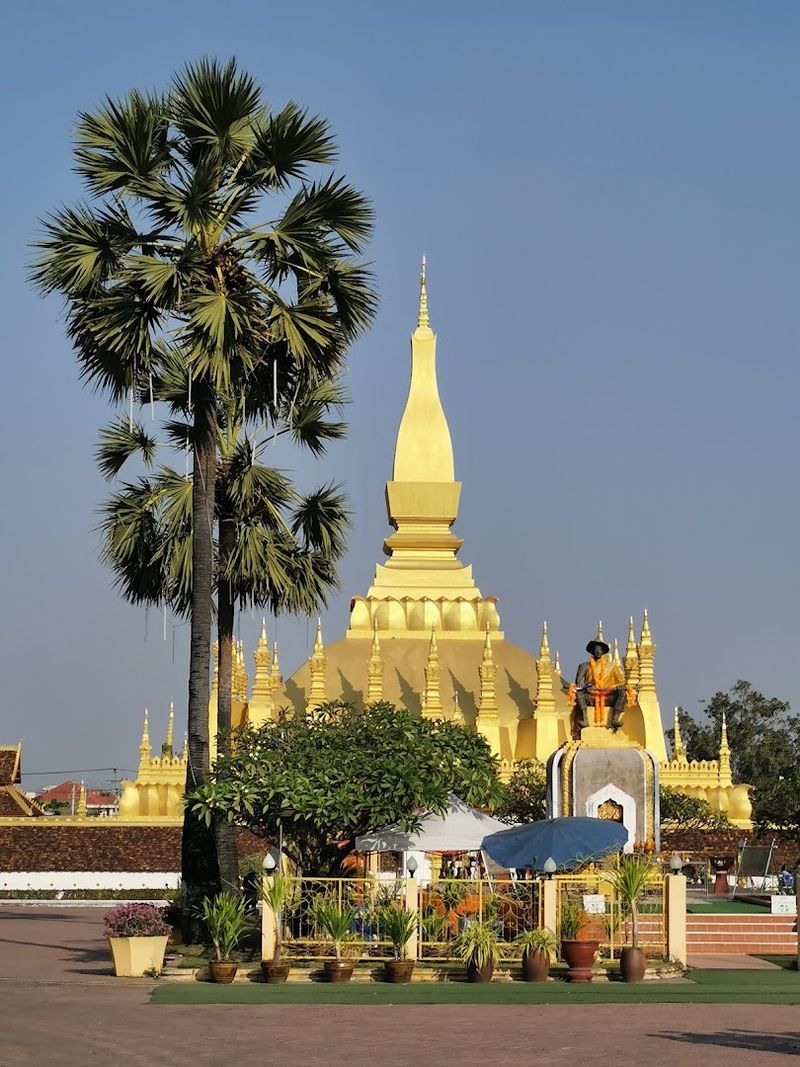
Squeezed between Thailand and Vietnam, Laos gets skipped by travelers who figure the neighbors already cover Southeast Asia perfectly. That assumption misses something special.
Laos operates at a pace so unhurried that even the roosters seem to take their time, and that slowness is the entire point.
Luang Prabang is regularly described as one of the most beautiful towns in Southeast Asia, and for once the hype is fully justified. Saffron-robed monks collect alms at dawn in a ceremony that has continued unchanged for centuries.
French colonial villas line streets shaded by frangipani trees. Waterfalls tumble through turquoise limestone pools just a short tuk-tuk ride from the city center.
The Mekong River is Laos’s highway, social hub, and spiritual backbone rolled into one. Slow boat journeys between towns offer two days of jungle scenery, riverside villages, and genuine relaxation that no airport lounge could replicate.
The Plain of Jars in the north puzzles archaeologists and visitors alike with thousands of ancient stone vessels scattered across a highland plateau. Lao food is underrated by most Southeast Asian food rankings, with dishes like larb, tam mak hoong, and sticky rice deserving far more global attention.
Laos is unhurried, beautiful, and quietly extraordinary.
Montenegro
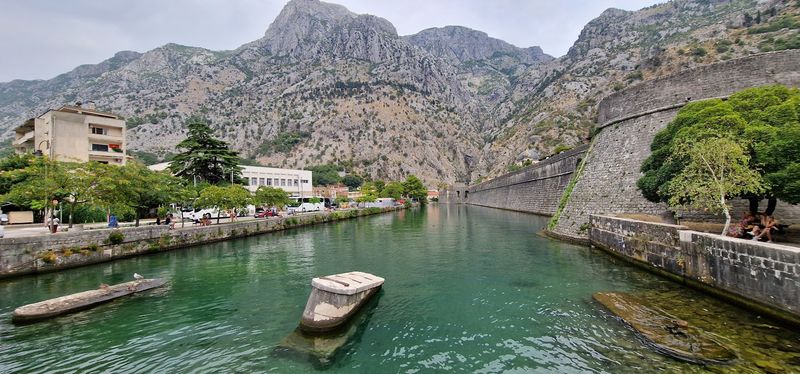
Montenegro packs more dramatic scenery into a country the size of Connecticut than most nations manage across an entire continent. The Bay of Kotor alone, a winding fjord-like inlet lined with medieval villages and backed by sheer limestone cliffs, is enough to make any traveler rethink their European itinerary.
The walled city of Kotor is a UNESCO World Heritage Site that somehow still feels like a real, lived-in town rather than a theme park. Cats roam freely through the narrow stone streets, local restaurants serve fresh Adriatic seafood, and hikers can climb to a fortress above the city for views that make the effort completely worthwhile.
Montenegro’s Adriatic beaches are gorgeous but remain far less crowded than those in Croatia or Greece.
Inland, Durmitor National Park delivers rugged mountain scenery, glacial lakes, and the Tara River Canyon, one of the deepest river canyons in the world. Skiing, rafting, and hiking are all on the table depending on the season.
The country is tiny enough to drive across in a few hours, making it ideal for travelers who want variety without complicated logistics. Montenegro adopted the euro despite not being an EU member, which simplifies budgeting considerably.
The whole country feels like a well-kept secret that’s only just starting to get out.
Share this story