Our planet is home to some jaw-dropping landscapes that seem almost too beautiful to be real. From snow-dusted mountain peaks to turquoise coastlines stretching endlessly into the horizon, certain countries have hit the natural lottery in the most spectacular way.
Whether you are a seasoned traveler or someone dreaming from your couch, these destinations will leave you genuinely speechless. Get ready to explore ten countries that prove Earth is, without question, the most gorgeous place in the universe.
New Zealand
Imagine standing at the edge of a fjord so massive and silent that you forget to breathe. That is exactly what Milford Sound does to people, and it is just one of New Zealand’s countless showstoppers.
Packed into two islands, this country delivers more variety per square mile than almost anywhere else on Earth.
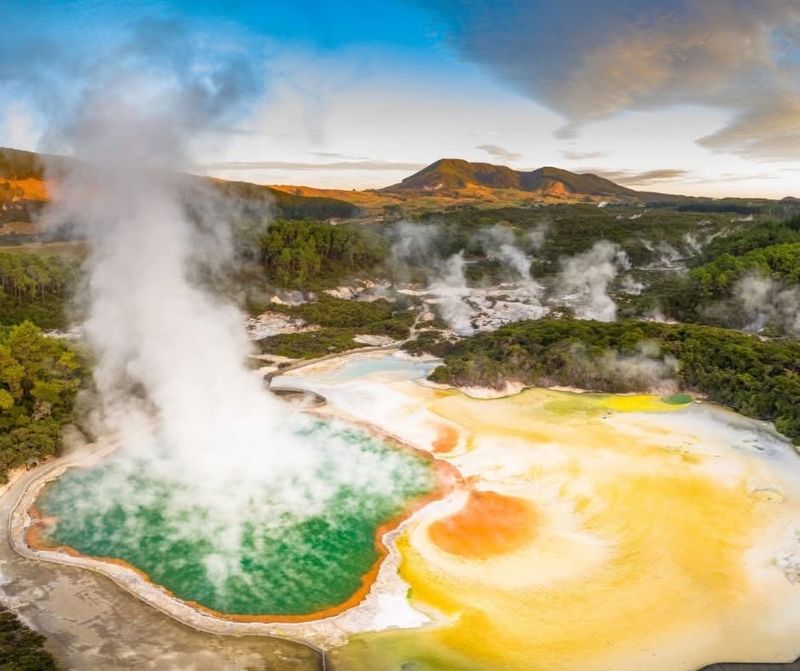
The Southern Alps stretch across the South Island like a jagged spine dusted with permanent snow. Glaciers creep down toward ancient rainforests, and geothermal pools bubble up near Rotorua in a landscape that feels straight out of a fantasy novel.
The North Island offers volcanic plateaus, rolling green hills, and black-sand beaches that catch the light in the most extraordinary ways.
Adventure seekers will find their paradise here too. Hiking the Milford Track, kayaking in Abel Tasman, or skiing in Queenstown are all world-class experiences.
New Zealand even inspired the entire visual world of Middle-earth in the Lord of the Rings films, which honestly makes perfect sense. When a country looks this magical, fiction barely needs to stretch the truth at all.
Italy
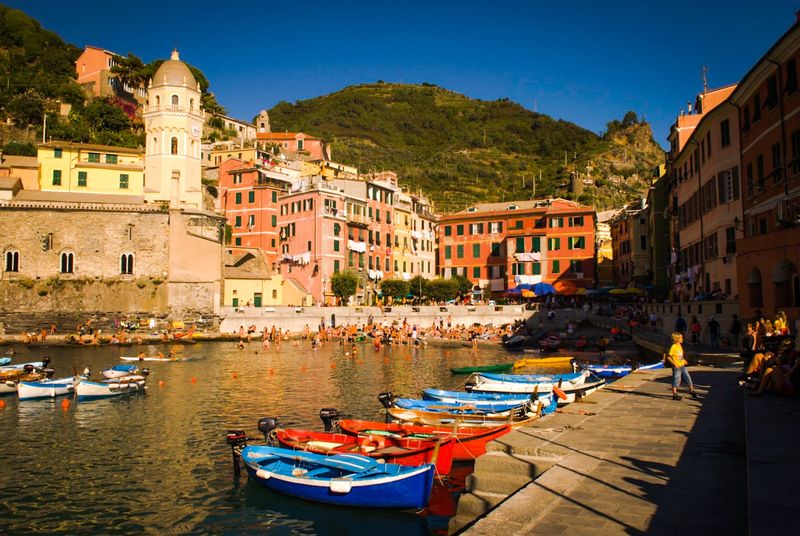
No other country on Earth manages to be drop-dead gorgeous and historically mind-blowing at the exact same time. Italy pulls it off effortlessly, blending ancient ruins with some of the most jaw-dropping natural scenery Europe has to offer.
Standing in a Tuscan vineyard at sunset, surrounded by rolling golden hills, is one of those rare moments that feels completely unreal.
The Dolomites in northeastern Italy are a UNESCO World Heritage Site for good reason. Their jagged pink-tinged peaks rise dramatically above lush valleys, making them a favorite for hikers and photographers alike.
Meanwhile, the Amalfi Coast treats visitors to a thrilling combination of vertical cliffs, pastel-colored villages, and water so blue it looks digitally enhanced.
Sicily adds volcanic drama to the mix, courtesy of Mount Etna, Europe’s most active volcano. Venice floats on its famous canals like a city from another era, while Florence houses some of the world’s greatest Renaissance art.
Italy is essentially an all-you-can-eat buffet of beauty, and no matter which region you choose, the scenery will absolutely not disappoint. Bring extra storage space on your phone.
Switzerland
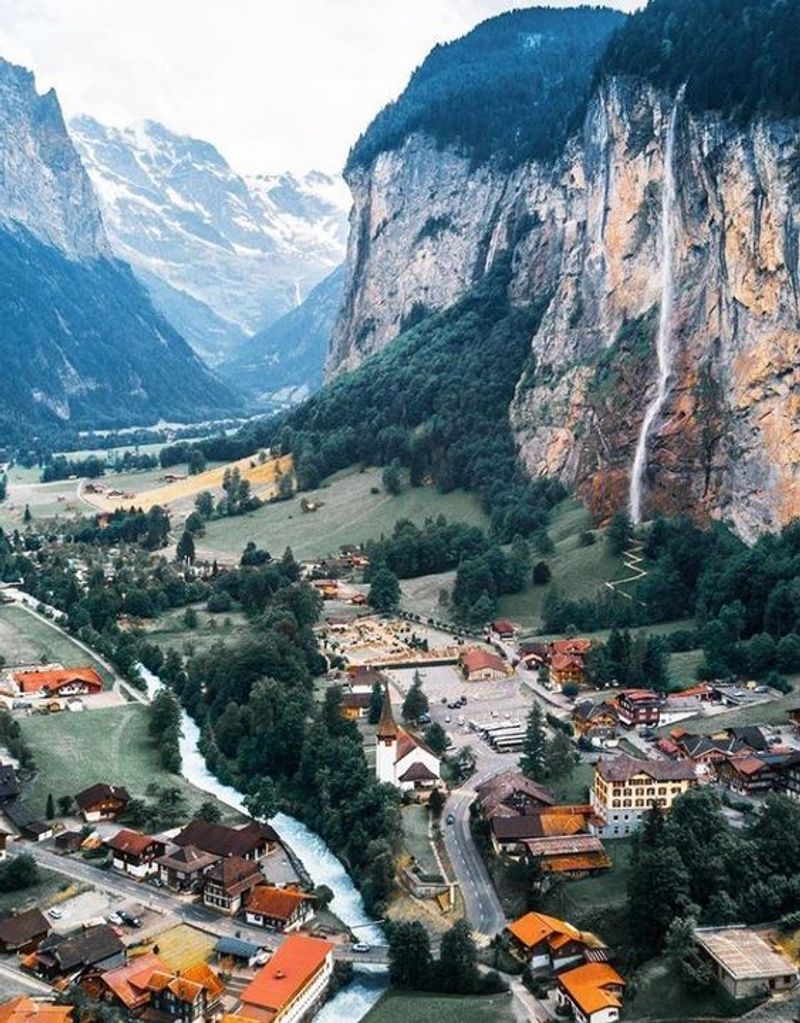
Switzerland looks like someone turned a postcard into a real country and forgot to tell the rest of the world. Snow-capped peaks, emerald lakes, and flower-dotted meadows greet you at practically every turn.
Even the train rides here are considered tourist attractions, which tells you everything you need to know about the scenery.
Lauterbrunnen Valley is arguably one of the most dramatic landscapes in all of Europe. Seventy-two waterfalls pour down its sheer cliff walls, and the valley floor is so green and lush it almost hurts to look at.
Nearby, the Jungfrau region offers some of the finest Alpine hiking and skiing on the continent.
Lake Lucerne sits surrounded by mountains that mirror themselves perfectly on the calm water below. Zermatt, a car-free village at the base of the iconic Matterhorn, feels like a scene frozen in time.
Switzerland is also home to some of the world’s cleanest cities, meaning urban beauty matches the natural kind at every step. Whether you prefer mountain peaks or lakeside strolls, this country has already prepared the perfect view and is patiently waiting for you to show up.
Norway
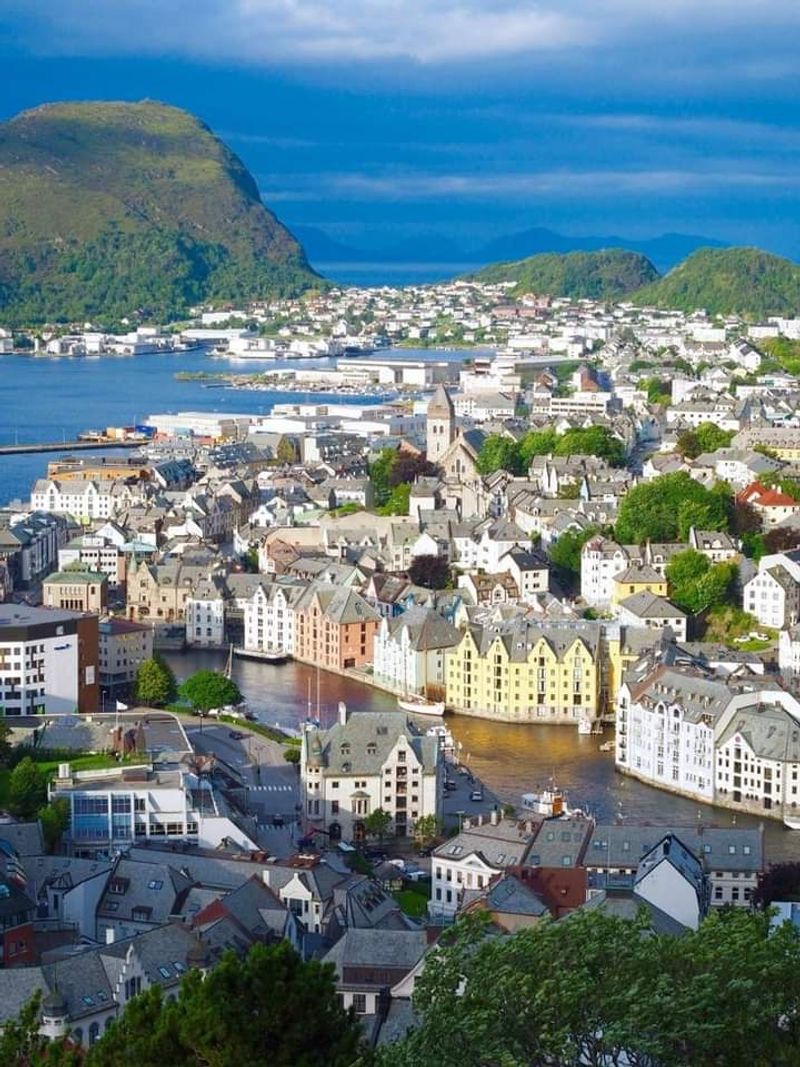
Norway operates on a completely different level of dramatic. Its fjords carve deep into the land like nature decided to show off with a chisel, creating some of the most vertigo-inducing views imaginable.
The Geirangerfjord and Nærøyfjord are both UNESCO World Heritage Sites, and standing above them on a cliffside trail will make your knees wobble in the best possible way.
Above the Arctic Circle, the landscape shifts into something even more surreal. Midnight sun bathes the tundra in golden light for months at a time during summer, while winter brings the Northern Lights dancing across the sky in ribbons of green, purple, and pink.
The Lofoten Islands offer jagged mountain peaks rising directly from the sea, surrounded by fishing villages that look like they belong in a painting.
Norway’s network of scenic routes and hiking trails means visitors can access nearly all of this beauty without too much effort. Preikestolen, the famous Pulpit Rock, rewards hikers with a sheer 604-meter drop into the fjord below.
Trolltunga, another iconic cliff formation, has become one of Norway’s most photographed spots. For raw, untouched natural power, Norway simply has no equal anywhere in Europe.
Canada
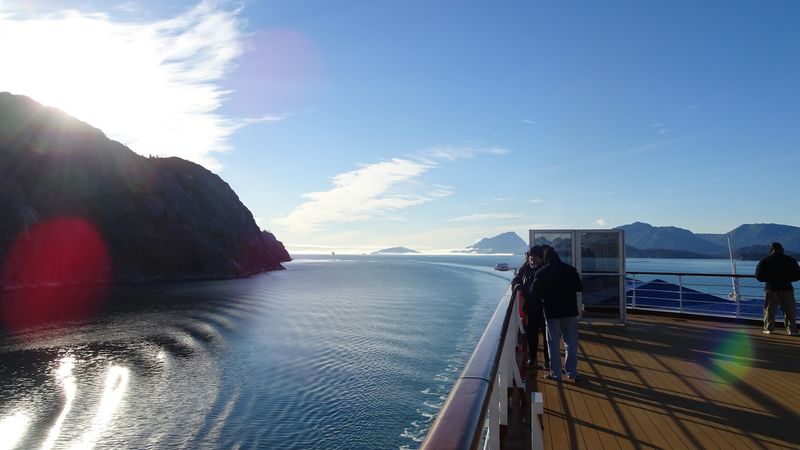
Canada is basically a greatest-hits album of natural landscapes, and it never seems to run out of tracks. Stretching from the Atlantic coast all the way to the Pacific and up into the Arctic, this country covers so much ground that its scenery shifts dramatically depending on which direction you point your car.
Few countries on Earth can claim that kind of geographic range.
Banff National Park alone could keep a traveler busy for weeks. Lake Louise, with its impossibly turquoise water fed by glacial melt, is one of the most photographed lakes in the entire world.
The surrounding Rocky Mountains provide a backdrop so cinematic that first-time visitors often stop mid-sentence just to stare. Jasper National Park next door offers equally stunning landscapes with far fewer crowds.
Beyond the Rockies, Canada surprises visitors with Bay of Fundy tides that rise and fall by up to 16 meters, the vast boreal forests of Quebec, and coastal fjords in British Columbia that rival Norway’s finest. In autumn, the maple forests of Ontario and Quebec erupt into blazing shades of red, orange, and gold.
Canada is enormous, generous with its beauty, and genuinely impossible to fully explore in a single lifetime.
Iceland
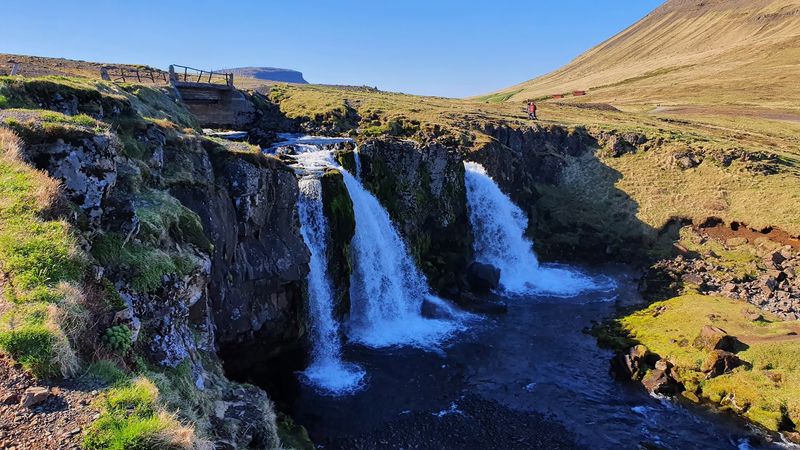
Iceland is what happens when geology goes completely off-script in the most spectacular fashion. This North Atlantic island sits directly on the Mid-Atlantic Ridge, meaning two tectonic plates are pulling it apart from underneath.
The result is a landscape of volcanoes, geysers, lava fields, glaciers, and black-sand beaches that looks like it was designed by a very ambitious special effects team.
The Strokkur geyser shoots boiling water up to 40 meters into the air every few minutes, which never gets old no matter how many times you watch it. Seljalandsfoss and Skogafoss waterfalls thunder down from basalt cliffs with a force that soaks you from 20 meters away.
Vatnajokull, Europe’s largest glacier, covers about 8 percent of Iceland’s entire surface area, which is an almost incomprehensible statistic.
Jokulsarlon Glacier Lagoon dazzles visitors with floating icebergs that glow electric blue in the sunlight. In winter, the Aurora Borealis paints the sky above Iceland’s dark countryside in colors that no camera fully captures.
The Blue Lagoon geothermal spa has become world-famous, but Iceland’s wild, untamed landscapes are the real star of the show. Nowhere else feels quite this alive and geological at the same time.
Japan
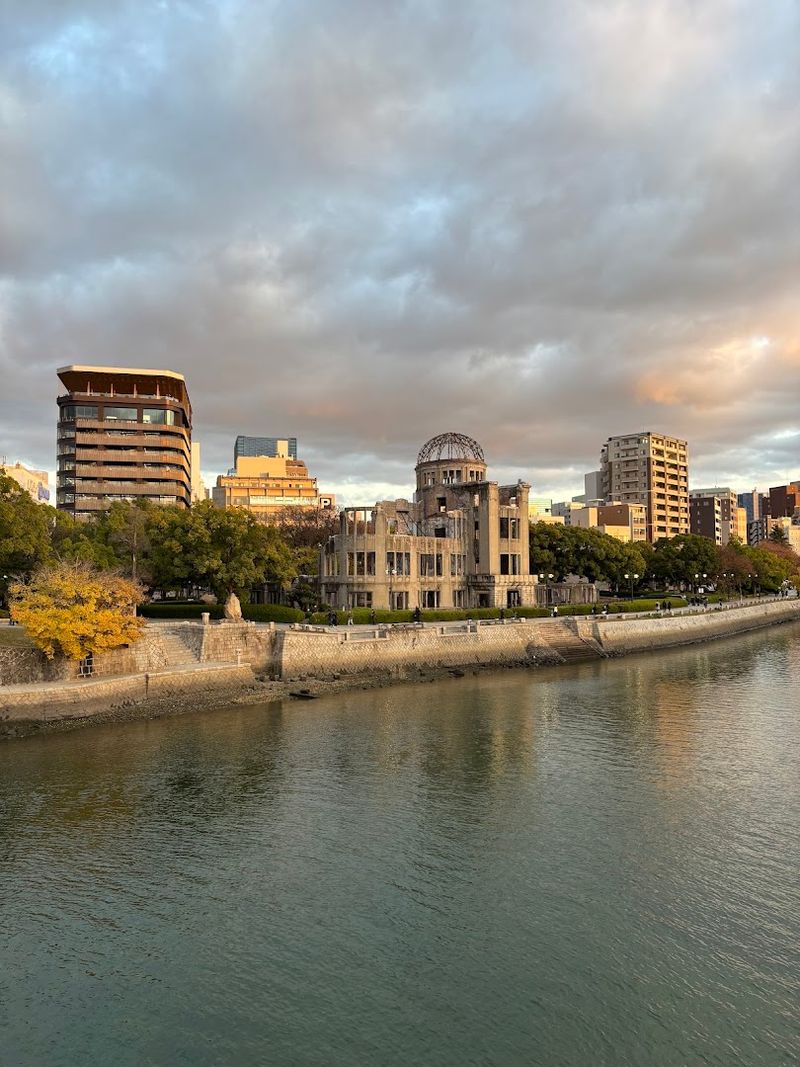
Cherry blossoms falling like pink snow over a perfectly still lake, with Mount Fuji rising behind them in quiet majesty. That image alone has inspired countless artists, poets, and travelers to make Japan one of their top destinations.
But Japan’s beauty runs far deeper than its most famous postcard moment.
The Arashiyama Bamboo Grove in Kyoto creates one of the world’s most unique sensory experiences. Towering stalks of bamboo sway and creak overhead, filtering sunlight into something soft and green and impossibly peaceful.
Just a short distance away, ancient temples draped in moss sit beside manicured gardens that have been tended for centuries with extraordinary care and patience.
Japan’s coastline stretches across thousands of islands, offering rugged sea cliffs, hidden coves, and subtropical beaches in the south near Okinawa. The Japanese Alps provide dramatic winter skiing and spectacular autumn foliage that rivals New England’s finest displays.
Japanese culture itself adds another layer of visual beauty through its architecture, traditional festivals, and meticulously designed public spaces. Traveling through Japan feels like moving through a country that treats beauty as both an art form and a daily responsibility.
It is genuinely unlike anywhere else on the planet.
Greece
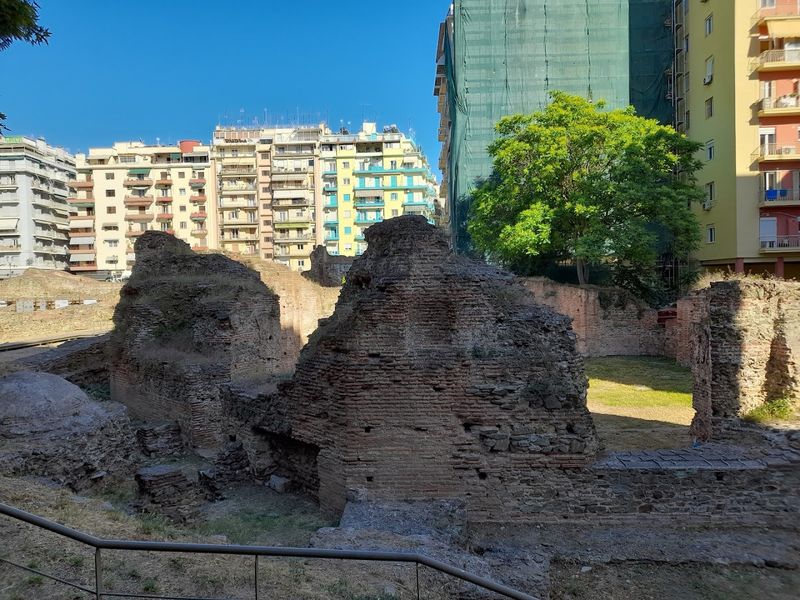
Santorini at sunset is the kind of view that makes people question every life decision that did not involve moving here immediately. Perched on the rim of an ancient volcanic caldera, its white-washed buildings and blue-domed churches glow orange and gold as the sun drops into the Aegean Sea.
Greece has been setting this particular standard of beauty for thousands of years and shows absolutely no signs of stopping.
Beyond Santorini, Greece spreads across more than 6,000 islands, each with its own personality and scenery. Zakynthos offers the famous Navagio shipwreck beach, where a rusted vessel rests on white sand inside a dramatic limestone cove.
Crete boasts the Samaria Gorge, one of Europe’s longest and most spectacular hiking routes, cutting through mountains to the crystal-clear Libyan Sea.
Meteora takes things in a completely different direction, with medieval monasteries balanced impossibly on top of towering rock pillars above a valley in central Greece. The ancient ruins of Athens, Delphi, and Olympia add a layer of historical grandeur that deepens every landscape experience.
Greece proves that natural beauty and human history are not competing forces. When combined thoughtfully, they create something far greater than either could achieve alone.
Australia
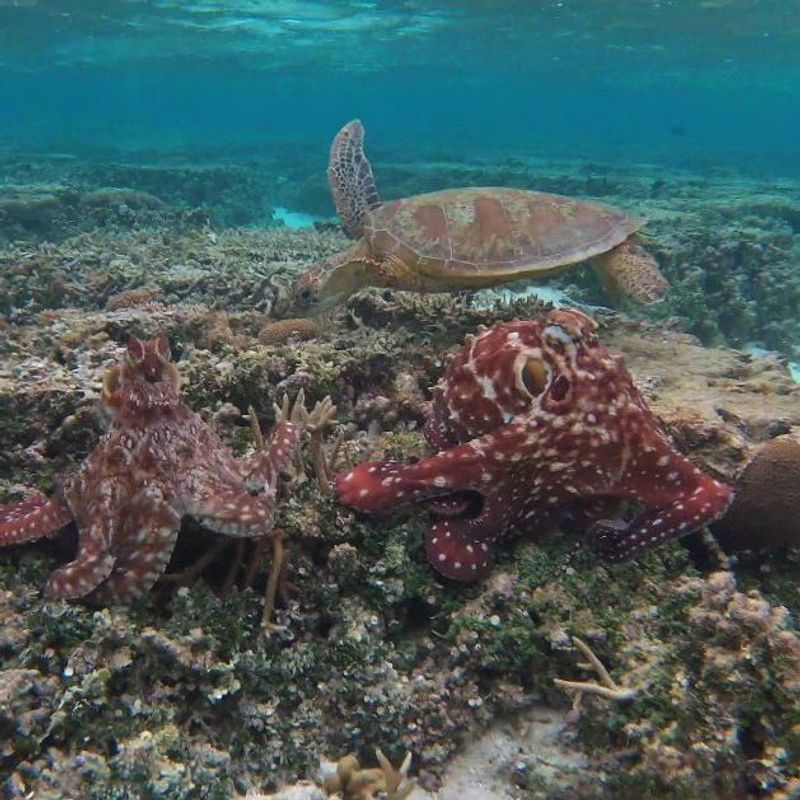
Australia is the only continent that is also a single country, and it uses every square kilometer of that distinction to deliver scenery that is genuinely unlike anything else on Earth. From the glowing red rock of Uluru at sunrise to the living rainbow of the Great Barrier Reef just beneath the surface of the Coral Sea, Australia plays by its own rules when it comes to natural spectacle.
The Great Barrier Reef is the world’s largest coral ecosystem, stretching over 2,300 kilometers along Queensland’s coast. Snorkeling or diving here puts you inside one of the planet’s most complex and colorful living systems.
Back on land, the Daintree Rainforest in north Queensland is one of the oldest tropical rainforests on the planet, predating even the Amazon by millions of years.
The Outback stretches across the interior in shades of rust, ochre, and dusty gold, punctuated by ancient rock formations and a silence so complete it feels almost physical. Western Australia surprises visitors with pink lakes, dramatic coastal cliffs at the Twelve Apostles, and wildflower blooms that cover entire hillsides in spring.
Australia’s unique wildlife, including kangaroos, wombats, and quokkas, adds an extra layer of charm to an already extraordinary destination.
South Africa
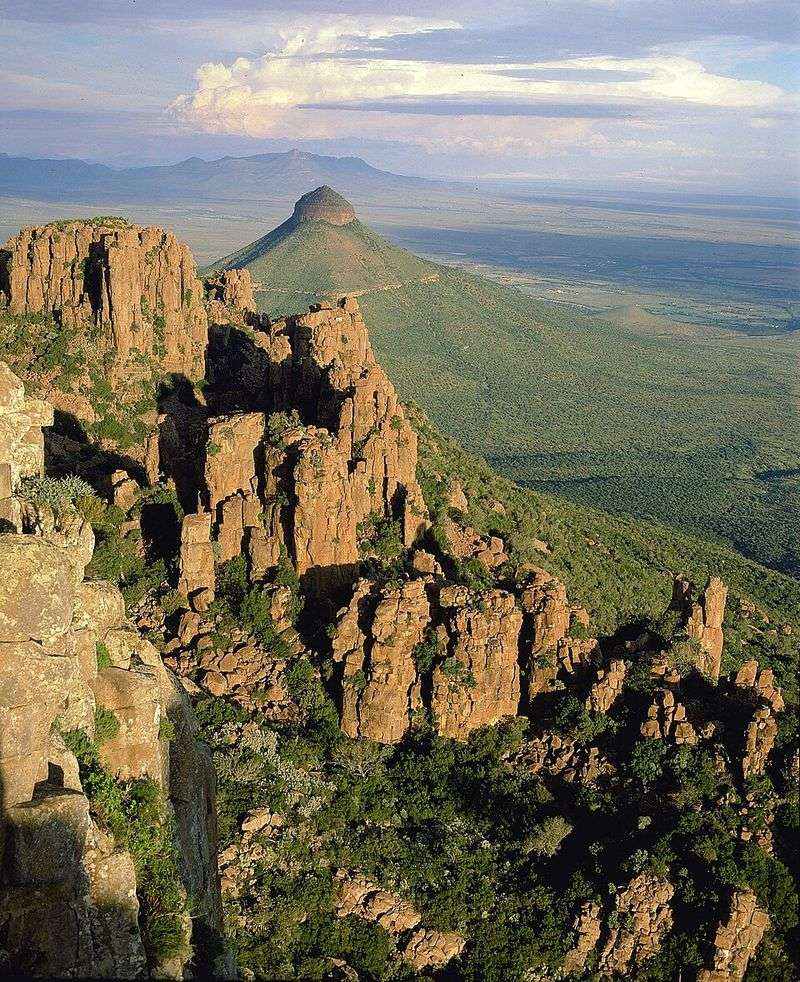
Table Mountain rises so abruptly from the Cape Town shoreline that it looks less like a geological formation and more like a deliberate architectural decision made by the Earth itself. Flat-topped and ancient, it watches over one of the world’s most beautifully situated cities with the quiet authority of something that has been standing there for 600 million years.
South Africa opens with this image and somehow manages to keep topping it.
Kruger National Park offers one of Africa’s greatest wildlife experiences, where lions, elephants, leopards, rhinos, and buffalo roam across a landscape of golden savanna and dry riverbeds. The Blyde River Canyon in Mpumalanga is one of the largest green canyons on Earth, carved by water into dramatic red sandstone cliffs.
Drakensberg Mountains stretch along the eastern edge of the country in a wall of basalt peaks that reach nearly 3,500 meters above sea level.
The Garden Route along the southern coast winds through forests, lagoons, beaches, and charming coastal towns in a single unforgettable drive. South Africa’s wine regions around Stellenbosch and Franschhoek add vineyard-draped valleys to an already overflowing menu of scenery.
Very few countries pack this much geographic variety into one destination, and South Africa does it all with remarkable, effortless style.
Share this story