Around the world, millions of people call home a space that might seem shockingly tiny by Western standards. High land prices, booming city populations, and limited geography have pushed many countries to rethink what a home really needs to be.
From sky-high apartments in Asia to cozy urban flats in Europe, compact living has sparked some truly creative housing solutions. These places prove that a small footprint does not have to mean a small life.
Hong Kong (China)

Squeeze 7.5 million people onto a rocky territory the size of Los Angeles, and you start to understand Hong Kong’s housing situation. Mountains cover roughly 70 percent of the land, leaving a narrow strip of urban space that developers have turned into one of the most vertical cities on Earth.
Micro-apartments here can be as small as 100 square feet. Some units, nicknamed “coffin homes” or “cage homes,” are barely large enough to lie down in.
Yet people pay enormous sums for even the tiniest sliver of space in desirable neighborhoods.
Surprisingly, daily life in Hong Kong rarely feels cramped. Residents spend much of their time outside, using world-class public transit, bustling markets, and countless restaurants as extensions of their living rooms.
Rooftop gardens and community spaces help balance the squeeze. Hong Kong architects have become masters of folding furniture, hidden storage, and multipurpose rooms.
Living small here is not a compromise but a skill passed down through generations of city dwellers who have learned to make every centimeter count.
Singapore
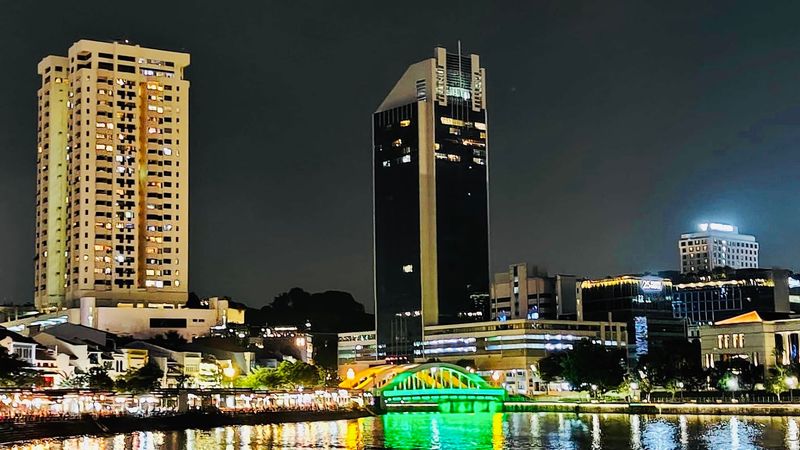
Singapore pulled off something remarkable: it turned a housing crisis into a national success story. When the city-state gained independence in 1965, most residents lived in overcrowded slums.
The government launched the Housing Development Board, which now provides homes for about 80 percent of the population.
HDB flats, as they are called, are compact but cleverly designed. A typical three-room flat measures around 700 square feet, housing a whole family comfortably.
Layouts prioritize airflow, natural light, and smart storage to make every unit feel more spacious than it actually is.
What makes Singapore stand out is not just the size of its homes but the quality of the neighborhoods around them. Hawker centers, parks, and community hubs sit right outside residents’ doors, so the apartment does not need to do everything.
Green corridors and sky gardens on building facades bring nature into vertical living. Singapore proves that small-scale housing does not require sacrifice when the surrounding infrastructure is thoughtfully built.
It is a masterclass in urban planning that other crowded nations keep studying with great envy and admiration.
Japan
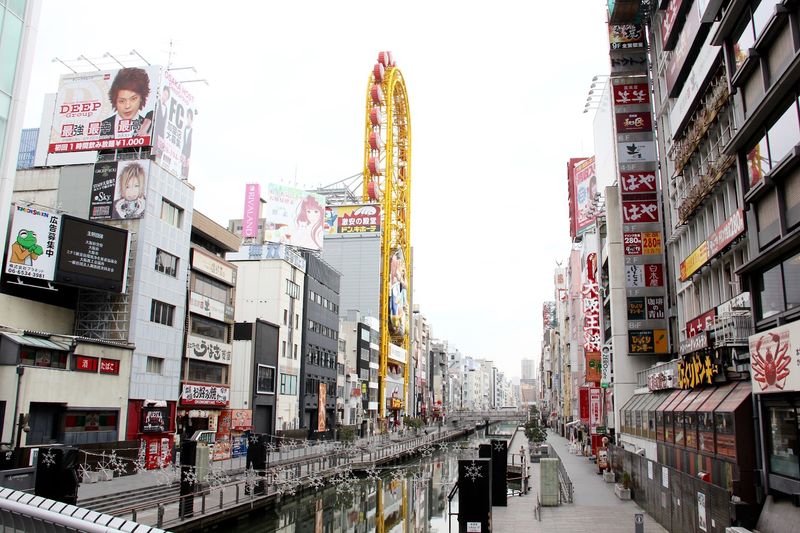
Japan has turned the art of living small into something almost poetic. Walk through a Tokyo neighborhood and you will notice houses wedged between buildings at odd angles, narrow enough to make a hallway jealous.
These are called “pencil buildings,” and they are just one example of Japanese architectural creativity at work.
The average Tokyo apartment is around 370 square feet, roughly the size of a two-car garage. Yet Japanese residents make these spaces feel like thoughtful retreats rather than cramped boxes.
Sliding doors replace swinging ones, built-in storage hides everything from bicycles to futons, and rooms serve multiple purposes throughout the day.
Japanese minimalism is not just an aesthetic trend. It is a practical response to limited space.
The concept of “ma,” meaning negative space, teaches that empty areas in a room are just as valuable as filled ones. Clutter is culturally discouraged.
Beyond design, Japan’s extraordinary rail network means residents can access parks, restaurants, and entertainment without needing a large home base. Life happens outside as much as inside, which makes a compact apartment feel surprisingly complete and genuinely livable for most residents.
South Korea
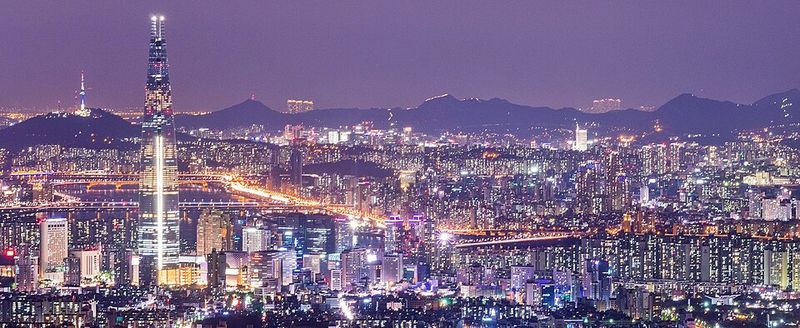
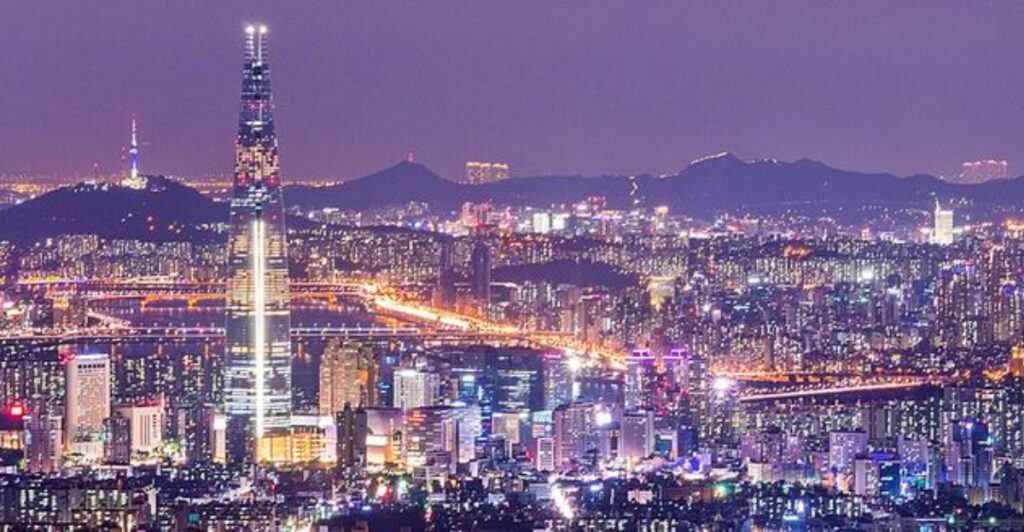
Seoul moves fast, and its housing market moves even faster. South Korea’s capital packs around 10 million people into a city that is hemmed in by mountains and rivers, leaving developers with little choice but to build upward.
Apartment towers dominate the skyline in every direction.
One uniquely Korean housing concept is the “officetel,” a hybrid unit that functions as both a studio apartment and a workspace. These compact units are wildly popular among young professionals who want to live and work in the same building without spending a fortune on separate spaces.
South Korean apartments also introduced the world to underfloor heating called “ondol,” a system that has been used in Korea for thousands of years. Modern apartments still use a version of it, warming rooms from the ground up and eliminating the need for bulky radiators.
This frees up wall space and keeps rooms feeling open. Despite tight square footage, Koreans invest heavily in interior design, turning small apartments into genuinely stylish spaces.
The booming Korean home decor industry reflects a culture that refuses to let a small home mean a dull one.
Bangladesh
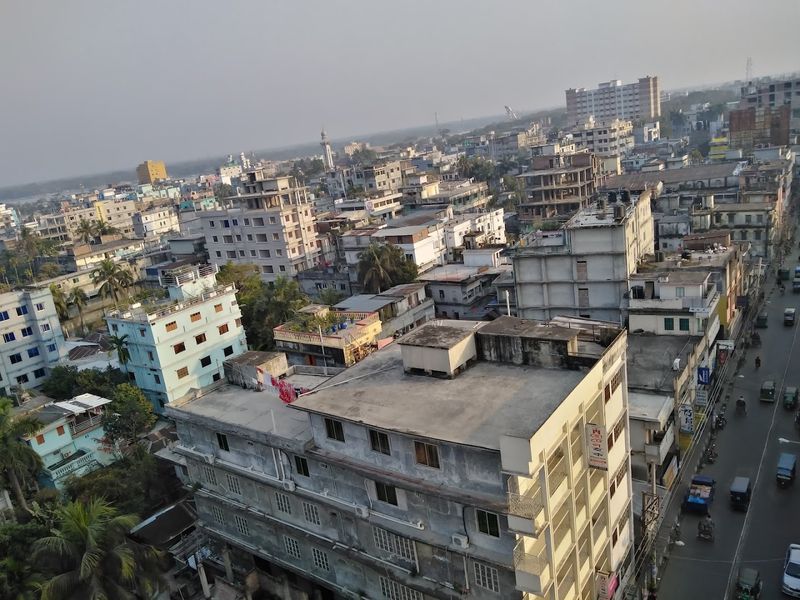
Bangladesh holds a staggering record: it is one of the most densely populated countries on Earth, with roughly 170 million people living in an area slightly smaller than the state of Iowa. In the capital city of Dhaka, the population density reaches levels that are almost impossible to picture.
Urban housing in Dhaka is often multi-generational, with extended families sharing small apartments to manage sky-high rents. A single room might serve as a bedroom, living room, and kitchen all at once.
Rooftops become gathering spaces, courtyards fill with daily life, and neighborhoods buzz with constant activity at all hours.
Rural-to-urban migration has intensified the squeeze dramatically over the past two decades. Millions have moved to Dhaka seeking work, pushing housing demand far beyond what the city infrastructure was ever designed to handle.
Informal settlements, locally called “bastis,” have grown rapidly, with residents building creative but fragile shelters from whatever materials are available. Despite the challenges, community bonds in these neighborhoods are remarkably strong.
Neighbors share resources, watch each other’s children, and build tight social networks that serve as a safety net when formal systems fall short of helping.
India
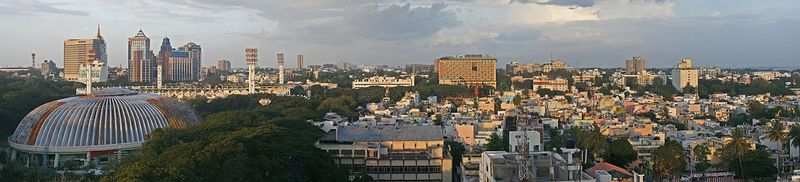
Mumbai is one of the most expensive real estate markets in Asia, which is remarkable given that it is also home to Dharavi, one of Asia’s largest informal settlements. The contrast captures India’s housing challenge perfectly: enormous demand, limited land, and a massive gap between what people need and what they can afford.
In Mumbai’s formal housing market, a 400-square-foot apartment in a decent neighborhood can cost hundreds of thousands of dollars. Many middle-class families spend decades paying off tiny flats that would barely qualify as a studio in North America.
Space is measured in square feet with obsessive precision in property listings.
Informal settlements tell a different story. In Dharavi alone, roughly one million people live in dense clusters of small structures, sharing communal facilities and running thriving cottage industries from within their homes.
These neighborhoods are not simply places of poverty. They are complex, self-organized communities with their own economies, schools, and social structures.
India’s government has launched several urban housing initiatives in recent years, aiming to build affordable units at scale. Progress is slow, but architects and urban planners are increasingly experimenting with smarter, denser, and more dignified compact housing models across the country.
Netherlands
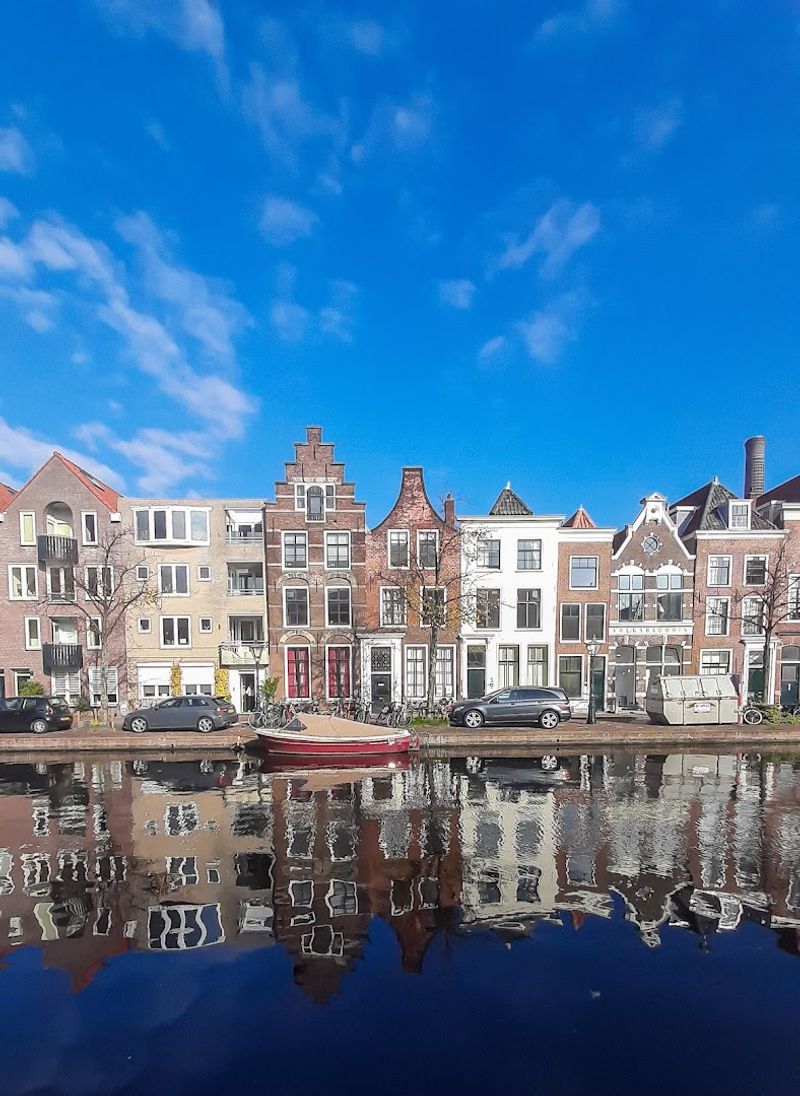
Dutch canal houses look charming from the outside, but step through the front door and you will quickly discover they were built for a world where land was too precious to waste on wide hallways. Amsterdam’s famous narrow townhouses were taxed by their frontage width in the 17th century, which is why they are tall, deep, and surprisingly slim.
Modern Dutch apartments are not much more generous with space. The Netherlands is one of Europe’s most densely populated countries, and housing in major cities like Rotterdam and The Hague is compact by design.
Average living space per person sits below European averages, yet residents consistently rank among the happiest in the world.
The Dutch cope beautifully by treating the outdoors as an extension of their homes. Bicycles replace cars, canal paths replace backyards, and neighborhood cafes replace oversized living rooms.
Dutch interior design, famous for its clean lines and functional furniture, is partly a product of necessity. A sofa that folds into a bed and a kitchen that doubles as a dining room are not novelties here but practical solutions.
The Netherlands shows that a high quality of life and a small floor plan are absolutely not mutually exclusive concepts.
Malta

Malta is tiny. The entire country covers just 316 square kilometers, making it one of the smallest nations in the world by land area.
Yet more than half a million people call it home, creating a population density that rivals some of Asia’s most crowded cities.
Traditional Maltese homes are built from golden limestone, stacked closely together in villages and towns that leave almost no empty space between buildings. Balconies are a beloved feature, serving as miniature outdoor rooms where residents hang laundry, tend plants, and watch their neighbors go about daily life.
Modern apartment living has grown rapidly in Malta over the past two decades, driven by foreign investment, tourism, and a booming expat population. New high-rise developments have sparked lively debate among locals who worry about preserving the island’s historic character.
Apartments in popular areas like Sliema and St. Julian’s are compact and expensive, often priced well above what many Maltese families can comfortably afford. Despite the squeeze, Maltese social life thrives outdoors.
Village feasts, piazzas, and seafront promenades mean that home is mostly where you sleep rather than where you actually live your richest daily moments.
Israel
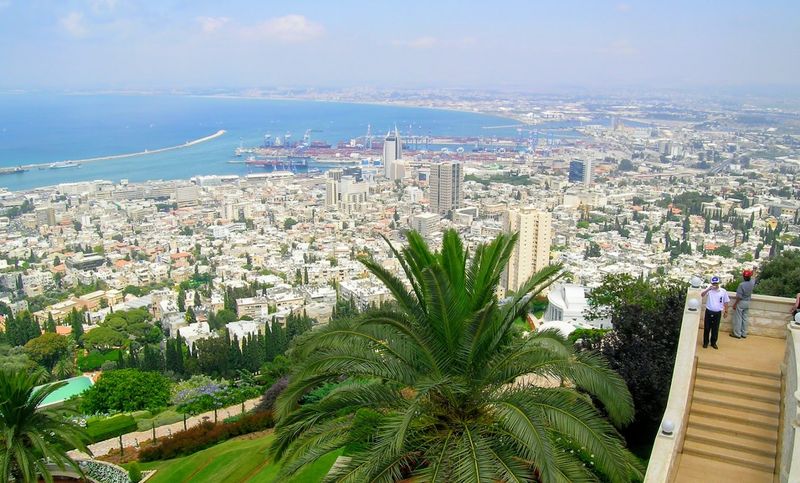
Tel Aviv real estate prices have shocked even seasoned property investors in recent years. A modest two-bedroom apartment in a central neighborhood can easily cost over a million dollars, pushing many residents into smaller units that they share with roommates or squeeze into with their families.
Israel’s geography plays a big role in the housing crunch. The country is relatively small, and large portions of land are either protected, militarily restricted, or located far from economic centers.
This concentrates demand into a narrow coastal strip where cities like Tel Aviv, Herzliya, and Netanya blend almost seamlessly into one another.
Young Israelis have responded to the housing crisis with creativity and frustration in equal measure. Shared apartments with four or five roommates are extremely common among people in their twenties.
Tiny studio apartments of 30 to 40 square meters are marketed aggressively to young buyers as starter homes. The government has attempted various reforms to increase housing supply, with mixed results.
Despite the tight living conditions, Israeli apartment culture is lively and social. Balconies become outdoor dining rooms, rooftops host gatherings, and the warm Mediterranean climate means that life spills outdoors for much of the year.
Monaco
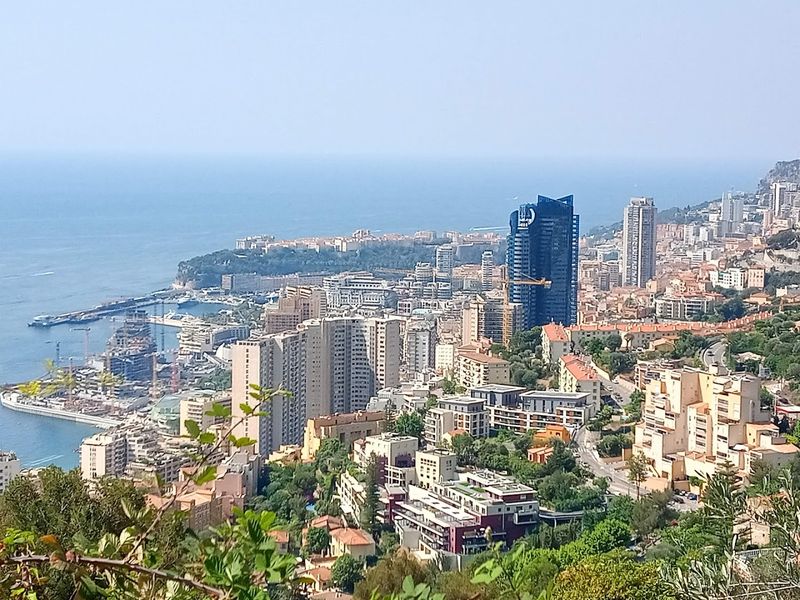
Monaco is barely bigger than Central Park in New York City, yet it squeezes in roughly 36,000 residents, making it the most densely populated sovereign state on the planet. Every square meter of this tiny principality is prime real estate, and the numbers to prove it are genuinely jaw-dropping.
Average property prices in Monaco hover around 50,000 euros per square meter, which makes even Hong Kong look like a bargain. Apartments here are compact by global standards, yet they come dressed in marble, floor-to-ceiling glass, and panoramic views of the glittering Mediterranean.
Space is a luxury that even the wealthy have to manage carefully.
To cope with its land limitations, Monaco has been literally building into the sea. The Portier Cove project is creating an entirely new neighborhood on reclaimed land, adding precious space for homes and parks.
Existing buildings are built upward as high as regulations allow, and underground infrastructure handles parking, utilities, and even shopping malls to free up surface space. Monaco proves that extreme density does not have to mean low quality of life.
With the right investment and urban planning, even the world’s most crowded corner can feel polished, functional, and surprisingly pleasant to actually call home.
Share this story