Trains have been moving people and goods across the globe for nearly two centuries, and they still play a massive role in everyday life today. From high-speed bullet trains slicing through mountain ranges to heavy freight locomotives hauling coal across endless plains, railways connect nations in ways that roads and airways simply cannot match.
Some countries have invested so heavily in rail that their networks stretch for tens of thousands of miles. Here are the ten countries with the biggest train networks on Earth, ranked by total route length.
United States
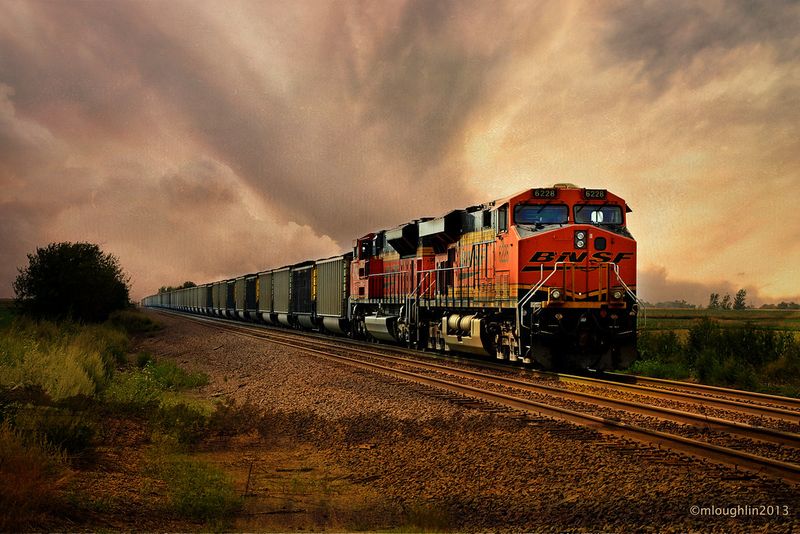
Nobody moves freight quite like the United States. With roughly 220,000 kilometers of track, America holds the title of the world’s largest railway network by a wide margin.
That is more than enough rail to circle the Earth five times over.
Most of the system is built for freight, not passengers. Massive locomotives haul agricultural products, coal, automobiles, and consumer goods from coast to coast every single day.
Companies like Union Pacific and BNSF operate some of the longest and busiest freight corridors anywhere on the planet.
Passenger rail, handled mostly by Amtrak, covers far less ground but still connects major cities from New York to Los Angeles. The Northeast Corridor between Boston and Washington D.C. is one of the busiest rail lines in the country.
While America’s passenger service lags behind many other nations, its freight system is genuinely world-class and a critical backbone of the national economy.
China
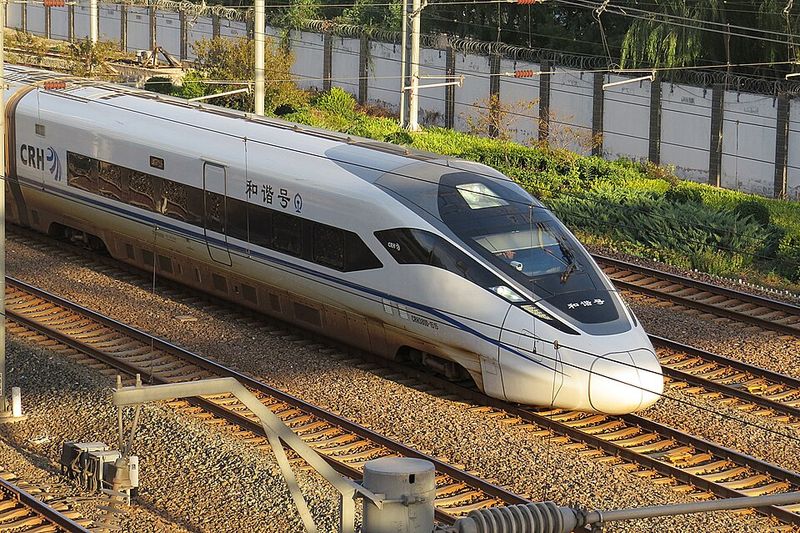
China built more high-speed rail in the last two decades than the rest of the world combined. That fact alone tells you everything about how seriously this country takes its trains.
With approximately 159,000 kilometers of total track, China ranks second globally for network size.
What truly sets China apart is its jaw-dropping high-speed system. Hundreds of cities are now linked by trains that cruise at up to 350 km/h.
The Beijing to Shanghai route, for example, covers nearly 1,300 kilometers in just four to five hours. Tickets are affordable, trains run on time, and stations feel more like airports than traditional rail hubs.
China continues to expand aggressively, building new lines into rural provinces and even connecting to neighboring countries through international rail projects. The network also carries enormous volumes of freight supporting the country’s massive manufacturing sector.
Riding the high-speed rail there feels like stepping into the future, and for millions of Chinese commuters and travelers, these trains are simply part of daily life.
Russia
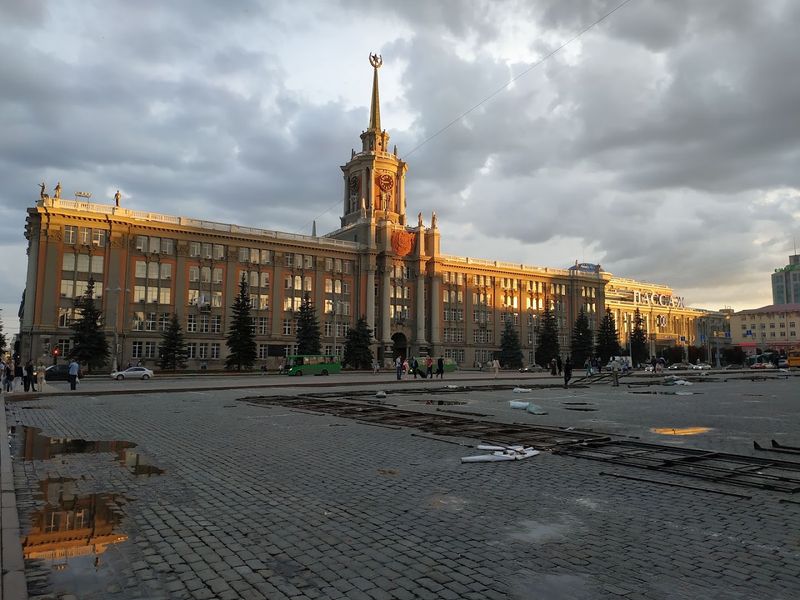
Spanning eleven time zones, Russia needed a railway system that could match its almost unimaginable scale. The network stretches approximately 105,000 kilometers, threading through dense forests, frozen tundra, and remote mountain regions that few roads ever reach.
The star of Russian rail is the legendary Trans-Siberian Railway. Running from Moscow all the way to Vladivostok on the Pacific coast, it covers roughly 9,289 kilometers and takes about six days to complete.
Passengers share compartments, swap stories, and watch the landscape shift from European plains to Siberian wilderness. It remains one of the great travel experiences on Earth.
Russia’s rail network is also a critical freight artery, moving oil, timber, minerals, and manufactured goods across the country’s vast interior. State-owned operator RZD manages most of the system and has been modernizing rolling stock and track in recent years.
For many communities deep in Siberia, the train is not just convenient but the only reliable link to the outside world. Without the railway, much of Russia’s interior would simply be cut off.
India
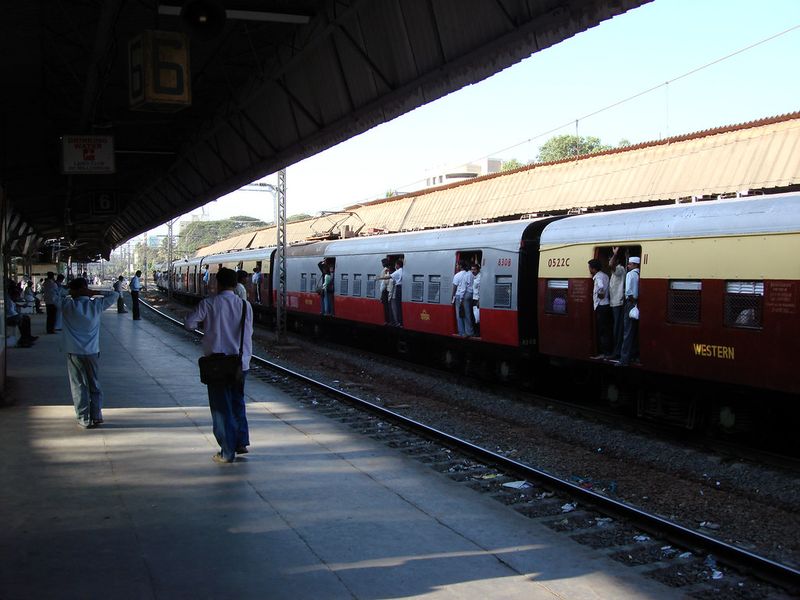
Every single day, Indian Railways carries more than 13 million passengers. That number is so large it is hard to wrap your head around it, but it tells you exactly how central trains are to life across the subcontinent.
India’s network covers over 65,000 kilometers of track, making it one of the busiest rail systems on Earth.
Indian Railways is also one of the country’s largest employers, with over a million workers keeping the system running around the clock. The network connects everything from megacities like Mumbai and Delhi to small towns buried deep in rural states.
Trains range from basic sleeper cars to premium air-conditioned express services.
Freight is equally important, with trains carrying coal, steel, cement, and food grains to fuel the country’s booming economy. India is currently investing heavily in upgrading its infrastructure, including the introduction of the modern Vande Bharat Express trains and ambitious plans for dedicated freight corridors.
The goal is a faster, more reliable network that can keep pace with one of the world’s fastest-growing populations. Rail here is not just transport; it is a lifeline.
Canada
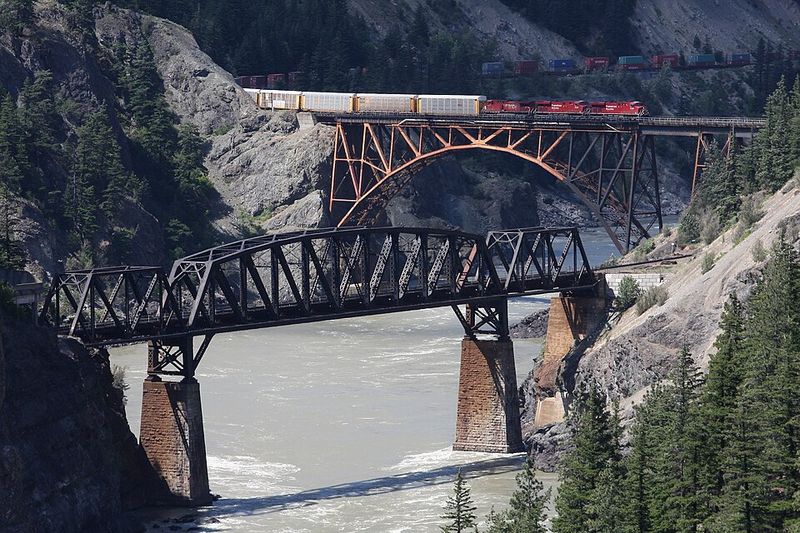
Canada’s sheer geographic size makes its railway network a fascinating engineering story. Covering approximately 49,000 kilometers, the system links ports on the Atlantic and Pacific coasts with vast agricultural prairies, boreal forests, and remote mining operations in between.
Freight is the real focus here. Canadian National (CN) and Canadian Pacific Kansas City (CPKC) are two of North America’s most powerful freight railroads, moving grain, potash, oil products, lumber, and manufactured goods across the country and into the United States.
These companies run trains that stretch for several kilometers in length, a sight that genuinely stops traffic at level crossings.
Passenger rail, operated by VIA Rail, exists but covers much less ground than the freight network. The Canadian, a long-distance train between Toronto and Vancouver, is one of the most scenic rail journeys in the world.
However, most Canadians rely on cars or planes for intercity travel, since the country’s population is spread thin across enormous distances. Canada’s railways are less about moving people and more about keeping one of the world’s largest resource economies ticking smoothly every day.
Germany
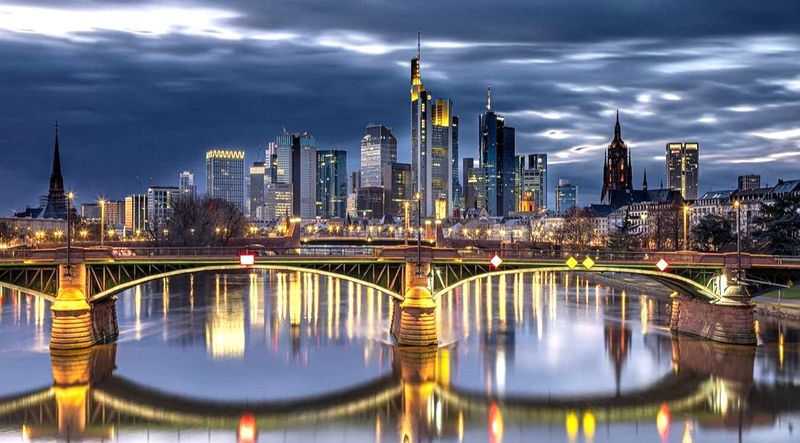
Germany runs the largest railway network in Europe, and it does so with characteristic precision. About 39,000 kilometers of track crisscross the country, creating one of the most connected passenger rail systems anywhere in the world.
Nearly every town of any significance has a train station.
Deutsche Bahn, the national rail operator, runs everything from local S-Bahn commuter services to the sleek Intercity-Express, better known as the ICE. These high-speed trains connect cities like Berlin, Munich, Frankfurt, and Hamburg at speeds up to 300 km/h.
Traveling between German cities by train is often faster than flying once you factor in airport hassle.
Germany’s network also plugs seamlessly into the wider European rail system, making it easy to hop from Frankfurt to Paris or Berlin to Amsterdam without ever boarding a plane. Freight rail plays a significant supporting role too, moving industrial goods through one of Europe’s largest manufacturing economies.
The government has pledged billions in new investment to modernize aging infrastructure and expand capacity. Germany is serious about keeping rail at the center of its transportation future, especially as the country pushes hard toward its climate goals.
Australia
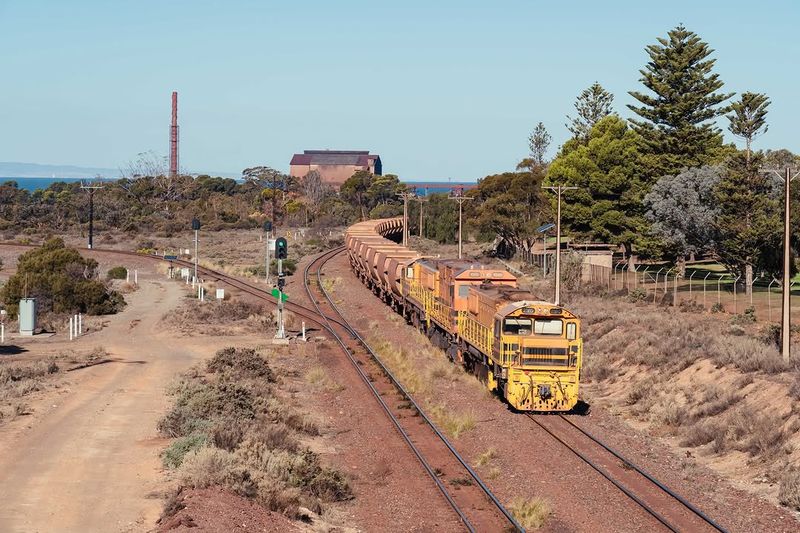
Australia’s railway network is a tale of two very different worlds. On one hand, you have enormous heavy-haul freight trains thundering through the Pilbara region of Western Australia, hauling iron ore in trains that can stretch over four kilometers long.
On the other hand, you have iconic passenger journeys that rank among the most romantic rail adventures on the planet.
The network totals around 36,000 kilometers. The Ghan, running from Adelaide to Darwin through the red heart of the continent, and the Indian Pacific, crossing from Sydney to Perth, are bucket-list journeys for train lovers worldwide.
Both routes pass through landscapes so vast and empty that you genuinely feel the scale of Australia from your window seat.
Urban rail networks in cities like Sydney, Melbourne, and Brisbane handle millions of commuters each week. Australia’s freight rail is dominated by private operators serving the mining industry, which contributes enormously to the national economy.
The country has been investing in new urban metro projects and regional rail upgrades in recent years. With distances between cities stretching into the thousands of kilometers, rail remains one of the smartest ways to move both people and resources across this enormous island continent.
Brazil
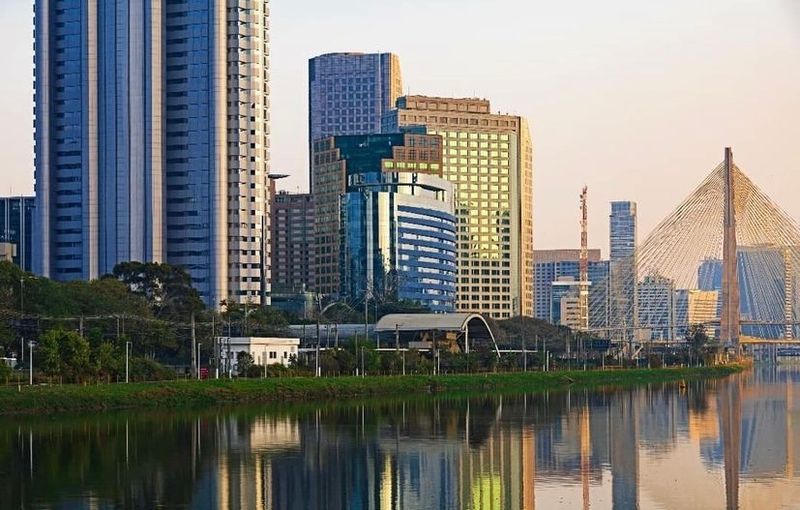
Brazil’s railway story is almost entirely about freight, and it is a big one. The country operates close to 30,000 kilometers of track, most of it dedicated to hauling iron ore, soybeans, sugar, and other raw materials from the interior to major ports along the Atlantic coast.
The Carajas Railway in the northeastern state of Para is one of the most productive freight lines on Earth. It carries iron ore from the enormous Carajas mine to the port of Sao Luis, running trains that weigh up to 330,000 tons.
That is staggering even by global standards. Vale, the mining giant, operates this line and has invested heavily in making it one of the most efficient heavy-haul railways anywhere.
Passenger rail in Brazil is underdeveloped compared to the country’s size. Most Brazilians travel by road or air between cities, and intercity train services are rare outside of a few urban metro systems.
There have been long-standing proposals for high-speed rail between Sao Paulo and Rio de Janeiro, but progress has been slow. Brazil’s railways punch above their weight economically, even if they remain largely invisible to everyday travelers passing through this vibrant country.
France
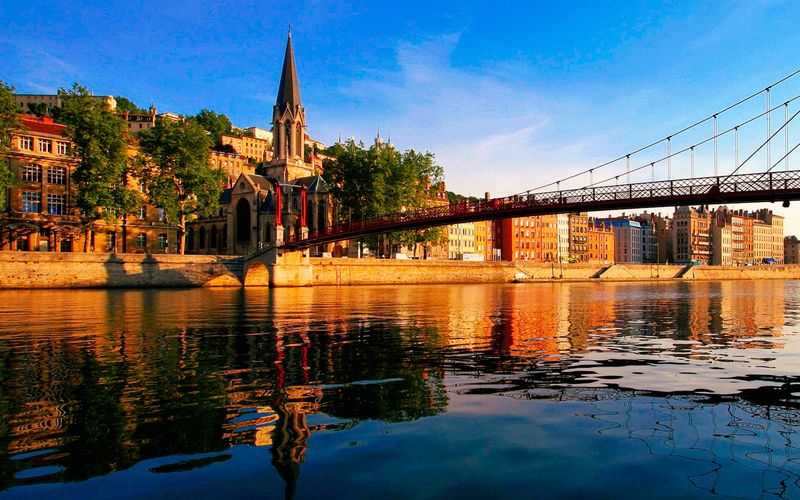
France turned train travel into an art form. The TGV, which stands for Train a Grande Vitesse or high-speed train, debuted in 1981 and completely changed how Europeans thought about rail.
Today, France’s network spans nearly 28,000 kilometers, and the TGV remains one of the most recognized symbols of modern rail travel anywhere.
Paris sits at the center of a web of high-speed lines radiating outward to cities like Lyon, Marseille, Bordeaux, Lille, and Strasbourg. Travel times that once required overnight journeys are now just two or three hours.
The TGV also crosses into neighboring countries, zipping passengers to Brussels, Amsterdam, London via the Channel Tunnel, and beyond.
Regional trains and local services fill in the gaps, connecting smaller towns and villages to the main network. SNCF, the national rail company, manages the whole operation and has been expanding its fleet with the next-generation Avelia Horizon trains.
France also runs an impressive night train revival, bringing back sleeper services on routes that had been discontinued. For a country that loves food, culture, and the good life, it makes perfect sense that they also perfected the art of traveling in style at 320 km/h.
Japan
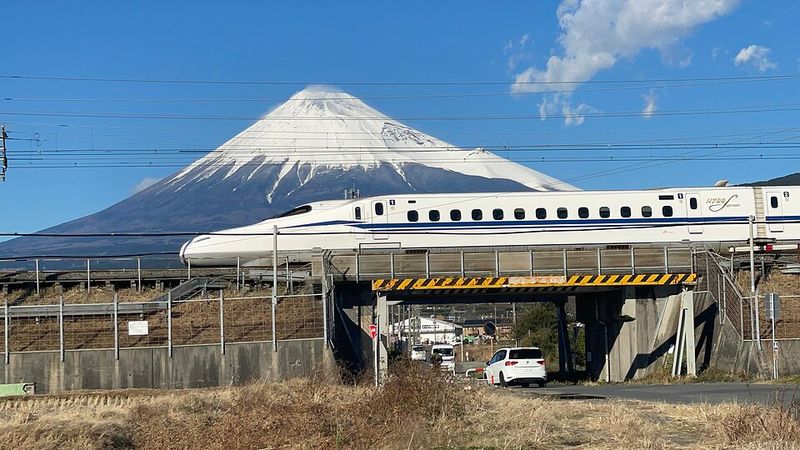
Japan’s Shinkansen bullet trains are so punctual that delays of even one minute trigger a formal public apology from the operator. That level of commitment to precision is not a quirk; it is a national standard.
Japan’s rail network covers approximately 27,000 kilometers, and within that compact but densely connected system, the Shinkansen stands as its crown jewel.
The first bullet train launched in 1964, just in time for the Tokyo Olympics. Decades later, the network has expanded to cover most of the main island of Honshu, as well as routes into Hokkaido and Kyushu.
Trains run at speeds up to 320 km/h, and the safety record is extraordinary. In over 60 years of operation, the Shinkansen has never had a passenger fatality caused by a derailment or collision.
Beyond the Shinkansen, Japan’s urban rail networks in Tokyo, Osaka, and other cities are marvels of efficiency, moving millions of people daily with minimal fuss. Local and regional lines reach into the mountains and countryside, making virtually every corner of the country accessible by train.
For a nation the size of California, Japan has built something truly remarkable. The trains here do not just run on time; they run like clockwork.
Share this story