 Unearth The Voyage
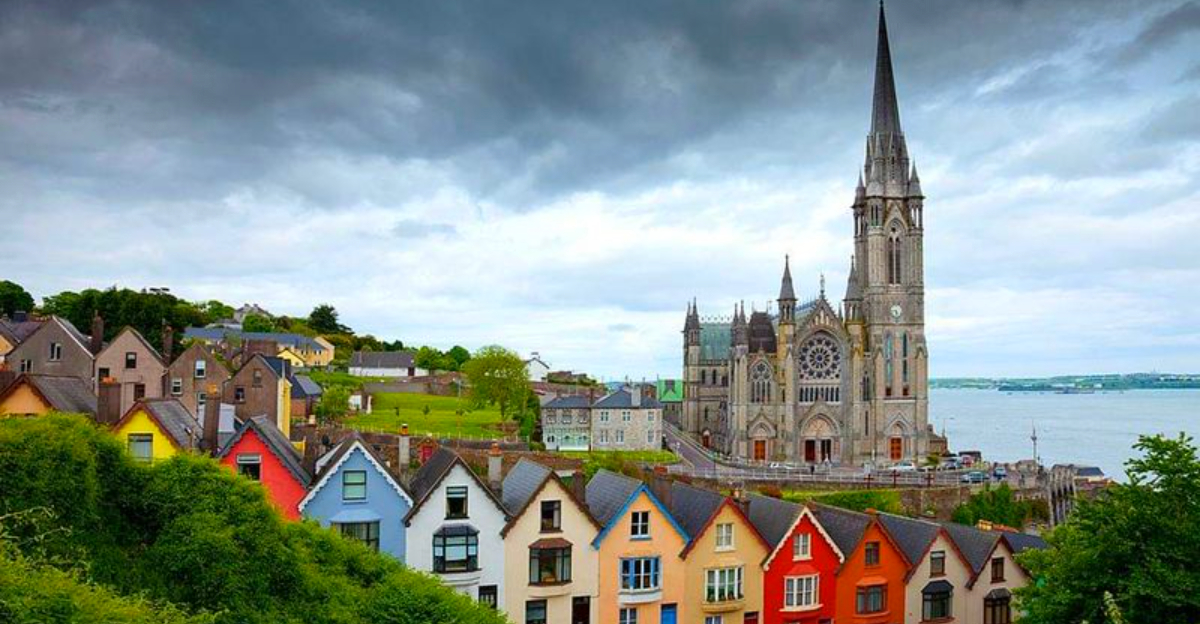
Some places feel alive with music, color, and story the moment you arrive. If you have ever wanted to step into living heritage rather than look at it behind glass, this list is your invitation. You will find countries where songs still guide the seasons, where dances carry memory, and where crafts speak in the textures of daily life. Let this be your map to cultures that welcome you into the circle, not just the audience.
Romania
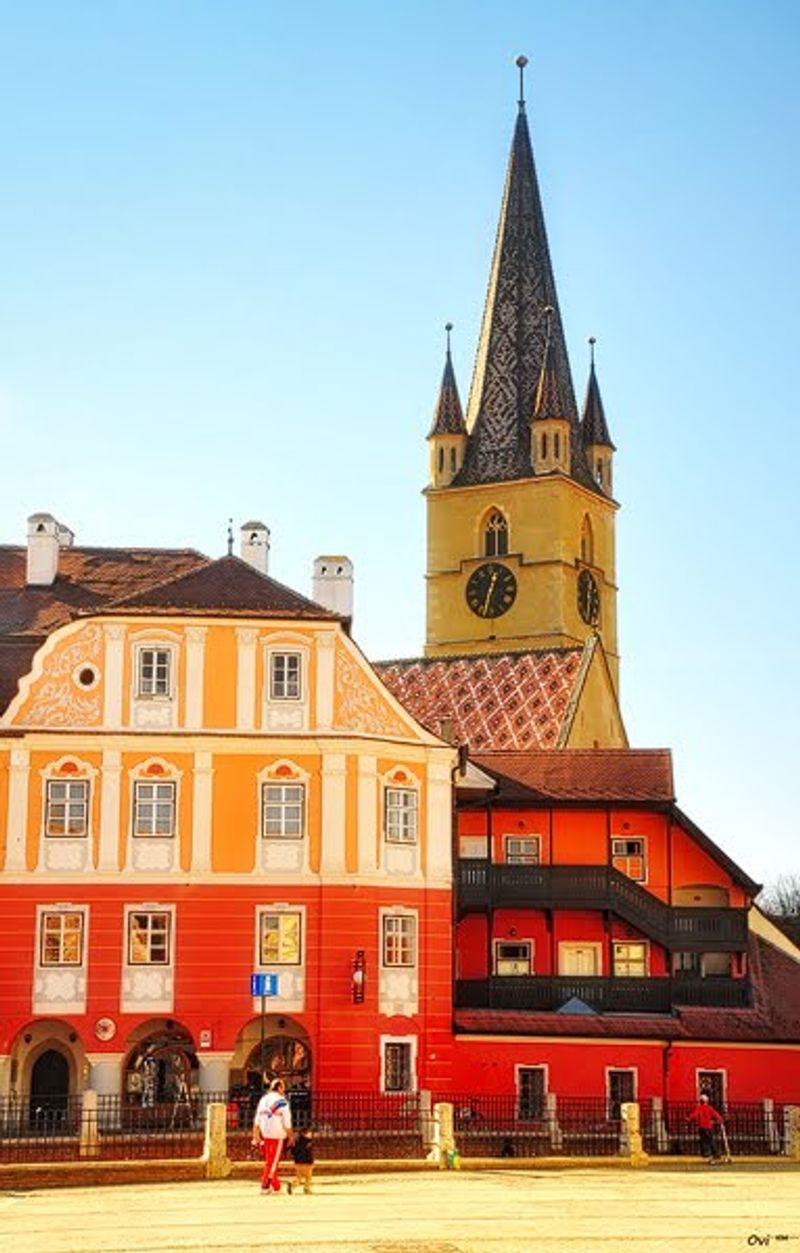
You feel the heartbeat of Romania in village squares where circles of dancers turn to the rhythm of fiddles and cobza. The embroidered ie catches the light, and suddenly you notice patterns that tell stories of mountains, rivers, and families. Festivals link the year to nature, so each season arrives with songs, costumes, and small rituals that make time feel grounded.
Birth and marriage customs still gather whole communities, and you see how heritage lives in gestures as much as in words. Craftspeople carve wooden gates like protective poems, while weavers create rugs that hold warmth and memory. When you walk into a village house, icon corners, painted eggs, and woven textures welcome you like old friends.
Folk songs carry sorrow and joy in the same breath, turning everyday life into something sacred. You might join a hora without knowing the steps and learn by doing, laughing as the circle teaches you. Romania invites you to belong, not as a spectator but as someone who carries the dance forward.
Bulgaria
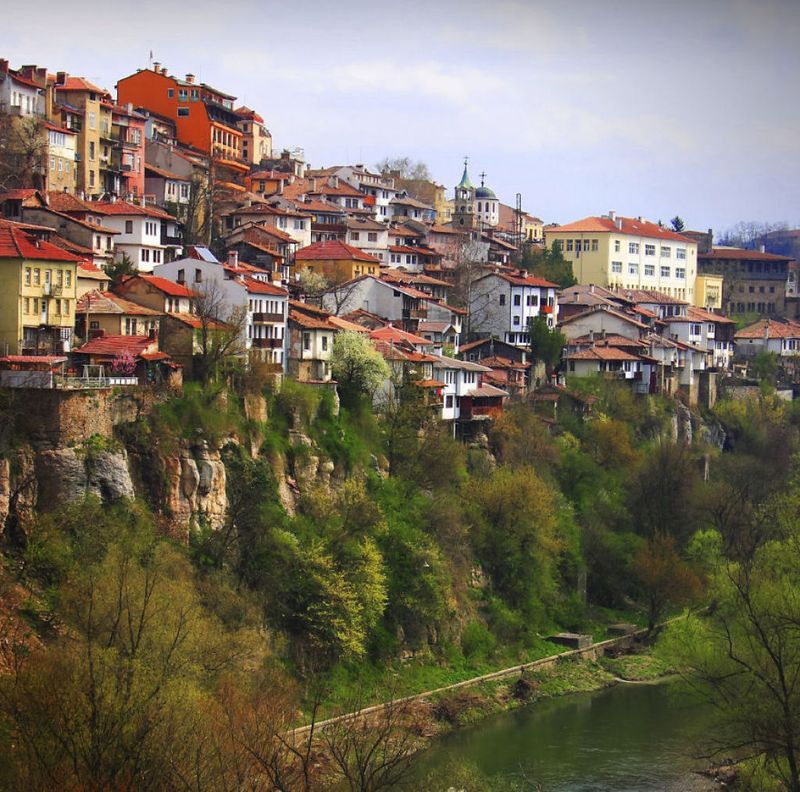
In Bulgaria, the mountains shape the music, and the music shapes the people. Asymmetrical rhythms tug your feet into steps you have never tried, and yet your body understands. The gadulka sings like a thread of light, while the tambura keeps the ground steady under the dancers.
Village isolation once nurtured distinct customs, and you can still hear those differences in songs that bend time. Weddings burst with color and sound, and festivals bring back winter guardians like the kukeri whose bells chase away the cold. Red-and-white martenitsa strings appear in spring, tying wishes to branches and wrists.
When you stand in a Bulgarian square, the line dance pulls you in with warmth and precision. Each region answers with its own steps, a dialogue across valleys. You leave with rhythms in your bones and a sense that the land itself is keeping time.
Georgia (the country)
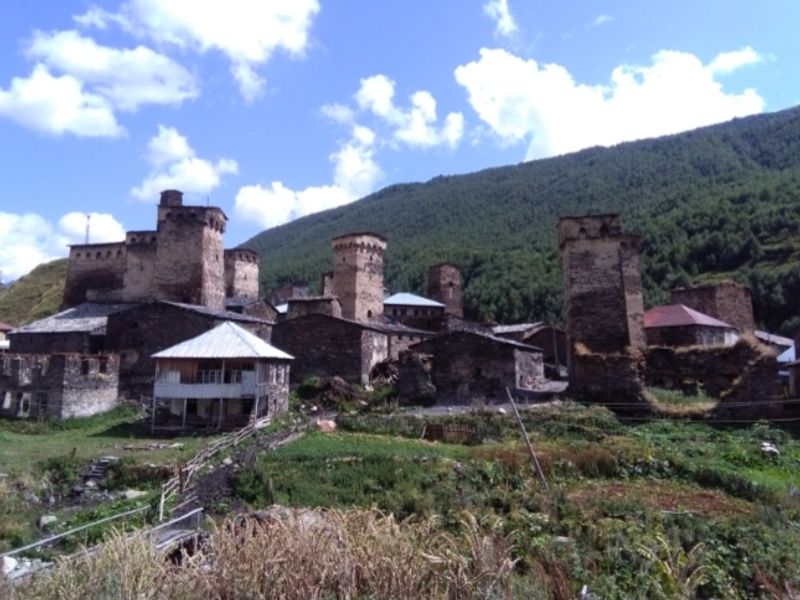
Georgia greets you with harmony that feels ancient and present at once. Polyphonic singing rises in braids of sound, each voice carrying a path through history. You hear toasts at a supra as if they were small songs, full of memory and gratitude.
Regions speak in musical dialects, and every village seems to keep its own tuning of the heart. Dances lift sharply and land softly, echoing mountains that hold both strength and grace. The chokha, with its cartridge pockets, looks like a garment stitched for guardians of song.
When you listen closely, you sense more than music. You feel kinship, resilience, and the quiet courage of communities that kept their voice through centuries. Georgia teaches you that harmony is not sameness, but the trust of standing together.
Slovakia
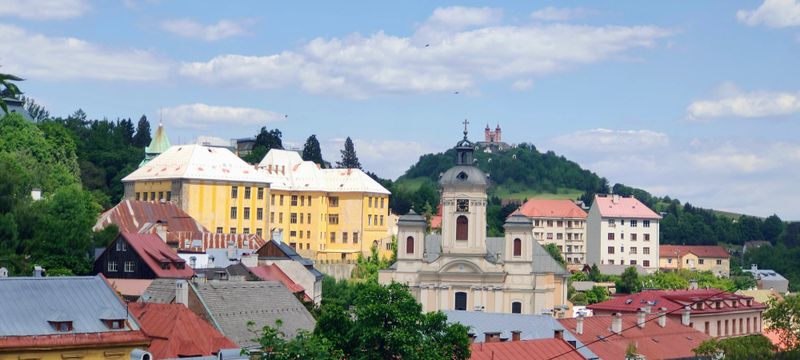
Slovakia’s folk life thrives where wooden villages meet mountain meadows. The fujara’s low call carries across hills, and the cimbalom adds a sparkle that keeps feet moving. You see kroj costumes that vary from valley to valley, each stitch whispering home.
Annual festivals gather everyone, from grandparents to toddlers balancing ribbons. Dances spin in joyful patterns, and songs shift from playful to wistful without missing a beat. Crafts and architecture feel lived-in rather than displayed, so you experience tradition as shelter.
As you wander, painted motifs appear on doors and chests like friendly signatures. People share stories with a generosity that makes you linger. Slovakia invites you to learn by celebrating, and every celebration becomes a gentle lesson.
Ireland
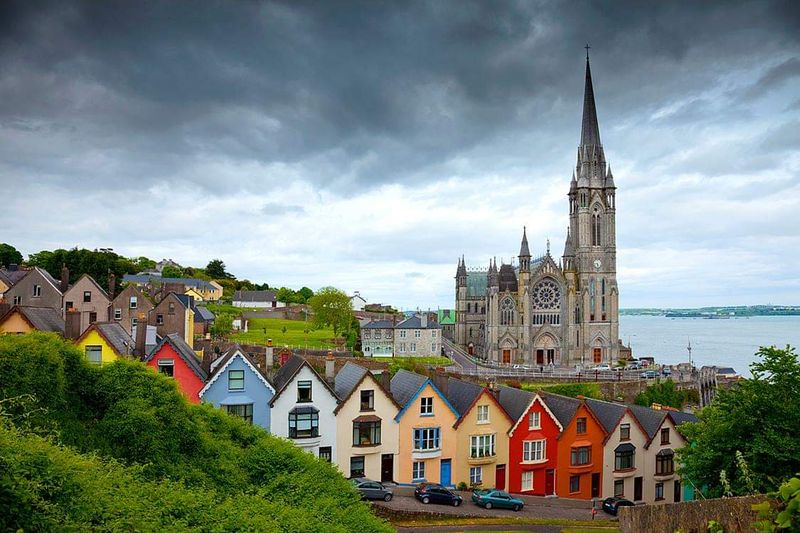
Ireland wraps you in music as soon as the fiddle starts. A pub session can feel like a living story, where tunes pass between players the way myths pass between generations. You feel time soften when the uilleann pipes enter, turning the room into a hearth.
Tales of fairies and ancient heroes sit comfortably beside laughter and quick steps on wooden floors. Storytelling thrives in friendly voices, and you sense how memory keeps hope alive. Dance draws you out of your chair, as if the floor itself were inviting you in.
Beyond the pubs, festivals and village halls carry the pulse of céilí nights. Songs cradle loss and lift joy, teaching you to hold both. Ireland shows that folklore is not just remembered, it is practiced with a smile.
Wales / Celtic Britain
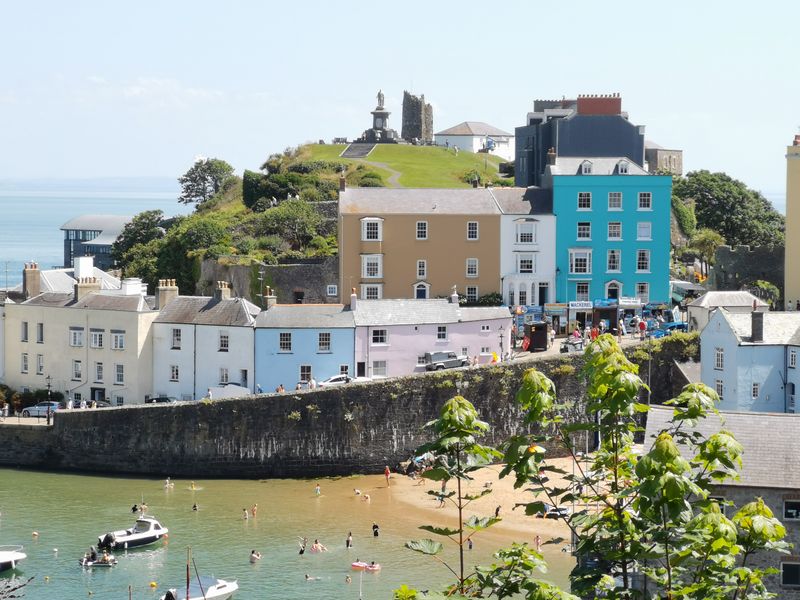
Wales welcomes you as the land of song, and the name fits. Choirs rise like hills in harmony, while the harp threads between voices with clear silver notes. Poetry stands beside music, and audiences listen with the respect given to elders.
Folk customs linger in stories, ballads, and village celebrations that feel both intimate and communal. You hear echoes from neighboring Celtic regions, where languages and tunes share roots yet keep their own colors. Community halls glow with warmth on rainy evenings, turning weather into a backdrop for belonging.
As you explore, myths and legends guide your path like gentle signposts. You find that tradition here is a companion for daily life rather than a distant relic. Wales invites you to sing along, even if you only know the chorus.
Greece
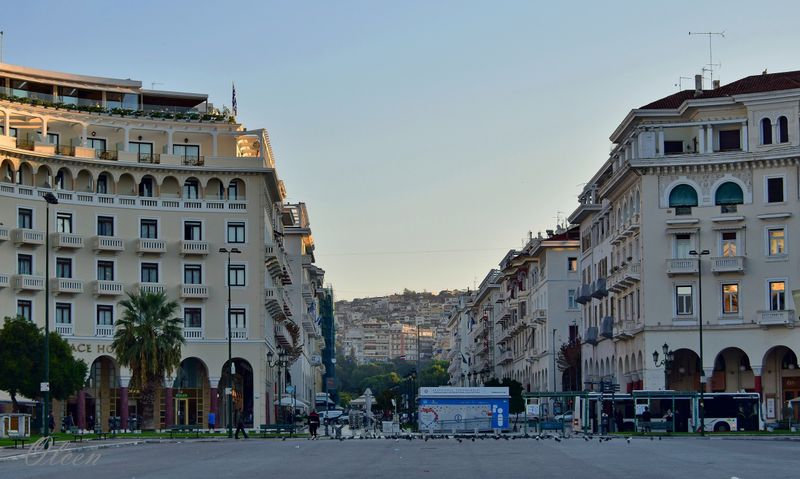
Greece carries myth in its everyday gestures. You feel it when a dance begins in a village square and everyone links hands without hesitation. The bouzouki’s voice is bright and clear, and the lyra adds a thread of longing that keeps you moving.
Seasonal celebrations tie the calendar to sea and soil, blending ancient echoes with modern joy. Stories of gods and heroes are not far away, yet people celebrate the lives of fishermen, farmers, and families with the same devotion. Food arrives like a ritual, and you taste the rhythm of hospitality.
Regional costumes and steps vary beautifully, but the feeling is consistent. You are welcomed into a tradition that values presence and participation. Greece lets folklore breathe in open air and warm light.
India
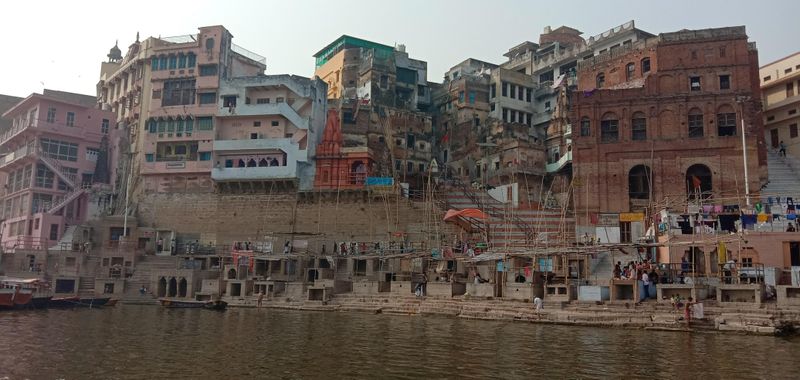
India’s folk traditions feel like a living atlas. Languages, rhythms, and costumes shift as you cross a river or a city street. You find Garba circles pulsing at night, and in another region, Bihu celebrates the seasons with joy and grit.
Music ranges from earthy drums to soaring shehnai, and every sound knows its moment. Craftspeople dye fabrics, carve wood, and weave stories into everyday objects. Festivals pull neighborhoods together, and the air fills with color that seems to hum.
From tribal rituals to village theater, the country offers endless doorways into heritage. You learn to listen with your eyes as much as your ears. India shows you a mosaic where every piece matters and every piece moves.
Japan
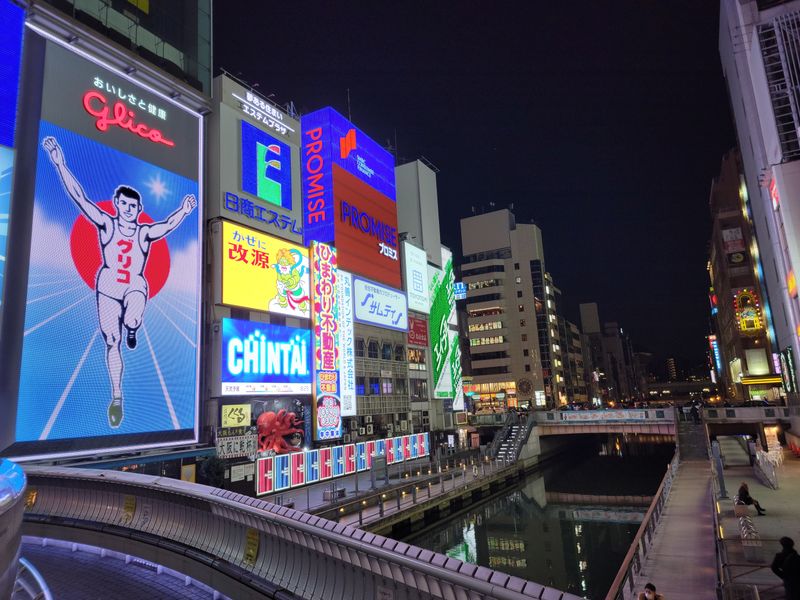
Japan’s folklore walks beside you in lantern light. At a matsuri, taiko drums shake the air while dancers move in patterns that feel both careful and wild. Masks hint at spirits just beyond sight, and you sense how myth still lives in the alleys.
From mountain shrines to coastal towns, each region keeps a slightly different rhythm. Stories of kami and yokai color the night, turning ordinary corners into thresholds. Crafts like washi and lacquer carry patience you can feel in your hands.
Seasonal rituals mark the passing year with clarity and grace. You join a procession, savor a sweet from a stall, and look up as fireworks bloom like brief flowers. Japan teaches you to notice the sacred in small moments.
Mexico
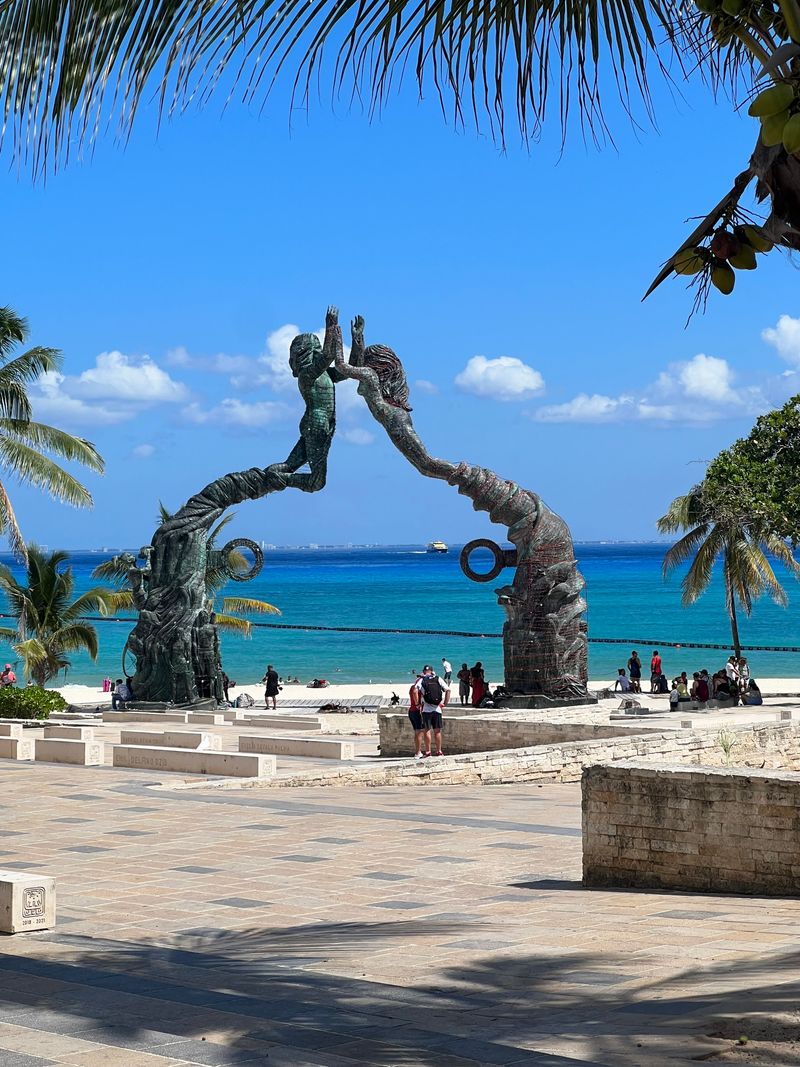
Mexico greets you with color that feels almost musical. You see it in papel picado drifting overhead and in marigolds guiding the way. Music and dance meet you at every turn, and the plaza becomes a stage where everyone belongs.
Indigenous roots weave through colonial histories to create a tapestry that is complex and generous. Artisans shape clay, carve masks, and weave textiles that carry stories in pattern and dye. Festivals arrive like seasons of the heart, with homes and streets transforming together.
During Day of the Dead, memory becomes a shared celebration instead of a quiet room. You place a photo on an altar and feel community rise around you. Mexico shows that tradition can be tender, festive, and deeply alive all at once.



