 Unearth The Voyage
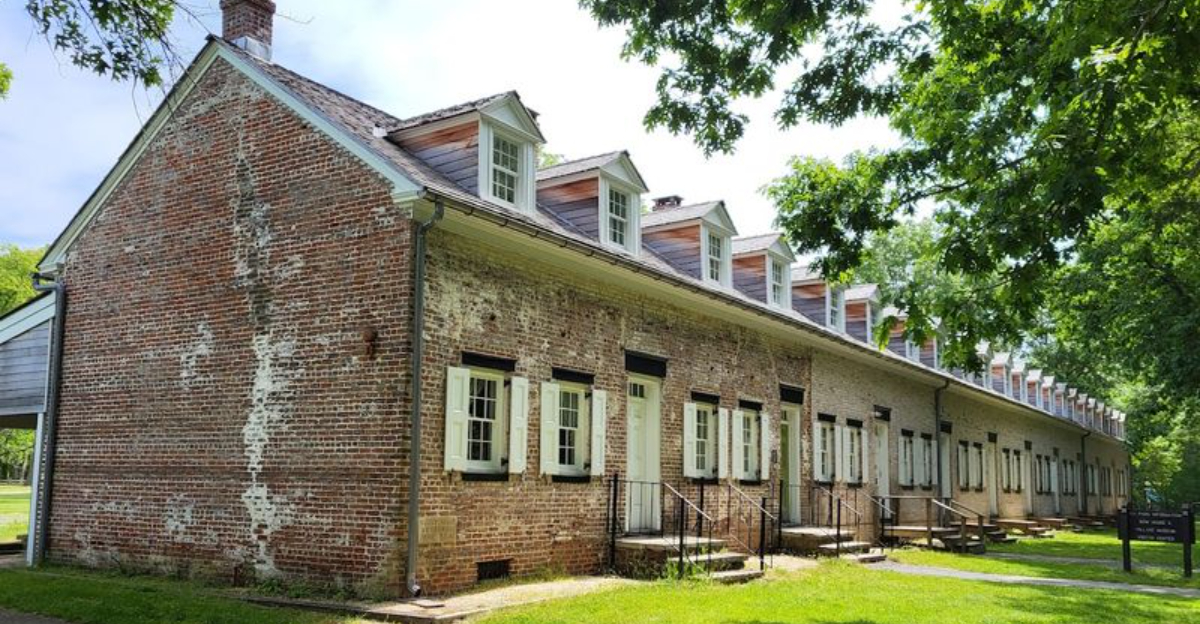
New Jersey has a reputation for a lot of things, but spine-tingling destinations might be its best-kept secret. From crumbling prison walls to fog-wrapped forests, the Garden State is packed with places that make the hair on the back of your neck stand up.
I once took a weekend road trip through South Jersey and came back with more questions than answers, mostly about why I kept hearing things in empty buildings. Whether you love history, legends, or just a good old-fashioned creep-out, this list has something for you.
Burlington County Prison Museum, Mount Holly
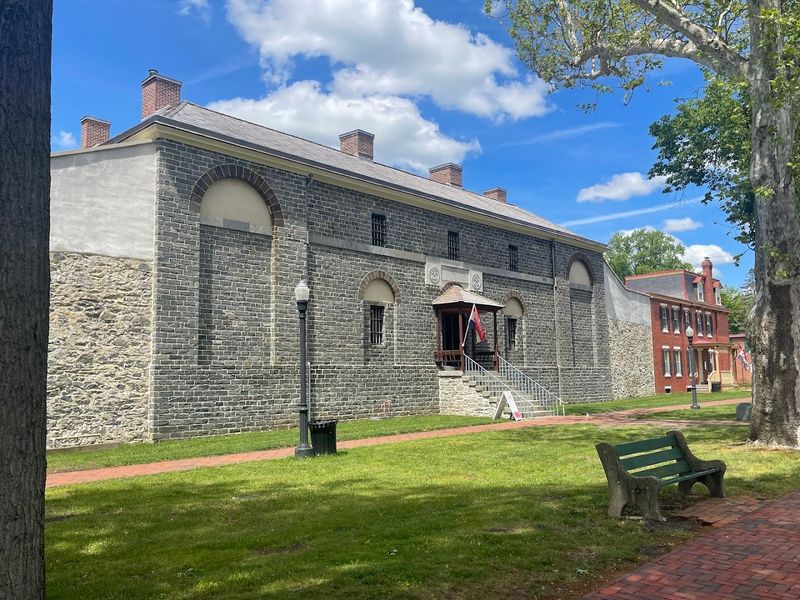
Built in 1811 and still standing strong, Burlington County Prison Museum is the kind of place that makes your stomach drop before you even walk through the door. Designed by Robert Mills, the same architect behind the Washington Monument, this prison has centuries of grim stories baked into its stone walls.
Executions took place here stretching from the 18th century into the early 20th century.
Every cell block feels heavier than the last. The cold floors, iron doors, and narrow corridors are not props.
They are the real deal, untouched and unapologetic about their history. I walked through one of the cell blocks and genuinely had to remind myself I could leave whenever I wanted.
The museum is open to visitors with posted hours, so you can plan a proper visit without sneaking around. If you want goosebumps backed by hard historical facts, this is your first stop in New Jersey.
Fort Hancock at Sandy Hook
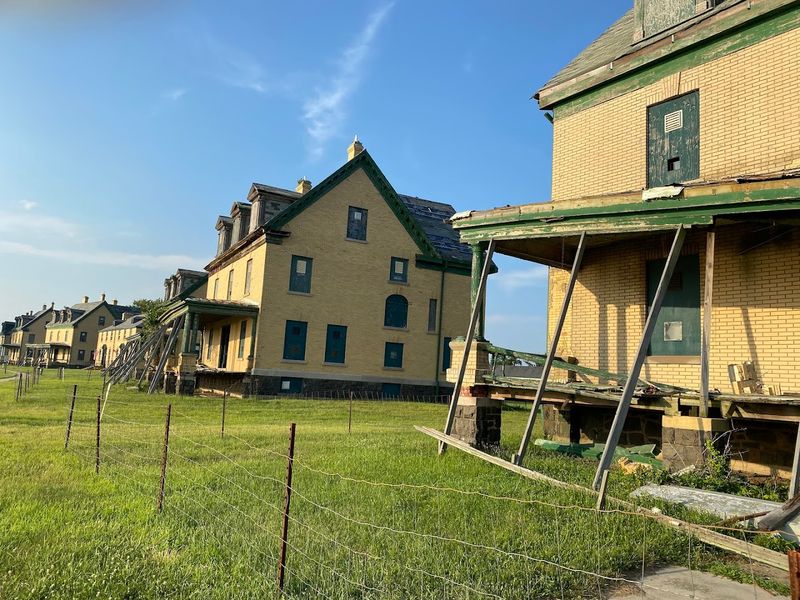
Fort Hancock is the kind of place that feels like time forgot it on purpose. Designated a National Historic Landmark by the National Park Service, this former coastal defense post once guarded the entrance to New York Harbor alongside the historic Sandy Hook Lighthouse.
Today, most of its buildings sit quietly empty.
The old officers’ quarters line the roads like a ghost neighborhood. Peeling paint, hollow windows, and total silence make for an atmosphere that no haunted house designer could replicate.
It is not theatrical. It is just genuinely unsettling in the best possible way.
Parts of the historic area are open to visitors through the Sandy Hook unit, which is accessible daily. Some individual facilities have limited hours, so checking ahead is a smart move.
For anyone who finds abandoned military history more chilling than any horror movie, Fort Hancock absolutely delivers without needing a single jump scare.
Batsto Village in the Pine Barrens
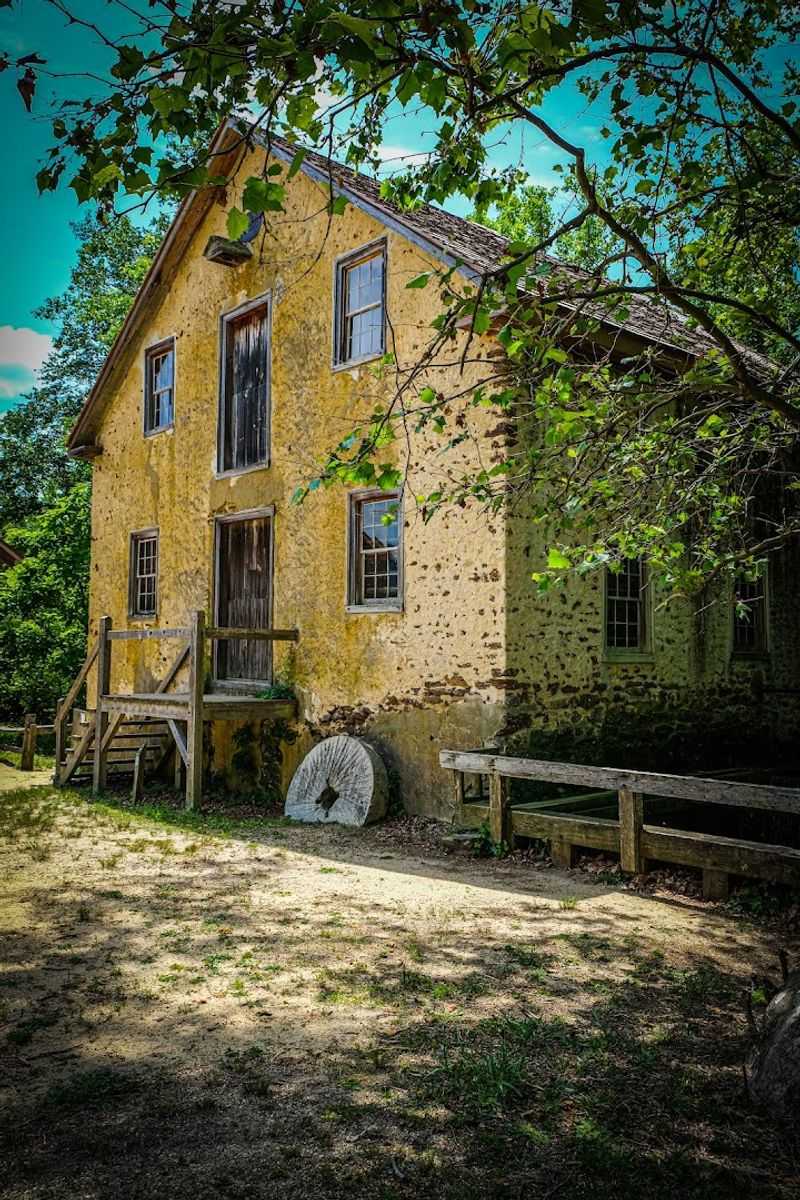
Batsto Village sits inside Wharton State Forest and comes fully loaded with more than 30 nineteenth-century buildings still standing on their original ground. That alone earns it a spot on this list.
Add the fact that it sits deep inside the Pine Barrens, New Jersey’s most folklore-soaked landscape, and you have a location that earns its creepy credentials twice over.
The Jersey Devil legend is practically woven into the soil out here. Nobody is promising you a monster sighting, but the dense tree line and quiet roads have a way of making your brain fill in the gaps.
History and local legend collide at Batsto in a way that genuinely gets under your skin.
The Batsto office stays open year-round, which makes it a reliable visit unlike many so-called ghost towns that are only accessible in theory. Come for the history, stay because you suddenly feel like something is watching you from the tree line.
Absecon Lighthouse, Atlantic City
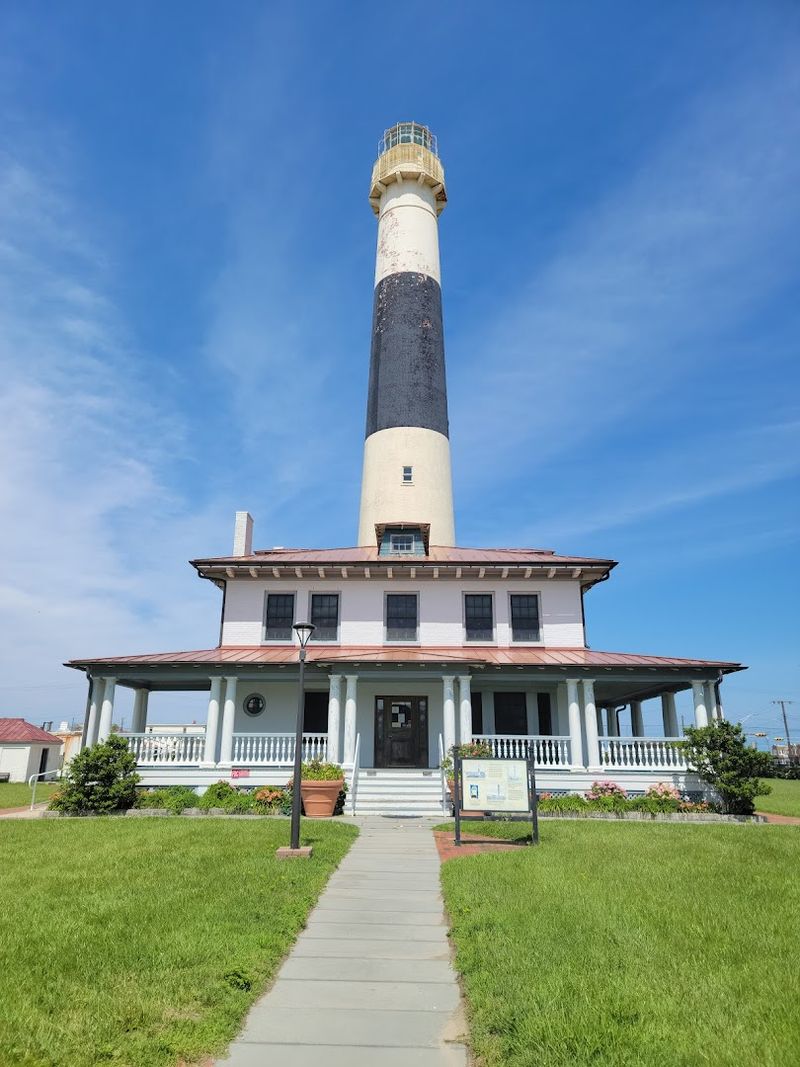
New Jersey’s tallest lighthouse does not mess around. First lit in 1857, Absecon Lighthouse stands 228 steps tall and still houses its original first-order Fresnel lens, which is one of the largest and most impressive lens types ever made for maritime use.
That lens alone is worth the climb.
Lighthouses have an inherent creepiness that is hard to explain but easy to feel. They exist because ships kept wrecking without them, and that backstory follows you up every single step.
By the time you reach the top, the sweeping views over Atlantic City are stunning, but the history pressing in from all sides is what really sticks with you.
Unlike many atmospheric spots that are admired from a distance, Absecon is open for climbs and welcomes visitors. This is a slow-burn kind of chilling experience rather than a jump-scare destination.
For those who prefer their creepiness served with a side of maritime history, Absecon is a perfect fit.
Twin Lights, Highlands
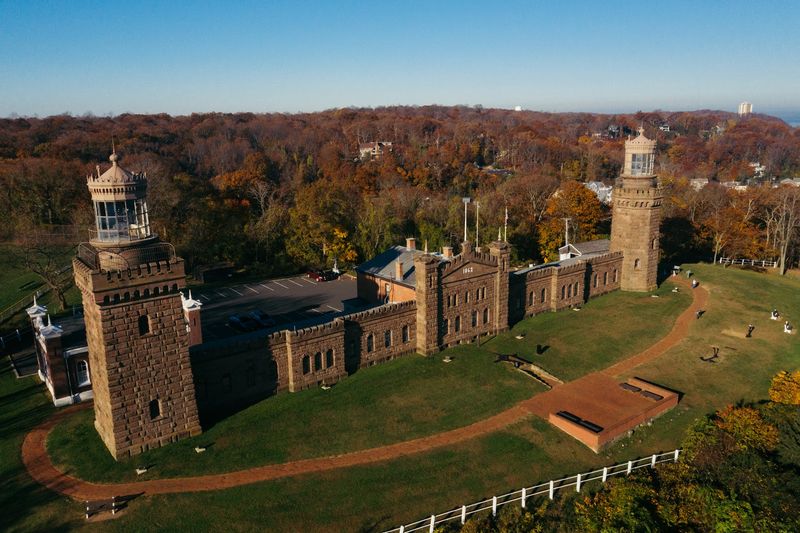
Most lighthouses have one tower. Twin Lights has two, and that alone makes it look like it belongs in a gothic novel.
Perched on a bluff in Highlands, this National Historic Landmark no longer guides ships into New York Harbor, but it still commands attention from every angle. The silhouette against a grey sky is genuinely dramatic.
The two-tower design was unusual even when it was built, giving the structure a personality that single-tower lighthouses simply cannot match. Standing at the base and looking up at both towers feels a little theatrical, like the building knows it has an audience.
Twin Lights operates as a state historic site with regular visitor access, making it one of the more dependable day-trip options on this list. Whether you visit on a bright afternoon or a moody overcast day, the bluff-top setting delivers atmosphere without any effort.
Honestly, it does most of the work for you.
Proprietary House, Perth Amboy
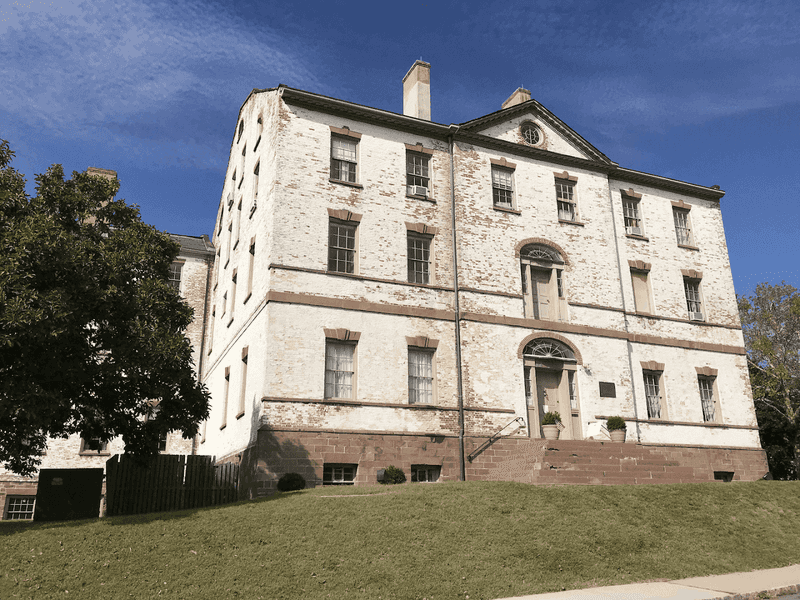
Some buildings are old. Proprietary House is old in a category all its own.
Completed in 1764, it is the only surviving official royal governor’s mansion still standing anywhere in the original 13 colonies. Let that sink in for a second.
Every other one is gone, and this one is still here.
Over the centuries, the building has served as a governor’s residence, hotel, private mansion, boarding house, and eventually a museum. That many lives packed into one structure creates a layered, strange feeling that is hard to shake.
You are not just walking through history. You are walking through several overlapping histories at once.
For readers who find eerie history more compelling than jump-scare folklore, Proprietary House is a genuinely fascinating stop. No ghost stories required when the actual documented past is this rich and strange.
Perth Amboy does not get nearly enough credit for having one of the most quietly unsettling buildings on the entire East Coast.
The Historic Village at Allaire, Farmingdale
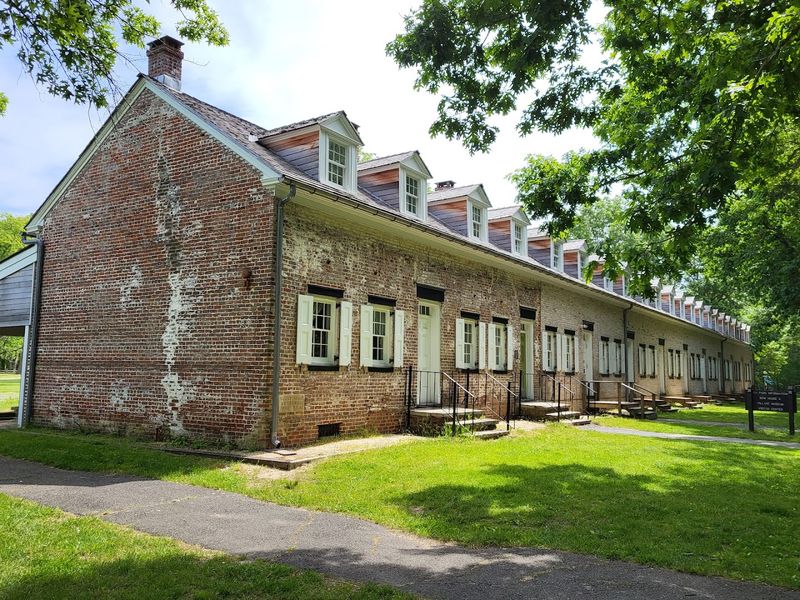
Allaire Village is charming in daylight and genuinely unsettling once the shadows start stretching. The official site describes it as a preserved 19th-century industrial village with historic homes, craft shops, and original structures still sitting on their original foundations.
In other words, nothing has been moved or rebuilt for effect. It is all just there.
The setting is what really does the heavy lifting. A self-contained factory town in the woods, frozen in time, with preserved buildings that look like the workers just stepped away for a moment.
The forest surrounds everything, and the quiet is the kind that makes you hyperaware of every small sound.
Allaire has regular public admission and an active events calendar, so visiting is easy and reliable. It works especially well for people who want creepy atmosphere without committing to anything extreme.
Come during the day, enjoy the history, and then notice how much less comfortable everything feels as the afternoon light starts to fade.
Historic Cold Spring Village, Cape May
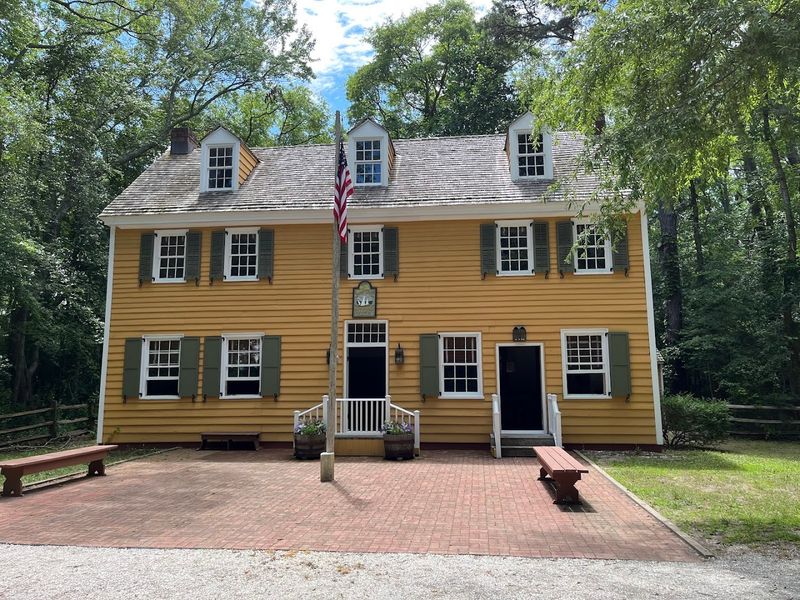
Cold Spring Village is not the scariest spot on this list, and that is precisely what makes it work. A large open-air living history museum with restored buildings spread across 30 acres, it is immersive and well-maintained during the spring and summer season.
By day, it feels like a pleasant step back in time.
The uncanny quality sneaks up on you slowly. Start thinking about how isolated a village like this would have felt in the 1800s, miles from any real town, and the pleasant atmosphere begins to shift.
Living history sites have a unique ability to blur the line between preserved and frozen, and Cold Spring Village leans into that without even trying.
For readers who prefer atmospheric over extreme, this one belongs firmly on the list. No horror-movie props needed when you have an entire 19th-century settlement sitting quietly in South Jersey.
Sometimes the most effective creepiness is the kind that builds gradually and then stays with you on the drive home.
The Pine Barrens
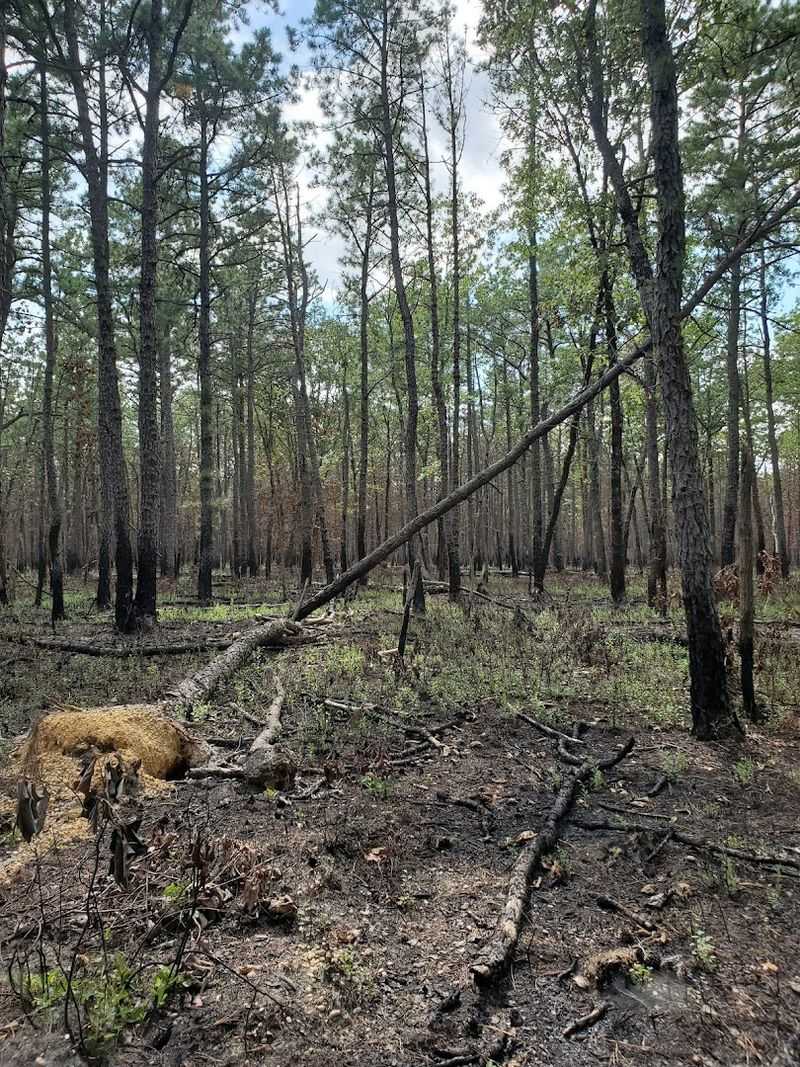
No New Jersey creepy list is complete without the Pine Barrens, full stop. The Pinelands Commission describes the region as 1.1 million acres of dense forests, winding rivers, and preserved natural and cultural resources.
That is a lot of space for a lot of things to go unexplained.
The Jersey Devil, New Jersey’s most famous legend, was reportedly born here, and the Pinelands have been feeding that story for over 200 years. You do not have to believe in monsters to feel the weight of that folklore when you are standing in the middle of the forest with no cell service and trees in every direction.
The Pine Barrens work on your imagination the way few places can. Vast, quiet, and genuinely remote, this is where the state’s spookiest reputation was built and where it continues to thrive.
Whether you explore by car or on foot, the atmosphere does all the talking, and it has a lot to say.
Whitesbog Village, Browns Mills
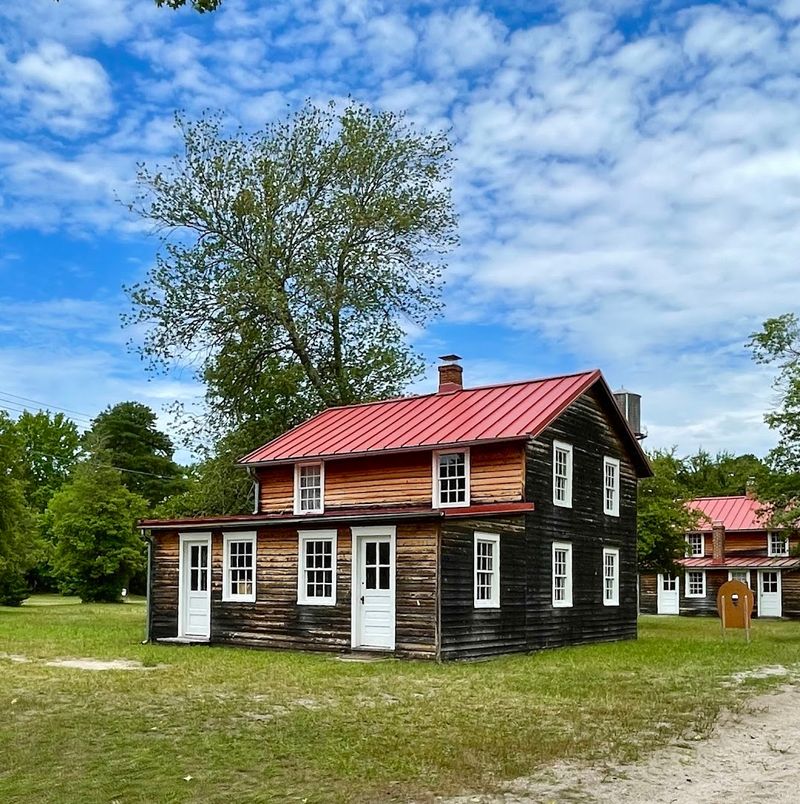
Whitesbog Village has a different kind of eerie charm, the soft and melancholy sort that settles over you rather than jumps out at you. The state describes it as a historic company town with 25 historic buildings, with roots tied to cranberry production and the development of the cultivated blueberry.
Yes, the blueberry as we know it was essentially invented here.
On a busy day, it is a fascinating piece of agricultural history. Once the crowds thin out, the stillness takes over, and that stillness has a weight to it.
Old buildings, quiet bogs, and a landscape that has barely changed in a century create a mood that is hard to categorize but easy to feel.
For readers who find quiet melancholy more unsettling than outright horror, Whitesbog fits perfectly at the end of this list. It is not trying to scare you.
It just does, gently and persistently, in the way that only truly preserved places can manage.



