 Unearth The Voyage
Some places in the world feel almost too beautiful to be real — and islands have a special way of making that feeling hit hardest. Whether it’s the color of the water, the shape of the cliffs, or the sound of waves hitting a deserted shore, a great island can stop you in your tracks.
From the South Pacific to the Arctic north, the world is full of islands that go far beyond the typical beach vacation. These ten destinations don’t just offer a getaway — they completely redefine what paradise looks like.
Bora Bora — French Polynesia
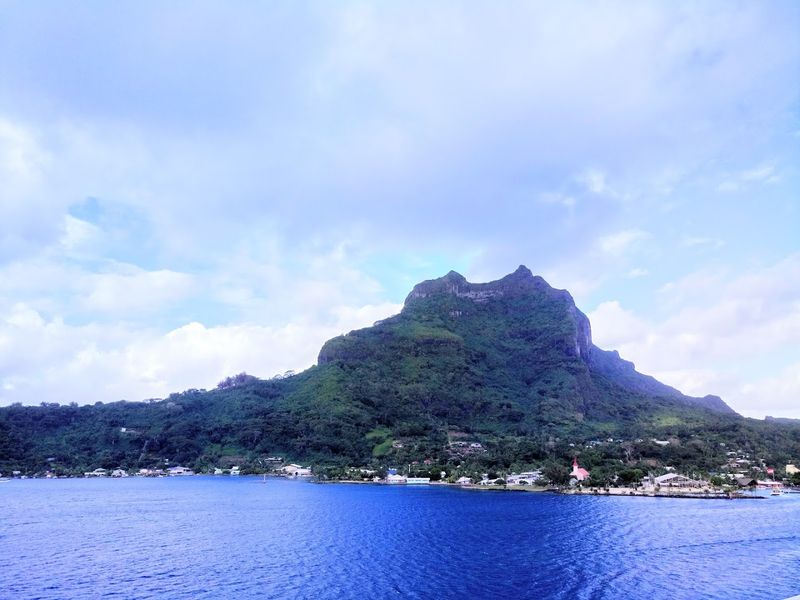
Every travel magazine has featured Bora Bora at least once, and honestly, the photos don’t even do it justice. Rising dramatically above a shimmering turquoise lagoon, Mount Otemanu gives this island a look that belongs in a fantasy film.
The water here shifts from deep navy to electric teal depending on the time of day.
Overwater bungalows perched above the lagoon are the signature stay in Bora Bora, giving guests direct access to some of the world’s clearest water. Snorkeling alongside reef sharks, colorful fish, and gentle rays is completely normal here — almost like sharing a swimming pool with the ocean’s finest residents.
Many visitors say the underwater world here rivals anything they’ve seen elsewhere on the planet.
Bora Bora is a top pick for honeymooners, and it’s easy to see why. The warm tropical climate, slow island pace, and jaw-dropping sunsets create an atmosphere that feels almost unfairly romantic.
If a perfect island had a blueprint, this French Polynesian gem would be the original draft. Plan ahead — the most popular overwater resorts book up months in advance.
Seychelles — Indian Ocean
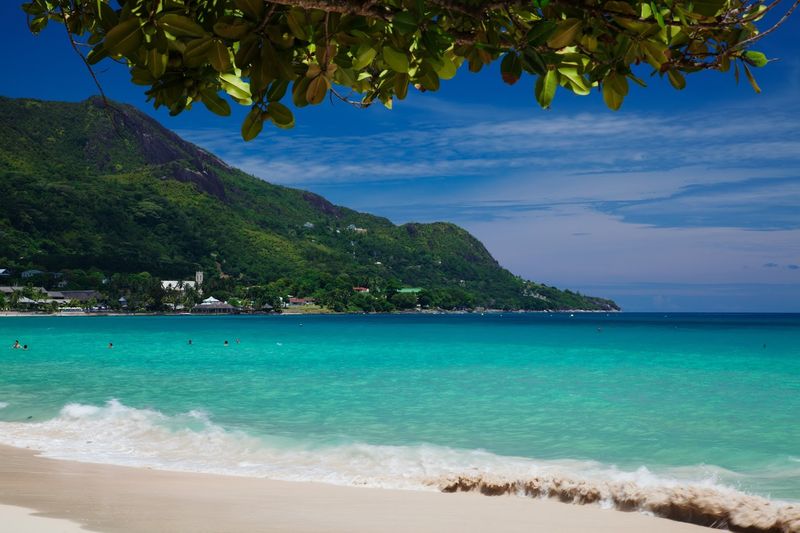
Imagine walking barefoot on powdery sand, with massive ancient boulders rising around you like natural sculptures — that’s the Seychelles experience in a single frame. This archipelago of 115 islands scattered across the Indian Ocean looks like it was designed by someone who took the concept of beauty very seriously.
The granite rock formations found here are some of the oldest on Earth, dating back nearly 750 million years.
Anse Lazio on Praslin Island and Anse Source d’Argent on La Digue are consistently ranked among the most beautiful beaches anywhere in the world. Giant Aldabra tortoises roam freely on some islands, making wildlife encounters feel wonderfully surreal.
Snorkeling and diving reveal reefs bursting with parrotfish, hawksbill turtles, and nurse sharks.
The Creole culture here adds a richness that goes beyond the scenery. Local food markets, spiced seafood dishes, and traditional Sega music all create a destination with real personality.
Seychelles is one of those rare places where the nature is extraordinary and the culture matches it step for step. It’s a living postcard that you can actually walk around in.
Palawan — Philippines
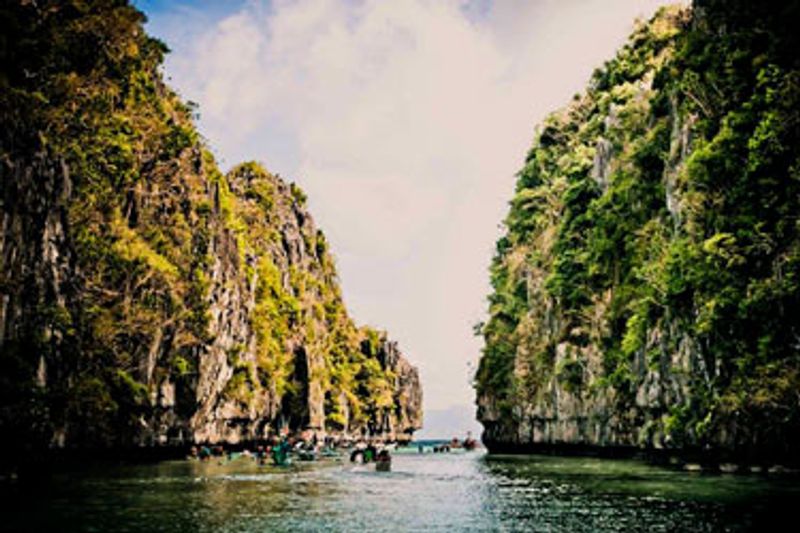
There’s a moment when your boat rounds a limestone cliff in El Nido and a hidden lagoon appears — impossibly green, perfectly still, and completely surrounded by towering rock walls. That moment is why Palawan keeps topping every “best island” list year after year.
This slender province in the western Philippines packs more natural drama per square kilometer than almost anywhere else on Earth.
El Nido’s island-hopping tours take visitors through a maze of lagoons, secret beaches, and snorkeling spots that feel genuinely undiscovered. Puerto Princesa, further south, is home to the Subterranean River — a UNESCO World Heritage Site where a navigable river flows through a cave system right into the sea.
Kayaking through its cathedral-like chambers is an experience that’s hard to put into words.
Palawan also has a reputation for being one of the Philippines’ most eco-conscious destinations, with strict tourism limits in some areas to protect its fragile ecosystems. The seafood here is outrageously fresh, often pulled from the water the same morning it hits your plate.
Adventure seekers, nature lovers, and beach fanatics all find something extraordinary here. Palawan doesn’t just meet expectations — it casually demolishes them.
Maldives — Indian Ocean
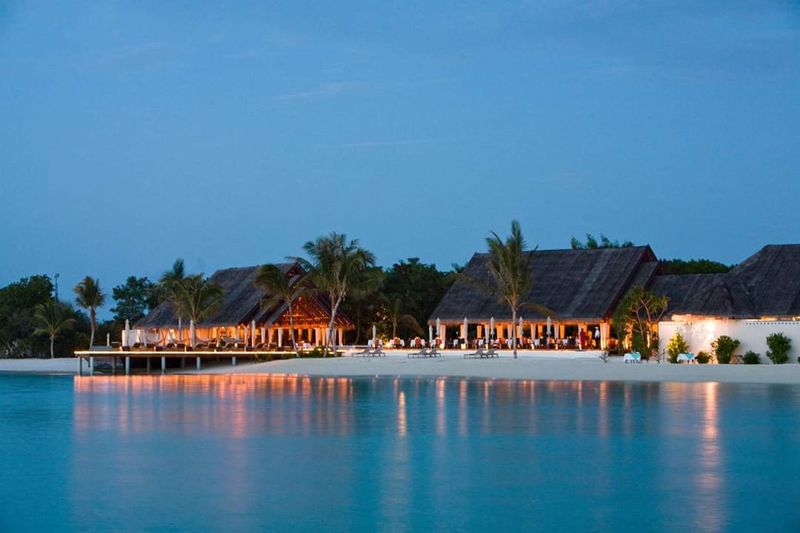
The Maldives holds a record that’s both impressive and a little alarming — it’s the world’s lowest-lying country, with most of its land sitting less than a meter above sea level. That geographical quirk is also part of what makes it so visually stunning: the water seems to stretch endlessly in every direction, interrupted only by thin strips of white sand and swaying palm trees.
Made up of over 1,000 coral islands spread across 26 atolls, the Maldives has perfected the art of luxury isolation. Many resorts occupy their own private island, meaning your beach might literally belong to just you and a handful of other guests.
The snorkeling and diving here are world-class, with whale sharks, manta rays, and vivid coral gardens all within easy reach.
Even budget-conscious travelers can experience the Maldives through local island stays in places like Maafushi, where guesthouses offer authentic experiences at a fraction of resort prices. The food scene blends South Asian spices with fresh tuna-heavy Maldivian cuisine — a combination that’s underrated and worth exploring.
Sunsets here turn the entire lagoon into a glowing amber mirror. Few places on Earth make you feel so gloriously cut off from everything.
Santorini — Greece
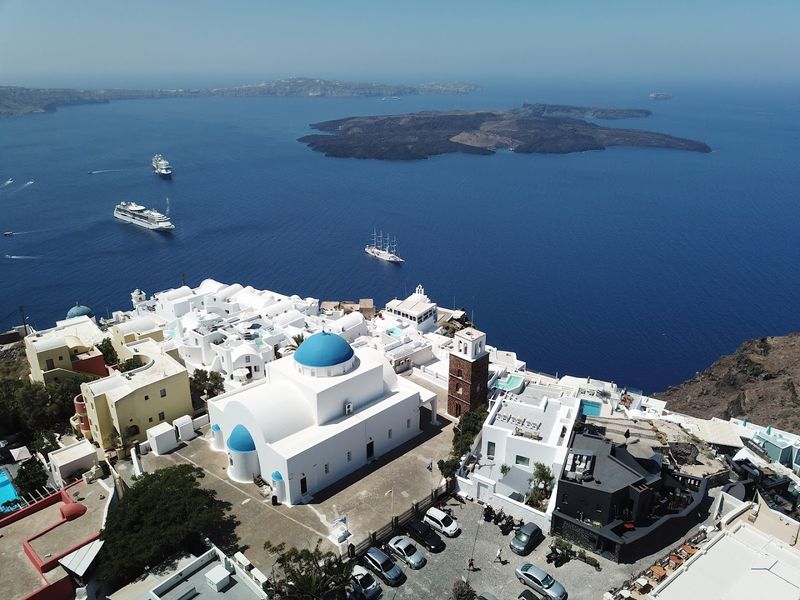
No other island on Earth has been photographed from the same angle more times than Santorini’s Oia village — and yet, standing there yourself, the view still somehow catches you completely off guard. The contrast of blinding white buildings against deep blue domes and the infinite Aegean below is almost aggressively beautiful.
It’s the kind of scenery that makes people seriously reconsider their life choices back home.
Santorini sits inside the caldera of an ancient supervolcano, and that dramatic geological history shapes everything — the cliffs, the black and red volcanic beaches, even the unique local wines. Assyrtiko grapes grown in the island’s mineral-rich volcanic soil produce a crisp, distinctive white wine that pairs perfectly with grilled octopus and a sunset view.
Akrotiri, a prehistoric Bronze Age city buried by the same eruption, offers a fascinating archaeological detour.
The island gets crowded during peak summer months, so visiting in May or September offers the same beauty with far fewer selfie sticks. Fira, the capital, buzzes with rooftop bars and boutique shops, while quieter villages like Pyrgos offer a more relaxed, authentic feel.
Santorini is theatrical, glamorous, and unapologetically over-the-top — and somehow, it earns every bit of the hype.
Palmarola — Italy
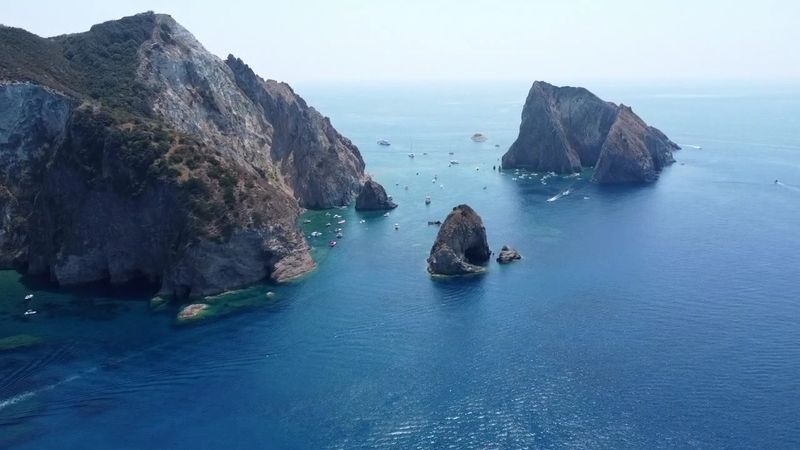
Most people planning an Italian island trip think Capri, Ischia, or maybe Sicily — and they’re missing Palmarola entirely, which is honestly their loss. This small, uninhabited island off the Lazio coast near Ponza is one of the Mediterranean’s best-kept secrets, with sea caves, turquoise coves, and cliffs so dramatic they look like they were carved for a movie set.
There are no hotels here, no roads, no crowds.
Day trips from Ponza are the main way to reach Palmarola, and the boat ride itself is worth the journey. Anchoring in one of the island’s sheltered coves and jumping straight into the clear water is the kind of simple pleasure that somehow feels extraordinary.
Snorkelers will find the visibility here remarkable — you can see the seafloor clearly at impressive depths.
A small seasonal restaurant operates near the main cove, serving fresh fish caught the same morning. Watching the sun set behind Palmarola’s jagged silhouette from a boat bobbing in the calm water is an experience that stays with you long after you’ve returned to the mainland.
This island rewards the curious traveler who goes looking beyond the obvious. Raw, untouched, and wildly photogenic — Palmarola is Italy’s most underrated coastal treasure.
Lofoten Islands — Norway
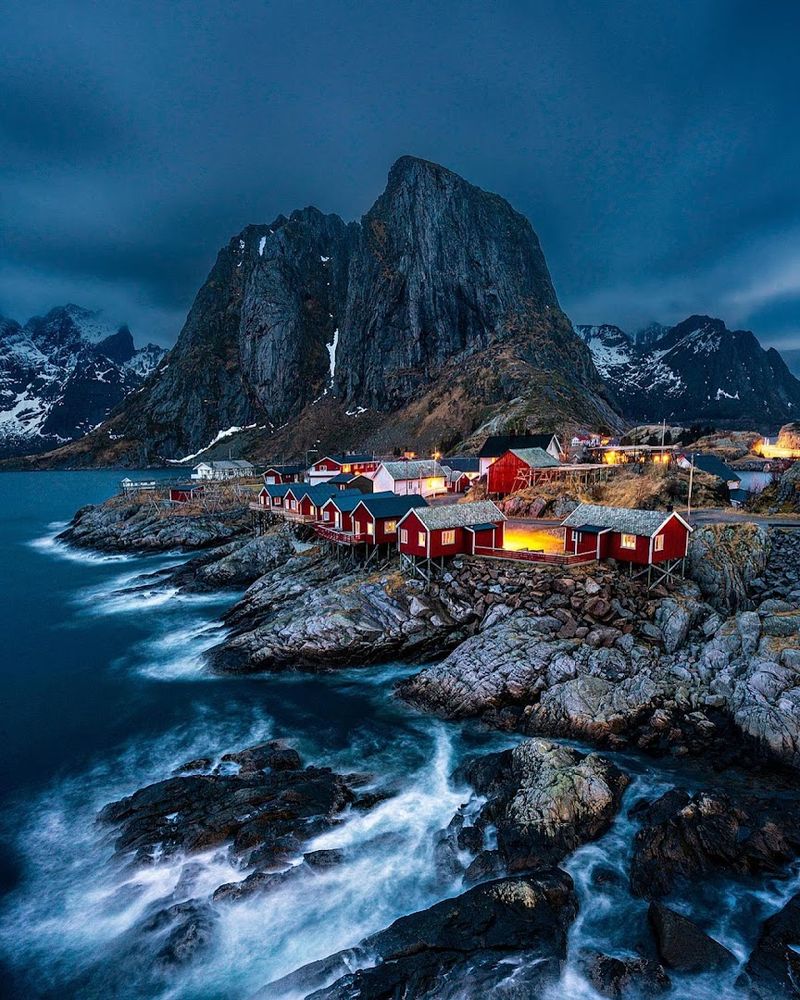
Whoever decided paradise has to involve palm trees clearly never visited the Lofoten Islands in winter. These jagged Norwegian islands jutting out of the Arctic Ocean above the polar circle offer a completely different kind of beautiful — one built from granite peaks, glass-flat fjords, and skies that erupt in green and violet when the northern lights appear.
It’s paradise with a parka.
In summer, the midnight sun keeps the sky glowing well past midnight, bathing the famous fishing villages of Reine and Henningsvaer in warm golden light around the clock. Hiking trails here lead to ridgelines with views so dramatic that experienced hikers still stop and stare.
The beaches — yes, beaches — feature white sand and shockingly clear water, even if you probably won’t be swimming without a wetsuit.
Lofoten has become a major destination for photographers, and it’s obvious why. Every village, every fjord, every mountain reflection looks like a carefully composed shot.
The local cod fishing culture runs deep here, with dried stockfish hanging on wooden racks as they have for over a thousand years. Surfing, kayaking, and rock climbing round out the outdoor options.
Lofoten proves that paradise doesn’t always need sunshine to be spectacular.
Trunk Bay (St. John) — U.S. Virgin Islands
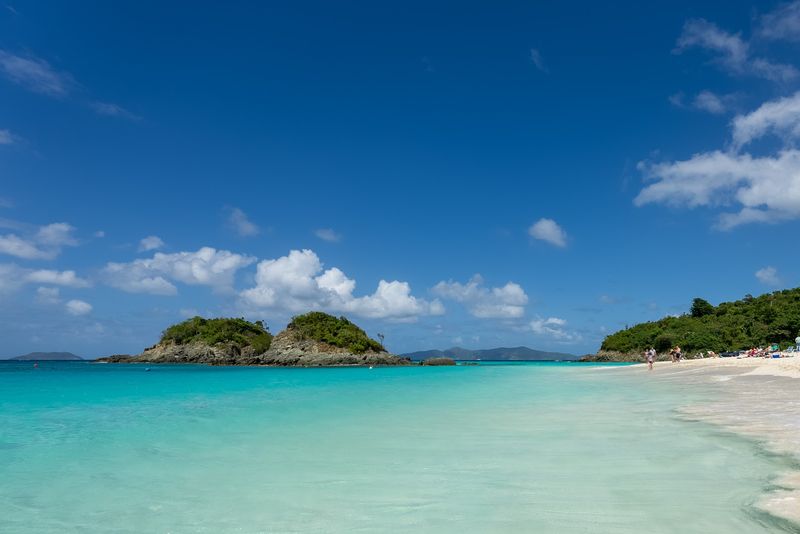
Trunk Bay has a feature that most world-famous beaches don’t — an underwater snorkeling trail with labeled signs pointing out different coral formations and marine species as you swim along. It’s like a museum, except the exhibits are alive and occasionally swim past your face.
This National Park Service innovation makes Trunk Bay one of the most accessible snorkeling spots anywhere in the Caribbean.
Located on St. John, the smallest of the main U.S. Virgin Islands, Trunk Bay sits within the Virgin Islands National Park, which covers roughly 60 percent of the island.
That protected status means the surrounding hillsides stay lush and undeveloped, framing the beach in dense tropical green. The water color here — a soft, luminous turquoise — is the kind that makes you question every beach you visited before.
Getting to St. John requires a short ferry ride from St. Thomas, which adds a sense of occasion to the journey. Arrive early, because Trunk Bay fills up quickly once cruise ship passengers start arriving mid-morning.
Shaded picnic areas, a snack bar, and equipment rentals make it easy to spend a full day here without needing anything else. It’s a beach that genuinely lives up to its legendary reputation.
Savaiʻi — Samoa
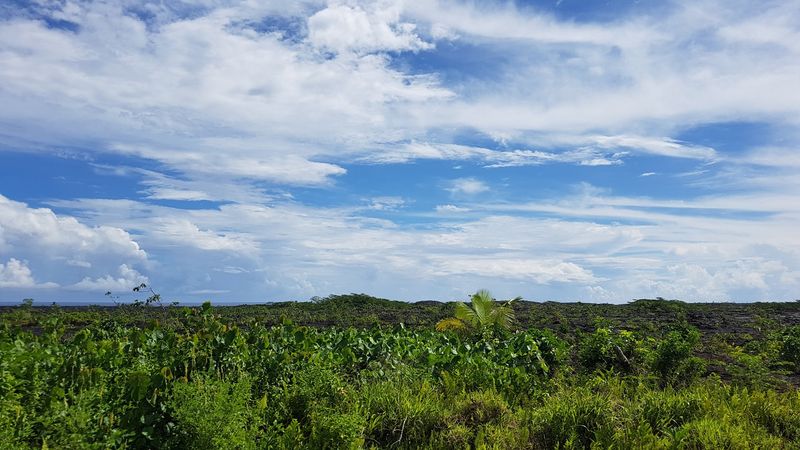
Savai’i is the kind of place where a rooster waking you up at dawn feels like part of the experience rather than an inconvenience. The largest island in Samoa and one of the biggest in the entire South Pacific, it operates at a pace that makes even relaxed travelers slow down a notch.
Here, volcanic craters sit a short walk from coral lagoons, and ancient rainforest trails lead to blowholes shooting seawater twenty meters into the air.
The Alofaaga Blowholes on the southern coast are one of Savai’i’s most dramatic natural features — waves force seawater through lava tubes with such pressure that the jets can launch coconuts sky-high. The Saleaula Lava Fields, created by a volcanic eruption in the early 1900s, preserve the ghostly outline of a church swallowed whole by hardened lava.
Fa’a Samoa — the traditional Samoan way of life — is very much alive here, with village ceremonies, communal meals, and warm, genuine hospitality shaping every interaction.
Traditional fale beach huts offer a simple but deeply satisfying way to sleep steps from the ocean. The snorkeling in Savai’i’s protected lagoons is exceptional, with visibility that makes even casual swimmers feel like professionals.
This island rewards slow travel and genuine curiosity about culture.
Pola Island — American Samoa
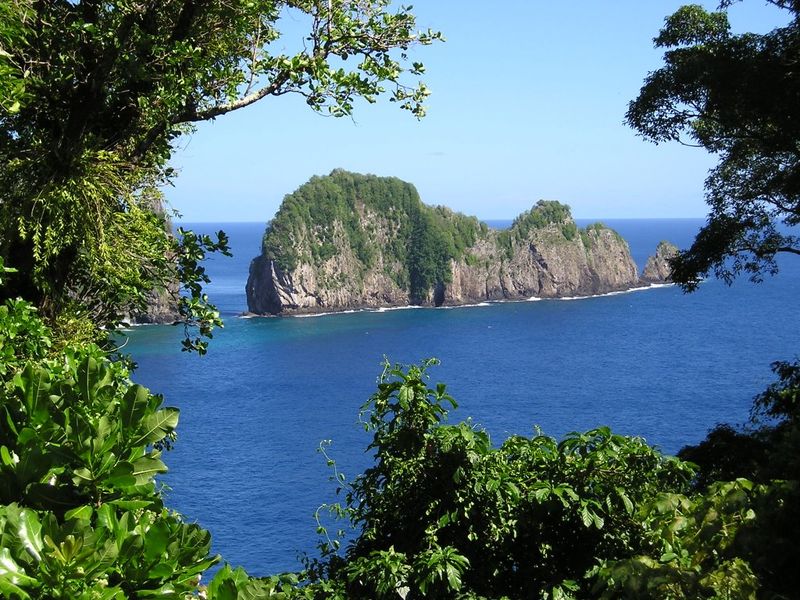
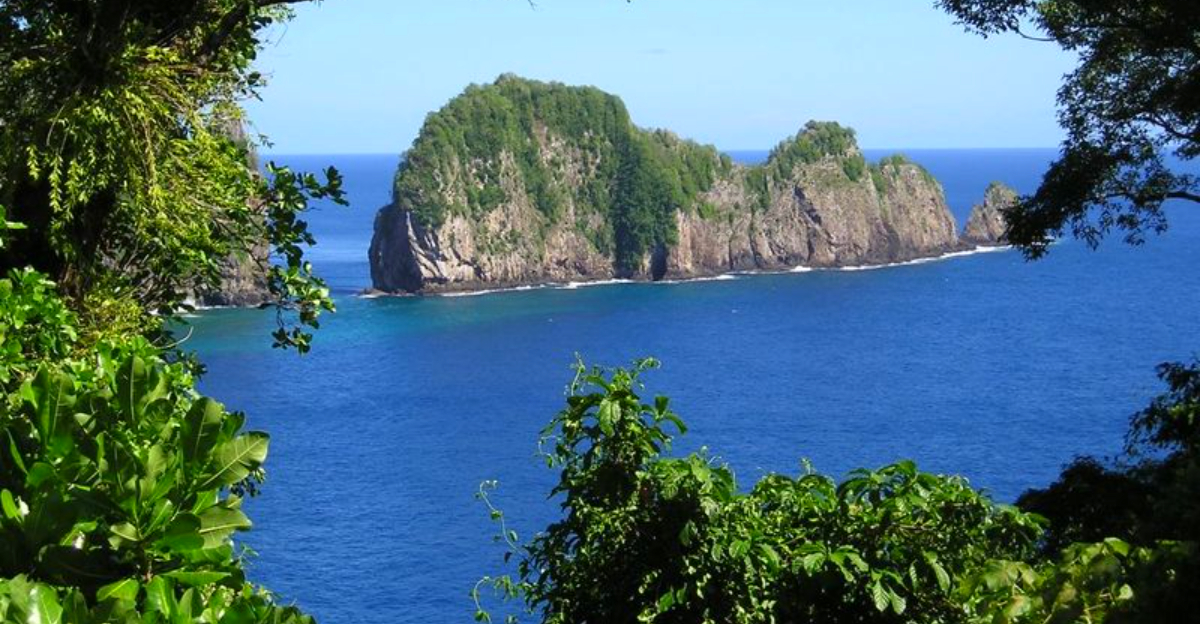
Rising straight out of the ocean like a volcanic exclamation point, Pola Island is the kind of geological feature that makes you stop mid-sentence and just stare. This dramatic sea stack off the northern coast of Tutuila in American Samoa isn’t somewhere you can actually set foot on — but the views of it from the surrounding headlands and water are reason enough to make the trip.
Seabirds nest in the cliffs by the thousands, creating a living, circling halo around the rock.
American Samoa is one of the most remote and least-visited U.S. territories, and that remoteness is a huge part of Pola Island’s appeal. The National Park of American Samoa, which includes the waters around Pola, protects one of the most intact coral reef ecosystems in the entire Pacific.
Snorkeling and diving in these waters means sharing space with healthy coral, tropical fish, and the occasional sea turtle without the crowds found at more famous Pacific destinations.
The surrounding village of Vatia offers a glimpse into traditional Samoan fa’a Samoa culture, with locals who genuinely welcome curious visitors. The hike to the viewpoint above Vatia Bay, with Pola Island framed below, is short but staggeringly rewarding.
This overlooked island adventure belongs on far more travel itineraries than it currently appears on.



