 Unearth The Voyage
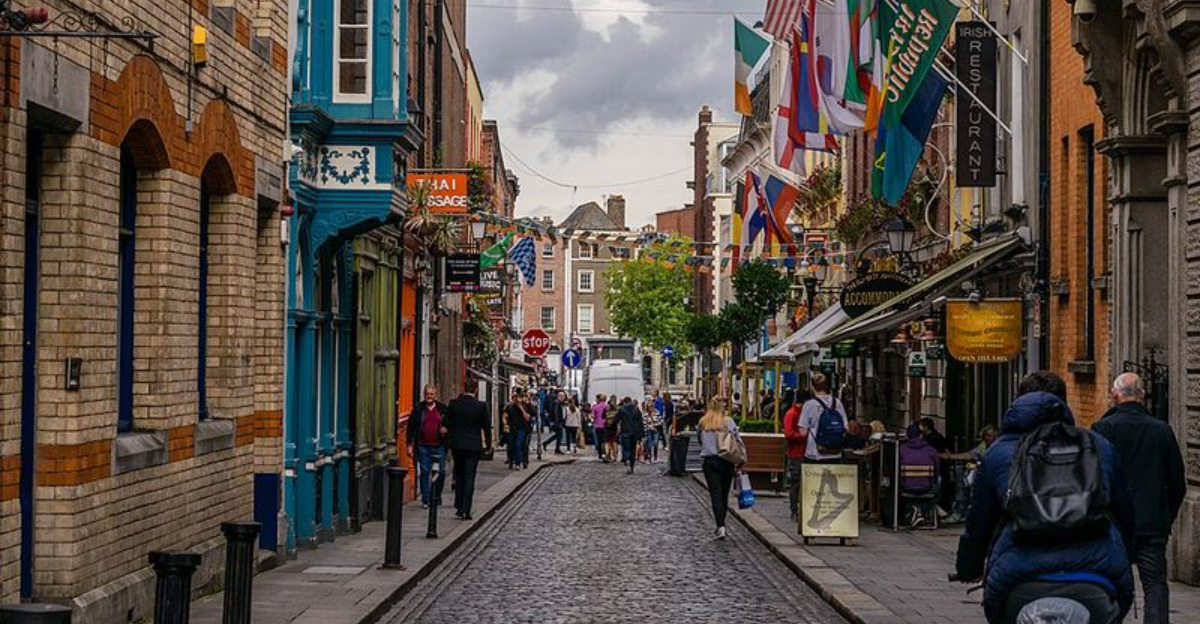
Europe is a dream destination for millions of travelers every year, with its stunning landmarks, rich history, and vibrant culture. But while you’re snapping photos at famous monuments or hopping on crowded metro trains, pickpockets are watching and waiting for the perfect moment to strike. Many European cities have reported rising numbers of petty theft incidents, especially in tourist-heavy areas where distraction and dense crowds create ideal conditions for thieves. Staying alert and keeping your belongings secure can help you enjoy your trip without becoming another statistic.
Barcelona, Spain — High Volumes & Organized Teams

Barcelona has earned an unfortunate reputation as one of Europe’s pickpocketing capitals, with over 100,000 reported incidents in 2023 alone. Organized teams of thieves operate with impressive coordination, often using distraction techniques that tourists never see coming. One person might bump into you while another swipes your phone or wallet in seconds.
La Rambla, the Gothic Quarter, and the area around Sagrada Família are especially notorious hotspots. Street performers draw massive crowds, creating perfect cover for pickpockets to work unnoticed. The city’s metro system is another danger zone, where tight spaces and rush-hour chaos make it easy for thieves to strike and disappear.
Local police have increased patrols and launched awareness campaigns, but the sheer volume of tourists makes it hard to control. Many victims don’t realize they’ve been robbed until hours later, when they’re far from the crime scene. Travelers are urged to use anti-theft bags, keep valuables in front pockets, and stay hyper-aware in crowded areas.
Despite these challenges, Barcelona remains a beautiful city worth visiting. Just remember that staying alert and prepared is your best defense against becoming another pickpocketing statistic in this stunning Spanish destination.
Rome, Italy — Crowds, History & Rising Incidents

Ancient ruins and Renaissance masterpieces draw millions to Rome each year, but the Eternal City also tops the charts for pickpocketing risk. The Trevi Fountain, Colosseum, Vatican, and Termini Station see tens of thousands of theft incidents annually, with numbers climbing steadily over recent years. Crowded tourist attractions provide ideal hunting grounds for skilled thieves who blend seamlessly into the masses.
What makes Rome particularly challenging is how thieves exploit the distraction factor. While you’re gazing up at the Sistine Chapel ceiling or tossing coins into a fountain, nimble fingers are unzipping bags and lifting wallets. Some work in teams, with one creating a diversion while others do the actual stealing.
Termini Station deserves special mention as a pickpocketing hotspot where travelers are often tired, distracted, and surrounded by luggage. Thieves know tourists are vulnerable during arrival and departure, making train platforms and ticket areas prime locations. Police presence has increased, but the sheer volume of visitors makes complete prevention nearly impossible.
Rome’s incredible history shouldn’t scare you away, but awareness is crucial. Cross-body bags worn in front, money belts, and constant vigilance can help protect your belongings while you soak in the city’s timeless beauty and unforgettable atmosphere.
Paris, France — Metro & Major Attractions
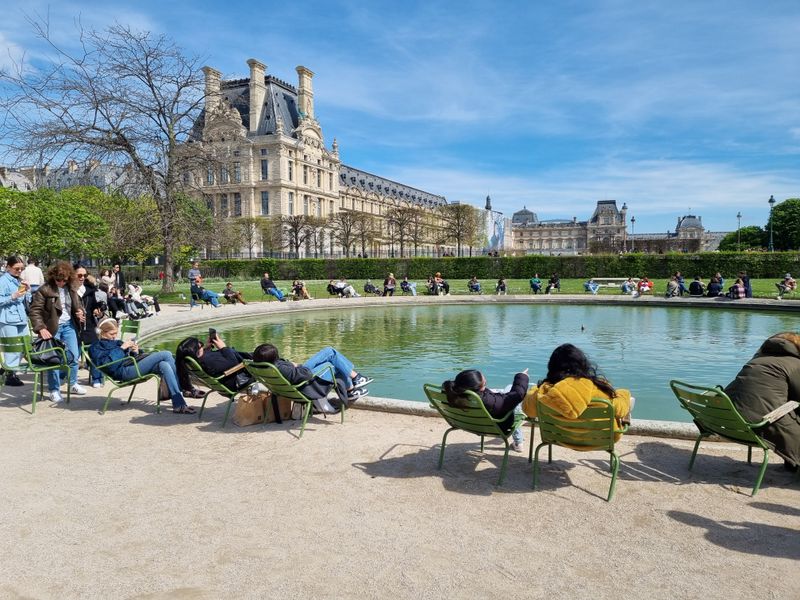
Paris attracts more tourists than almost any other city on Earth, and unfortunately, that massive visitor volume comes with equally massive pickpocketing problems. The Eiffel Tower, Arc de Triomphe, and especially the metro system consistently rank at the top of traveler-reported theft incidents. Safety reports and tourist reviews paint a clear picture of persistent petty crime in the City of Light.
The Paris metro deserves its reputation as a pickpocket paradise. Packed trains during rush hour create body-to-body contact where thieves can work undetected, slipping hands into pockets and bags while victims are squeezed between other passengers. Lines near major tourist attractions see the highest incident rates, with thieves specifically targeting visitors who look lost or distracted.
Around famous landmarks, distraction scams are common. Someone might ask you to sign a petition, help with directions, or admire their bracelet-making skills while an accomplice rifles through your belongings. These coordinated operations happen so smoothly that victims rarely notice until it’s too late.
French authorities have launched campaigns and increased security, but the problem persists. Travelers should keep bags zipped and in front of them, avoid flashy jewelry or electronics, and stay especially vigilant on public transportation and near major monuments throughout this magnificent but challenging city.
Madrid, Spain — Public Transport & Central Zones
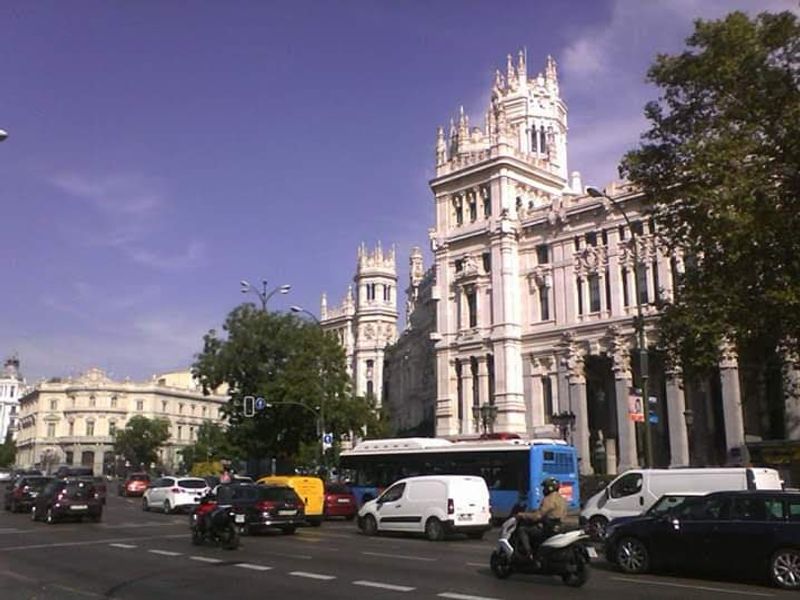
Madrid shares Barcelona’s distinction as a Spanish pickpocketing hotspot, with crowded central areas and public transport creating ideal conditions for thieves. Puerta del Sol, Gran Vía, and metro carriages see concentrated theft activity, especially during peak tourist seasons when visitor numbers surge. Recent safety rankings consistently place Madrid among Europe’s higher-risk cities for petty crime targeting travelers.
The metro system presents particular challenges. Thieves often work during boarding and exit moments when passengers are distracted, bags are shifting, and bodies are pressed together in confined spaces. They’ve perfected techniques for slashing bag straps or unzipping compartments in seconds, then melting into crowds before victims realize what happened.
Central shopping and entertainment districts like Gran Vía attract both tourists and opportunistic criminals. The combination of outdoor cafes, street performers, and dense foot traffic creates numerous distraction opportunities. Pickpockets often work in pairs or small groups, with one member creating a scene while others execute the theft.
Tourist advisories strongly recommend extra vigilance during summer months and major holidays when Madrid’s streets are most crowded. Keeping valuables secured in front pockets or hidden money belts, staying aware of surroundings, and avoiding obvious tourist behaviors can significantly reduce risk in this vibrant Spanish capital.
Milan, Italy — Tourist Districts & Transit Hotspots
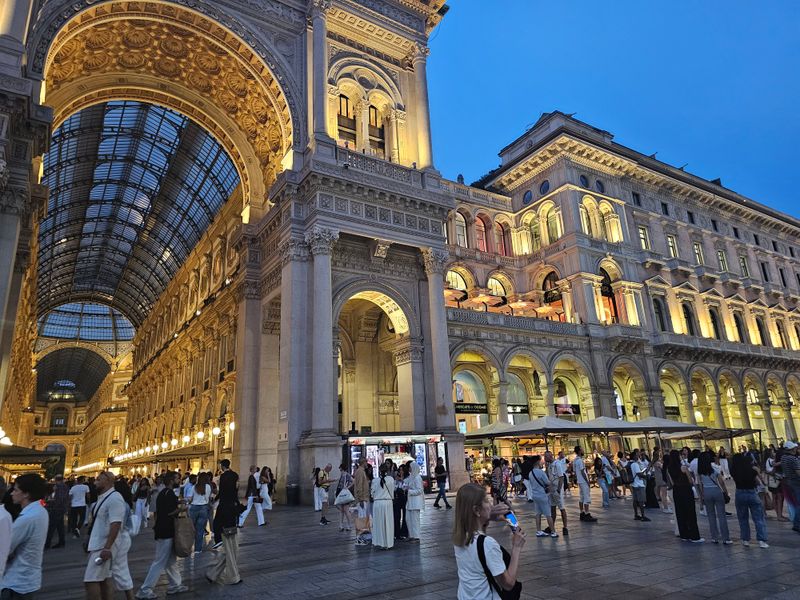
Fashion capital Milan combines high-end shopping with high pickpocketing rates, particularly around the Duomo, Galleria Vittorio Emanuele II, and major train stations. Safety data shows elevated theft density in districts where international visitors congregate to admire architecture and browse luxury boutiques. The city’s overall reported crime rates run higher than many other Italian cities, with tourist-targeted theft being a significant contributor.
The Duomo area sees constant crowds admiring the magnificent cathedral, creating perfect cover for thieves. Visitors craning their necks to photograph Gothic spires often don’t notice hands reaching into bags or pockets. The adjacent Galleria’s upscale shops attract wealthy tourists, making it a prime hunting ground for pickpockets seeking valuable targets.
Milan’s train stations, especially Centrale and Cadorna, function as major transit hubs where travelers are often tired, distracted, and managing luggage. Thieves exploit these vulnerable moments, striking while victims are checking tickets, consulting maps, or waiting on platforms. The combination of tourists and commuters creates dense, anonymous crowds where criminals can operate and disappear easily.
Despite these challenges, Milan remains a must-visit destination for art, fashion, and culture enthusiasts. Smart precautions like anti-theft bags, avoiding flashy displays of wealth, and maintaining awareness in crowded areas can help you enjoy everything this sophisticated city offers while keeping belongings secure.
Amsterdam, Netherlands — Canals & Central Squares
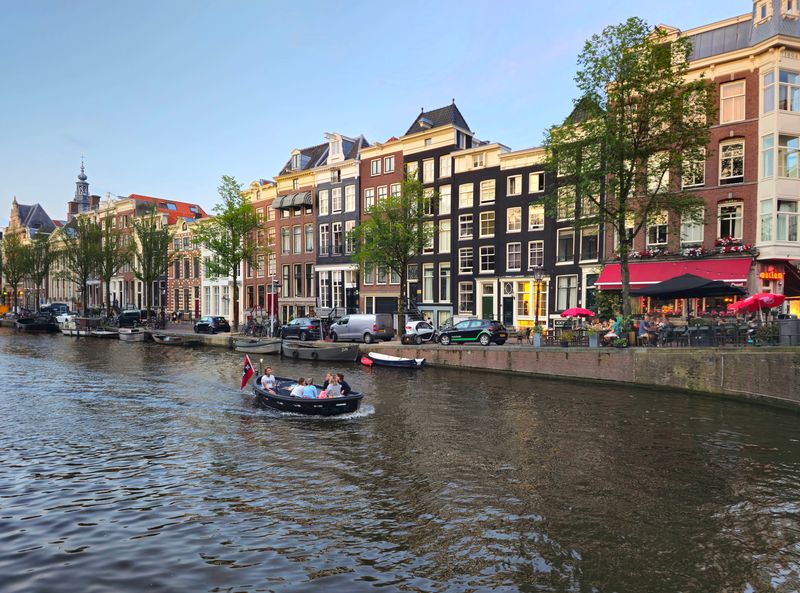
Picture-perfect Amsterdam, with its charming canals and bicycle-filled streets, unfortunately sees notable tourist theft incidents that travel guides consistently warn about. Dam Square, the Red Light District, and museum quarters experience concentrated pickpocketing activity, especially during peak season when narrow streets overflow with visitors. Independent safety maps and tourist advisories highlight these areas as requiring extra caution with personal belongings.
The city’s compact layout means popular attractions sit close together, creating continuous dense crowds as tourists move between sites. Pickpockets take advantage of this congestion, working crowded tram stops, canal-side paths, and museum entrance queues. The relaxed, vacation atmosphere can lower travelers’ guards, making them easier targets for skilled thieves.
Amsterdam’s public transport system, particularly trams, sees frequent theft reports. Tourists juggling cameras, maps, and bags while navigating unfamiliar routes become vulnerable to quick-handed criminals. The Red Light District’s nighttime crowds and distractions provide additional cover for pickpockets operating after dark.
Local authorities have increased awareness campaigns and police presence, but the sheer volume of visitors makes complete prevention difficult. Travelers should use bags with secure closures, keep valuables close to their bodies, and stay alert even while soaking in the city’s laid-back vibe and stunning canal views that make Amsterdam so beloved worldwide.
Prague, Czech Republic — Old Town Crowds

Prague’s fairy-tale architecture and medieval charm attract massive tourist crowds, especially around Charles Bridge, Old Town Square, and Wenceslas Square. While the Czech capital’s overall crime rate may be lower than some Western European cities, dense pedestrian zones create concentrated pickpocketing hotspots. The city’s metro lines also see regular theft incidents, with travel advisories specifically warning about these areas.
Charles Bridge deserves particular attention as a pickpocketing magnet. The narrow, crowded crossing fills with tourists admiring statues, street artists, and river views, creating ideal conditions for thieves. Body-to-body contact feels normal in these tight spaces, making it easy for pickpockets to work undetected while victims are distracted by the stunning scenery.
Old Town Square’s astronomical clock draws huge crowds at every hour when the clock’s figures perform their mechanical show. Thieves know exactly when tourists will be most distracted, positioning themselves strategically to strike during these predictable moments. Wenceslas Square’s shopping areas and metro access points see similar concentrated activity.
Prague’s metro escalators have gained particular notoriety, with thieves working the long rides up and down while passengers are hemmed in by crowds. Keeping bags in front, zippers closed, and maintaining awareness even while enchanted by Prague’s beauty can help ensure your memories of this magical city remain positive ones.
Budapest, Hungary — Metro Escalators & Busy Streets
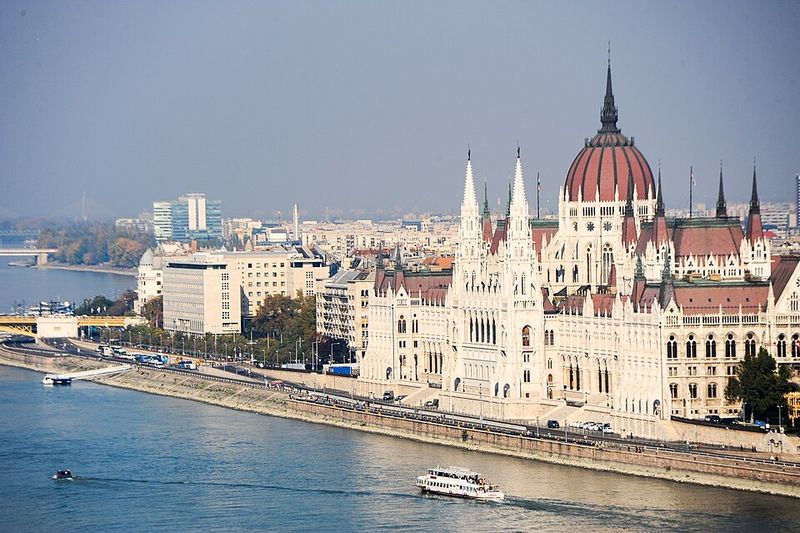
Budapest’s stunning architecture and thermal baths draw increasing numbers of tourists, but the Hungarian capital also appears regularly on pickpocketing warning lists. The city’s notably long metro escalators have become infamous among travelers, with numerous reports of theft occurring during the extended rides between street level and deep underground platforms. Váci Street, a major shopping thoroughfare, sees disproportionate theft incidents according to travel advisories.
Those metro escalators deserve their reputation. Some descend over 100 feet, creating several minutes where passengers stand in tight formation, unable to easily move or turn around. Thieves work these captive environments expertly, slipping hands into bags and pockets while victims stare ahead or check their phones, unaware until they reach the bottom.
Váci Street’s pedestrian zone attracts both shoppers and sightseers, with outdoor cafes, souvenir shops, and street performers creating constant crowds. The festive atmosphere and tourist-focused environment make visitors more relaxed and less vigilant, providing opportunities for pickpockets to operate. The street’s narrow width means body contact feels natural, disguising deliberate bumps and brushes.
Budapest remains an affordable and beautiful destination, but travelers should take precautions seriously. Wearing backpacks on your front during metro rides, keeping wallets in secure inner pockets, and staying alert on busy shopping streets can help you enjoy this magnificent city without falling victim to its persistent pickpocketing problem.
Dublin, Ireland — Central Pubs & Transit Hubs
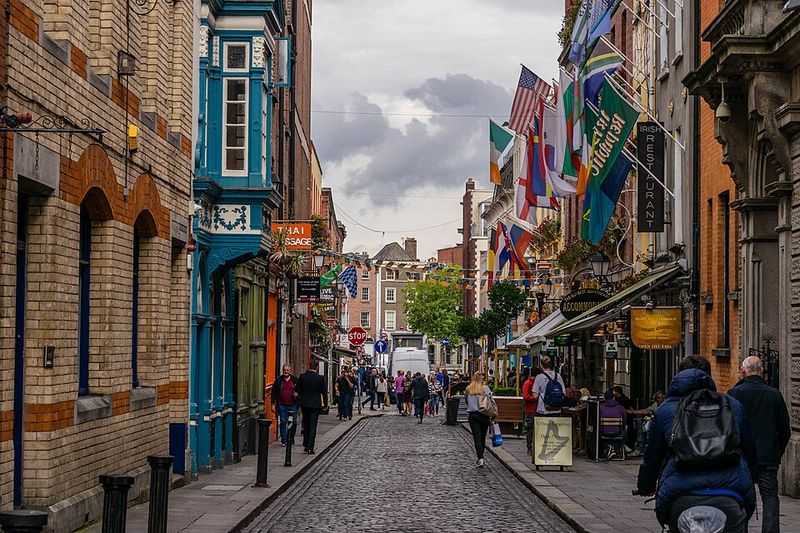
Dublin might not top most pickpocketing lists, but the Irish capital has seen increased petty theft targeting visitors in recent years. Grafton Street’s shopping district, Connolly Station’s transit hub, and especially the Temple Bar pub area experience repeated incidents according to travel safety reports. Crowded nightlife zones present particular risks when alcohol consumption lowers awareness and dark streets make theft easier to execute unnoticed.
Temple Bar’s concentration of traditional pubs draws massive crowds, especially during evenings and weekends. Tourists enjoying Irish music, craft beer, and local atmosphere often let their guard down, hanging bags on chair backs or setting phones on tables. Thieves work these venues knowing that distracted, relaxed visitors make easy targets.
Grafton Street’s pedestrian shopping zone sees daytime theft activity, with pickpockets working the crowds of shoppers and street performers. Connolly Station, as a major rail hub connecting Dublin to other Irish destinations and the airport, attracts travelers managing luggage and checking schedules—vulnerable moments that thieves exploit.
While Dublin remains relatively safe compared to many European capitals, the rising trend in tourist-targeted theft shouldn’t be ignored. Keeping valuables secured, staying aware even while enjoying pub culture, and using hotel safes for passports and extra cash can help ensure your Irish adventure stays trouble-free and focused on the warm hospitality Dublin is famous for.
Lisbon, Portugal — Tourist Routes & Train Stations
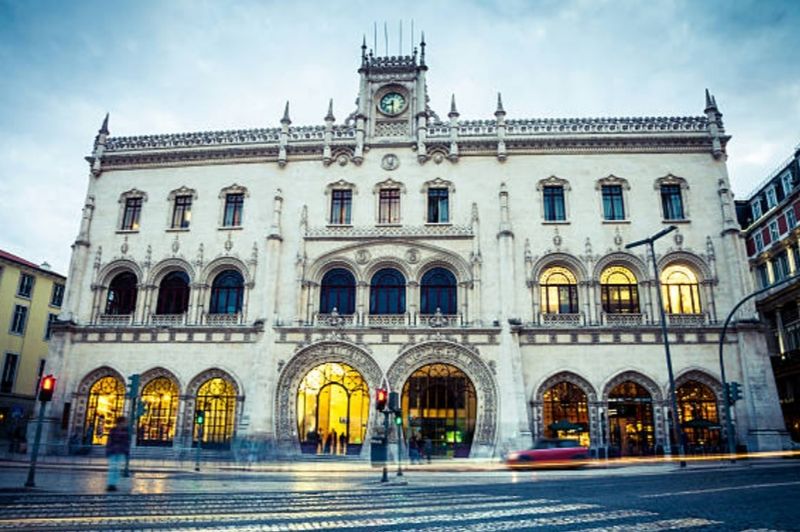
Lisbon’s colorful tiles, historic trams, and waterfront beauty have made it increasingly popular with tourists, but this Portuguese capital also reports moderate yet notable pickpocketing levels. Praça do Comércio, trains heading to Sintra, and the winding lanes of Alfama neighborhood see enough theft incidents to warrant traveler warnings. While Portugal’s overall crime statistics run lower than many European capitals, concentrated tourist areas present elevated risks.
The scenic train ride to Sintra’s palaces has become a known pickpocketing route. Packed carriages full of excited tourists focused on upcoming castle visits create ideal conditions for thieves. The combination of standing-room-only crowds, luggage, and distracted passengers makes these trains particularly vulnerable to theft.
Praça do Comércio’s grand waterfront plaza attracts crowds admiring the yellow arch and river views, while Alfama’s narrow medieval streets funnel tourists through tight passages where body contact feels unavoidable. Street vendors, viewpoints, and outdoor cafes add to the congestion and distraction opportunities. The famous Tram 28, which winds through historic neighborhoods, also sees regular theft reports.
Despite these concerns, Lisbon remains one of Europe’s more affordable and welcoming destinations. Taking standard precautions like securing bags, avoiding obvious wealth displays, and staying alert on crowded transport can help you safely enjoy this stunning city’s incredible food, music, and breathtaking hilltop views without incident.



