 Unearth The Voyage
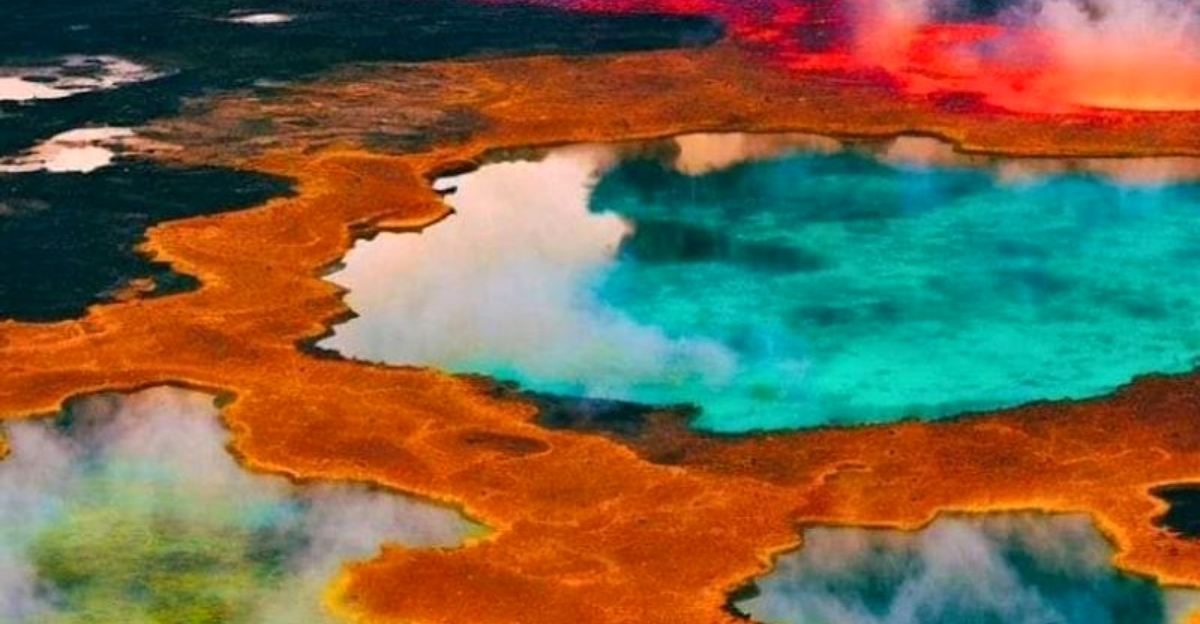
Some places on Earth are so extreme that even experienced travelers and adventurers think twice before visiting. From scorching deserts to snake-infested islands, these destinations push the limits of human endurance.
Whether it’s deadly heat, toxic gases, or venomous wildlife, each location on this list comes with serious risks. Read on to discover ten places where nature plays by its own terrifying rules.
Danakil Depression — Ethiopia
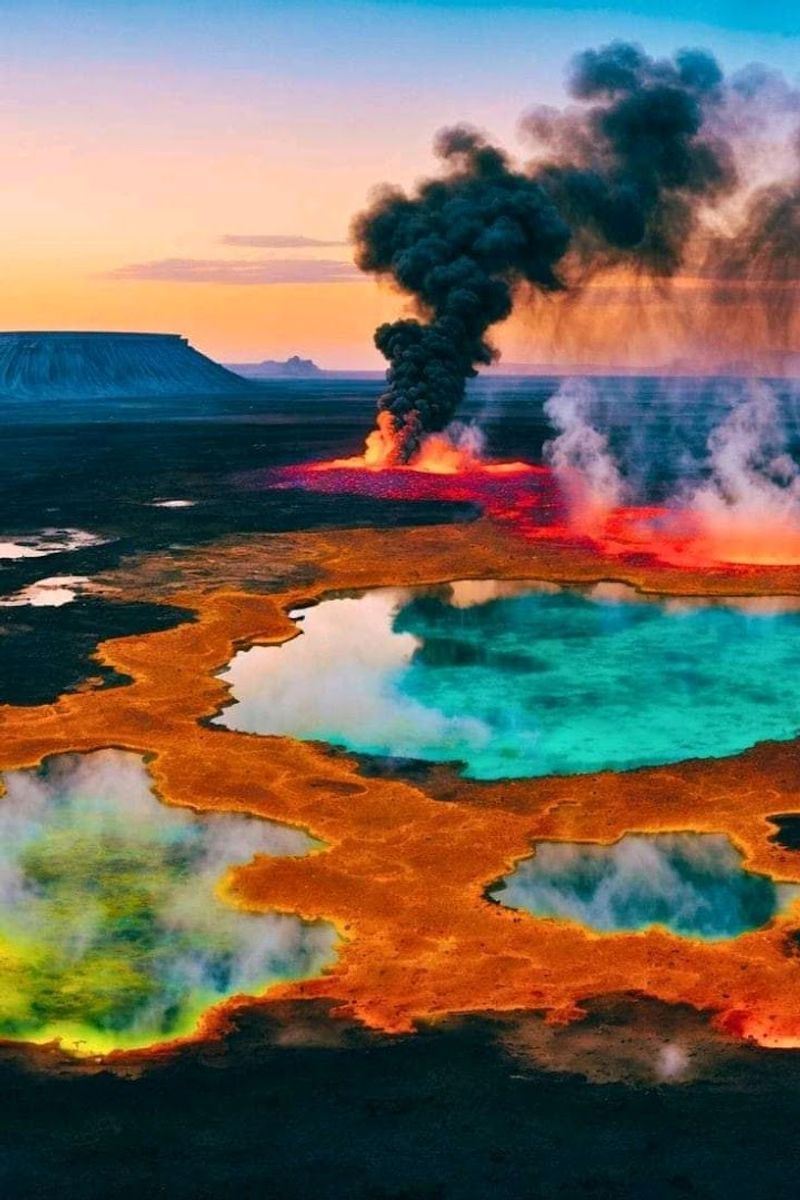
Step into the Danakil Depression and you are essentially walking across one of the most hostile landscapes ever formed on this planet. Sitting roughly 100 meters below sea level, this region in northeastern Ethiopia bakes under relentless sun, with temperatures regularly climbing past 50°C (122°F).
It holds the title of one of the hottest permanently inhabited areas on Earth — though “inhabited” is used very loosely here.
The ground itself seems angry. Hydrothermal vents shoot toxic sulfur dioxide into the air, and neon-colored acidic pools bubble like something from a science fiction nightmare.
Breathing the fumes without proper gear can cause serious respiratory damage within minutes. Even the soil is unstable, with thin crusts hiding superheated liquid beneath.
Visiting without an experienced local guide is genuinely reckless — not dramatic, just factual. Armed escorts are also recommended due to regional security concerns.
Despite all this, photographers and thrill-seekers still come for the surreal, alien-like scenery that no other place on Earth replicates. If you do go, travel light, hydrate constantly, and never wander off the marked path.
The Danakil does not forgive curiosity.
Death Valley — California, USA
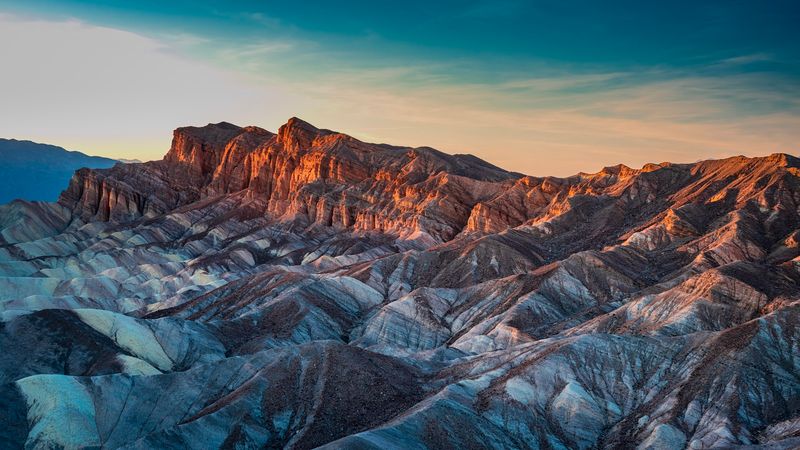
On July 10, 1913, a weather station in Death Valley recorded 56.7°C (134°F) — the highest reliably recorded air temperature in history. That number alone should tell you everything about what kind of place this is.
Located in the Mojave Desert of California, Death Valley is not just hot; it is a masterclass in extreme, unforgiving dryness.
Tourists still visit, and some pay with their lives. Cars overheat.
Water runs out faster than expected. Cell service disappears for miles at a stretch.
The combination of intense heat, low humidity, and vast empty stretches means dehydration can set in shockingly fast — sometimes before a person even realizes they are in trouble.
Rangers strongly advise against hiking during summer daylight hours. If you must explore, do it before sunrise or after sunset, carry far more water than you think you need, and always tell someone your exact plan.
Death Valley is genuinely stunning — its sand dunes, salt flats, and colored rock formations are breathtaking. But beauty here comes wrapped in danger.
Respect the desert, and it rewards you. Underestimate it, and the consequences can be fatal.
Mount Everest — Nepal/Tibet
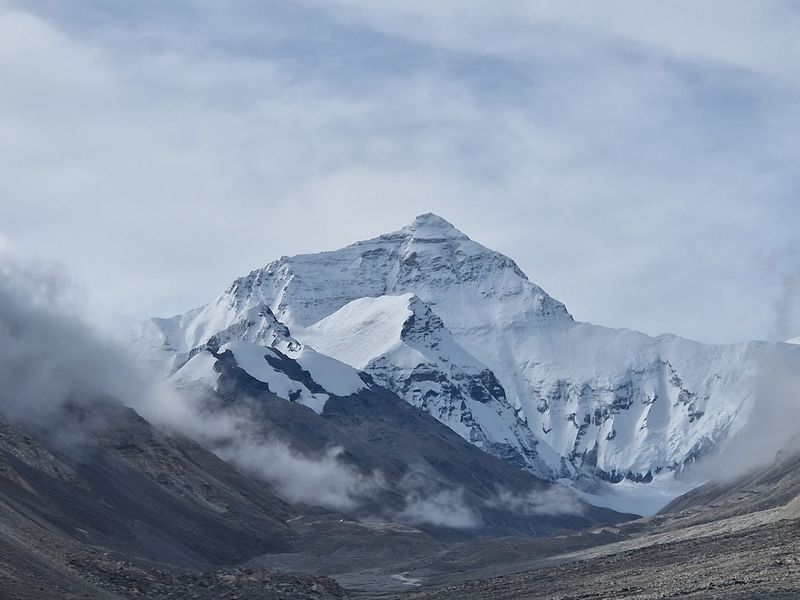
Nearly 300 bodies remain on Mount Everest, frozen in place, because recovering them is too dangerous. That sobering fact sets the tone for what attempting the world’s highest peak actually involves.
At 8,849 meters above sea level, Everest sits in what climbers call the “Death Zone” — an altitude where the human body deteriorates faster than it can recover.
Altitude sickness, known medically as acute mountain sickness, can escalate into life-threatening conditions like cerebral or pulmonary edema within hours. Add in sudden avalanches, whiteout blizzards, and the treacherous Khumbu Icefall — a constantly shifting maze of ice blocks the size of houses — and you have a route that demands absolute preparation.
Even elite climbers with decades of experience have been caught off guard.
Commercial expeditions have made Everest more accessible, but that accessibility has also created dangerous overcrowding near the summit. Long queues at high altitude mean extended exposure to cold and low oxygen.
Permits cost tens of thousands of dollars, and that price does not guarantee safety. Proper acclimatization, experienced Sherpa guides, and quality equipment are non-negotiable.
Everest rewards the prepared and punishes the overconfident without hesitation.
North Yungas Road (“Death Road”) — Bolivia
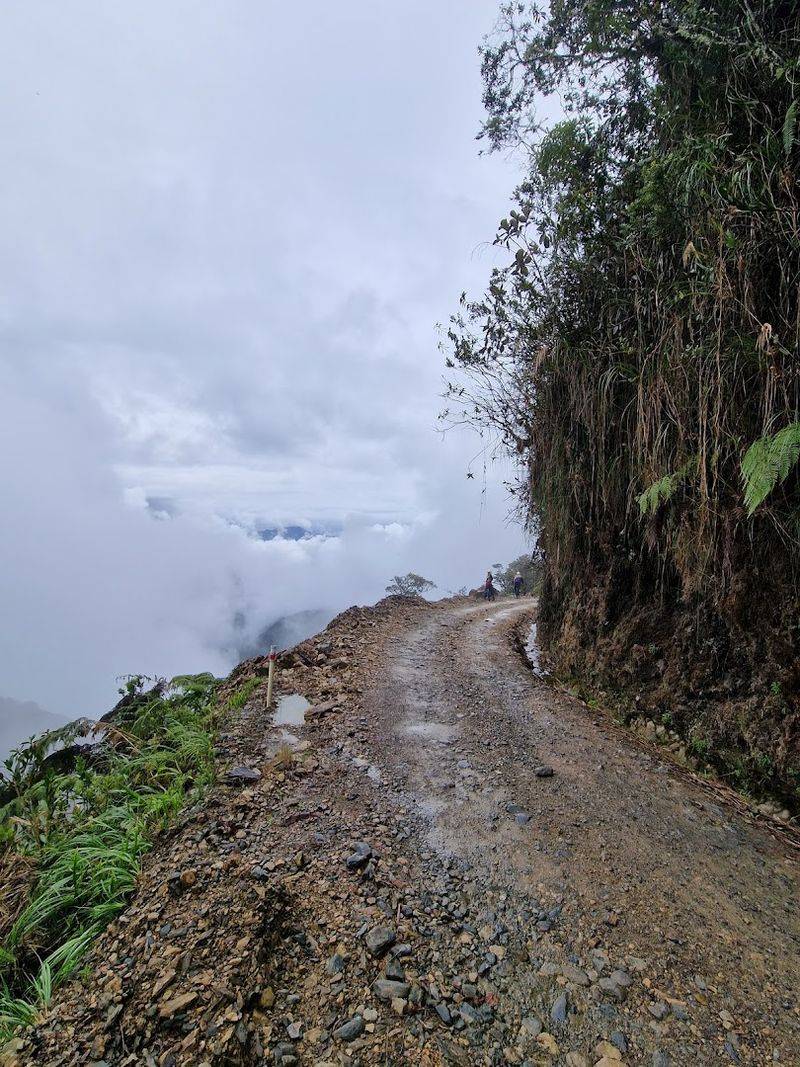
Carved into the side of the Bolivian Andes, the North Yungas Road is so narrow that two vehicles cannot pass each other in many sections — and on one side sits a sheer cliff dropping hundreds of meters straight down. For decades, this 69-kilometer stretch between La Paz and Coroico earned a brutal reputation, with estimates suggesting up to 300 deaths per year during its peak danger years.
Fog rolls in without warning, turning already-treacherous visibility into near-zero conditions. Waterfalls cascade directly onto the road, making the surface permanently slick.
There are no guardrails in most sections, just a thin gravel edge between your tires and a very long fall. Landslides are a seasonal threat that can close or destroy sections overnight.
Since a safer bypass road opened in 2006, most vehicle traffic has shifted away, but the Death Road now attracts mountain bikers seeking adrenaline. Tour operators run guided downhill cycling trips that are popular with adventure tourists.
It sounds fun — and it is, mostly — but accidents still happen. Riders have gone over the edge.
Brakes fail on steep descents. Going with a reputable operator, wearing full protective gear, and staying alert the entire way down is not optional.
It is survival basics.
Lake Natron — Tanzania
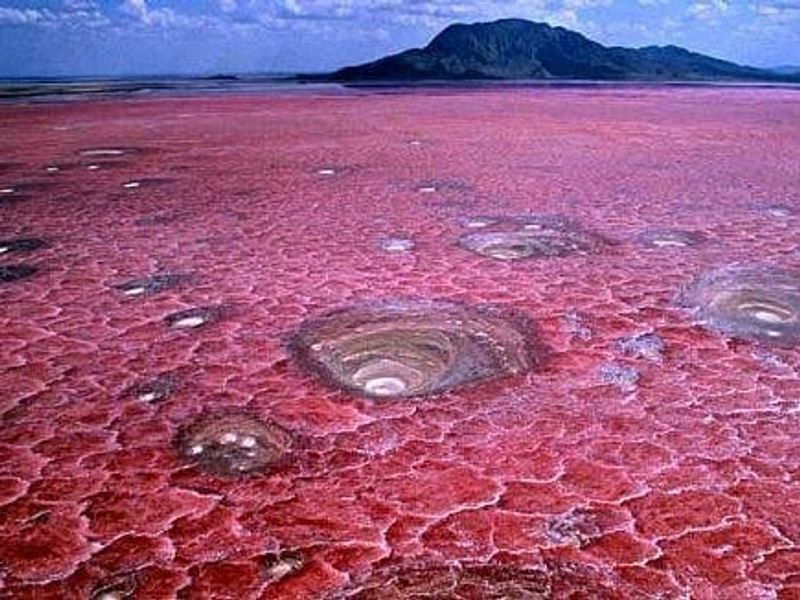
The water in Lake Natron looks like something spilled from a painter’s nightmare — deep crimson, streaked with orange, shimmering under the East African sun. That unsettling color comes from salt-loving microorganisms thriving in water so alkaline it registers a pH close to 10.5.
To put that in perspective, it is nearly as caustic as ammonia.
Animals that fall into the lake or wade in too long are gradually calcified — their bodies preserved in a ghostly mineral crust. Photographer Nick Brandt famously documented these calcified creatures along the shoreline, and the images are both haunting and unforgettable.
For humans, direct contact with the water causes chemical burns to eyes and skin. The fumes are also irritating to breathe near the lake’s edge.
Ironically, Lake Natron is a critical breeding ground for East Africa’s lesser flamingos, which are uniquely adapted to survive there. Around 2.5 million flamingos nest on the lake’s salt flats each year, making it one of the most important flamingo habitats on the planet.
Visitors can observe from a safe distance and appreciate the bizarre beauty without getting close enough to regret it. Admire, photograph, and keep your hands firmly out of the water.
Oymyakon — Russia
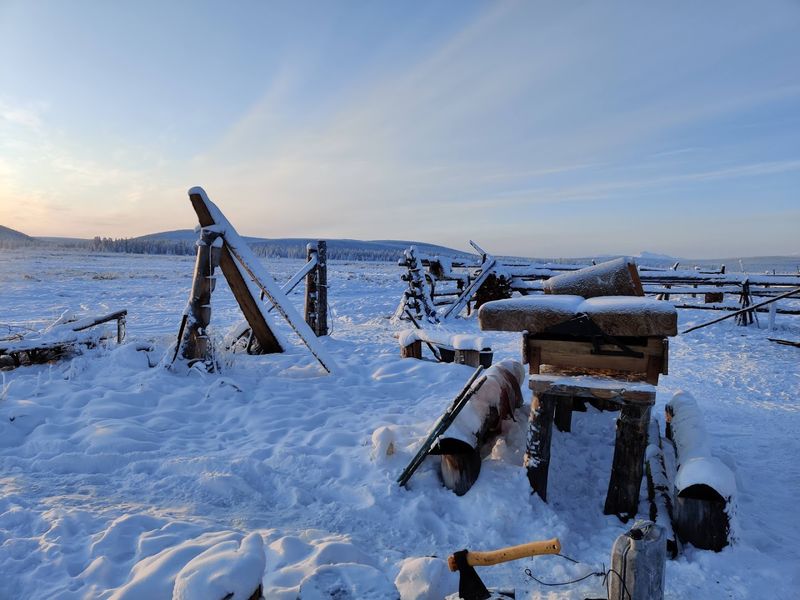
Frostbite sets in within minutes at the temperatures Oymyakon regularly endures. This small village in Russia’s Sakha Republic holds the record for the coldest permanently inhabited place on Earth, with the mercury once plunging to an astonishing -71.2°C (-96.2°F) in 1924.
Around 500 people still live there year-round, which is either incredibly brave or a testament to extraordinary human adaptability — probably both.
Daily life in Oymyakon operates under conditions most people cannot imagine. Cars must be kept running continuously to prevent engines from freezing solid.
Ink in pens freezes. Glasses fuse to faces.
Outdoor toilets are the norm because indoor plumbing pipes simply cannot function in such cold. Even eyelashes can freeze together within seconds of stepping outside without proper protection.
Tourists do visit, drawn by the extreme novelty of the experience and the chance to test their limits. But preparation is deadly serious here.
Specialized cold-weather gear rated well below -50°C is mandatory, not a suggestion. Exposed skin should never be left uncovered, even briefly.
Local guides who understand the rhythms of the cold are invaluable. Oymyakon is a place that demands total respect — it is cold in a way that rewrites your understanding of the word entirely.
Snake Island (Ilha da Queimada Grande) — Brazil
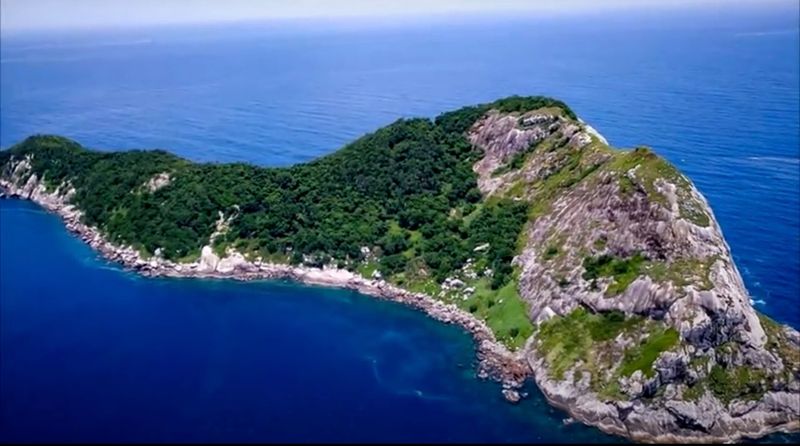
Somewhere off the coast of Sao Paulo, Brazil, there is a small island where the Brazilian government has banned almost all visitors. The reason?
Estimates suggest between one and five golden lancehead pit vipers live per square meter in some areas — making it one of the densest concentrations of venomous snakes anywhere on Earth. The golden lancehead’s venom is fast-acting and capable of melting human flesh around the bite site.
The island, called Ilha da Queimada Grande, is about 43 hectares of thick forest and rocky terrain that the snakes have entirely claimed as their own. They evolved there in isolation after sea levels rose and cut the island off from the mainland thousands of years ago.
With no ground prey available, they adapted to hunt migratory birds — and their venom became potent enough to kill quickly before prey could escape.
Only the Brazilian Navy and authorized researchers are permitted to visit, and even they go in small, careful groups with medical support on standby. Local fishermen give the island a very wide berth.
There are stories — possibly urban legends, possibly not — of previous lighthouse keepers meeting grim ends. Whether true or exaggerated, the island’s reputation is entirely earned.
Some places are best appreciated from a safe, comfortable distance.
The Amazon Rainforest — South America
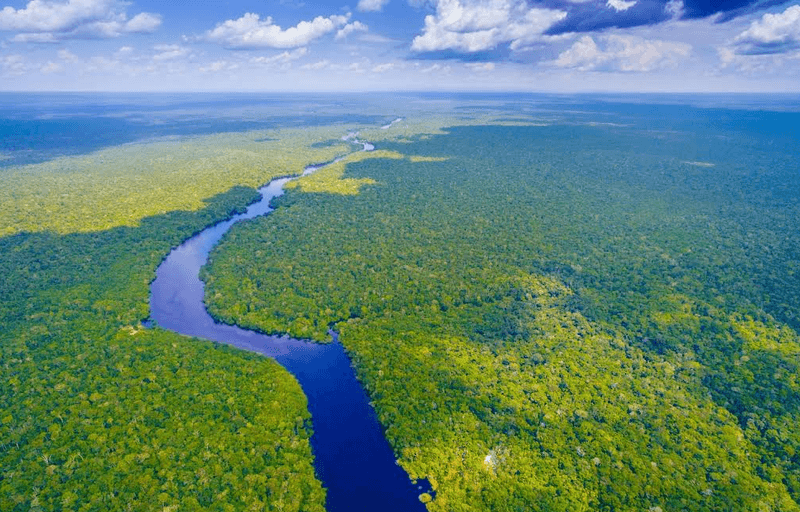
The Amazon Rainforest covers over 5.5 million square kilometers across nine countries, making it the largest tropical rainforest on Earth — and also one of the easiest places to get completely, irreversibly lost. Once you step off a known trail, the jungle closes around you with terrifying uniformity.
Every direction looks identical. GPS can struggle under thick canopy.
Rivers that seem like navigation aids can loop back on themselves for miles.
Beyond disorientation, the Amazon hosts an extraordinary lineup of dangerous wildlife. Bullet ants deliver the most painful insect sting known to science.
Poison dart frogs carry enough toxin to kill multiple adults. Caimans, anacondas, electric eels, and piranha all share the waterways.
Mosquitoes carry malaria, dengue, yellow fever, and other diseases that have killed countless explorers throughout history.
Experienced guides who know specific regions are not a luxury here — they are the difference between an incredible adventure and a genuine emergency. Proper vaccinations, insect protection, and waterproof gear are baseline requirements.
The Amazon is also breathtakingly beautiful, teeming with life found nowhere else on Earth. Millions of species share this ecosystem, and responsible eco-tourism exists.
Go with experts, follow their lead, and the rainforest reveals wonders that make every precaution completely worth it.
Skeleton Coast — Namibia
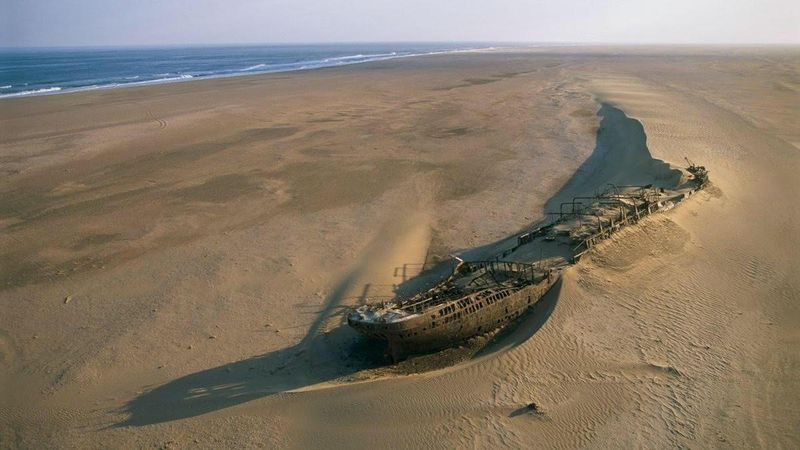
Sailors used to call it “The Gates of Hell.” The Bushmen of the Kalahari called it “The Land God Made in Anger.” The Skeleton Coast stretches roughly 500 kilometers along Namibia’s northern Atlantic shoreline, and neither name feels like an exaggeration when you are standing there. Dense, unpredictable fog rolls in from the cold Benguela Current, reducing visibility to near zero without warning.
The coastline is littered with shipwrecks — hundreds of vessels that misjudged the fog, the currents, or both, and found themselves dragged onto the shore with no hope of rescue. Whale and seal bones bleach in the sun alongside rusted ship hulls, creating a landscape that is genuinely eerie.
Fresh water is almost completely absent. The nearest towns are hours away.
Rescue operations in this area are logistically nightmarish.
Lions, brown hyenas, and black rhinos roam the coastal desert in unusually adapted populations, surviving on marine life and desert resources. It is wildlife watching at its most raw and unpredictable.
Guided tours operate within the national park, and they are the only sensible way to experience this place. Self-driving into the Skeleton Coast without proper preparation, extra fuel, and emergency supplies is the kind of decision that does not always have a second chance attached to it.
Gates of Hell (Darvaza Crater) — Turkmenistan
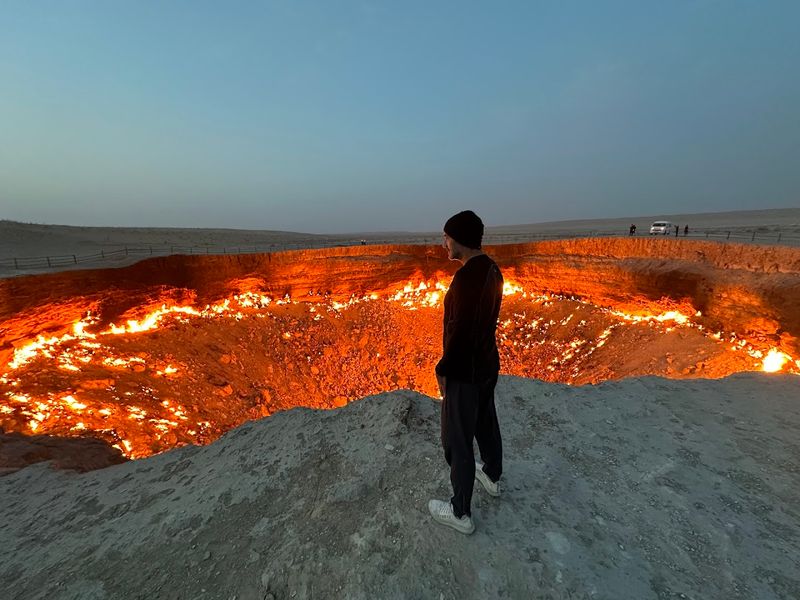
In 1971, Soviet engineers drilling for natural gas accidentally collapsed the ground near the village of Darvaza in Turkmenistan, creating a massive underground cavern. To prevent the spread of methane gas, they set it on fire — expecting it to burn out within weeks.
Over fifty years later, it is still burning. The Darvaza Crater, now nicknamed the Gates of Hell, measures roughly 69 meters wide and 30 meters deep, and it glows like an ember in the middle of the flat Karakum Desert.
Up close, the heat radiating from the crater is intense enough to make extended standing near the edge genuinely uncomfortable. The ground surrounding the pit is unstable — there is no solid guarantee of where safe footing ends and crumbling edge begins.
Methane and other gases rise continuously from the burning pit, making prolonged exposure without wind conditions a real concern for respiratory health.
Despite all this, the Gates of Hell has become a legitimate tourist attraction, drawing thousands of visitors annually. Camping overnight near the crater has become popular, with the glowing pit providing an extraordinary, otherworldly light show against the desert sky.
Guided tours are available from the capital Ashgabat. Keep a respectful distance from the edge, watch where you step, and enjoy one of Earth’s most bizarre and accidental spectacles safely.



