 Unearth The Voyage
Florida is famous for its beaches and theme parks, but tucked between the palm trees and coastlines are towns where the past refuses to stay quiet. From centuries-old forts to sponge-diving traditions, these places hold stories that shaped an entire state.
Whether you love exploring old streets, tasting heritage foods, or standing where history actually happened, these towns deliver the real deal. Pack your curiosity and get ready to travel back in time without leaving the Sunshine State.
1. St. Augustine
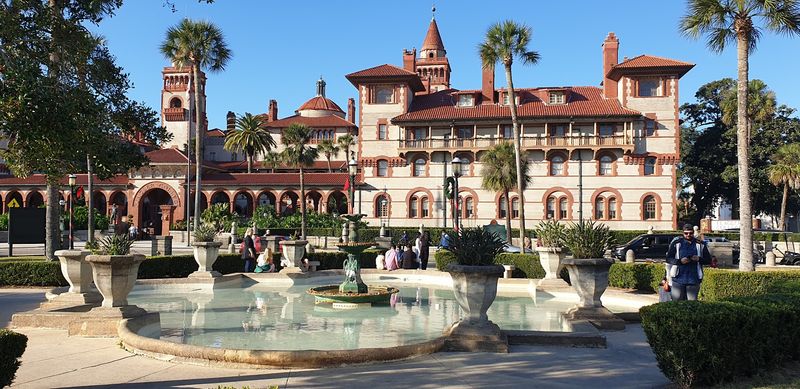
The oldest continuously occupied European settlement in the entire United States sits right here in Florida. St. Augustine was founded by Spanish explorers in 1565, which means it had over 200 years of history before the American Revolution even started.
That fact alone makes your jaw drop a little.
Walking down St. George Street feels like flipping through a living history book. You can tour the Castillo de San Marcos, a massive stone fort built in the 1600s that still stands tall today.
Horse-drawn carriages clop down cobblestone streets past buildings that look exactly as they did centuries ago.
Food, festivals, and ghost tours round out the experience beautifully. St. Augustine takes its haunted reputation seriously, offering nightly ghost walks through some of the most historic neighborhoods in America.
History here is not behind glass. It is all around you, breathing.
2. Pensacola
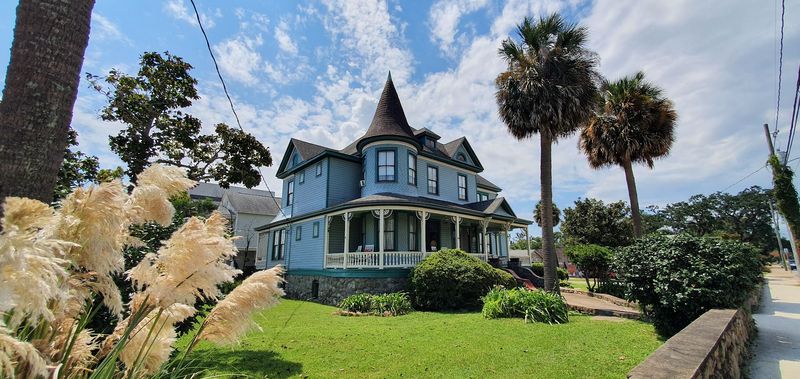
Five different flags have flown over Pensacola, earning it the nickname “City of Five Flags.” Spain, France, Britain, the Confederacy, and the United States all claimed this Gulf Coast gem at different points in history. That is a seriously busy past for one city.
The Historic Pensacola Village is a cluster of restored buildings from the 1800s where costumed guides bring everyday colonial life back to vivid reality. The T.T.
Wentworth Jr. Florida State Museum nearby holds thousands of quirky artifacts that tell the city’s layered story. You can easily spend a full day just exploring this one neighborhood.
Pensacola’s Naval Air Station adds another exciting layer, housing the National Naval Aviation Museum. It is one of the largest aviation museums in the world and admission is completely free.
History lovers and aviation fans both leave completely satisfied, which is a rare and wonderful thing.
3. Fernandina Beach
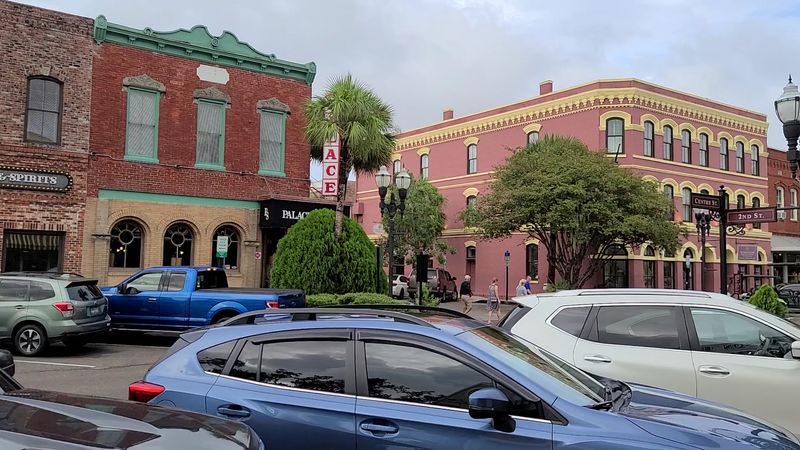
Fernandina Beach wears its Victorian-era architecture like a crown. Located on Amelia Island in the far northeast corner of Florida, this charming town was once one of the most important ports on the East Coast.
Eight different flags have actually flown over Amelia Island, beating even Pensacola by three.
Centre Street is the heart of the historic district, lined with beautifully preserved buildings from the 1800s that now house restaurants, boutiques, and art galleries. The Palace Saloon, which opened in 1903, claims to be Florida’s oldest bar and still serves drinks beneath its original mahogany bar.
Walking in feels like stepping straight into a Western film set.
The Amelia Island Museum of History offers guided tours that connect all the dots between pirates, railroad barons, and shrimping industries. Fernandina Beach also hosts the annual Isle of Eight Flags Shrimp Festival, a beloved community celebration packed with fresh seafood and local pride.
4. Apalachicola
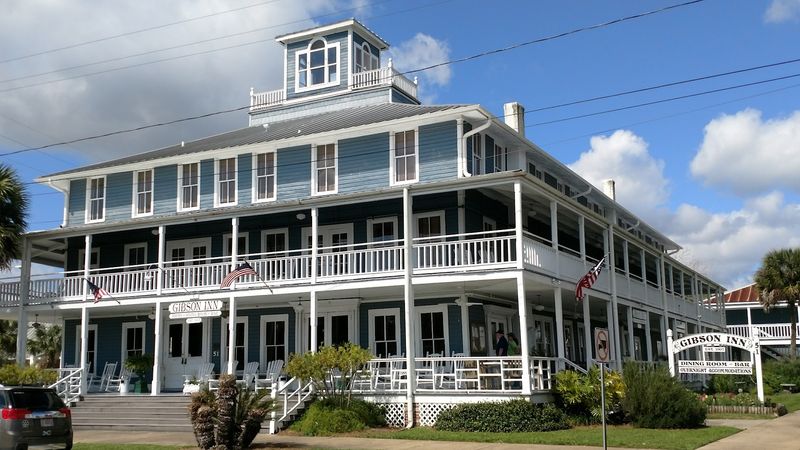
Sleepy on the surface, Apalachicola hides a surprisingly rich past beneath its quiet streets. Sitting along the Apalachicola River in the Florida Panhandle, this small town was once one of the busiest cotton shipping ports in the entire South during the 1800s.
Hard to believe looking at it today.
The town’s historic district is packed with antebellum architecture, including the beautiful Trinity Episcopal Church built in 1838. The John Gorrie Museum State Park honors a local doctor who invented an early ice-making machine, essentially laying the groundwork for modern air conditioning.
Florida giving the world air conditioning feels very on-brand.
Apalachicola is also famous for its oysters, which have been harvested from the bay for generations. Local oyster bars serve them fresh daily, carrying on a tradition that defined the town’s economy for over a century.
Small in size but enormous in character, Apalachicola rewards every curious visitor who makes the trip.
5. Cedar Key
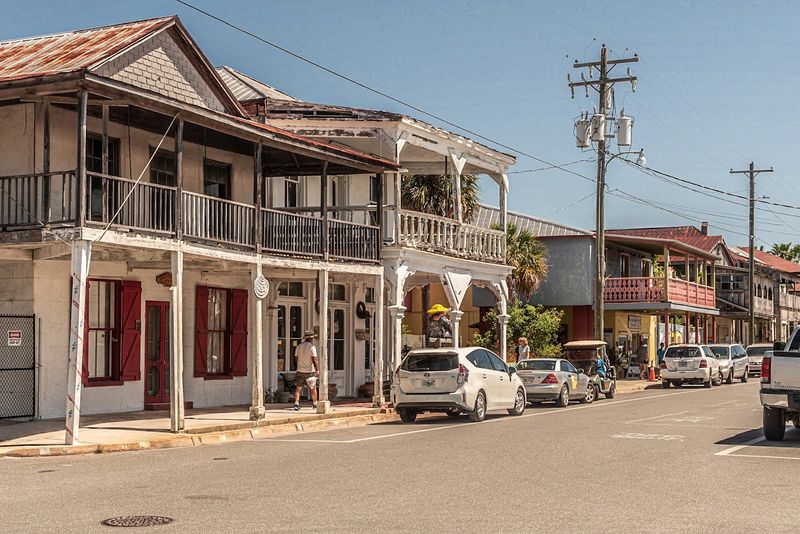
Getting to Cedar Key requires a deliberate choice, and that is exactly the point. This remote island community off Florida’s Gulf Coast sits at the end of a long causeway, far from any interstate or tourist corridor.
The effort to reach it is very much worth it.
Cedar Key was a booming industrial town in the 1800s, supplying pencil-making factories with red cedar wood until the forests were nearly wiped out. The Cedar Key Museum State Park tells that story honestly, along with tales of the town’s fishing and seafood canning industries.
History here is gritty and real, not polished for tourists.
Today, clam farming has replaced the old industries, and the weekly Cedar Key Seafood Festival draws visitors who appreciate both good food and good stories. The town’s unhurried pace and weathered charm make it feel genuinely frozen in time.
Cedar Key is proof that some of Florida’s best experiences require going off the beaten path.
6. Key West
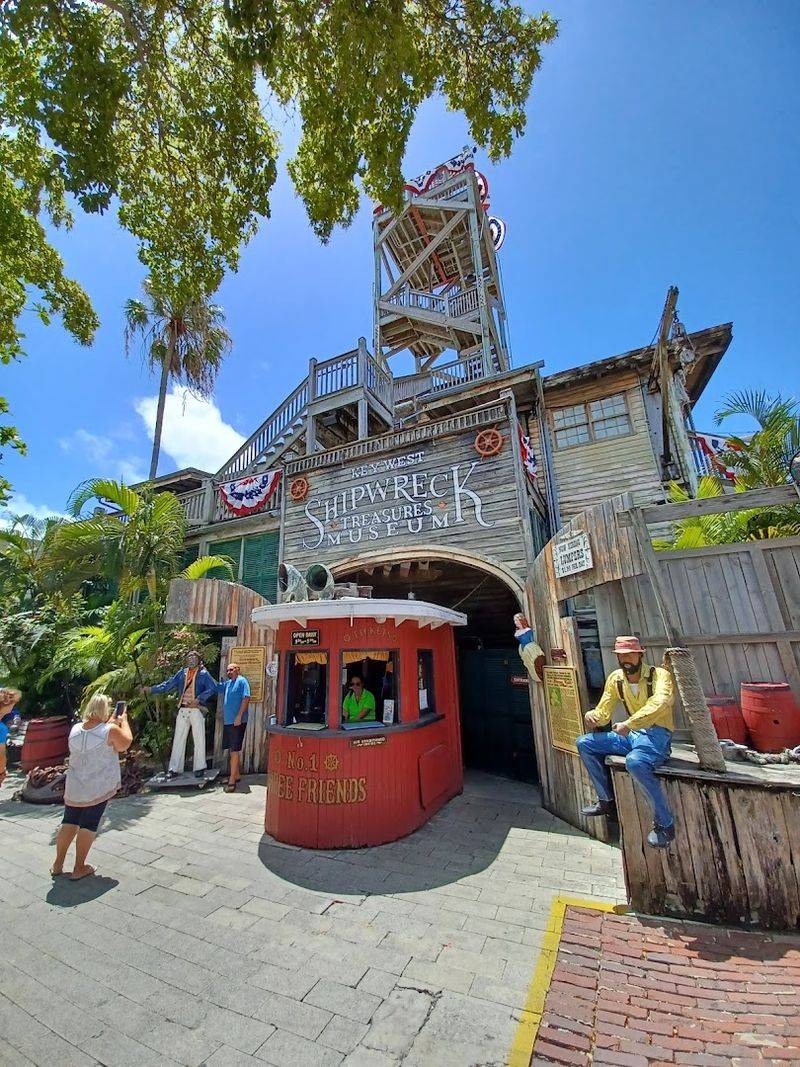
Key West has always done things its own way. Perched at the very tip of the Florida Keys, this island city was once the wealthiest city per capita in the entire United States, thanks to a booming salvage industry built around shipwrecks.
Treasure hunting as an economy is genuinely impressive.
Ernest Hemingway lived here throughout the 1930s and his home on Whitehead Street is now a beloved museum, complete with dozens of six-toed cats wandering the property. The Harry S.
Truman Little White House, where the president spent 11 working vacations, is another must-visit landmark. Key West collected famous residents the way other towns collect parking meters.
The historic Old Town district is a walkable wonderland of conch-style Victorian homes, brick streets, and century-old saloons. Fort Zachary Taylor, built in the 1840s, still stands and offers tours with stunning ocean views.
Key West packs more history per square mile than almost anywhere in the state.
7. Tarpon Springs
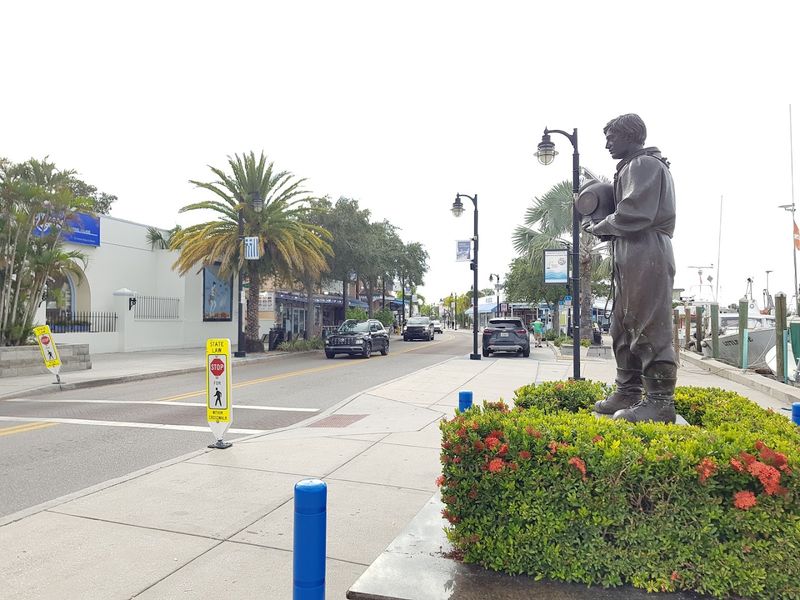
Tarpon Springs smells like the sea, sounds like Greece, and tastes like baklava. Greek sponge divers arrived here in the early 1900s and built a community so authentic that the town still feels like a little piece of the Mediterranean dropped onto Florida’s Gulf Coast.
The sponge docks are still fully operational today.
At its peak, Tarpon Springs was the largest sponge-producing port in the United States. Divers in traditional helmeted suits would descend to the ocean floor to harvest natural sponges by hand, a tradition that continues in a modified form to this day.
Watching a live sponge diving demonstration is genuinely fascinating stuff.
The Spongeorama museum and the St. Nicholas Greek Orthodox Cathedral are both worth extended visits. Greek bakeries, seafood restaurants, and import shops line the docks, making the whole area feel like a cultural celebration rather than a tourist trap.
Tarpon Springs is one of Florida’s most unique and flavorful historic destinations.
8. Micanopy
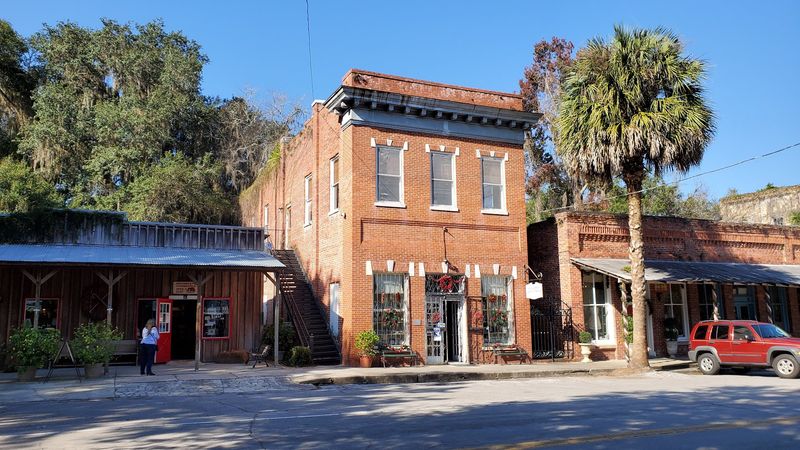
Micanopy is the kind of town that makes you slow your car down without even knowing why. Located just south of Gainesville, it is Florida’s oldest inland town, incorporated in 1821, and every corner seems to whisper something about the past.
Ancient live oaks draped in Spanish moss arch over streets barely wide enough for two cars.
The town was named after a Seminole chief and sits near the site of the 1835 Micanopy Raid, an early battle of the Second Seminole War. A small museum inside the historic Thrasher Warehouse preserves artifacts and accounts from that turbulent period.
The history here is layered with both Native American and early American settler stories.
Today, Micanopy is famous for its antique shops, which draw collectors from across the Southeast every weekend. The annual Micanopy Fall Harvest Festival turns the whole town into one giant outdoor market.
With a population under 700, Micanopy punches far above its weight in charm and historical significance.
9. St. Marks
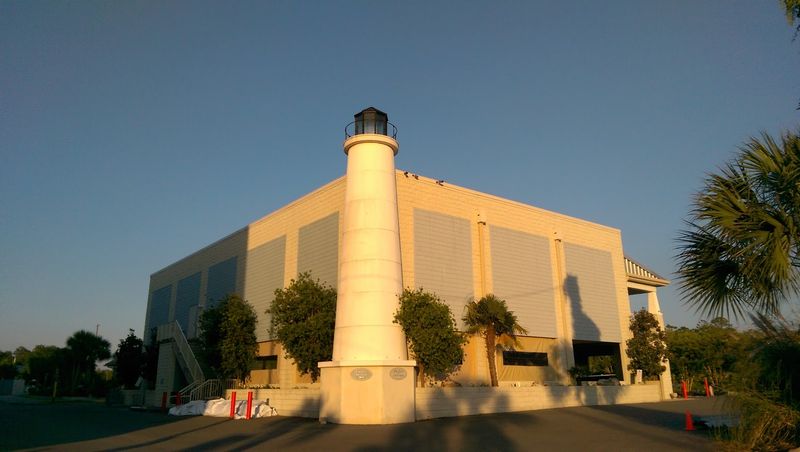
Few Florida towns carry as many layers of conflict and conquest as St. Marks. Sitting where the St. Marks River meets Apalachee Bay, this tiny town has been occupied by the Spanish, British, and Americans at various points across nearly four centuries.
That is a lot of flag changes for one small patch of land.
Fort San Marcos de Apalache was originally built by the Spanish in 1679, and the site has been rebuilt, captured, and rebuilt again multiple times since then. The historic site museum explains the fort’s wild history, including Andrew Jackson’s controversial seizure of it during the First Seminole War.
Standing among the ruins, you can almost feel the weight of everything that happened there.
St. Marks is also a gateway to the St. Marks National Wildlife Refuge, which adds a nature-filled bonus to the history lesson. The nearby lighthouse, built in 1831, is one of Florida’s oldest.
Small but mighty, St. Marks rewards every history seeker who finds it.
10. Mount Dora
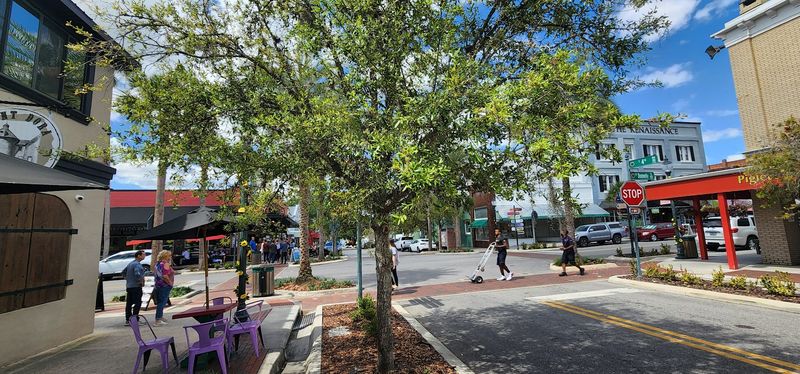
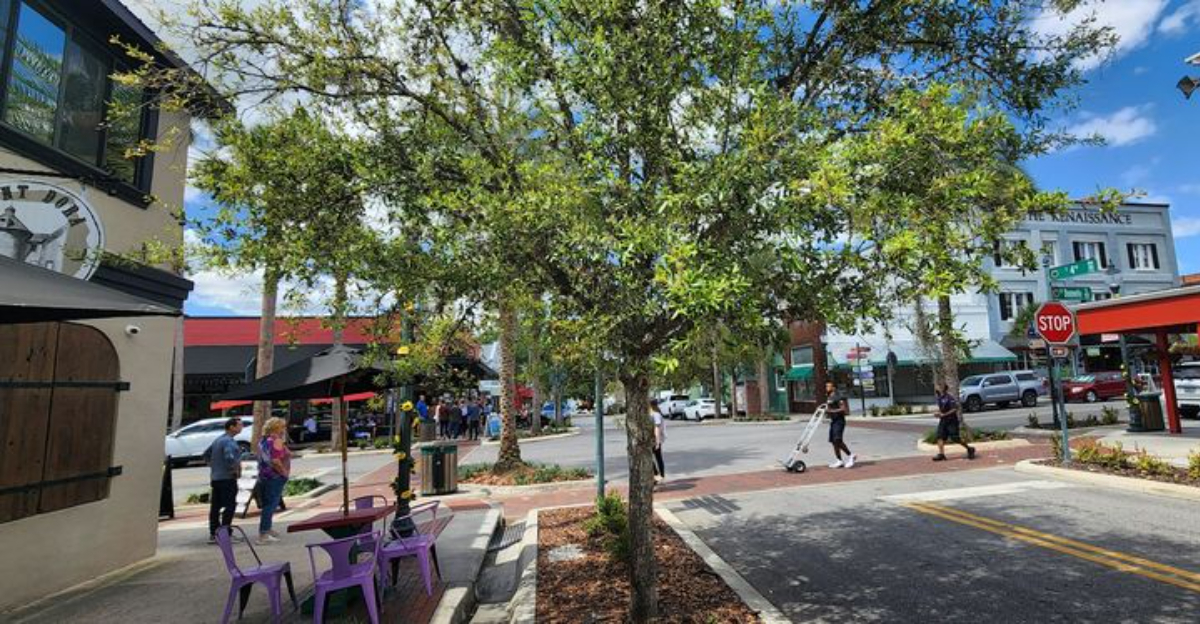
Mount Dora looks like someone lifted a New England village and set it gently on the shores of a Florida lake. With its hilly terrain, which is genuinely rare in flat Florida, and its beautifully preserved early 20th-century downtown, this Central Florida town feels refreshingly out of place in the best possible way.
Founded in the 1870s, Mount Dora grew into a popular winter retreat for Northern visitors seeking warm weather and natural beauty. The Donnelly House, a stunning Queen Anne Victorian mansion built in 1893, still stands as one of the town’s most photographed landmarks.
History here feels elegant and unhurried rather than dramatic.
The town hosts more than a dozen festivals each year, including a beloved antique car show and one of Florida’s largest arts festivals. The Royellou Museum, housed in the old city jail and fire station, tells the town’s complete story with impressive charm.
Mount Dora is proof that Florida’s history is not all forts and pirates. Sometimes it is just perfectly lovely.



