Big-city restaurants often get most of the attention, but some of America’s best food scenes are hiding in small towns filled with local traditions, creative chefs, and unforgettable regional flavors. From barbecue capitals to farm-to-table mountain retreats, these destinations prove that incredible food can thrive far from any major metropolitan area.
Whether you’re planning a road trip or just dreaming about your next meal, these small towns are absolutely worth adding to your list.
Asheville, North Carolina
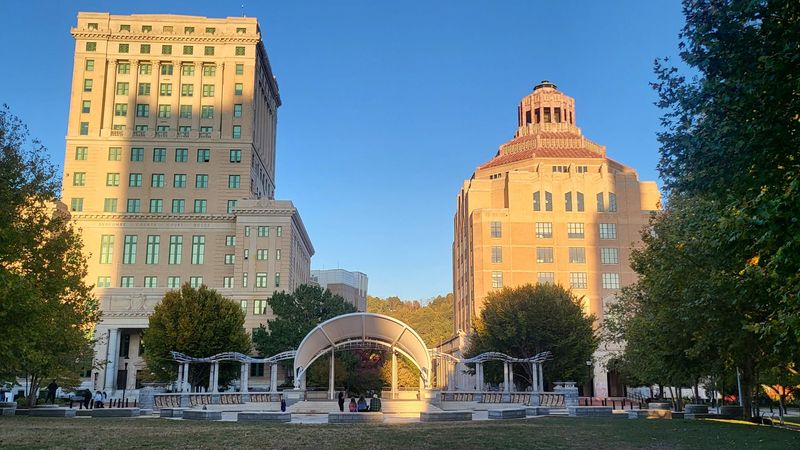
Nestled deep in the Blue Ridge Mountains, Asheville has quietly earned a reputation as one of the most exciting small-town food destinations in the entire country. Inventive Southern cuisine, hyper-local ingredients, and a craft beer scene that seems to grow every year have all helped put this mountain town on the culinary map.
Visitors often leave genuinely shocked by how much flavor is packed into one compact downtown area.
Local chefs here love working with Appalachian staples like ramps, sorghum, and heritage pork. Restaurants such as Curate and Bouchon have won national recognition, while the weekly tailgate farmers market keeps ingredients fresh and seasonal.
The food culture feels deeply rooted in place, not trend-chasing.
Craft breweries like Sierra Nevada and New Belgium chose Asheville for their East Coast homes, adding another layer to an already impressive scene. Weekend brunch lines form early and for good reason.
Whether you want wood-fired pizza, Korean-Southern fusion, or a perfectly balanced cocktail, Asheville delivers with a mountain-town warmth that big cities rarely manage to replicate.
Healdsburg, California
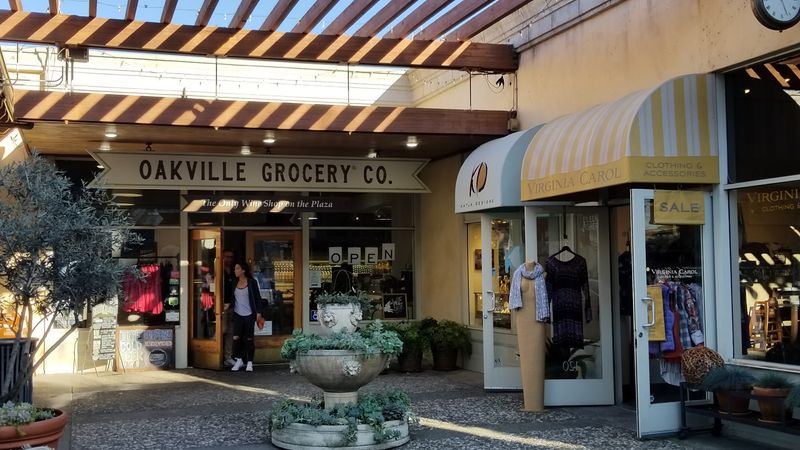
Spend one afternoon wandering Healdsburg’s sunny plaza and you will quickly understand why food lovers keep returning to this corner of Sonoma County. The town is surrounded by world-class wineries, organic farms, and cheesemakers who supply local restaurants with ingredients most chefs only dream about.
It is a small town operating at a seriously high culinary level.
Michelin-starred restaurants like SingleThread have brought international attention to Healdsburg, but the dining scene stretches well beyond fine dining. Casual wine bars, wood-fired taco spots, and artisan bakeries line the streets around the central plaza.
Every meal feels connected to the land surrounding the town, which gives the food a freshness that is hard to fake.
The farmers market held on Saturdays is a wonderful starting point for any food-focused visit. Local producers bring heritage tomatoes, fresh-pressed olive oil, handmade pasta, and seasonal jams that reflect the agricultural richness of the region.
Healdsburg proves that small-town dining can absolutely compete with anything you would find in San Francisco, often at a friendlier pace and with a better view of the vineyards outside the window.
Lockhart, Texas
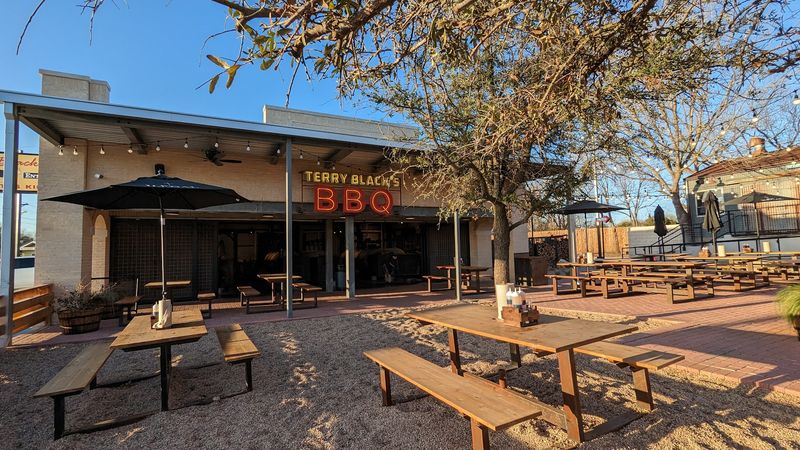
The smell hits you before you even open the door. Lockhart, Texas wears its title of Barbecue Capital of Texas like a badge of serious honor, and the legendary smokehouses here have been perfecting their craft for well over a century.
Brisket, ribs, and hand-stuffed sausage are served on butcher paper with zero apology and maximum flavor.
Black’s Barbecue, founded in 1932, is the oldest barbecue restaurant in Texas still operated by the same family. Kreuz Market refuses to serve barbecue sauce, trusting the meat to speak entirely for itself.
Smitty’s Market operates inside a historic building where the smoke has been soaking into the walls for generations, creating an atmosphere that no new restaurant can manufacture.
Lockhart draws barbecue pilgrims from across the country and around the world, yet it still feels refreshingly unpretentious. Lines form early on weekends, and regulars will tell you to arrive before noon if you want the best cuts.
The experience here is less about fine dining and entirely about honest, deeply satisfying food made the same way it has always been made. That consistency is exactly what makes Lockhart so special.
Traverse City, Michigan
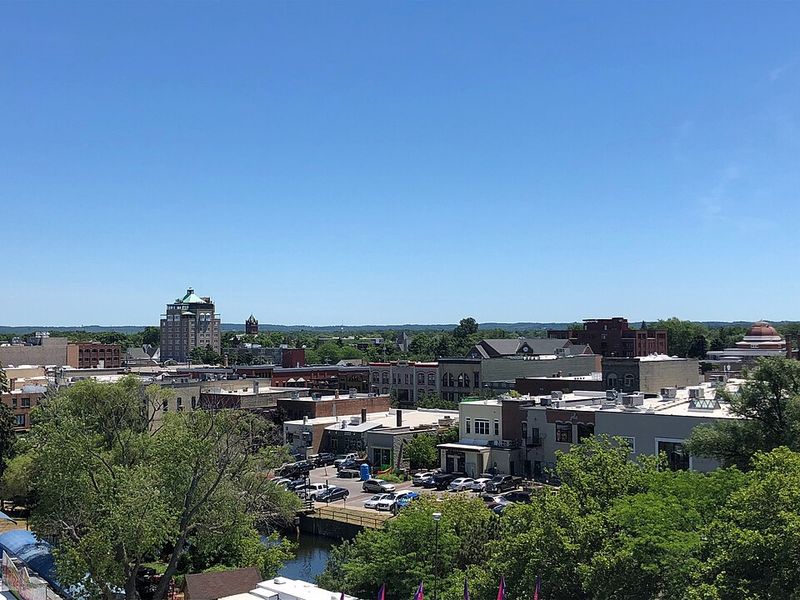
Cherry blossoms in spring, freshwater fish year-round, and a wine trail that stretches along one of Michigan’s most scenic peninsulas make Traverse City a genuinely surprising culinary destination. Most visitors arrive expecting outdoor recreation and leave equally impressed by the food scene waiting for them in town.
The two experiences pair together beautifully.
The surrounding Old Mission and Leelanau peninsulas are home to award-winning wineries producing cool-climate varietals like Riesling and Pinot Noir. Local restaurants take full advantage, building seasonal menus around Great Lakes whitefish, tart cherries, morel mushrooms, and freshly harvested vegetables from nearby farms.
The result is a food culture that changes deliciously with every season.
Traverse City’s National Cherry Festival each July draws hundreds of thousands of visitors, but the town’s food scene thrives long after the festival crowds leave. Farm stands, artisan cheese shops, and chef-driven restaurants operate through the fall harvest season when the colors are stunning and the menus are at their richest.
For food travelers who also love natural beauty, Traverse City offers a combination that is genuinely hard to beat anywhere in the Midwest.
Santa Fe, New Mexico

Ordering your first plate of New Mexican food in Santa Fe is a moment that tends to stay with people. The server will ask “red or green?” referring to which chile sauce you want, and that single question opens the door to one of America’s most genuinely distinctive regional food traditions.
Santa Fe’s cuisine is unlike anything else in the country.
Indigenous Pueblo traditions, Spanish colonial influences, and Mexican culinary heritage have blended over centuries to create something entirely its own. Green chile stew, blue corn tortillas, posole, and sopapillas drizzled with honey appear on menus throughout the city.
The Plaza area and Canyon Road are both packed with restaurants ranging from casual lunch spots to celebrated fine dining rooms.
The Santa Fe Farmers Market, held at the Railyard district, is one of the best in the Southwest and a perfect place to sample local produce, roasted chiles, and handmade tamales. The town also hosts a thriving restaurant week each year that showcases just how deep the culinary talent runs.
Between the food, the art galleries, and the warm adobe architecture glowing in the afternoon light, Santa Fe creates a total sensory experience that is genuinely hard to forget.
Greenville, South Carolina
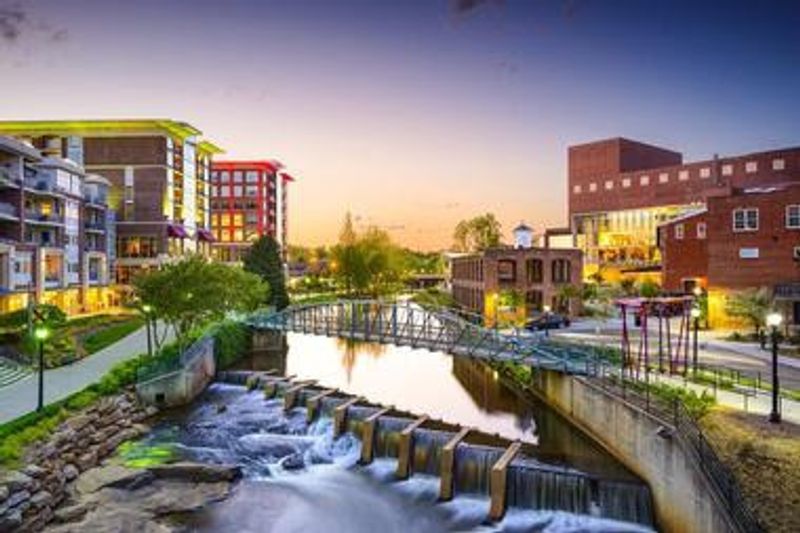
People who visited Greenville ten years ago and return today often do a double-take at the transformation. What was once a quiet Southern city has evolved into one of the most talked-about culinary destinations in the entire Southeast, with a walkable downtown packed with chef-driven restaurants, creative cocktail bars, and buzzing weekend brunch spots.
The growth has been remarkable and genuinely delicious.
Modern Southern cooking thrives here, with chefs putting fresh spins on classics like shrimp and grits, pimento cheese, and fried chicken without losing the comfort-food soul that makes Southern cuisine so beloved. Restaurants like Soby’s and The Lazy Goat have built loyal followings by honoring regional ingredients while keeping menus fresh and seasonal.
The Falls Park on the Reedy River provides a stunning backdrop for outdoor dining along the riverwalk.
Greenville’s food scene also embraces international flavors with impressive confidence. Ethiopian, Japanese, and Vietnamese restaurants have found enthusiastic local audiences, reflecting the city’s growing diversity.
Craft breweries and rooftop bars add to the energy, especially on warm evenings when the downtown sidewalks fill with people moving from restaurant to restaurant. Greenville is proof that the South’s culinary renaissance extends well beyond Nashville and Charleston.
Burlington, Vermont
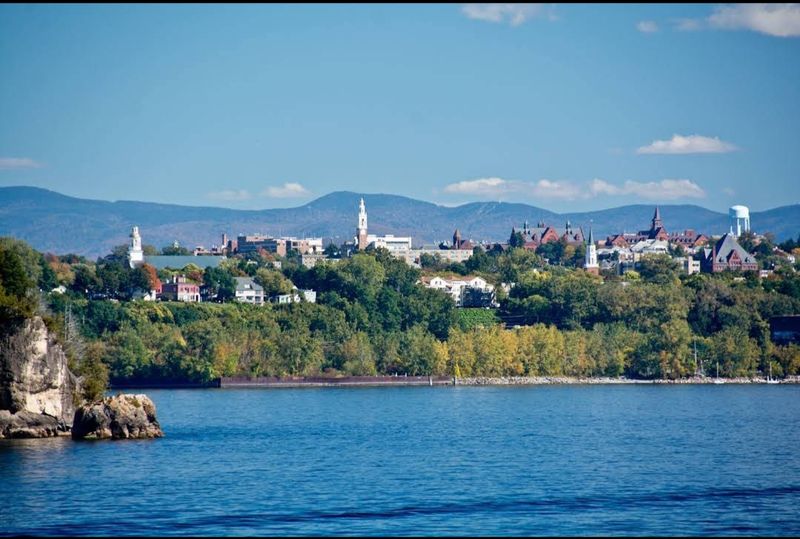
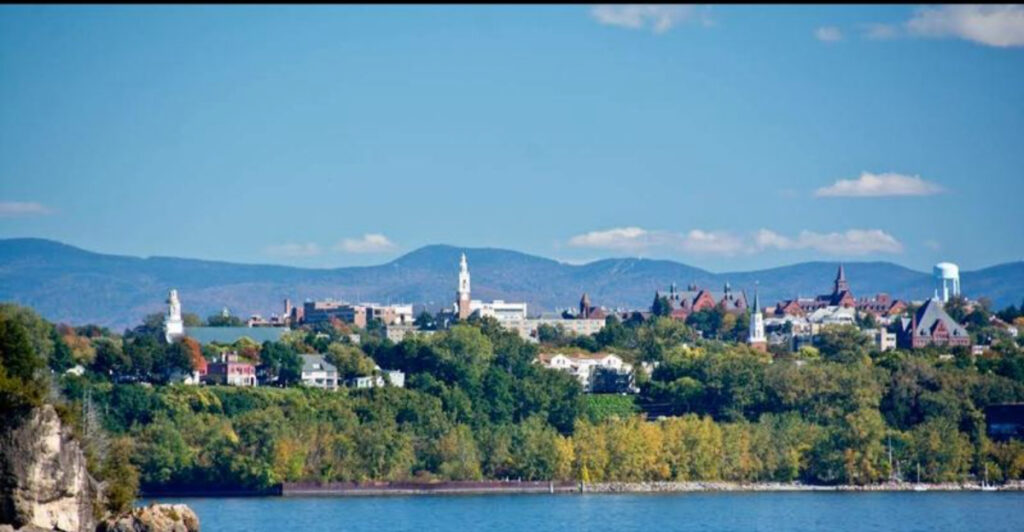
Burlington sits on the eastern shore of Lake Champlain with a food culture that is as grounded and honest as Vermont itself. Sustainability is not a marketing buzzword here; it is genuinely baked into how restaurants source ingredients, how breweries select their hops, and how farmers run their operations just a short drive from downtown.
The commitment to local food systems here runs deep.
Artisan cheese from nearby Cabot and Jasper Hill Farm appears on practically every menu worth visiting. Vermont maple syrup shows up in cocktails, glazes, and desserts with a frequency that never feels forced.
Restaurants like Hen of the Wood and Pizzeria Verita have earned regional and national recognition for cooking that is rooted in place and season.
The Church Street Marketplace and the Burlington Farmers Market give visitors easy access to local producers selling everything from raw honey to fresh-pressed cider. Craft breweries like Foam Brewers and Zero Gravity have helped build a beer culture that complements the food scene perfectly.
Burlington is a college town with a lot of energy, but the food scene has grown well beyond student budget dining into something genuinely sophisticated and worth traveling for specifically.
Homer, Alaska
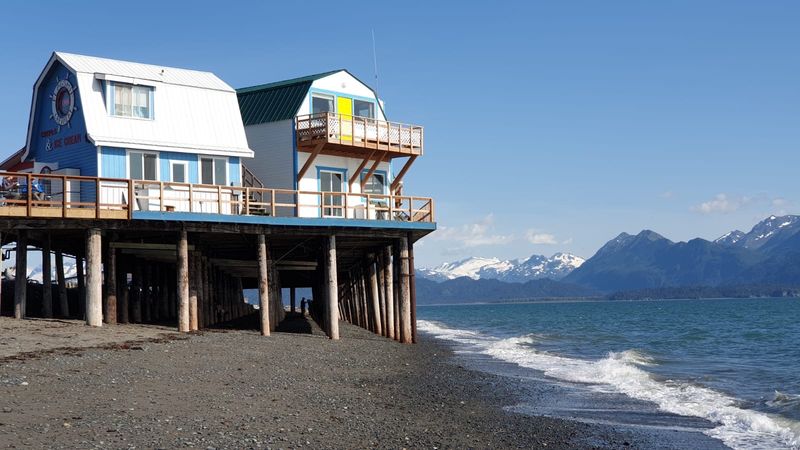
Homer sits at the end of a long spit jutting into Kachemak Bay, and the seafood arriving daily at local restaurants is about as fresh as it gets anywhere on Earth. Halibut pulled from the bay that morning, Kachemak Bay oysters harvested just across the water, and wild salmon prepared by chefs who genuinely understand the ingredient make Homer a coastal food destination that earns its reputation honestly.
What surprises many first-time visitors is the level of culinary creativity happening in such a remote location. The town’s thriving arts community brings an experimental spirit to local restaurants, and the result is a dining scene that feels personal and inventive rather than tourist-focused.
Places like Cafe Cups and Fresh Sourdough Express have developed loyal followings over many years of consistent, creative cooking.
The combination of incredible raw ingredients and artistic community energy gives Homer a food personality unlike any other Alaskan town. Local farms operating in the fertile Kenai Peninsula supply vegetables and herbs that complement the seafood beautifully.
Visiting during summer means long golden evenings when you can eat fresh halibut on a waterfront deck while watching fishing boats come in. It is a genuinely magical dining experience that rewards travelers willing to make the journey north.
Boulder, Utah
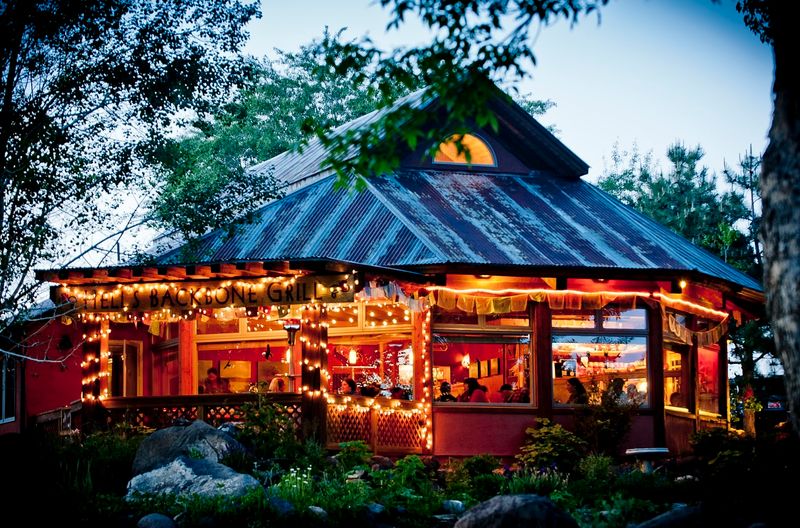
With a population hovering around just 180 people, Boulder, Utah is the kind of place where you would expect to find a gas station and maybe a basic sandwich shop. What you actually find is Hell’s Backbone Grill, a nationally celebrated restaurant serving thoughtful, locally sourced Southwestern cuisine that has earned write-ups in major food publications and a devoted following among serious food travelers.
The surprise factor here is completely off the charts.
Owners Blake Spalding and Jen Castle built their restaurant on organic farming principles and deep respect for the surrounding desert landscape. The menu changes with the seasons and reflects what is growing on their adjacent farm, alongside ingredients sourced from nearby Indigenous communities and regional producers.
Dishes like green chile posole and adobe-roasted chicken carry real flavor and real intention behind every component.
Sitting just outside Grand Staircase-Escalante National Monument, Boulder offers one of the most dramatic dining settings imaginable. Red rock canyon walls glow in the late afternoon light, and the silence of the surrounding desert makes every meal feel unhurried and present.
Travelers driving through southern Utah on scenic Highway 12 consistently call the stop at Hell’s Backbone Grill one of the most unexpected and memorable meals of their lives.
New Haven, Connecticut
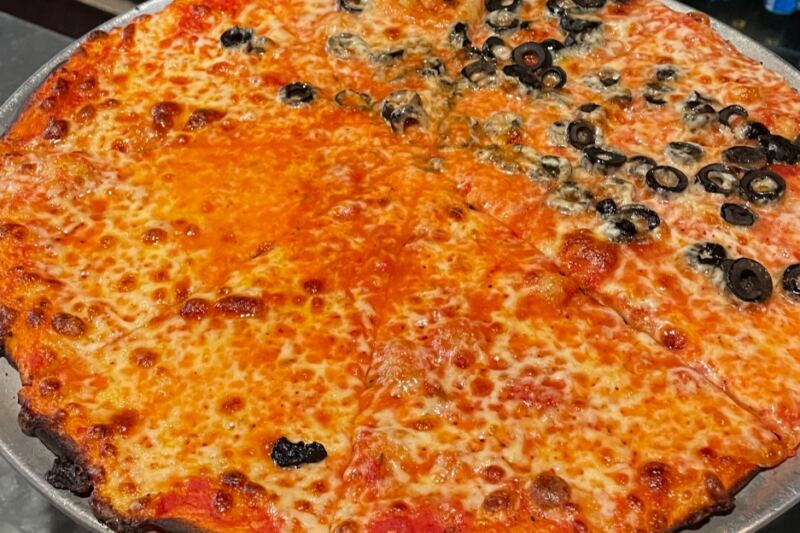
New Haven pizza fans will tell you, with complete seriousness, that their style of pie is categorically superior to every other pizza in America. They call it “apizza,” pronounced ah-BEETS, and the thin charred crust produced by century-old coal-fired ovens at places like Frank Pepe Pizzeria Napoletana and Sally’s Apizza has genuinely influenced pizza culture across the entire country.
The debate about whether they are right is one worth settling in person.
Frank Pepe’s white clam pizza, topped with fresh clams, olive oil, garlic, and Pecorino Romano, is one of the most iconic regional dishes in American food history. Lines at Pepe’s and Sally’s often stretch around the block on weekends, and regulars treat their loyalty to one pizzeria over the other with the kind of passion usually reserved for sports teams.
The rivalry between the two institutions has been going on for nearly a century.
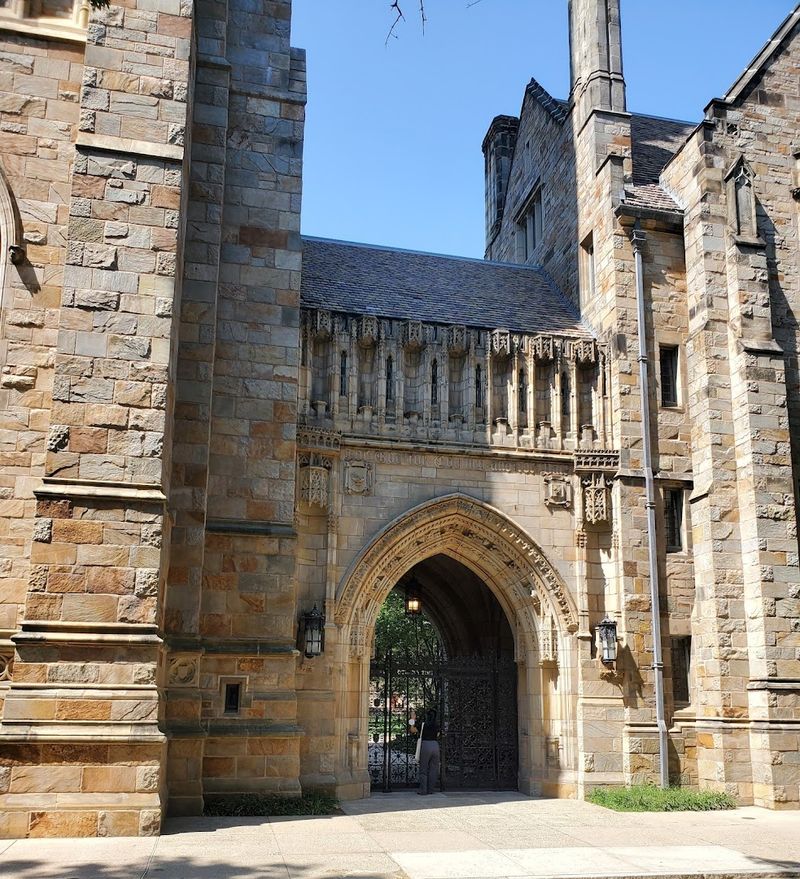
Beyond pizza, New Haven offers a surprisingly diverse international food scene shaped by its Yale University community and longstanding immigrant neighborhoods. Thai, Ethiopian, Vietnamese, and Peruvian restaurants all thrive within a compact and walkable city.
The food culture here punches well above its weight class, making New Haven one of the most rewarding food destinations on the entire East Coast for curious travelers.
Share this story