 Unearth The Voyage
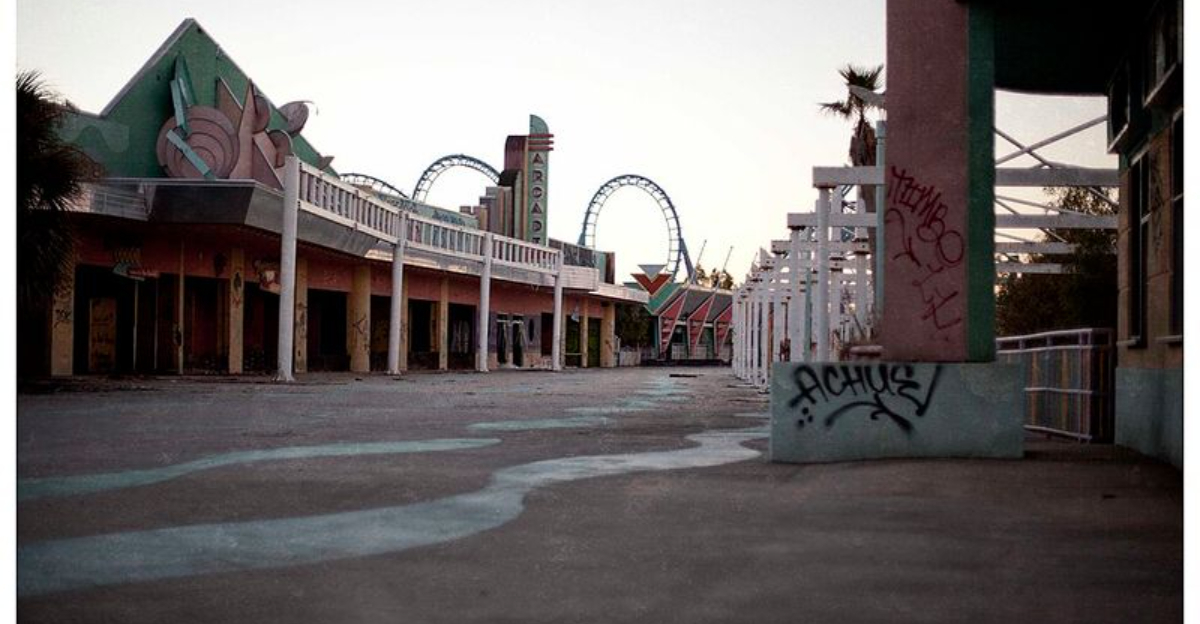
Somewhere between rusted roller coasters and overgrown midways, America hides a graveyard of forgotten fun. Dozens of amusement parks that once buzzed with laughter, cotton candy, and screaming thrill-seekers have quietly slipped into history.
Some were swallowed by natural disasters, others by debt, and a few simply ran out of time. These are the parks that time left behind — and their stories are wilder than any ride they ever offered.
Six Flags New Orleans — Louisiana
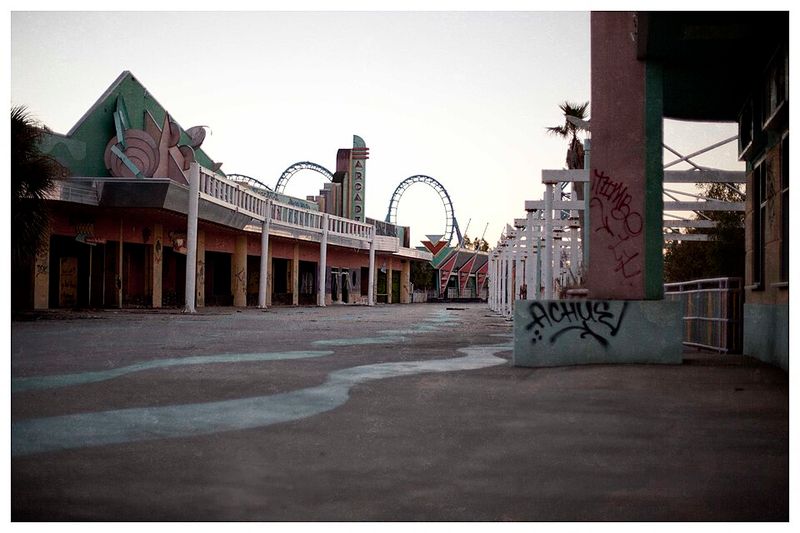
When Hurricane Katrina roared ashore in August 2005, it didn’t just flood neighborhoods — it drowned an entire amusement park. Six Flags New Orleans took on over six feet of saltwater, and the damage was so catastrophic that the park never reopened.
Rides corroded almost overnight, and the whole place became a ghost town made of steel and broken dreams.
The park had only been open since 2000, making its abandonment especially jarring. Six Flags and the city of New Orleans spent years in legal disputes over the lease, which kept any redevelopment plans stuck in limbo.
Meanwhile, nature kept doing what nature does — creeping in, rusting things out, and slowly reclaiming the land.
Urban explorers and filmmakers discovered the site was absolutely surreal to photograph. Several movies and TV shows have used the location as a backdrop for post-apocalyptic scenes, and honestly, no set designer could have done a better job.
Today it remains one of the most recognizable abandoned places in the entire United States, a haunting reminder that even the biggest brands are no match for a Category 5 hurricane.
Lake Shawnee Amusement Park — West Virginia
Before a single swing set was ever installed, the land where Lake Shawnee sits had already seen tragedy. The property was once the site of a violent clash between settlers and Native Americans in the 1700s, and local legend says the land has never quite shaken that dark history.
When the park finally opened in 1926, it ran for decades — but accidents, deaths, and an unsettling atmosphere eventually took their toll.
Owner Conley T. Snidow shut things down in 1988, and the park sat frozen in time for years.
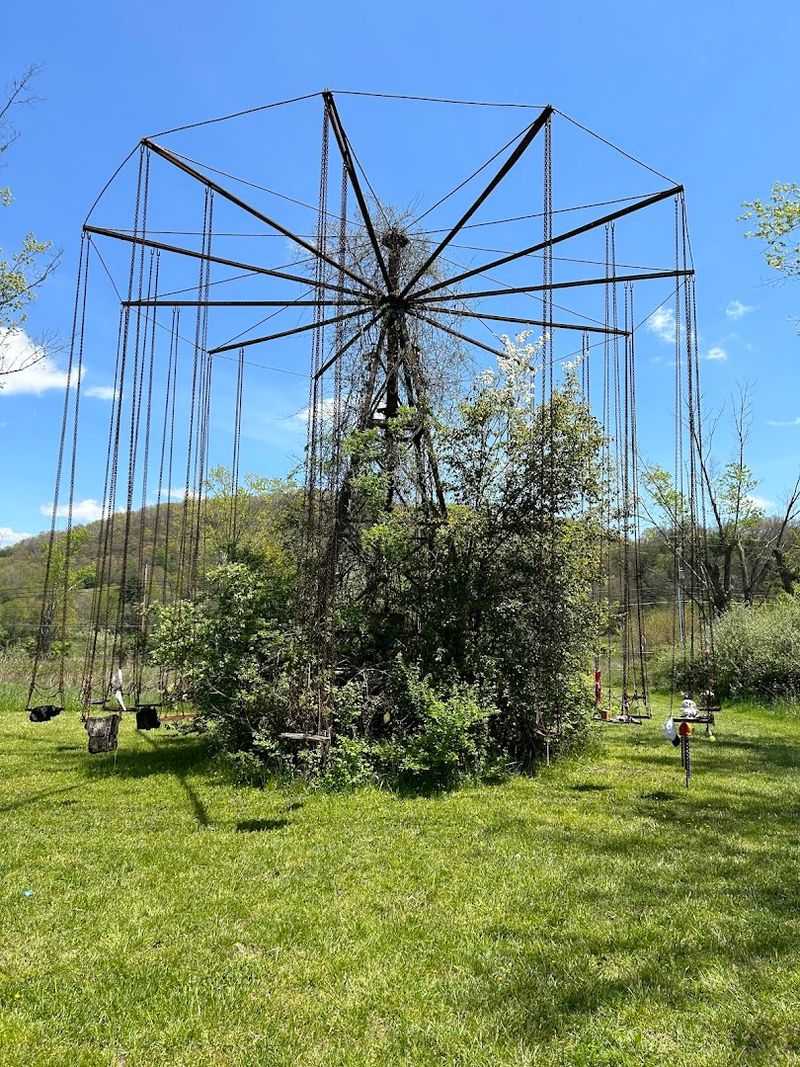
The iconic swing ride, still standing amid overgrown weeds, became the park’s most photographed feature. Ghost hunters and paranormal investigators have flocked here ever since, claiming the grounds are among the most actively haunted in the country.
The current owner, Gaylord White, actually purchased the land knowing full well about its reputation — and leaned right into it. He opened the property for tours, ghost investigations, and Halloween events, turning a crumbling relic into a surprisingly successful attraction.
Lake Shawnee is proof that sometimes the scariest story a park can tell has nothing to do with roller coasters.
Joyland Amusement Park — Kansas

For more than five decades, Joyland was the crown jewel of entertainment in central Kansas. Kids grew up riding the Whip, the Caterpillar, and the beloved Roller Coaster — a wooden beast that rattled and roared in the most satisfying way possible.
When the park first opened in 1949, it was built to bring joy to a region that had survived the Dust Bowl and World War II, and it delivered on that promise for generations.
Financial strain crept in slowly during the 1990s, and ownership changes couldn’t stop the bleeding. The park closed temporarily in 2004, struggled to reopen, and finally went dark for good in 2006.
Vandals moved in fast, stripping the place of anything valuable and leaving the rest to rot.
The wooden roller coaster — one of the oldest remaining in Kansas — became a symbol of the park’s slow collapse. Preservationists fought hard to save it, but the structure eventually deteriorated beyond repair.
What remains today are scattered foundations, faded murals, and a whole lot of nostalgia. Wichita locals still talk about Joyland with a fondness that no amount of decay can erase, which says everything about what the park once meant to its community.
Chippewa Lake Park — Ohio
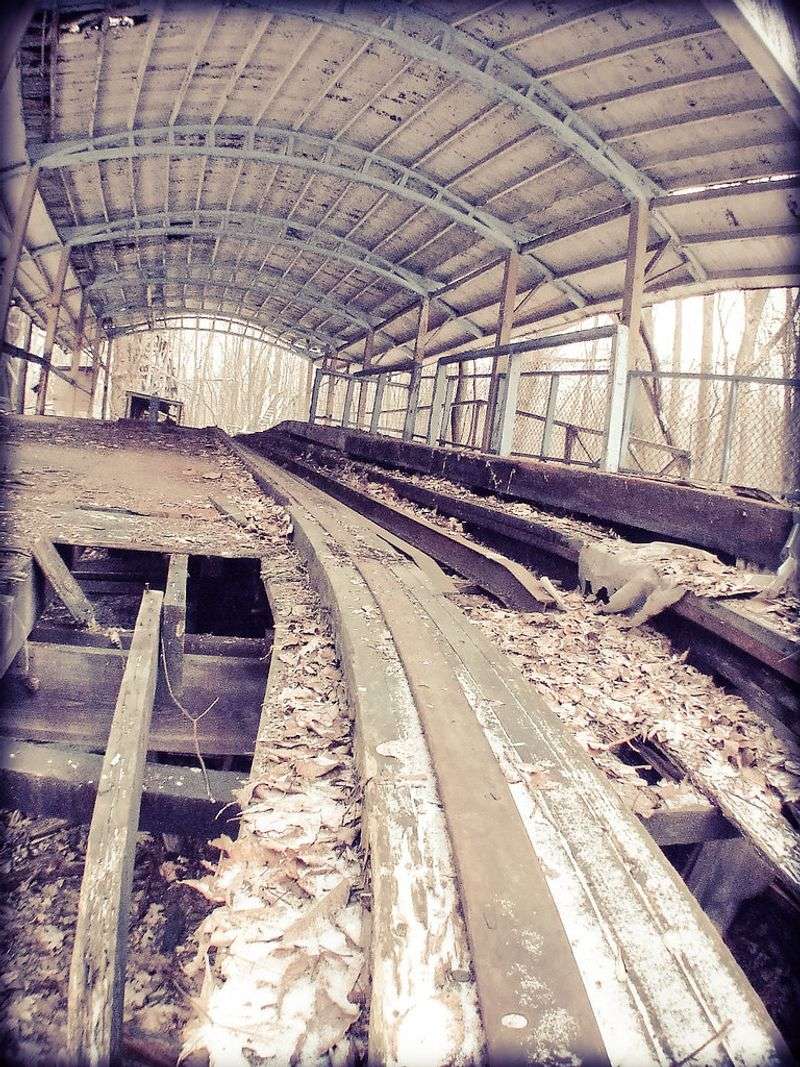
Picture a Victorian-era amusement park, perfectly preserved under a thick blanket of trees — that is essentially what Chippewa Lake Park became after closing in 1978. The park dated all the way back to 1878, making it one of the oldest in the country, and when it shut its gates, nobody bothered to haul anything away.
Rides, a grand ballroom, and carousel structures were simply left standing as the forest moved in around them.
For decades, the site existed as a jaw-dropping time capsule. Photographs taken inside showed roller coaster tracks strangled by vines and ballroom floors carpeted in leaves and moss.
Historians and photographers treated the place like an outdoor museum, even though it was technically off-limits to the public.
Unfortunately, most of the remaining structures were demolished in the 2000s to make way for residential development. The ballroom, which had hosted big band performances and local dances for nearly a century, came down without much ceremony.
A handful of foundations and the outline of the old lake remain, but the magic is largely gone. Chippewa Lake Park is a perfect example of how quickly irreplaceable history can disappear once a bulldozer gets the green light.
Lake Dolores Waterpark — California
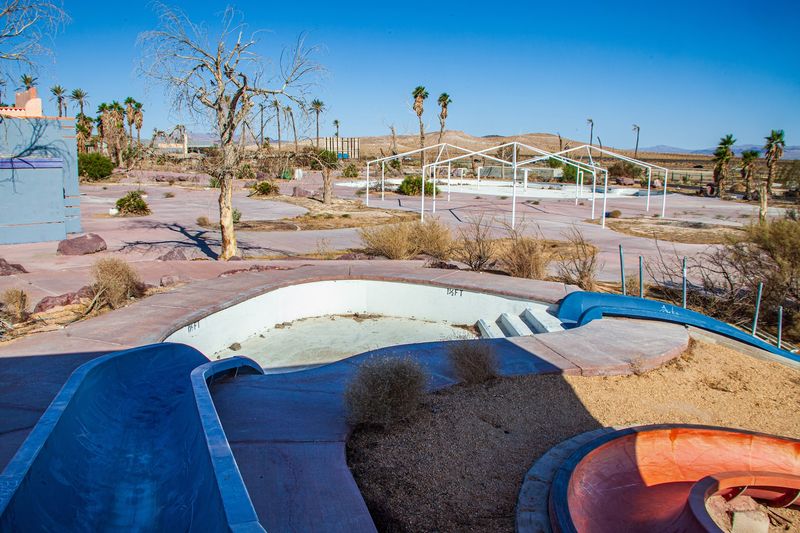
Cracked fiberglass slides baking under a brutal Mojave sun — that is the image Lake Dolores Waterpark left behind, and it is a striking one. The park opened in the 1960s as a private lake resort before eventually evolving into a full waterpark.
Its remote desert location off Interstate 15 made it a quirky roadside attraction that travelers stumbled upon rather than planned to visit.
The park cycled through multiple owners and names — including Rock-A-Hoola Waterpark — but financial instability followed every rebranding attempt. It closed for good in the early 2000s, and the dry desert climate set to work on everything left behind.
Slides cracked, pools emptied, and paint peeled off in great curling sheets under the relentless California heat.
Urban explorers began making pilgrimages to the site, drawn by the surreal contrast of waterpark equipment in a waterless landscape. The visual irony was almost too perfect — a place designed entirely around water, stranded in one of the driest regions of the country.
Some of the structures have since been demolished, but enough remains to make the site worth a detour. Lake Dolores is a desert ghost that reminds you how quickly a splash pad can become a sand trap.
Pacific Ocean Park — California
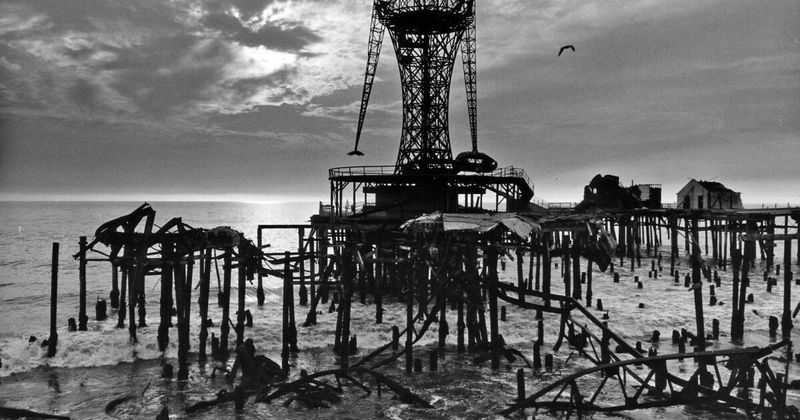
Jutting out over the Pacific Ocean on a Santa Monica pier, Pacific Ocean Park was the kind of place that felt almost too imaginative to be real. It opened in 1958 with a futuristic, space-age design that looked like something from a World’s Fair — all sweeping curves, neon lights, and rides themed around ocean exploration.
At its peak, it drew millions of visitors who came to see what the future of entertainment might look like.
The future, it turned out, was expensive to maintain. Competition from a brand-new Disneyland in nearby Anaheim hit Pacific Ocean Park hard, and attendance dropped sharply through the early 1960s.
The park closed in 1967 with debts it could not climb out from under.
What happened next was genuinely heartbreaking for preservationists. Rather than being carefully dismantled, the structures were simply left on the pier to decay over the open ocean.
Surfers who rode waves beneath the rotting ruins gave the area the nickname “P.O.P.,” and it became a strange, beloved landmark for the local surf community. Fire and storms eventually finished what neglect started, and the pier was cleared by the early 1970s.
Today, only photographs remain of one of California’s most visually spectacular parks.
Rocky Point Amusement Park — Rhode Island
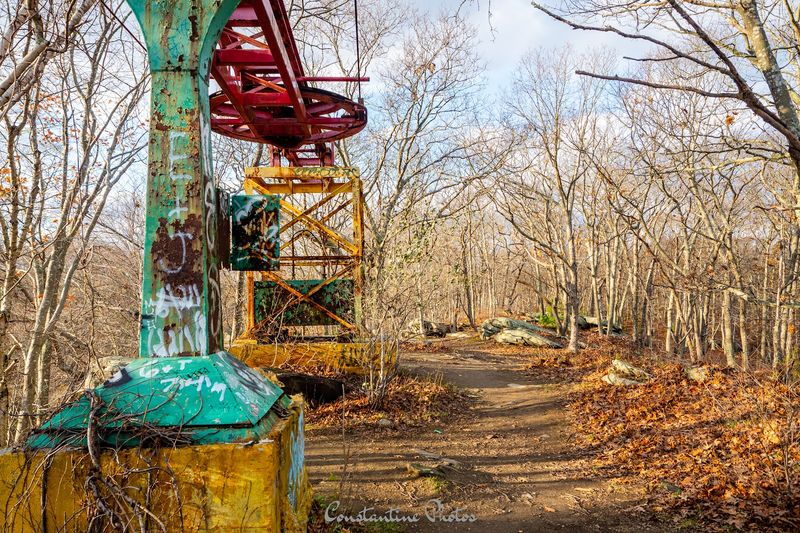
Ask anyone who grew up in Rhode Island about Rocky Point, and watch their face change. This seaside park operated for well over a century — from the 1840s all the way to 1995 — and became so deeply woven into New England culture that its closure felt like losing a family member.
Generations of Rhode Islanders rode its roller coasters, ate chowder in the famous Shore Dinner Hall, and watched fireworks burst over Narragansett Bay.
Financial mismanagement and mounting debt finally brought the park down in 1995, despite a devoted fan base that would have shown up every single summer. The closure was abrupt, and many rides were auctioned off or scrapped.
The Shore Dinner Hall, a beloved institution in its own right, sat empty and deteriorating for years afterward.
A documentary film released in 2014 captured the park’s legacy beautifully, interviewing hundreds of former visitors whose memories spanned decades. Some of the land has since been converted into a state park, which at least preserves the coastal setting if not the rides.
The chowder is gone, the roller coasters are long dismantled, but the emotional connection Rhode Islanders feel toward Rocky Point has never faded even slightly.
Dogpatch USA — Arkansas
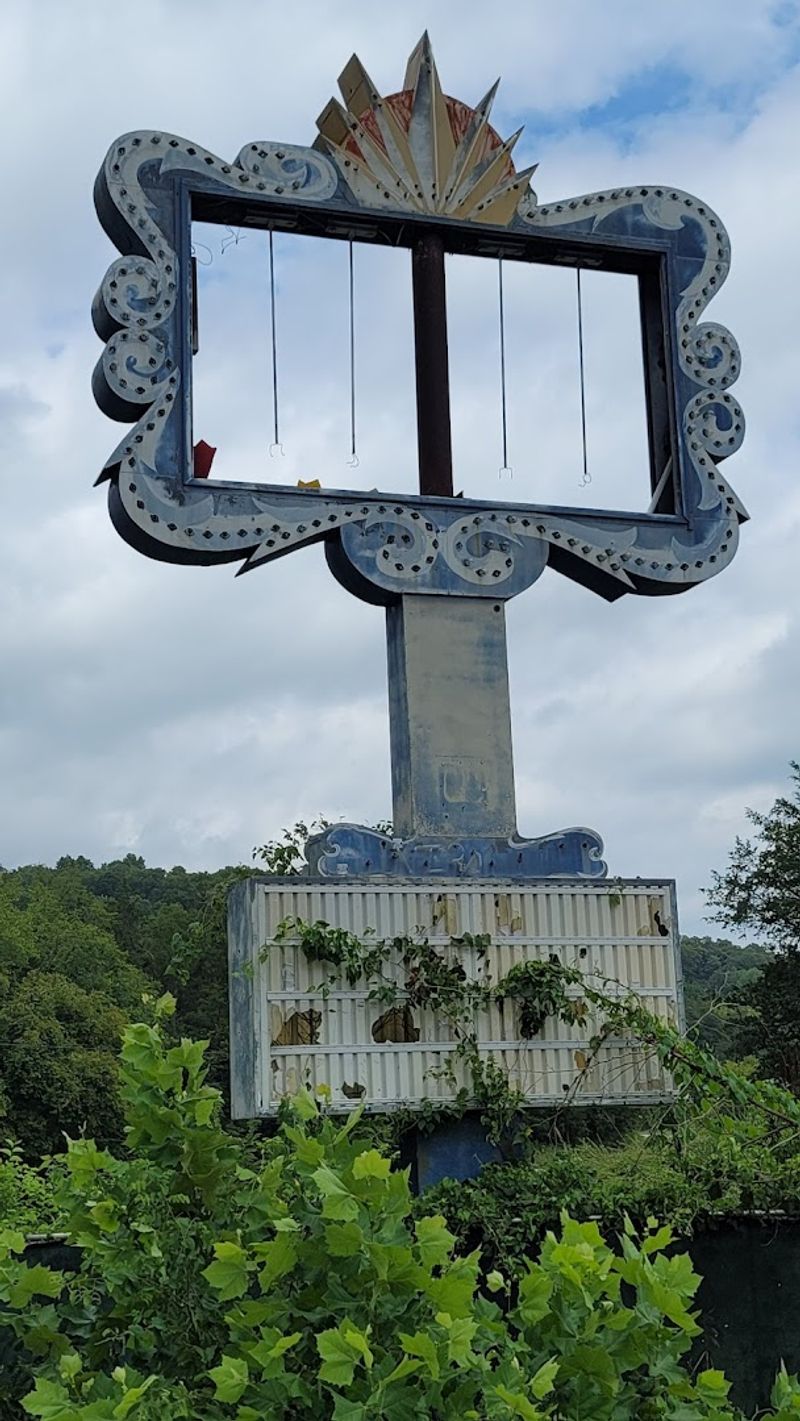
Based on Al Capp’s wildly popular Li’l Abner comic strip, Dogpatch USA opened in the Ozark Mountains of Arkansas in 1968 with a theme unlike anything else in the country. Visitors could wander through a cartoonish hillbilly village, meet characters inspired by the comics, and ride attractions set against genuinely stunning mountain scenery.
For a few years, it was a regional hit that drew curious visitors from across the South and Midwest.
The trouble was that Li’l Abner’s cultural relevance faded faster than the park’s infrastructure could keep up with. As younger generations stopped recognizing the characters, the whole premise started feeling like an inside joke nobody remembered the punchline to.
Attendance dropped steadily through the 1980s, and the park closed in 1993.
The buildings were left standing in the Ozarks, slowly consumed by Arkansas humidity and dense forest growth. Explorers who visited in the years after closure described the scene as deeply strange — cartoon facades peeling away to reveal rotting wood beneath, as if the cheerful fiction of the comic strip was literally falling off.
The land eventually sold, and most structures were demolished. Dogpatch USA is remembered today as one of the most uniquely themed parks the country ever produced, and one of the most completely forgotten.
Wonderland Amusement Park — Texas (defunct version)
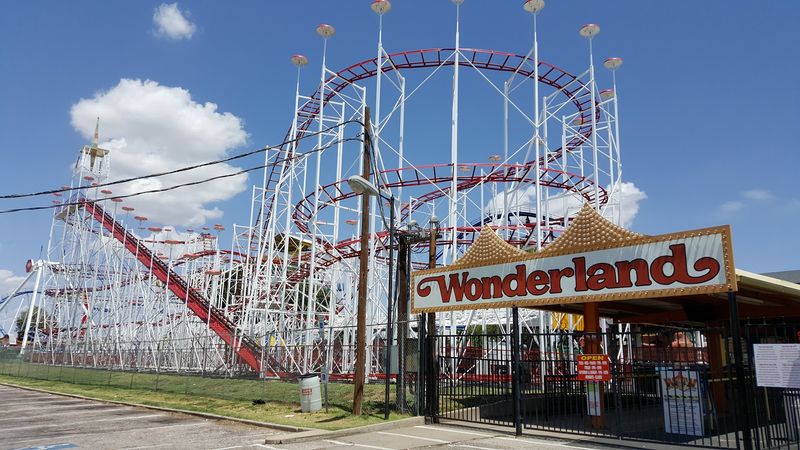
Texas had more than one park carrying the Wonderland name, and not all of them made it. Earlier versions of Wonderland-branded attractions across the state opened with big ambitions and found themselves overwhelmed by the economics of running an amusement park in a competitive market.
Keeping rides maintained, staff paid, and insurance current is a financial mountain that many smaller operators simply could not climb.
Some of these defunct sites were left partially standing after closure, becoming odd local landmarks that teenagers dared each other to explore. The contrast between the cheerful “Wonderland” branding and the reality of crumbling ticket booths was not lost on anyone who stumbled across them.
What makes this entry interesting is how thoroughly the history has been muddled by the name overlap. Researchers trying to document the defunct versions often bump into records from the still-operating Wonderland Park in Amarillo, creating a confusing paper trail.
The forgotten Texas Wonderlands exist mostly in the memories of locals and a handful of old newspaper clippings. They serve as a reminder that amusement parks, like any small business, need more than a great name to survive — they need steady crowds, deep pockets, and a fair amount of luck that not every park was fortunate enough to find.
Opryland USA — Tennessee
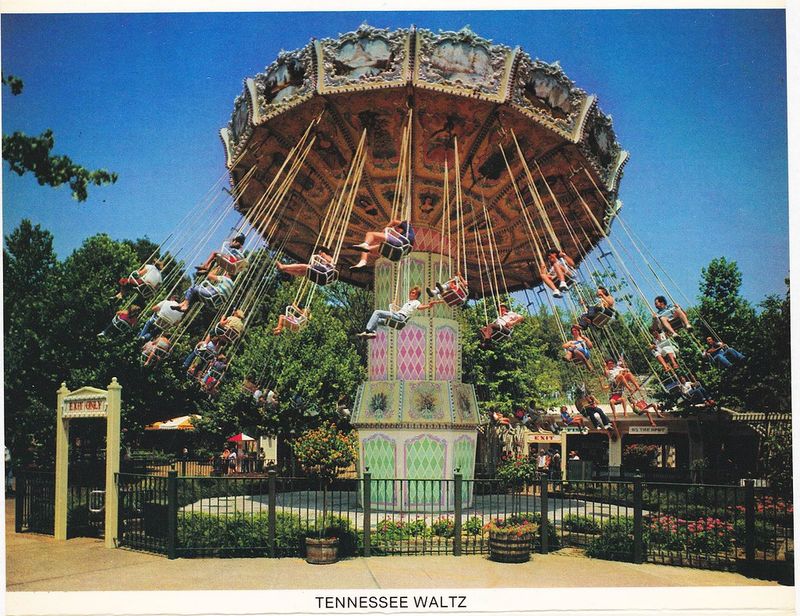
Country music and roller coasters might sound like an odd combination, but Opryland USA made it work beautifully for over two decades. The Nashville park opened in 1972 and grew into one of the most beloved regional theme parks in the American South, blending live country music performances with thrill rides in a way that felt genuinely unique.
Stars who would later headline arenas got their starts performing on Opryland stages.
By the mid-1990s, the park’s owners at Gaylord Entertainment had crunched the numbers and decided a shopping mall and hotel expansion would be more profitable than keeping the rides running. Opryland closed on December 31, 1997 — a New Year’s Eve farewell that felt appropriately dramatic.
The Opry Mills mall opened on the same land in 2000.
The backlash from Nashville locals was fierce and long-lasting. Petitions circulated, editorials ran for weeks, and the decision is still considered controversial by many Tennesseans today.
The Grand Ole Opry House itself survived the transition and still operates nearby, but the park that surrounded it is gone. Opryland USA represents something that gets lost in the spreadsheet logic of redevelopment — the irreplaceable value of a place where a whole region went to make memories together.



