 Unearth The Voyage
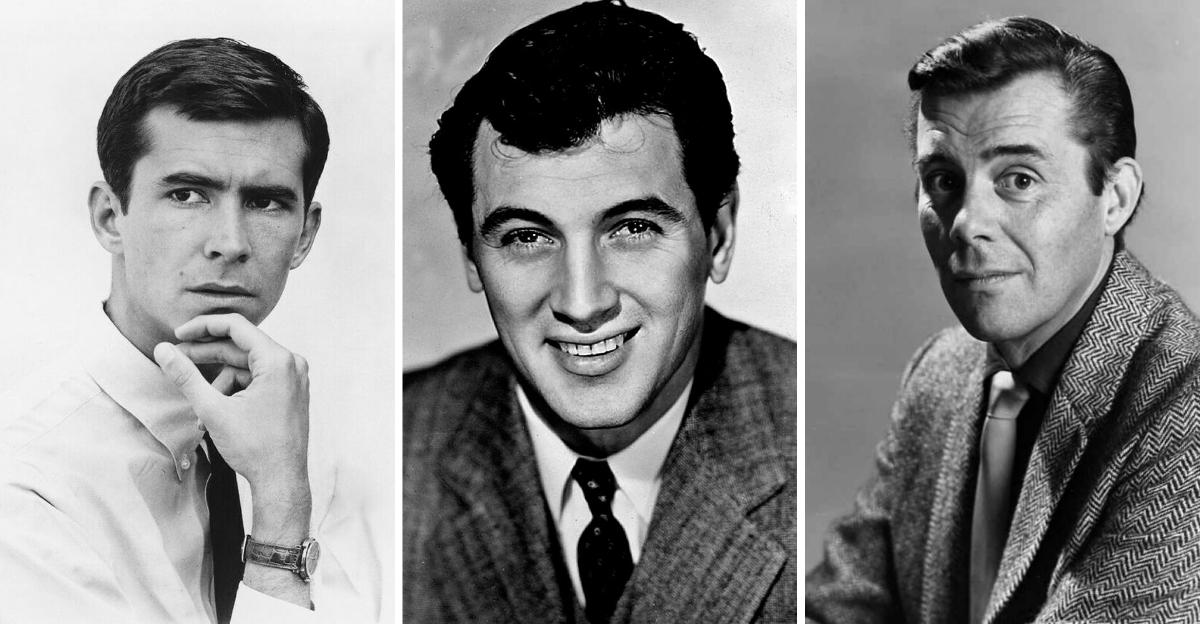
Old Hollywood was a world of glamour, big dreams, and carefully managed secrets. Behind the dazzling smiles and blockbuster roles, many actors were forced to hide who they truly were, because being gay in the film industry could cost them everything.
Studios controlled their stars like products, arranging fake romances and silencing personal truths to protect box office profits. These ten actors lived double lives, and their stories remind us how much courage it takes to simply be yourself.
1. Rock Hudson
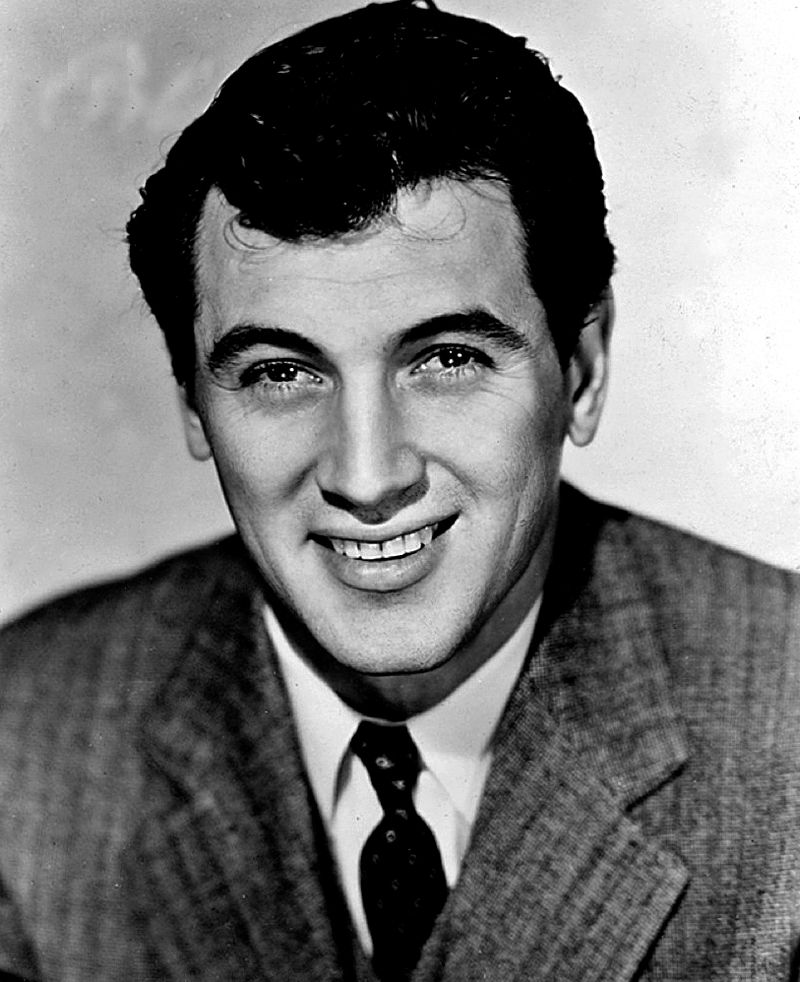
Rock Hudson was the definition of a Hollywood leading man. Tall, dark, and impossibly charming, he starred in beloved films like Giant and Pillow Talk, making millions of fans fall in love with his on-screen persona.
Behind the scenes, his studio worked hard to hide his sexuality. His agent even arranged a cover marriage to a woman named Phyllis Gates in 1955, purely to protect his image and career.
The relationship lasted just three years, but it served its purpose for the studio system.
Hudson became one of the first major celebrities to publicly acknowledge an AIDS diagnosis in 1985, which shifted how America talked about the disease. His story is a powerful reminder of how much personal freedom Hollywood stars were forced to sacrifice just to keep working in the industry they loved.
2. Montgomery Clift
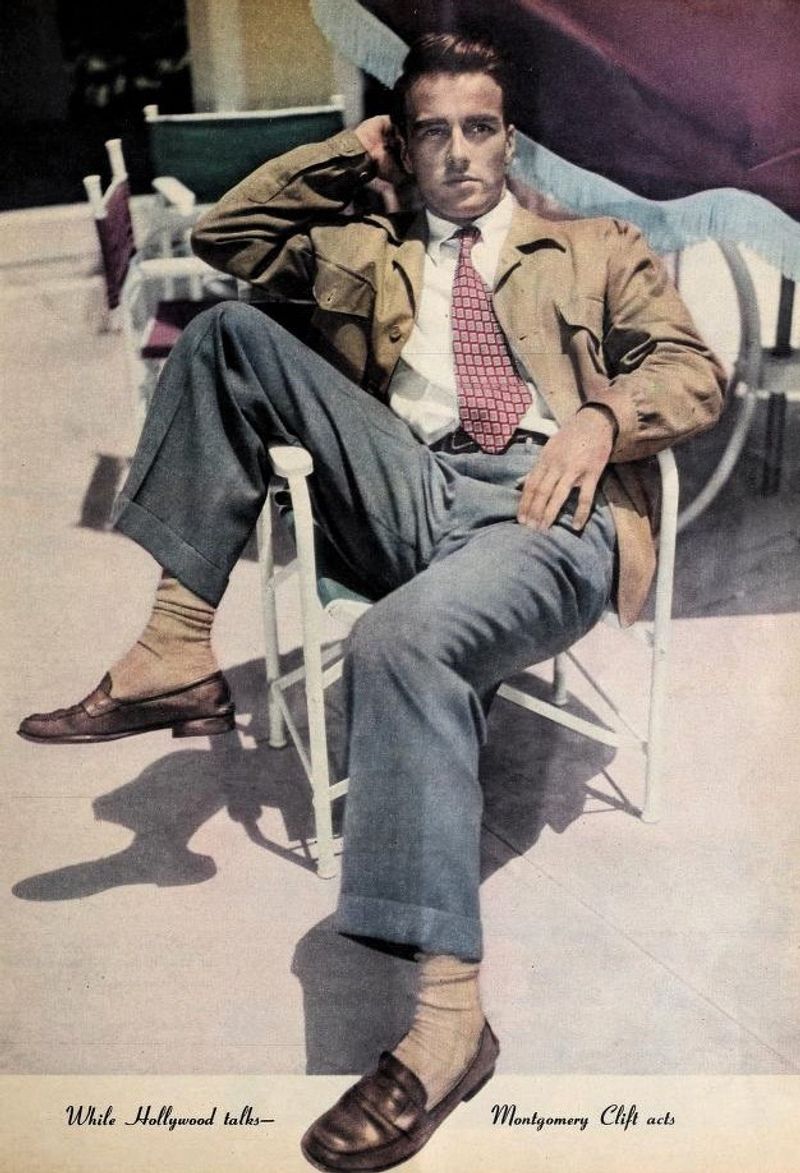
Montgomery Clift was never easy to label, and that was part of what made him so magnetic on screen. Starring in acclaimed films like A Place in the Sun and From Here to Eternity, he brought an emotional rawness to his roles that few actors of his era could match.
Biographers widely describe Clift as bisexual, noting relationships with both men and women throughout his life. Unlike many of his peers, he quietly resisted the studio system and refused to manufacture a clean-cut public image for the cameras.
His personal struggles, including alcohol use and the aftermath of a serious car accident in 1956, added layers of tragedy to an already complicated life. Clift never publicly labeled his sexuality, and in many ways, that quiet refusal to conform was its own quiet act of defiance in a world that demanded performance both on and off the screen.
3. Sal Mineo
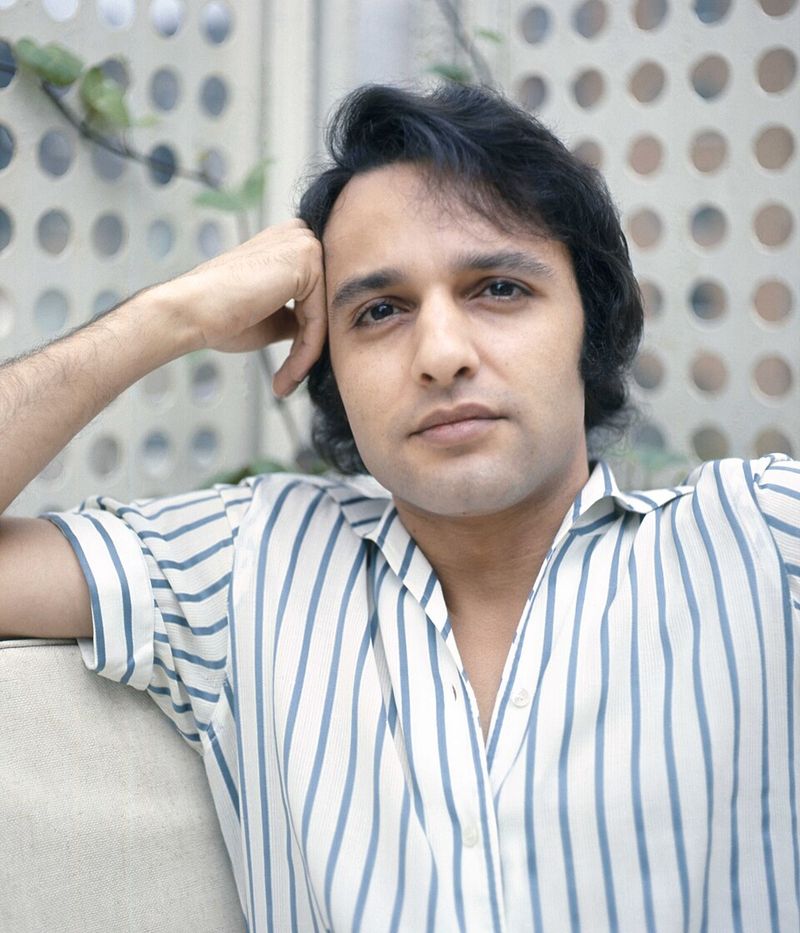
Sal Mineo burst onto the scene as the vulnerable Plato in Rebel Without a Cause alongside James Dean, earning an Academy Award nomination at just 16 years old. His youthful intensity made him a teen idol almost overnight.
What set Mineo apart from many of his contemporaries was his willingness, later in his career, to speak more openly about his attraction to men. At a time when most actors stayed silent on the subject, his candor was genuinely rare and required real courage.
Tragically, Mineo was murdered outside his West Hollywood apartment in 1976 at just 37 years old. His killer was caught and convicted two years later.
Mineo never got the chance to fully live on his own terms in the public eye, but his honesty in his final years made him a quiet trailblazer in Hollywood history.
4. Tab Hunter
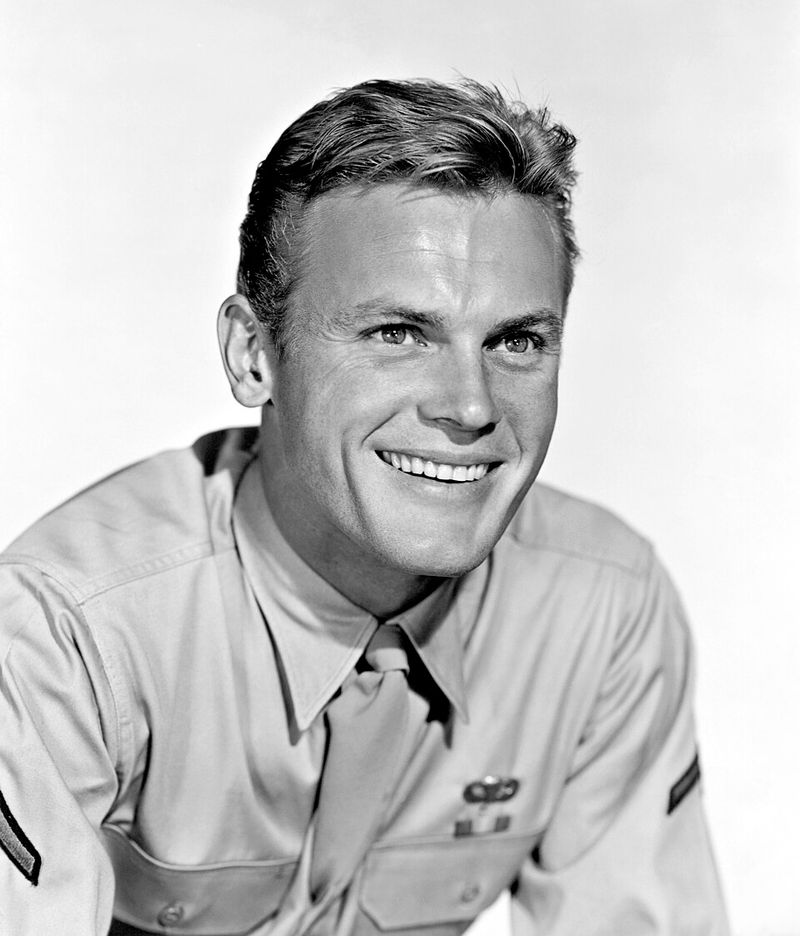
Few stars were packaged quite as deliberately as Tab Hunter. With his blond good looks and easy smile, he was marketed throughout the 1950s as the ultimate all-American heartthrob, the kind of guy every girl was supposed to dream about.
In reality, Hunter was in a private relationship with fellow actor Anthony Perkins. Studios knew, and they worked hard to keep it buried.
Fan magazines ran stories about his fictional romances with actresses, carefully constructing a heterosexual image that bore little resemblance to his actual life.
Hunter eventually told his own story in the 2005 memoir Tab Hunter Confidential, which was later adapted into a documentary. Looking back, he spoke without bitterness, acknowledging that he had lived in a system that gave him no real choice.
His openness in later years helped younger generations understand just how suffocating old Hollywood could truly be.
5. Anthony Perkins
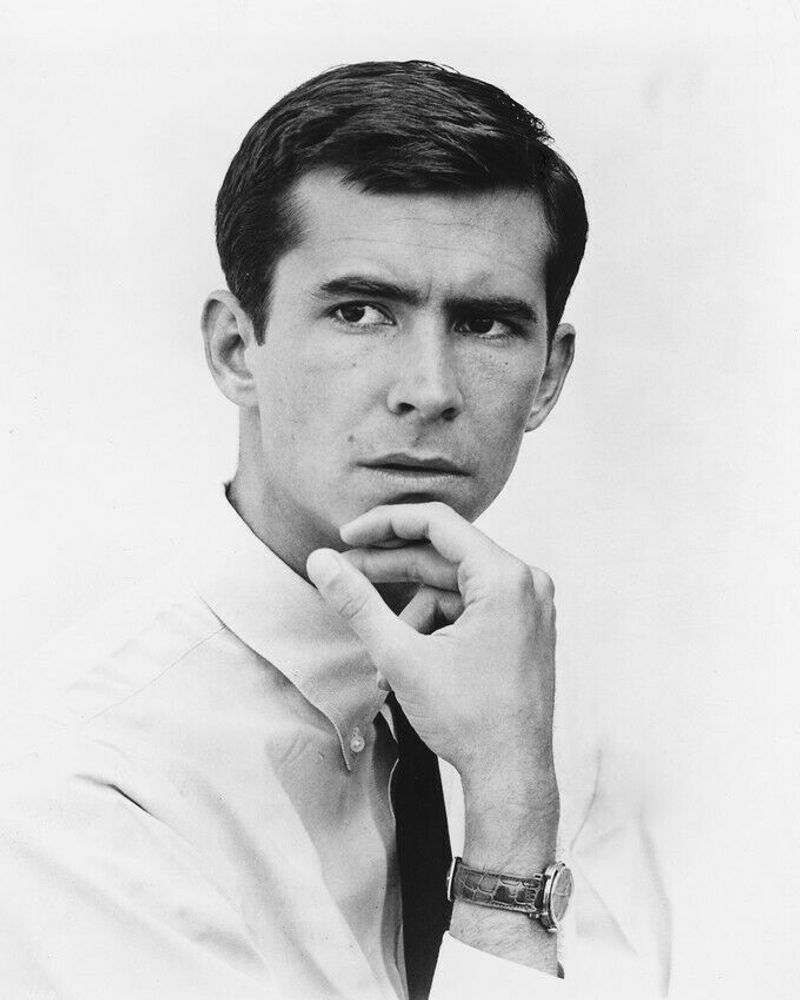
Anthony Perkins will forever be remembered as Norman Bates in Alfred Hitchcock’s Psycho, a role so defining that it both launched and limited the rest of his career. But there was far more to Perkins than one iconic performance.
Earlier in his life, Perkins had meaningful relationships with men, including a well-documented connection with Tab Hunter. Later, he married photographer Berry Berenson in 1973, and the couple had two sons together.
Biographies confirm that his personal story was layered and did not fit neatly into any single category.
It is worth noting that the typecasting he faced after Psycho was arguably more damaging to his career than his private life ever was. Perkins died of AIDS-related complications in 1992.
His journey reflects how complex identity could be for actors working inside a system that preferred simple, sellable stories over honest ones.
6. Farley Granger
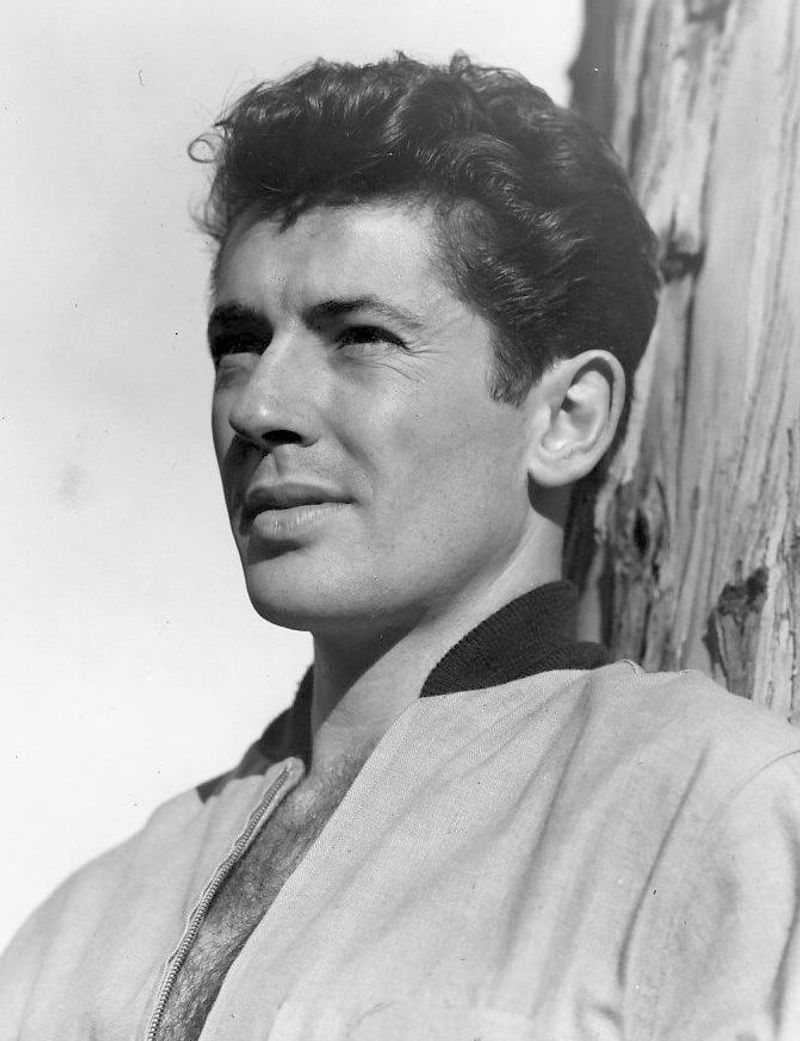
Farley Granger had one of the most interesting careers in classic Hollywood, thanks largely to his collaborations with Alfred Hitchcock. He appeared in both Rope (1948) and Strangers on a Train (1951), playing characters caught in morally tangled situations that felt surprisingly personal in hindsight.
Granger was bisexual, and he discussed this openly and honestly in his 2007 autobiography Include Me Out. He described relationships with both men and women throughout his life, including a long and meaningful connection with composer Arthur Laurents.
What makes Granger’s story refreshing is the lack of shame in how he told it. By the time he wrote his memoir, he was in his 80s and clearly at peace with who he had always been.
His candor gave readers a rare, unfiltered look at what life was really like for gay and bisexual actors during Hollywood’s golden age.
7. Ramon Novarro
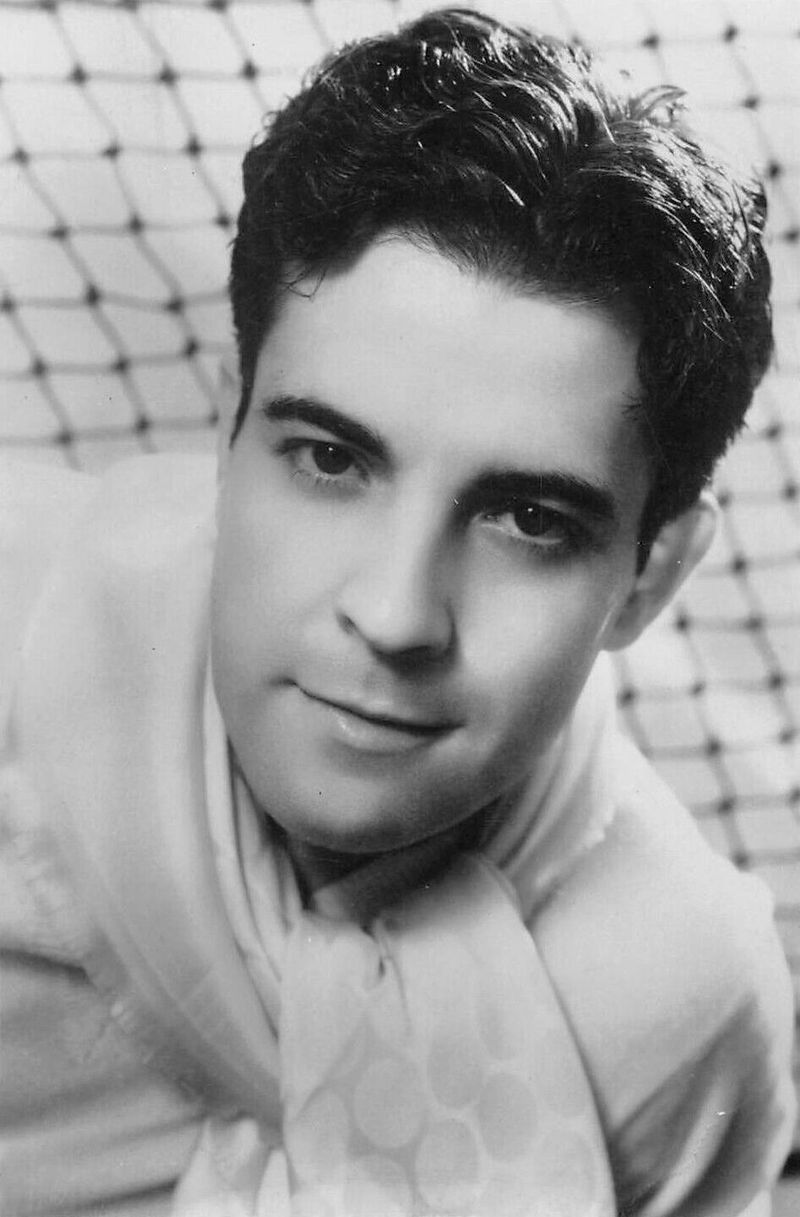
Before sound changed everything, Ramon Novarro was one of the biggest stars in the world. His performance in the 1925 epic Ben-Hur made him a global sensation, and MGM treated him as one of their crown jewels throughout the late silent era.
Historians widely agree that Novarro had relationships with men, though the studio kept his private life under tight wraps. During the silent film era, studios wielded enormous control over their stars, managing everything from public appearances to press coverage to protect their financial investments.
Novarro’s life ended in tragedy when he was murdered in his Hollywood home in 1968 at age 69. Two brothers were convicted of the crime.
His story is a sobering look at how vulnerable even the most celebrated stars could be, and how the price of silence sometimes extended far beyond the boundaries of a career.
8. William Haines
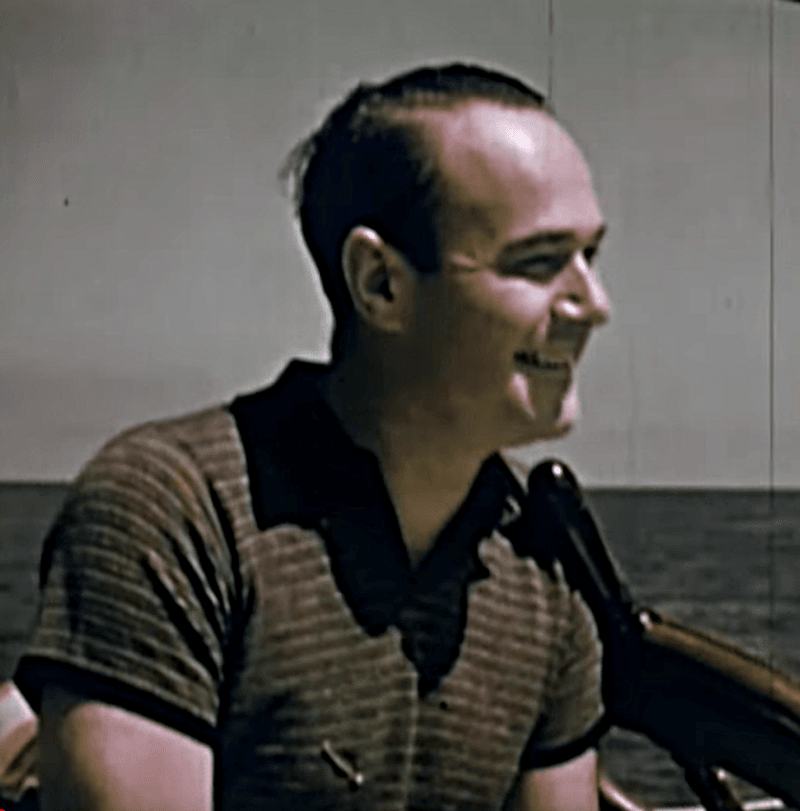
William Haines made a choice that very few people in Hollywood history have ever made: he chose love over fame. During the late 1920s and early 1930s, Haines was one of MGM’s top box office draws, known for his comedic charm and easy screen presence.
When MGM boss Louis B. Mayer discovered Haines was in a committed relationship with a man named Jimmie Shields, he issued an ultimatum.
Haines could either enter a fake marriage with a woman or lose his contract. Haines walked away from his acting career without hesitation.
Rather than disappearing, he reinvented himself as one of Hollywood’s most sought-after interior designers, building a successful second career decorating homes for the very stars he once worked alongside. Haines and Shields stayed together for over 50 years until Haines died in 1973, a love story that outlasted almost every Hollywood marriage of that era.
9. Dirk Bogarde
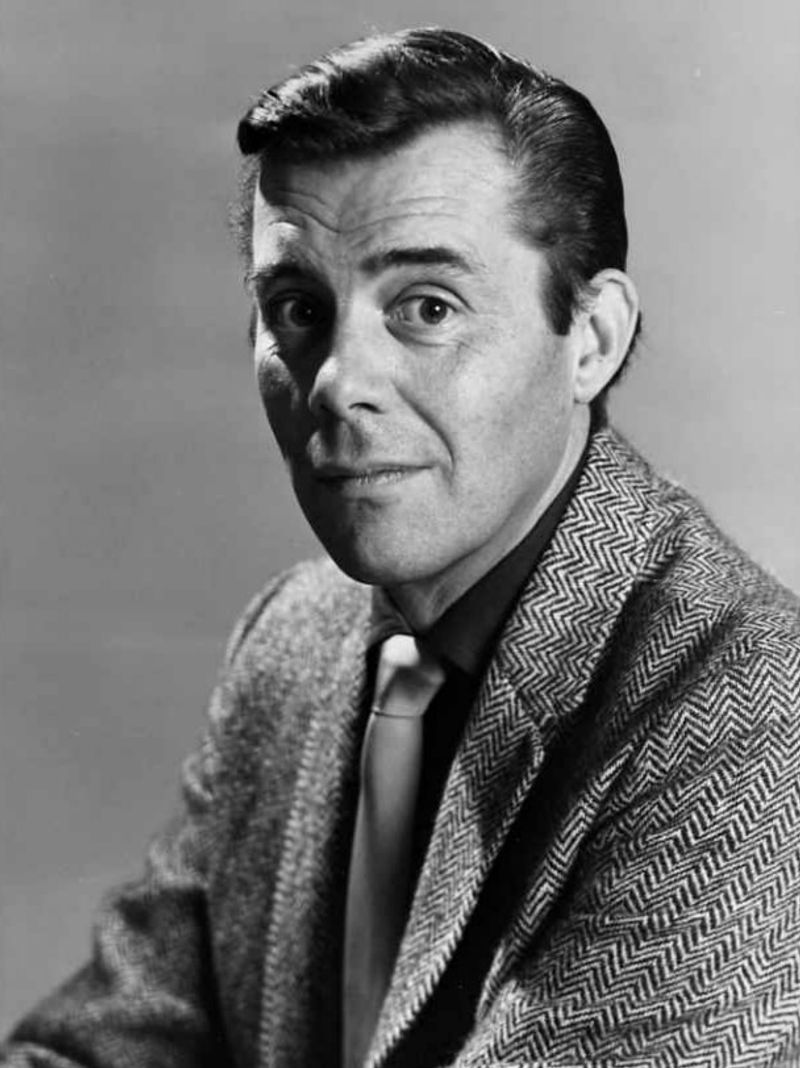
Dirk Bogarde was one of Britain’s most respected actors, celebrated for his intelligence, versatility, and willingness to take on challenging material. Among his most significant films was Victim (1961), a groundbreaking British thriller in which he played a married barrister being blackmailed over his attraction to men.
The film was remarkable for its time, one of the first mainstream movies to treat homosexuality with seriousness and sympathy rather than ridicule. Bogarde’s decision to take the role was considered professionally risky, yet it helped shift public conversation in Britain around the criminalization of homosexuality.
In his own life, Bogarde lived quietly for decades with his manager and partner Anthony Forwood, never making a formal public statement about their relationship. His later memoirs hinted at the truth, and after his death in 1999, the full picture became clear.
He lived honestly in private while navigating a public world that was not yet ready to hear it.
10. Cary Grant (Rumored, Not Confirmed)
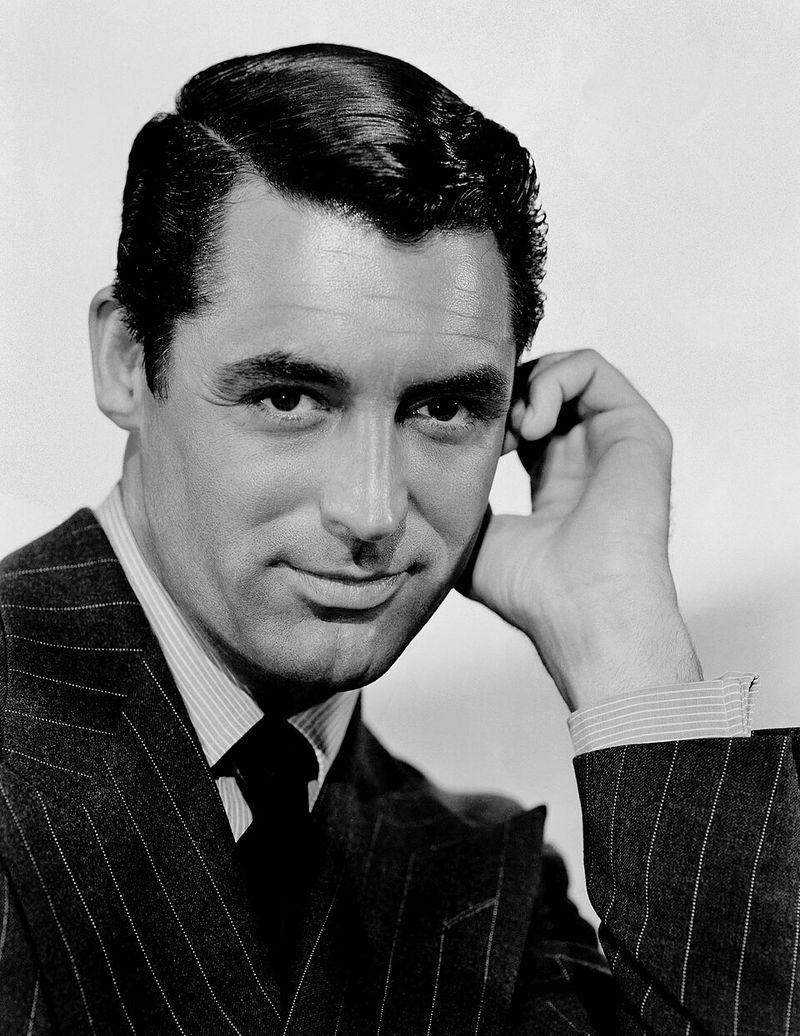
Cary Grant remains one of the most debated figures in Hollywood history when it comes to questions of sexuality. Known for his effortless charm in films like North by Northwest and His Girl Friday, Grant was widely considered the gold standard of the suave leading man.
For decades, rumors have circulated about a possible romantic relationship between Grant and actor Randolph Scott, with whom he shared a home during the 1930s. Tabloids of the era occasionally hinted at the arrangement, and some biographers have explored the possibility in depth.
However, no definitive proof exists, and it is essential to treat these claims as speculation rather than confirmed fact. Grant was married five times and consistently denied any same-sex relationships.
His story is included here not to assert a conclusion, but to illustrate how rumors followed even the most guarded stars in old Hollywood, sometimes lasting longer than the careers themselves.



