Texas is full of surprises, but nothing quite catches you off guard like stumbling into a town that feels straight out of Bavaria. Scattered across the Lone Star State are communities founded by German immigrants in the 1800s, and many of them have kept their European roots alive in the most delicious, charming ways possible.
From limestone buildings and biergartens to sausage festivals and old-world dance halls, these towns prove you don’t need a passport to feel like you’re in Europe. Pack your appetite and your sense of adventure, because this Texas road trip is one for the books.
1. Fredericksburg
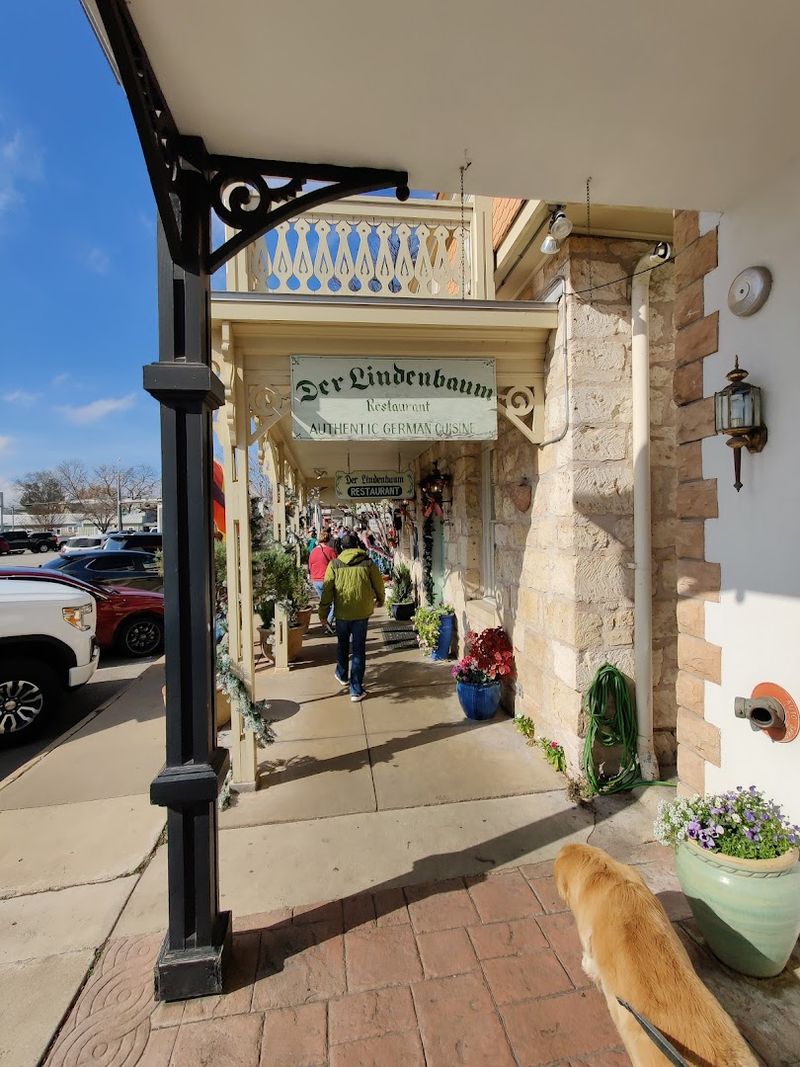
Walk down Main Street in Fredericksburg and you might genuinely forget you’re in Texas. Founded in 1846 by German immigrants, this Hill Country gem is the crown jewel of German-Texan culture.
The limestone buildings alone could fool you into thinking you booked the wrong flight.
Sausage shops, German bakeries, and cozy biergartens line nearly every block. I once spent an entire afternoon just deciding which pretzel to buy, which honestly felt like a vacation in itself.
The town celebrates Oktoberfest with serious enthusiasm, complete with lederhosen, live music, and enough beer to float a small boat.
Museums like the Pioneer Museum preserve the stories of those early settlers with impressive detail. The architecture, the food, the festivals, everything here feels intentional and lovingly preserved.
Fredericksburg is not just a tourist stop, it’s a living, breathing piece of German heritage planted firmly in the Texas Hill Country.
2. New Braunfels
Prince Carl of Solms-Braunfels had a vision when he helped found this Hill Country town in the 1840s, and honestly, the man delivered. New Braunfels blends Texas-sized charm with unmistakable Bavarian roots in a way that feels effortless rather than forced.
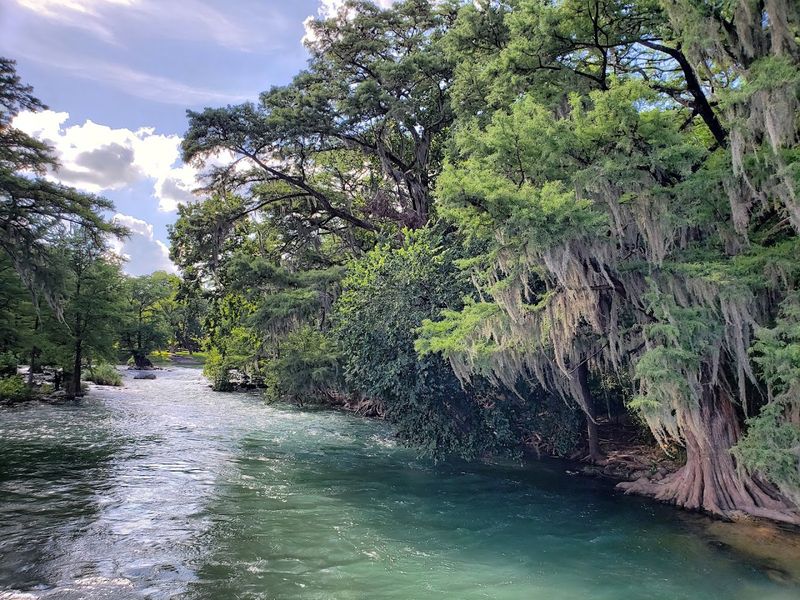
The Comal River running through town doesn’t hurt the scenery one bit.
Wurstfest is the town’s crown event, a ten-day sausage celebration that draws thousands of visitors every November. The authentic German food, from schnitzel to strudel, is absolutely worth the drive.
Old dance halls scattered around the area carry on a tradition that dates back generations, and they’re still packed on weekends.
The historic Gruene district sits just nearby, adding another layer of charm to an already irresistible destination. New Braunfels manages to honor its German heritage without turning it into a theme park.
It feels lived-in, warm, and genuinely proud of where it came from.
3. Gruene
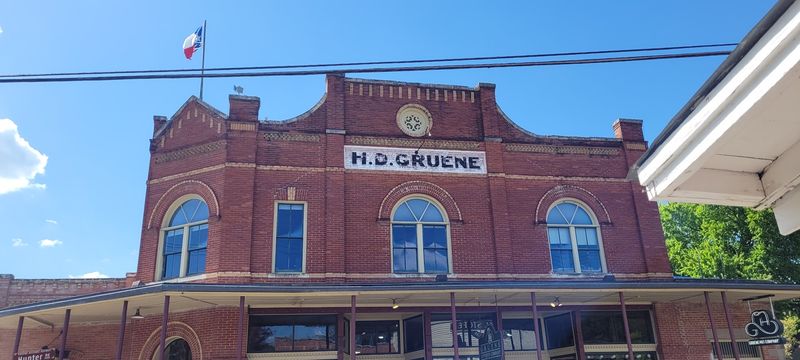
Technically part of New Braunfels, Gruene operates on its own timeline, one that seems stuck somewhere around 1890 in the best possible way. The moment you cross into this tiny historic district, the noise of modern life fades and something quieter, older, and far more interesting takes its place.
Even the air smells like sawdust and history.
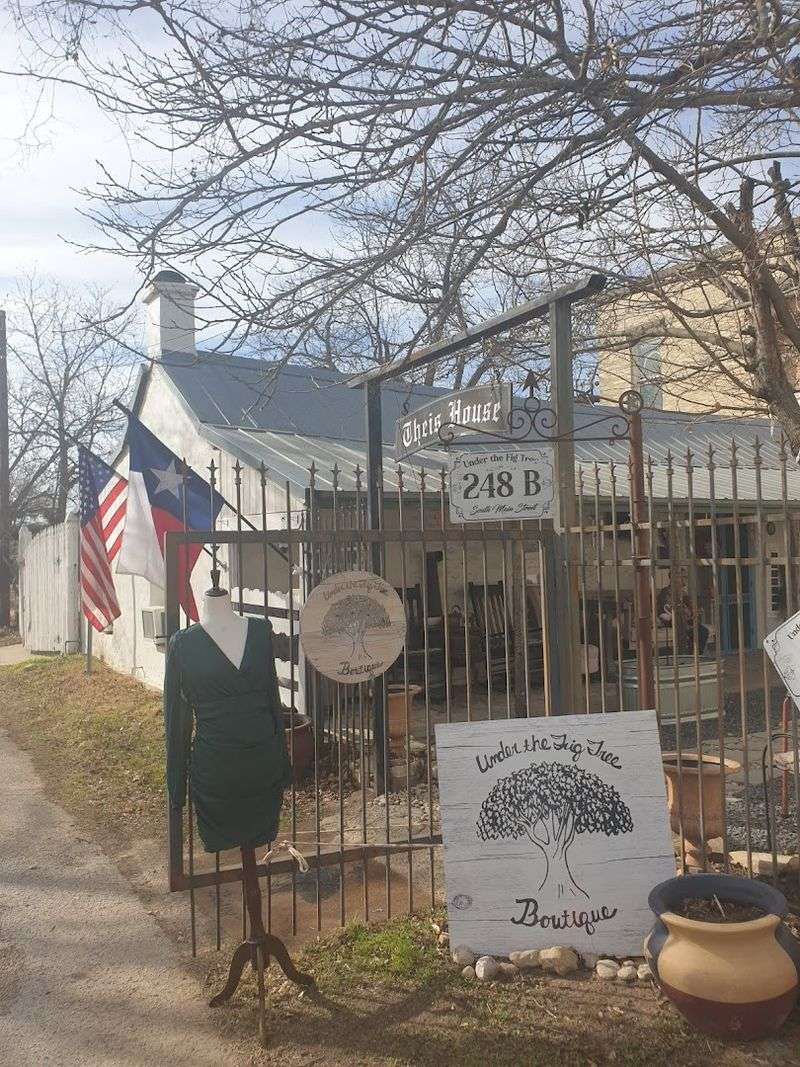
Gruene Hall is the star of the show, a legendary dance hall that has hosted live music since the 1870s and somehow still feels authentic rather than touristy. Antique shops and boutiques line the short main stretch, selling everything from vintage Texas memorabilia to handcrafted goods.
The rustic German-Texas architecture gives every building a story worth reading.
Weekend afternoons here feel like a community gathering rather than a tourist event. Locals and visitors mingle easily, drawn together by cold drinks and good music.
Gruene is proof that some places are simply too charming to rush through.
4. Boerne
Settled by German intellectuals and freethinkers in the 1840s, Boerne has always had a slightly more philosophical vibe than your average Texas town. The downtown area looks like someone transplanted a small European village into the Hill Country and then surrounded it with live oak trees.
Nobody is complaining about that decision.
Bakeries, breweries, and boutique shops fill the historic limestone buildings along Main Plaza and surrounding streets. The tree-lined sidewalks invite slow, leisurely strolls, which pairs perfectly with a fresh-baked pastry in hand.
Old World atmosphere isn’t just a marketing phrase here, it genuinely seeps out of the architecture.
Local breweries have embraced the town’s German heritage with craft beers that nod to traditional styles. Seasonal festivals bring the community together and welcome visitors with open arms.
Boerne is the kind of town where you plan to stop for an hour and end up staying the whole weekend, wondering why you don’t live there already.
5. Luckenbach
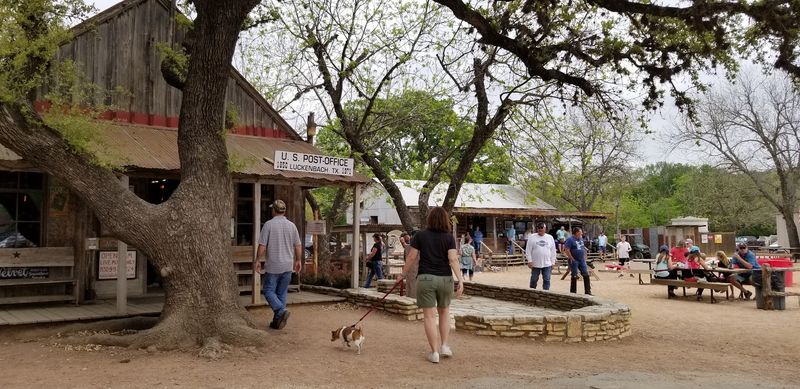
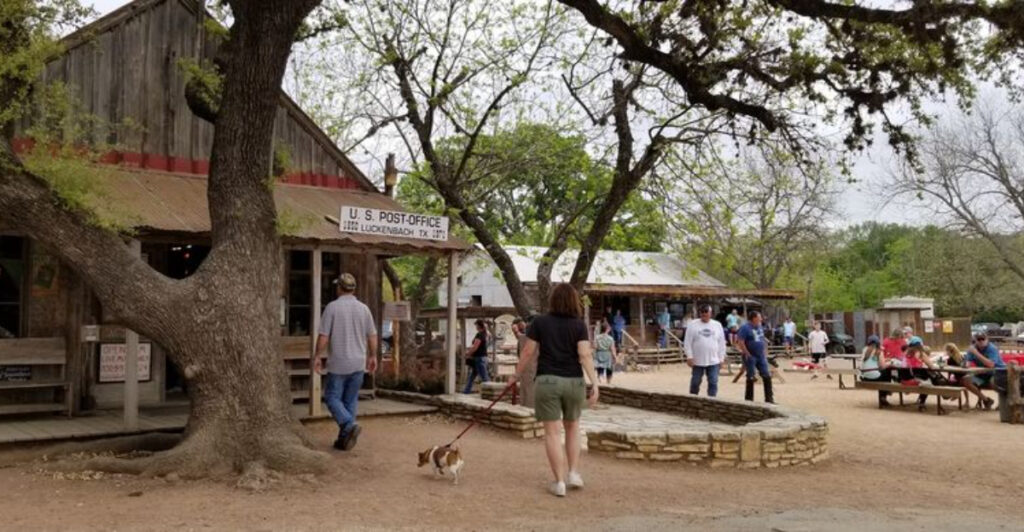
Luckenbach has a population that hovers around three people, yet somehow it carries more personality than towns fifty times its size. Founded by German settlers in the 1800s, this legendary speck on the map became famous for country music but has never forgotten its roots.
The old general store alone is worth the detour.
The dance hall behind the store has seen decades of boot-scootin’, cold beer, and good conversation under the oak trees. There’s a laid-back magic to this place that’s almost impossible to describe without sounding like you’re overselling it, but you’re really not.
Waylon Jennings and Willie Nelson famously immortalized Luckenbach in song, and the town has leaned into that legacy with cheerful confidence.
German-Texan culture shows up quietly here, in the architecture, the old signs, and the unhurried pace of life. Luckenbach doesn’t try to be anything other than exactly what it is, and that honesty is its greatest charm.
6. Muenster
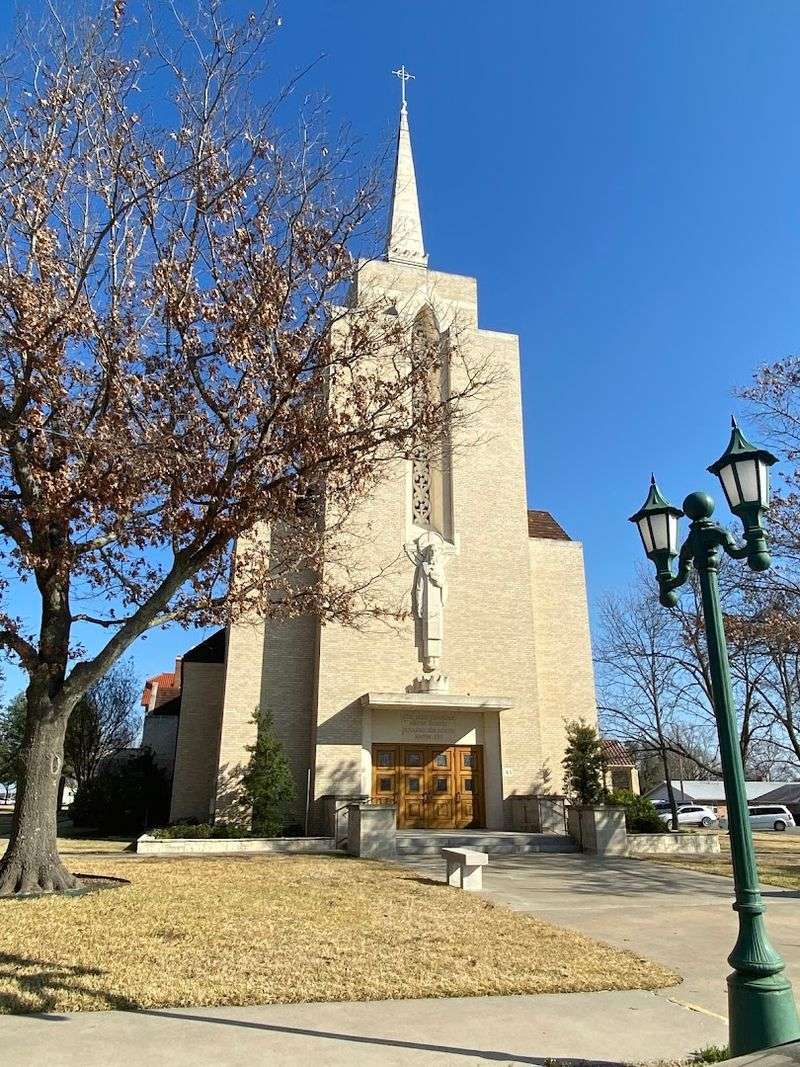
Up in North Texas, far from the Hill Country crowd, Muenster quietly keeps one of the most authentic German-Catholic traditions alive in the entire state. Founded by Westphalian immigrants in 1889, the town was essentially built from scratch by a tightly knit community with strong faith and even stronger sausage recipes.
That combination turned out to be remarkably durable.
The architecture here features half-timber-inspired designs that nod clearly to the Old World origins of its founders. Sausage-making remains a point of local pride, and the town’s annual Germania Fest draws visitors who know exactly what they’re coming for.
Hint: it involves bratwurst and cold beer in generous quantities.
Sacred Heart Catholic Church stands as a beautiful centerpiece of community life, its history intertwined with the town’s founding story. Muenster doesn’t get the same tourist traffic as Fredericksburg, and locals seem perfectly fine with that.
Sometimes the best-kept secrets are the ones hiding in plain sight, just a few hours north.
7. Castroville
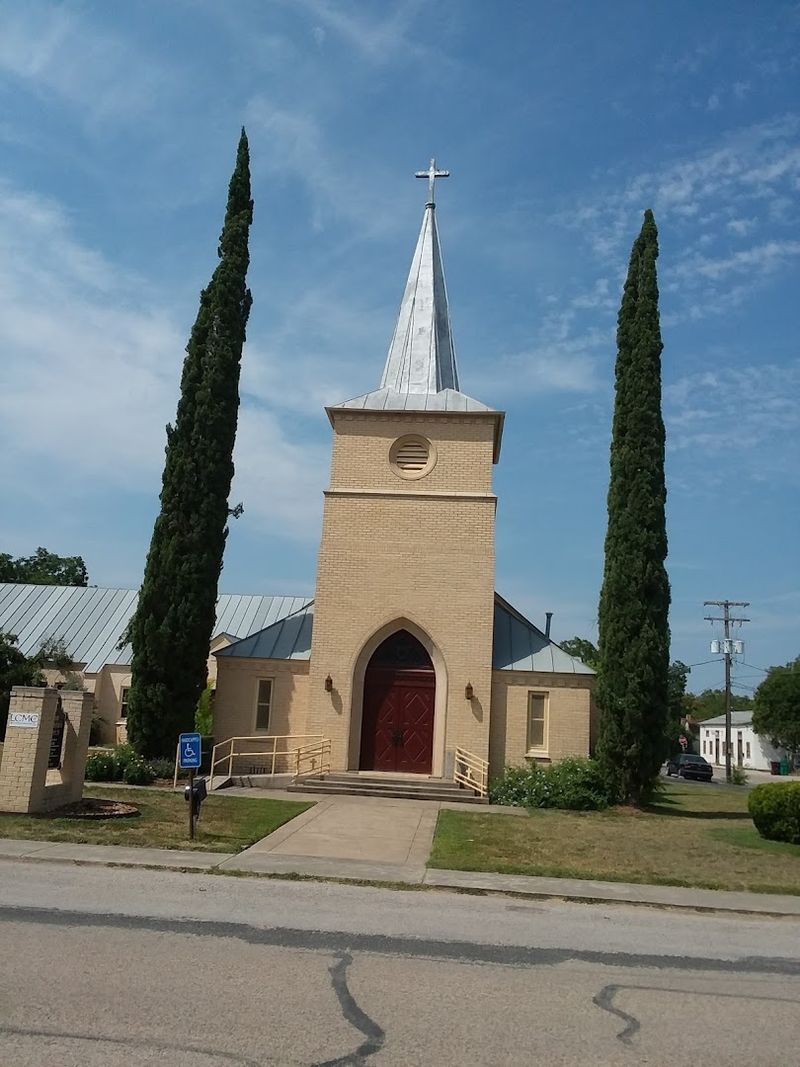
Called the Little Alsace of Texas, Castroville wears its European identity like a badge of honor, and rightfully so. Founded in 1844 by Henri Castro and settlers from the Alsace region of France and Germany, the town reflects a cultural blend that feels genuinely unique in the American South.
French-German influences show up everywhere you look.
The homes here are unlike anything else in Texas, featuring steep rooflines, thick stone walls, and architectural details that belong more on a postcard from Strasbourg than a highway outside San Antonio. Narrow streets wind through neighborhoods where history has been remarkably well preserved.
The Landmark Inn, a beautifully restored historic hotel, offers overnight stays that feel like a step back in time.
Local festivals celebrate the Alsatian heritage with food, music, and community pride. Castroville sits just 25 miles west of San Antonio, making it an easy day trip with serious cultural payoff.
Few places this close to a major city manage to feel this far away from it.
8. Comfort
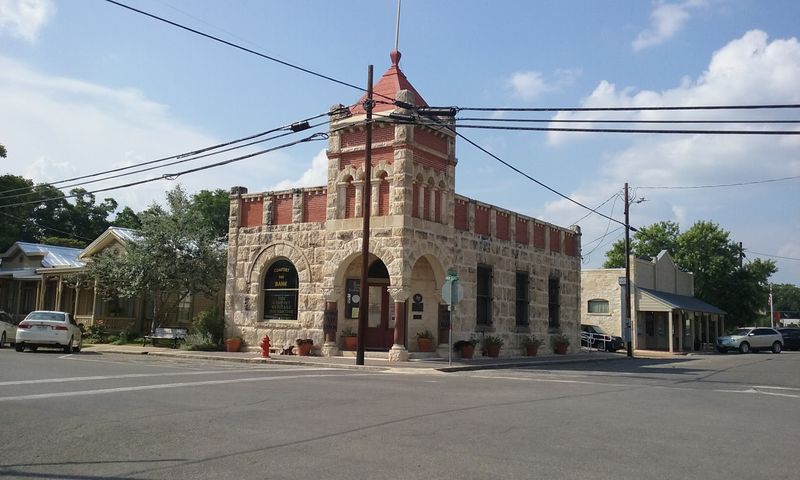
Founded by German abolitionists in the 1850s, Comfort carries a story that’s both fascinating and surprisingly moving. These settlers held beliefs so progressive for their time that the town didn’t even build a church for its first few decades, which tells you something about the independent spirit baked into its foundation.
That spirit still lingers on every quiet street corner.
Comfort boasts one of the most intact historic districts in all of Texas, with stone buildings dating back to the 1800s standing in remarkable condition. Quaint inns, antique dealers, and local shops occupy structures that look like they belong in a small German countryside village rather than the Texas Hill Country.
The pace here is slow and deliberate, almost meditative.
The Treue der Union monument, honoring German Unionists killed during the Civil War, adds a layer of emotional depth to a visit that goes beyond just sightseeing. Comfort rewards the curious traveler who takes time to read the walls, literally and figuratively.
9. Schulenburg
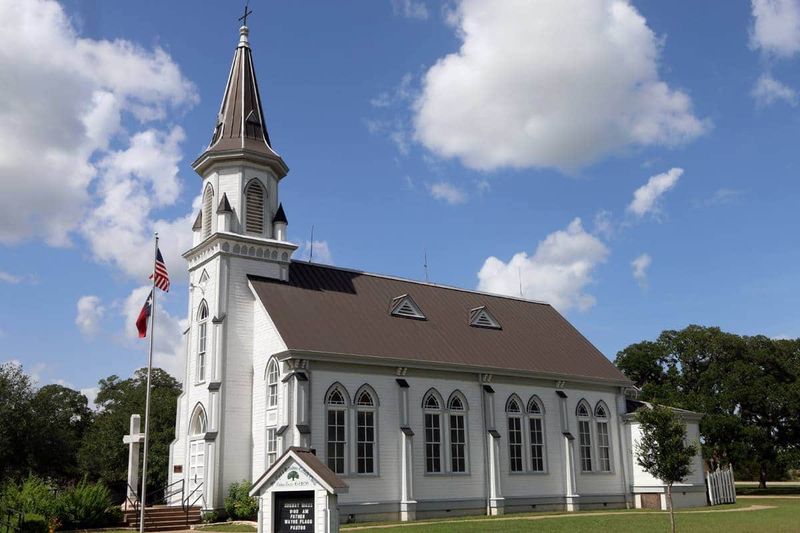
Schulenburg doesn’t shout about its heritage, it simply lives it, which makes discovering the town feel like finding something genuinely special rather than manufactured for tourists. Settled by German and Czech immigrants in the late 1800s, the town has maintained a cultural identity that blends both traditions in a warm and unpretentious way.
The food alone justifies the visit.
The famous painted churches surrounding Schulenburg are architectural treasures that visitors consistently compare to chapels found in Central European villages. These ornate rural churches, built by immigrant communities, feature stunning interiors that feel completely unexpected given their modest exteriors.
Stumbling into one of them for the first time is a genuine wow moment.
The Schulenburg Historical Museum keeps the immigrant story alive with exhibits covering German and Czech settlement history. Local festivals celebrate food, music, and tradition without the commercial gloss that sometimes dulls similar events elsewhere.
Schulenburg is the kind of place that makes you slow down, look around, and feel genuinely grateful you stopped.
10. Brenham
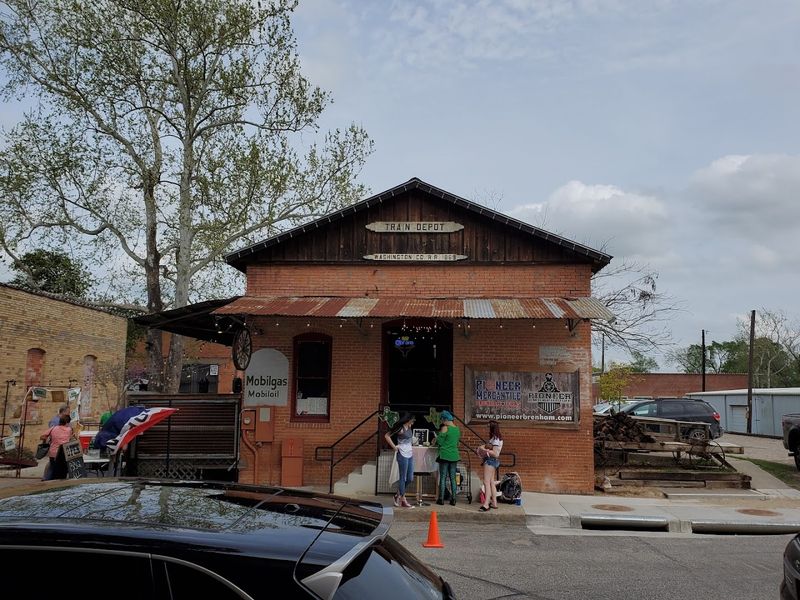
Yes, Brenham is famous for Blue Bell ice cream, and no, you should absolutely not skip the factory tour. But beyond the frozen treats, this Washington County town has deep German roots that shaped its architecture, churches, and community character in ways that still show up clearly today.
The ice cream is just a very delicious bonus.
Historic buildings downtown reflect the craftsmanship of 19th-century German settlers who brought their building traditions across the Atlantic and put them to work on Texas soil. Several German churches remain active congregation centers, their steeples rising above the surrounding countryside like something from a Bavarian postcard.
Spring brings the famous Bluebonnet Trail, turning the roads around Brenham into a wildflower wonderland.
Local festivals throughout the year celebrate the town’s heritage with food, music, and community events that feel genuinely warm rather than performative. Brenham sits about 70 miles from both Houston and Austin, making it an accessible escape for anyone craving history, charm, and yes, outstanding ice cream.
Share this story