New York has more beach treasures than most people realize, and sea glass is one of the best kept secrets along its shorelines. Waves spend years smoothing broken glass into frosted, colorful gems that collectors absolutely love finding.
Whether you prefer Long Island’s sandy stretches or the rocky edges of Lake Ontario, there is a hidden spot waiting for you. Grab a bag, wear comfortable shoes, and get ready to discover some of the state’s most rewarding beaches for sea glass hunting.
Steppingstone Park Beach — Great Neck
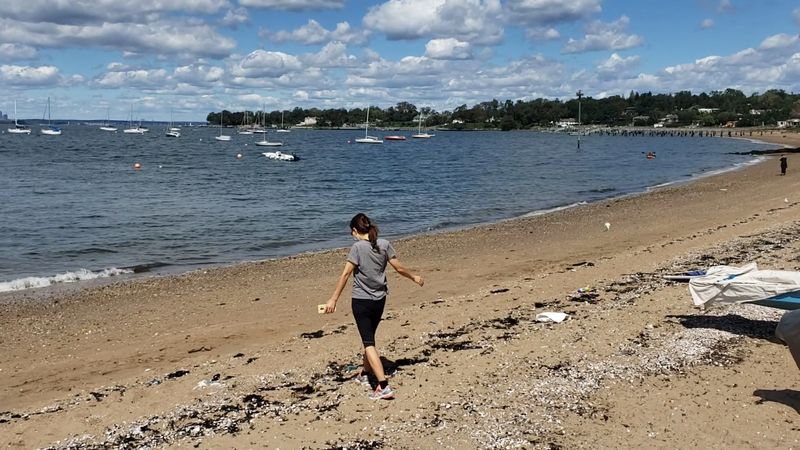
Collectors who know about Steppingstone Park Beach tend to keep it to themselves, and honestly, who could blame them? Tucked along Long Island’s North Shore in Great Neck, this small park beach sits right on the Long Island Sound, where calmer waves create perfect conditions for sea glass to settle rather than scatter.
Because the water here moves more gently than ocean beaches, glass fragments tumble slowly over time, becoming beautifully frosted and smooth. Green and brown pieces are the most common finds, but patient hunters have reported discovering cobalt-blue and aqua pieces after stormy weekends disturb the shoreline.
Those rarer colors can genuinely make your whole day.
Low tide is the best time to search, especially along the rockier sections near the water. Bring a small container and take your time scanning between pebbles and shells.
Weekday mornings tend to be quieter, giving you more space to search without competition. Parking is available, and the park setting makes it a pleasant outing even if sea glass ends up being scarce that particular visit.
Cedar Beach — Mount Sinai
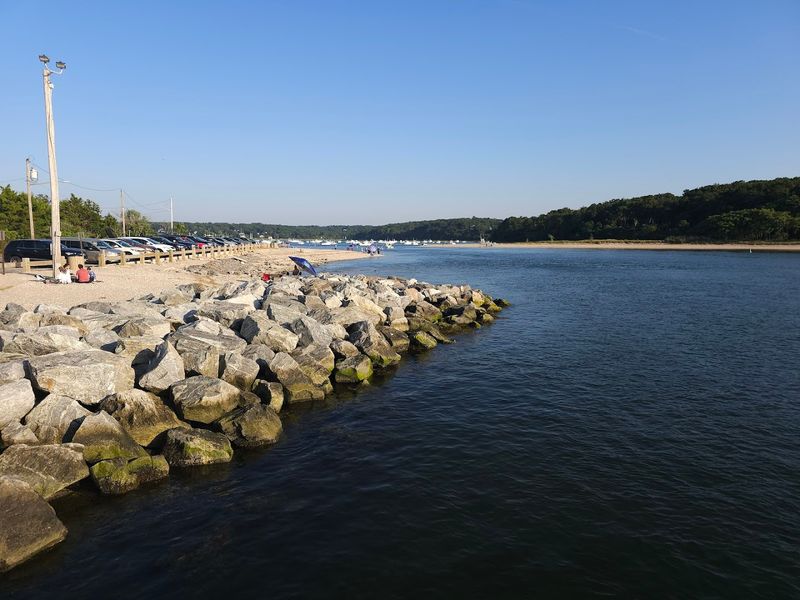
Something almost magical happens at Cedar Beach after a strong storm rolls through. The waves rearrange everything along the waterline, and suddenly pebbles, shells, and polished glass fragments appear where bare sand existed the day before.
Suffolk County collectors have quietly claimed this spot as one of their favorites for exactly that reason.
Cedar Beach sits on Long Island’s North Shore near Mount Sinai Harbor, giving it a more sheltered character than ocean-facing beaches. That protection means glass pieces accumulate steadily rather than washing away with every big wave.
Rocky sections near the water tend to hold the best finds, so focus your search there rather than the open sandy stretches.
Brown and green glass show up regularly, but white frosted pieces are also common here. After major storms, some hunters have found older, thicker glass that likely originated from antique bottles decades ago.
Visiting during off-peak hours keeps the experience relaxed and unhurried. Bring a light jacket in cooler months because the harbor breeze can catch you off guard, and always check tide charts before heading out for the most productive search possible.
Smith Point Beach — Mastic Beach
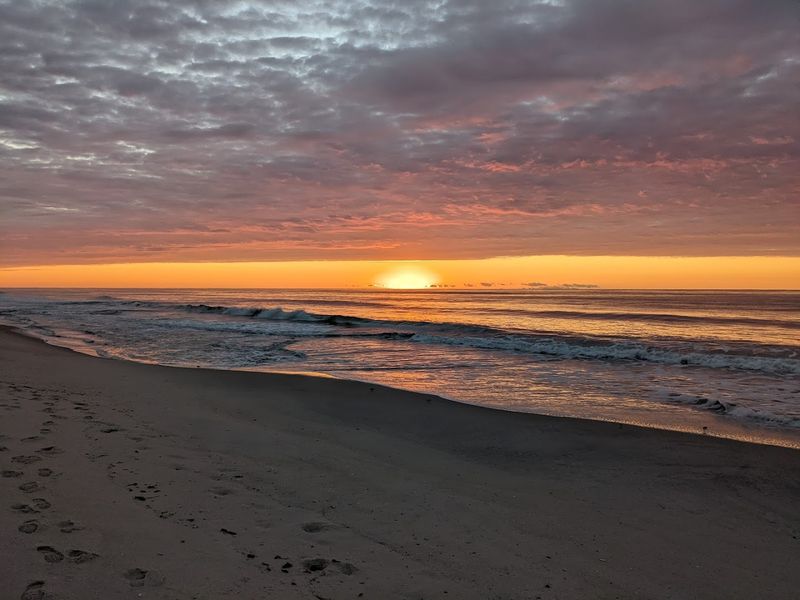
Most people associate Smith Point Beach with crashing Atlantic waves and summer surfers, but early risers who show up after rough surf know a quieter secret. The less crowded western stretches of this barrier island beach regularly produce smooth sea glass scattered among driftwood and shells after strong overnight surf reshapes the shoreline.
Smith Point is part of Fire Island National Seashore, which means the beach itself stays relatively undeveloped and natural. That wild quality actually helps sea glass hunters because fewer people are competing for the same stretch of shoreline.
Green and white pieces are the most reliable finds, though brown glass also surfaces fairly often after heavy wave action.
Arriving around sunrise gives you the best combination of low tide, soft light for spotting glass, and genuine solitude. The park charges an entrance fee during summer months, so visiting in spring or fall saves money and guarantees a less crowded experience.
Walking away from the main entrance area always improves your odds significantly. Comfortable waterproof shoes are worth wearing because wet sand and scattered rocks make the search zone slightly unpredictable underfoot during productive hunting conditions.
Orchard Beach — Bronx
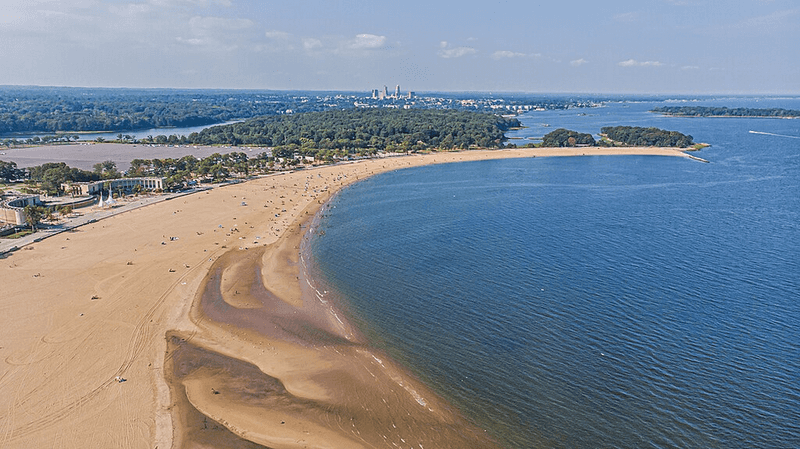
Orchard Beach gets a reputation as a crowded city beach, but most visitors never wander past the main sandy crescent toward the rockier edges on either side. Those quieter sections, tucked within Pelham Bay Park, are where the real sea glass action happens.
Long Island Sound currents steadily push weathered glass fragments toward the shoreline throughout the year.
The Bronx location means this beach is surprisingly accessible without a car, which makes it a fantastic option for city-based collectors. Subway and bus routes connect directly to the park, and the beach itself is free to visit outside of summer parking fees.
Searching during low tide dramatically improves your chances of spotting frosted pieces hiding among the stones.
Green, brown, and white glass appear most frequently, but collectors occasionally report finding older aqua-tinted pieces with interesting shapes near the rockier northern end. The park surrounding the beach is beautiful and worth exploring between tidal searches.
Going on a weekday in the shoulder season transforms the experience entirely, turning a normally busy city beach into something that actually feels peaceful and surprisingly productive for dedicated sea glass enthusiasts willing to explore beyond the obvious spots.
Dead Horse Bay — Brooklyn
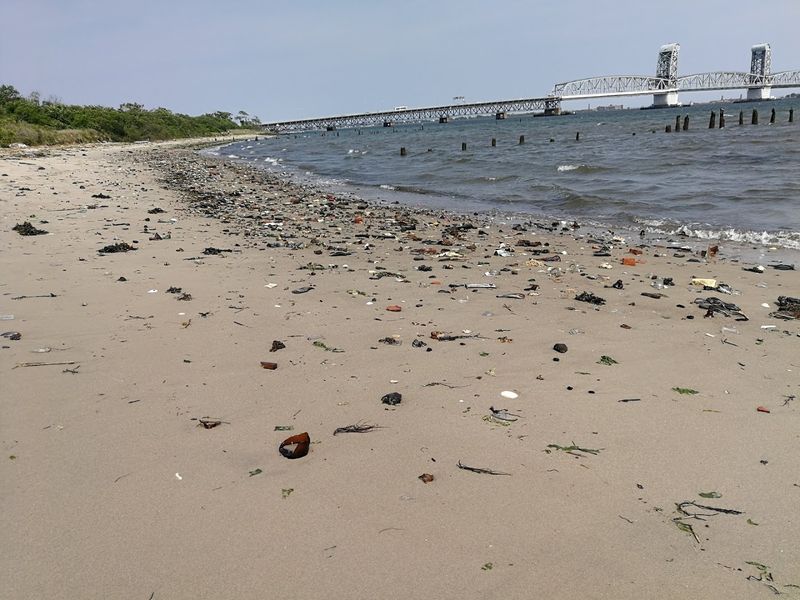
Few beaches in the entire country carry a backstory quite as strange and fascinating as Dead Horse Bay. Located near Floyd Bennett Field in Brooklyn, this tidal inlet got its unsettling name from the horse rendering plants that once operated along its shores during the 1800s.
Today, that eerie history is matched by an equally bizarre shoreline absolutely packed with old glass and artifacts.
Decades ago, the area was used as a landfill, and erosion has gradually exposed layers of old bottles, crockery, and glass fragments that collectors find endlessly fascinating. The concentration of weathered glass here is unlike almost anywhere else in New York.
Pieces range from standard green and brown to genuinely unusual shapes from antique medicine and milk bottles.
Some sections of the bay have environmental restrictions, so staying aware of posted signs is important before exploring. Photographers and historians visit alongside sea glass hunters, giving the spot an eclectic community feel.
Bringing a sturdy bag is highly recommended because it is genuinely hard to leave without finding something worth keeping. Visiting during low tide with good light makes identifying quality frosted pieces much easier among the dense mix of materials covering the unusual shoreline.
Tobay Beach — Oyster Bay
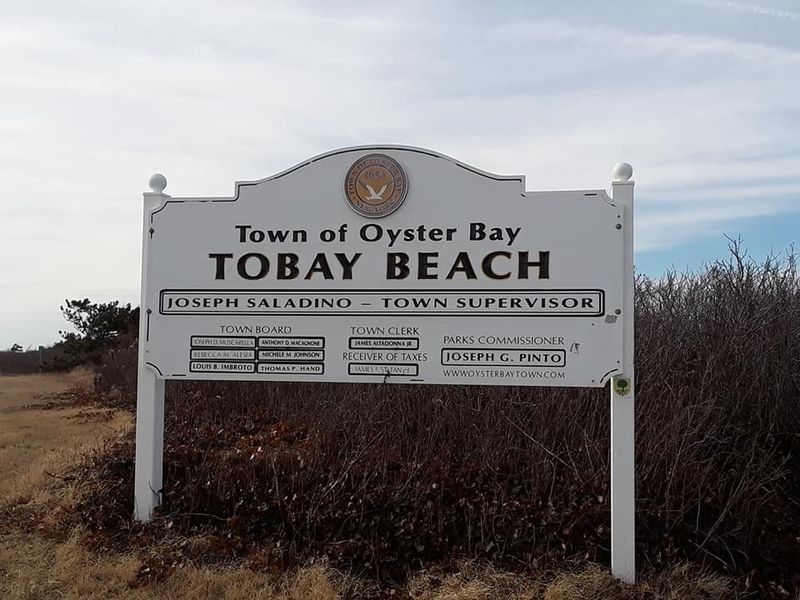
Tobay Beach sits on Jones Beach Island but feels worlds apart from its more famous neighbor just a few miles down the barrier strip. Access requires an Oyster Bay town resident permit during summer, which naturally keeps crowds manageable and the shoreline far less picked over than heavily visited beaches nearby.
That limited access is genuinely good news for sea glass hunters. Storms that roll through the Atlantic regularly uncover polished glass fragments beneath the sand, and with fewer visitors competing for finds, the odds of discovering something worthwhile stay reasonably high throughout the season.
Locals often time their visits around incoming tides when fresh material gets deposited along the waterline.
Green, white, and brown glass appear most reliably, but blue pieces have also been spotted here after particularly strong weather events. The beach has a pleasant, unhurried atmosphere that makes searching feel relaxing rather than competitive.
Bringing a small magnifying glass helps identify finer frosting details on pieces that might otherwise get overlooked. Fall visits are especially recommended when the summer crowds disappear entirely and the beach returns to a quieter, more natural state that serious collectors genuinely appreciate during longer, uninterrupted shoreline walks.
Hamlin Beach State Park — Lake Ontario
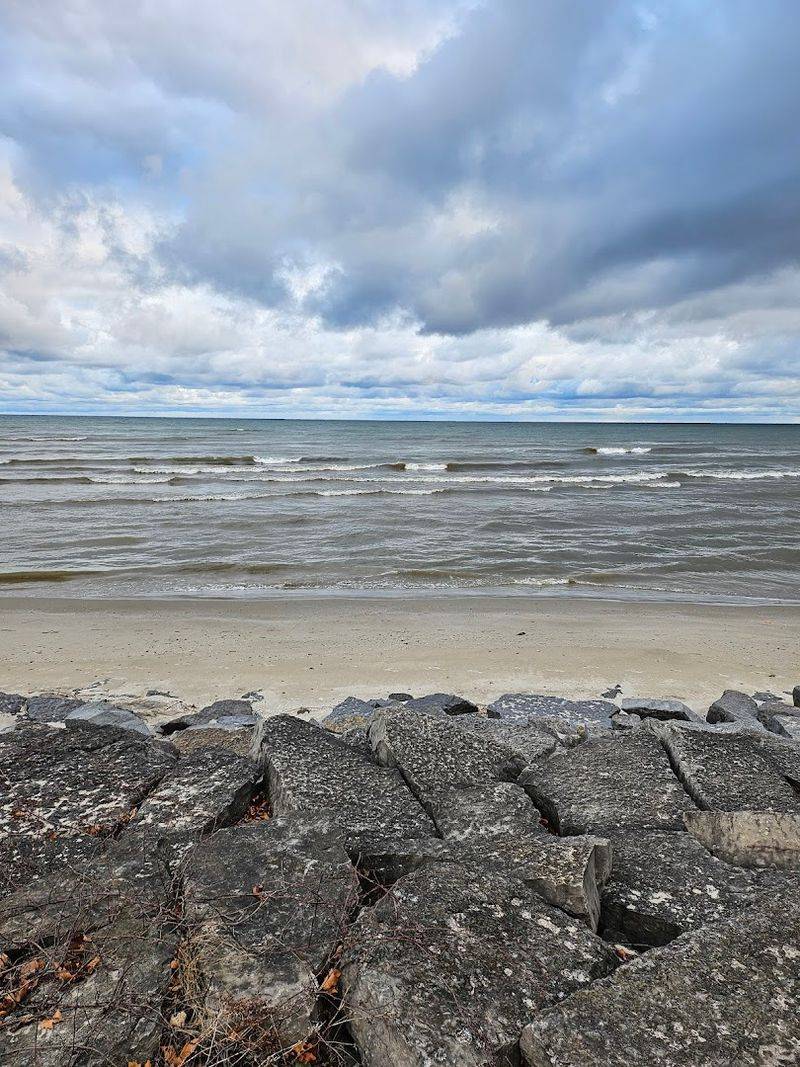
Saltwater beaches get most of the sea glass attention, but freshwater collectors know Lake Ontario produces some genuinely impressive frosted beach glass. Hamlin Beach State Park, located about 30 miles west of Rochester, offers long stretches of rocky shoreline where decades of powerful wave action have polished glass fragments into milky, smooth treasures.
Lake Ontario storms can be surprisingly fierce, and strong northwest winds regularly stir up the lakeshore and redistribute glass that had been buried under stones. Visiting within a day or two after a significant windstorm dramatically increases the chances of fresh finds appearing along the waterline.
Rocky sections between camping areas tend to hold the highest concentrations of glass.
White and green frosted pieces are most common, but brown and occasional amber glass also turn up regularly. The park itself is beautiful for camping, hiking, and picnicking, making a sea glass trip here easy to combine with a full weekend outdoor adventure.
Admission fees are reasonable for New York State Park standards. Early morning visits reward collectors with the best light for spotting frosted pieces among similarly colored stones, which can otherwise make identification tricky for newer hunters still developing their trained eye for quality finds.
Bailie Beach — Buffalo Area
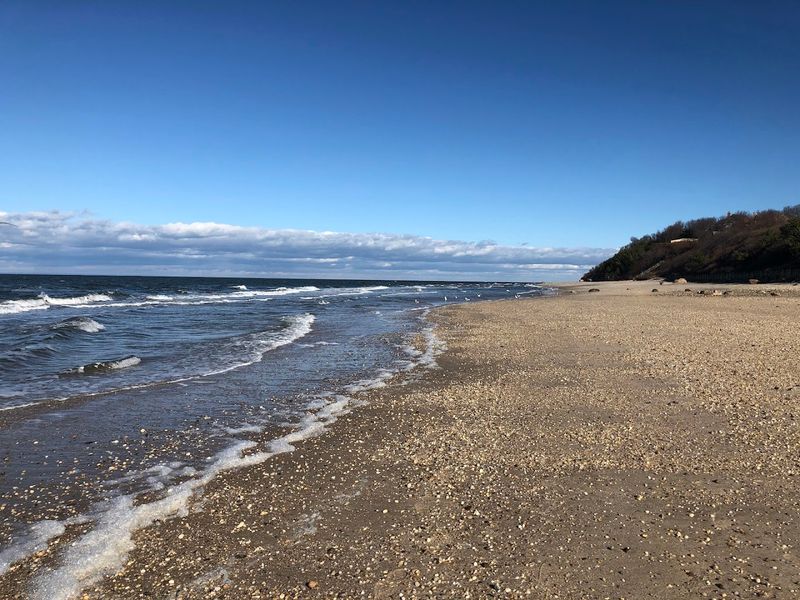
Lake Erie has a reputation for rough weather, and that powerful energy translates directly into excellent beach glass hunting conditions along the shores near Buffalo. Bailie Beach has developed a loyal following among western New York collectors who appreciate its gravel-heavy shoreline, which helps hold and display polished glass pieces far better than pure sandy beaches.
Strong lake currents and seasonal storm activity regularly churn up the lakebed, bringing fresh glass to the surface throughout the year. Collectors visiting after late autumn and winter storms have reported finding genuinely rare colors including blue, purple, and even orange pieces that command serious attention among dedicated sea glass enthusiasts tracking unusual finds.
The beach has a rugged, no-frills character that feels refreshingly unpretentious. There are no large resort crowds here, just locals walking dogs, a few anglers, and the occasional dedicated collector scanning the gravel methodically.
Wearing waterproof boots is a smart move because the shoreline can get muddy and wet near the water’s edge during productive hunting conditions. Bringing a friend makes the experience more enjoyable and gives you twice the ground coverage.
Buffalo winters are harsh, but determined collectors who brave cold temperatures often find the least competition and the most rewarding glass deposits of the entire year.
Westhampton Beach — Long Island
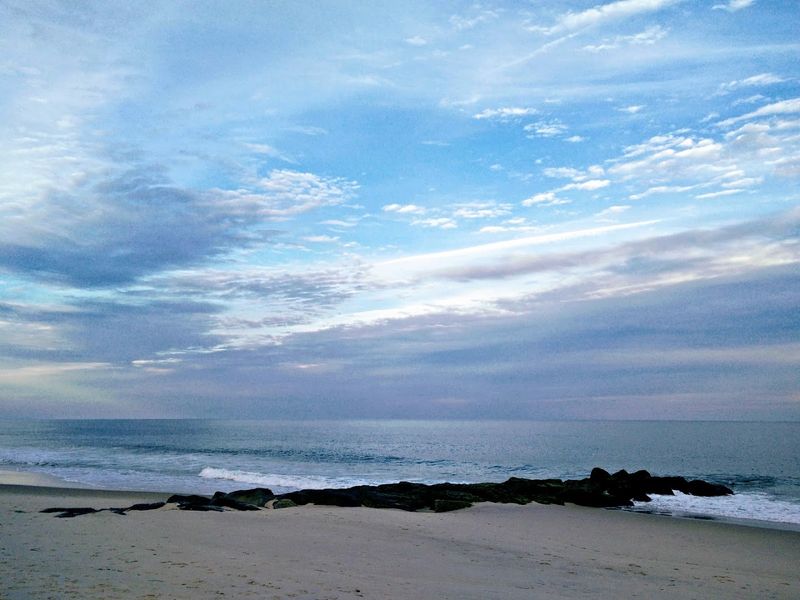
Westhampton Beach belongs to the Hamptons region but carries a quieter, less celebrity-saturated energy than its famous neighbors to the east. That lower profile is exactly what makes it appealing for sea glass hunters who want Atlantic shoreline access without fighting through summer traffic and packed parking lots every single weekend.
Off-season visits between October and April are when the real magic happens here. Shifting tides and consistent Atlantic surf gradually expose glass fragments that summer foot traffic tends to bury or scatter.
Collectors walking the less developed stretches of shoreline away from the main village area consistently report better finds than those who stick close to the busiest beach access points.
White and green glass appear most frequently, but older brown pieces with good frosting also surface regularly along this stretch. The beach has a natural, windswept quality during colder months that many collectors actually find energizing rather than discouraging.
Layering up properly and timing visits around low tide transforms an otherwise chilly outing into a genuinely productive one. Local sea glass hunters recommend walking at least half a mile from the nearest public access point before beginning your search, since that extra distance separates you from casual visitors and dramatically improves the quality of available finds.
Montauk’s North Shore Beaches
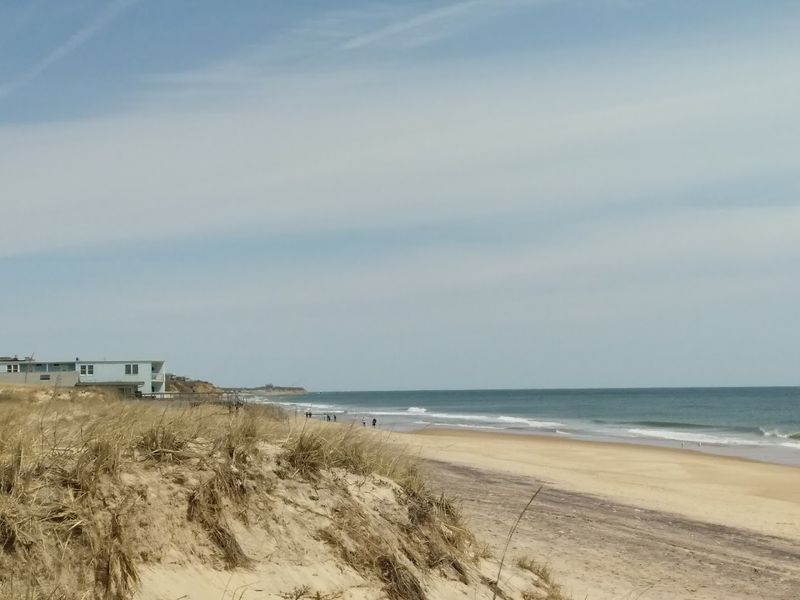
Everyone crowds onto Montauk’s ocean-facing beaches chasing waves, but the town’s quieter North Shore side facing Block Island Sound operates on a completely different rhythm. Rocky coastlines, calmer wave patterns, and significantly fewer visitors create conditions where sea glass accumulates naturally without being constantly disturbed or collected by passing crowds.
Sunrise walks along these northern stretches are genuinely special. The soft early light makes frosted glass pieces almost glow against dark stones, which turns spotting them into a satisfying visual experience rather than a frustrating guessing game.
Green, white, and brown glass appear regularly, but collectors have also found cobalt-blue and red pieces here, with red being among the rarest sea glass colors anywhere.
Getting to some of these North Shore access points requires a bit of exploring beyond typical tourist routes, but that extra effort filters out casual visitors and keeps conditions productive. Wearing sturdy shoes with ankle support matters because the rocky terrain can be uneven and slippery near the waterline.
Visiting during shoulder seasons in May or September combines mild weather with dramatically reduced competition. Montauk itself has great restaurants and lodging, making it easy to plan a full weekend trip that balances serious sea glass hunting with genuinely enjoyable downtime along one of New York’s most beautiful coastal settings.
Share this story