 Unearth The Voyage
Throughout history, humanity has built monuments and cities that stand as testaments to ingenuity, ambition, and cultural legacy. Some of these places hold such profound significance and beauty that they become destinations worth crossing continents to experience.
From ancient temples hidden in jungles to colossal pyramids rising from desert sands, these historic sites offer more than just sightseeing—they provide transformative journeys into our shared past.
Machu Picchu — Peru’s Lost City in the Clouds
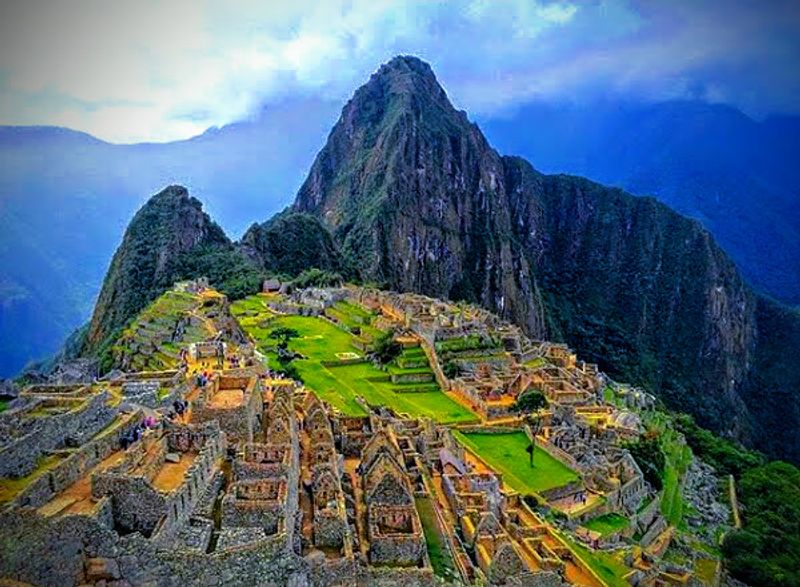
Perched high above the Urubamba Valley in the Andes, Machu Picchu is among the world’s most awe-inspiring archaeological treasures. Built by the Inca in the 15th century, this Lost City remained hidden from the outside world until its modern rediscovery in 1911.
Visiting Machu Picchu feels like stepping into another age: stone temples, terraces and plazas rise against a backdrop of misty peaks, evoking both spiritual wonder and architectural genius.
It was named a UNESCO World Heritage Site and a New Seven Wonder of the World. Whether you approach it via the famed Inca Trail or by scenic rail, the journey itself is part of what makes this site a pilgrimage for travelers and history lovers alike.
Few places on Earth can match the sense of discovery and connection to ancient civilizations that Machu Picchu provides. The remote mountain setting adds to its mystique, making every visitor feel like an explorer uncovering secrets of a lost world.
Morning mist rolling through the ruins creates an almost otherworldly atmosphere that photographers and adventurers dream about.
Planning your visit requires consideration of altitude, weather, and permits, but the reward is an unforgettable encounter with one of humanity’s greatest achievements.
Great Pyramids of Giza — Egypt’s Timeless Guardians
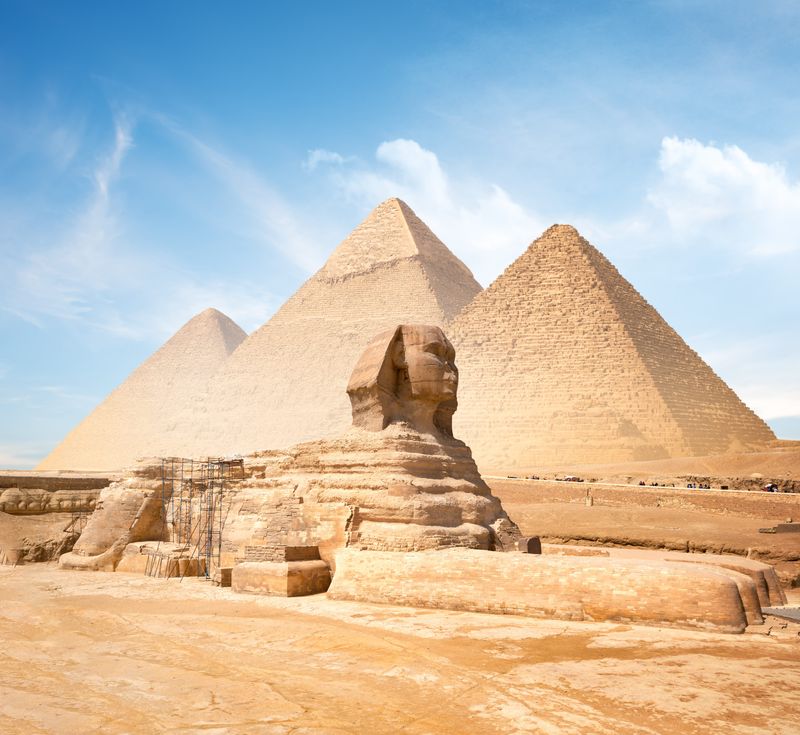
Standing sentinel on the desert plateau outside Cairo for more than 4,500 years, the Great Pyramids of Giza are perhaps the most iconic monuments of ancient civilization. Constructed as tombs for pharaohs, these colossal stone pyramids represent the pinnacle of Old Kingdom engineering and ambition.
The Great Pyramid of Khufu is the only surviving structure of the Seven Wonders of the Ancient World, a testament to human determination that has outlasted empires.
A visit here transports you back to ancient Egypt’s zenith, surrounded by the silent grandeur of history that has witnessed millennia of change. For many travelers, the sense of scale and mystery at Giza alone justifies any journey across the globe.
Walking among these massive structures, you cannot help but wonder at the organizational skill and labor required to move and position millions of limestone blocks. The nearby Sphinx adds another layer of enigma to the site, its weathered face gazing eternally eastward.
Modern Cairo sprawls close to the pyramids now, creating a striking contrast between ancient and contemporary worlds. Despite crowds and commercialization, the pyramids retain their power to inspire awe and contemplation about human achievement.
Angkor Wat — Cambodia’s Temple City Among the Trees
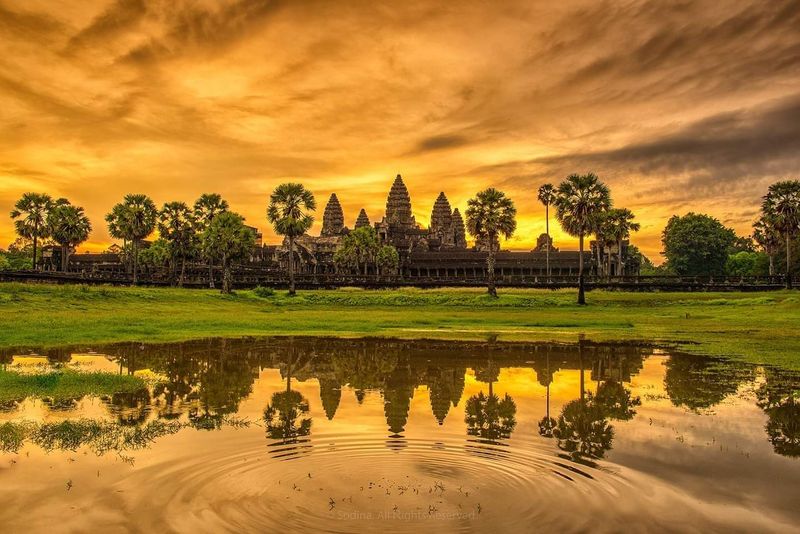
Nestled in the jungles of Cambodia, Angkor Wat is the world’s largest religious structure and an extraordinary archaeological complex. Originally built in the early 12th century as a Hindu temple, it later became a Buddhist sanctuary—preserving its spiritual purpose over centuries.
Its grand towers, intricate bas-reliefs, and maze of temples exude timeless majesty, drawing visitors worldwide to witness this pinnacle of Khmer artistry.
Sunrise over Angkor’s silhouette is a bucket-list image, offering a moment where nature and ancient culture seem to converge. Angkor Wat isn’t simply a destination—it’s a voyage into the past that rewards those who make the journey.
The surrounding temple complex extends for miles, with hidden courtyards and jungle-covered ruins waiting to be explored. Ta Prohm, where massive tree roots embrace ancient stones, has become nearly as famous as the main temple itself.
Visiting during the early morning hours allows you to experience the site in relative tranquility before tour groups arrive. The intricate carvings depicting Hindu mythology and historical battles showcase artistic achievement that rivals any civilization’s greatest works, making Cambodia’s treasure truly worth the pilgrimage.
Petra — Jordan’s Rose-Red Lost City
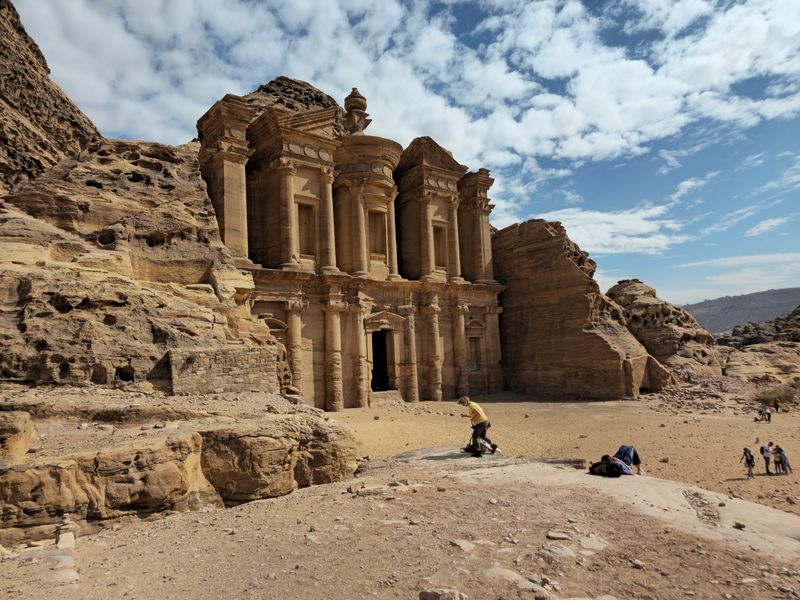
Carved directly into dramatic sandstone cliffs, Petra is one of the world’s most extraordinary historic sites. Once a thriving Nabataean capital and crucial caravan hub, Petra’s labyrinthine city reveals tombs, temples, and dwellings hewn from rock.
The iconic Treasury façade, revealed after walking through the narrow Siq canyon, is among the most unforgettable sights in travel.
Visiting Petra is like stepping into an ancient world almost frozen in time—a place where architecture and landscape unite in sheer grandeur. Its remote location amidst desert mountains makes reaching and exploring it feel rewardingly epic.
The walk through the Siq itself builds anticipation, as towering canyon walls narrow and twist before opening to reveal the Treasury’s magnificent columns and pediments. Beyond this famous monument lies an entire city waiting to be discovered, with the Monastery requiring a challenging climb that rewards hikers with spectacular views.
Bedouin guides offer insights into the site’s history and hidden corners that most visitors miss. The play of sunlight on the rose-colored stone throughout the day creates ever-changing hues, making Petra a photographer’s paradise and a historian’s dream destination.
The Colosseum — Rome’s Eternal Arena
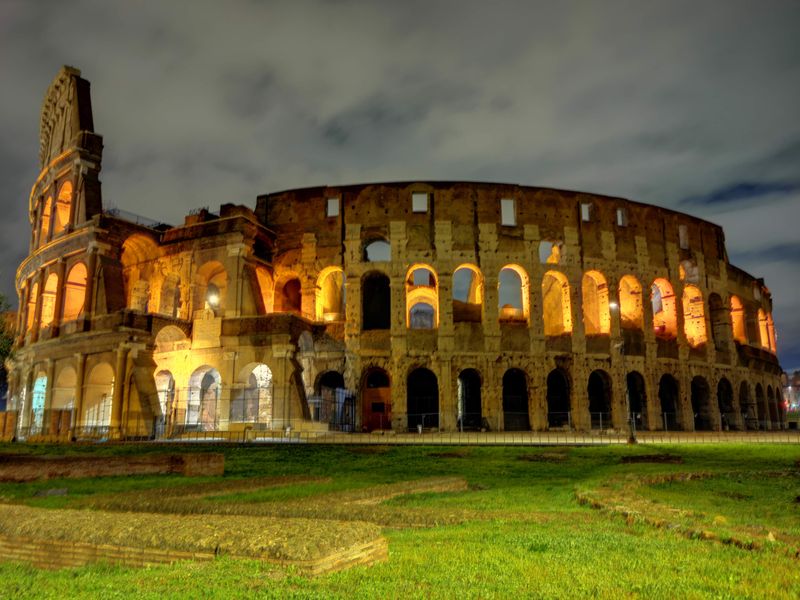
Rome’s Colosseum is the preeminent symbol of the ancient Roman Empire. Built in the first century AD, this massive amphitheatre once hosted gladiatorial games, public spectacles and events for up to tens of thousands of spectators.
Today, its crumbling yet monumental stone arches convey the scale of Roman ambition and engineering.
Walking inside the Colosseum and imagining history echoing through its corridors is an unforgettable experience that connects travelers to Rome’s millennia-long story. Combined with nearby relics like the Roman Forum and Palatine Hill, this site makes for an immersive journey into antiquity worth planning around.
The exposed underground chambers where gladiators and wild animals once waited reveal the complex staging mechanisms that made spectacular shows possible. Despite centuries of earthquakes, stone-robbers, and weathering, the Colosseum remains remarkably intact, a tribute to Roman concrete and construction techniques.
Night visits offer a different perspective, with dramatic lighting highlighting the structure’s curves and arches. Standing where emperors once presided over life-and-death struggles gives visitors a visceral connection to ancient entertainment and power dynamics that shaped Western civilization.
The Great Wall of China — A Ribbon of History Across Mountains
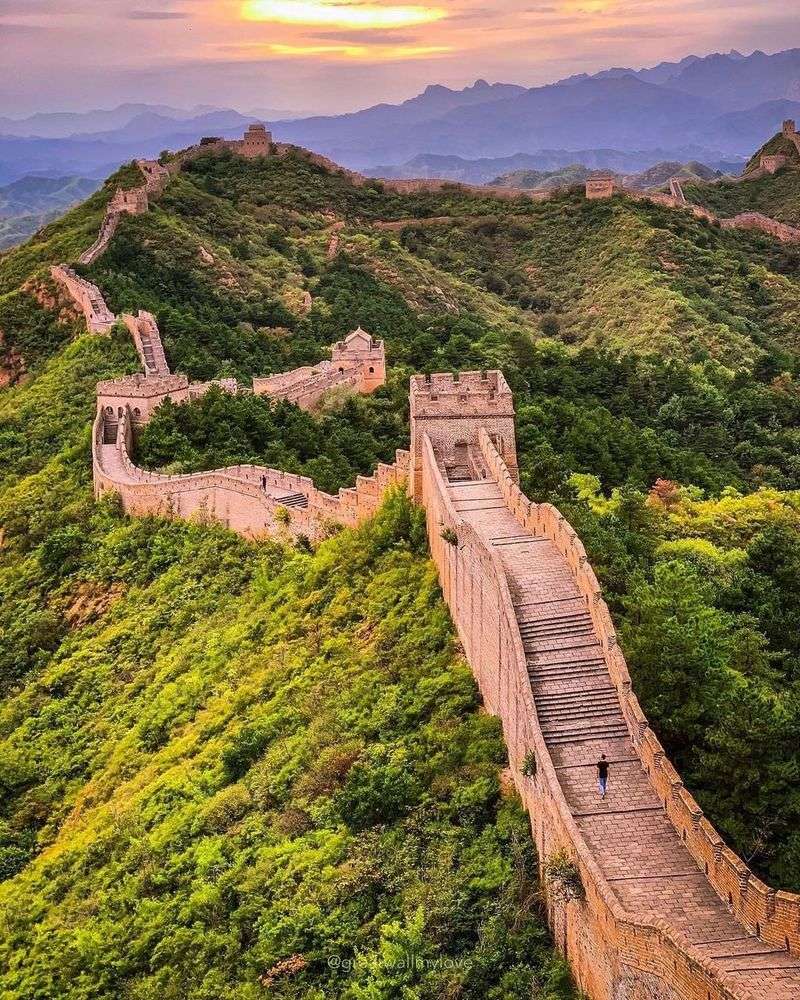
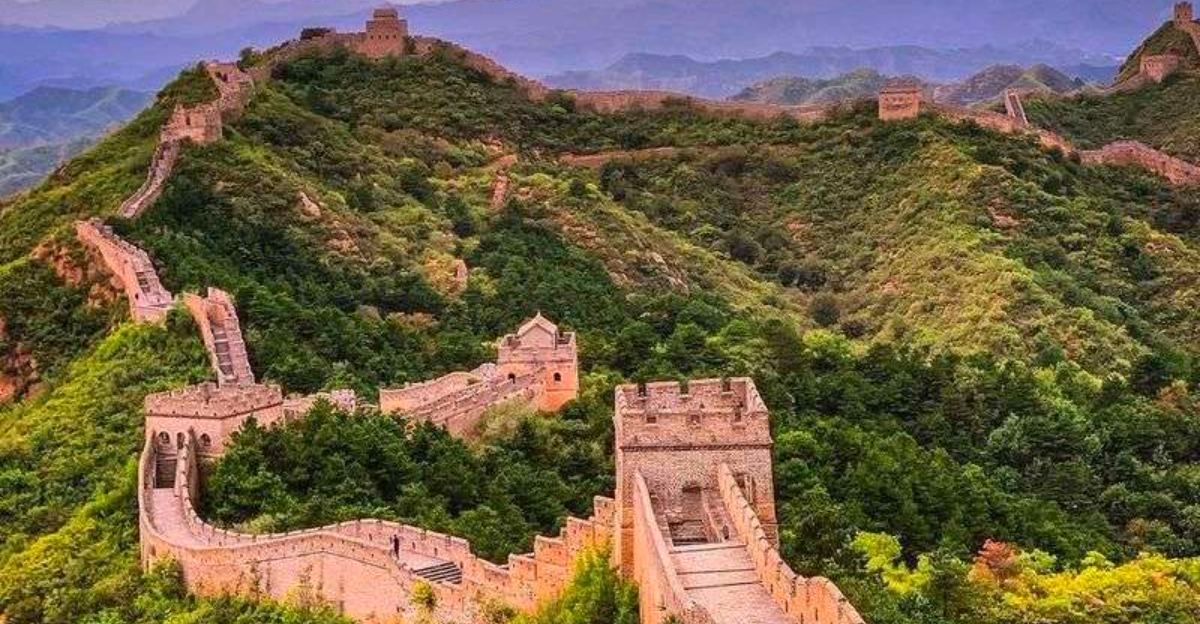
Stretching thousands of miles across northern China, the Great Wall is one of humanity’s most ambitious construction feats. Ancient watchtowers, ramps, and ramparts snake over ridges and valleys, originally built to defend empires and now celebrated as a monumental symbol of Chinese history.
Its scale and scenic setting make visiting the wall an experience that transcends mere sightseeing: it’s a physical encounter with a living relic of past societies.
Whether you walk restored sections near Beijing or explore less crowded stretches, the Great Wall rewards travelers with breathtaking vistas and historical perspective.
The wall’s construction spanned multiple dynasties and centuries, with different sections reflecting various architectural approaches and defensive strategies. Walking along the steep steps and uneven pathways gives you appreciation for the soldiers who once patrolled these heights in all weather conditions.
Popular sections like Badaling offer accessibility and facilities, while remote stretches like Jinshanling provide solitude and wild beauty. The wall’s ribbon-like course across mountain ridges creates photographic opportunities at every turn, especially during sunrise or sunset when golden light bathes the ancient stones.
Chichén Itzá — Echoes of the Maya in Mexico
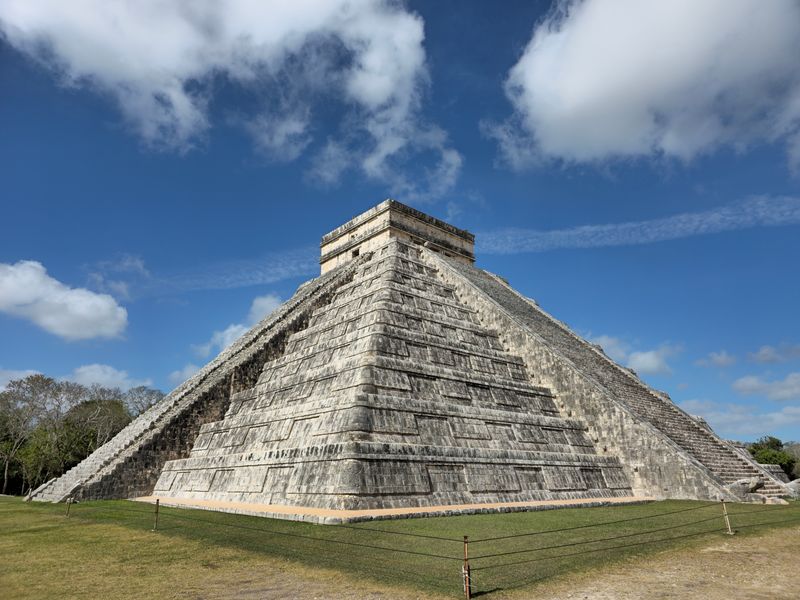
In Mexico’s Yucatán Peninsula, Chichén Itzá stands as a highlight of pre-Columbian history and architecture. Dominated by the majestic pyramid of El Castillo, this site showcases Maya knowledge of astronomy, mathematics, and ceremonial design.
Its meticulously aligned structures reflect profound astronomical understanding, and the site’s scale conveys the cultural complexity of the ancient Maya.
A journey here connects you to ancient cosmology, ritual and human ingenuity in a setting where history feels palpably alive.
During the spring and autumn equinoxes, sunlight creates the illusion of a serpent descending the pyramid’s stairs—a testament to Maya architectural precision and astronomical knowledge. The massive ball court, where players competed in a game with religious significance, demonstrates the integration of sport, ritual, and political power in Maya society.
The Sacred Cenote nearby was a site of offerings and ceremonies, its depths yielding archaeological treasures that illuminate Maya spiritual practices. Visiting Chichén Itzá early in the morning before heat and crowds intensify allows for contemplative exploration of one of the New Seven Wonders of the World and Mexico’s most visited archaeological site.
Taj Mahal — India’s Monument to Love and Legacy
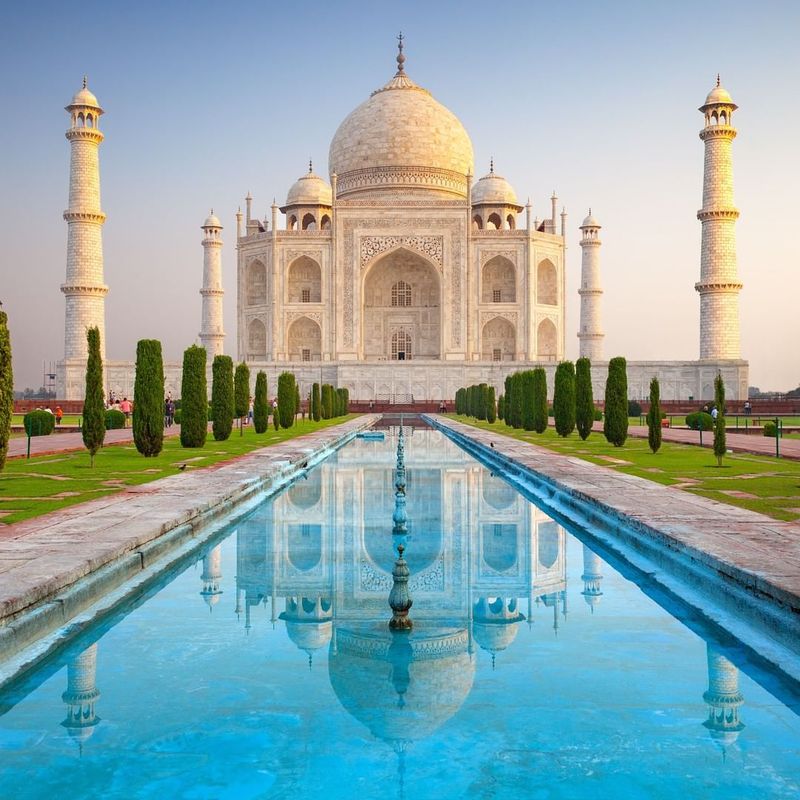
The Taj Mahal in Agra is one of the world’s most beloved historic monuments. Built in the 17th century by Mughal emperor Shah Jahan in memory of his wife Mumtaz Mahal, its gleaming marble façade and reflecting pools evoke serenity and timeless beauty.
Widely celebrated as an architectural masterpiece, the Taj Mahal represents not just a tomb but an enduring symbol of love and cultural refinement.
Visiting early in the morning, when soft light bathes its domes, is a profoundly moving experience that underscores why this site alone justifies travel.
The intricate inlay work featuring semi-precious stones in floral patterns demonstrates the pinnacle of Mughal craftsmanship and artistic vision. Symmetry defines every aspect of the complex, from the gardens to the minarets flanking the main mausoleum, creating visual harmony that has inspired architects for centuries.
The changing light throughout the day transforms the white marble from soft pink at dawn to brilliant white at midday to golden at sunset. Inside, the cenotaphs are surrounded by delicate marble screens carved with such precision they seem almost translucent, showcasing artistry that required decades and thousands of skilled craftsmen to complete.
Stonehenge — England’s Prehistoric Circle of Mystery
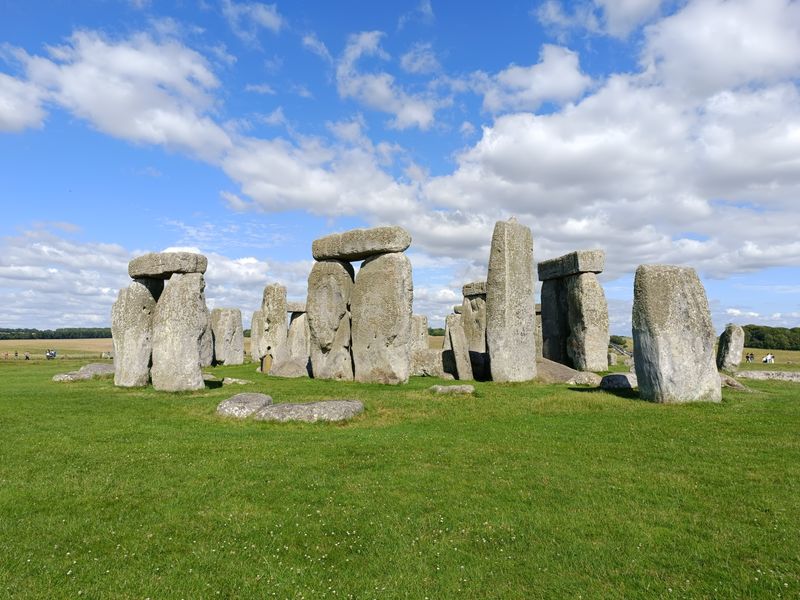
On the windswept plains of southern England lies Stonehenge, an enigmatic ring of massive stones that has captivated visitors for thousands of years. Its original purpose—whether celestial observatory, ceremonial site, or gathering place—remains partly shrouded in mystery, adding to its allure.
A visit here puts you face to face with prehistoric ingenuity and ritual, offering a moment of reflection on humanity’s distant past.
Standing within the circle as winds sweep the plain makes Stonehenge not just a historic site, but a place of wonder and contemplation.
The massive sarsen stones, some weighing over 25 tons, were transported from quarries miles away using methods that continue to puzzle researchers. The smaller bluestones came from Wales, over 150 miles distant, suggesting the site held extraordinary significance for Neolithic communities willing to invest such tremendous effort.
Recent discoveries of nearby settlements and ceremonial sites suggest Stonehenge was part of a larger ritual landscape. Visiting during the summer or winter solstice, when the stones align with the sun’s position, offers insight into the astronomical knowledge of its builders and connects modern visitors to ancient seasonal celebrations.
Tikal — Guatemala’s Lost Jungle City
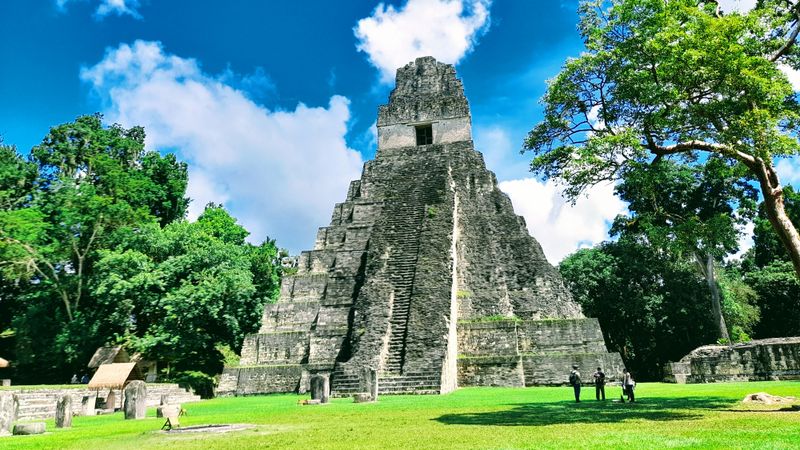
Deep in the Guatemalan rainforest, Tikal rises from the jungle as a testament to the ancient Maya. Its pyramids and temples, often enveloped by jungle mist, feel emblematic of exploration and discovery.
Early mornings here—with wildlife echoes and shadowed stone—evoke an Indiana Jones-like encounter with history.
While less known than some other sites, Tikal’s scale and natural setting make it an extraordinary destination for those willing to journey beyond the beaten path to experience a deep link to ancient civilization and lost grandeur.
Temple IV, the tallest pre-Columbian structure in the Americas, offers panoramic views over the jungle canopy where howler monkeys call and toucans fly between trees. The Great Plaza, flanked by towering pyramids and palace complexes, demonstrates the architectural and political sophistication of Classic Maya civilization at its height.
Unlike more accessible ruins, Tikal retains an atmosphere of discovery, with stone structures emerging from vegetation and jungle sounds providing a constant soundtrack. The remote location in Petén requires commitment to reach, but rewards adventurous travelers with an experience that combines archaeology, nature, and the thrill of exploring one of the Maya world’s greatest cities.



