 Unearth The Voyage
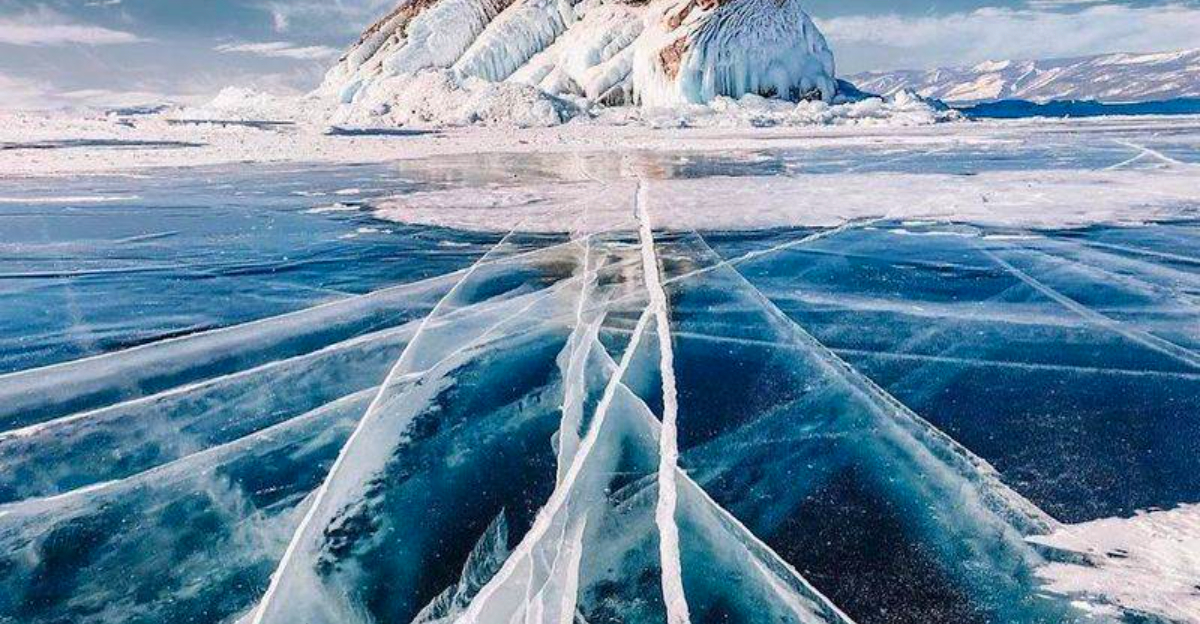
Our planet is home to some truly jaw-dropping lakes, and a handful of them are so extraordinary they have earned world records. From the deepest pit of water on Earth to a lake buried under kilometers of Antarctic ice, these bodies of water are anything but ordinary.
Some are older than the dinosaurs, some are higher than most mountains, and some hold enough freshwater to supply billions of people. Get ready to explore the most remarkable lakes our world has to offer.
Caspian Sea (Eurasia) – Largest Lake by Surface Area
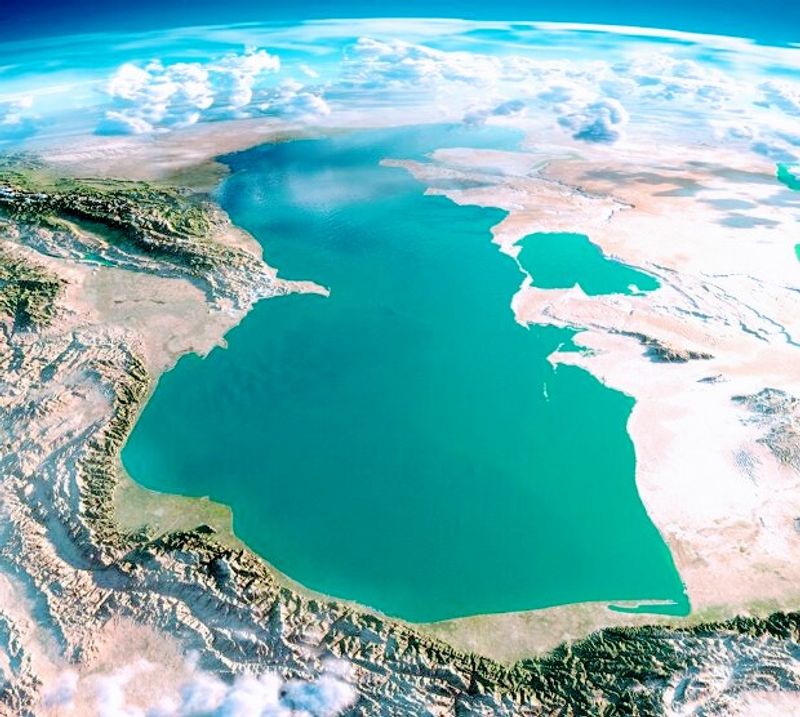
Do not let the name fool you — the Caspian Sea is not actually a sea at all. It is the largest lake on Earth by surface area, covering an enormous 371,000 square kilometers.
That is larger than the entire country of Japan, which makes wrapping your head around its sheer size almost impossible.
Spanning five countries — Russia, Kazakhstan, Turkmenistan, Azerbaijan, and Iran — the Caspian has been a center of trade, conflict, and culture for thousands of years. Its salty water gives it ocean-like qualities, which is partly why early explorers called it a sea in the first place.
The salinity is about one-third that of typical ocean water, creating a unique environment.
The lake is also famous for its sturgeon, the fish responsible for producing some of the world’s most prized caviar. Overfishing and pollution have put these ancient fish under serious threat in recent decades.
Scientists, governments, and conservationists are working together to protect the Caspian’s ecosystem before more species disappear. Despite its challenges, the Caspian remains one of the most geopolitically and ecologically significant inland bodies of water on the planet.
Lake Superior (USA/Canada) – Largest Freshwater Lake by Surface Area
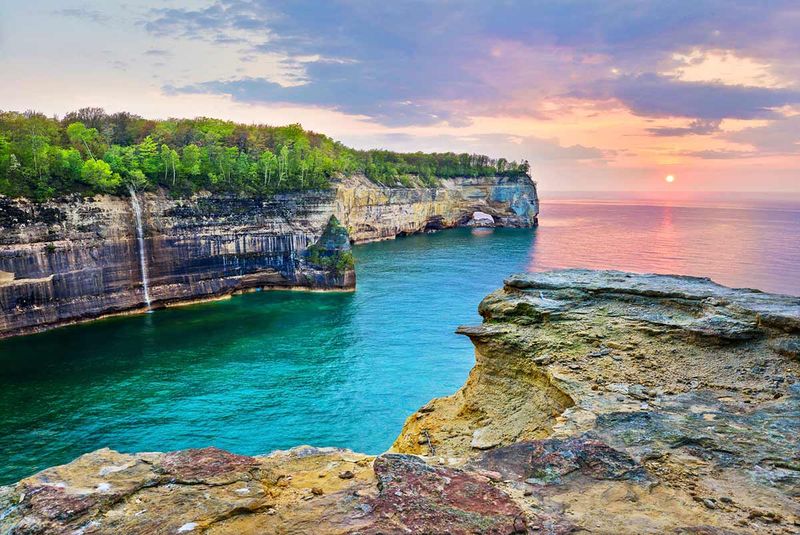
Sailors have long called Lake Superior the inland sea, and honestly, they have a point. Stretching over 82,000 square kilometers across the borders of the United States and Canada, it is the largest freshwater lake in the world by surface area.
On a stormy day, waves can reach heights of over eight meters — conditions that would make even seasoned ocean sailors nervous.
Lake Superior is part of the Great Lakes system, a chain of five massive lakes that together hold about 21% of the world’s surface freshwater. Superior alone accounts for more than half of that.
The lake is so large that it creates its own weather patterns, including intense lake-effect snowstorms that blanket nearby cities every winter.
The lake sits along one of North America’s most scenic coastlines. Pictured Rocks National Lakeshore in Michigan features colorful sandstone cliffs that drop straight into Superior’s famously cold, clear water.
The average water temperature rarely climbs above 4 degrees Celsius in deeper areas, which means shipwrecks at the bottom are remarkably well-preserved. Over 350 shipwrecks rest in its depths, earning Superior a reputation as both a natural wonder and a historical time capsule.
Lake Tanganyika (Africa) – Second Deepest & Longest Freshwater Lake
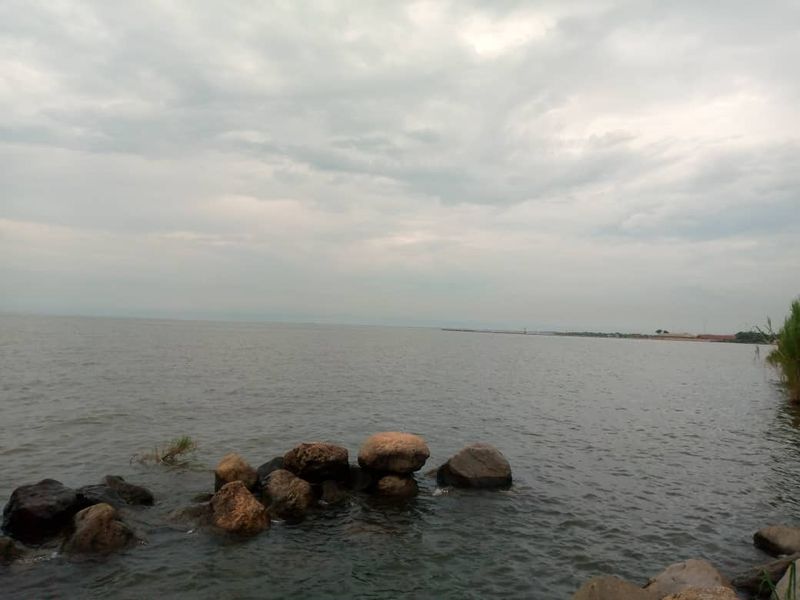
Stretching nearly 680 kilometers from north to south, Lake Tanganyika holds the record as the longest freshwater lake in the world. It also ranks as the second deepest, plunging to about 1,470 meters at its lowest point.
Located in East Africa and shared by Tanzania, the Democratic Republic of Congo, Burundi, and Zambia, this lake is a geographic heavyweight in every sense.
About 16% of the world’s available freshwater sits within Tanganyika’s basin, making it a critical resource for millions of people across four countries. Fishing communities along its shores have depended on the lake for food and income for generations.
The lake also serves as an important transport route, connecting remote towns that would otherwise be nearly inaccessible.
Its great age — estimated at 9 to 12 million years old — has allowed a remarkable range of species to evolve in isolation. More than 350 species of cichlid fish live here, most of which exist nowhere else on Earth.
Scientists travel from around the world to study Tanganyika’s unique ecosystem. Rising water temperatures linked to climate change are now threatening this biodiversity, making conservation efforts more urgent than ever before.
Lake Baikal (Russia) – Deepest & Oldest Freshwater Lake
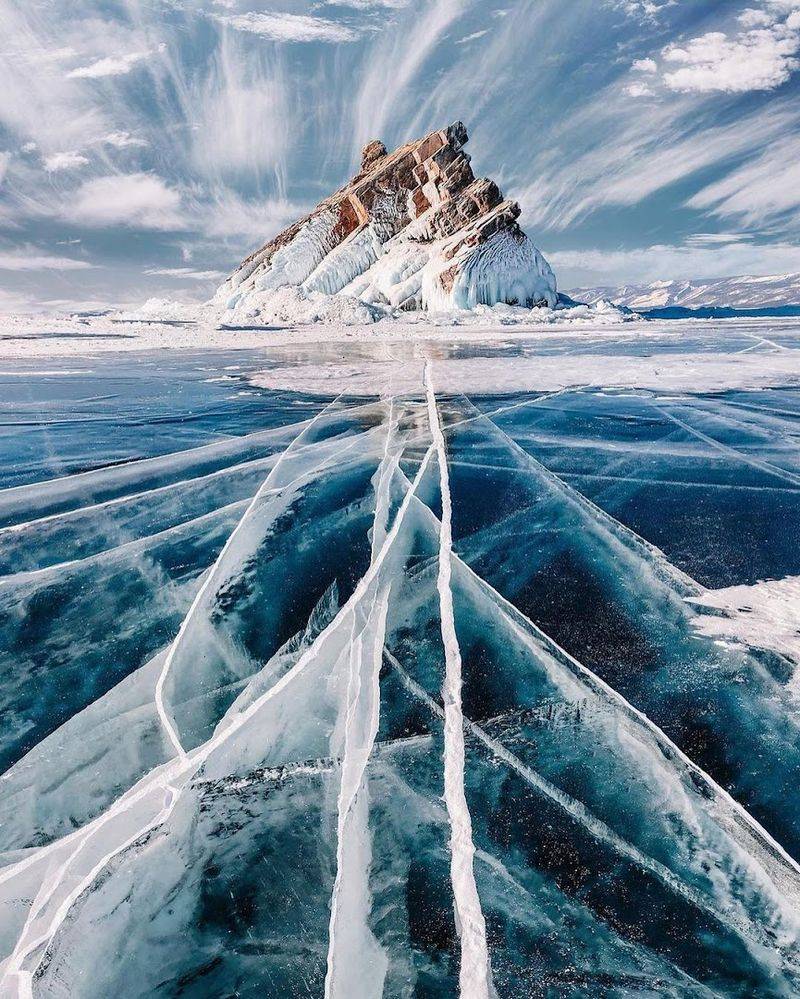
Crack the ice on this one — Lake Baikal in Siberia, Russia, is both the deepest and oldest freshwater lake on the entire planet. Sitting at a staggering depth of about 1,642 meters, it plunges deeper than any other lake on Earth.
Scientists estimate it formed between 20 and 25 million years ago, which means it was already ancient long before humans ever walked the Earth.
What makes Baikal truly mind-blowing is what lives inside it. Because it has been isolated for millions of years, thousands of species evolved here and nowhere else.
The Baikal seal, or nerpa, is one of the only freshwater seals in the world, and it calls this lake home.
Baikal also holds roughly one-fifth of all the unfrozen freshwater on the planet. That is more than all five of North America’s Great Lakes combined.
In winter, the surface freezes over and becomes so thick that cars can drive across it. Locals have fished these waters for centuries, and the lake remains one of the cleanest and most biologically rich freshwater ecosystems anywhere on Earth.
Lake Victoria (Africa) – Largest Tropical Lake
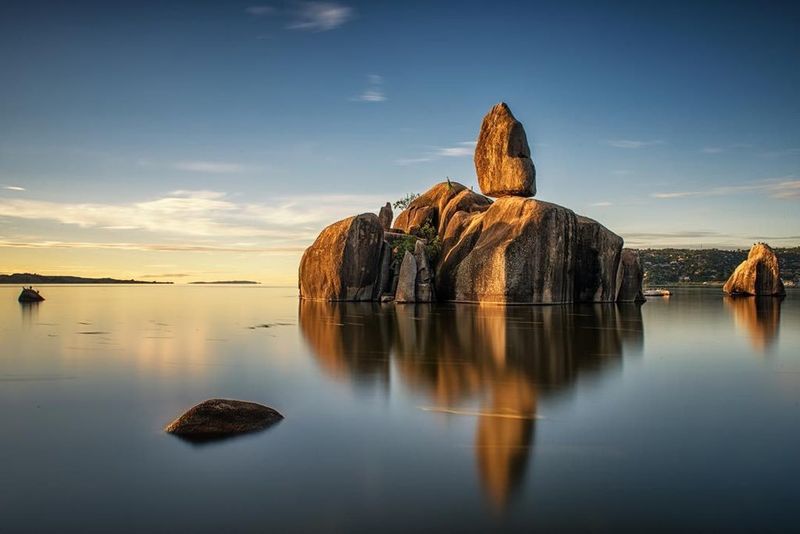
Imagine a lake so large that three countries share its shoreline — that is Lake Victoria for you. Covering about 68,800 square kilometers, it is the largest tropical lake in the world and Africa’s biggest lake overall.
Tanzania, Uganda, and Kenya all border its shores, and millions of people across the region depend on it for food, water, and livelihoods.
Lake Victoria is the main source of the White Nile, one of the two major tributaries of the Nile River. Water flowing from this lake has helped sustain civilizations for thousands of years.
Today, the lake supports one of the world’s largest freshwater fisheries, with fishing communities scattered all along its coastline.
The lake is not without its troubles, though. In the 1950s, the Nile perch was introduced into the lake, and it proceeded to wipe out hundreds of native fish species.
Pollution, overfishing, and invasive water hyacinth have added to the ecological pressure. Despite these challenges, Lake Victoria remains an economic lifeline for the region.
Efforts to manage its resources more sustainably are ongoing, with scientists and local governments working to restore balance to one of Africa’s most important ecosystems.
Great Bear Lake (Canada) – Largest Lake Entirely in One Country
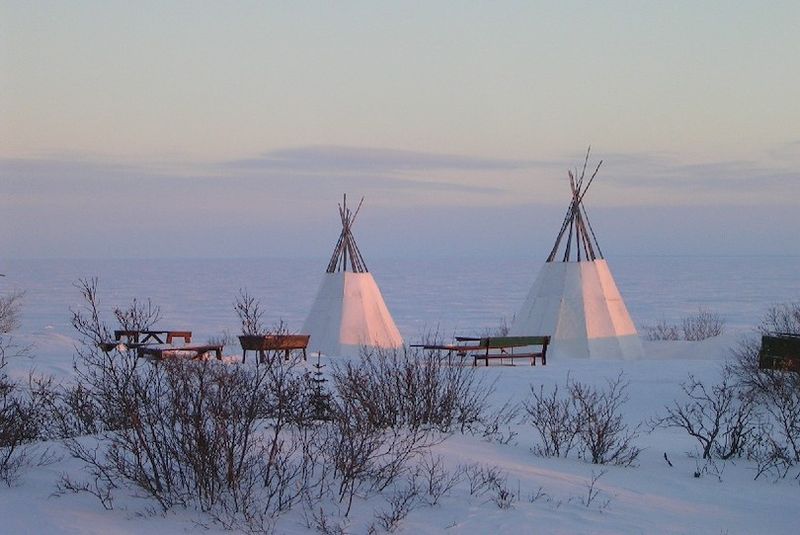
Out in Canada’s remote Northwest Territories, far from any major city, sits a lake so pristine it almost seems unreal. Great Bear Lake is the largest lake located entirely within a single country, covering about 31,153 square kilometers entirely within Canadian borders.
No border crossings, no shared jurisdiction — just one massive, crystal-clear lake belonging to Canada alone.
What sets Great Bear Lake apart from other large lakes is its extraordinary water clarity. Because so few people live near its shores and industrial activity in the area is minimal, the lake has remained largely untouched by pollution.
Visibility underwater can reach remarkable depths, giving it some of the clearest water of any large lake in the world.
The lake freezes over for about eight months of the year, and ice roads across its surface are used by local communities during winter. Despite its remote location, Great Bear Lake is a beloved destination for sport fishing.
Lake trout pulled from its depths are legendary among anglers, with record-breaking catches reported over the years. The Dene people have lived along its shores for thousands of years and continue to maintain a deep cultural connection to this remarkable and largely untouched corner of the natural world.
Lake Titicaca (Peru/Bolivia) – Highest Navigable Lake
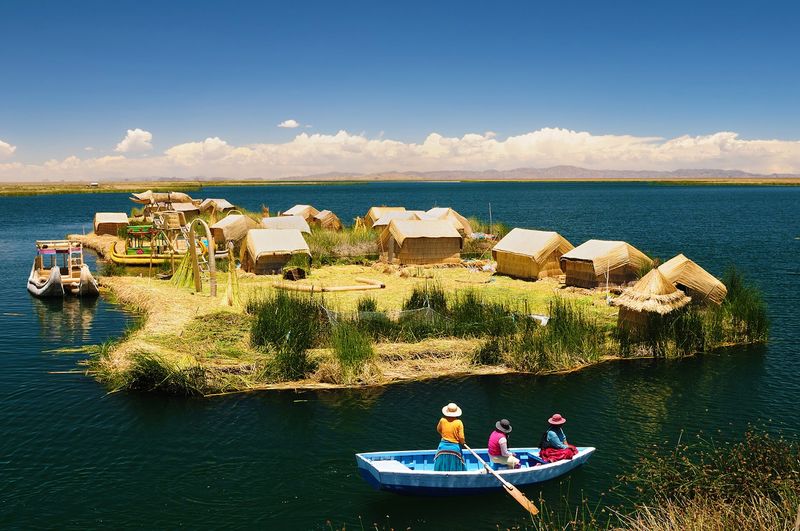
At 3,812 meters above sea level, Lake Titicaca sits so high in the Andes that first-time visitors often feel short of breath just standing on its shores. It holds the record as the highest commercially navigable lake in the world, meaning large boats can actually sail across it at an elevation where most people struggle to breathe normally.
That alone makes it one of the most extraordinary lakes on Earth.
Shared by Peru and Bolivia, Titicaca has been central to Andean culture for thousands of years. The Inca believed the lake was the birthplace of the sun and the origin of their civilization.
Today, the Uros people live on floating islands made entirely of totora reeds — a tradition that has continued for centuries and still draws curious visitors from around the globe.
The lake covers about 8,372 square kilometers and reaches depths of up to 281 meters. Despite its altitude, it supports a rich variety of wildlife, including the giant Titicaca water frog, which is endemic to the lake.
Tourism is a major industry in the region, with boat tours, cultural experiences, and stunning mountain scenery drawing hundreds of thousands of visitors every year to this unforgettable high-altitude wonder.
Lake Malawi (Africa) – One of the Most Biodiverse Lakes
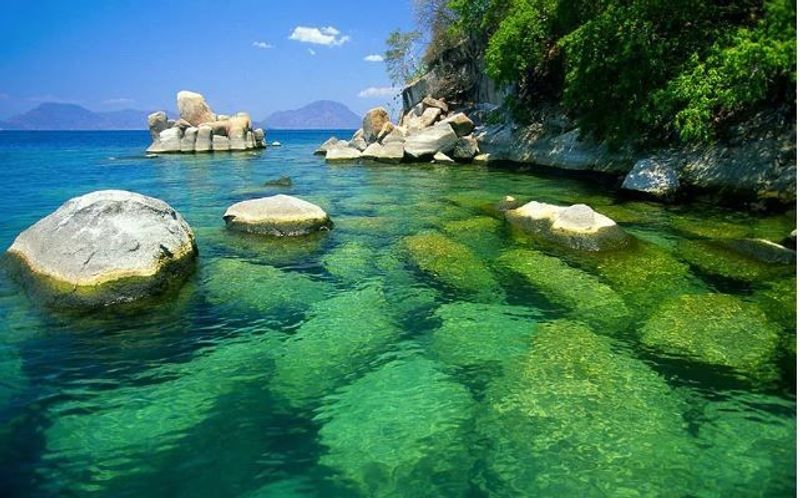
If you ever wanted to snorkel in a freshwater lake and feel like you were exploring a coral reef, Lake Malawi is the place. Known as the “calendar lake” because it is about 365 miles long and 52 miles wide, it holds more fish species than any other lake on Earth.
Scientists have recorded over 1,000 species of fish here, the vast majority of which are cichlids found absolutely nowhere else in the world.
Located in southeastern Africa and shared by Malawi, Tanzania, and Mozambique, the lake stretches about 560 kilometers and reaches depths of up to 706 meters. Its age — estimated between 1 and 2 million years — combined with its geographic isolation has driven an extraordinary burst of evolutionary diversity.
New species are still being discovered and described by researchers today.
Lake Malawi National Park, located at the southern end of the lake, became Africa’s first freshwater national park and is a UNESCO World Heritage Site. The park was created specifically to protect the lake’s unique fish populations.
Despite its ecological importance, the lake faces growing pressure from overfishing and climate-related changes in water temperature. Protecting Malawi’s biodiversity is now considered a global conservation priority by researchers and environmental organizations worldwide.
Crater Lake (USA) – Deepest Lake in the United States
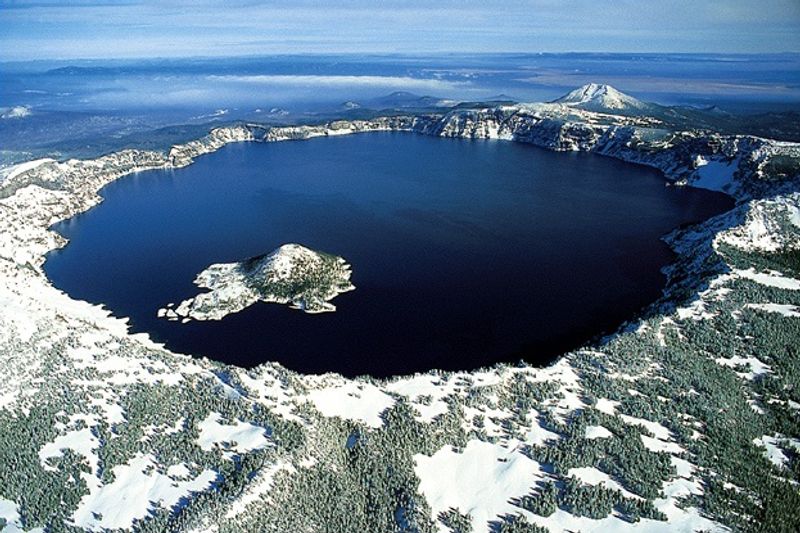
About 7,700 years ago, a massive volcano called Mount Mazama erupted so violently that it collapsed in on itself, leaving behind a deep bowl-shaped caldera. Over centuries, rain and snowmelt slowly filled it up, creating Crater Lake — the deepest lake in the United States at about 594 meters.
No rivers flow into or out of it, which is a big reason why its water is considered among the clearest and purest on the planet.
Located in southern Oregon, Crater Lake is famous for a shade of blue so deep and vivid that photographs of it almost look digitally enhanced. The color comes from the exceptional clarity of the water and the way sunlight interacts with it at great depths.
Visibility can extend to nearly 43 meters below the surface on a clear day.
Rising from the middle of the lake is Wizard Island, a small cinder cone volcano that formed after the original eruption. Visitors can hike to the rim of the caldera for sweeping views or take a boat tour to Wizard Island during summer.
Crater Lake National Park, established in 1902, is Oregon’s only national park. Its combination of volcanic history, breathtaking scenery, and crystal-clear water makes it one of America’s most awe-inspiring natural landmarks.
Lake Vostok (Antarctica) – Largest Subglacial Lake
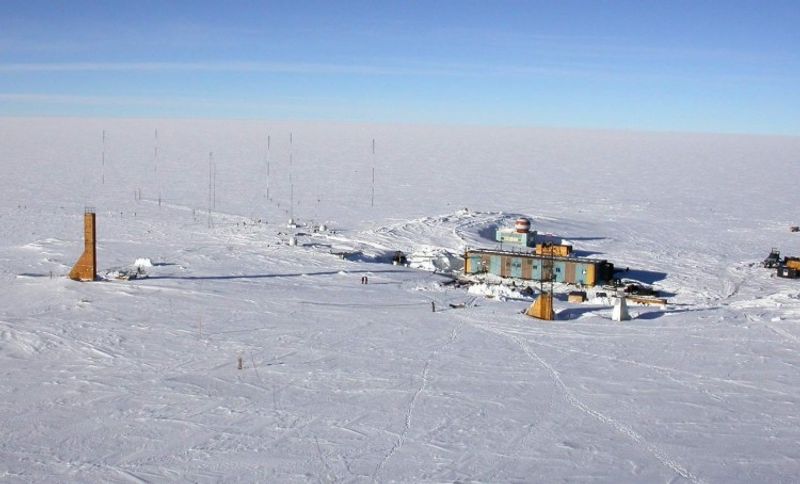
Hidden beneath nearly 4 kilometers of Antarctic ice lies one of the most mysterious places on Earth. Lake Vostok is the largest subglacial lake in the world, stretching about 250 kilometers long and 50 kilometers wide.
It has been sealed off from the surface for an estimated 15 to 25 million years, sitting in complete darkness under enormous pressure, yet liquid water persists thanks to geothermal heat rising from below.
Russian scientists drilling through the ice above it finally broke through to the lake’s surface in 2012, after more than two decades of work. The project was extraordinarily difficult — the drilling had to be done with extreme care to avoid contaminating a body of water that has been untouched for millions of years.
What they found when samples were analyzed raised eyebrows across the scientific community.
Microbial life appears to exist in Vostok’s isolated waters, surviving in conditions once thought too extreme to support any living organisms. This discovery has major implications for the search for life elsewhere in the solar system, particularly on icy moons like Europa and Enceladus.
Lake Vostok is not just a geographic record-holder — it is a window into what life might look like on other worlds entirely.



