 Unearth The Voyage
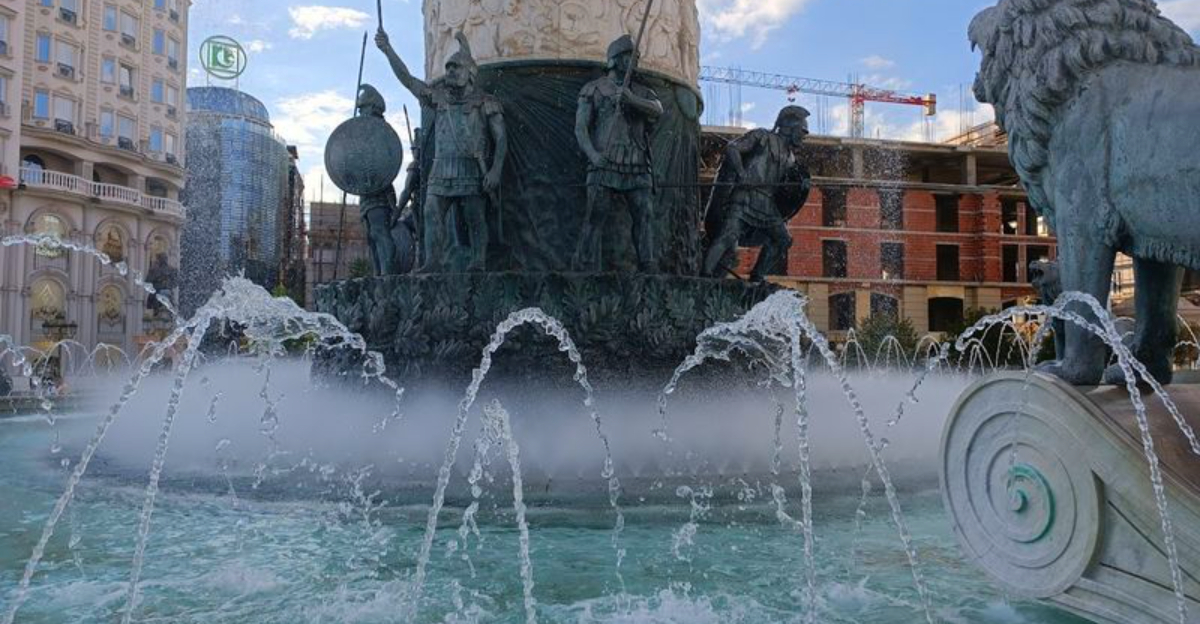
North Macedonia is a small but mighty country tucked in the heart of the Balkans, and it is absolutely bursting with history, culture, and natural beauty. From ancient lakeside towns to mountain villages frozen in time, this country has something special waiting around every corner.
Whether you are a history buff, a nature lover, or just someone who wants to eat great food and wander beautiful streets, North Macedonia delivers. These ten towns prove that big adventures do not always require big, famous destinations.
Ohrid
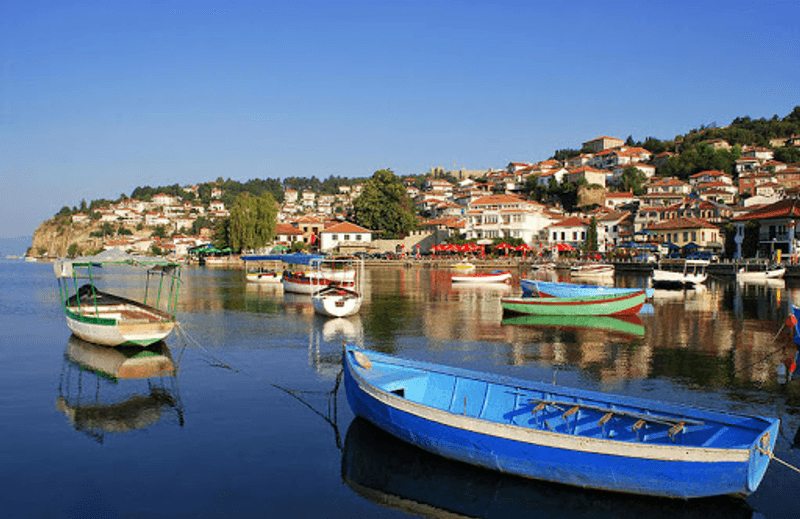
Sparkling water, ancient stone walls, and the smell of grilled fish drifting from lakeside restaurants — welcome to Ohrid, the undisputed crown of North Macedonia. Sitting prettily on the edge of one of Europe’s oldest and deepest lakes, this town has been charming visitors for centuries.
UNESCO recognized both the old town and the lake as World Heritage Sites, and honestly, it is easy to see why.
Samuel’s Fortress looms dramatically over the rooftops, offering jaw-dropping views that will make your phone storage fill up fast. Wander through cobbled streets lined with Byzantine churches, and stumble upon hidden courtyards that feel untouched by time.
The Church of Saint John at Kaneo, perched on a cliff above the lake, is one of the most photographed spots in the entire Balkans.
Come evening, the lakeside promenade buzzes with locals and travelers sharing cold drinks and warm conversations. Boat tours glide across the glassy water, revealing underwater archaeological sites and hidden beaches only reachable by sea.
Ohrid is not just a destination — it is an experience that stays with you long after you leave.
Bitola
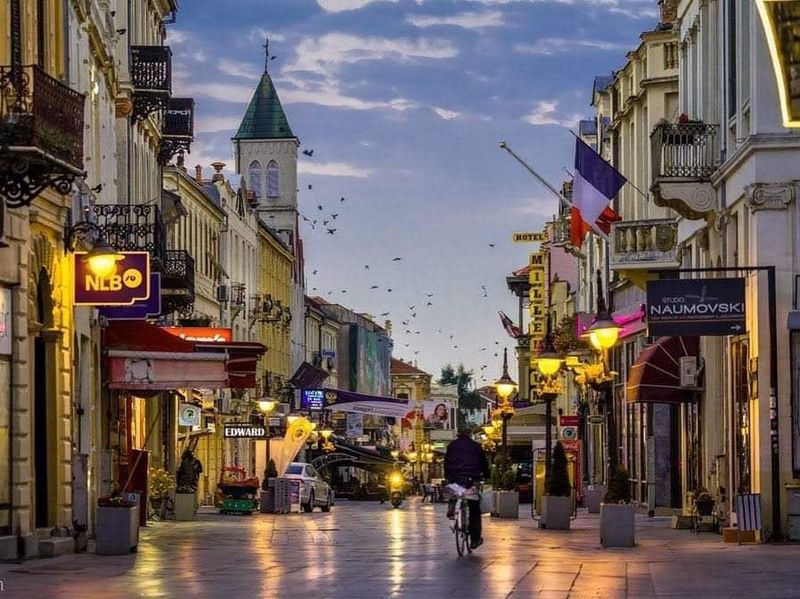
Bitola has a certain swagger that sets it apart from every other town in North Macedonia. Known locally as “the city of consuls,” it was once home to foreign diplomatic missions during the Ottoman era, and that cosmopolitan energy never quite left.
The architecture alone tells that story — grand facades, neoclassical columns, and ornate balconies that belong on a postcard.
Širok Sokak, the main pedestrian boulevard, is where Bitola truly comes alive. Café chairs spill onto the pavement, friends linger over espresso for hours, and boutique shops sit shoulder to shoulder with centuries-old buildings.
It is the kind of street where you sit down for a quick coffee and somehow lose three hours without regret.
Just outside town, the ancient ruins of Heraclea Lyncestis are genuinely spectacular. Roman mosaics stretch across the ground in vivid, intricate patterns that have survived nearly two thousand years.
Founded by Philip II of Macedon — yes, Alexander the Great’s father — this archaeological site adds serious historical weight to an already impressive city. Bitola rewards slow travelers who take the time to really look around.
Skopje
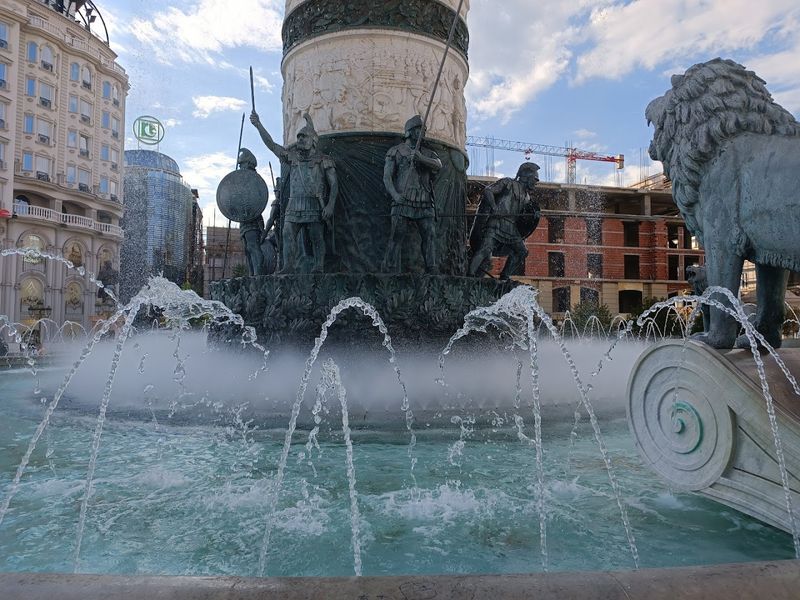
Nowhere in the Balkans quite prepares you for Skopje. The capital of North Macedonia is part ancient bazaar, part open-air museum, and part architectural fever dream — all packed into one surprisingly compact and walkable city.
It is the kind of place where you turn a corner expecting a café and find a Roman triumphal arch instead.
The Old Bazaar, one of the largest and best-preserved Ottoman bazaars in the region, is the beating heart of the city. Craftsmen still work in tiny workshops, selling everything from hand-hammered copper pots to embroidered textiles.
The Stone Bridge nearby has connected the two sides of the Vardar River for over five hundred years and remains one of the most iconic sights in the country.
Skopje’s newer monuments and statues, part of the ambitious Skopje 2014 urban project, give the city a theatrical, slightly surreal atmosphere that visitors either love or find fascinatingly odd. Museums, galleries, and rooftop bars add to the mix.
Whatever your opinion on the architecture, the energy of this city is undeniable and completely infectious. Give it a full day — you will wish you had given it more.
Kruševo
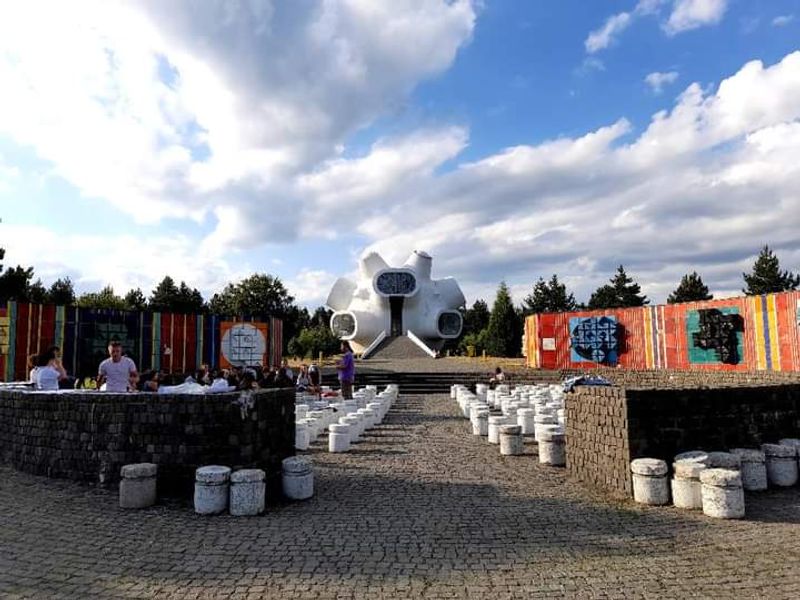
At 1,350 meters above sea level, Kruševo holds the title of the highest town in North Macedonia, and it wears that crown with quiet pride. The air up here is noticeably crisper, the views are ridiculously wide, and the colorful old houses stacked along the hillsides look like something painted by hand.
This place has an almost storybook quality that catches first-time visitors completely off guard.
Kruševo carries enormous historical weight for Macedonians. In 1903, it became the center of the Ilinden Uprising, a major rebellion against Ottoman rule that lasted just ten days but left a permanent mark on the national identity.
The Makedonium Memorial, a futuristic domed monument built in 1974, honors that uprising and looks like a spaceship landed on a mountain — in the best possible way.
The town’s traditional architecture is remarkably well preserved, with nineteenth-century mansions and stone churches tucked along winding lanes. Local artisans sell handmade crafts, and small restaurants serve hearty mountain food that warms you from the inside out.
Winter brings skiing, while summer offers hiking trails with panoramic rewards. Kruševo is compact, charming, and deeply meaningful to the people who call it home.
Struga
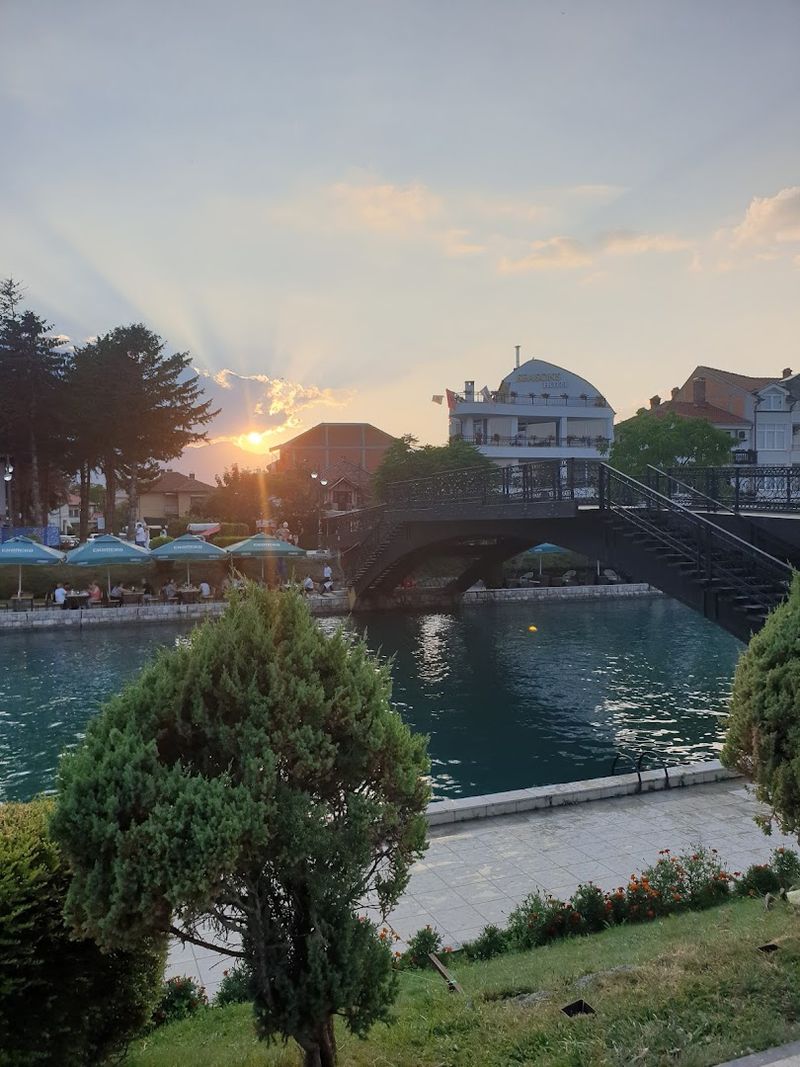
If Ohrid is the famous older sibling, Struga is the cooler, quieter one who actually has more interesting things to say. Sitting at the southern end of Lake Ohrid where the Black Drin River begins its journey toward Albania, Struga has a gentle, unhurried rhythm that immediately puts visitors at ease.
Fewer tour buses, more authentic cafés, and locals who genuinely seem happy to have you around.
The riverside promenade is one of the loveliest walks in the country. Weeping willows trail their fingers in the slow-moving water, wooden bridges connect the two banks, and small fishing boats bob lazily in the current.
In the evenings, the whole town seems to drift outside to enjoy the cool air drifting off the lake. It is the kind of scene that makes you want to cancel your return flight.
Struga also has a proud literary tradition. The World Poetry Evenings festival, held here annually since 1961, draws poets from across the globe and gives the town a surprisingly artsy, intellectual edge.
Old churches, a modest but charming old town, and easy access to Ohrid and the Albanian border make Struga a smart base for exploring the wider region. Do not skip it.
Kratovo
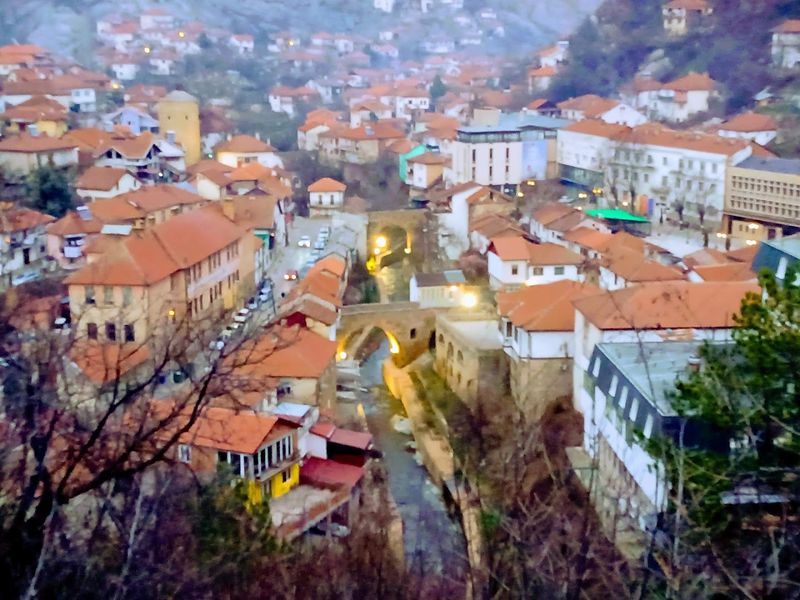
Built inside the crater of an extinct volcano, Kratovo might just be the most dramatically located town in the entire country. The crater walls form a natural bowl around the settlement, and medieval stone towers rise from the rim like sentinels watching over the centuries.
Walking through Kratovo genuinely feels like stepping into a fantasy novel — minus the dragons, unfortunately.
Six historic stone bridges arc over the rocky ravine that cuts through the town center, each one built during the Byzantine or Ottoman period. These bridges are not just decorative — locals still use them daily, which makes the whole scene feel wonderfully lived-in rather than museum-like.
The towers that punctuate the skyline were once used for defense and signaling, and several can still be climbed for remarkable views.
Kratovo was historically an important mining center, and traces of that metalworking heritage survive in local craft traditions. Tiny workshops still produce intricate filigree jewelry and handmade copperware that make genuinely unique souvenirs.
The town is also known for its scarecrow festival, which transforms the streets into a wildly creative open-air exhibition each summer. Quirky, atmospheric, and utterly photogenic — Kratovo is unlike anywhere else in North Macedonia.
Prilep
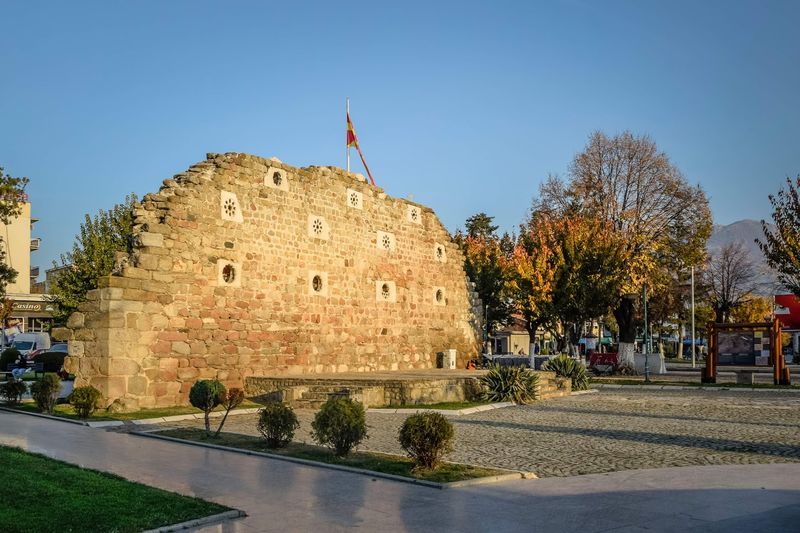
Giant boulders stacked like a giant’s toy blocks, a medieval fortress balanced on top, and a city sprawled below looking appropriately impressed — that is your first view of Prilep, and it does not disappoint. Marko’s Towers, the ruins of a fourteenth-century fortress associated with the legendary King Marko, dominate the skyline in a way that makes every other town’s historic landmark feel slightly ordinary by comparison.
The hike up to the fortress is short but rewarding, weaving between enormous granite rocks that glow amber in the afternoon sun. From the top, the plains of the Pelagonia valley stretch out endlessly in every direction, and on clear days you can see all the way to distant mountain ranges.
It is one of those views that makes the climb feel completely worth the effort.
Down in the city, Prilep has a lively, unpretentious character. It is famous throughout the country for tobacco production — the surrounding fields have supplied Macedonian tobacco for generations.
The nearby Treskavec Monastery, perched high on a rocky peak, is one of the most atmospheric religious sites in the region and welcomes overnight guests. Prilep is raw, rugged, and refreshingly real.
Travelers who wander off the beaten path will feel right at home here.
Berovo
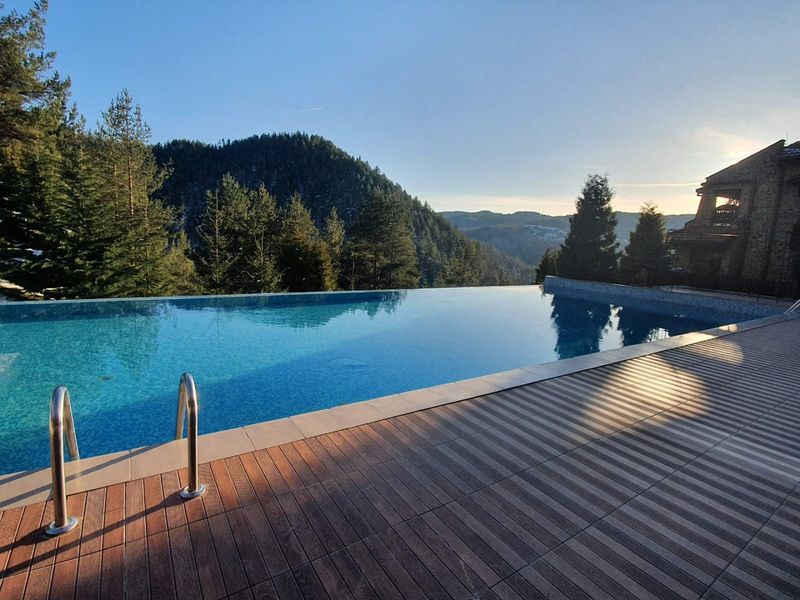
Some towns make you want to sightsee. Berovo makes you want to breathe.
Tucked into the forested folds of the Maleševo Mountains in eastern North Macedonia, this small town is a genuine escape from noise, crowds, and the general chaos of modern life. The pine forests here smell extraordinary, the air is clean enough to be almost medicinal, and the pace of life is refreshingly slow.
Berovo Lake is the star attraction, a tranquil reservoir surrounded by tall pines that reflect perfectly in the still water on calm mornings. Walking trails loop through the forest, and the area is popular with hikers, cyclists, and anyone who considers a wooden bench by a lake to be a perfectly acceptable afternoon plan.
In winter, the snow-covered landscape turns the whole region into a quiet, beautiful wonderland.
The town itself is known for its traditional woodworking crafts and produces some of the finest handmade furniture and decorative items in the country. Local restaurants serve hearty eastern Macedonian cuisine, with slow-cooked beans, smoked meats, and fresh dairy products that reflect the agricultural roots of the region.
Berovo is not flashy or famous, and that is precisely why it is so wonderful. Come here to recharge completely.
Kavadarci
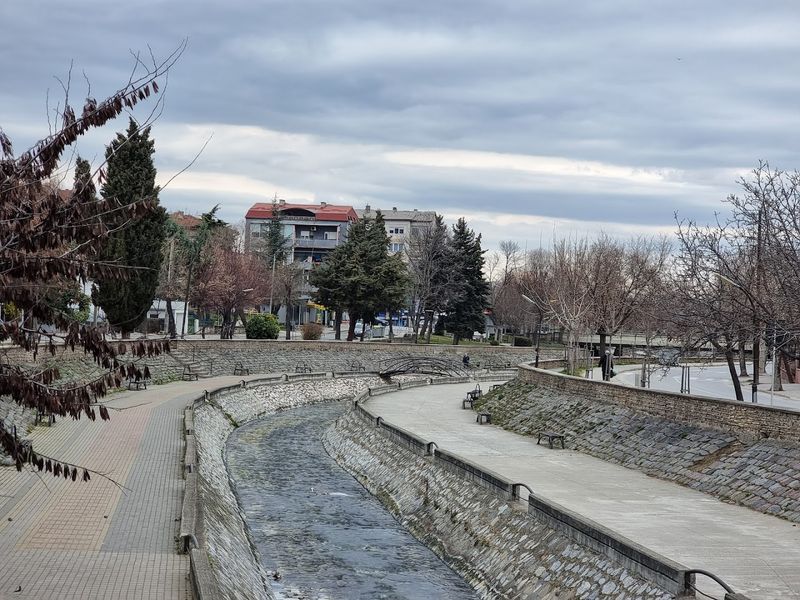
Raise a glass to Kavadarci — the capital of North Macedonia’s wine country and a town that takes its grapes very seriously. Sitting in the heart of the Tikveš wine region, which produces some of the most respected wines in the entire Balkans, this town is surrounded by vineyards that turn a gorgeous amber and crimson every autumn.
For anyone who appreciates good wine and great scenery, this is your kind of place.
Several major wineries operate in and around Kavadarci, including Tikveš Winery, one of the largest and oldest in the region. Many offer guided tours, barrel room visits, and tastings that showcase everything from robust reds to crisp whites produced from local grape varieties.
The Vranec grape, deep red and full-bodied, is the regional star and pairs beautifully with the smoky grilled meats served at local restaurants.
Beyond the wineries, Kavadarci offers access to Stobi, an impressive ancient Roman city located nearby where two rivers meet. Stobi features well-preserved mosaics, basilicas, and theater ruins that rival anything you would find at far more famous archaeological sites across Europe.
The combination of great wine, genuine history, and unhurried local hospitality makes Kavadarci a quietly brilliant stop on any Macedonian road trip.
Strumica
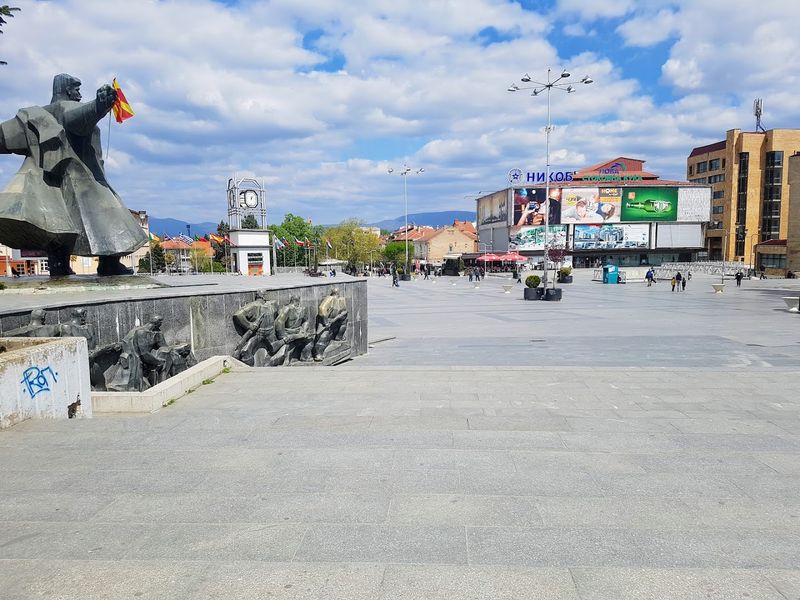
Every February, Strumica erupts into one of the wildest carnival celebrations in the entire Balkans. Elaborate costumes, thundering drums, masked processions, and thousands of revelers transform this southeastern city into a spectacular party that draws visitors from across the region.
If you happen to be in North Macedonia during carnival season and you skip Strumica, you will genuinely regret it.
Outside of festival season, the city has plenty going for its own merit. The surrounding landscape is lush and varied, with the Kolešino and Smolare waterfalls both within easy driving distance — Smolare being one of the highest waterfalls in the country and well worth the forest walk to reach it.
The Veljusa and Vodočа monasteries nearby offer peaceful, spiritually rich stops that contrast beautifully with the city’s energetic vibe.
Strumica itself is a comfortable, welcoming city with a strong local identity and a café culture that rivals anywhere in the country. The pedestrian zone buzzes with activity most evenings, and the ruins of an ancient fortress on the hill above town offer a rewarding climb and sweeping views across the fertile Strumica valley.
Warm, lively, and surprisingly full of things to do, this southeastern gem deserves far more attention than it typically receives.



