 Unearth The Voyage

Some artists become famous for just one song, but that does not mean their story ends there. Many so-called one-hit wonders used their moment in the spotlight as a launching pad for something even bigger.
From real estate empires to tech investments and Hollywood careers, these musicians proved that a single hit was just the beginning. Here is a look at ten artists who found remarkable success long after the charts moved on.
1. Norman Greenbaum – Spirit in the Sky (1969)
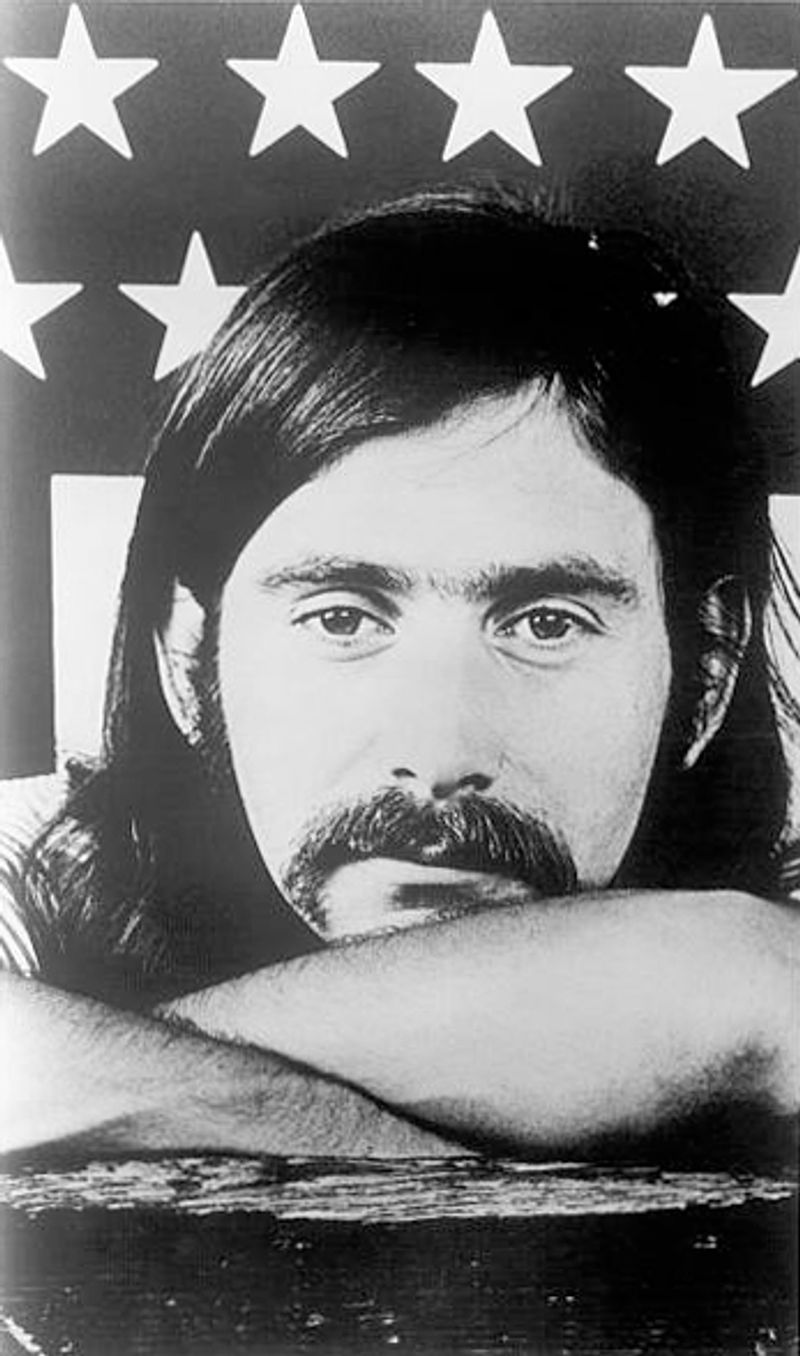
Back in 1969, a fuzzy guitar riff and gospel-tinged vocals launched Norman Greenbaum into music history. “Spirit in the Sky” became a global smash, and its success seemed almost accidental for this laid-back folk musician from Massachusetts.
What makes Greenbaum’s story truly remarkable is how quietly brilliant his financial moves were. Rather than chasing another hit, he invested his royalties wisely and stepped back from the spotlight.
That decision turned out to be genius.
The song never stopped earning. It has appeared in countless films, television commercials, and video games for over five decades.
Greenbaum reportedly lives comfortably on a small farm in California, collecting licensing checks without ever needing to record again. Sometimes the smartest career move is knowing when to walk away and let your art keep working for you long after the applause fades.
2. Vanilla Ice – Ice Ice Baby (1990)

When “Ice Ice Baby” became the first hip-hop single to top the Billboard charts in 1990, Robert Van Winkle — better known as Vanilla Ice — was everywhere. The frosted hair, the baggy clothes, the signature dance moves: he was impossible to ignore.
After the inevitable backlash faded, most people assumed his career was over. Instead, he quietly built something far more impressive than pop stardom.
He moved into real estate, buying, renovating, and flipping luxury homes across Florida with serious skill and business savvy.
His HGTV series “The Vanilla Ice Project” ran for multiple seasons and earned genuine respect from home renovation fans. He turned a punchline into a personal brand that actually works.
Vanilla Ice may be remembered for one song, but his second act proves that reinvention is possible when you put in real effort and stay focused.
3. Sir Mix-A-Lot – Baby Got Back (1992)
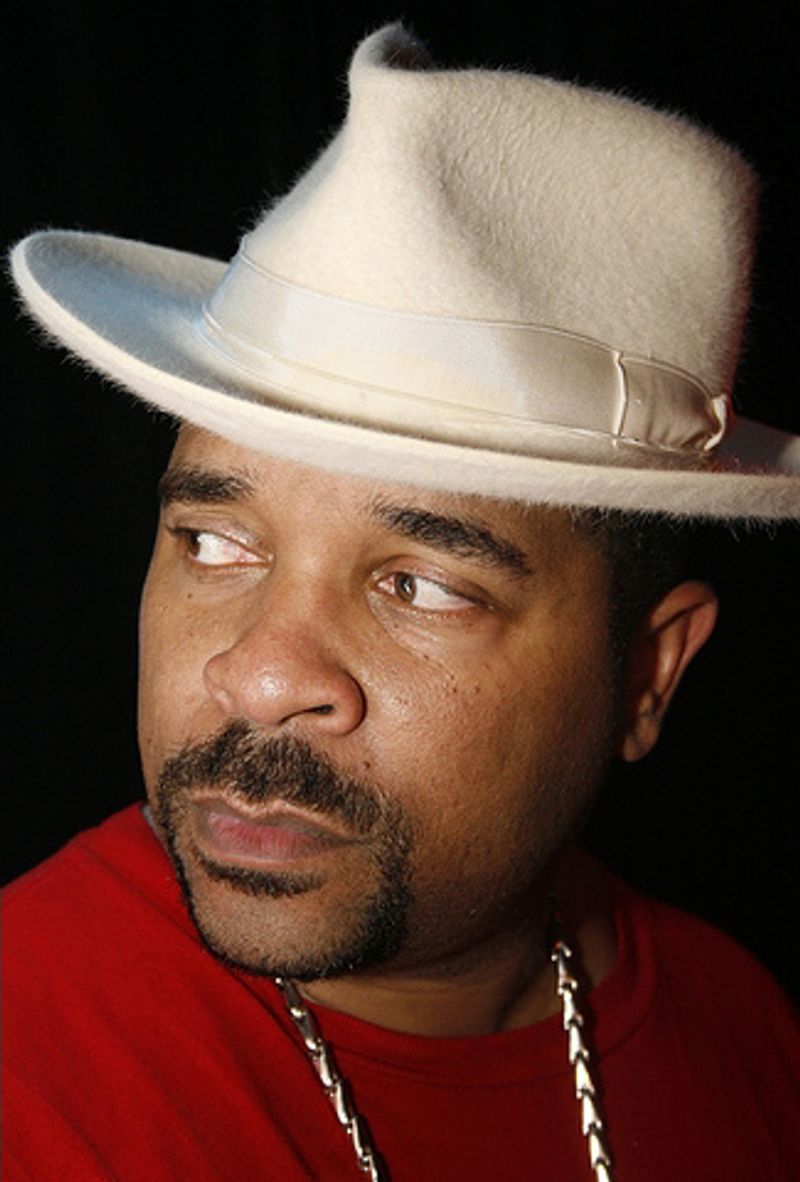
“Baby Got Back” is one of those songs that practically everyone on the planet recognizes within the first two seconds. Sir Mix-A-Lot took home a Grammy for the track in 1993, cementing his place in pop culture history with one gloriously unapologetic anthem.
What fewer people know is that Anthony Ray — his real name — had a sharp eye for technology and business long before it was fashionable for musicians to call themselves entrepreneurs. He became an early investor in internet ventures during the mid-1990s, when most artists were still figuring out what the internet even was.
He also remained deeply embedded in the Seattle business and arts community, collaborating on various media and music projects over the years. His story is a reminder that curiosity and forward thinking can carry a person far beyond whatever the radio is playing at any given moment.
4. MC Hammer – U Can’t Touch This (1990)
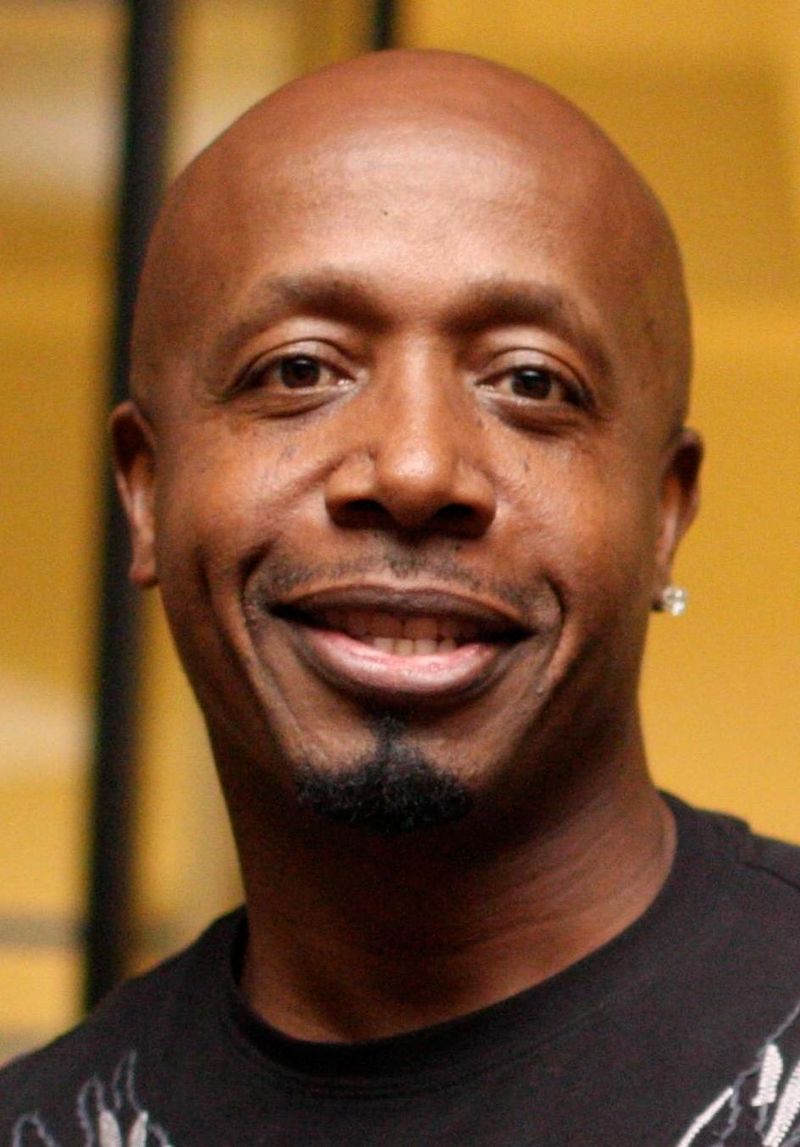
Few artists have ever commanded a stage quite like MC Hammer during his peak years. “U Can’t Touch This” was not just a hit — it was a cultural earthquake that made parachute pants briefly acceptable fashion choices for millions of people worldwide.
After financial troubles and public setbacks in the 1990s, Hammer could have disappeared entirely. Instead, he relocated to Silicon Valley and reinvented himself as a tech entrepreneur and startup advisor.
His genuine enthusiasm for technology earned him real credibility in that world.
He worked alongside major companies including Twitter and Square during their early growth phases, offering insights on branding and community engagement. Hammer also launched his own tech ventures and became a recognizable figure at industry conferences.
His journey from bankruptcy to boardroom is one of the most striking comeback stories in entertainment history, proving that hustle and adaptability are skills that never go out of style.
5. Gerardo – Rico Suave (1991)

“Rico Suave” was the kind of song that made you feel like summer had arrived early. Gerardo’s smooth pop-rap blend and undeniable charisma turned the track into a massive novelty hit in 1991, making him a familiar face on MTV for several glorious months.
When the spotlight moved on, Gerardo Mejia made a move that surprised nearly everyone. Rather than chasing radio play, he stepped behind the scenes and worked his way into the music industry as a professional.
His faith and personal convictions guided him toward a new purpose in the business.
He eventually landed a position as an A&R executive at Interscope Records, one of the most powerful labels in the world. In that role, he helped identify and develop major recording artists, shaping careers far bigger than his own ever was.
His path from performer to talent scout is an inspiring example of adapting your passion into lasting professional purpose.
6. Rick Astley – Never Gonna Give You Up (1987)
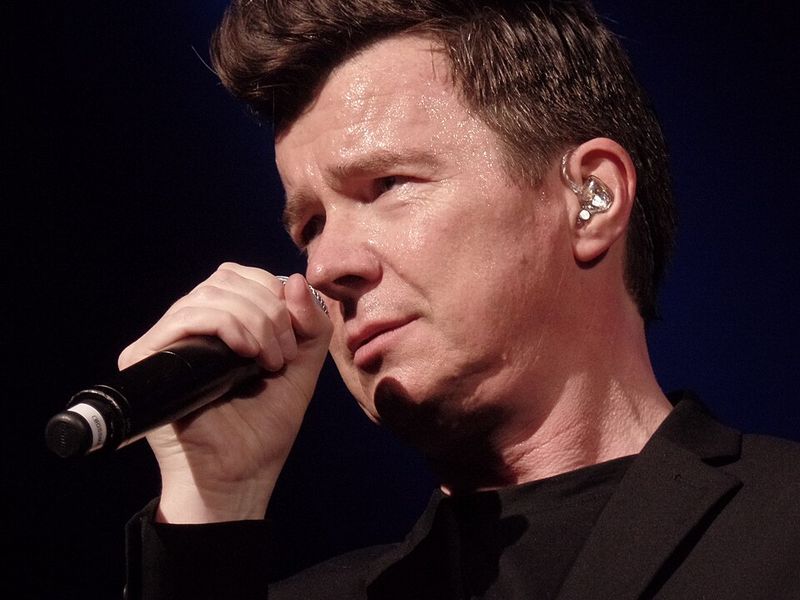
Few songs have had a stranger second life than “Never Gonna Give You Up.” Rick Astley recorded it in 1987, and it shot straight to number one in dozens of countries. Then, decades later, the internet turned it into the most famous prank in online history through a phenomenon known as Rickrolling.
Rather than being embarrassed by the meme, Astley embraced it with humor and grace, which endeared him to an entirely new generation of fans. He quietly continued recording and touring through the years, never fully disappearing from music the way many assumed he had.
His later albums received strong critical reviews, and his live shows consistently sold out across Europe and beyond. Astley’s ability to laugh at himself while continuing to grow as an artist made his career revival feel authentic rather than desperate.
He remains one of the most genuinely likable comeback stories in pop music history.
7. Afroman – Because I Got High (2000)

“Because I Got High” was the kind of accidental anthem that made Afroman a household name almost overnight in 2000. The lo-fi comedy rap track spread like wildfire before social media even existed, which says everything about how irresistibly catchy and funny it was.
What followed was not a major label deal or a blockbuster follow-up single. Instead, Afroman Joseph Foreman quietly built something more durable: a fully independent business model that put him in control of everything he created.
He runs his own record label, manages his own merchandise operation, and monetizes his viral content directly without needing a middleman. His approach has become something of a blueprint for independent artists navigating the digital age.
By owning his masters and his brand outright, Afroman earns income on his own terms. His story proves that financial independence and creative freedom can matter more than chasing mainstream fame.
8. Toni Basil – Mickey (1981)
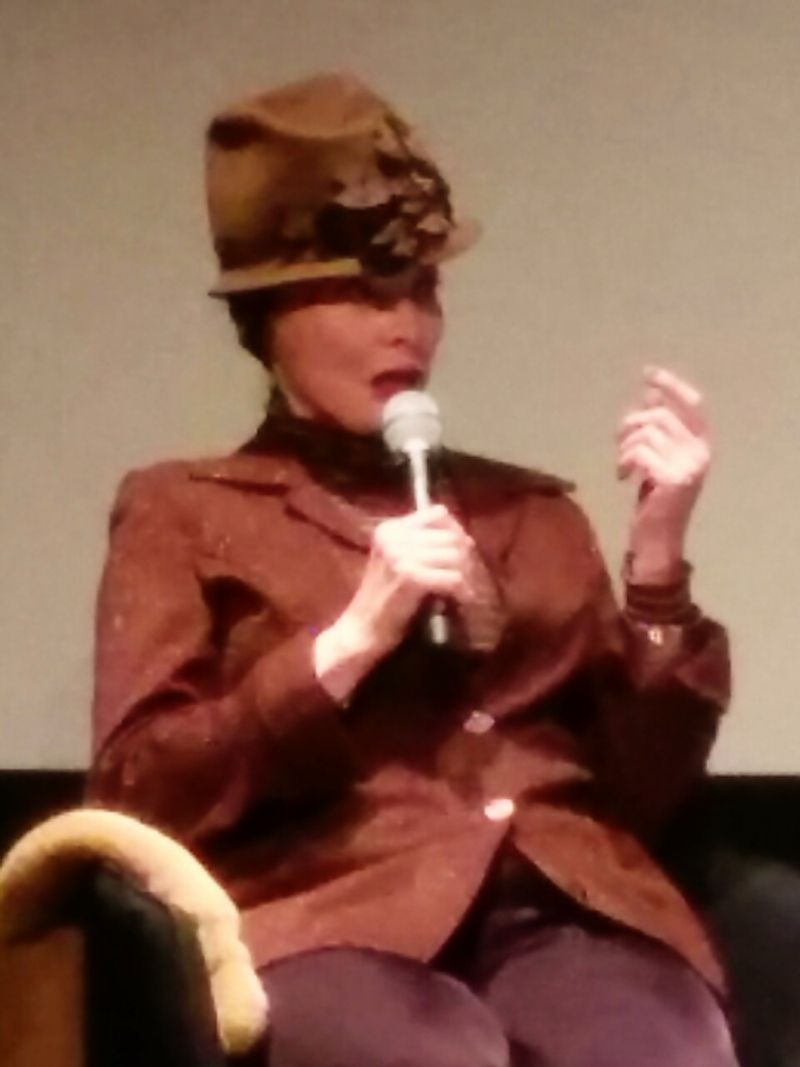
Before “Mickey” turned her into a pop sensation in 1981, Toni Basil was already one of the most respected choreographers working in Hollywood. The cheerleader-themed song and its iconic music video showcased her background in dance, but most listeners had no idea just how deep her creative resume already ran.
After the pop moment passed, she returned to what she had always done best. Basil worked as a choreographer and director for some of the most influential artists and productions of the late twentieth century, collaborating with David Bowie and Talking Heads on landmark visual projects.
Her work behind the camera shaped how music videos and live performances looked during a transformative era in entertainment. She also contributed choreography to major Hollywood films.
Toni Basil is proof that sometimes the biggest hit of your career is just a brief interruption from the real work you were always meant to do.
9. Dexys Midnight Runners – Come On Eileen (1982)
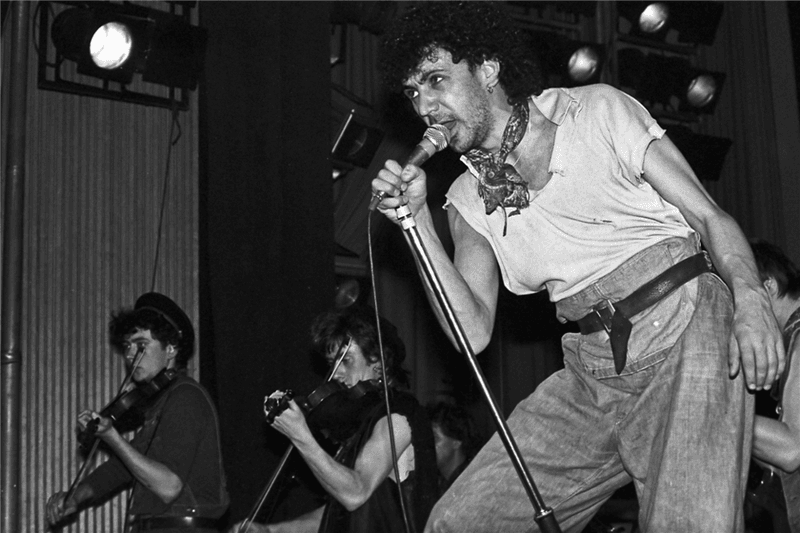
“Come On Eileen” is one of those songs that could fill any dance floor on earth the moment those opening notes begin. Dexys Midnight Runners, led by the fiercely passionate Kevin Rowland, delivered one of the most joyful and unusual pop records of the entire 1980s, blending Celtic folk energy with raw soul music in a way nobody had heard before.
Commercial success on that scale rarely lasts, and Dexys experienced the inevitable drop-off that follows most chart-topping moments. But Rowland never stopped creating.
He continued releasing music and performing with genuine artistic conviction, even during years when public interest was limited.
Critics and fellow musicians consistently respected his commitment to craft over commercial appeal. The band has reunited multiple times over the decades, always drawing devoted audiences who appreciate the emotional depth behind the music.
Rowland’s career is a quiet testament to artistic integrity outlasting any single moment of mainstream popularity.
10. Gotye – Somebody That I Used to Know (2011)

“Somebody That I Used to Know” was one of the defining songs of the early 2010s. Gotye, the Belgian-Australian musician born Wouter De Backer, created a track so emotionally precise and sonically distinctive that it topped charts in over twenty countries and earned multiple Grammy Awards.
Then he did something almost unheard of for a musician at that level of fame: he deliberately stepped away from mainstream success. Rather than chasing a follow-up hit, he turned his attention toward experimental music, archival projects, and independent label work that genuinely excited him.
Gotye runs record label ventures focused on preserving and sharing underground and avant-garde music, curating sounds that most commercial audiences will never hear. His choice reflects a rare kind of artistic courage prioritizing creative fulfillment over chart positions.
His story challenges the idea that success must always look like fame, and reminds us that passion-driven work carries its own quiet reward.



