Food is one of the most powerful windows into a country’s culture, and nothing tells that story quite like the meat on the plate. From smoky Argentine grills to steaming Japanese ramen pots, the world’s most popular meats are shaped by history, religion, farming traditions, and local taste.
Some countries are loyal to pork, others swear by chicken, and a few have built entire national identities around a single cut of beef. Get ready for a flavorful trip around the globe as we explore the most consumed meats by country.
China — Pork
China doesn’t just eat pork — it practically runs on it. The country consumes roughly half of the entire world’s pork supply every single year, a number so staggering it’s hard to wrap your head around.
That’s more pork than any other nation, by a landslide.
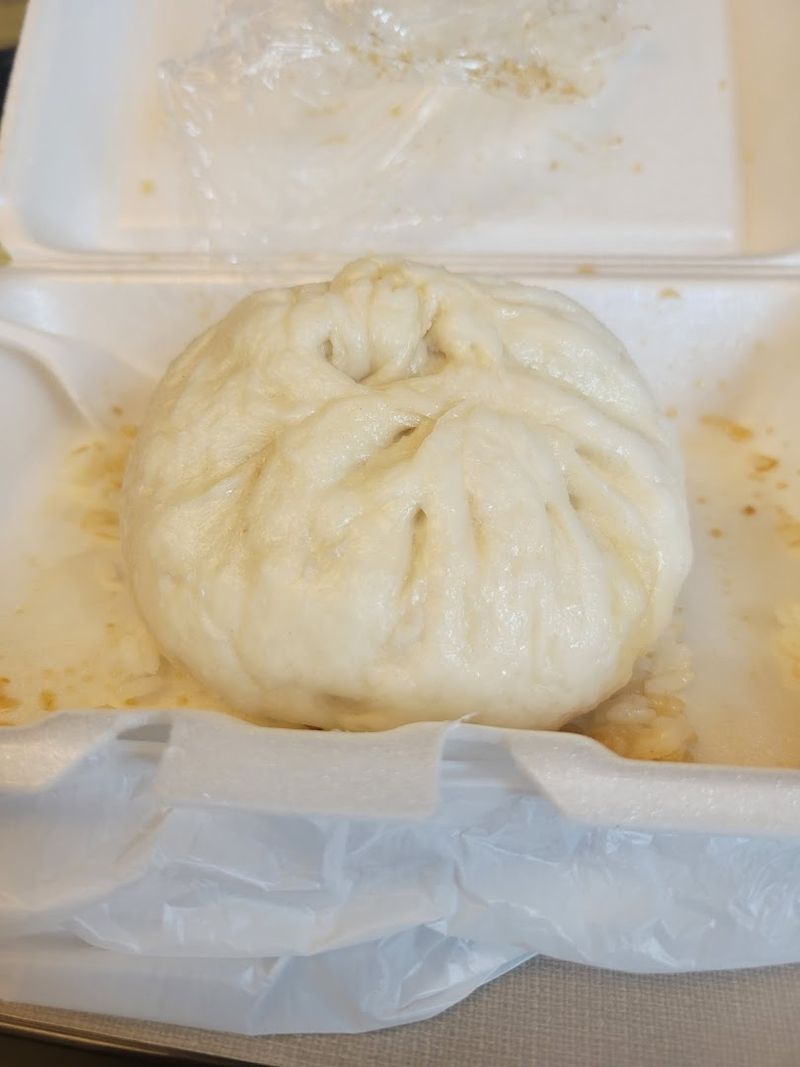
Pork has been central to Chinese cooking for thousands of years. From silky red-braised pork belly to crispy char siu hanging in restaurant windows, the pig shows up in almost every regional cuisine across the country.
It’s comfort food, celebration food, and everyday food all at once.
Even the Chinese word for “meat” historically referred specifically to pork, which tells you everything about its cultural weight. During Lunar New Year and other major festivals, pork dishes take center stage on the family table.
Farmers, city dwellers, and grandmothers across 1.4 billion people all share this one delicious common ground. When China sneezes in the pork market, the whole world catches a cold in bacon prices.
United States — Chicken

Americans eat a jaw-dropping 100 pounds of chicken per person every single year, and honestly, that number feels about right. Walk down any grocery store aisle, scroll through any food delivery app, or glance at any restaurant menu, and chicken is everywhere.
It quietly took over the American diet and never looked back.
Chicken surpassed beef as the top consumed meat in the U.S. back in the 1990s, driven by health trends, lower prices, and sheer versatility. You can fry it, bake it, grill it, shred it into tacos, or stuff it into a sandwich.
Few proteins are as agreeable as a well-seasoned chicken breast or a perfectly roasted whole bird.
Fast food played a massive role in this rise. Chains like Chick-fil-A, KFC, and Popeyes turned chicken into a national obsession.
The chicken sandwich wars of 2019 broke the internet and proved that Americans take their poultry seriously. From Sunday roast dinners to weeknight stir-fries, chicken is the reliable, crowd-pleasing backbone of the American dinner table.
Argentina — Beef
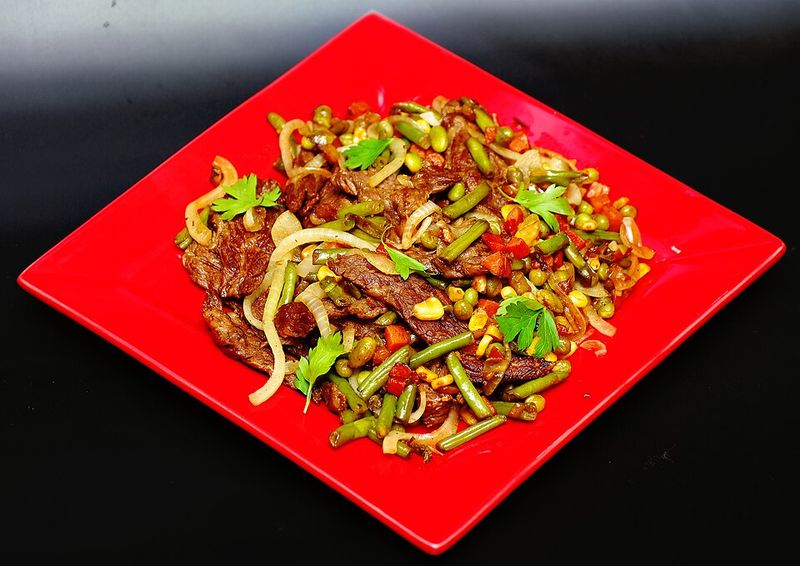
Smoke rising from a wood fire, a whole rack of ribs slowly caramelizing over glowing embers — that’s not just dinner in Argentina, that’s a way of life. The asado is Argentina’s most sacred culinary tradition, and it revolves entirely around beef.
Argentines don’t just cook meat; they perform it.
Argentina has long been one of the world’s top beef consumers per capita, thanks to the vast, fertile Pampas grasslands that make cattle farming ideal. The country’s cattle are largely grass-fed, which gives the beef a rich, distinctive flavor that locals and food tourists rave about.
A proper Argentine steak needs very little seasoning because the quality speaks for itself.
Cuts like asado de tira (short ribs), vacío (flank), and entraña (skirt steak) are grilled low and slow by the asador, the designated grill master who holds a place of serious honor at any gathering. Beef is so woven into Argentine identity that skipping the asado at a family reunion would be as unthinkable as skipping the birthday cake.
This is a country where beef isn’t just food — it’s culture, pride, and weekend ritual all fired up together.
Spain — Pork
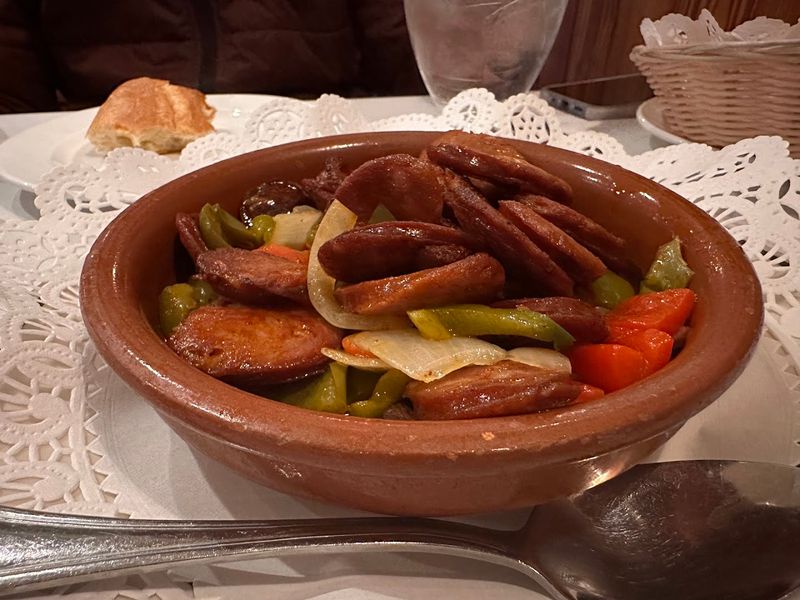
Few countries celebrate the pig with as much passion, precision, and sheer artistry as Spain. Spanish pork culture goes far beyond sausages and chops — it is a centuries-old tradition built on craft, patience, and regional pride.
And at the very top of that tradition sits the legendary jamón ibérico.
Jamón ibérico de bellota comes from black Iberian pigs that roam oak forests and feast on acorns before slaughter. The resulting ham is aged for up to four years, producing a buttery, nutty, deeply complex flavor that chefs and food lovers around the world obsess over.
A single leg can cost hundreds of euros, and people think it’s worth every cent.
Beyond jamón, Spain produces an incredible range of pork products. Chorizo, morcilla, lomo embuchado, and sobrasada fill the shelves of every market and tapas bar in the country.
Roasted suckling pig, called cochinillo, is a centerpiece dish in Castile that draws visitors from across the globe to restaurants in Segovia. Spain consumes more pork per person than almost any other European nation, and its citizens wouldn’t have it any other way.
The pig, in Spain, is practically royalty.
India — Chicken
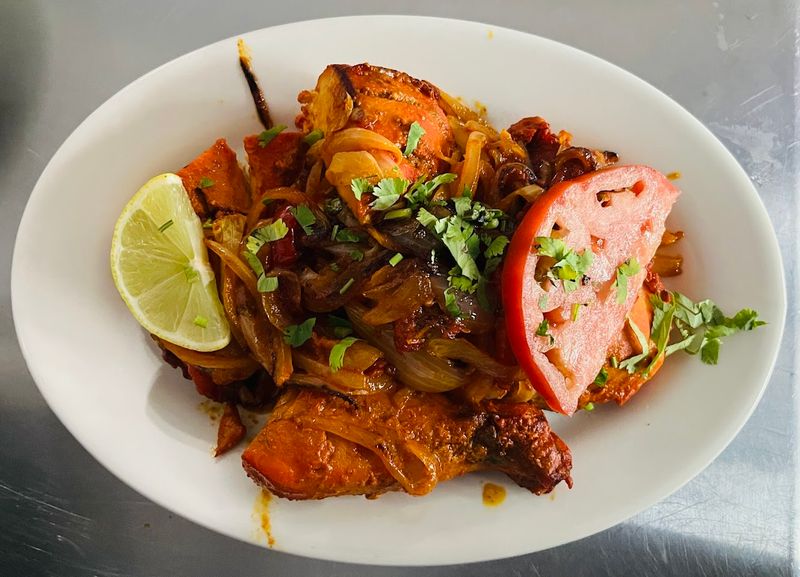
With a population of over 1.4 billion people and a deeply complex web of religious dietary rules, India’s meat landscape is unlike anywhere else on Earth. Hindus traditionally avoid beef, Muslims avoid pork, and many Indians are vegetarian altogether.
So what fills the gap for meat-eaters across the country? Chicken, almost every time.
Chicken has no significant religious restrictions for most of India’s major communities, making it the most widely accepted and widely consumed meat in the country. Its popularity has exploded over the past few decades as incomes rose, urbanization spread, and fast food chains expanded into smaller cities and towns.
Chicken tikka masala, butter chicken, and biryani are now staples in homes and restaurants from Mumbai to Chennai.
Indian chicken dishes are bold, fragrant, and layered with spice in ways that make every region’s version feel like a completely different experience. A Chettinad pepper chicken from Tamil Nadu tastes nothing like a Kashmiri-style yakhni.
The tandoor oven alone has produced some of the most iconic chicken dishes the world has ever tasted. Chicken in India isn’t just the most popular meat; it’s a canvas for one of the world’s greatest cooking traditions.
Australia — Chicken

Australia might be world-famous for its beef and lamb, but chicken quietly claimed the top spot on the national plate years ago. Today, Australians consume more chicken per person than any other meat, a shift that happened gradually as health awareness grew and household budgets tightened.
The humble chook, as Australians affectionately call it, won the protein wars down under.
Affordability is a huge factor. A whole rotisserie chicken from the supermarket is one of the best-value meals a family can buy, which is why the hot chook section at Woolworths and Coles is one of the busiest spots in any store on a weeknight.
Australians also love chicken in wraps, salads, curries, and on the backyard barbie alongside a cold drink.
The country’s multicultural food scene has also pushed chicken to the forefront. Vietnamese pho with chicken, Japanese karaage, Indian butter chicken, and Middle Eastern shawarma all feature the bird as a star.
Australian food culture is wonderfully diverse, and chicken adapts to every cuisine it meets. Whether it’s a fancy restaurant dish or a quick Tuesday dinner, chicken fits the Australian lifestyle like a perfectly seasoned drumstick fits a hungry hand.
Japan — Pork
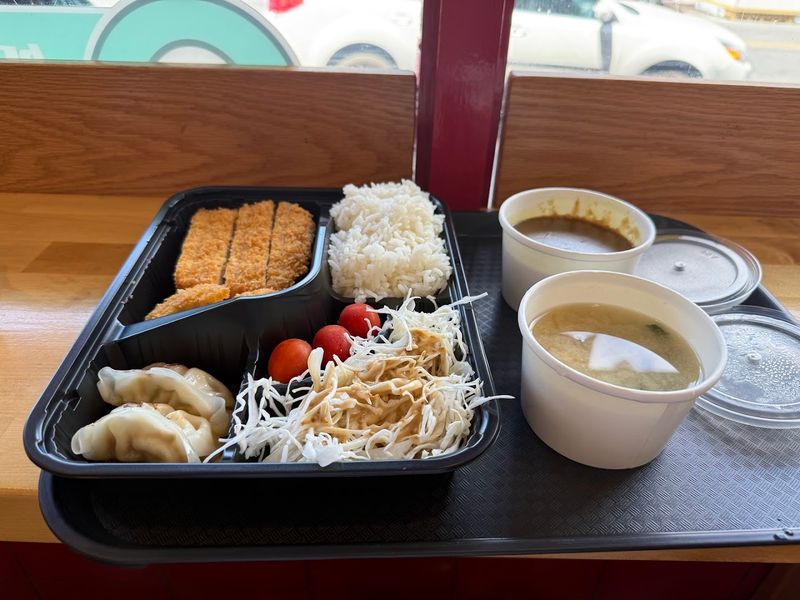
Japan is globally celebrated for its seafood, but the country’s real everyday protein hero is pork. Walk into almost any ramen shop in Japan and you’ll find a rich, milky tonkotsu broth that has been simmering pork bones for up to 18 hours.
That depth of flavor is pork doing what pork does best: turning patience into pure deliciousness.
Tonkatsu is another national treasure — a thick pork cutlet breaded in panko crumbs, fried to a perfect golden crunch, and served with shredded cabbage and a tangy brown sauce. It’s the kind of meal that shows up in school lunch memories, late-night cravings, and restaurant menus from Hokkaido to Okinawa.
Japan has turned the pork cutlet into an art form.
Pork also stars in yakibuta (braised pork), gyoza dumplings, and shabu-shabu hot pot. Japanese pork breeds like Kagoshima Kurobuta, a black Berkshire pig, are prized for their exceptional marbling and sweetness.
Chefs and home cooks alike treat the selection of pork with the same care and attention that wine lovers give to a vintage bottle. In Japan, eating well means, very often, eating pork.
Saudi Arabia — Chicken
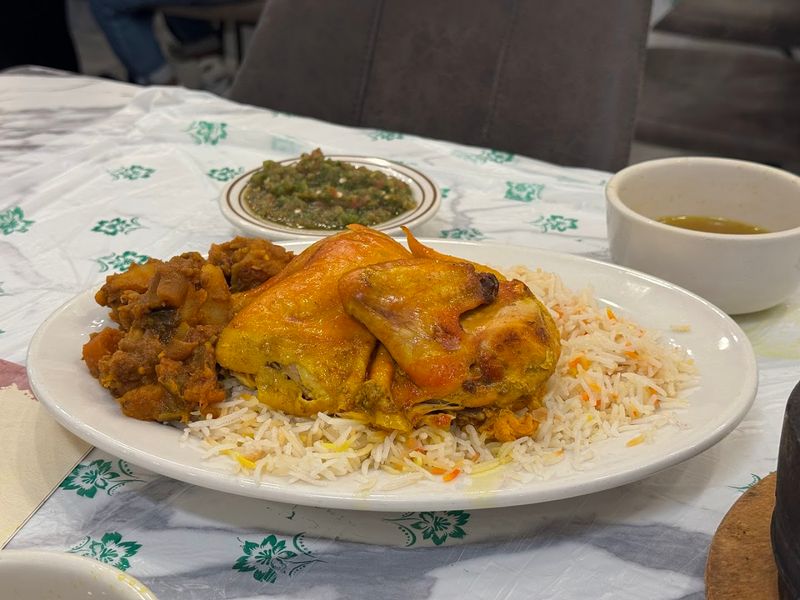
Saudi Arabia’s most beloved national dish, kabsa, tells you everything you need to know about the country’s relationship with chicken. This fragrant, spiced rice dish topped with a whole roasted chicken is served at family gatherings, celebrations, and everyday meals across the kingdom.
It’s comfort food with cardamom, and it reigns supreme.
Pork is completely absent from Saudi Arabian diets due to Islamic dietary law, which automatically narrows the field for popular meats. Lamb and camel have cultural significance, but chicken wins on sheer volume because it is affordable, widely available, and suits the bold spice profiles of Saudi cooking beautifully.
The poultry industry in Saudi Arabia has grown enormously to meet domestic demand.
Fast food culture has also accelerated chicken’s dominance. Saudi Arabia has one of the highest rates of fast food consumption in the world, and major chains like Al Baik, a beloved local fried chicken brand, have cult followings that rival any global chain.
Al Baik’s garlic sauce alone has inspired fan pages and cross-country road trips. Whether it’s slow-cooked in saffron broth or dunked in hot sauce at a drive-through window, chicken is undeniably the meat that Saudi Arabia runs on.
Mongolia — Lamb and Mutton
Out on the sweeping grasslands of Mongolia, where the wind never stops and the horizon stretches forever, sheep outnumber people by a wide margin. That’s not an accident.
Mongolian nomadic culture has revolved around sheep and goats for thousands of years, and mutton is not just a food preference here — it is survival, tradition, and identity rolled into one wool coat.
Mongolia has one of the highest rates of sheep and goat meat consumption per person anywhere in the world. The harsh continental climate, with blistering winters that can drop below minus 40 degrees, makes fatty, calorie-rich mutton an essential energy source.
Mongolian cooking doesn’t rely on heavy spices or complex sauces. The meat is the star, and it’s prepared simply to let the natural flavor shine through.
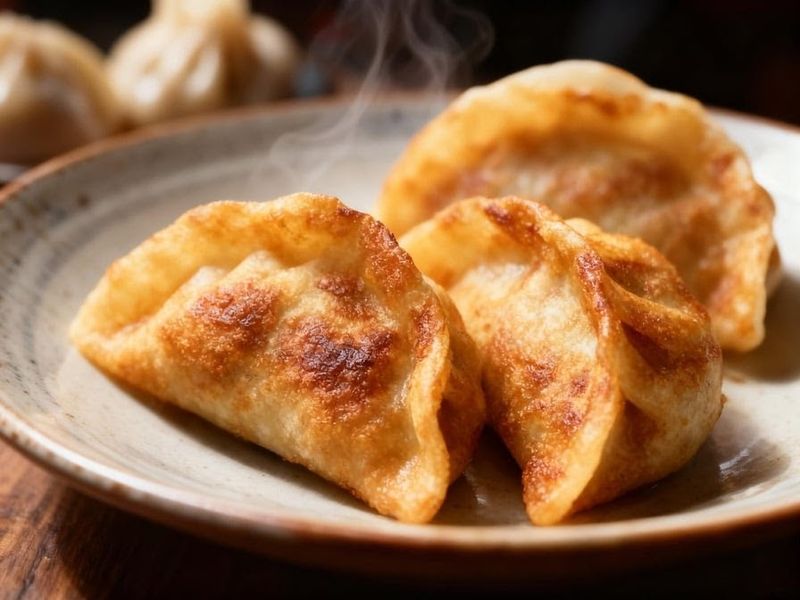
Khorkhog, a dish where lamb is slow-cooked in a sealed metal pot with hot stones, is considered one of Mongolia’s greatest culinary achievements. Buuz, steamed dumplings filled with minced mutton, are eaten in enormous quantities during Tsagaan Sar, the Mongolian New Year.
Every part of the sheep is used, reflecting a culture of deep respect for the animal that has sustained Mongolian families across centuries of nomadic life on the steppe.
Germany — Pork
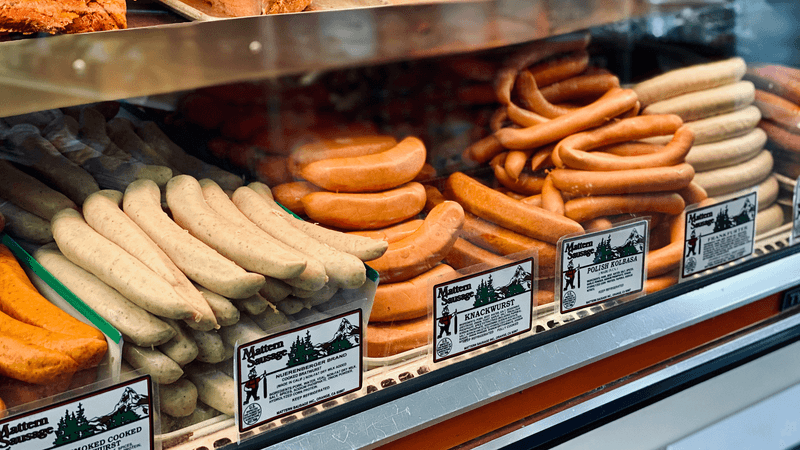
Germany takes its pork so seriously that it has over 1,500 registered sausage varieties, and that’s not even counting the regional ones that never made the official list. This is a country where the pork knuckle is a pub classic, where bratwurst has its own fan clubs, and where schnitzel debates between Vienna and Munich can get surprisingly heated.
Pork, in Germany, is a national institution.
Schweinshaxe, the slow-roasted pork knuckle with crackling skin, is one of the most iconic dishes in Bavarian cuisine. It’s the kind of meal that arrives at the table looking almost theatrical, with a golden crust that shatters on contact and tender meat falling off the bone beneath.
Pair it with a cold lager and a pile of sauerkraut, and you have one of Europe’s great dining experiences.
Germany is consistently among Europe’s top pork consumers and producers. Wurst culture is so embedded in German life that sausages are eaten at breakfast, as street food, at football stadiums, and at Christmas markets.
Leberkäse, blutwurst, and weisswurst each have their own devoted regional followings. Germany doesn’t just consume pork — it has elevated it into a craft that generations of butchers have spent lifetimes perfecting.
Share this story