Not every dream destination lives up to the hype. Travelers spend months saving money and planning trips, only to arrive and find overcrowded streets, sky-high prices, and attractions that look far better on Instagram than in person.
Certain cities keep popping up in traveler reviews and tourism surveys as places that left visitors feeling let down. Whether it is the gap between expectation and reality or simply too many tourists packed into one spot, these cities have earned their spot on the most disappointing list.
Cancun, Mexico
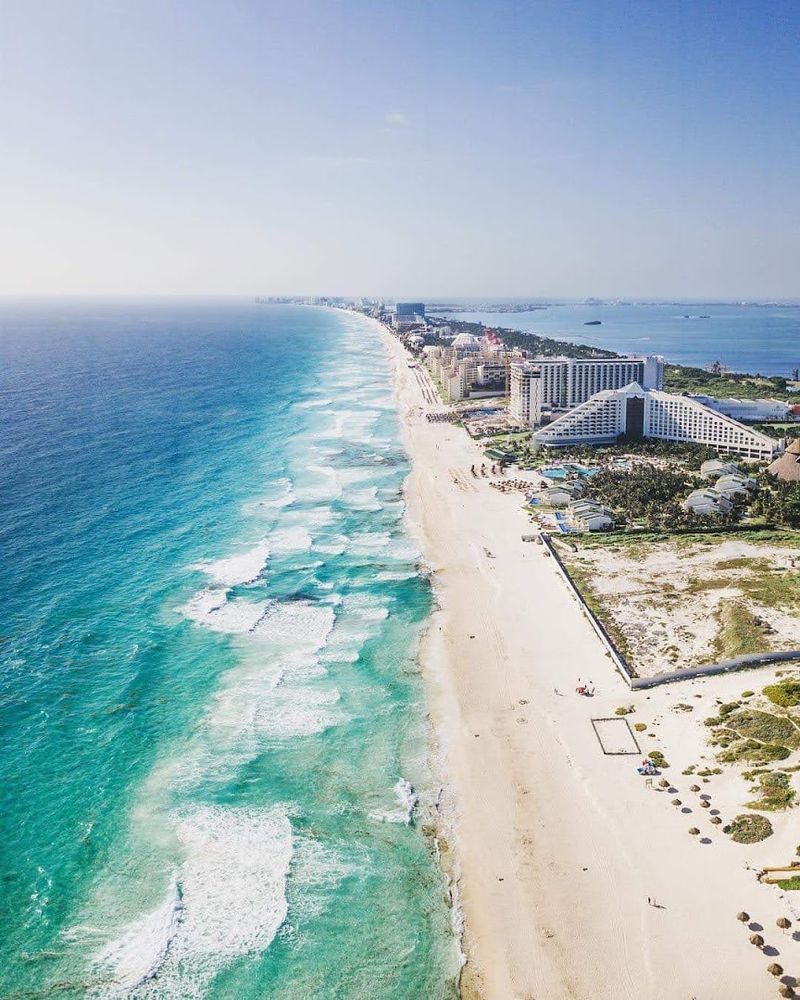
Cancun shows up on disappointment lists so often it practically has a reserved seat. A massive analysis of over 97,000 traveler reviews flagged it as one of the world’s most underwhelming tourist destinations, and the reasons are pretty consistent across the board.
The beaches are beautiful, no argument there. But the Hotel Zone, which is where most tourists spend their entire trip, can feel more like a strip mall than a Mexican destination.
Chain restaurants, aggressive timeshare salespeople, and souvenir shops selling the same plastic trinkets dominate the landscape. Many travelers leave without ever experiencing authentic Mexican culture, food, or community.
Prices for food and excursions inside the resort corridor are surprisingly high for a country known for affordability. Beaches get packed during spring break and holiday seasons, turning relaxation into a contact sport.
Visitors who venture beyond the Hotel Zone into downtown Cancun often report a completely different and far more rewarding experience. The lesson here is simple: if you stay only where the brochure tells you to, you might miss the actual country you flew to visit.
Dubai, United Arab Emirates
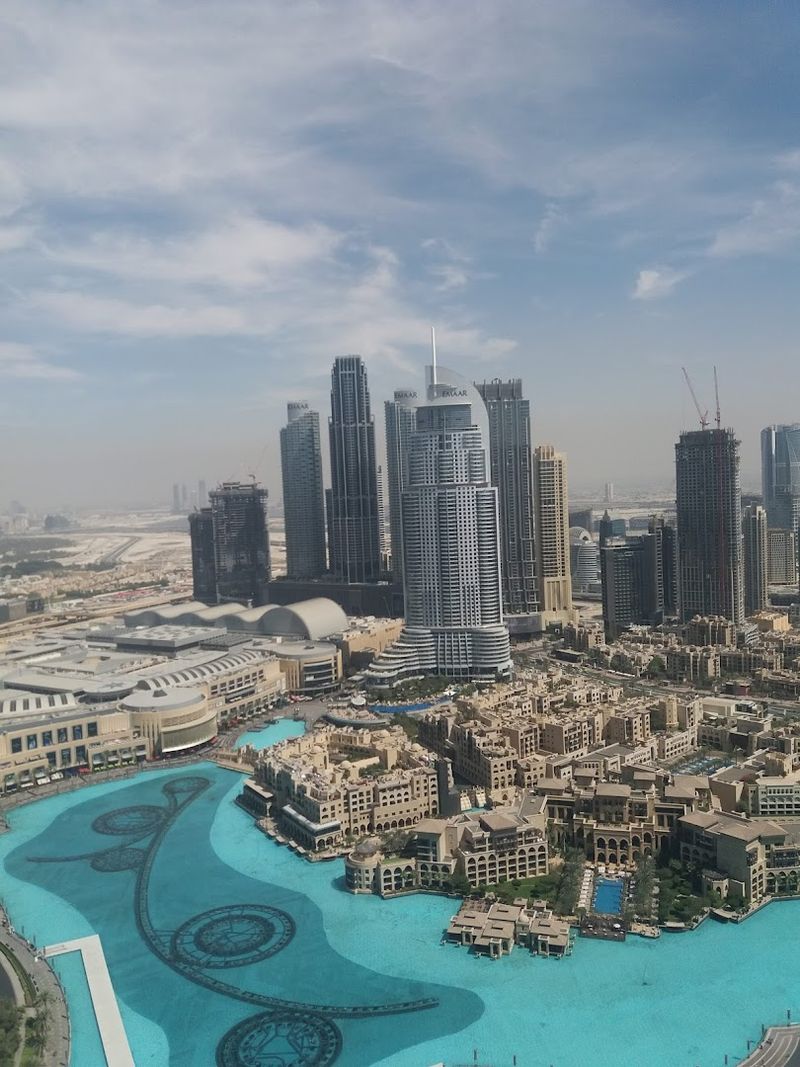
Dubai is a city that practically invented its own hype. The tallest building in the world, indoor ski slopes in the desert, gold ATMs, and man-made islands shaped like palm trees.
On paper, it reads like a theme park designed by a billionaire with no budget limit.
In practice, many visitors find Dubai strangely hollow. The city is built almost entirely around cars, making it nearly impossible to explore on foot.
Public spaces outside of malls can feel eerily empty in the scorching heat. Critics frequently describe it as a collection of impressive buildings with very little soul connecting them.
Cultural restrictions around alcohol, public displays of affection, and dress codes can also catch tourists off guard if they have not done their research. Everything from hotel rooms to restaurant meals carries a premium price tag that shocks visitors expecting a Middle Eastern bargain.
The skyline photographs beautifully, the luxury hotels are genuinely impressive, and the shopping is world-class. But travelers hoping for rich cultural history, walkable neighborhoods, or authentic local life often leave feeling like they toured a very expensive showroom rather than a real city.
Los Angeles, United States
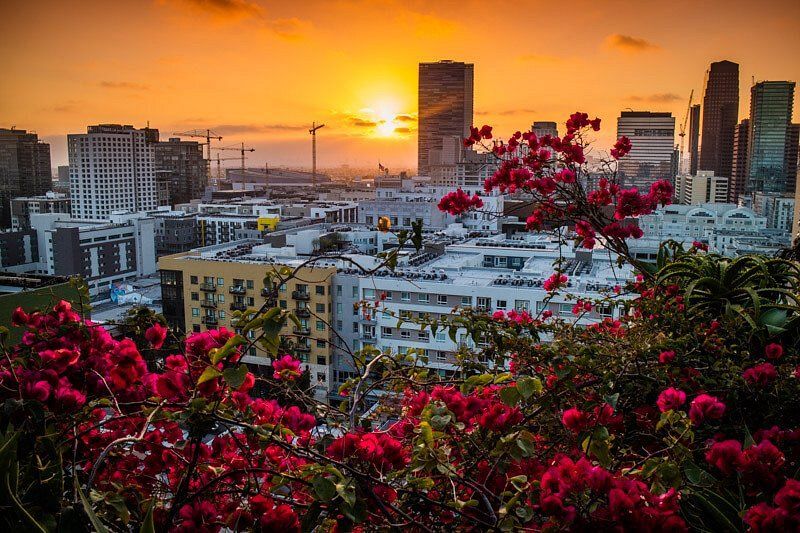
Los Angeles sold the world a dream, and the world bought it enthusiastically. Decades of Hollywood films, celebrity culture, and sun-soaked imagery created an expectation that LA is one giant glamorous party.
Arriving tourists sometimes need a moment to process the reality.
Traffic in LA is not just bad, it is legendary in the worst possible way. Getting from one neighborhood to another can take over an hour even for short distances.
The city sprawls across such a massive area that there is no real center, no single place to land and feel like you have arrived somewhere.
Hollywood Boulevard, one of the most anticipated stops for first-time visitors, consistently ranks among the most anticlimactic tourist attractions in the United States. The stars on the Walk of Fame are smaller than expected, the area around them is chaotic, and the overall vibe can feel rundown rather than glamorous.
Homeless encampments throughout the city also surprise visitors who were not prepared. LA has genuinely great neighborhoods, incredible food, and stunning beaches, but it rewards visitors who do serious homework rather than those who expect the movie version to be waiting for them at the airport.
Paris, France
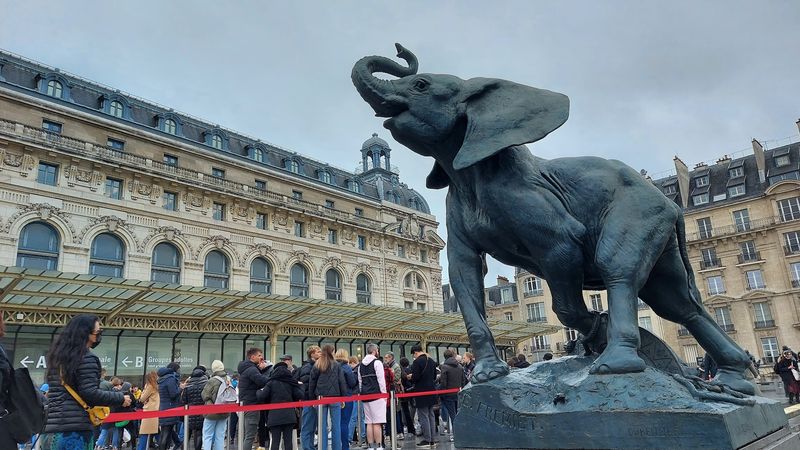
Bonjour, disappointment. Paris has one of the most romanticized reputations of any city on Earth, and that sky-high expectation is exactly what gets so many travelers into trouble.
The Eiffel Tower is stunning, the croissants are real, and the art museums are world-class. But the experience of actually visiting?
That part gets complicated fast.
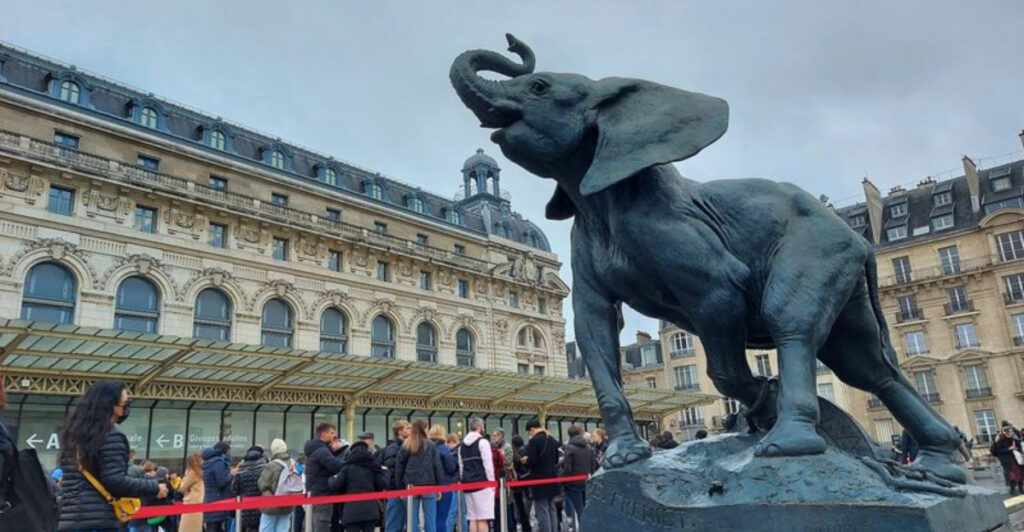
Lines at the Louvre can stretch for hours. Restaurant bills near major landmarks are notoriously steep.
Pickpocketing is a genuine concern, especially around tourist hotspots. Many visitors also report that locals in heavily touristed areas can seem cold or impatient with visitors who do not speak French.
Paris Syndrome is an actual documented condition where tourists, particularly from Japan, experience shock and anxiety when the city fails to match their fantasy version of it. The streets are not always spotless, the metro can feel chaotic, and the city is genuinely massive.
Paris is still a remarkable place, but managing expectations before you arrive makes all the difference between a magical trip and a very expensive letdown.
Hollywood, California, United States
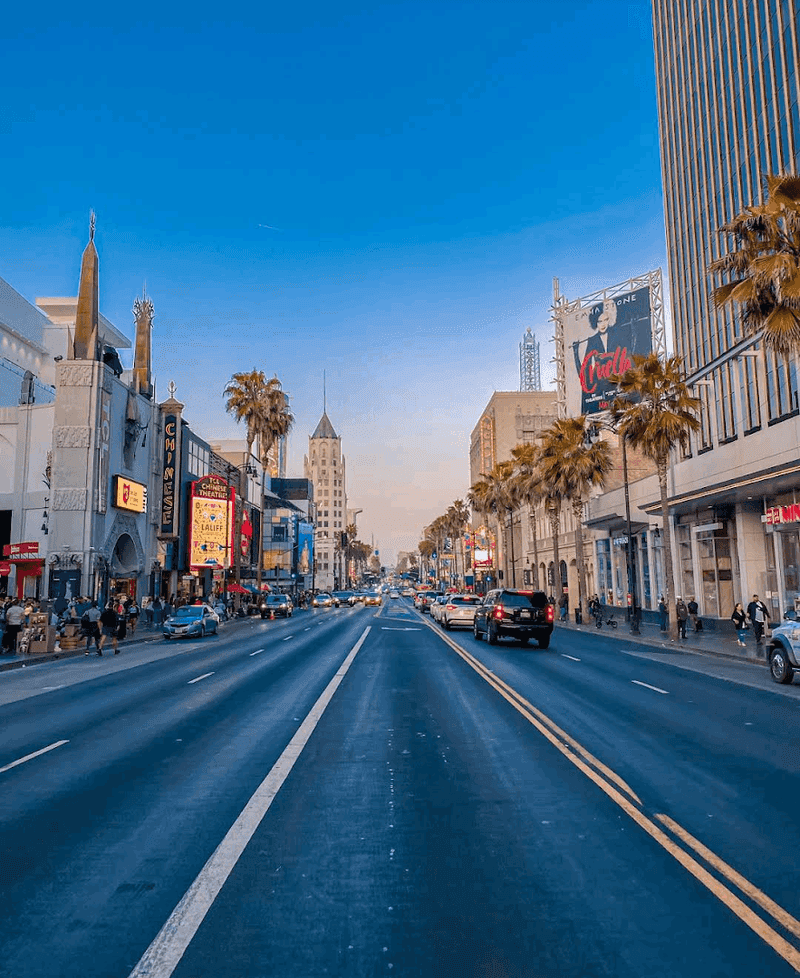
The Hollywood sign looks amazing from a distance, and that distance is probably where you should stay. Up close, the neighborhood of Hollywood has a reputation among travelers for being one of the most overhyped blocks of pavement in the entire country.
The Walk of Fame is genuinely smaller than most people picture it. Stars are embedded in a regular sidewalk that runs past fast food restaurants, souvenir shops, and vendors in movie character costumes who expect tips for photos.
The TCL Chinese Theatre is cool, but the surrounding area can feel more hectic than historic.
Persistent street performers, crowded sidewalks, and the general grittiness of the neighborhood catch many first-time visitors completely off guard. People fly across the world expecting to feel the magic of the movies and instead find themselves dodging costumed Spidermen while being handed flyers.
Homelessness in the area is also visible and significant. Hollywood as a concept is a genuinely powerful piece of cultural history.
Hollywood as a physical neighborhood is a reminder that real places rarely match the version that lived rent-free in your imagination since childhood. Manage those expectations before you book the flight.
Marrakesh, Morocco
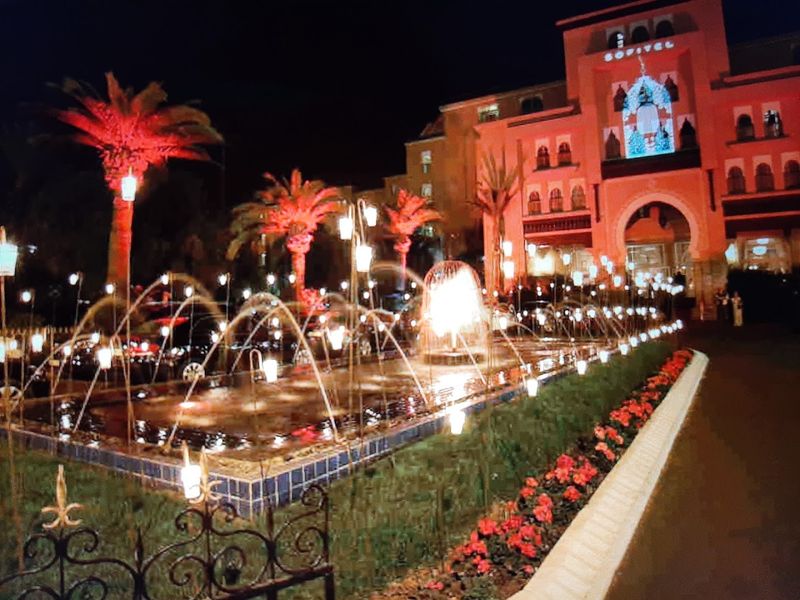
Marrakesh is visually stunning, genuinely exotic, and absolutely relentless. The medina’s winding alleys, vibrant souks, and ornate architecture make for jaw-dropping photos.
But spending time there as a tourist can feel less like cultural immersion and more like running an exhausting gauntlet.
Persistent vendor pressure is one of the most common complaints. Shopkeepers in the souks can be aggressive, following visitors and calling out repeatedly even after polite refusals.
Unofficial guides sometimes latch onto tourists and demand payment for directions or unsolicited tours. Navigating the medina without getting genuinely lost is a real challenge, and not always a fun one.
The central Djemaa el-Fna square is chaotic, loud, and filled with performers who expect money after making eye contact with you. Sensory overload hits fast and hard.
None of this makes Marrakesh a bad destination, but travelers who arrive expecting a relaxed, romantic adventure sometimes leave feeling frazzled and frustrated instead. Going with a trusted local contact, setting firm boundaries with vendors, and researching the medina layout beforehand makes the experience dramatically smoother.
Marrakesh rewards the prepared traveler but can overwhelm the unprepared one.
Venice, Italy
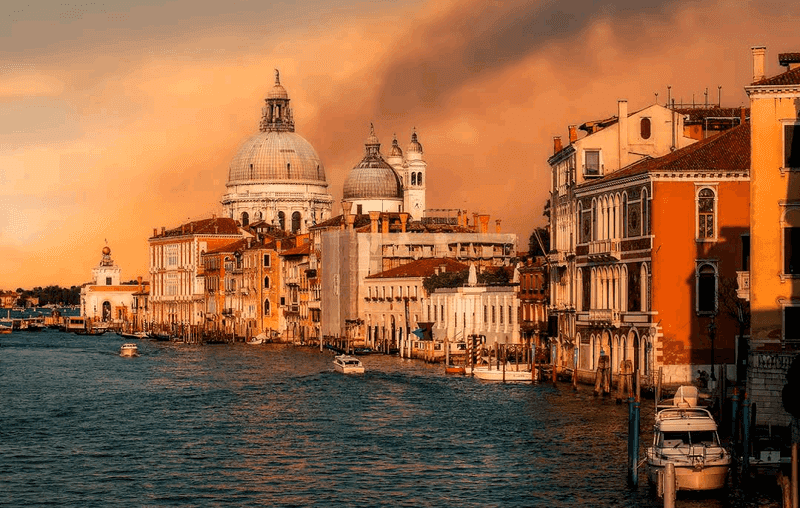
Venice is undeniably one of the most beautiful places humans have ever built. Canals instead of roads, centuries-old architecture rising straight from the water, and an atmosphere unlike anywhere else on the planet.
So why does it keep landing on disappointment lists?
The answer is simple math. Venice receives around 20 million tourists per year in a city that only 50,000 people actually call home.
The result is streets so packed during peak season that walking feels more like shuffling than strolling. Popular bridges become photo bottlenecks.
Famous restaurants have long waits and charge prices that make you do a double take.
The city also has a genuine smell problem during warmer months, when low tide exposes the canal bed in ways that no travel brochure ever mentions. Day-trippers flood in from cruise ships, peak, and leave, creating massive surges throughout the day.
Staying overnight dramatically improves the experience since the crowds thin after dark. Visiting in the off-season transforms the city entirely.
Venice at its quietest is magical beyond words. Venice during August is a masterclass in why managing travel timing matters just as much as choosing the right destination.
Amsterdam, Netherlands
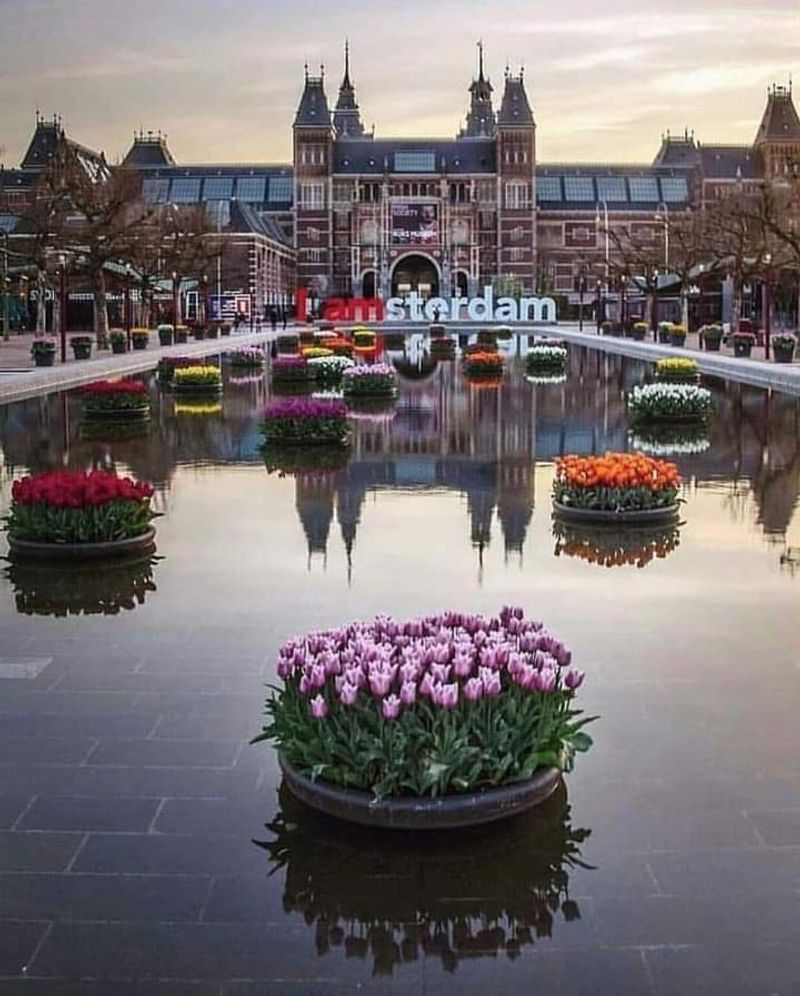
Amsterdam has a charm problem, and by that we mean it is so charming that roughly 20 million people show up every year to experience it. The canal houses are gorgeous, the museums are excellent, and the cycling culture is one of a kind.
The crowds, however, are something else entirely.
The city center during peak season feels like a human traffic jam. Tourists pack the narrow canal-side streets, the famous Rijksmuseum lines stretch for hours, and the Anne Frank House requires booking weeks in advance just to get through the door.
Accommodation prices in the city center are among the highest in Europe, and budget options are increasingly scarce.
The Red Light District, one of the most searched attractions in the city, draws enormous crowds of gawking tourists every night, creating an atmosphere that many visitors describe as uncomfortable rather than fascinating. Amsterdam has been actively trying to discourage certain types of mass tourism in recent years, including banning cruise ships and reducing the number of tourist shops.
The city is still genuinely wonderful, but visitors expecting a quiet, romantic European escape often find themselves fighting elbow room instead of finding the peace they imagined.
Bangkok, Thailand
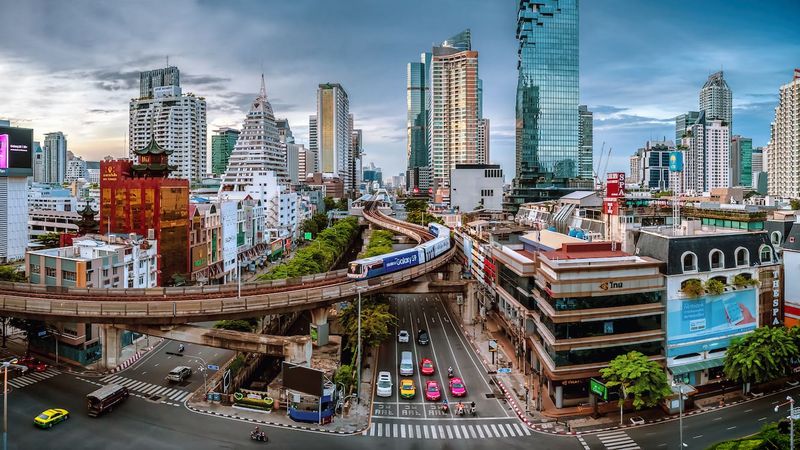
Bangkok hits you like a wall the moment you step outside the airport. The heat is immediate, the traffic is spectacular in its dysfunction, and the noise level is constant.
For travelers expecting a breezy Southeast Asian adventure, the city’s intensity can be a genuine shock.
The temples are extraordinary, the street food is among the best on Earth, and the nightlife is world-famous for good reason. But getting between any of these highlights involves navigating traffic that regularly brings the city to a complete standstill.
The BTS Skytrain helps, but large parts of Bangkok are not covered by rail, leaving visitors in slow-moving taxis during brutal heat.
Air pollution is a legitimate concern, particularly during certain months when haze settles over the city. Walking long distances is physically draining in the heat and humidity, especially for travelers not accustomed to tropical climates.
Scams targeting tourists are also common, including the famous gem scam and tuk-tuk tours that mysteriously end at souvenir shops. Bangkok has an incredible amount to offer, but it demands patience, flexibility, and a higher tolerance for chaos than many visitors arrive prepared to handle.
Atlantic City, New Jersey, United States
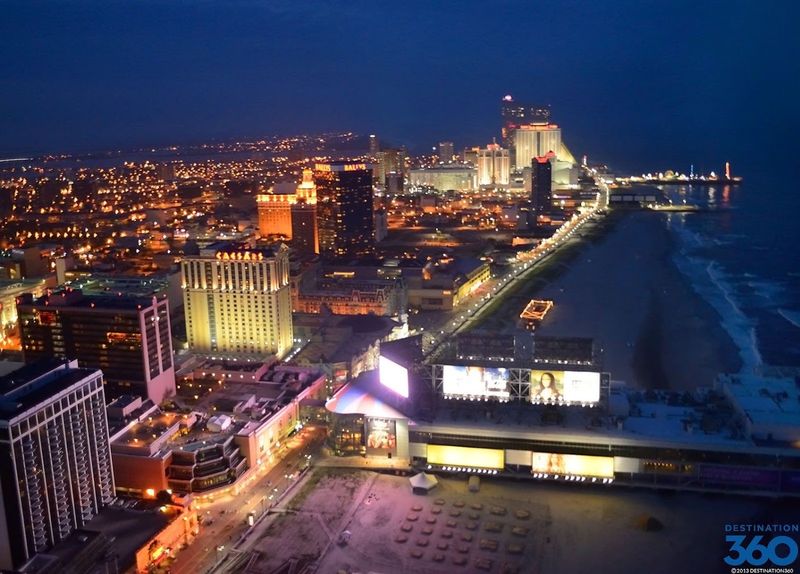
Atlantic City has been promising a comeback for about four decades now, and travelers keep showing up hoping to find it. The city sits on the New Jersey shore with a famous boardwalk, a cluster of casinos, and a history as America’s original resort destination.
The gap between that legacy and the current reality is where disappointment tends to live.
Several major casinos have closed in recent years, leaving gaps along the skyline and a patchwork feel to the city’s entertainment options. The boardwalk itself, once a gleaming symbol of seaside fun, shows significant wear in many sections.
Visitors frequently mention cleanliness issues, rundown infrastructure, and a general atmosphere that feels more neglected than festive.
The beaches are actually quite nice and genuinely underappreciated, but they alone cannot carry the weight of visitor expectations. Travelers who arrive expecting a mini Las Vegas on the East Coast often leave feeling like they stumbled into a faded postcard.
Atlantic City is working hard to reinvent itself with new entertainment venues and attractions, and some improvements are visible. But for now, it remains a place where the promise on the billboard and the view from the street tell two very different stories.
Share this story