How a country is viewed internationally can shape everything from tourism and trade to diplomacy and cultural influence. Large-scale surveys like the Pew Research Center’s Global Attitudes Survey and the Democracy Perception Index reveal which nations struggle most with their global image.
The results can be surprising, complicated, and sometimes controversial. This list highlights the 10 countries that consistently receive the most unfavorable ratings in recent international surveys, along with the reasons behind those perceptions.
Israel
No country has seen a sharper drop in global favorability ratings recently than Israel. Since the outbreak of the Gaza conflict, international opinion polls have recorded majority-unfavorable views across much of Europe, Latin America, and Asia.
For a country smaller than New Jersey, that is a massive amount of international attention, and most of it has not been kind.
The Pew Research Center reported that in several surveyed nations, unfavorable views of Israel jumped by double digits within a single year. Critics point to the scale of civilian casualties and humanitarian conditions in Gaza as driving forces behind the shift.
Supporters argue that the full context of the conflict is often missing from international coverage.
Public opinion on Israel has always been deeply divided along political and religious lines. What makes recent survey data stand out is how broadly negative sentiment has spread, even in countries that were historically more sympathetic.
Whether this shift is temporary or reflects a lasting change in global perception remains one of the biggest geopolitical questions of the decade.
North Korea
Somewhere behind a wall of silence, censorship, and nuclear warheads, North Korea has quietly earned itself one of the worst international reputations on the planet. It is one of the most isolated nations in human history, and global surveys have reflected that for decades.
Unfavorable ratings for North Korea are among the highest recorded in major international polling organizations.
The country’s authoritarian government, led by Kim Jong-un, restricts nearly all outside information from reaching its citizens. Meanwhile, its nuclear weapons program and repeated missile tests have kept tensions high across East Asia and beyond.
International sanctions imposed by the United Nations and Western nations have done little to change the government’s behavior.
What makes North Korea particularly fascinating from a survey perspective is how universally disliked it is. Unlike other countries on this list where opinions vary by region, North Korea receives low favorability scores almost everywhere it is measured.
Most respondents know very little about ordinary North Korean citizens, who are largely seen as victims of the regime rather than representatives of it.
Afghanistan
Few countries carry as heavy a global image problem as Afghanistan, and the numbers back that up. Since the Taliban reclaimed control of the country in 2021, international favorability ratings have dropped sharply across virtually every region surveyed.
The images broadcast worldwide during the chaotic Kabul airport evacuation left a lasting impression on global audiences.
Decades of war, foreign military occupation, and internal conflict have left deep scars on Afghanistan’s international reputation. Under Taliban rule, restrictions on women’s education and employment have drawn particular condemnation from human rights organizations and foreign governments alike.
Several countries have suspended diplomatic relations entirely.
The humanitarian situation inside Afghanistan remains severe. Millions face food insecurity, and the economy has largely collapsed since international aid was frozen following the Taliban takeover.
For many survey respondents, Afghanistan represents a cautionary tale about the limits of foreign intervention and the consequences of political instability. Despite all of this, it is worth remembering that the Afghan people themselves have been among the greatest victims of these circumstances, a distinction that international surveys rarely capture cleanly.
Iran
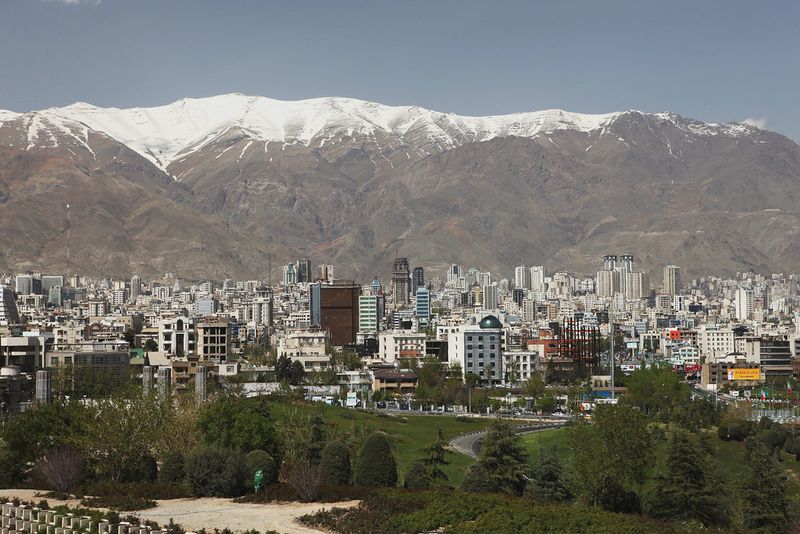
Iran has been a fixture near the bottom of international favorability rankings for well over four decades, ever since the 1979 Islamic Revolution fundamentally reshaped its relationship with the Western world. Pew Research surveys consistently show that majorities in the United States, Europe, and parts of the Middle East hold unfavorable views of the country.
That is a long time to hold a bad reputation.
Much of the negativity stems from Iran’s nuclear program, which Western governments have long argued poses a regional security threat. Tensions with Israel, involvement in regional proxy conflicts, and support for groups classified as terrorist organizations by several nations have kept Iran in a difficult diplomatic position.
Sanctions have squeezed the Iranian economy significantly over the years.
Inside Iran, protests over women’s rights, government corruption, and economic hardship have made international headlines repeatedly. The 2022 death of Mahsa Amini in morality police custody sparked global outrage and brought renewed scrutiny to the Iranian government’s human rights record.
Public opinion abroad tends to separate the Iranian government from its people, though the country’s overall favorability scores remain stubbornly low across most regions surveyed.
United States

Being the world’s most powerful country does not guarantee being the world’s most liked one. The United States has long occupied a complicated spot in global opinion polls, admired by many for its culture and innovation while criticized sharply for its foreign policy and political divisions.
Recent Pew Research data shows that favorability ratings have declined in a notable number of surveyed countries.
Views of the U.S. vary dramatically depending on the region. Canada and many Western European nations still rate the country relatively positively, while opinions in parts of the Middle East, Latin America, and Asia are far more mixed or outright negative.
Political leadership changes tend to cause significant swings in how the country is perceived abroad.
The January 6th Capitol attack, ongoing domestic polarization, and high-profile foreign policy decisions have all contributed to declining confidence in American leadership among international audiences. A 2023 Pew survey found that global median approval of U.S. leadership had slipped compared to earlier years.
For a country built on the idea of being a global beacon of democracy, that gap between image and perception is something many American observers find deeply uncomfortable to acknowledge.
Iraq
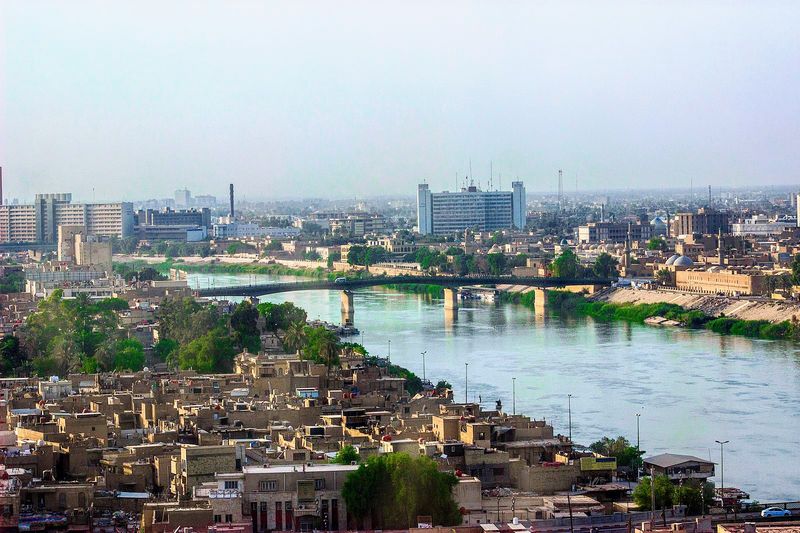
Iraq has spent most of the 21st century trying to rebuild an image shattered by war, and global surveys suggest that effort is still very much a work in progress. The 2003 U.S.-led invasion, followed by years of insurgency, sectarian violence, and the rise of ISIS, left a complicated legacy that continues to shape how the country is perceived internationally.
Most survey respondents associate Iraq with instability rather than recovery.
Political corruption remains a serious challenge. Transparency International consistently ranks Iraq among the more corrupt nations globally, and that reputation bleeds into international perception surveys.
Despite sitting on some of the world’s largest oil reserves, the country struggles to translate that wealth into reliable public services or economic stability for ordinary citizens.
There are genuine signs of progress worth mentioning. Parts of Iraq, including the Kurdistan Region, have seen meaningful economic development and attract a growing number of tourists.
Mosul, once devastated by ISIS occupation, has been partially rebuilt and is reclaiming some of its cultural heritage. But for most international survey respondents, the dominant mental image of Iraq remains rooted in conflict, a challenge the country will need sustained positive news cycles to overcome.
Russia
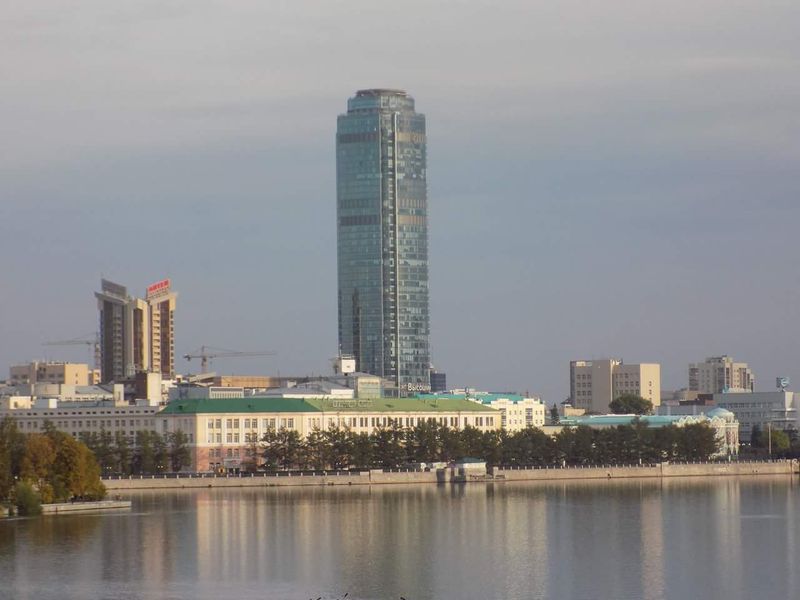
Russia’s global reputation went off a cliff in February 2022, and it has not found solid ground since. The full-scale invasion of Ukraine triggered one of the fastest and most dramatic drops in international favorability ever recorded in major polling data.
Across Europe, North America, and parts of Asia, unfavorable views of Russia surged to historic highs almost overnight.
Before the invasion, Russia’s image was already complicated. Its 2014 annexation of Crimea, alleged election interference in Western democracies, and the poisoning of dissidents abroad had steadily eroded trust in Russian leadership.
The 2022 invasion simply accelerated a trend that had been building for years, pushing countries that were previously neutral into firmly negative territory.
Interestingly, opinions of Russia differ significantly between Western nations and parts of Africa, Latin America, and South Asia, where views tend to be more mixed or less negative. Some governments in those regions have refused to condemn the invasion and maintain active trade relationships with Moscow.
This regional divide makes Russia one of the most geopolitically polarizing entries on this list, disliked heavily in one part of the world while remaining influential in another.
Syria

Syria’s civil war, which began in 2011, produced one of the worst humanitarian disasters of the 21st century, and the country’s international image has never recovered. Over half a million people were killed, and millions more were displaced, creating one of the largest refugee crises in modern history.
Those numbers alone are enough to explain why Syria consistently ranks among the most negatively perceived countries in global surveys.
The Assad government’s use of chemical weapons against civilian populations drew near-universal condemnation from world leaders and human rights organizations. International sanctions followed, further isolating Syria from the global economy.
Even countries that were not directly involved in the conflict developed strongly negative views based on media coverage of the war’s devastating human toll.
Recent political changes, including the fall of Bashar al-Assad’s government in late 2024, have introduced new uncertainty about Syria’s future direction. While some observers expressed cautious optimism, others warned about the fragmented nature of the groups now vying for control.
For international survey respondents, Syria remains associated primarily with destruction and suffering, though the possibility of a slow image rehabilitation exists if stability can be achieved in the years ahead.
Pakistan
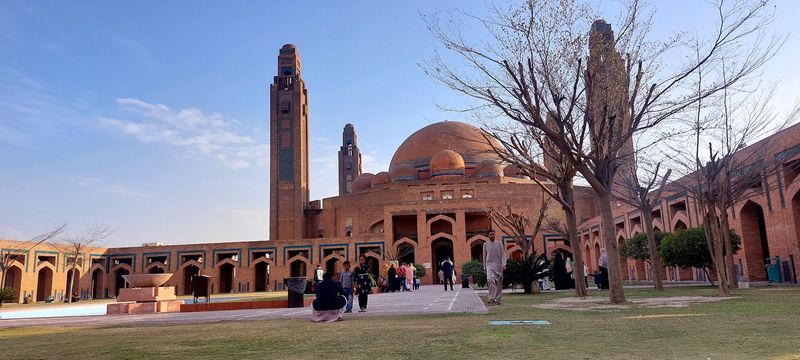
Pakistan occupies a uniquely uncomfortable spot in global perception surveys, neither universally despised nor particularly admired, but consistently landing near the bottom of favorability rankings across multiple major polling organizations. Its scores reflect a messy mix of security concerns, political turbulence, and strained diplomatic relationships that have built up over decades.
For a country of over 230 million people, that international image gap is significant.
Concerns about Pakistan’s relationship with militant groups have long complicated its standing in Western countries. The discovery of Osama bin Laden living in Abbottabad in 2011 was a particularly damaging moment for Pakistan’s credibility with the international community.
Relations with neighboring India remain tense, and the two nuclear-armed nations have clashed repeatedly over the disputed Kashmir region.
Domestically, Pakistan has faced a turbulent cycle of political crises, including the arrest and imprisonment of former Prime Minister Imran Khan, which drew significant international attention. Economic instability, inflation, and reliance on IMF bailouts have painted a picture of a country struggling to find its footing.
Pakistan does have cultural assets, natural beauty, and a young population that could reshape its story, but for now, global surveys tell a sobering tale about how the world currently sees it.
South Sudan
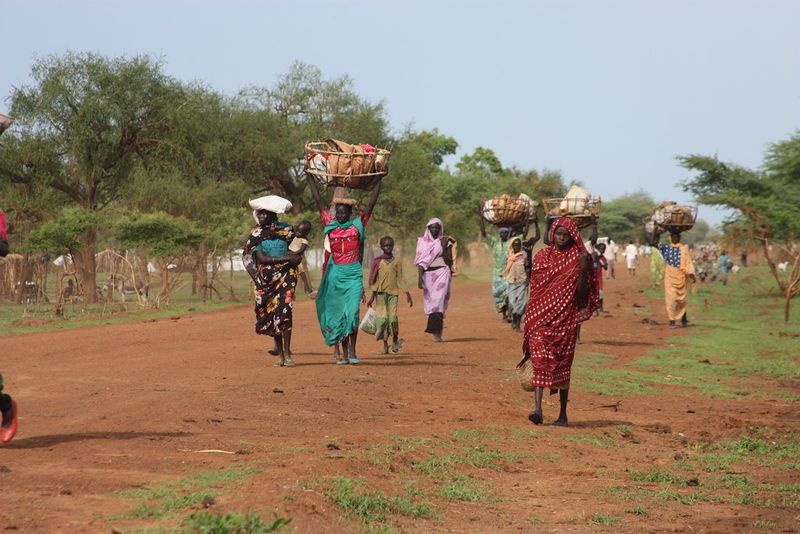
South Sudan holds the distinction of being one of the world’s youngest countries, having gained independence from Sudan in 2011, but youth has not brought stability. Within just two years of independence, a brutal civil war erupted, killing hundreds of thousands and displacing millions more.
That early chapter of violence set the tone for how the international community has come to view the country ever since.
Famine, ethnic conflict, and extreme poverty have made South Sudan a recurring subject of emergency humanitarian appeals. It consistently ranks near the bottom of the United Nations Human Development Index, meaning that by nearly every measurable standard of living, its citizens face extraordinary hardship.
International survey respondents who are aware of South Sudan tend to associate it almost exclusively with crisis.
Corruption within the government has also drawn sharp criticism from international watchdog organizations. Oil revenues, which should theoretically fund national development, have frequently been mismanaged or siphoned off through corrupt channels.
Foreign aid organizations operating in the country have reported significant obstacles to delivering assistance effectively. South Sudan’s story is ultimately a tragic one about the enormous gap between the hope of independence and the harsh reality of nation-building in one of the world’s most challenging environments.
Share this story