For thousands of years, people have traveled across deserts, mountains, rivers, and continents seeking spiritual meaning and connection. Today, sacred destinations remain some of the most visited places on Earth, drawing millions of pilgrims and travelers from every faith and culture.
From golden temples to ancient pilgrimage trails, these remarkable sites continue inspiring devotion, awe, and deep reflection. Whether you are a devoted pilgrim or a curious traveler, these places will leave a lasting mark on your heart.
Mecca, Saudi Arabia
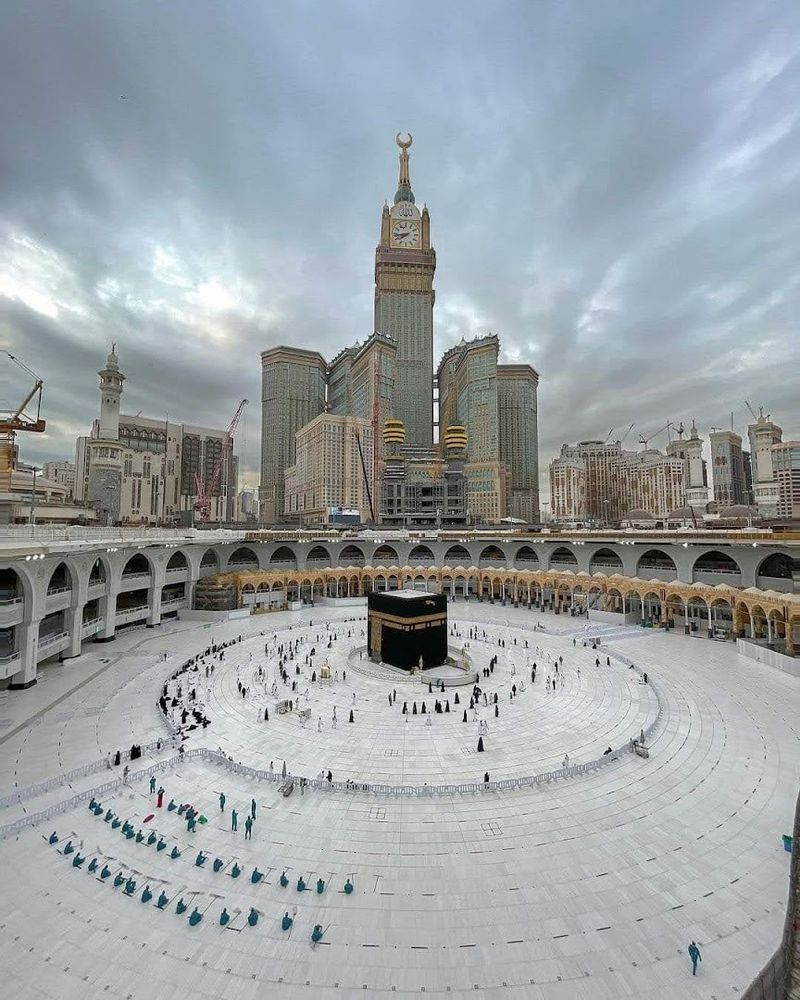
Every year, nearly two million Muslims converge on one city, making it the largest annual human gathering on the planet. Mecca, located in Saudi Arabia, is the holiest city in Islam and the spiritual heartbeat of over 1.8 billion Muslims worldwide.
Non-Muslims are not permitted to enter the city, which adds to its sacred and exclusive character.
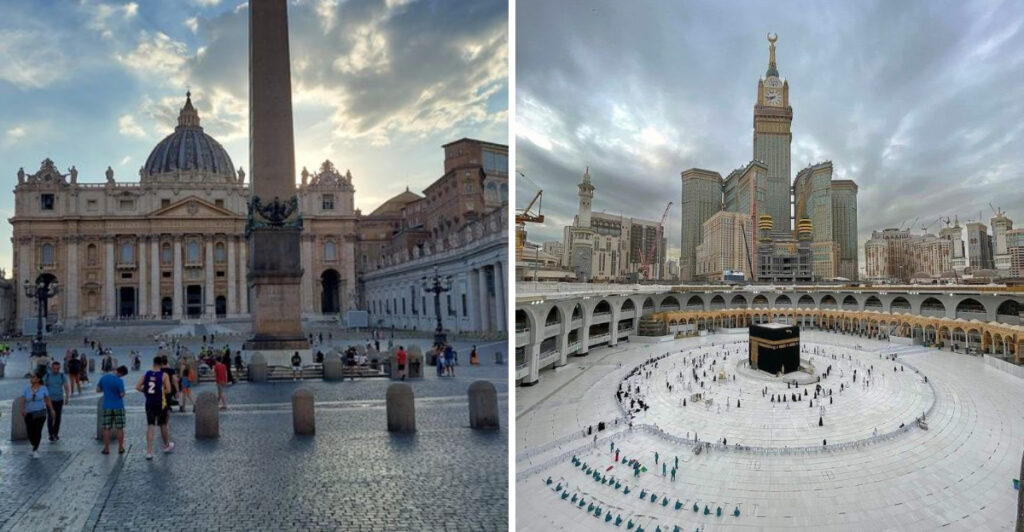
At the center of Mecca stands Masjid al-Haram, the world’s largest mosque, surrounding the Kaaba, a cube-shaped structure draped in black cloth. Muslims around the world face the direction of the Kaaba during their daily prayers.
Performing the Hajj pilgrimage here is one of the Five Pillars of Islam, a duty every Muslim must fulfill at least once in their lifetime if they are able.
The city also holds the holy well of Zamzam, believed to have been miraculously created thousands of years ago. Pilgrims drink from it and carry the water home as a cherished blessing.
Walking through Mecca during Hajj season is described by those who experience it as deeply emotional and life-changing beyond words.
Vatican City, Italy
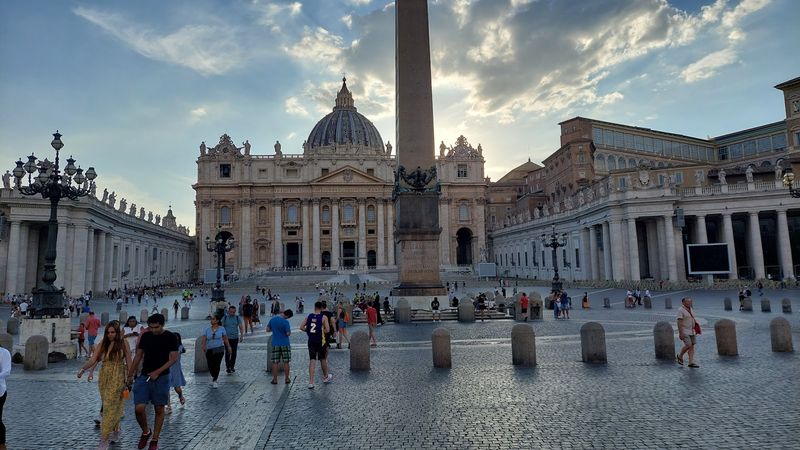
Tucked inside Rome like a secret treasure chest, Vatican City is the world’s smallest independent country and the spiritual capital of over one billion Catholics. Covering just 44 hectares, it punches far above its weight in history, art, and religious significance.
Millions of pilgrims flock here each year seeking connection to centuries of Catholic tradition.
St. Peter’s Basilica dominates the skyline with its magnificent dome designed by Michelangelo, and the interior is breathtaking in scale and artistry. Nearby, the Sistine Chapel houses one of the most famous painted ceilings in human history, also by Michelangelo.
Visitors often stand in complete silence, necks craned upward, overwhelmed by the sheer beauty above them.
Papal audiences draw enormous crowds to St. Peter’s Square, where the faithful gather to receive blessings from the Pope. The Vatican Museums hold priceless collections of art and artifacts spanning thousands of years.
Whether you visit for faith, art, or history, Vatican City delivers an experience that is genuinely hard to match anywhere else on Earth.
Jerusalem, Israel
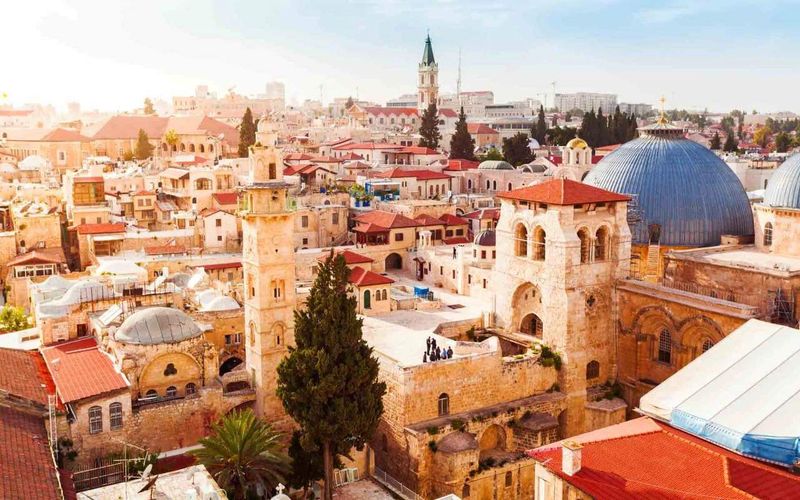
No city on Earth carries the spiritual weight of Jerusalem. Claimed as holy by three of the world’s major religions, Judaism, Christianity, and Islam, this ancient city has been a center of pilgrimage for thousands of years.
Walking through its narrow stone streets feels like stepping through layers of history all at once.
Jewish pilgrims gather at the Western Wall, the last remaining structure of the Second Temple, pressing prayers written on small slips of paper into the ancient stones. Christians trace the Via Dolorosa, the path Jesus walked to his crucifixion, ending at the Church of the Holy Sepulchre.
Muslims revere the Dome of the Rock and Al-Aqsa Mosque on the Temple Mount as among Islam’s most sacred sites.
The Old City is divided into four quarters, each buzzing with its own culture, food, and religious atmosphere. Tensions and beauty coexist here in a way that exists nowhere else.
Jerusalem challenges visitors to think deeply about faith, history, and humanity, making every visit both intellectually rich and spiritually stirring.
Varanasi, India
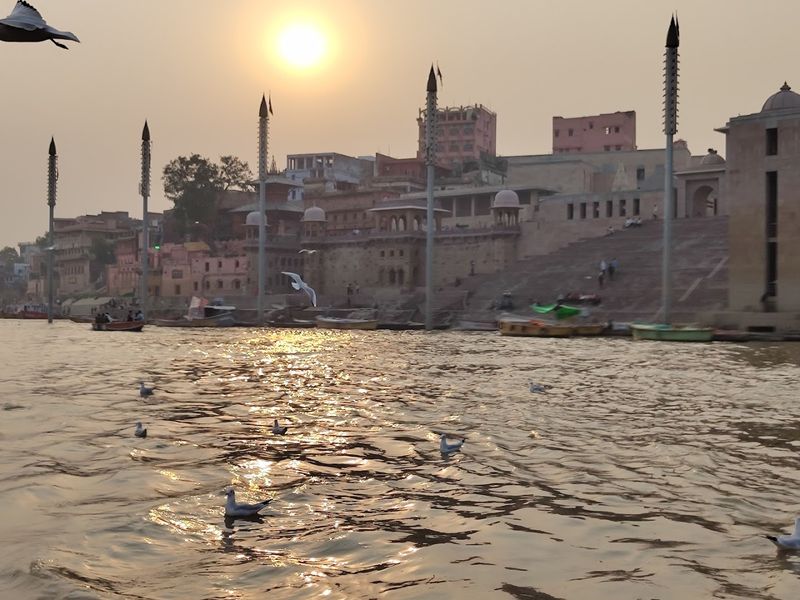
Older than history itself, Varanasi is believed to be one of the world’s oldest continuously inhabited cities, with some estimates placing human settlement here over 3,000 years ago. Sitting along the sacred Ganges River in northern India, this city is the spiritual soul of Hinduism.
For devout Hindus, dying in Varanasi is considered the highest blessing a soul can receive.
Each morning, pilgrims descend the stone steps called ghats to bathe in the Ganges, believing the river washes away sins and purifies the soul. Cremation ceremonies take place openly along the riverbanks, a practice that might seem shocking to newcomers but carries profound meaning for those who understand its spiritual purpose.
The air smells of incense, marigolds, and burning wood all at once.
Every evening, the Ganga Aarti ceremony transforms the riverbank into a sea of fire and chanting. Priests swing large flaming lamps in synchronized movements as crowds watch from boats and the shore.
Varanasi is raw, sensory, overwhelming, and deeply sacred, a place that forces you to confront life, death, and everything in between.
Camino de Santiago, Spain
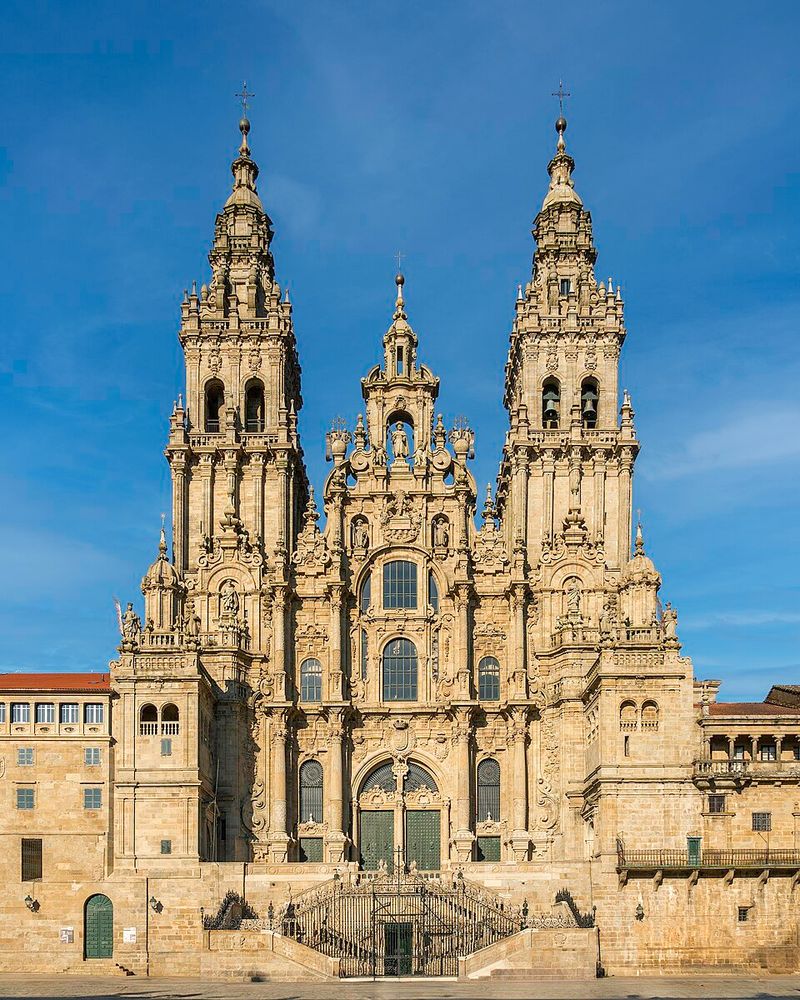
Imagine walking over 500 miles across mountains, vineyards, and ancient villages, all on foot, and actually enjoying it. That is the magic of the Camino de Santiago, Europe’s most celebrated pilgrimage route.
Stretching across northern Spain toward the city of Santiago de Compostela, this trail has been walked by millions of people for over a thousand years.
The route leads to the Cathedral of Santiago de Compostela, believed to hold the remains of Saint James the Apostle. Medieval kings, ordinary farmers, and modern adventurers have all made this same journey.
Today, people from over 100 countries walk the Camino each year, for reasons ranging from deep religious devotion to personal healing and adventure.
What makes the Camino truly special is the community that forms along the way. Strangers quickly become friends over shared blisters, shared meals, and shared sunrises.
The yellow arrow waymarkers that guide the path have become a symbol of hope and forward movement for countless walkers. Reaching the cathedral after weeks on the trail produces an emotional rush that many pilgrims describe as one of the most meaningful moments of their lives.
Mount Kailash, Tibet, China
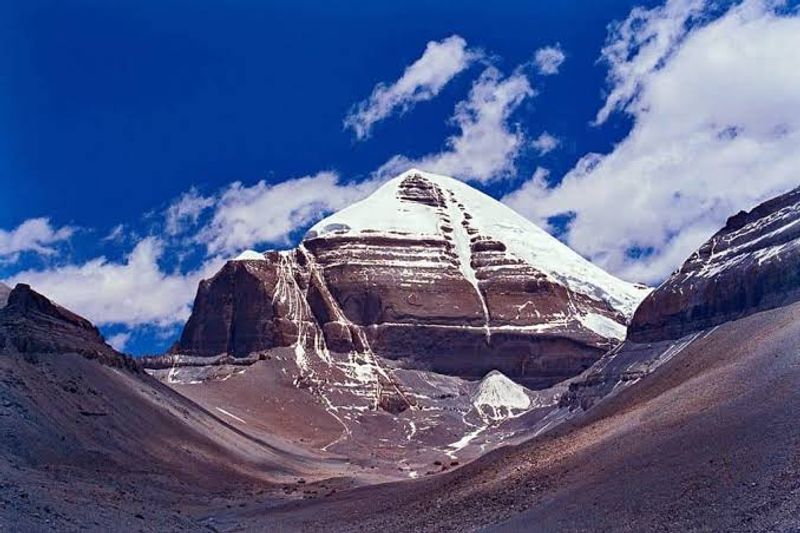
Standing at 6,638 meters in the remote Tibetan plateau, Mount Kailash has never been climbed, and that is entirely by design. Revered in Hinduism, Buddhism, Jainism, and the ancient Bon tradition, this perfectly symmetrical peak is considered too sacred to be scaled by human feet.
Four of Asia’s greatest rivers, including the Indus and the Brahmaputra, begin their journeys from its slopes.
Pilgrims from across Asia make the journey to perform the Kora, a circumambulation of the mountain that covers about 52 kilometers of high-altitude terrain. Completing one circuit is believed to erase the sins of an entire lifetime.
Completing 108 circuits, according to Tibetan Buddhist belief, brings full enlightenment, though that is a feat few attempt.
Getting to Mount Kailash is itself an adventure, requiring permits, acclimatization, and several days of travel across some of the world’s most remote landscapes. The journey is physically demanding and mentally challenging.
Yet pilgrims arrive with smiles, prostrating themselves on the rocky ground in acts of extraordinary devotion. Mount Kailash rewards those who reach it with scenery and spiritual energy unlike anything else on the planet.
Lourdes, France
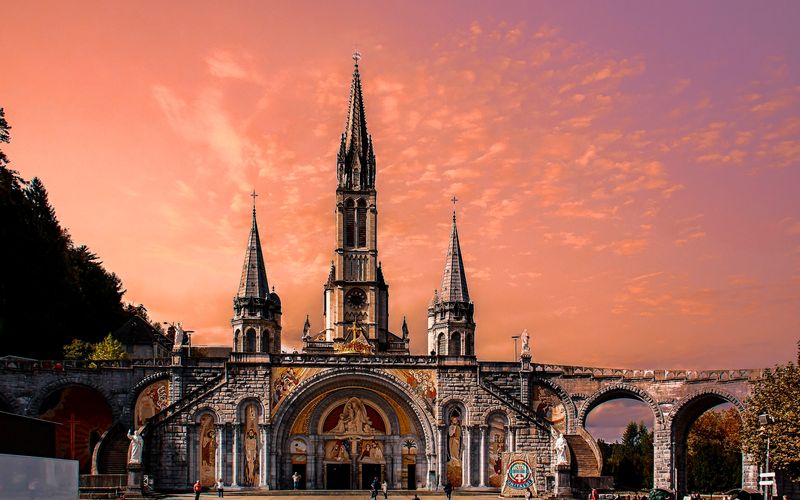
In 1858, a 14-year-old French girl named Bernadette Soubirous reported seeing visions of the Virgin Mary in a rocky grotto near the small town of Lourdes. What followed transformed a quiet farming community into one of the most visited pilgrimage sites on Earth.
Today, over six million people visit Lourdes every year, making it France’s second most visited city after Paris.
The holy spring discovered during those reported apparitions has become the centerpiece of the sanctuary. Pilgrims fill bottles with the spring water, believed by many Catholics to have miraculous healing properties.
The Catholic Church has officially recognized 70 miraculous cures attributed to Lourdes over the past century and a half.
Candlelight processions held each evening are among the most moving sights in the Christian world. Thousands of pilgrims, many of them seriously ill, walk or are wheeled in procession while singing hymns beneath the glow of countless candles.
The atmosphere is tender, hopeful, and quietly powerful. Even visitors who arrive skeptical often leave feeling something unexpectedly profound in the air around the grotto.
Golden Temple, Amritsar, India
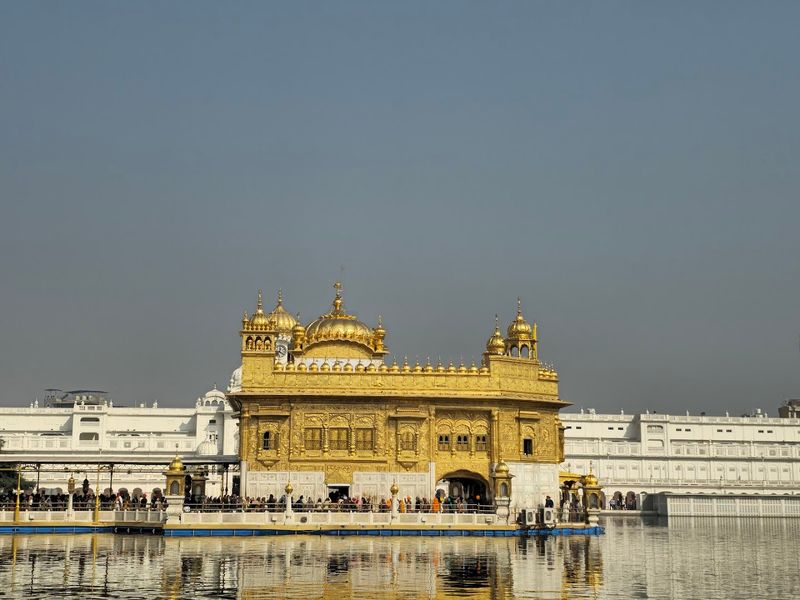
Covered in 750 kilograms of pure gold, the Harmandir Sahib, known worldwide as the Golden Temple, is one of the most visually stunning religious sites on Earth. Located in Amritsar, Punjab, it is the holiest shrine in Sikhism and a place of extraordinary welcome.
Unlike many sacred sites that restrict entry, the Golden Temple opens its doors to people of every religion, nationality, and background.
The temple sits at the center of the Amrit Sarovar, a large sacred pool whose name means Pool of the Nectar of Immortality. Pilgrims wade into the water as an act of spiritual cleansing while the golden structure shimmers in the reflection below.
The combination of gold, water, and marble creates a scene of almost unreal beauty at sunrise and sunset.
Perhaps the most remarkable feature of the Golden Temple is the Langar, its community kitchen that serves free vegetarian meals to over 100,000 people every single day. Volunteers from all walks of life chop vegetables, roll flatbreads, and wash dishes side by side.
The Langar embodies the Sikh principle of equality and selfless service in the most delicious and practical way imaginable.
Kumano Kodo, Japan
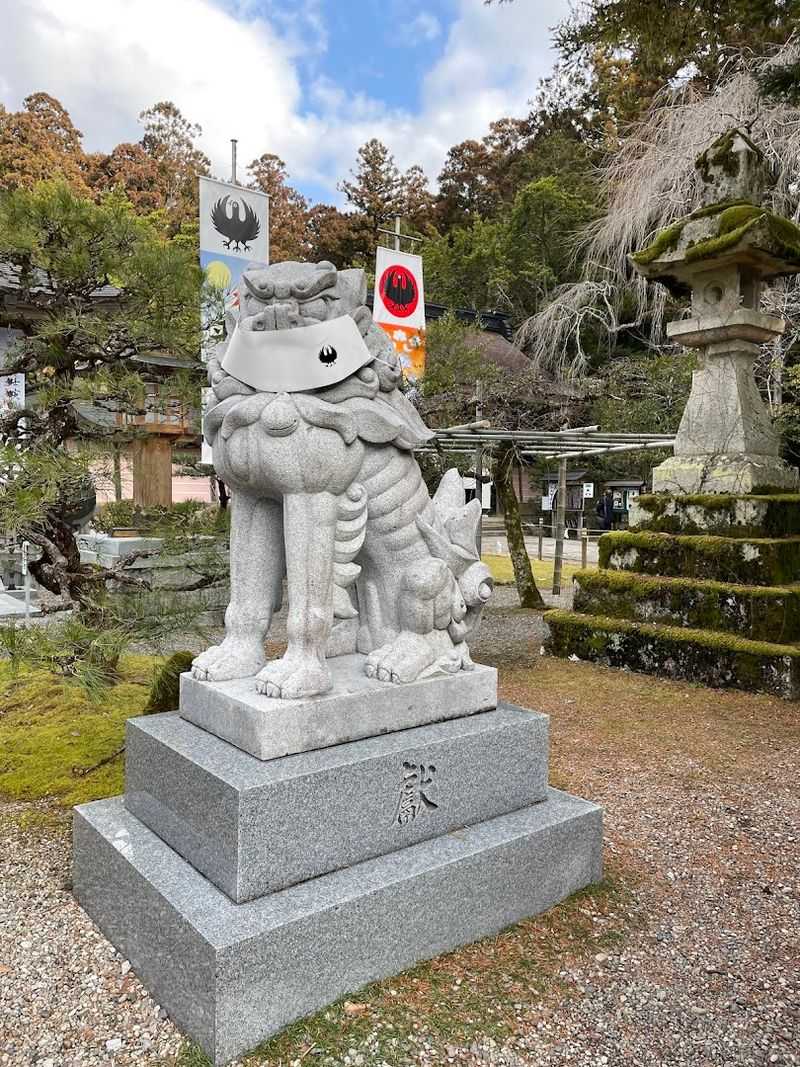
Long before GPS and travel apps existed, Japanese pilgrims navigated deep cedar forests and misty mountain passes guided only by stone markers and faith. The Kumano Kodo is a network of ancient pilgrimage trails on the Kii Peninsula in Japan, leading to three grand Shinto and Buddhist shrines collectively known as the Kumano Sanzan.
These trails have been walked for over 1,000 years.
In 2004, the Kumano Kodo became one of only two pilgrimage routes in the world to receive UNESCO World Heritage status, the other being the Camino de Santiago. The two routes even have a special dual-certification stamp system for pilgrims who complete both.
That connection between a Spanish trail and a Japanese forest path says a lot about the universal human need to walk toward something meaningful.
The trails pass through ancient cryptomeria forests, past mossy stone lanterns, and alongside rushing mountain streams. Small teahouses and guesthouses called minshuku offer warm meals and rest along the way.
Walking the Kumano Kodo feels less like sightseeing and more like slipping quietly into another time, one where the natural world and the spiritual world feel inseparably connected.
Bodh Gaya, India
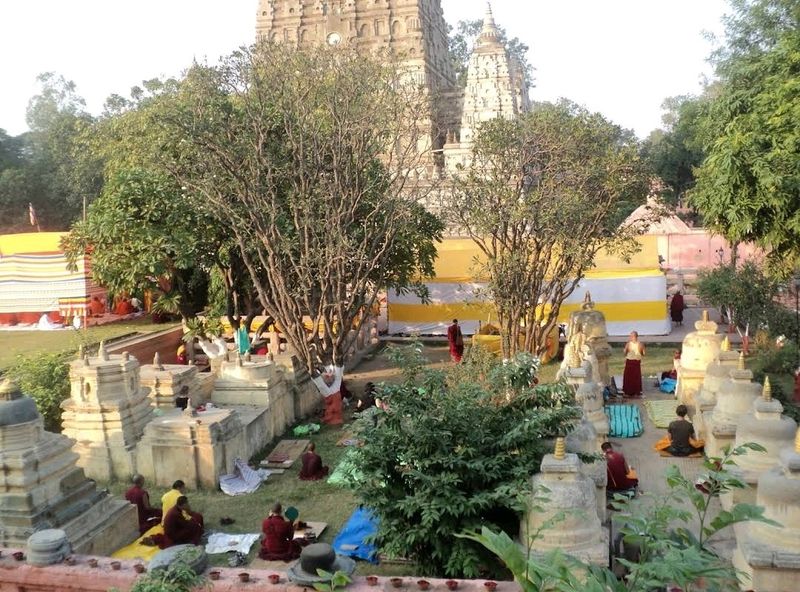
About 2,500 years ago, a prince named Siddhartha Gautama sat beneath a fig tree in a quiet village in northern India and refused to move until he understood the nature of human suffering. He achieved enlightenment there, and that exact spot became Bodh Gaya, the most sacred place in Buddhism.
The tree growing on the site today is believed to be a direct descendant of the original Bodhi Tree.
The Mahabodhi Temple, built near the Bodhi Tree, is a UNESCO World Heritage Site and one of the oldest brick structures in the Indian subcontinent. Buddhist pilgrims from Tibet, Thailand, Sri Lanka, Japan, and beyond gather here to meditate, chant, and offer prayers.
The atmosphere is hushed and deeply contemplative, even when thousands of people are present at the same time.
Monks in robes of red, orange, and saffron create a living tapestry of color against the ancient stone. Many pilgrims sit in silent meditation for hours, sometimes days, in the tree’s shade.
Bodh Gaya is not a place that shouts for your attention. It simply sits quietly and waits, offering peace to anyone willing to slow down and receive it.
Share this story