Some cities are so powerful that their decisions ripple across the entire planet. From setting financial markets to shaping pop culture and driving political deals, these urban giants punch way above their weight.
Whether you live in one of them or have never visited, their influence touches your daily life in ways you might not even realize. Get ready to explore the ten cities that truly run the world.
London, United Kingdom
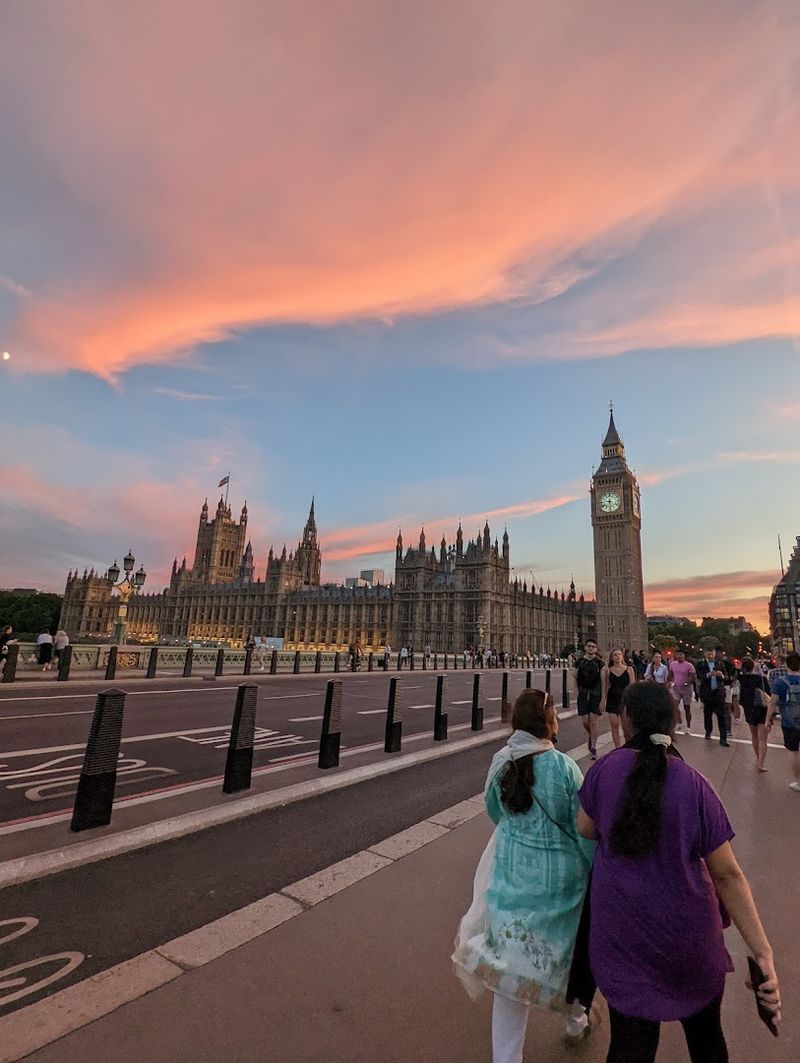
Walk into any major bank, law firm, or global newsroom, and chances are London had a hand in building it. The City of London financial district is one of the oldest and most powerful money hubs on Earth, handling trillions of dollars in transactions every single day.
It consistently ranks at or near the very top of the Global Power City Index, and for very good reason.
Beyond finance, London is home to world-class universities like Oxford and Cambridge nearby, the BBC, Reuters, and hundreds of multinational headquarters. Its cultural reach is staggering, from West End theater to Premier League football dominating screens in every corner of the globe.
The city also serves as a major diplomatic hub, hosting embassies from nearly every nation on Earth.
London survived the Great Fire of 1666, two World Wars, and Brexit, yet it keeps reinventing itself without losing its identity. Over nine million people call it home, speaking more than 300 languages.
That diversity is not just a fun fact but a genuine source of its global staying power.
New York City, United States
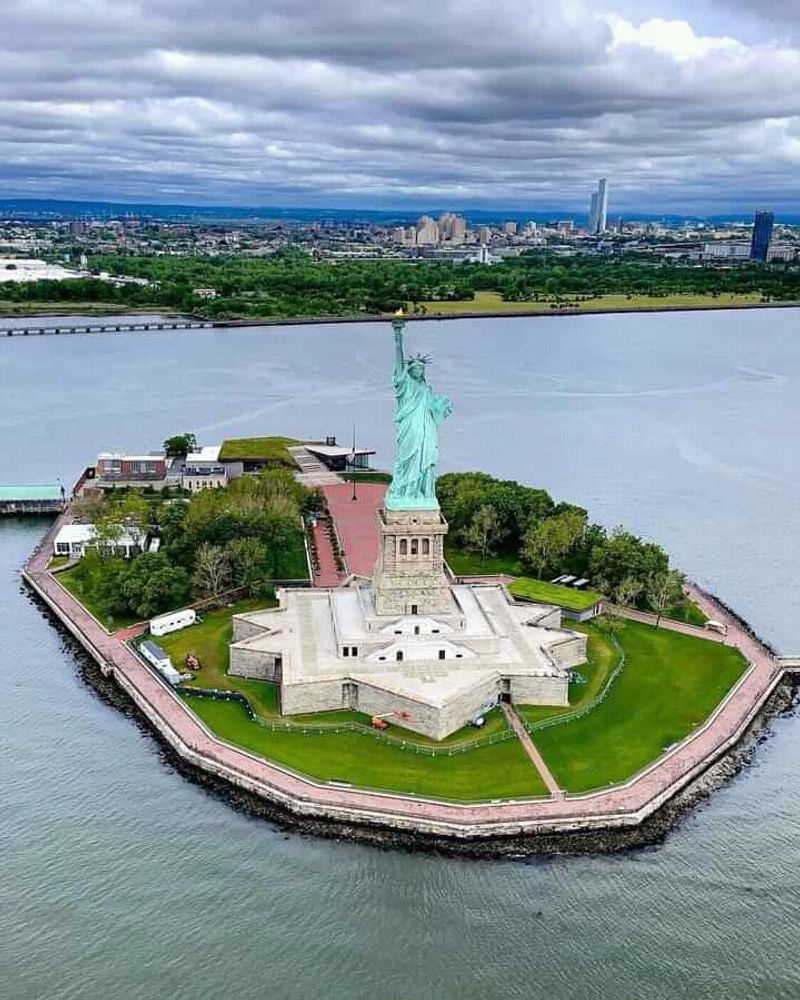
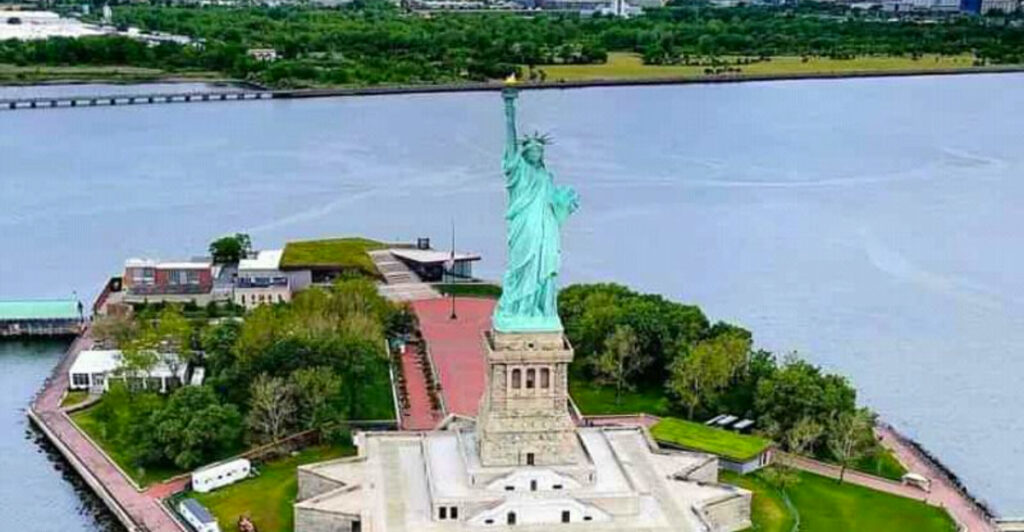
No other city on Earth packs quite as much ambition into one island. Manhattan alone houses Wall Street, the United Nations headquarters, Broadway, the Federal Reserve Bank of New York, and more Fortune 500 companies than most countries can claim.
According to Oxford Economics’ 2025 Global Cities Index, New York ranks first among all world cities for overall influence and economic output.
The numbers behind this city are almost hard to believe. New York’s metropolitan economy is larger than the entire GDP of Canada.
Over 60 million tourists visit each year, and the city’s media companies shape news cycles, entertainment trends, and public opinion worldwide. If something happens in New York, the world notices within minutes.
What makes New York truly remarkable is its relentless energy. The city never actually sleeps, and that is not just a catchy slogan.
Businesses operate around the clock, deals get made at midnight, and creative industries churn out ideas at a pace that few cities can match. It is chaotic, loud, expensive, and absolutely irreplaceable on the global stage.
Tokyo, Japan
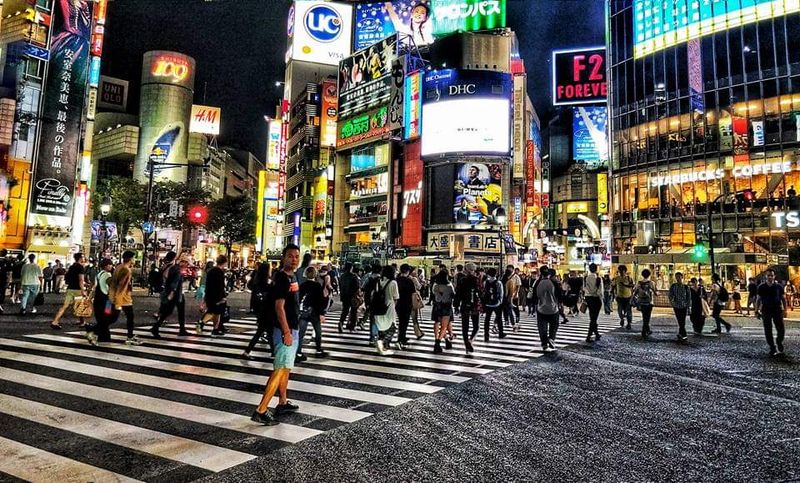
Tokyo runs like a machine that someone forgot to turn off, and that is meant as the highest possible compliment. With a metropolitan population pushing 37 million people, it is the largest urban area on the planet, yet its trains run on time to the second and its streets are famously clean.
That level of precision reflects a city that takes excellence seriously in everything it does.
Economically, Tokyo is a titan. It hosts the Tokyo Stock Exchange, one of the largest in Asia, along with the headquarters of global giants like Toyota, Sony, and Mitsubishi.
Japan’s investment in robotics, artificial intelligence, and advanced manufacturing keeps Tokyo at the cutting edge of technological innovation year after year. Research institutions and universities here produce breakthroughs that shape industries worldwide.
Tokyo also holds a fascinating cultural dual identity. It is a city where ancient temples sit quietly beside futuristic skyscrapers, and traditional tea ceremonies happen just blocks from anime conventions drawing visitors from every continent.
This blend of old and new is not accidental but a deliberate part of Tokyo’s identity. Few cities balance heritage and innovation with such effortless style.
Paris, France

Paris has a reputation for romance and croissants, but underneath all that charm lies one of the world’s sharpest diplomatic and economic powerhouses. France’s capital hosts UNESCO, the OECD, and Interpol, making it a nerve center for international cooperation on education, economics, and law enforcement.
When world leaders need a neutral, prestigious setting for major talks, Paris is often the address they choose.
The luxury industry alone gives Paris an outsized global influence that most cities can only dream about. Houses like Louis Vuitton, Chanel, Dior, and Hermes are not just fashion brands but cultural ambassadors generating billions of dollars and setting aesthetic trends followed by consumers on every continent.
Paris Fashion Week is arguably the most watched style event in the world, watched by millions who will never attend a single show.
Higher education adds another layer of power. Sciences Po, HEC Paris, and the Sorbonne attract brilliant students and researchers from around the globe.
French is still an official language of the United Nations, the European Union, and dozens of international organizations. Paris may feel timeless, but its influence is very much alive and growing in the modern era.
Singapore
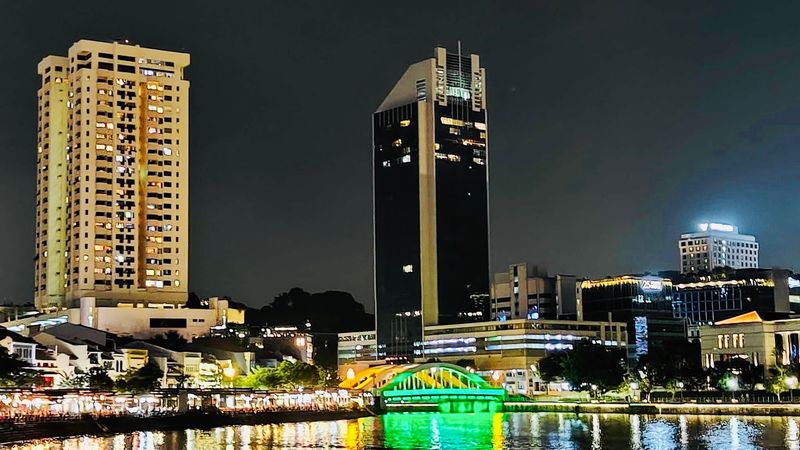
Singapore might be smaller than many American cities, but it operates with the confidence of a continent. Ranked consistently among the top five in the Kearney Global Cities Index, this city-state has turned its tiny landmass into one of the world’s most strategically important locations.
Its port is the second busiest on the planet, handling goods that touch almost every industry imaginable.
The financial sector here is world-class and growing fast. Singapore’s banking industry manages trillions in assets, and it has become Asia’s go-to hub for wealth management, fintech startups, and regional headquarters for global corporations.
Low taxes, strict rule of law, and a government obsessed with long-term planning have made it incredibly attractive to businesses that want stability alongside opportunity.
Technology and innovation are also central to Singapore’s identity. The government actively invests in artificial intelligence, smart city infrastructure, and biotechnology research.
Universities like the National University of Singapore consistently rank among Asia’s finest. Perhaps most impressive is how a nation with zero natural resources built a first-world economy through sheer strategic thinking and disciplined governance.
Singapore’s story is genuinely one of the most remarkable urban success stories in modern history.
Beijing, China
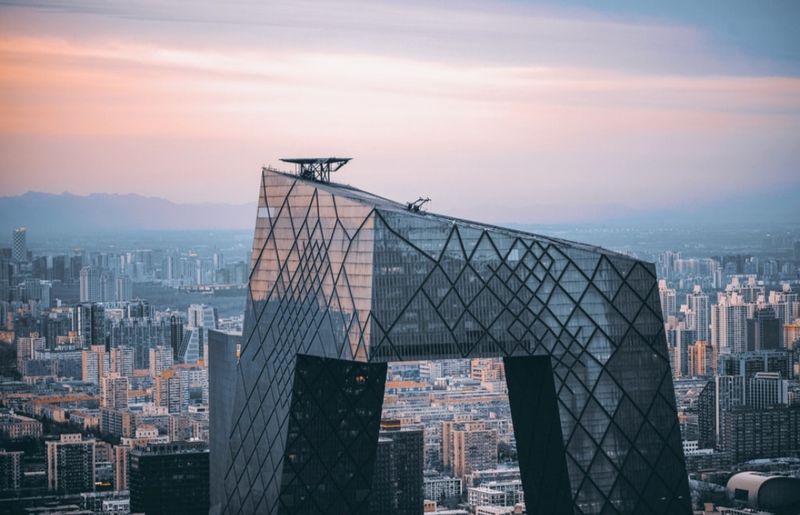
Every major decision that shapes China’s role in the world begins in Beijing, and since China is now the world’s second-largest economy, that makes Beijing one of the most consequential capitals on Earth. The city serves as the political brain of a nation of 1.4 billion people, home to the Communist Party leadership, the National People’s Congress, and every major government ministry overseeing policy that affects global markets daily.
Beijing is also a serious scientific and technological powerhouse. Tsinghua University and Peking University are two of Asia’s most prestigious institutions, producing graduates who go on to lead technology companies, government agencies, and research labs worldwide.
China’s investments in artificial intelligence, quantum computing, and renewable energy are largely coordinated and directed from Beijing, making it a hub for future-facing innovation.
Culturally, Beijing carries centuries of history that still shape China’s national identity and foreign policy. The Forbidden City, the Great Wall nearby, and the Summer Palace are not just tourist attractions but symbols of a civilization that sees itself as a long-term global player.
Beijing hosted both the 2008 Summer Olympics and the 2022 Winter Olympics, a feat no other city has achieved, signaling its ambitions clearly to the entire world.
Shanghai, China
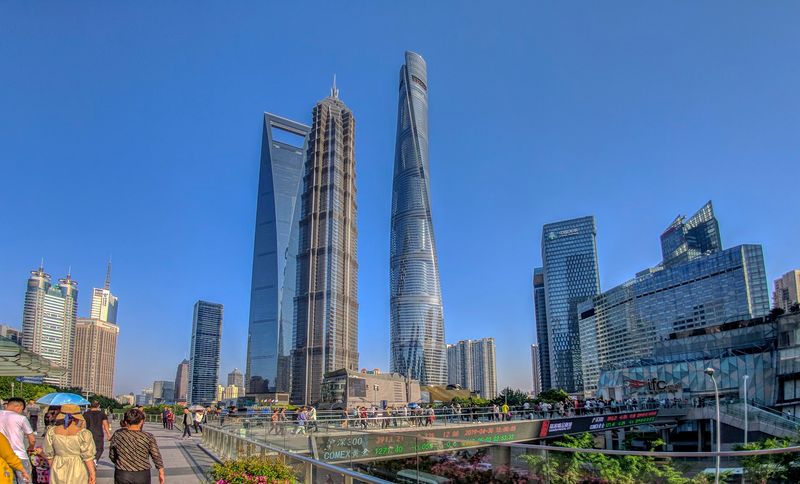
If Beijing is China’s brain, Shanghai is undoubtedly its heartbeat. The city pulses with financial energy, commercial ambition, and an international character that sets it apart from every other Chinese city.
Shanghai’s port moves more cargo than any other port on the planet, a staggering fact that underscores just how central this city is to global trade and supply chains that keep store shelves stocked worldwide.
The Shanghai Stock Exchange is one of the largest in the world by market capitalization, and the city’s financial district in Pudong has grown from farmland in the early 1990s to a glittering skyline that rivals Manhattan. Multinational corporations from Europe, the United States, and across Asia have planted regional headquarters here, drawn by access to China’s enormous consumer market and a business environment designed to attract foreign investment.
Shanghai also has a creative and cosmopolitan side that surprises first-time visitors. Its art scene, restaurant culture, and fashion industry are among the most vibrant in Asia.
The city blends its colonial-era Bund waterfront architecture with futuristic towers in a way that feels entirely unique. For businesses and travelers alike, Shanghai represents the most accessible and internationally connected version of modern China.
Seoul, South Korea
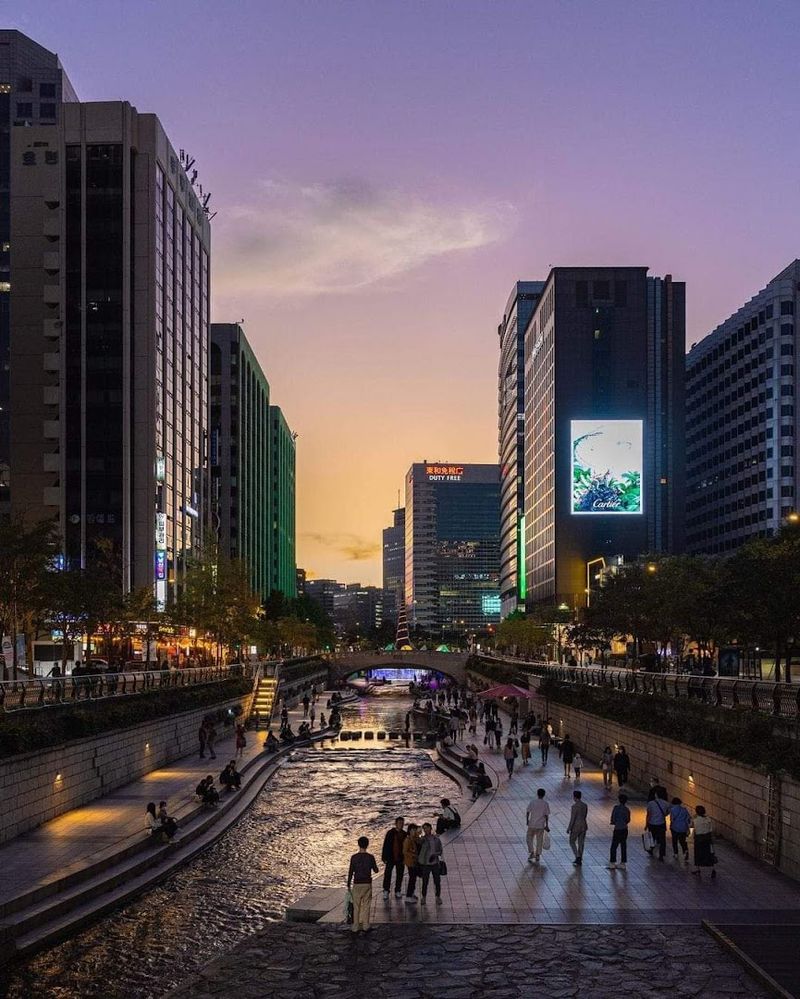
Twenty years ago, very few people outside Asia were talking about Seoul. Today, the whole world is.
South Korea’s capital has pulled off one of the most impressive urban transformations in modern history, evolving from a war-damaged city in the 1950s into a global leader in technology, entertainment, and innovation. The fact that this happened within a single lifetime makes it even more extraordinary.
The tech credentials are rock solid. Samsung, LG, Hyundai, and SK Hynix all call Seoul home, and together they shape global markets in electronics, semiconductors, automobiles, and telecommunications.
South Korea invests more in research and development as a percentage of its economy than almost any other nation, and much of that brainpower is concentrated in Seoul’s universities and corporate campuses.
Then there is the cultural explosion that nobody saw coming. K-pop acts like BTS and Blackpink sell out stadiums on every continent.
Korean films like Parasite win Academy Awards. Korean skincare routines trend globally.
Korean food is suddenly everywhere. Seoul did not just export products but exported an entire lifestyle that millions of young people around the world have enthusiastically adopted.
That kind of soft power is genuinely priceless on the global stage.
Dubai, United Arab Emirates
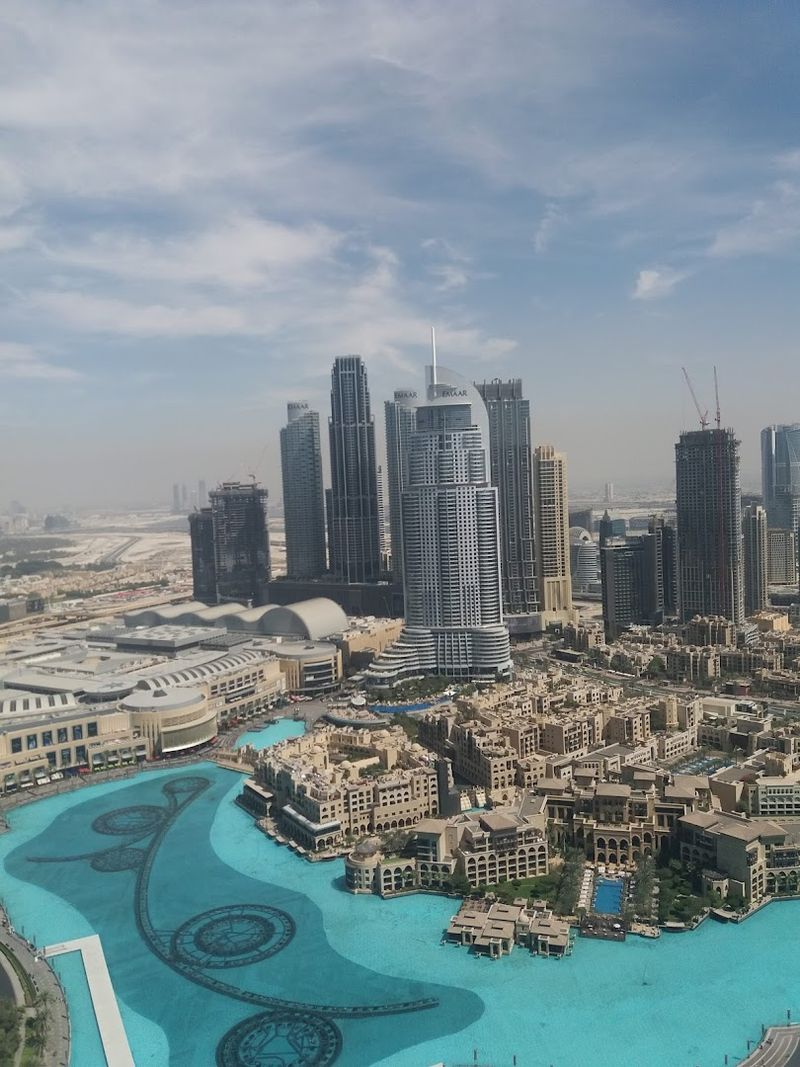
Thirty years ago, Dubai was mostly desert. Today it is home to the world’s tallest building, one of the planet’s busiest airports, and a skyline that looks borrowed from a science fiction film.
The speed of Dubai’s rise is almost disorienting, and it reflects a city driven by extraordinary ambition and a willingness to take bold risks that most governments would never dare attempt.
Geography gives Dubai a natural advantage that its leaders have maximized brilliantly. Sitting at the crossroads of Europe, Asia, and Africa, Dubai International Airport connects more international destinations than any other airport on Earth.
Emirates airline, headquartered here, has redefined long-haul aviation and made Dubai a mandatory stopover for millions of travelers annually. That constant flow of people brings business, investment, and ideas pouring into the city every single day.
Dubai has also worked hard to diversify beyond oil, building thriving sectors in finance, tourism, logistics, real estate, and technology. The Dubai International Financial Centre operates under its own legal system modeled on English common law, making it especially attractive to international businesses.
Expo 2020 Dubai attracted 24 million visitors and cemented the city’s reputation as a serious global player with serious global ambitions.
Washington, D.C., United States
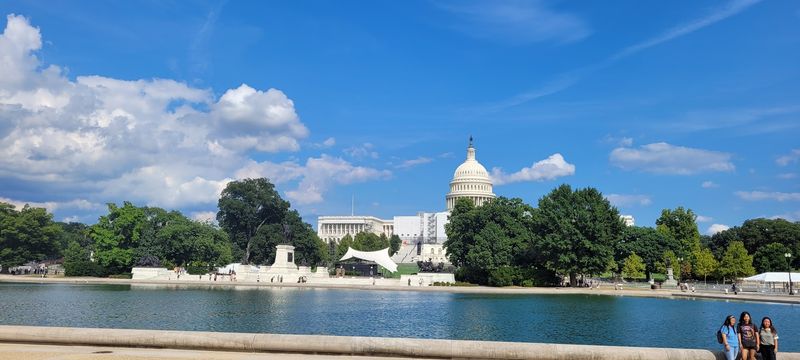
No city on Earth makes decisions that affect more people than Washington, D.C. As the seat of the United States federal government, every major foreign policy choice, military deployment, trade agreement, and economic regulation originates from a relatively small stretch of land along the Potomac River.
When the President signs an executive order or Congress passes a major bill, the effects are felt from rural American towns to distant capital cities overseas.
Beyond the White House and Capitol Hill, Washington hosts the World Bank, the International Monetary Fund, the Inter-American Development Bank, and hundreds of international organizations that collectively shape global economic policy. The decisions made in these institutions determine which countries receive development funding, how global financial crises are managed, and what rules govern international trade.
That concentration of institutional power is unmatched anywhere else on the planet.
Washington is also a city of ideas. Think tanks like the Brookings Institution, the Heritage Foundation, and the Council on Foreign Relations produce research that directly influences policy decisions at the highest levels.
Top universities, world-class museums, and the Library of Congress make it a genuine intellectual capital as well. Politically charged and endlessly fascinating, Washington rewards anyone willing to look beyond the politics and appreciate the full scope of its global weight.
Share this story