 Unearth The Voyage
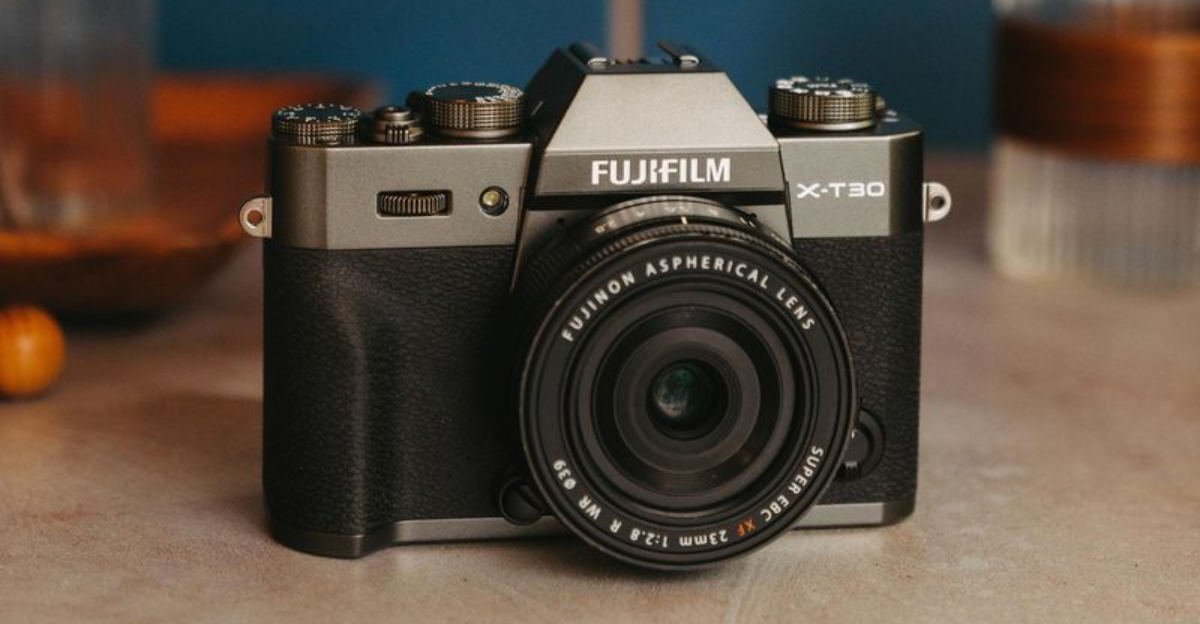
Starting photography in 2026 feels exciting because modern cameras remove guesswork while keeping creative control within reach. The right body can teach fundamentals, calm menu anxiety, and still deliver print worthy photos and crisp 4K clips. This list focuses on models praised for intuitive interfaces, reliable autofocus, and low learning curves that encourage real progress.
Pick the one that fits goals and watch skills grow session by session.
Canon EOS R100 Mirrorless Camera
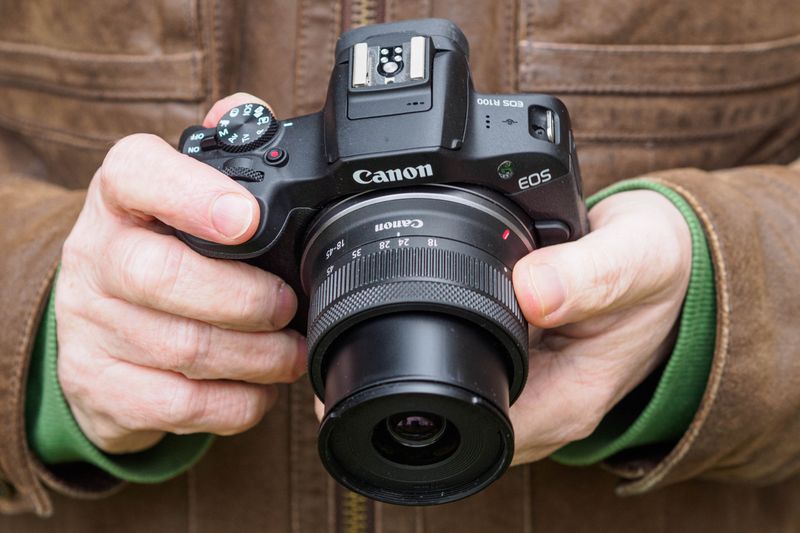
The Canon EOS R100 keeps things simple without feeling limiting, making it a calm first step into interchangeable lenses. Dual Pixel autofocus locks onto faces quickly, so missed moments are rare and frustration stays low. The Guided UI explains what a change actually does, turning cryptic terms into practical choices.
A 24.1 MP APS-C sensor delivers clean detail and pleasing color straight out of camera. Paired with the compact RF-S 18-45mm, everyday scenes, portraits, and travel shots are covered. Battery life is sensible for a day of casual shooting, and the lightweight body encourages taking it everywhere.
Menus are tidy, and the quick menu puts core settings front and center. 4K video is handy for snippets of trips or simple talking clips. As confidence grows, the RF lens ecosystem offers lots of affordable upgrades, from wide primes to stabilized zooms.
Nikon Z50 II Mirrorless Camera
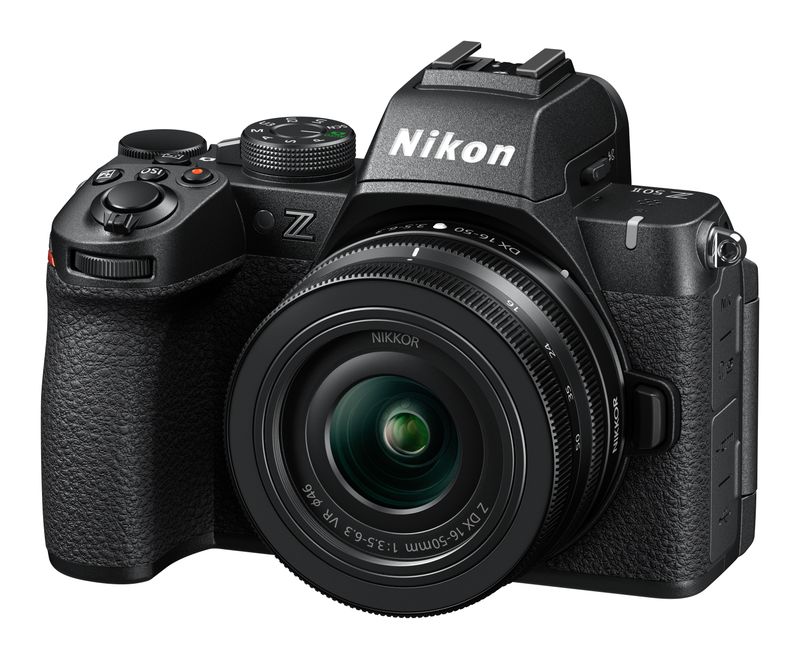
The Nikon Z50 II balances approachable design with performance that feels more advanced than entry level. Ergonomics are excellent for small hands, with a deep grip and clear buttons that reduce accidental presses. The touch interface feels natural, and the i menu gives fast access to exposure and focus options.
Autofocus is confident for casual portraits, pets, and street scenes, with reliable eye detection. The 20.9 MP sensor delivers crisp files that tolerate editing without falling apart. Nikon’s color science looks natural, which makes sharing straight from camera satisfying.
Beginners benefit from helpful hints in the menus, plus Scene and Auto modes that get results quickly. When ready, manual and custom settings are there without clutter. The compact Z DX lenses keep the kit light, and future full frame Z lenses offer an upgrade path later.
Canon EOS Rebel SL3 / EOS 250D DSLR
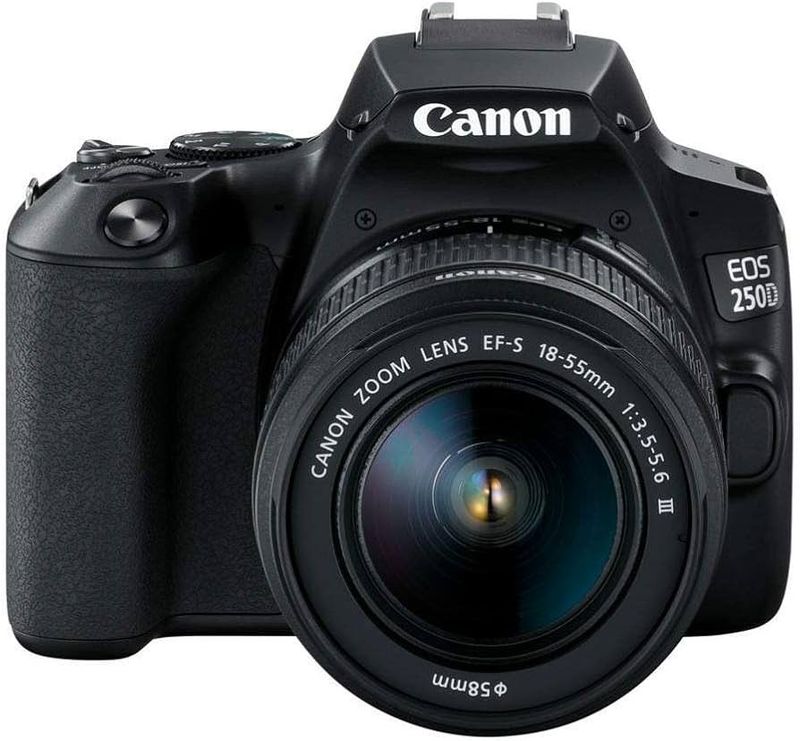
The Canon EOS Rebel SL3, also called EOS 250D, remains a favorite DSLR for first timers who want an optical viewfinder. Guided Mode breaks down exposure into plain language, showing what brightness or background blur changes look like. That visual learning builds confidence faster than diving into manuals.
The compact body is comfortable and lighter than most DSLRs, so carrying it for family events or trips is easy. A vari angle touchscreen flips for low angles and group selfies, and the interface is genuinely intuitive. Dual Pixel autofocus in Live View keeps subjects sharp without hunting.
Image quality is dependable with pleasing color and solid dynamic range. Auto modes deliver, while Aperture Priority offers a friendly path into creative control. As skills grow, the EF and EF-S lens catalog provides budget primes, macro options, and telephotos that extend possibilities.
Fujifilm X-T30 III Mirrorless Camera
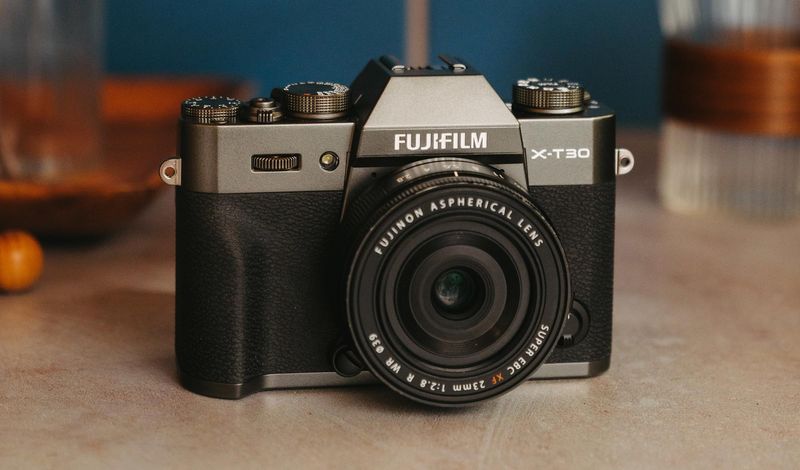
The Fujifilm X-T30 III blends tactile dials with smart automation, encouraging experimentation without confusion. Dedicated shutter speed and exposure compensation controls teach feedback through touch. Film Simulation modes deliver attractive looks like Classic Chrome or Pro Neg straight out of camera, saving editing time.
Autofocus tracks faces confidently and locks quickly in daylight. The 26 MP APS-C sensor produces detailed files with strong color depth, great for prints and social sharing. The body is compact and stylish, inspiring frequent carry and consistent practice.
The touchscreen is responsive and supports swipe function shortcuts. Beginners can lean on Auto before gradually moving to Aperture or Shutter Priority. The XF lens lineup provides crisp primes and versatile zooms, and even the smaller XC lenses keep costs friendly while image quality stays high.
Canon EOS R50 Mirrorless Camera
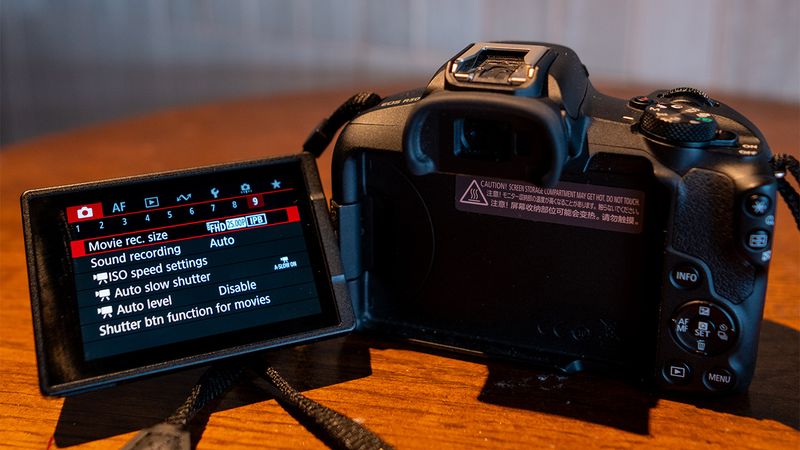
The Canon EOS R50 feels purpose built for newcomers who want speed and simplicity. The vari angle screen makes framing from above, below, or in small spaces effortless. Canon’s Dual Pixel autofocus is sticky, tracking faces and eyes confidently for sharp portraits and candid moments.
The interface offers clear guided explanations, helping translate settings into results. The 24 MP APS-C sensor produces crisp detail, and colors look pleasing without heavy editing. 4K video is convenient for everyday clips and beginner vlogs, and the compact kit lens covers wide to short telephoto needs.
Touch menus are fast, and the quick control dial keeps frequently used settings within reach. Auto modes deliver strong results while creative scene presets invite play. As skills grow, the RF lens family provides exciting upgrades, including bright primes that elevate low light performance and background blur.
Sony A6100A (with 16-50mm Lens)
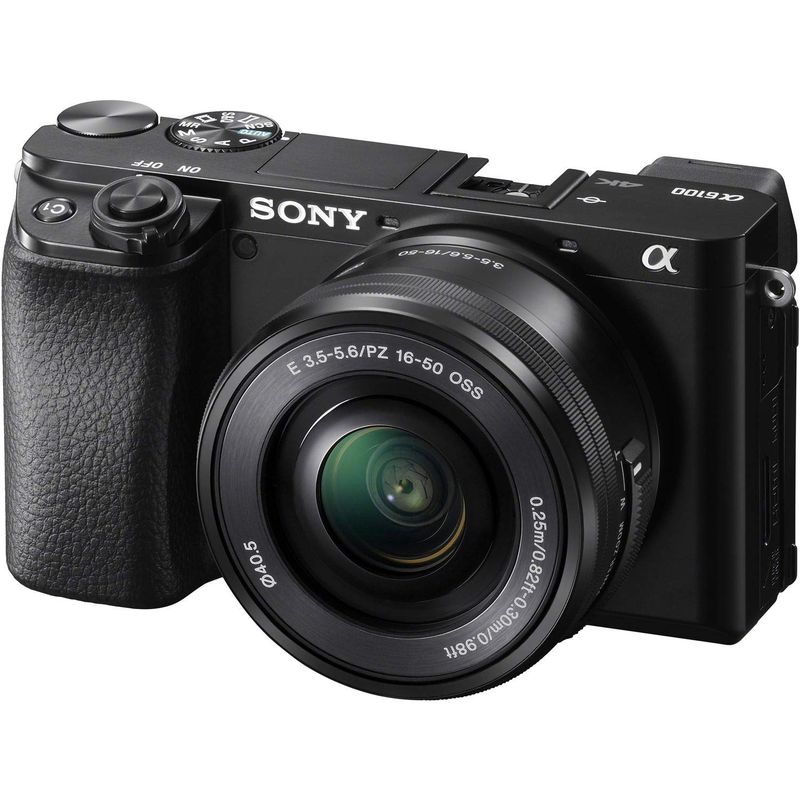
The Sony A6100A brings fast autofocus and a compact footprint to a friendly starter kit. Real Time Tracking and eye AF keep subjects sharp even when they move erratically. The flip up screen helps frame selfies or low angle shots without guesswork, encouraging experimentation.
Image quality from the 24 MP APS-C sensor is crisp with solid high ISO performance for indoor scenes. Menus are dense, but My Menu and Fn shortcuts tame complexity quickly. The 16-50mm power zoom covers daily situations from wide interiors to casual portraits.
Battery life is decent, and USB charging makes topping up simple on the go. Auto and scene modes deliver consistent results, while Aperture Priority unlocks creative blur with minimal effort. As needs evolve, E-mount offers plentiful lens choices, including affordable primes that deliver a big quality jump.
Nikon Z fc Mirrorless Camera
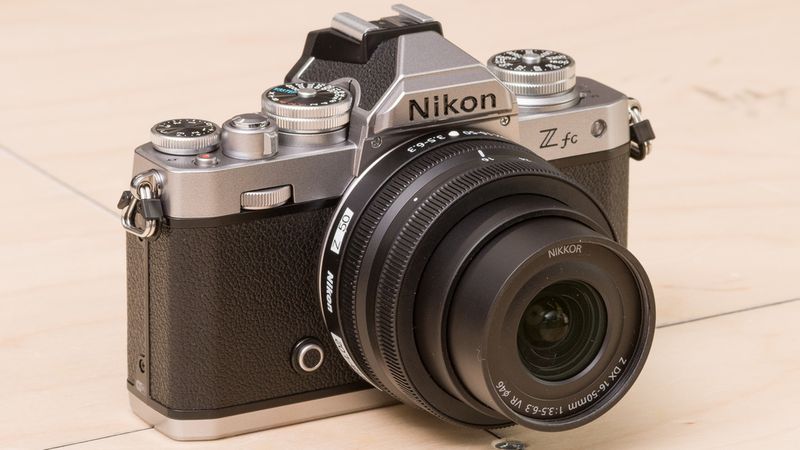
The Nikon Z fc pairs retro charm with a straightforward shooting experience that feels welcoming. Tactile dials make exposure changes obvious, teaching how shutter and ISO affect brightness. The body is light, the grip is modest, and controls are spaced to prevent accidental presses.
Autofocus performance is dependable with eye detection for portraits and street moments. The 20.9 MP sensor produces clean, balanced files with natural color that edits gracefully. The flip out screen supports vertical compositions and low angle frames, adding versatility for creative viewpoints.
The i menu and touch interface keep the learning curve manageable. Auto and Scene modes deliver quick wins, and moving to Priority modes feels smooth when curiosity grows. With compact Z DX lenses and adapter options, the system scales as skills and interests expand over time.
Nikon D3500 DSLR
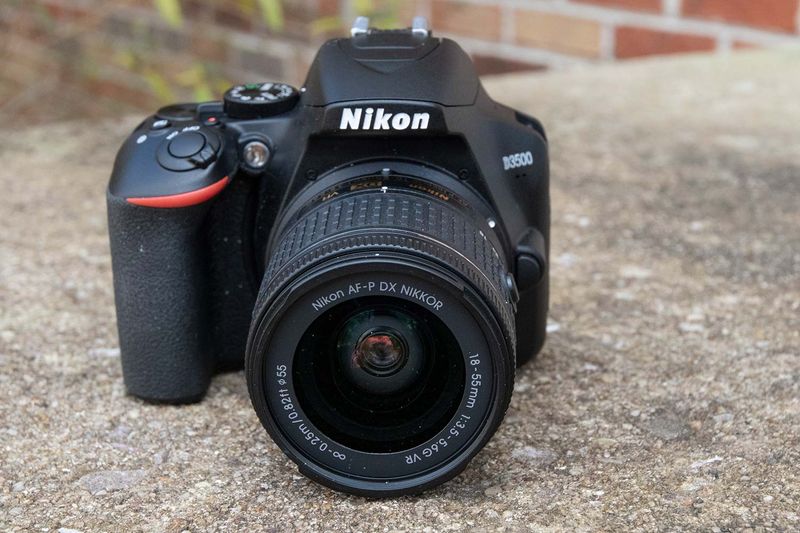
The Nikon D3500 remains a trusted beginner DSLR for its clear Guide Mode and long battery life. The optical viewfinder gives a stable, lag free view that helps with timing and composition. Controls are uncluttered, with a comfortable grip and buttons that fall where fingers expect.
The 24 MP APS-C sensor delivers detailed, clean images even in mixed light. Auto and scene presets handle family gatherings and everyday outings well. The 18-55mm kit lens provides a practical range for landscapes, portraits, and close ups without feeling heavy.
The camera encourages learning, showing what settings do while suggesting improvements. Files look good straight from camera, and there is room to edit when experimenting later. As interest grows, the F mount lens catalog offers inexpensive primes that add low light capability and creative depth of field.
Sony ZV-E10 Mirrorless Camera
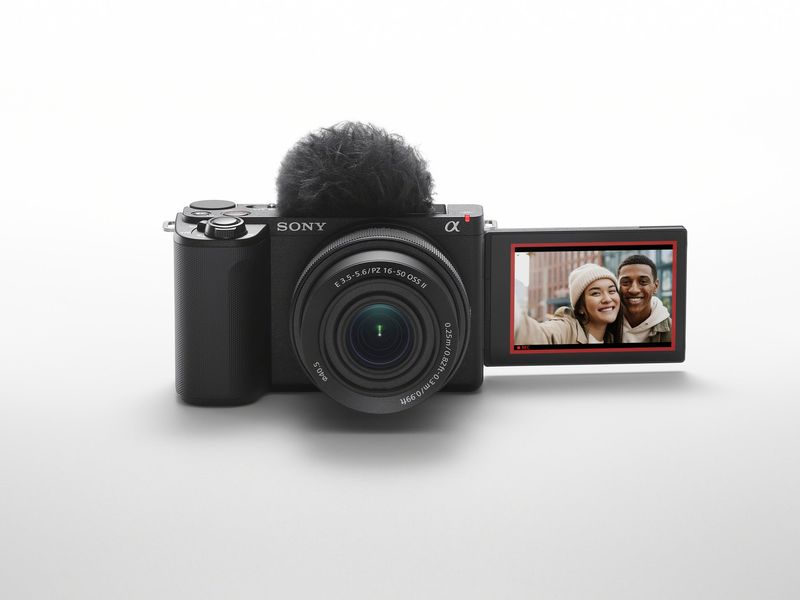
The Sony ZV-E10 focuses on creators yet works beautifully as a first stills camera. The articulating screen simplifies framing, and a tally light confirms recording at a glance. Real Time Eye AF keeps subjects tack sharp, and Product Showcase mode shifts focus smoothly for demos.
Stills look crisp from the 24 MP sensor, and color profiles make matching clips easy. The simplified top controls reduce menu diving, while the Fn menu provides quick access to exposure and audio. USB streaming makes basic live sessions straightforward without extra gear.
For learning photography, Auto modes are dependable and Aperture Priority offers a friendly next step. The compact body encourages everyday carry, and the E-mount ecosystem unlocks many budget lenses. Add a small prime later for low light and portraits that feel instantly more polished.
Olympus OM-D E-M10 Mark IV Mirrorless Camera
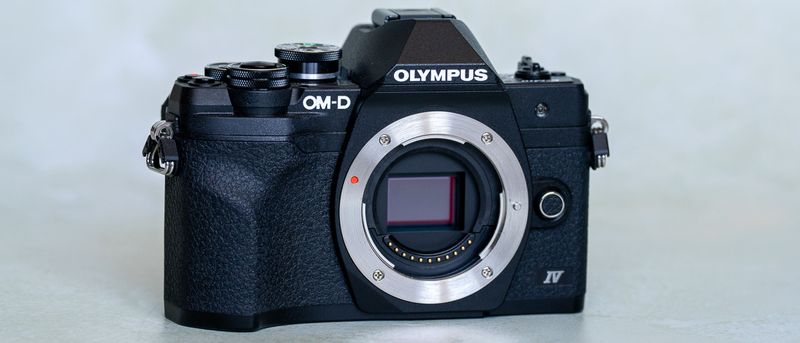
The Olympus OM-D E-M10 Mark IV excels at making handheld shooting steady and simple. In body image stabilization helps keep photos sharp and video smooth, even in dim cafés or city nights. The tilting screen and clean menu layout make operation straightforward without digging for basics.
Micro Four Thirds lenses are tiny, so a lightweight two lens kit is easy to carry all day. JPEG color looks lively, and profiles like Natural or Vivid simplify sharing. Autofocus is quick and accurate for street scenes, portraits, and travel details.
Auto modes are genuinely reliable, while Aperture Priority becomes an easy bridge to creative control. The compact body feels sturdy, and battery life suits a day of casual touring. When growth calls, primes and small zooms extend reach without adding bulk, keeping the system fun and approachable.



