 Unearth The Voyage
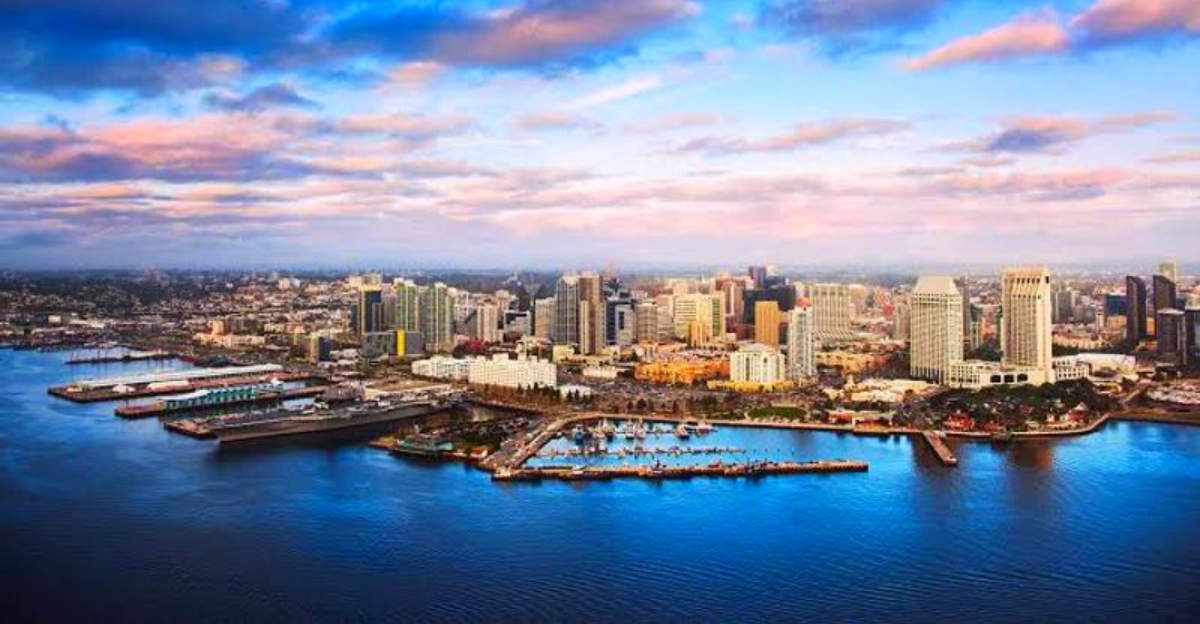
Every year, some of the largest creatures on Earth make incredible journeys along U.S. coastlines, and lucky travelers get a front-row seat to the show. Whale migration season is one of nature’s most jaw-dropping spectacles, drawing visitors from all over the world to watch these giants breach, feed, and glide through the ocean.
From the icy waters of Alaska to the sunny shores of Hawaii, the United States offers some of the best whale-watching spots on the planet. Whether you are a seasoned wildlife enthusiast or a first-time adventurer, these destinations are guaranteed to leave you speechless.
Monterey Bay, California
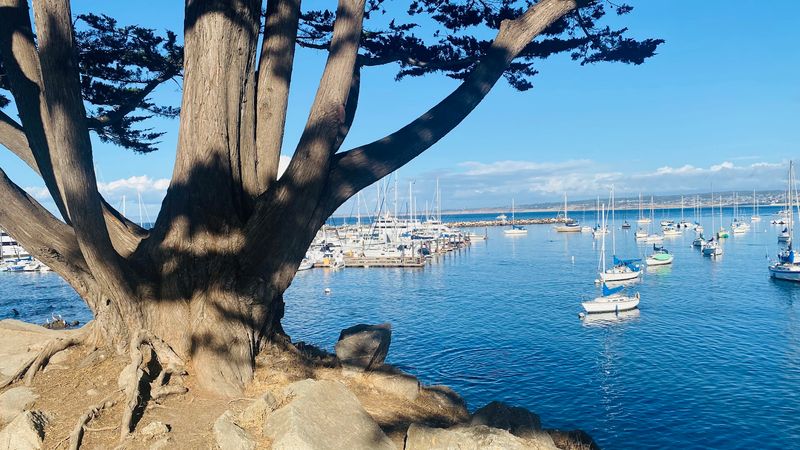
Beneath the surface of Monterey Bay hides one of the ocean’s best-kept secrets — a massive underwater canyon that plunges deeper than the Grand Canyon. This geological wonder funnels cold, nutrient-rich water upward, creating an all-you-can-eat buffet that whales simply cannot resist.
It is one of the main reasons Monterey Bay is considered a year-round whale-watching paradise.
Gray whales cruise through from December to April, while humpback and blue whales take over from spring through fall. Spotting a 90-foot blue whale — the largest animal ever to live on Earth — from a small boat is the kind of experience that rewires your brain.
Tours depart regularly from Fisherman’s Wharf, with knowledgeable naturalists on board to explain what you are seeing.
Shore-based viewing is also fantastic. Point Pinos and Point Lobos offer elevated lookout spots where patient visitors are frequently rewarded with spouts on the horizon.
Binoculars are helpful, but sometimes the whales get close enough that you will not need them. Monterey Bay is the real deal — reliable, accessible, and absolutely unforgettable for first-timers and seasoned whale watchers alike.
San Diego, California
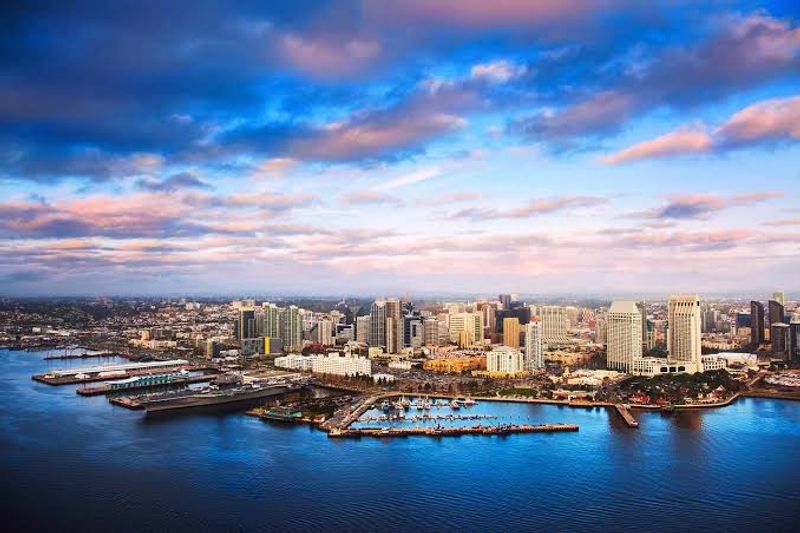
San Diego is where thousands of gray whales play out one of nature’s greatest road trips every single winter. These marathon swimmers travel roughly 12,000 miles round-trip between Alaska and Baja California — one of the longest migrations of any mammal on Earth.
Peak season runs from mid-December through March, and the action just offshore is relentless.
Cabrillo National Monument sits at the tip of Point Loma and offers one of the best free whale-watching vantage points on the entire West Coast. Rangers are often on hand to help visitors spot the telltale spouts from the observation deck.
On a clear winter day, you might count dozens of spouts in a single afternoon without spending a dime on a boat tour.
That said, guided boat tours from the harbor get you much closer to the action and include commentary that makes the experience richer. Summer visitors are not left out either — blue and fin whales appear in warmer months, keeping the excitement going year-round.
San Diego proves that world-class wildlife watching does not always require remote wilderness. Sometimes it happens right in your backyard, just past the surf.
Depoe Bay, Oregon
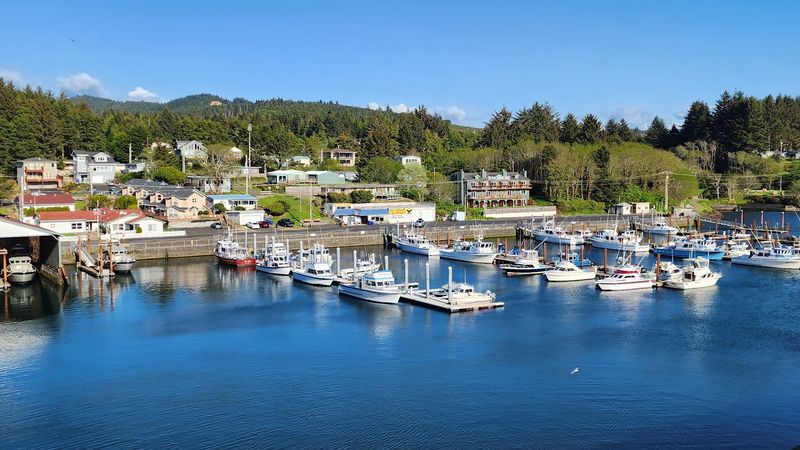
Picture a tiny harbor town so small its port is listed in the Guinness World Records as the world’s smallest navigable harbor — and yet it punches way above its weight when it comes to whale watching. Depoe Bay, Oregon, earned its title as the Whale Watching Capital of the Oregon Coast through sheer, consistent performance.
Around 18,000 gray whales pass this stretch of coastline during migration season, which runs from December through June.
What makes Depoe Bay extra special is its population of resident gray whales. These year-round locals hang around the kelp beds feeding, meaning even off-peak visitors have a solid shot at a sighting.
The dedicated Whale Watching Center, run by Oregon State Parks, offers free public viewing and educational programs that explain migration routes, whale behavior, and biology in a way that is engaging for all ages.
The viewing platform at the center is elevated right above the crashing waves, putting you dramatically close to the action. Volunteers staff the center during Whale Watch Weeks in late December and late March, dramatically boosting your chances of spotting a spout.
Depoe Bay is proof that big whale energy can come in the smallest packages imaginable.
San Juan Islands, Washington
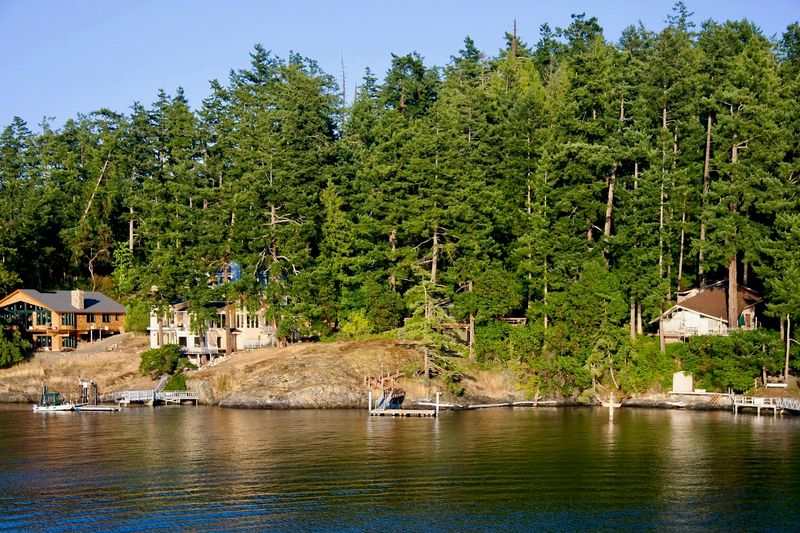
Somewhere between the pine-covered islands and the glassy green channels of the Pacific Northwest, orca fins slice through the water like black sails — and the sight never gets old. The San Juan Islands are one of the most celebrated orca-watching destinations in the entire world, drawing wildlife lovers from every corner of the globe between April and October.
Three resident pods, known as the Southern Residents, have called these waters home for generations.
Beyond orcas, the islands also host gray, humpback, and minke whales, making the overall marine wildlife experience exceptionally diverse. Kayaking tours offer an incredibly intimate way to experience the water, though motorized whale-watching vessels cover more ground and increase sighting odds.
Friday Harbor on San Juan Island serves as the main hub, with plenty of tour operators ready to take you out.
The scenery alone makes the trip worthwhile. Bald eagles soaring overhead, harbor seals lounging on rocky outcroppings, and distant mountain peaks create a backdrop that feels almost theatrical.
The Whale Museum in Friday Harbor is a must-visit for context on the local orca families, their history, and conservation challenges they face. The San Juan Islands deliver the full Pacific Northwest experience wrapped in wildlife wonder.
Juneau, Alaska
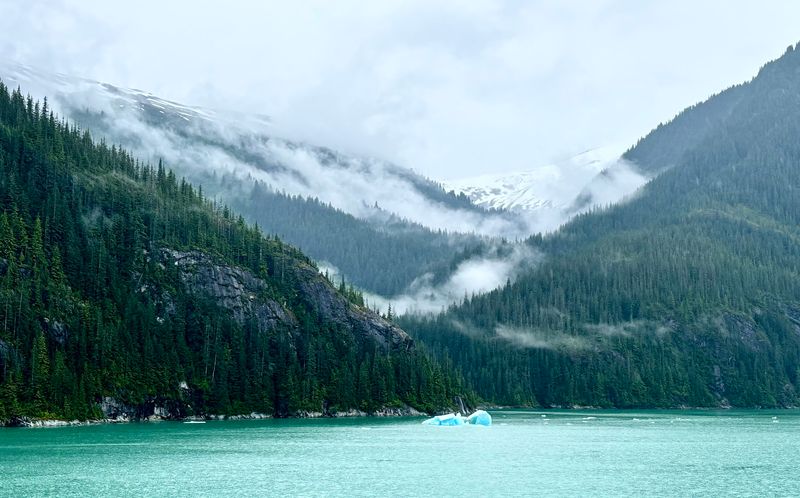
There is a feeding strategy so spectacular that researchers still marvel at it — bubble-net feeding, where groups of humpback whales blow curtains of bubbles to trap fish before surging upward with mouths wide open. Juneau, Alaska, is one of the few places on Earth where you can witness this extraordinary behavior up close.
Humpbacks flood these waters from late spring through early fall, drawn by the staggering abundance of herring and krill.
What separates Juneau from other whale-watching hotspots is the jaw-dropping setting. Glaciers tumble toward the sea, eagles ride thermals overhead, and misty fjords create an atmosphere that feels ancient and wild.
Whale-watching tours operate out of the downtown waterfront and frequently encounter multiple whales within minutes of leaving the dock. Success rates are remarkably high by any standard.
Breaching is common here, too — watching a 40-ton animal launch itself completely out of the water is something your camera will never fully capture. Many tours combine whale watching with glacier viewing at nearby Mendenhall Glacier, making for an action-packed day.
Juneau is the kind of place that makes people emotional in the best possible way, reminding them just how wild and magnificent the natural world truly is.
Glacier Bay, Alaska
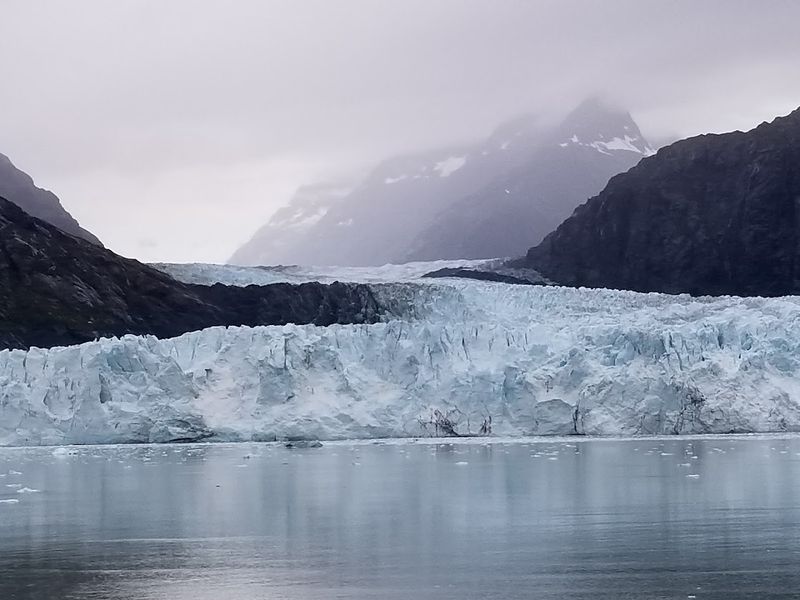
Glacier Bay is the kind of place that looks like it was designed by someone who wanted to make everyone else feel deeply humble. A UNESCO World Heritage Site and national park, it protects one of the most ecologically intact marine environments left on the planet.
From June through August, humpback whales arrive in impressive numbers to gorge on the bay’s exceptionally rich waters, and the viewing opportunities are nothing short of extraordinary.
Because private boat traffic is strictly regulated, the waters here are far quieter than most whale-watching destinations. That means whales behave more naturally, and sightings feel genuinely wild rather than staged.
Orcas also patrol the bay, and lucky visitors occasionally spot minke whales and even Steller sea lions riding the same currents as the giants.
Access to Glacier Bay requires a bit of effort — most visitors arrive by cruise ship or small charter plane — but that limited accessibility is exactly what preserves its magic. Park rangers aboard cruise ships provide real-time commentary on whale behavior and glacier science, adding depth to the experience.
Glacier Bay is not just a whale-watching destination; it is a reminder of what the ocean looked like before humans got too loud. Come prepared to feel very, very small.
Maui, Hawaii
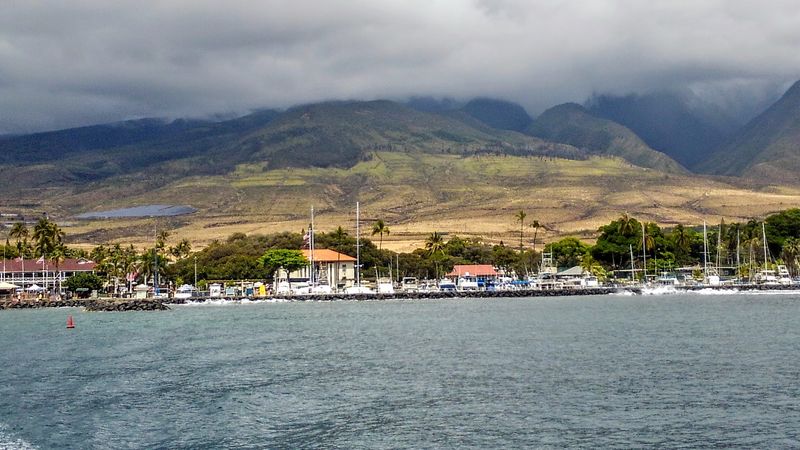
Every winter, roughly 10,000 humpback whales make a beeline for the warm, shallow waters surrounding Maui — and honestly, who could blame them? The Hawaiian Islands Humpback Whale National Marine Sanctuary protects the channel between Maui, Lanai, and Kahoolawe, which serves as one of the most important humpback breeding and calving grounds in the Northern Hemisphere.
Peak season runs from December through April, with January and February being absolutely electric.
The shallow channel waters make for ideal viewing conditions. Whales breach, slap their pectoral fins, and sing haunting underwater songs that male humpbacks produce to attract mates.
Snorkelers have even reported hearing whale song while in the water — a goosebump-inducing experience that is completely unique to Hawaii.
Shore-based viewing from spots like McGregor Point, Papawai Point, and Kapalua Bay is surprisingly productive. Bring good binoculars and a little patience, and the whales will almost certainly find you.
Boat tours offer closer encounters, and some operators allow hydrophone listening — dropping an underwater microphone into the water so passengers can actually hear the whales communicate. Maui combines beach paradise with world-class wildlife watching in a way that no other destination quite matches.
Cape Cod, Massachusetts
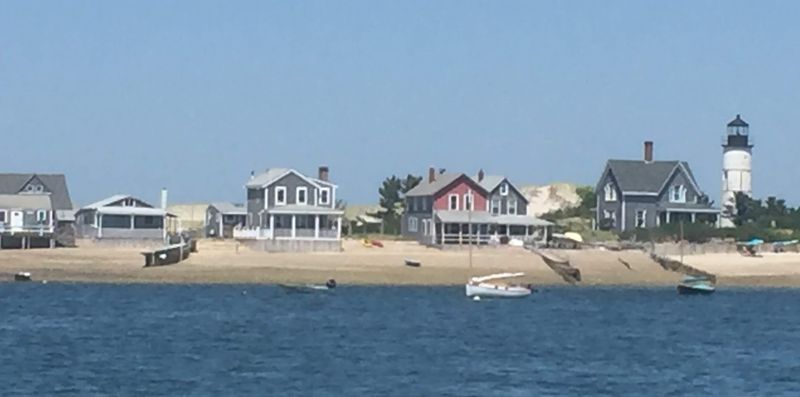
Ask any East Coast marine biologist where to take someone who has never seen a whale, and there is a very good chance they will say Cape Cod without hesitating. The secret is Stellwagen Bank National Marine Sanctuary, a shallow underwater plateau just off the tip of the Cape that acts like a magnet for marine life.
Humpback, fin, and minke whales converge here from April through October to feed on massive schools of sand lance and herring.
Whale-watching tours out of Provincetown are legendary for their high success rates. Some operators report whale sightings on over 99 percent of their trips — a statistic that speaks for itself.
Naturalists from the Center for Coastal Studies often join tours, bringing scientific expertise that transforms a boat ride into a genuine learning experience.
Humpbacks in this area are individually identified by researchers and given names like Salt, Nile, and Jabiru — names that have been passed down through generations of calves. Recognizing a named whale and learning her family history adds a surprisingly personal dimension to the encounter.
Cape Cod is also just a spectacular place to be in summer, with charming towns, fresh seafood, and beaches that stretch for miles. The whales are the headliner, but the whole show is worth the trip.
Bar Harbor, Maine
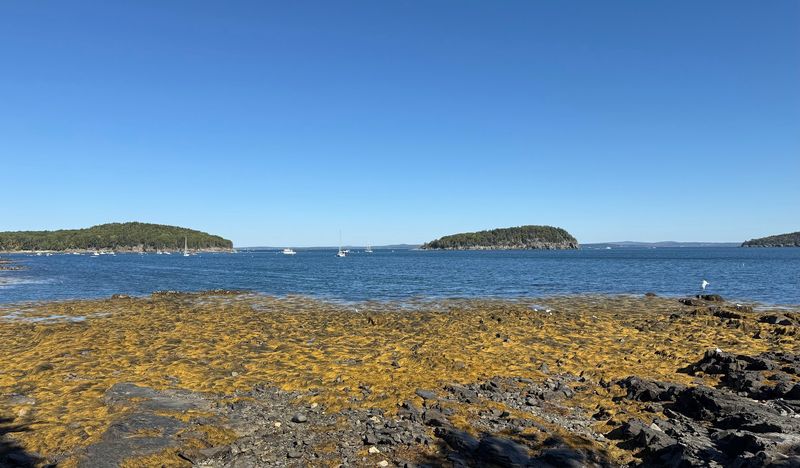
Cold water gets a bad reputation, but in the Gulf of Maine, it is basically a five-star restaurant for whales. The nutrient-dense currents that sweep through this region support enormous quantities of copepods and small fish, drawing fin whales, minke whales, and the critically endangered North Atlantic right whale to feed from mid-spring through fall.
Bar Harbor sits at the gateway to all of it, with Acadia National Park as its dramatic backdrop.
Fin whales — the second-largest animals on Earth — are frequently spotted on tours out of Bar Harbor, often surfacing multiple times in close succession as they lunge-feed near the surface. Watching a 70-foot animal accelerate through the water with its mouth agape is a moment of pure, unfiltered awe.
Minke whales, though smaller, are quick and curious, sometimes approaching boats directly.
Compared to more famous whale-watching hubs, Bar Harbor feels refreshingly uncrowded. Acadia National Park offers additional wildlife viewing on land, with sea kayaking and tide-pooling rounding out a full coastal adventure.
The combination of rugged New England scenery, exceptional seafood, and some of the richest whale habitat in the Atlantic makes Bar Harbor a seriously underrated gem for wildlife-minded travelers seeking authenticity over hype.
Jacksonville, Florida
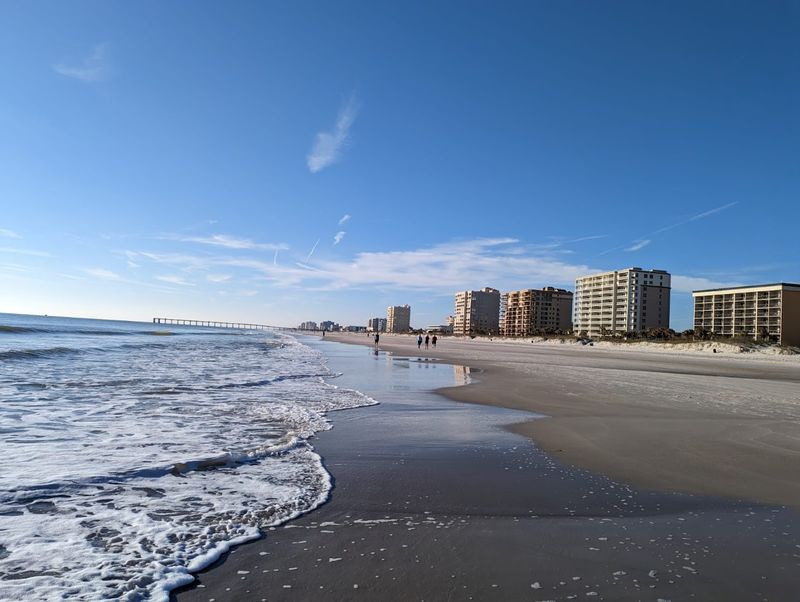
With fewer than 360 individuals left in existence, spotting a North Atlantic right whale is not just a wildlife encounter — it is a brush with one of the rarest large animals on Earth. Jacksonville, Florida, sits within one of the only known calving grounds for this critically endangered species, making it a destination unlike anywhere else on this list.
From November through April, pregnant females migrate south to give birth in the relatively warm, shallow waters off the southeastern U.S. coast.
Sightings are not guaranteed — these whales are scarce by definition — but the waters off Jacksonville and neighboring Cumberland Island are among your best odds anywhere in the world. The National Oceanic and Atmospheric Administration actively monitors right whale movements during calving season and sometimes shares near-real-time sighting data with tour operators and the public.
Boat tours operate with strict approach regulations to protect the mothers and newborns, keeping a respectful distance that still allows for moving, meaningful observations. Shore-based spotting from Amelia Island and Little Talbot Island State Park is also possible on calm days.
Jacksonville may not have the flashy whale-watching reputation of Monterey or Maui, but what it offers is rarer, more urgent, and arguably more powerful — a chance to witness survival itself.



