Some national parks look like they belong in a science fiction movie rather than on planet Earth. Volcanic deserts, towering stone pillars, glowing ice caves, and razor-sharp rock spires create scenery so bizarre it barely feels real.
These places prove that nature has a wild imagination and a flair for the dramatic. Pack your sense of wonder because these ten parks are unlike anything you have ever seen.
Zhangjiajie National Forest Park, China
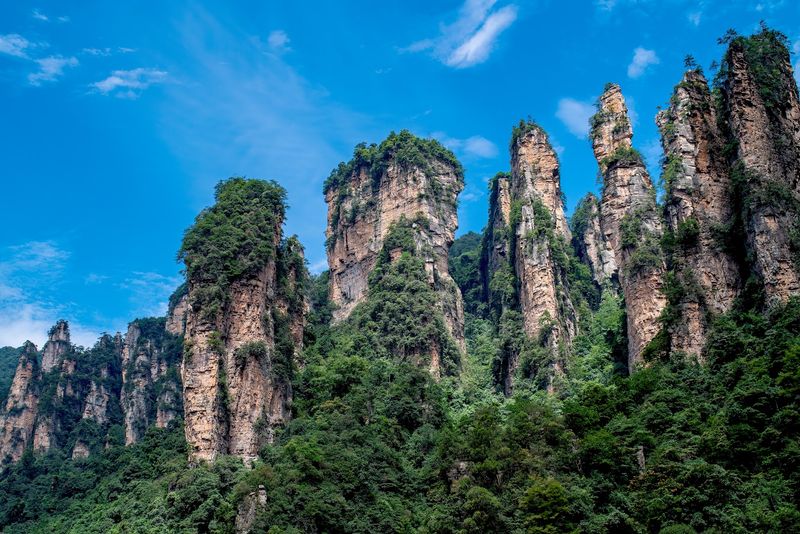
Imagine standing at the edge of a cliff while hundreds of massive stone columns disappear into the clouds below you. That is exactly what visitors experience at Zhangjiajie, the Chinese national park that inspired the floating mountains in the blockbuster film Avatar.
The towering sandstone pillars here reach heights of over 200 meters, draped in green vegetation and wrapped in swirling mist.
What makes Zhangjiajie feel truly surreal is how the pillars seem to defy gravity. They are narrow at the base and wide at the top, as if someone stacked enormous boulders with zero concern for physics.
The park has over 3,000 of these formations spread across lush valleys and forested ridges.
Visitors can walk across the Zhangjiajie Glass Bridge, one of the world’s longest glass-bottomed bridges, suspended high above the canyon floor. Cliffside wooden walkways hug the rock faces, offering heart-pounding views at every turn.
The park is open year-round, but spring and autumn offer the most dramatic misty conditions. Comfortable hiking shoes are a must because the trails are long and the terrain is steep.
Yellowstone National Park, United States
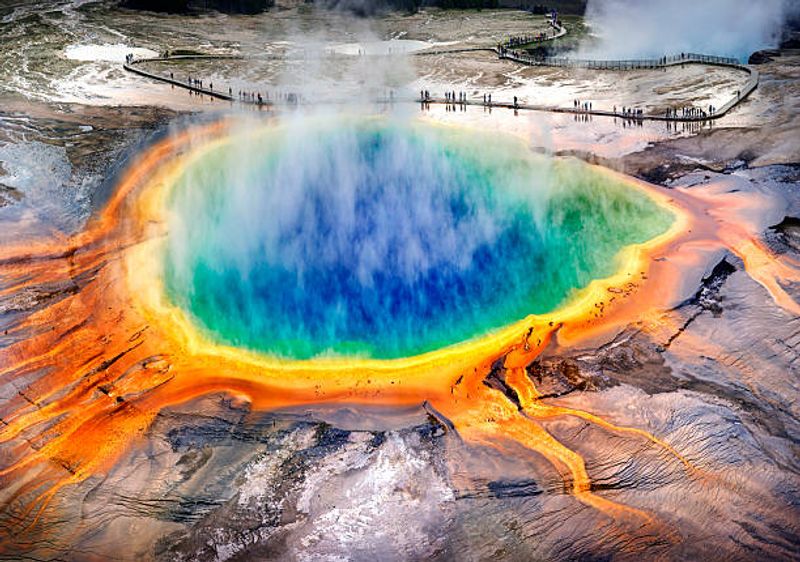
Nothing quite prepares you for the smell of sulfur mixed with the sight of neon-colored water bubbling out of the earth. Yellowstone sits on top of one of the largest active volcanic systems in the world, and the park makes absolutely no effort to hide that fact.
Steaming geysers, boiling hot springs, and fumaroles spitting volcanic gases create a landscape that feels genuinely alive.
Grand Prismatic Spring is the star attraction, and its colors are almost too vivid to believe in person. Rings of deep blue, turquoise, yellow, and orange surround the steaming water, created by heat-loving bacteria that thrive in extreme temperatures.
The spring stretches wider than a football field, making it the largest hot spring in the United States.
Old Faithful geyser erupts roughly every 90 minutes, shooting boiling water over 100 feet into the air with impressive reliability. The park also hosts wolves, bison, and grizzly bears roaming freely across its massive landscape.
Yellowstone covers nearly 3,500 square miles, so a single visit barely scratches the surface. Arriving early in the morning gives visitors the best chance of spotting wildlife before crowds fill the popular boardwalk trails.
Tsingy de Bemaraha National Park, Madagascar
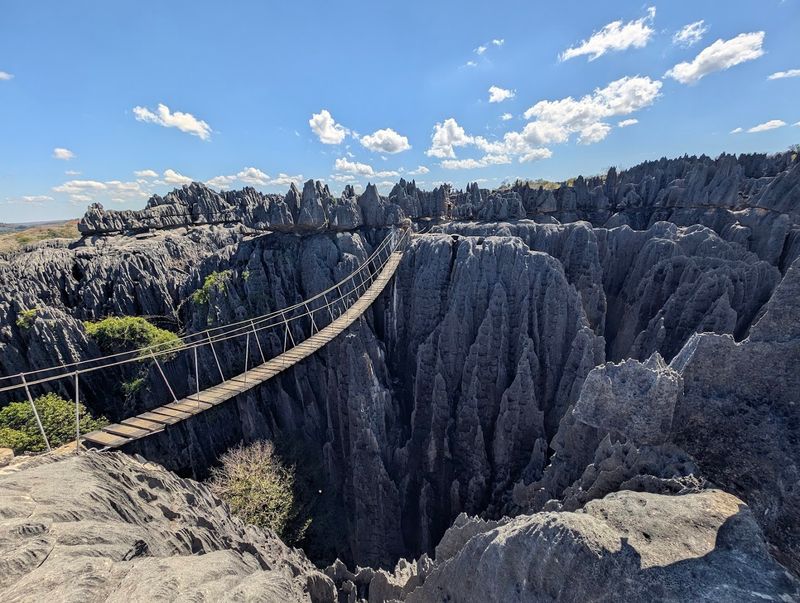
Sharp enough to slice through boots and dense enough to form an almost impenetrable forest of stone, the limestone spires of Tsingy de Bemaraha are one of nature’s most jaw-dropping achievements. Located in western Madagascar, this UNESCO World Heritage Site contains a labyrinth of razor-edged rock pinnacles that formed over millions of years through a combination of erosion and underground river activity.
The name tsingy roughly translates to “where one cannot walk barefoot,” which tells you everything you need to know.
The formations stretch across the landscape in dense clusters, creating narrow canyons and hidden passages that feel like a lost world. Unique wildlife including lemurs, chameleons, and rare birds have adapted to live within this hostile terrain.
Suspension bridges and fixed ropes help adventurous visitors navigate the more dramatic sections of the park.
Getting to Tsingy de Bemaraha requires serious planning since the park sits in a remote region with limited road access. The dry season between April and November offers the safest and most comfortable visiting conditions.
Guided tours are strongly recommended because the terrain is genuinely dangerous without local expertise. This park rewards the determined traveler with scenery found absolutely nowhere else on Earth.
White Sands National Park, United States
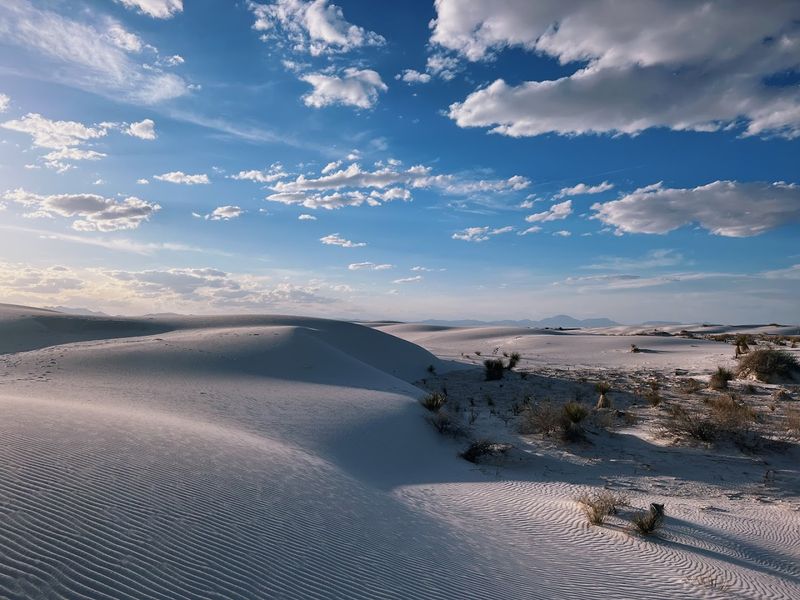
Stepping onto the dunes at White Sands feels like walking onto the surface of the moon, except warmer and considerably more enjoyable. Located in the Tularosa Basin of New Mexico, this park contains the world’s largest gypsum dunefield, stretching across 275 square miles of blindingly white sand.
Unlike ordinary desert sand, gypsum stays cool to the touch even under intense summer sunlight.
Wind sculpts the dunes into constantly shifting shapes, so the landscape looks noticeably different with every visit. Rippled patterns, curved ridges, and smooth bowls form and dissolve over days and weeks.
Sunrise and sunset bathe the white surface in shades of pink, lavender, and gold, creating photography conditions that seem almost unfair in their beauty.
The park offers several hiking trails ranging from easy nature walks to longer backcountry routes. Plastic sleds are actually sold at the visitor center for dune sledding, making this one of the few national parks where sliding down hills counts as a legitimate activity.
Summer temperatures can soar past 100 degrees Fahrenheit, so early morning visits are strongly recommended. Bring plenty of water, sunscreen, and sunglasses because the reflected light off the white sand is seriously intense.
Vatnajokull National Park, Iceland
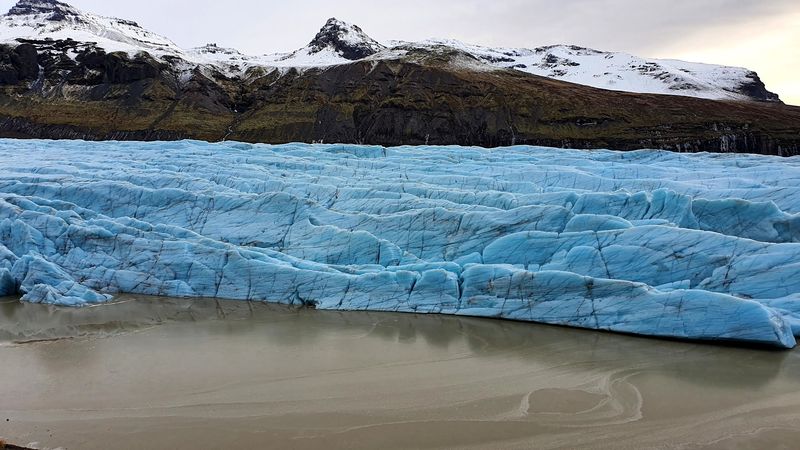
Fire and ice sharing the same postcode sounds like the setup to a riddle, but in Iceland it is simply Tuesday. Vatnajokull National Park covers roughly 14 percent of Iceland’s entire surface, making it the largest national park in Europe.
Beneath its massive glacier system, active volcanoes continue reshaping the landscape from below while ice carves the terrain from above.
The ice caves found inside the Vatnajokull glacier are genuinely breathtaking. Natural tunnels carved by meltwater create chambers with walls of translucent blue ice that glow with an almost supernatural light.
These caves are only safely accessible during winter months when the ice is frozen solid enough to explore without serious risk.
Outside the glacier, the park contains volcanic deserts, steaming lava fields, glacier lagoons, and dramatic black sand beaches. Jokulsarlon glacial lagoon is particularly spectacular, with floating chunks of ancient ice drifting slowly toward the Atlantic Ocean.
The surrounding landscape looks stripped bare and prehistoric, as if the planet is still figuring itself out. Wildlife including Arctic foxes and seabirds thrive across the park’s varied terrain.
Guided glacier hikes and ice cave tours operate regularly throughout the winter season and are suitable for most fitness levels.
Craters of the Moon National Monument, United States
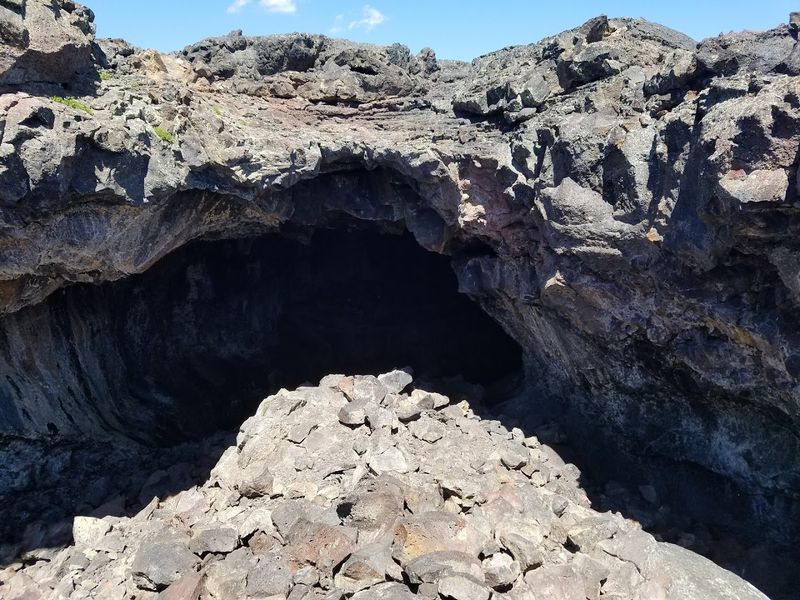
NASA astronauts once trained here before heading to the actual moon, which should give you a solid idea of just how strange this place looks. Craters of the Moon National Monument in Idaho preserves one of the most well-developed lava field landscapes in North America.
Massive eruptions between 15,000 and 2,000 years ago left behind cinder cones, lava tubes, and miles of jagged black volcanic rock that barely supports any plant life.
Walking across the lava fields feels surreal because the ground crunches and shifts underfoot in ways ordinary soil never does. The black basalt rock absorbs heat intensely during summer, making the surface temperature significantly hotter than the surrounding air.
Lava tube caves hidden beneath the surface stay cool year-round and can be explored with a flashlight.
The park covers over 750,000 acres, much of it designated wilderness where the volcanic terrain remains completely undisturbed. Stargazing here is exceptional because light pollution is almost nonexistent across the remote Idaho landscape.
Summer evenings reveal a sky so packed with stars it looks almost painted on. The visitor center provides excellent exhibits explaining the volcanic history of the region and the fascinating geological processes that continue shaping this extraordinary landscape today.
Wadi Rum Protected Area, Jordan
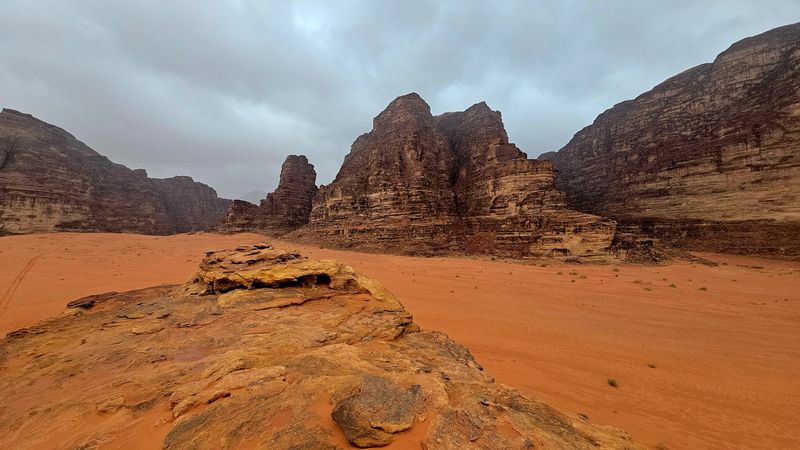
Wadi Rum has appeared in so many science fiction films set on Mars that it practically deserves its own screen credit. The Jordanian desert’s red sand, enormous sandstone cliffs, and isolated rock formations create a landscape so convincingly alien that filmmakers keep returning.
The Martian, Lawrence of Arabia, and Rogue One all filmed scenes here, and the camera crews were not wrong to choose it.
The protected area covers over 720 square kilometers of dramatic desert terrain carved by wind and water over millions of years. Towering cliffs rise hundreds of meters above the valley floor, their surfaces etched with ancient Nabataean inscriptions and rock carvings.
The silence here is remarkable, the kind of deep quiet that makes you aware of your own heartbeat.
Bedouin communities have called Wadi Rum home for centuries and continue offering traditional hospitality through guided jeep tours and overnight desert camps. Sleeping under the stars in a Bedouin tent with nothing but open desert around you is a genuinely unforgettable experience.
Camel treks and hiking routes wind through the canyons and past natural rock bridges. The best time to visit is spring or autumn when temperatures are comfortable and the desert light turns the red rocks into something almost magical at sunrise and sunset.
Death Valley National Park, United States
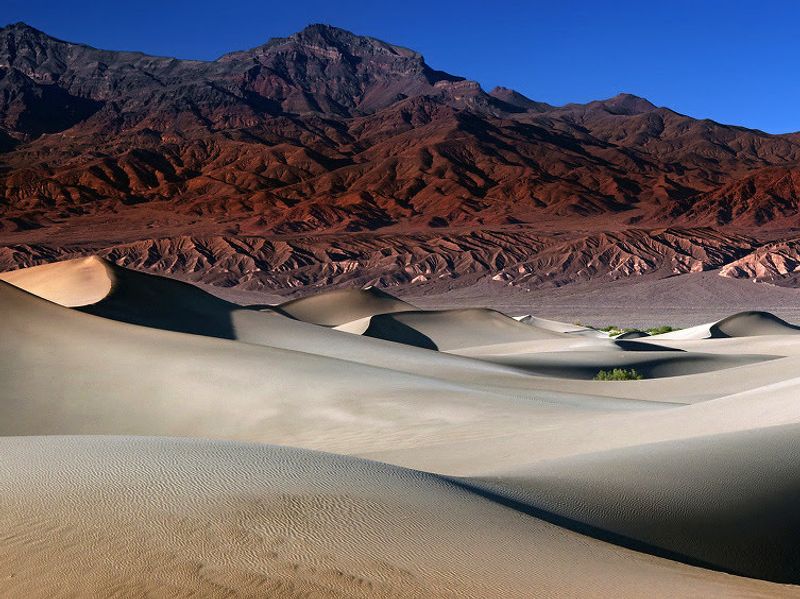
Death Valley holds the record for the highest reliably recorded air temperature on Earth, reaching 134 degrees Fahrenheit in 1913, and the park wears that distinction with zero apology. Located in California and Nevada, it is the lowest, hottest, and driest national park in the United States.
Yet despite its intimidating reputation, Death Valley contains some of the most visually striking terrain on the continent.
Badwater Basin sits 282 feet below sea level and stretches across miles of cracked white salt flats that shimmer in the desert heat. The hexagonal salt patterns covering the basin floor form naturally as water evaporates and minerals crystallize.
Nearby, the Mesquite Flat Sand Dunes rise in graceful curves against a backdrop of rugged mountains.
The Artist’s Palette area features multicolored volcanic hills painted in shades of pink, green, yellow, and purple by mineral deposits. Zabriskie Point offers sweeping views across golden badlands that glow dramatically during the golden hour before sunset.
November through February brings cooler temperatures that make hiking genuinely enjoyable rather than survival-focused. Wildflower season in spring occasionally transforms the valley floor into an unexpected carpet of color after heavy winter rains.
Always carry far more water than you think you will need.
Gunung Mulu National Park, Malaysia
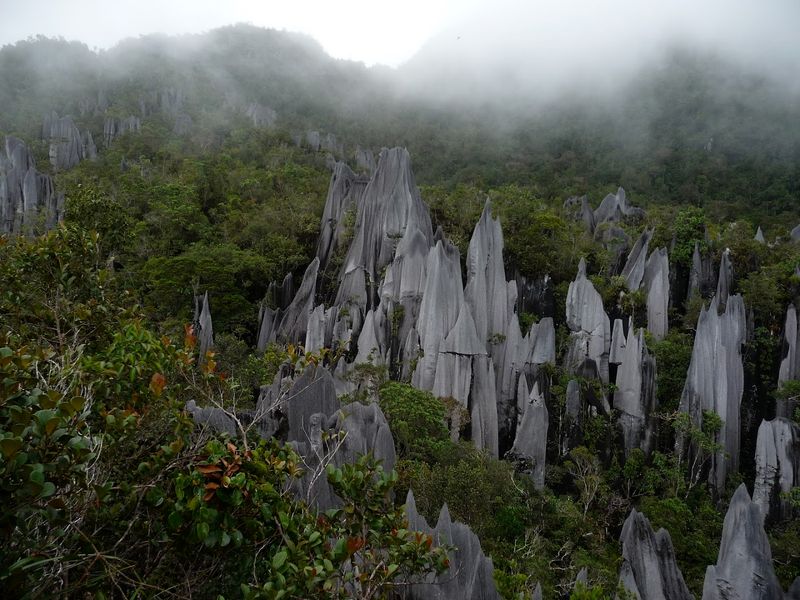
Hidden beneath the dense rainforest of Borneo lies a cave system so enormous that an entire Boeing 747 could fit inside one of its chambers with room to spare. Gunung Mulu National Park in the Malaysian state of Sarawak contains Sarawak Chamber, the largest known cave chamber in the world by area.
The park’s limestone karst landscape above ground is equally dramatic, featuring razor-sharp rock pinnacles that pierce the jungle canopy.
Deer Cave is another highlight, home to millions of wrinkled-lip bats that pour out of the cave entrance every evening in a spectacular swirling column. The exodus lasts for up to 30 minutes and draws crowds of open-mouthed visitors every single night.
Inside, bat guano has accumulated in piles tall enough to rival small hills, creating a thriving ecosystem of cockroaches, centipedes, and cave-adapted creatures.
The park also contains stunning cave formations including massive stalactites, flowstones, and crystalline deposits that have grown over hundreds of thousands of years. Boardwalk trails make the main caves accessible to most visitors, while more remote caves require experienced guides and caving equipment.
The surrounding rainforest teems with orangutans, hornbills, and proboscis monkeys. Gunung Mulu is a UNESCO World Heritage Site and genuinely one of Southeast Asia’s most extraordinary natural destinations.
Bryce Canyon National Park, United States
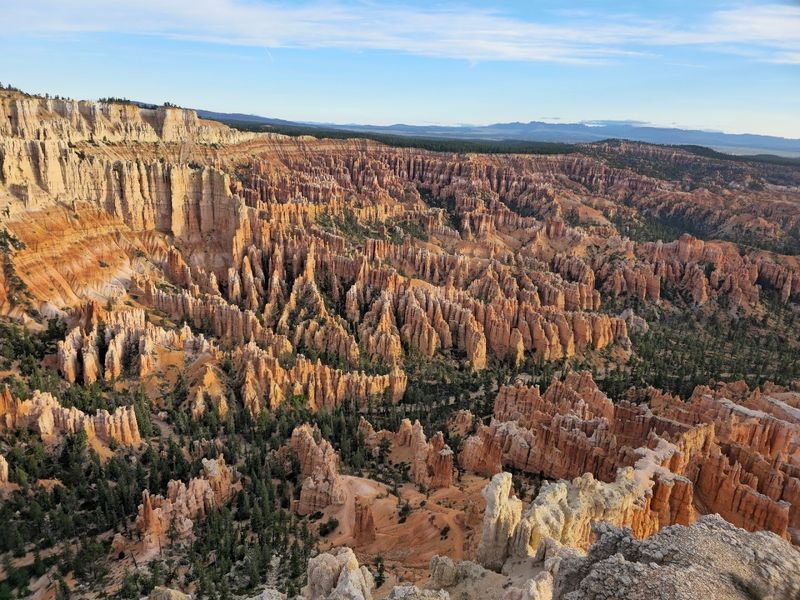
Bryce Canyon looks like a fantasy kingdom designed by someone who really loved the color orange. Thousands of hoodoos, tall spindly rock towers carved by frost and rain over millions of years, rise from the canyon floor in dense clusters that glow brilliantly at sunrise.
The park sits on a high plateau in southern Utah and technically is not a canyon at all but rather a series of natural amphitheaters eroded into the edge of the Paunsaugunt Plateau.
Hoodoos form when softer rock beneath a harder cap erodes away, leaving a balanced tower that somehow keeps standing against all reasonable expectations. Bryce contains the highest concentration of hoodoos anywhere on Earth, with colors ranging from pale cream to deep brick red depending on the mineral content of the rock.
Dusting of snow in winter makes the orange spires look even more dramatic against a white background.
The park offers hiking trails that descend directly into the hoodoo forest, putting visitors at eye level with the formations rather than just looking down from above. The Navajo Loop and Queens Garden trails are the most popular and combine into a satisfying three-mile loop.
Bryce Canyon sits at elevations between 8,000 and 9,000 feet, so temperatures stay cooler than surrounding desert parks even in summer. Stargazing here is world-class thanks to exceptionally dark skies.
Share this story