Most people picture Nebraska as a flat, featureless stretch of highway you drive through on the way somewhere else. That assumption is spectacularly wrong. Nebraska is quietly hiding some of the most jaw-dropping natural landscapes in the entire country, from towering rock formations that guided pioneers westward to fossil beds that freeze prehistoric moments in time. The state has ancient badlands that look borrowed from a science fiction film, wooded river bluffs that feel nothing like the Great Plains, and a waterfall that most Nebraskans themselves have never seen.
Whether you are a seasoned road tripper or someone who has simply underestimated this state for far too long, these ten natural attractions are ready to change your mind. Each one tells a different story about what Nebraska actually is beneath its modest reputation. Get comfortable, because this list is about to make you rethink everything you thought you knew about the Cornhusker State.
1. Smith Falls State Park, Valentine, Nebraska
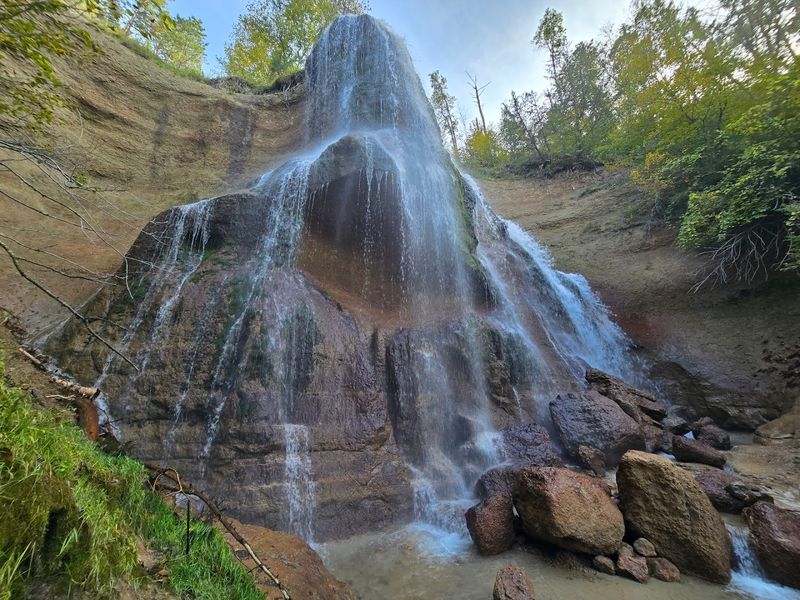
Nebraska has a waterfall, and not just any waterfall. Smith Falls drops a stunning 63 feet into the Niobrara River, making it the tallest waterfall in the entire state.
The surrounding canyon feels unexpectedly lush, with dense vegetation that creates a cool, shaded retreat from the open prairie above. A wooden footbridge crosses the Niobrara River, giving visitors a scenic approach that turns the short hike into a genuinely rewarding little journey.
The park sits near Valentine, which already has a reputation as one of Nebraska’s most charming small towns. Combining a visit to Smith Falls with a float trip on the Niobrara makes for one of the best full-day outdoor adventures the state has to offer.
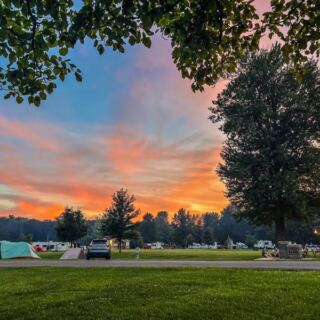
Camping is available on-site, so there is no need to rush the experience. Kayaking and tubing are popular on the river, and the trail to the falls is accessible enough for most fitness levels. This is the kind of place that earns a permanent spot on your Nebraska bucket list the moment you arrive.
2. Toadstool Geologic Park, Crawford, Nebraska
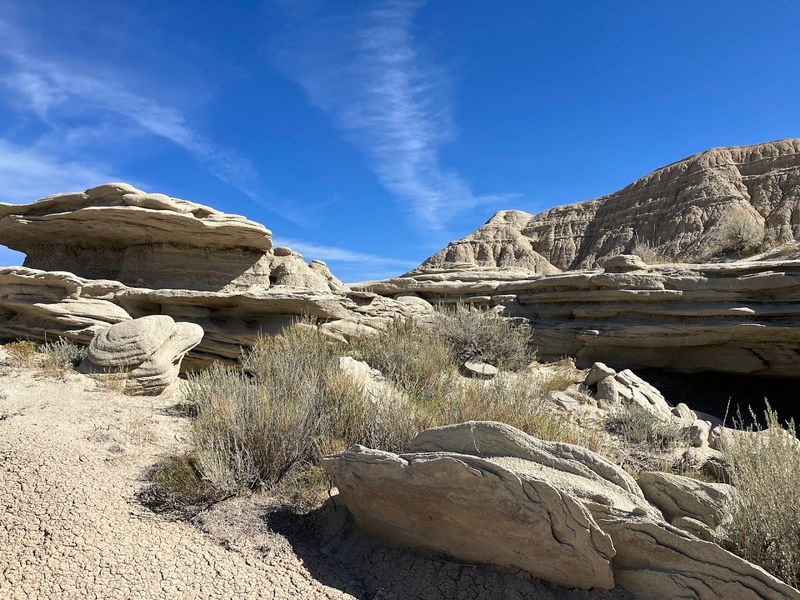
The formations at Toadstool Geologic Park look like they belong on another planet. Mushroom-shaped pillars of clay and sandstone rise from the prairie floor, sculpted over millions of years by wind and water erosion into shapes that seem almost deliberately artistic.
The park sits within the Oglala National Grassland in northwestern Nebraska, far enough from major highways that most travelers never stumble across it by accident. That remoteness is actually part of its appeal. Arriving here feels like finding a secret.
Geologically, the formations date back to the Oligocene epoch, roughly 30 million years ago. Fossil remains of early horses, rhinoceros relatives, and ancient mammals called oreodonts have been discovered throughout the area, making the landscape as scientifically significant as it is visually bizarre.
An interpretive kiosk at the trailhead explains the geology in clear, accessible language, and the main loop trail is short enough to complete in under an hour. Toadstool Geologic Park is proof that Nebraska’s northwestern corner has been quietly competing with the American Southwest for decades and winning.
3. Scotts Bluff National Monument, Gering, Nebraska
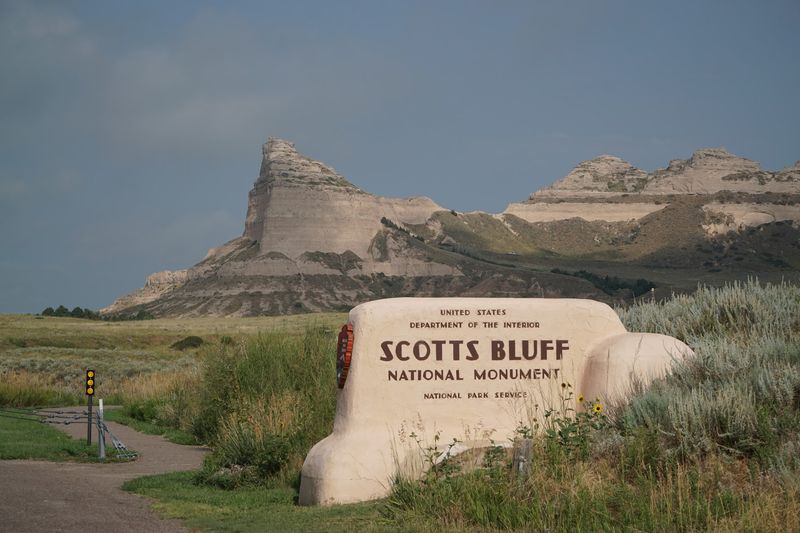
Rising nearly 800 feet above the surrounding valley, Scotts Bluff is the kind of landmark that stops you mid-sentence. The bluff is composed of layered siltstone and sandstone, and its profile has been recognizable to travelers across this stretch of Nebraska for centuries.
Long before it became a national monument, Scotts Bluff served as a critical waypoint for pioneers traveling the Oregon, California, and Mormon Trails. Wagon wheel ruts from those historic journeys are still visible near the monument today, preserved in the landscape like a quiet reminder of what this place once meant to thousands of westward travelers.
The Saddle Rock Trail offers a challenging hike to the summit, but a paved summit road is also available for those who prefer a more relaxed approach to the panoramic views. From the top, visitors can see across the North Platte River Valley in every direction, with the badlands stretching out to the north and the plains rolling endlessly southward.
The visitor center includes exhibits on both the geological history of the bluff and the human stories connected to the trails that passed beneath it.
4. Chimney Rock National Historic Site, Bayard, Nebraska
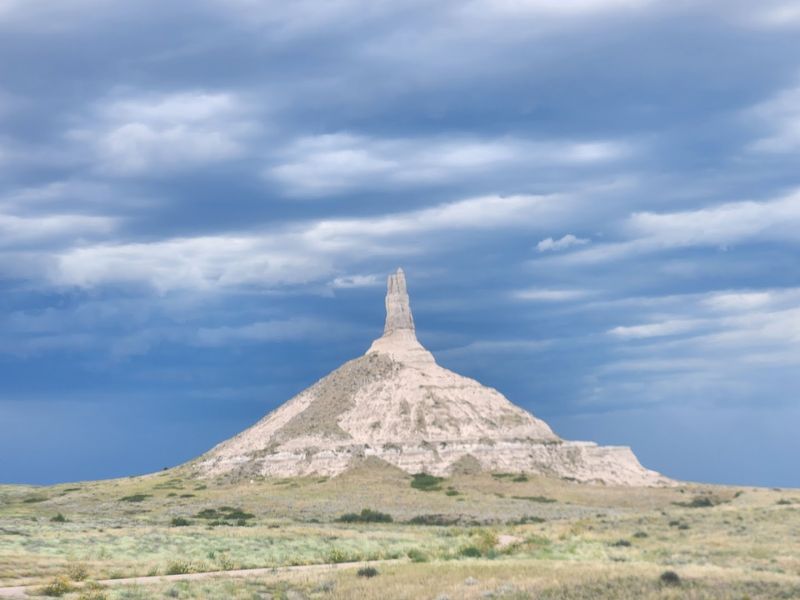
Few natural formations in American history have been written about, sketched, and photographed more obsessively than Chimney Rock. Pioneers traveling the Oregon Trail treated their first sighting of it as a milestone, a sign that they had truly entered the West.
The spire rises more than 400 feet above the surrounding prairie near Bayard, and its narrow, column-like shape is immediately recognizable. It is made primarily of volcanic ash and clay, which explains why it has been slowly eroding for thousands of years. Early accounts describe it as even taller than it stands today.
The site holds deep historical significance not just for pioneers but also for Native American communities who lived and traveled through this region long before the wagon trains arrived. The visitor center does a solid job of presenting multiple perspectives on the landmark’s history.
Viewing the rock from the parking area gives you the classic silhouette shot, but a short walking path brings you closer for a better sense of its actual scale. Chimney Rock is one of those landmarks that looks exactly like its photographs and somehow still manages to be more impressive in person.
5. Ashfall Fossil Beds State Historical Park, Royal, Nebraska
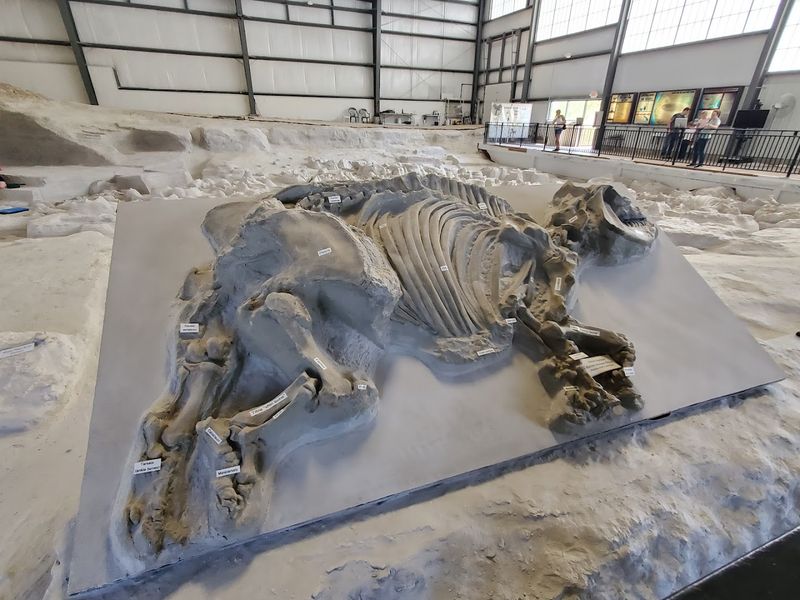
About 12 million years ago, a massive volcanic eruption sent a cloud of ash drifting across what is now Nebraska. Animals gathered at a watering hole had no warning, and the ash preserved them exactly where they fell. Today, that moment in time is on full display at Ashfall Fossil Beds State Historical Park near Royal.
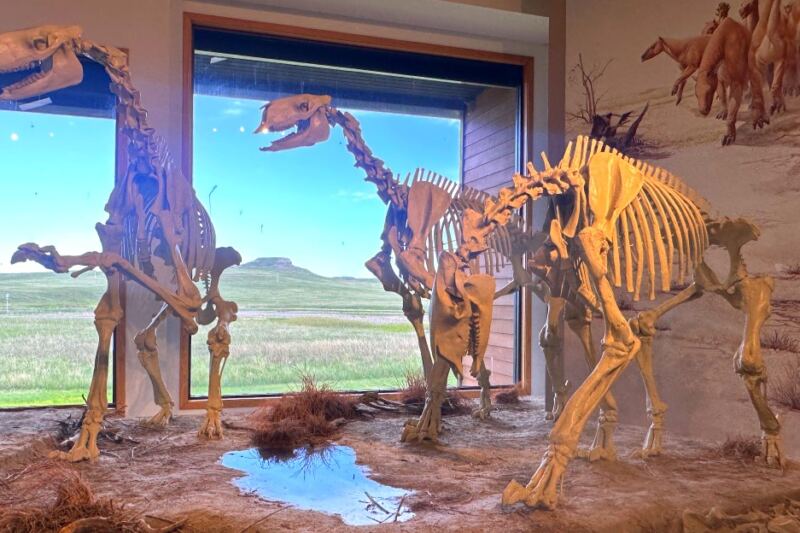
The park is often called the Pompeii of prehistoric animals, and the comparison is fair. Visitors can see fossilized rhinoceroses, three-toed horses, and ancient camels preserved in the positions in which they were found, still embedded in the original ash layer.
The centerpiece of the park is the Hubbard Rhino Barn, a large indoor structure built directly over one of the most significant fossil sites. During the warmer months, paleontologists work inside the barn, and visitors can watch the excavation process in real time. That combination of museum exhibit and active science makes Ashfall unlike almost any other site in the country.
Royal is a small town, so plan ahead with food and fuel before you arrive. The park is absolutely worth the detour from any major Nebraska highway.
6. Agate Fossil Beds National Monument, Harrison, Nebraska
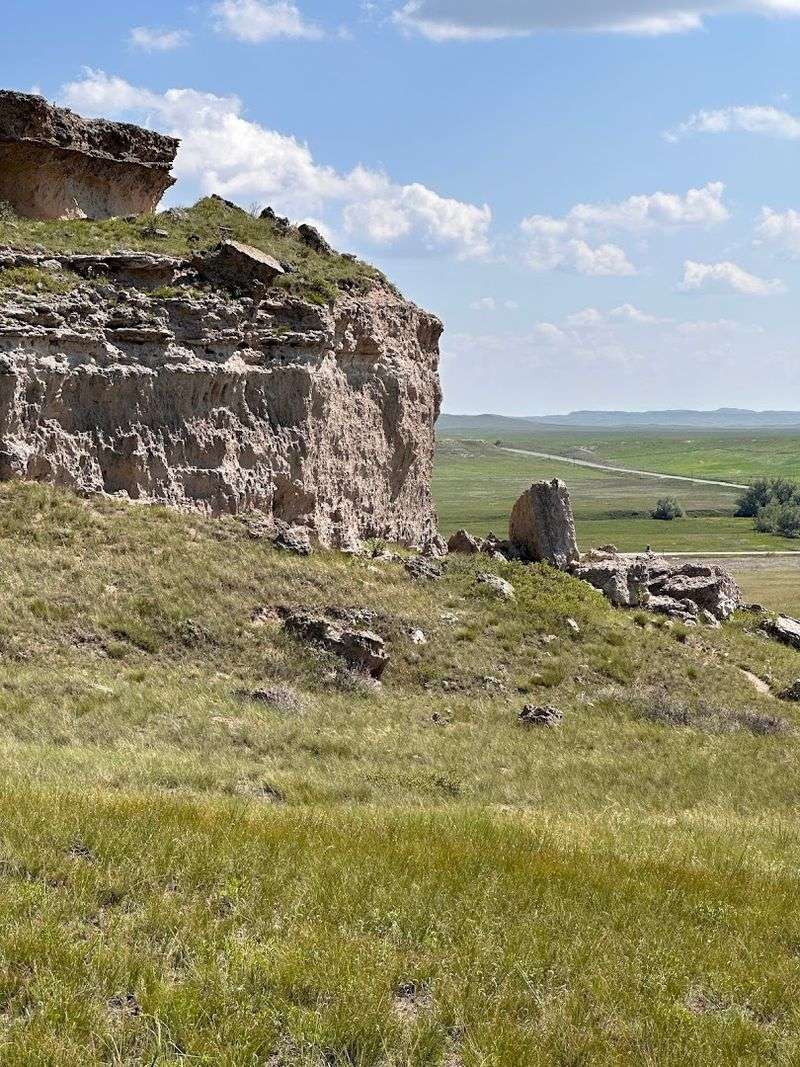
The name alone should be enough to spark curiosity. Agate Fossil Beds National Monument preserves one of the most significant concentrations of Miocene-era mammal fossils ever discovered in North America, all tucked beneath the rolling grasslands outside Harrison, Nebraska.
The fossils found here date back roughly 20 million years and include species that no longer exist anywhere on Earth. Ancient two-horned rhinoceroses, small bear-dogs, and a pig-like creature called Dinohyus have all been unearthed from these hills. The monument’s visitor center displays many of these specimens alongside a collection of Native American artifacts donated by rancher James Cook, who owned this land in the late 1800s.
Two trails wind through the monument, both relatively flat and easy to complete. The landscape itself is wide and open, with big skies and a stillness that encourages you to slow down rather than rush through.
There is something genuinely humbling about walking across ground that holds millions of years of natural history just beneath the surface. Agate Fossil Beds is the kind of place that rewards patient visitors who take time to read the signs, study the exhibits, and appreciate what the land is actually telling them.
7. Indian Cave State Park, Shubert, Nebraska
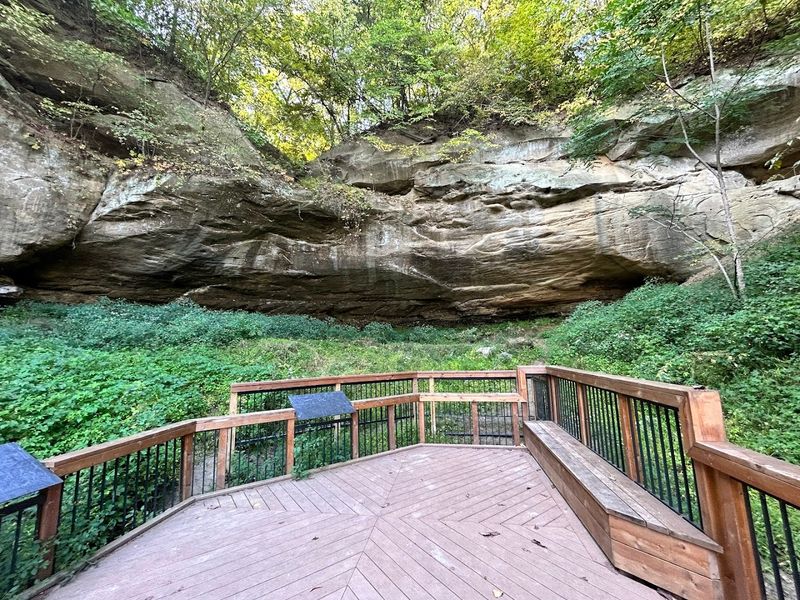
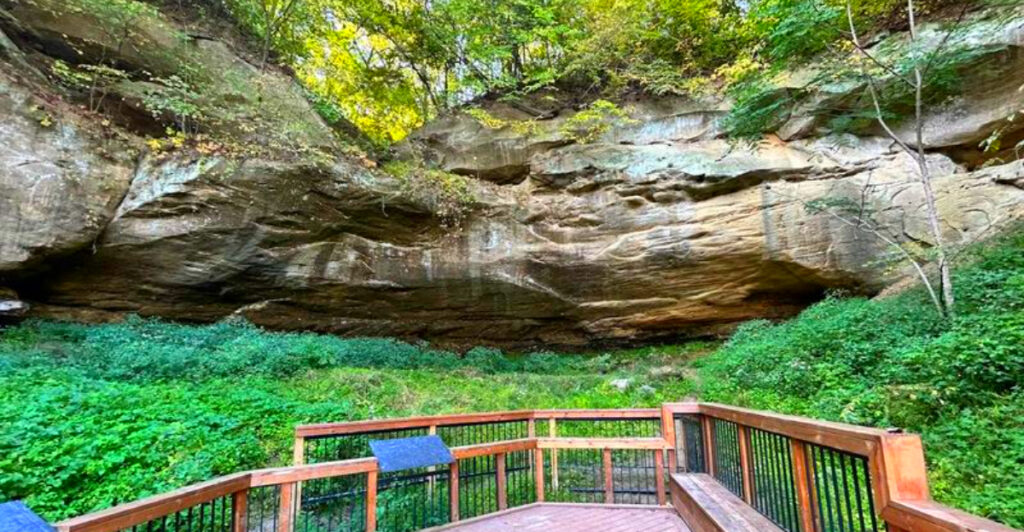
A sandstone cave with prehistoric petroglyphs carved into its walls is not what most people expect to find in southeastern Nebraska. Indian Cave State Park near Shubert delivers exactly that, along with 22 miles of hiking and biking trails through dense, hilly woodland above the Missouri River.
The cave itself is the park’s most famous feature. The petroglyphs inside were created by Indigenous peoples long before European settlers arrived, and the carvings remain visible today. Rangers and interpretive signs help explain what is known about their origin and meaning, though much about them remains a subject of ongoing study.
Beyond the cave, the park spans more than 3,000 acres and includes remnants of the old town of St. Deroin, a Missouri River settlement that was eventually abandoned. Walking through those overgrown remnants adds a layer of historical mystery to an already atmospheric park.
Fall is arguably the best time to visit, when the wooded bluffs turn golden and the river views become especially dramatic. Camping is available throughout the park, and the combination of history, geology, and natural beauty makes Indian Cave one of Nebraska’s most underrated state parks by a wide margin.
8. Ponca State Park, Ponca, Nebraska
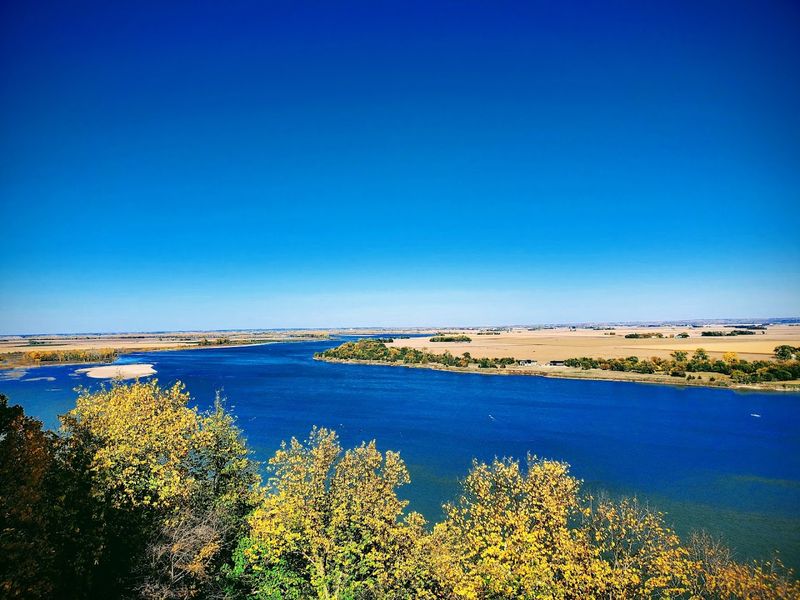
Most visitors arrive at Ponca State Park expecting a standard Nebraska outing and leave genuinely stunned by the views. The park sits high in the Missouri River bluffs in northeastern Nebraska, and from its overlooks, the river valley spreads out below in a way that feels far more dramatic than the state’s flat reputation would suggest.
The terrain here is hilly and densely wooded, which makes it feel like a different Nebraska entirely from the open plains most people associate with the state. White-tailed deer, wild turkeys, and bald eagles are regularly spotted throughout the park, making it a reliable destination for wildlife watching at almost any time of year.
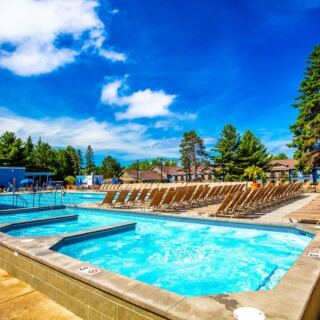
Ponca offers more than 20 miles of trails ranging from easy loops to more challenging ridge hikes. The park also features a swimming pool, cabins, and camping facilities, which makes it a practical choice for families planning an overnight trip.
One of the park’s most popular activities is a guided canoe trip on the Missouri River, offered seasonally through the park’s naturalist program. The Missouri River here is wide and powerful, and seeing it from water level gives visitors a completely different perspective than any overlook can provide.
9. Chadron State Park, Chadron, Nebraska
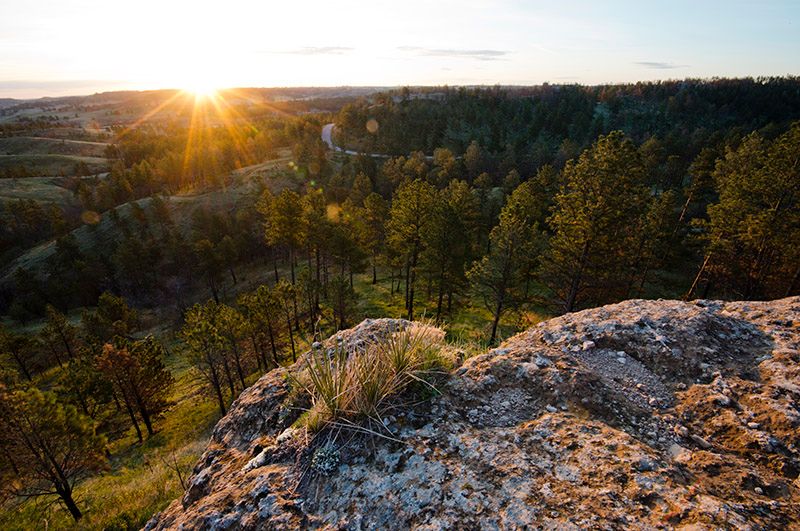
Nebraska’s oldest state park has been quietly defying expectations since 1921. Chadron State Park sits in the Pine Ridge region of northwestern Nebraska, where pine-covered ridges, rocky canyons, and rugged terrain replace every flatland cliche the state has ever been saddled with.
The park covers about 972 acres and sits adjacent to the Nebraska National Forest, giving the surrounding area a wild, expansive character that feels more like the foothills of the Rockies than the Great Plains. Ponderosa pines dominate the landscape, and the elevation changes between canyon floors and ridge tops create a varied hiking experience that keeps trails interesting throughout.
Wildlife is abundant in the Pine Ridge area. Mule deer, wild turkeys, and various hawk species are commonly spotted, and the park’s relatively low visitor numbers mean you can often enjoy the trails without much company. That quietness is one of its most underappreciated qualities.
Horseback riding is a popular activity here, and the park maintains facilities for visitors who bring their own horses. Cabins and camping sites are available year-round, and the park is close enough to the town of Chadron to make supply runs easy. For a first Nebraska state park, Chadron set an impressively high bar that still holds up today.
10. Platte River State Park, Louisville, Nebraska
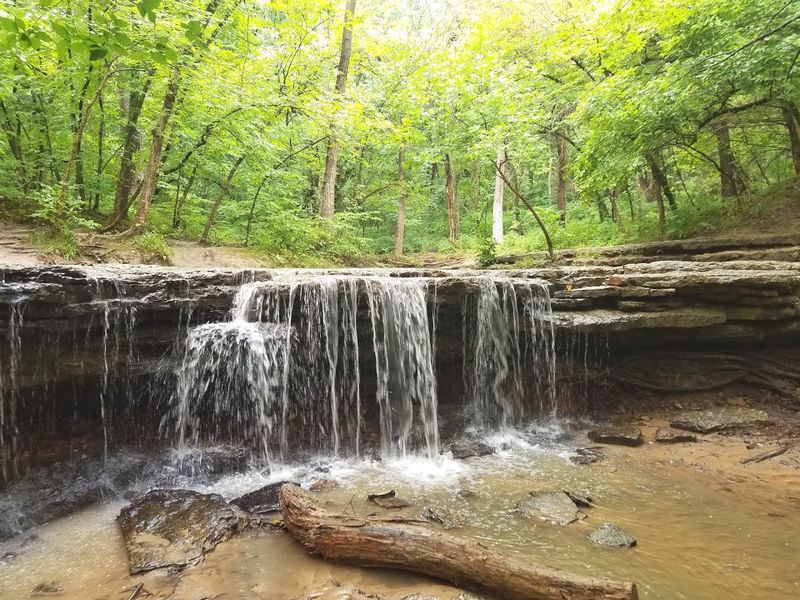
Tucked between Omaha and Lincoln along the Platte River Valley, this park punches well above its weight for a destination that most people drive past without a second thought. Platte River State Park near Louisville covers more than 400 acres of wooded hills, open meadows, and river valley overlooks that genuinely reward a slow afternoon of exploration.
The park’s trail system winds through dense forest and across open ridges, with several viewpoints that look out over the Platte River Valley below. A small waterfall area adds a bit of drama to the landscape and makes for a popular photo stop, especially in spring when water levels are higher.
Rental cabins, camping options, and a conference center make the park popular for group retreats and family gatherings, but the trails themselves are quiet enough that solo hikers and couples can find plenty of peaceful stretches away from the crowds.
One practical note worth knowing: the park charges a Nebraska state park entry fee, so having a park pass on hand saves time at the gate. For anyone living in the Omaha or Lincoln area, Platte River State Park is the kind of reliable local escape that earns repeat visits across every season of the year.
Share this story