 Unearth The Voyage
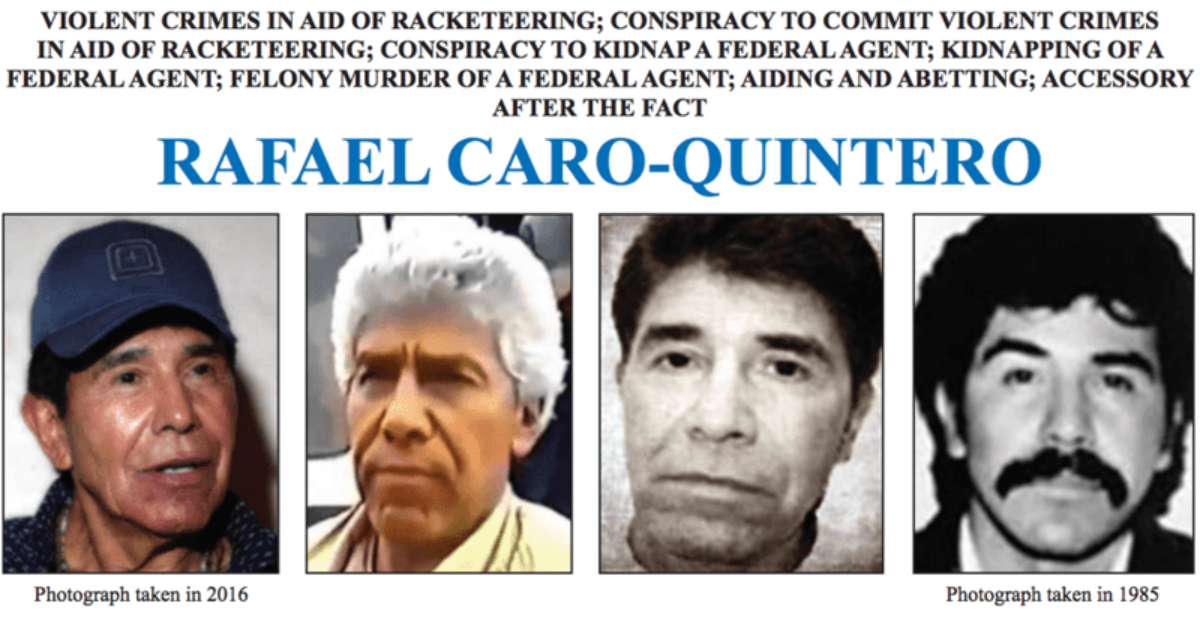
Drug cartels have shaped decades of crime history across Latin America and beyond, leaving behind trails of violence, corruption, and power struggles. The men who led these organizations became some of the most feared and hunted figures in the world.
From courtrooms in New York to rooftops in Medellín, their stories ended in very different ways. Here is a look at 10 of the most notorious cartel leaders and what ultimately happened to them.
1. Joaquín ‘El Chapo’ Guzmán (Sinaloa Cartel)
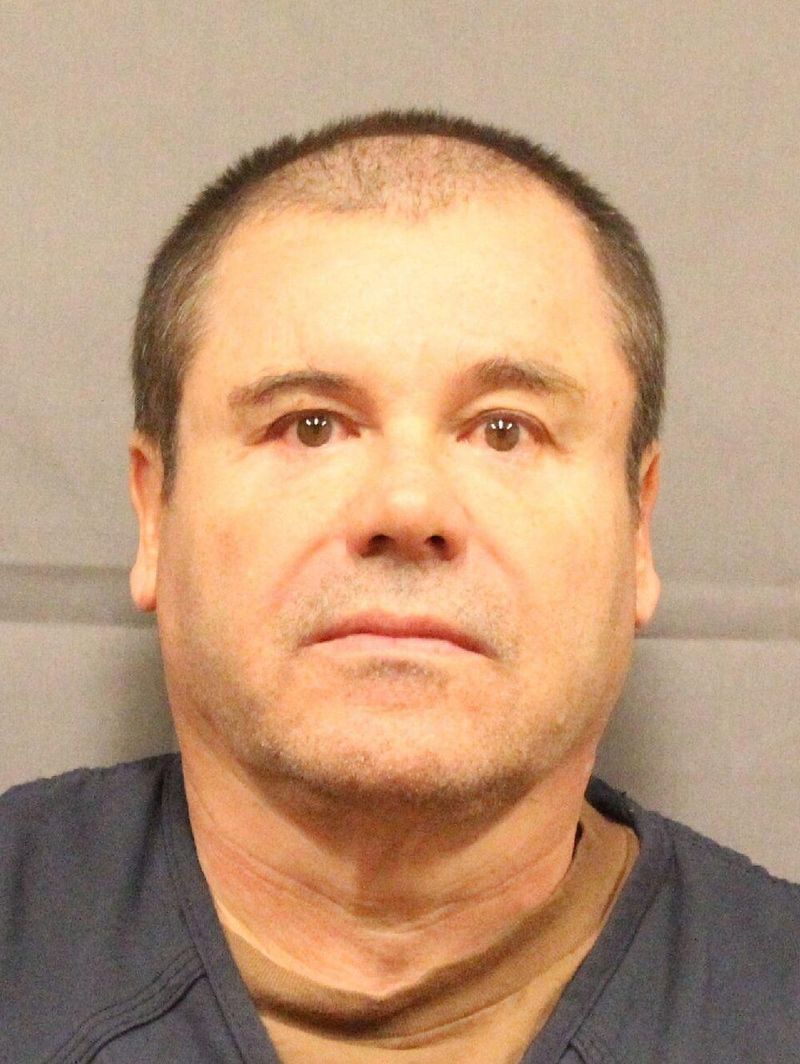
Few names in modern crime history carry as much weight as Joaquín “El Chapo” Guzmán. As the longtime leader of the Sinaloa Cartel, he built one of the most powerful drug trafficking organizations the world had ever seen.
He escaped from Mexican prisons twice before U.S. authorities finally got their hands on him.
His 2019 trial in New York became a global spectacle, with witnesses describing tunnels, bribes, and billions in drug profits. He was convicted on all counts, including drug trafficking and conspiracy to commit murder.
Today, Guzmán is locked away at ADX Florence in Colorado, often called the most secure prison in the United States. He is serving a life sentence with no possibility of parole.
His family has spoken publicly about the harsh conditions he faces inside the facility.
2. Pablo Escobar (Medellín Cartel)
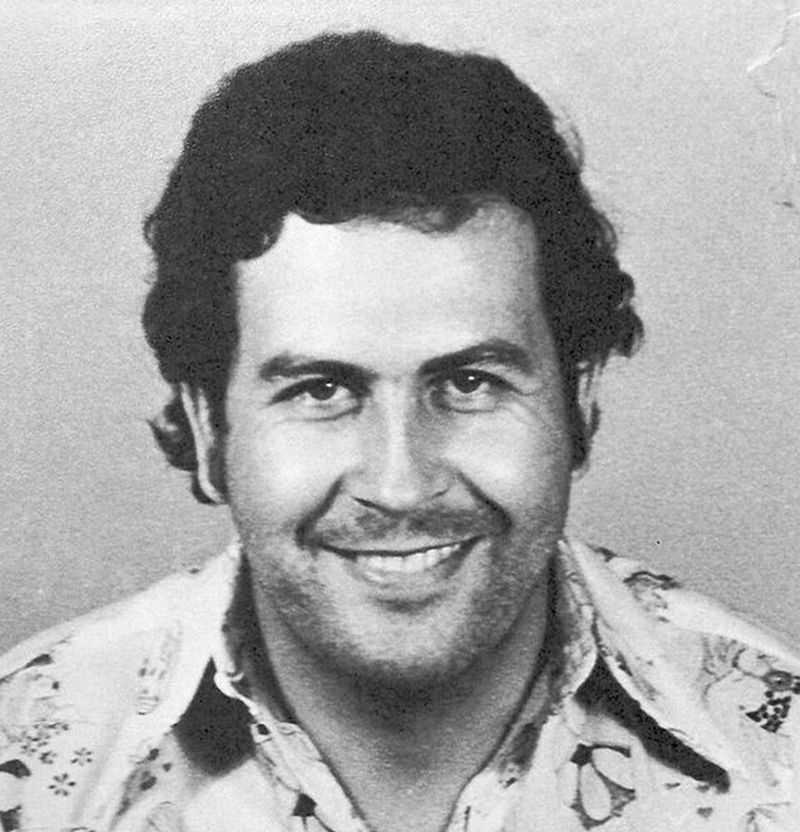
Pablo Escobar was once so wealthy that he reportedly spent $2,500 a month just on rubber bands to hold his cash together. As the head of the Medellín Cartel, he flooded the United States with cocaine during the 1980s and became one of the richest criminals in history.
His violence terrorized Colombia for years.
Escobar bombed buildings, ordered assassinations of judges and politicians, and even blew up a commercial airliner. He once surrendered to Colombian authorities but lived in a luxury prison he essentially built himself, escaping when the government tried to move him.
His reign ended on December 2, 1993, when Colombian security forces tracked him to a rooftop in Medellín. He was shot and killed during the confrontation.
Decades later, his story continues to fascinate the world through books, documentaries, and television series.
3. Ismael ‘El Mayo’ Zambada (Sinaloa Cartel)
For decades, Ismael “El Mayo” Zambada operated in the shadow of El Chapo, yet many law enforcement officials considered him the true organizational backbone of the Sinaloa Cartel. Unlike flashier cartel bosses, Zambada kept a deliberately low profile, rarely photographed and almost never captured.
That elusiveness made him a legend in criminal circles.
He managed to avoid arrest for more than 50 years, a feat that baffled U.S. and Mexican authorities alike. His ability to bribe officials and blend into everyday life helped him stay untouchable for so long.
That all changed in 2024 when Zambada was arrested in the United States under circumstances that remain controversial. Reports suggest he was lured onto a plane under false pretenses.
As of 2026, he is awaiting trial in the U.S. on drug trafficking and other serious charges, closing a remarkable chapter in cartel history.
4. Miguel Ángel Félix Gallardo (Guadalajara Cartel)
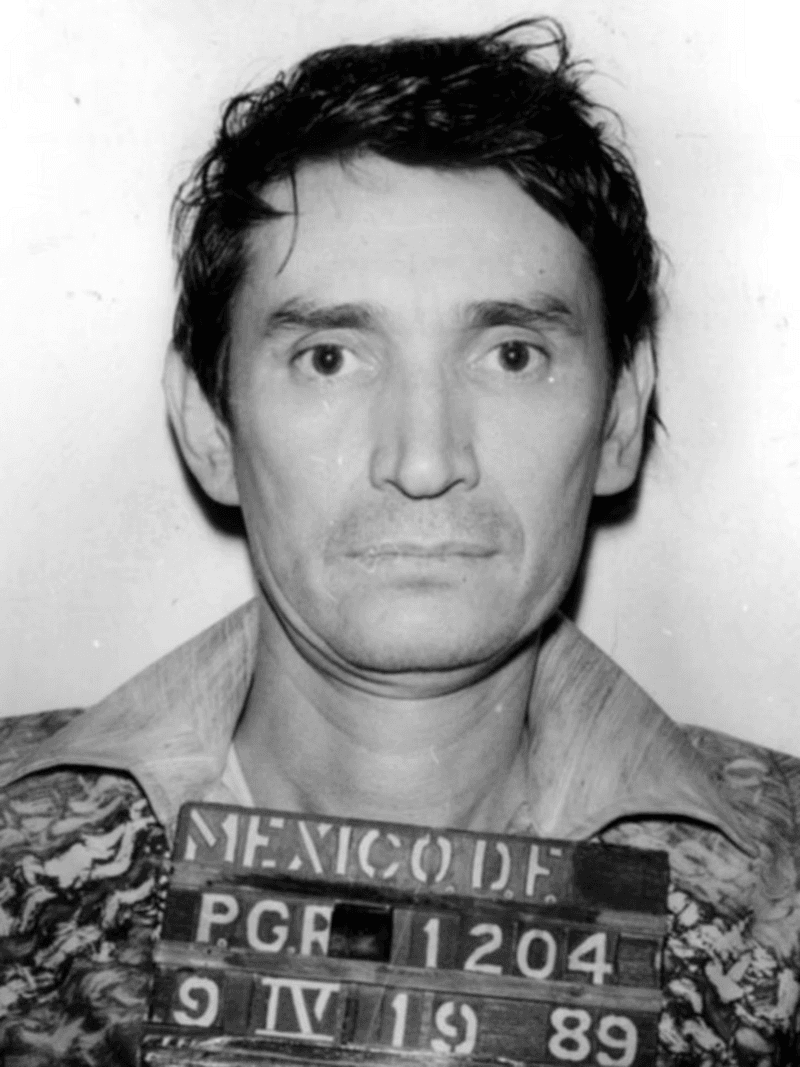
Known as “El Padrino” or The Godfather, Miguel Ángel Félix Gallardo was the architect of modern Mexican drug trafficking. He essentially built the blueprint that later cartels, including Sinaloa and Tijuana, would follow.
At his peak in the 1980s, he controlled nearly all cocaine and marijuana flowing into the United States from Mexico.
His downfall came after the 1985 murder of U.S. DEA agent Enrique “Kiki” Camarena, a crime that triggered massive pressure from Washington on Mexican authorities.
Félix Gallardo was arrested in 1989 and sentenced to decades in prison.
After serving time behind bars, he was transferred to home confinement in Mexico in 2022, largely due to his advanced age and deteriorating health. Now in his 70s, the man who once commanded an empire reportedly suffers from serious vision problems.
His story is featured prominently in the Netflix series “Narcos: Mexico.”
5. Osiel Cárdenas Guillén (Gulf Cartel)
Osiel Cárdenas Guillén rose to power in the Gulf Cartel through ruthless tactics, including ordering the killings of rivals and even former friends. He is also the man credited with forming Los Zetas, a group of elite military deserters he recruited as his personal enforcers.
That decision would eventually reshape the entire landscape of Mexican organized crime.
Mexican authorities arrested him in 2003 after a dramatic confrontation involving hundreds of soldiers. He was extradited to the United States in 2007, where he cooperated with prosecutors in exchange for a reduced sentence, a move that reportedly angered former allies.
After serving his time, Cárdenas Guillén was released from U.S. federal custody in 2024. However, legal supervision matters tied to his case reportedly remain unresolved.
His release raised eyebrows given the scale of violence and trafficking he oversaw during his years running the Gulf Cartel.
6. Nemésio ‘El Mencho’ Oseguera Cervantes (Jalisco New Generation Cartel)
Right now, Nemésio “El Mencho” Oseguera Cervantes is considered one of the most dangerous and most wanted men on the planet. As the founder and leader of the Jalisco New Generation Cartel, known as CJNG, he built an organization that rivals even the Sinaloa Cartel in reach and firepower.
The U.S. government has placed a $10 million reward on his head.
CJNG is known for extreme violence, including shooting down a Mexican military helicopter with a rocket launcher in 2015. The cartel has expanded aggressively into new territories across Mexico and has trafficking networks stretching into Asia, Europe, and the Americas.
Despite massive manhunts by both U.S. and Mexican authorities, El Mencho remains at large as of 2026. His health has reportedly declined in recent years, but he continues to command the organization.
He represents the current face of cartel power in Mexico.
7. Amado Carrillo Fuentes (Juárez Cartel)
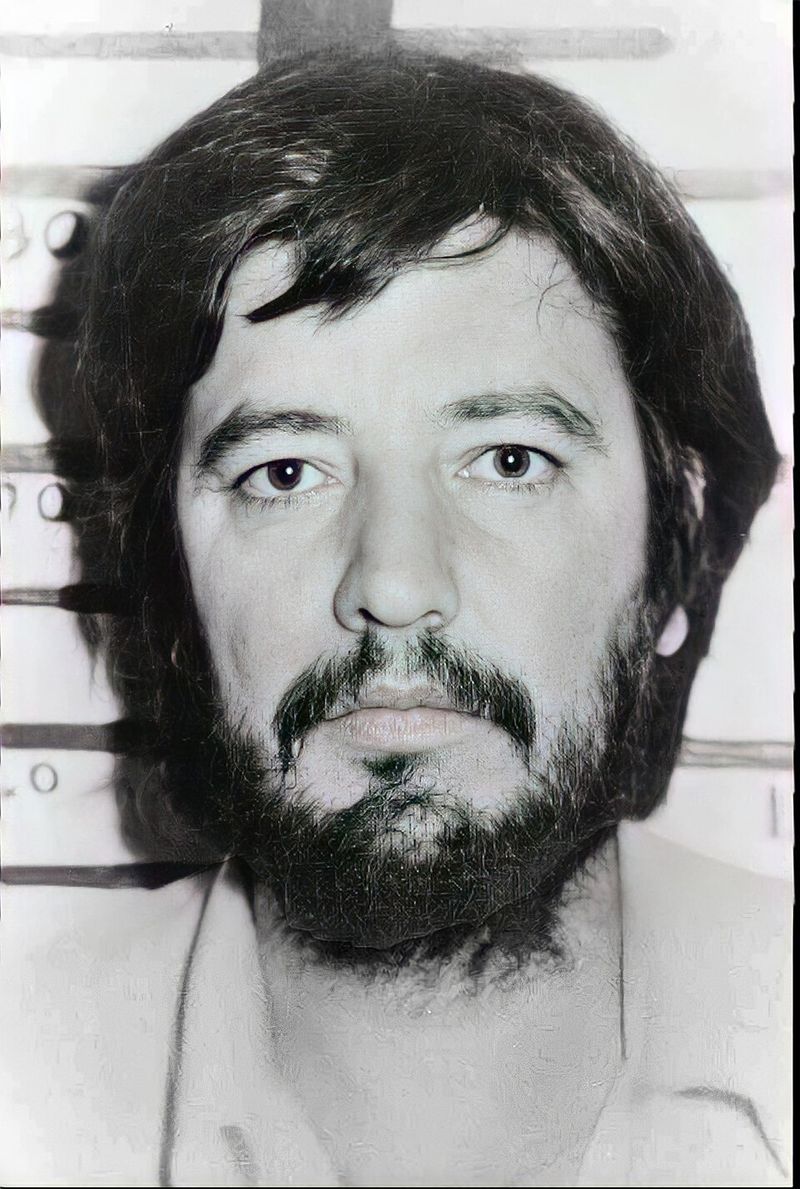
Amado Carrillo Fuentes earned the nickname “Lord of the Skies” for a very specific reason: he moved massive cocaine shipments using a fleet of Boeing 727 jets. As the head of the Juárez Cartel in the 1990s, he became the wealthiest drug trafficker in Mexico, reportedly accumulating a fortune worth billions of dollars.
His operation was both sophisticated and brutally efficient.
By the mid-1990s, Carrillo Fuentes had grown paranoid about his high public profile and decided to change his appearance through extensive plastic surgery. The goal was to disappear entirely and reinvent himself with a new identity.
The plan went fatally wrong. On July 4, 1997, he died in a Mexico City clinic from complications following the surgery.
His death shocked the criminal underworld. Three of the surgeons who performed the procedures were later found dead, their bodies encased in concrete.
8. Arellano Félix Brothers (Tijuana Cartel)
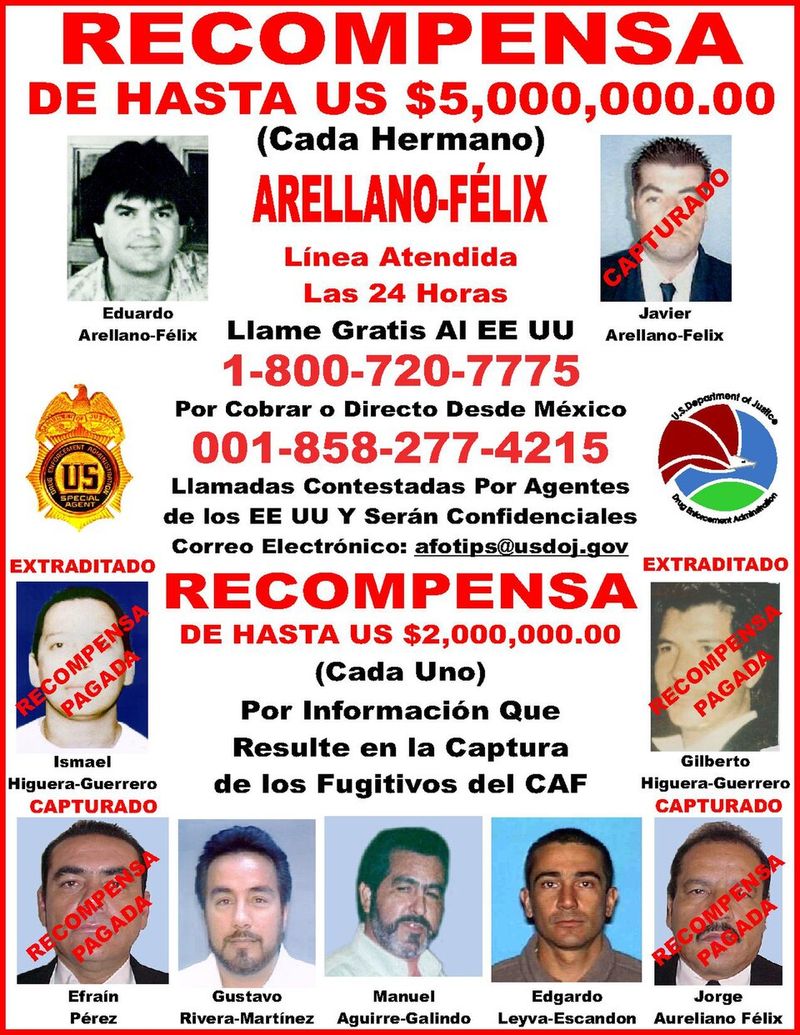
The Arellano Félix family turned the Tijuana Cartel into one of the most feared criminal organizations in Mexico during the 1990s. The brothers, several of them, split up responsibilities for violence, finances, and smuggling routes, making the cartel a true family enterprise.
Their territory along the U.S.-Mexico border made them incredibly valuable players in the drug trade.
Ramón Arellano Félix was the enforcer of the group, known for personally carrying out violent acts. His reign ended in February 2002 when he was killed in a shootout in Mazatlán.
His death marked the beginning of the cartel’s long decline.
Benjamín Arellano Félix, considered the strategic mind behind the operation, was arrested in Mexico in 2002 and later extradited to the United States. He was released from U.S. prison in 2022 after serving his sentence.
Several other brothers were also arrested or killed over the years.
9. Heriberto ‘El Lazca’ Lazcano (Los Zetas)
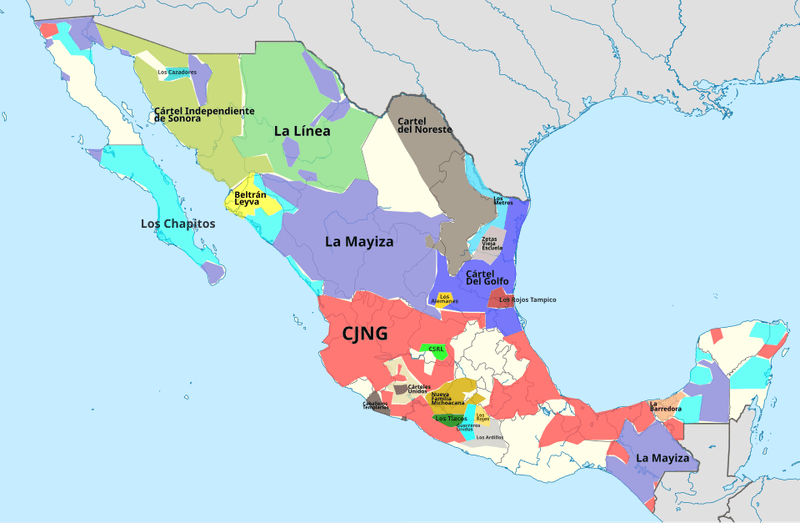
Heriberto Lazcano had a background that made him especially dangerous: he was a former member of Mexico’s elite special forces before defecting to the criminal world. As a co-founder and leader of Los Zetas, he brought military-grade discipline and tactics to organized crime.
Los Zetas became notorious for a level of brutality that shocked even hardened observers of the drug war.
Under his leadership, Los Zetas expanded beyond drug trafficking into extortion, kidnapping, and human smuggling. The group’s willingness to use extreme violence, including mass killings, set them apart from other cartels and made them a top priority for both Mexican and U.S. law enforcement.
Lazcano was killed on October 7, 2012, during a confrontation with Mexican marines in Coahuila. In a bizarre twist, his body was reportedly stolen from a funeral home by armed men shortly after his death was confirmed, adding one final strange chapter to his story.
10. Rafael Caro Quintero (Guadalajara Cartel)
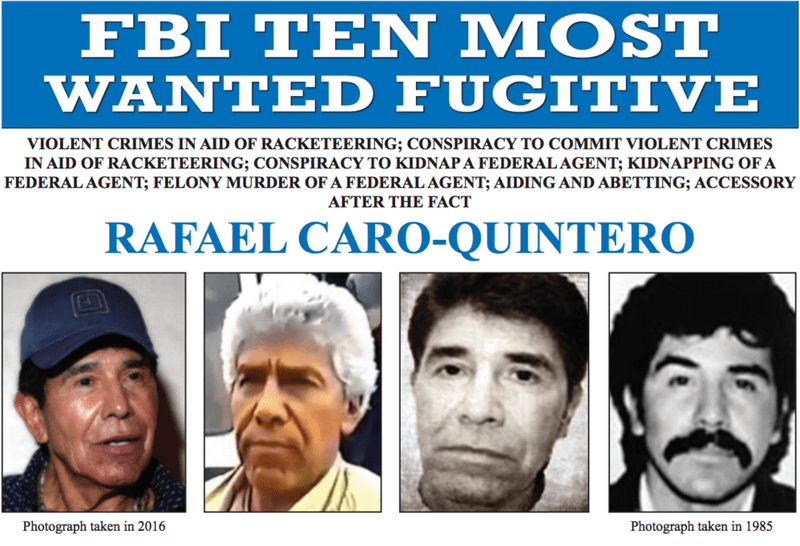
Rafael Caro Quintero holds a dark place in U.S.-Mexico relations. As a co-founder of the Guadalajara Cartel alongside Félix Gallardo, he helped establish the early cocaine and marijuana trafficking networks that shaped the modern drug trade.
His name became permanently linked to one of the most painful events in DEA history.
In 1985, Caro Quintero ordered the kidnapping, torture, and murder of U.S. DEA agent Enrique “Kiki” Camarena.
The crime caused a massive diplomatic fallout and put him at the top of American law enforcement’s most wanted lists. He was arrested and sentenced to decades in a Mexican prison.
A Mexican court controversially released him in 2013 on a legal technicality, sparking outrage in Washington. He spent years as a fugitive before being arrested again in 2022.
Extradition proceedings to the United States have been ongoing, with the U.S. eager to hold him accountable for Camarena’s murder.



