Birthright citizenship is the legal right to become a citizen of a country simply by being born there. While some nations, like the United States and Canada, automatically grant citizenship at birth, many of the world’s most populated countries do not follow this rule.
Instead, they base citizenship on the nationality of the parents, a system known as jus sanguinis, or “right of blood.” Here is a look at 10 of the world’s most populous countries where being born on their soil does not automatically make you a citizen.
1. China

China’s approach to citizenship is rooted in bloodline, not birthplace. The Nationality Law of 1980 establishes that citizenship is passed down from parents, meaning a child born in China to foreign parents does not automatically become a Chinese citizen.
With a population exceeding 1.4 billion, China has one of the most tightly controlled citizenship systems in the world. The government carefully manages who qualifies, and dual citizenship is generally not recognized, which adds another layer of complexity for families with mixed national backgrounds.
Interestingly, a child born abroad to at least one Chinese parent can still claim Chinese citizenship, showing that the system is designed to preserve national identity across generations. For foreigners living and working in China, obtaining permanent residency is already difficult, making full citizenship an even more distant prospect for most.
2. Pakistan

Pakistan operates under the Pakistan Citizenship Act of 1951, which grants citizenship based on the nationality of the father. A child born on Pakistani soil to foreign parents does not automatically receive citizenship, keeping the system firmly rooted in paternal lineage.
With a population of over 230 million, Pakistan faces significant pressures from refugee populations, particularly Afghan refugees who have lived in the country for decades. Children born to these families on Pakistani soil are not granted citizenship, leaving many in a legal gray area with limited access to education, healthcare, and official documentation.
Human rights organizations have raised concerns about stateless children born in Pakistan who grow up without a clear national identity. The issue remains a sensitive political topic, balancing national security concerns with humanitarian responsibilities toward some of the world’s most vulnerable displaced populations.
3. Nigeria
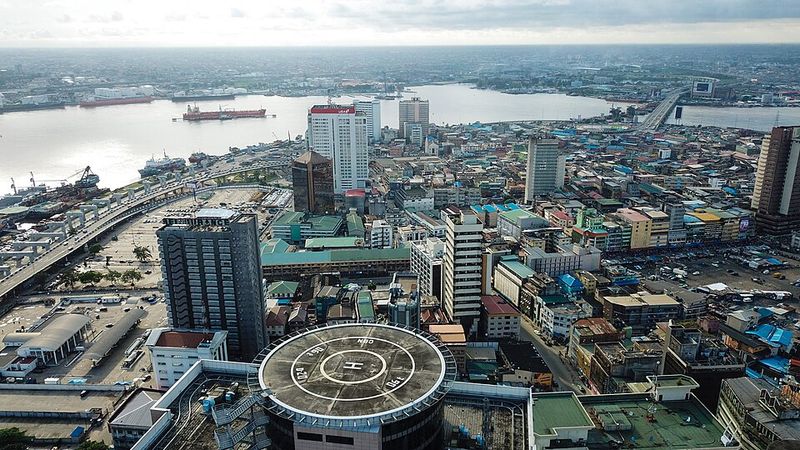
Nigeria is Africa’s most populous country, with over 220 million people, and its citizenship rules follow the jus sanguinis principle. The 1999 Constitution states that citizenship is acquired by birth only if at least one parent or grandparent is a Nigerian citizen.
Simply being born within Nigeria’s borders is not enough to claim citizenship. This matters greatly in a country that hosts large communities of West African migrants and refugees from neighboring countries like Cameroon, Niger, and Chad, whose children may be born in Nigeria but cannot claim citizenship through birthplace alone.
Nigeria’s citizenship framework is also notable for allowing citizenship through grandparents, which gives it a slightly broader reach than some other countries on this list. Still, the core principle remains the same: family connection to Nigeria, not geography, is what determines who belongs as a citizen.
4. India
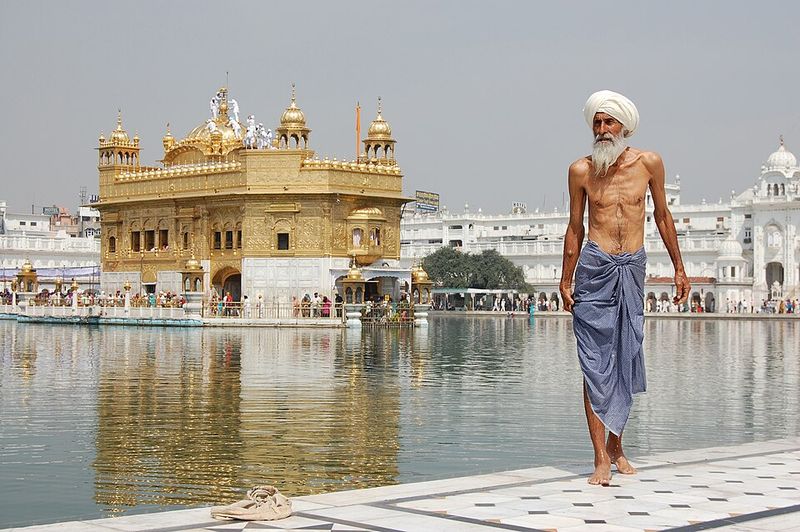
Home to more than 1.4 billion people, India is the world’s most populous country and one that firmly ties citizenship to ancestry rather than birthplace. Under the Citizenship Act of 1955, a child born in India is not automatically a citizen unless at least one parent is an Indian citizen at the time of birth.
There is an additional restriction: if either parent is an undocumented immigrant, the child does not qualify for citizenship at all. This rule was put in place largely to manage the country’s complex history with migration, particularly along its borders with Bangladesh and Pakistan.
India’s approach reflects a broader concern about population management and national identity. The law has been updated several times, most recently drawing attention during debates around the Citizenship Amendment Act of 2019, which sparked widespread national discussion about who truly belongs.
5. Bangladesh
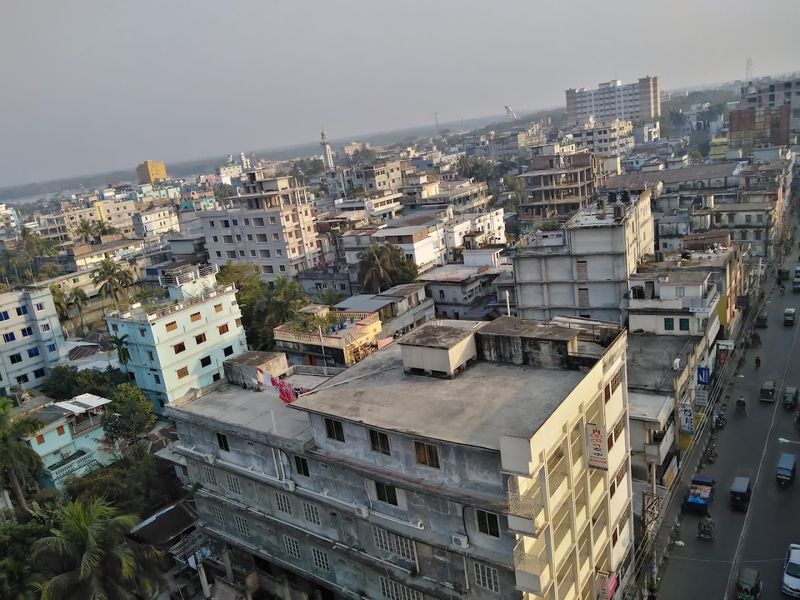
Bangladesh, one of the world’s most densely populated countries with over 170 million people, grants citizenship primarily through descent. The Bangladesh Citizenship Order of 1972 and subsequent laws make it clear that a child must have at least one Bangladeshi parent to be recognized as a citizen at birth.
The country has a particularly complicated history with statelessness, most notably involving the Urdu-speaking Bihari community, many of whom have lived in Bangladesh since the 1971 Liberation War but were long denied citizenship. Their children, born on Bangladeshi soil, were not automatically recognized as citizens for decades.
A 2008 court ruling eventually extended citizenship rights to many Biharis, but the broader legal framework still does not guarantee citizenship by birthplace alone. For a country managing both poverty and high population density, controlling citizenship through lineage remains a practical and political priority.
6. Russia

Russia has one of the most straightforward jus sanguinis systems among large nations. Under the Federal Law on Citizenship of 2002, a child born in Russia to two foreign parents does not automatically receive Russian citizenship, regardless of where the birth takes place.
There is a limited exception: if both parents are foreign nationals but the child would otherwise be stateless, Russia may grant citizenship to prevent a humanitarian crisis. Outside of that narrow case, however, bloodline is the deciding factor.
Russia’s population of around 145 million is actually declining, which makes its strict citizenship rules somewhat surprising from a demographic standpoint. Some experts argue that easing citizenship requirements could help address the population shortfall.
Despite this, the government has shown little interest in shifting toward a birthright model, prioritizing ethnic and cultural identity in its national citizenship framework instead.
7. Ethiopia
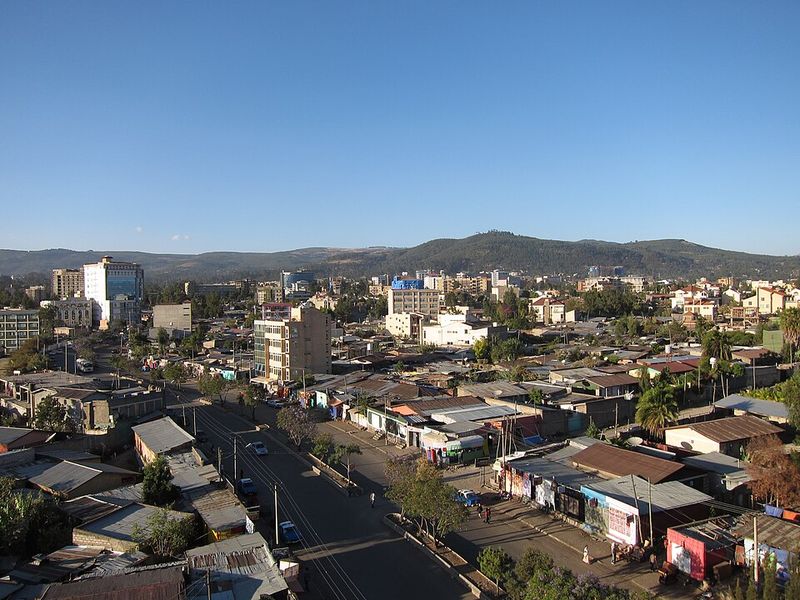
Ethiopia, home to over 120 million people and one of Africa’s fastest-growing populations, does not grant citizenship based on birthplace. The Ethiopian Nationality Proclamation of 2003 ties citizenship to having at least one Ethiopian parent, following the jus sanguinis model used by most African nations.
The country has faced serious challenges with statelessness, particularly among communities along its borders with Eritrea, Somalia, and Kenya. Children born to foreign nationals living in Ethiopia have no automatic path to citizenship, which can create long-term difficulties in accessing public services and legal protections.
Ethiopia’s history of ethnic federalism, where the country is divided into regions largely based on ethnicity, makes the question of citizenship especially layered. Identity in Ethiopia is often tied to ethnic group membership as much as national belonging, giving the citizenship debate a unique cultural dimension that goes beyond just legal definitions.
8. Japan

Japan is well known for having one of the strictest citizenship policies among wealthy, developed nations. The Nationality Act clearly states that citizenship is determined by the nationality of the parents, specifically the father in cases of unmarried parents, though reforms have broadened this over time.
A child born in Japan to two non-Japanese parents has no automatic right to Japanese citizenship, no matter how long the parents have lived and worked in the country. This affects a significant number of children born to the growing population of foreign workers Japan has been actively recruiting to address labor shortages.
Japan also does not recognize dual citizenship for adults, meaning those who do acquire Japanese citizenship must typically renounce their other nationalities. With a shrinking and aging population, Japan’s rigid citizenship system is increasingly being debated as the country weighs the economic need for immigration against deeply held cultural values.
9. Philippines
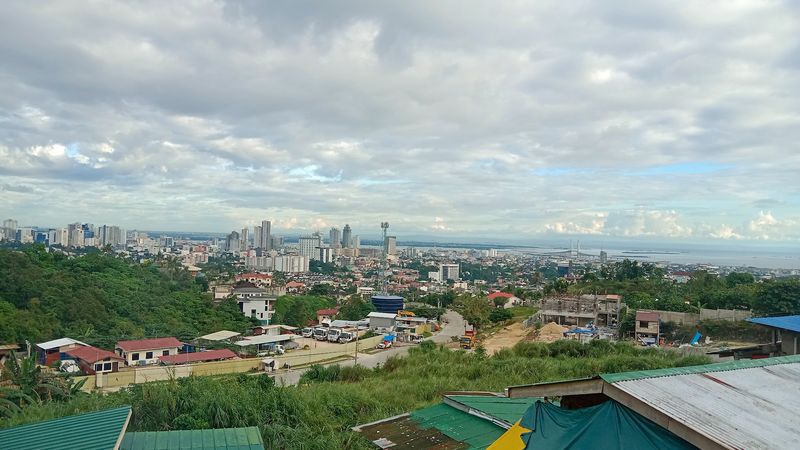
The Philippines, with a population of over 115 million, determines citizenship through the 1987 Constitution, which grants citizenship to children born to at least one Filipino parent. Birthplace alone, without a Filipino parent, does not grant automatic citizenship.
The country has a large and globally dispersed diaspora, with millions of Filipinos working abroad. The citizenship-by-descent model actually works in favor of this community, as children born to Filipino parents in other countries can still claim Filipino citizenship.
However, the reverse does not apply for foreigners giving birth in the Philippines.
Interestingly, the Philippines does not formally recognize dual citizenship for natural-born citizens who have naturalized elsewhere, though a 2003 law allows former Filipino citizens to reacquire their citizenship. This reflects the country’s effort to maintain strong ties with its overseas communities while keeping its citizenship framework grounded in family lineage.
10. Vietnam

Vietnam rounds out this list with a citizenship system that, like the others, relies on parental nationality rather than birthplace. The Law on Vietnamese Nationality, most recently updated in 2008, states that a child is Vietnamese if at least one parent holds Vietnamese citizenship at the time of birth.
With a population of around 98 million, Vietnam has a relatively young and growing workforce. The country has seen an increase in foreign investment and expatriate workers in recent years, making the question of what happens to children born to foreign nationals increasingly relevant to everyday life.
Vietnam does not generally permit dual citizenship, though exceptions exist in certain cases. For a country that experienced decades of war and mass emigration, the citizenship-by-descent model serves partly as a way to maintain ties with the Vietnamese diaspora scattered across the globe, particularly in the United States, France, and Australia.
Share this story